Why are my plant’s leaves turning yellow?
The most common distress signal. Usually one of five things.
Yellow leaves almost always mean one of: too much water, too little light, a nutrient gap, age, or pests. Work through the list below in order — overwatering is the #1 killer of houseplants.
Work through these.
- 01
Overwatering
Soggy soil suffocates roots. Leaves turn yellow uniformly, often starting at the bottom, and may feel soft.
FixStop watering until the top 2–3 cm of soil are completely dry. Tip the pot; if water drains out, let it dry for a week. Check the drainage hole.
- 02
Too little light
Leaves yellow evenly and the plant leans toward windows. New growth is smaller and paler.
FixMove within 1–2 m of a bright window. North-facing rooms may need a grow light. No single species needs dimness — the “low-light tolerant” list is about surviving, not thriving.
- 03
Nutrient deficiency
Nitrogen deficiency yellows older leaves first. Iron deficiency yellows new leaves with green veins.
FixA balanced liquid fertilizer at half strength, once a month in spring/summer. Stop feeding in winter.
- 04
Old leaves dying off
One or two lower leaves yellowing while new growth is healthy is normal.
FixRemove gently with clean scissors. No action needed beyond that.
- 05
Spider mites / thrips
Fine webbing under leaves or tiny pale speckles suggest pests.
FixWipe leaves with a damp cloth. For stubborn cases, neem oil spray every week for 3 weeks.
Plants that commonly show this.
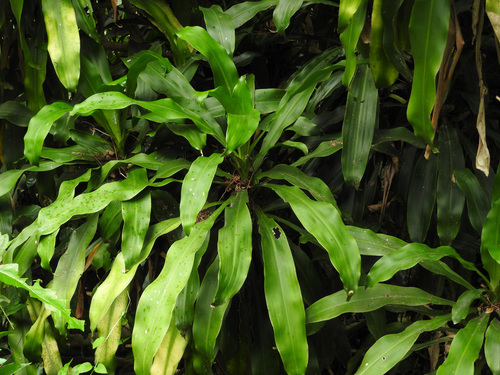
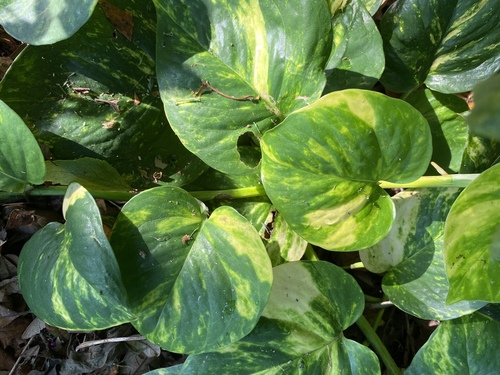
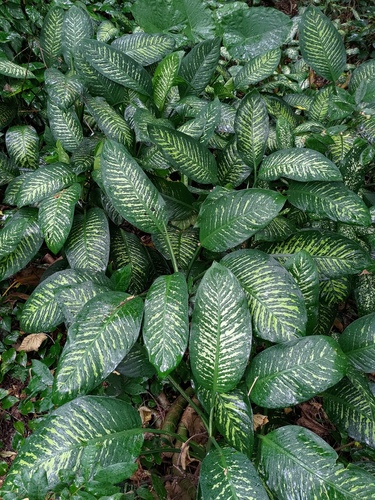
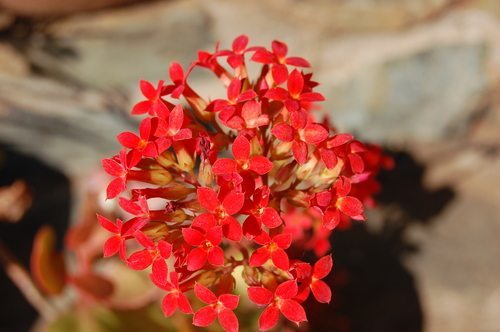
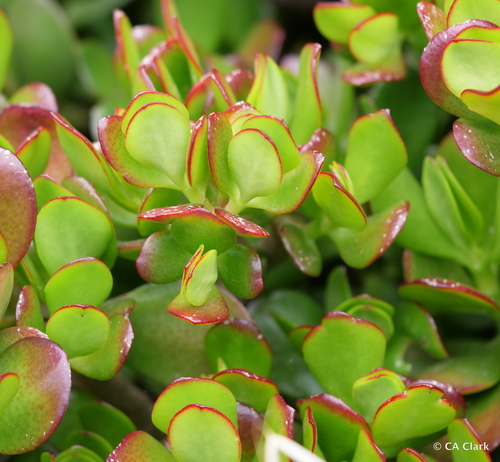
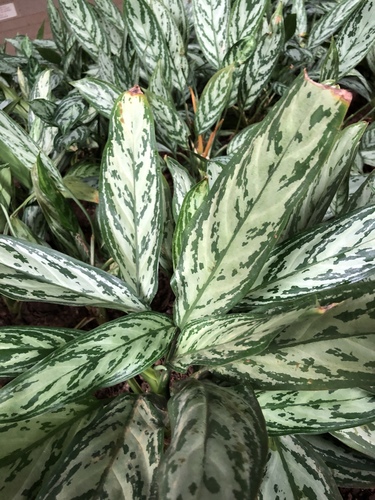
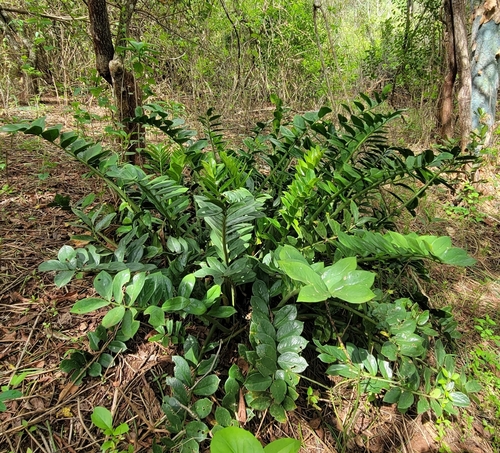
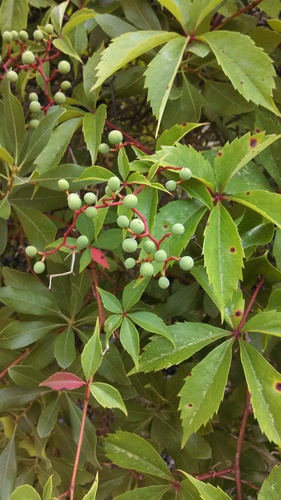
Look up your plant by name.
Every species has its own care guide with light, water, humidity, and toxicity details.