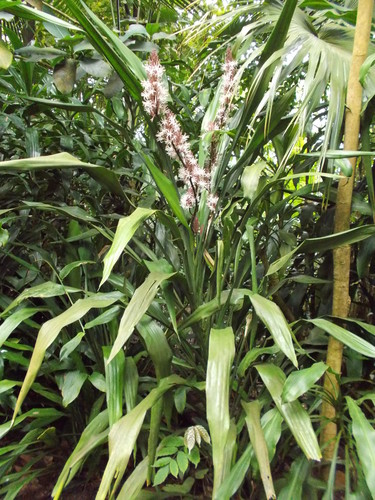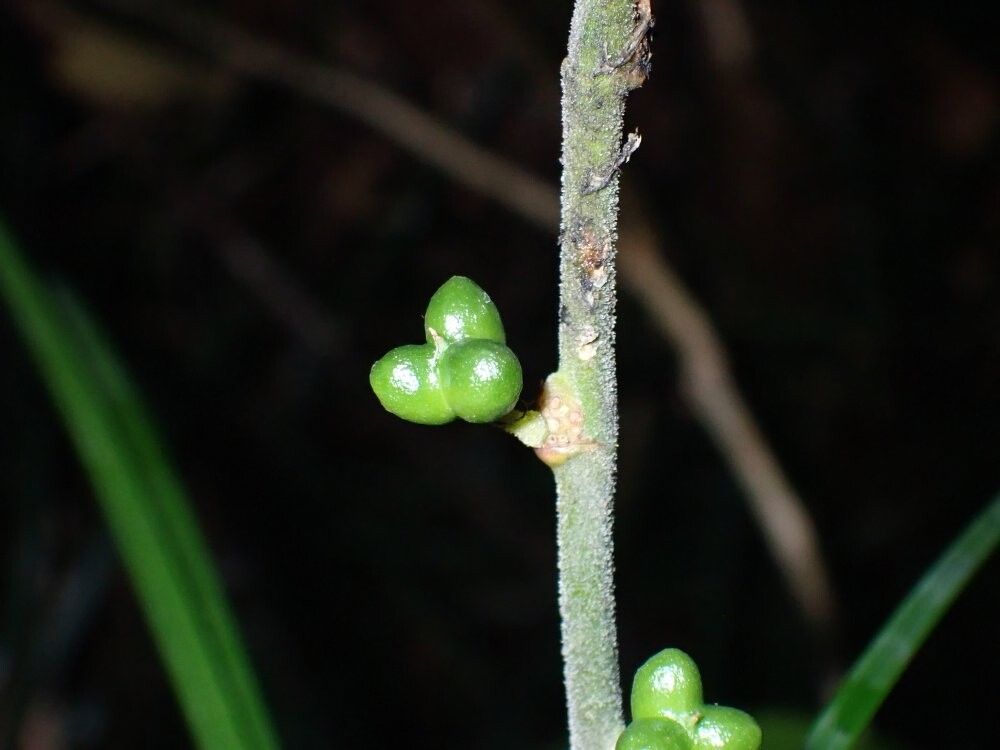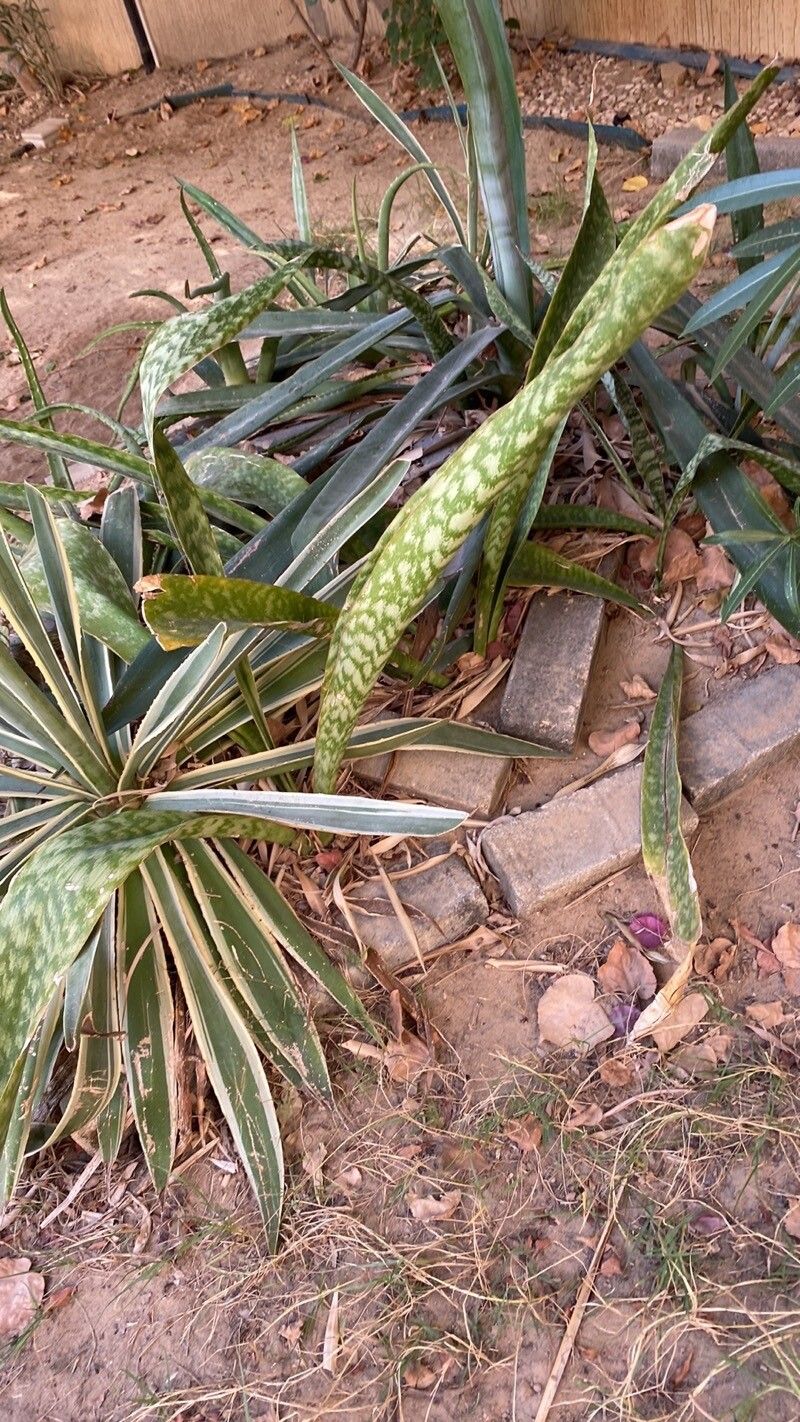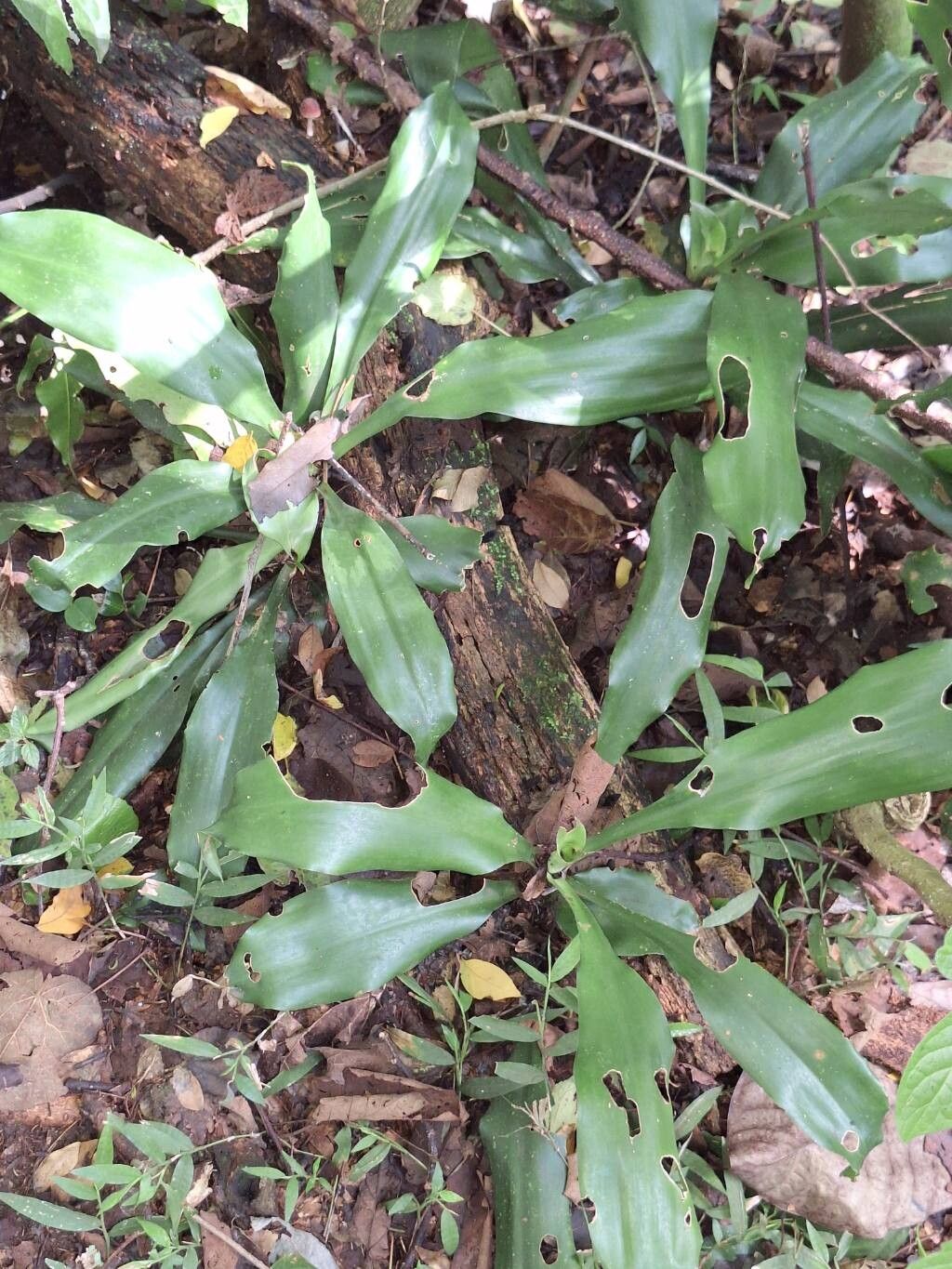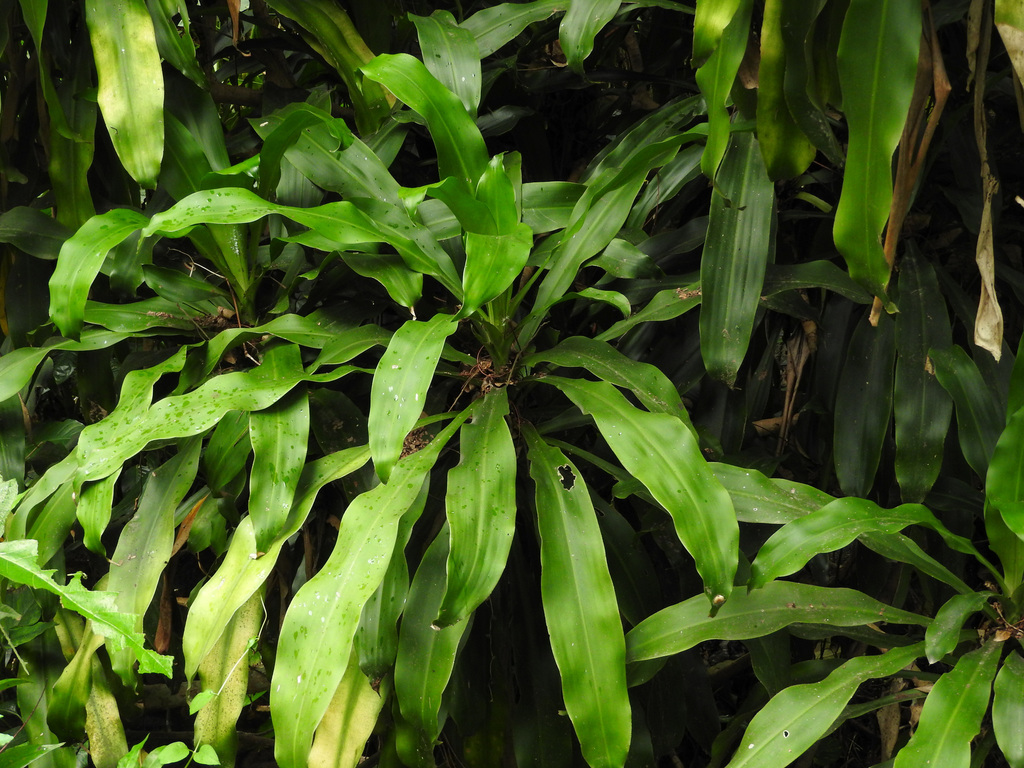
Dracaena fragrans, commonly known as the corn plant, is a popular indoor plant native to tropical Africa. Belonging to the Asparagaceae family, this plant can grow up to 6 feet tall. It features a thick stem with long, narrow, dark green leaves highlighted by yellow stripes running down the center.
The corn plant is easy to care for and can thrive in low-light conditions. It prefers well-draining soil and should be watered when the top inch of soil feels dry. Overwatering can lead to root rot, so it's essential not to let the plant sit in standing water.
Besides being an attractive houseplant, Dracaena fragrans has air-purifying properties that enhance indoor air quality by removing harmful toxins such as formaldehyde from the air.
Overall, Dracaena fragrans is a low-maintenance houseplant that offers both aesthetic appeal and health benefits.
Corn plant is fairly disease-resistant and generally does not tend to get sick. However, when kept in poor conditions it can become more vulnerable to disease. It also experiences few insect pests. As for care, this plant has moderate needs. It requires plenty of sunlight, because insufficient light can make it more prone to disease and cause weak, spindly growth. Because it is commonly kept indoors, it may need to be moved periodically to a well-lit spot. It does not need frequent watering. Overall, Corn plant suits most people, but it performs best with those who can provide good light conditions.
How to keep Dracaena Fragrans.
Light
The corn plant needs a balanced amount of light, tolerating a wide range from bright sunshine to shaded corners. Still, very intense sunlight can scorch its leaves. Insufficient light, on the other hand, may lead to less vibrant foliage. Originating from cloudy environments, its light requirements do not change much with different growth stages.
Water
The corn plant thrives in moderate to high humidity, which aligns with its tropical origins. While it is drought-tolerant, it performs best with consistent moisture. Water the plant every two weeks, but let the soil dry out slightly between waterings. Occasional misting can help maintain its lush foliage, making it an excellent choice for an indoor plant.
Humidity
This plant will thrive in moderate humidity, which is probably the level in your home. However, misting it a few times a week can be very beneficial. Make sure the room has good ventilation.
Temperature
The corn plant is native to tropical regions and needs temperatures between 68 to 105 ℉ (20 to 41 ℃) to thrive. It prefers a consistently warm environment and should be kept at temperatures above 60 ℉ (15.6 ℃) during the colder months. During hot summer months, it may benefit from partial shade and increased humidity to prevent leaf scorch.
Fertilizer
Fertilization is essential for the care of the Corn plant. Regular feeding throughout the growing season helps maintain the energy needed for its showy leaves and supports overall growth. Failing to fertilize can lead to unhealthy leaves, reduced ornamental appeal, and stunted or weak growth that is more likely to break.
Pruning
The corn plant, characterized by its long, arching leaves and cane-like stems, benefits significantly from winter pruning. Pruning during this season helps maintain the plant's shape and encourages bushier growth. To improve its appearance and overall health, trim away any dead leaves and leggy stems while the plant is dormant. This not only enhances the plant's look but also prevents it from becoming overgrown.
Pot & Repot
When repotting a Corn plant, pick a pot 1-2 inches (2.5–5.1 cm) larger with ample drainage. Use a well-draining, potting mix. Repot in spring or fall, ensuring the root ball is positioned slightly lower than the rim of the flower pot. Water thoroughly after repotting and place in a warm spot with indirect sunlight.
Botanical profile.
- Plant Type
- Shrub, Tree
- Life Cycle
- Perennial
- Genus
- Dracaena
- Family
- Asparagaceae
- Hardiness Zone
- 10-13
- Mature Height
- 4.57 m to 15.24 m
- Mature Spread
- 91 cm
- Leaf Color
- Green, Variegated, Yellow, White, Red
- Leaf Type
- Evergreen
- Flower Color
- White, Yellow, Green
- Flower Size
- 2.54 cm
- Bloom Time
- Early summer, Mid summer
- Planting Time
- Spring, Summer, Autumn
- Harvest Time
- Mid summer, Late summer
- Native Area
- Angola, Rwanda, Nigeria, Kenya, Guinea-Bissau, Uganda, Zimbabwe, Benin, Tanzania, Sierra Leone, Equatorial Guinea, Cameroon, Liberia, Mozambique, Ghana, Ethiopia, Central African Republic, Congo, Malawi, Zambia, Sudan, Guinea, Togo, Senegal, Côte d'Ivoire, Gambia, Congo (DRC), Gabon
Other names.
Reader questions.
When should I water my corn plant?
Watering your corn plant properly is vital for its health. The ideal time to water is when the top 1-2 inches of soil feel dry to the touch. Pay close attention to the plant's leaves for any signs of distress, such as wilting or drooping, which can indicate a need for more water, while yellow or brown-tipped leaves may suggest overwatering. The plant's water needs also vary with the growth stage, requiring more frequent watering during spring and summer's growing seasons, and less during the dormant fall and winter. Both overwatering and underwatering can have severe consequences, leading to poor growth, disease susceptibility, or even death.
Why do I have to put fertilizer on my Corn plant?
Corn plants require regular fertilization primarily because their showy leaves demand a significant amount of energy for their production and maintenance. This presents a challenge because not only does the plant need sufficient energy for leaf health, but it also requires energy for the growth of stems, branches, roots, and other essential structures. Neglecting fertilization can lead to two probable outcomes. Firstly, the leaves of the Corn plant will lose their natural color and texture, giving them an overall unhealthy appearance, which significantly diminishes their decorative value. Secondly, the plant's overall growth will slow down, and it may produce weak growth that is susceptible to breakage.
What are the sunlight requirements for a Corn Plant?
The Corn Plant, scientifically known as Dracaena fragrans, thrives under specific lighting conditions ranging from partial sun to full shade. It requires about 3-6 hours of sunlight for 'partial sun' conditions and more than 6 hours for 'full sun or full shade' scenarios. It's important to observe how sunlight moves through your garden to choose locations that offer a perfect balance of light and shade, ensuring the plant's health and happiness. The plant is adaptable, tolerating a wide spectrum of light conditions from ample sunlight to dimly lit spaces, but excessive direct sunlight may scorch the leaves, while too little can result in less vibrant foliage. This versatility stems from its origin in cloud-covered environments, where its sun needs do not drastically change during different growth stages.
What are the ideal growing conditions for a corn plant?
The corn plant (Dracaena fragrans) thrives in temperatures ranging from 68°F to 105°F (20°C to 41°C), making it perfect for tropical regions. It loves consistently warm conditions and prefers temperatures to stay above 60°F (15.6°C) during the colder months. To protect the plant from leaf scorch, partial shade and increased humidity can be beneficial during hot summer months. Since the corn plant is extremely sensitive to cold, bringing it indoors in autumn and positioning it near a bright window—while avoiding close proximity to heaters—is recommended to maintain a suitable growth environment. Keeping the temperature above the suitable growth minimum and well above the tolerable growing minimum during winter is crucial for the health of the plant.
How should I water my corn plant?
Watering your corn plant correctly involves specific techniques to ensure it receives the right amount of hydration without harm. Bottom-watering is very effective, allowing the plant to absorb moisture from the bottom up, reducing disease risk by keeping foliage dry. Use a watering can with a narrow spout to target water directly at the soil base, minimizing moisture on the leaves to prevent fungal diseases. A moisture meter can be invaluable for determining when to water by measuring soil moisture levels accurately. It's important to adapt your watering frequency based on factors like pot size, humidity, and environmental conditions, ensuring the soil isn't constantly wet. Good drainage is crucial to prevent root rot, using pots with drainage holes and considering a layer of gravel at the bottom for better water flow. Also, consider the season, as your corn plant will need more water during warmer months and less during cooler, dormant periods.
When should I put fertilizer on my Corn plant?
The Corn plant doesn't require a fixed feeding schedule. Instead, it benefits from occasional feedings. One simple method is to fertilize the plant when you water it occasionally. Throughout the growing season, the Corn plant requires regular watering and can be fed every two to three weeks. It's important to continue this feeding frequency as long as the plant is producing new growth.
How does artificial lighting impact the growth of Corn Plants indoors?
Artificial lighting plays a crucial role in the growth of Corn Plants indoors, especially when natural sunlight is insufficient, such as in winter or less sunny spaces. It promotes faster, healthier growth by providing adequate lighting. LED lights are recommended due to their ability to offer specific wavelengths that plants require. The intensity of artificial light needed varies based on the plant's sun needs; full sun plants require 30-50W/sq ft, partial sun plants 20-30W/sq ft, and full shade plants 10-20W/sq ft. The light source should be positioned 12-36 inches above the plant to mimic natural sunlight, and the duration should match the natural daylight hours for the specific plant species, typically between 8-12 hours per day.
How does low temperature affect the corn plant and what are the solutions?
Corn plants are susceptible to low temperatures and prefer environments that are consistently warmer than the suitable growth temperature minimum. In winter, temperatures should remain above the tolerable growing temperature minimum. Exposure to temperatures below the limit for growth can lead to leaves lightening in color, which may eventually turn brown or black after frost damage, accompanied by wilting and drooping. To combat this, trim off frost-damaged parts and move the plant to a warmer indoors setting, preferably near a south-facing window for sufficient sunlight. It's also important to avoid placing the plant too close to heaters or air conditioning vents to prevent air dryness.
How much water does a corn plant really need?
Determining the right amount of water for your corn plant is key to its health. Originating from tropical Africa, it's adapted to alternating periods of heavy rain and dryness. An 8-inch pot typically requires about 1 liter of water, but only after the top half of the soil has dried out, ensuring the deep roots receive thorough hydration without being overwatered. Watch for signs like water drainage and leaf conditions to avoid both underwatering and overwatering. Using room temperature water is recommended, as cold water can shock the plant's roots. Soft water, either filtered or distilled, is preferable to tap water to minimize harmful mineral buildup in the soil.
When is it not a good idea to put fertilizer on my Corn plant?
You can regularly fertilize your Corn plant during the active growing season from spring to early fall. However, during the winter when the plant is in a dormant phase, it does not need any fertilizer. The plant will not produce much new growth during this time and will use less energy, so fertilization is unnecessary.
What are the symptoms of incorrect light exposure in Corn Plants?
Corn Plants react to incorrect light exposure with several symptoms. Insufficient sunlight can lead to lighter-colored new leaves, indicating a lack of chlorophyll and essential nutrients. This may also cause the plant to display leggy or sparse growth, characterized by longer spaces between leaves or stems, leading to a stretched-out appearance that is prone to breaking. Early leaf drop is another symptom of low light exposure, where the plant sheds older leaves to conserve resources for new growth. Conversely, too much sunlight can cause chlorosis, where leaves turn yellow due to chlorophyll breakdown, sunscald indicated by pale or necrotic areas on the tissue, and leaf scorching, where leaves show brown, dry edges. Leaf curling and wilting are defensive mechanisms against extreme sunlight, minimizing water loss and damage.
What should be done if a corn plant experiences high temperatures?
During the summer, it's critical to ensure the corn plant's temperature remains below the suitable growth temperature maximum. Exceeding the tolerable growing temperature maximum can cause the leaves to lighten in color and increase the risk of sunburn. To alleviate these issues, trim away sunburned or dried-up parts of the plant and relocate it to a spot that provides ample shade during the intense midday and afternoon sun. Watering the plant in the morning and evening will help keep the soil adequately moist and support the plant's health under high-temperature conditions.