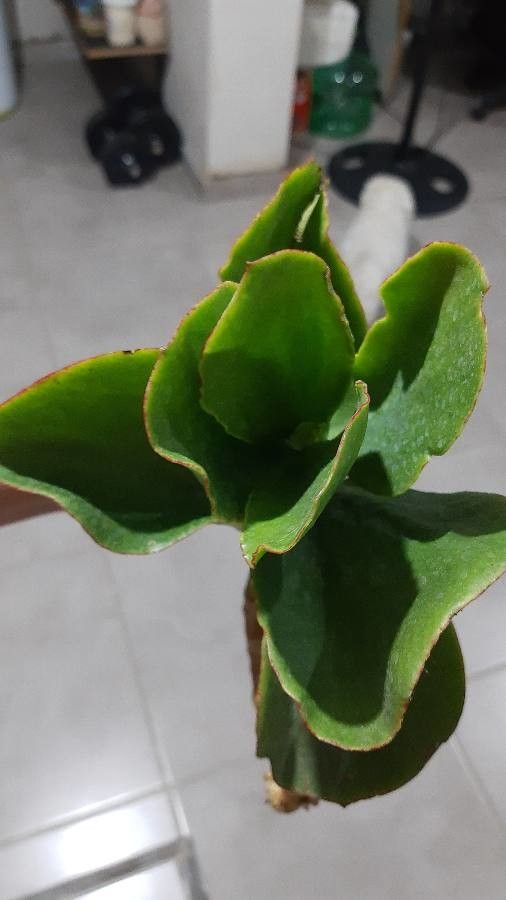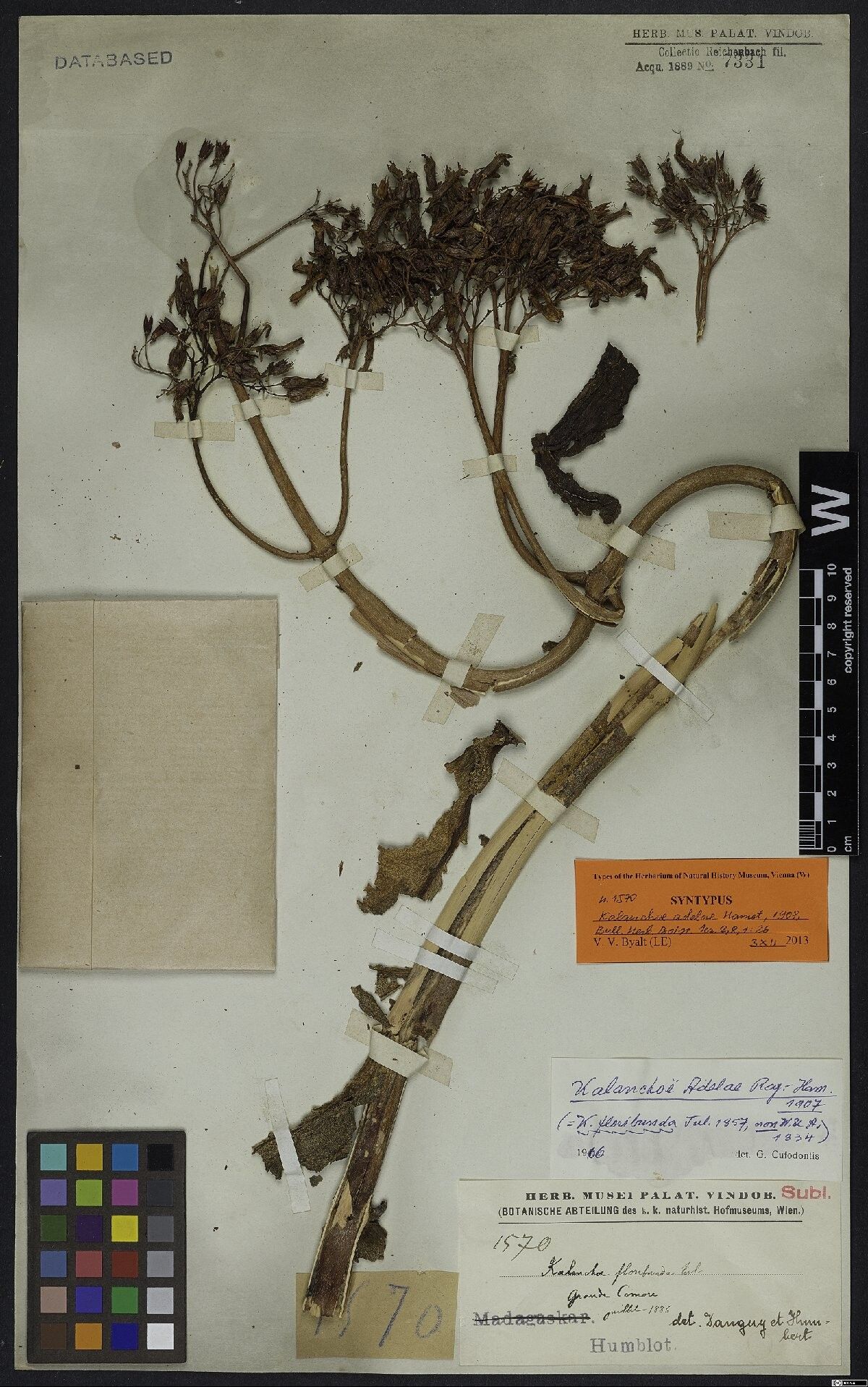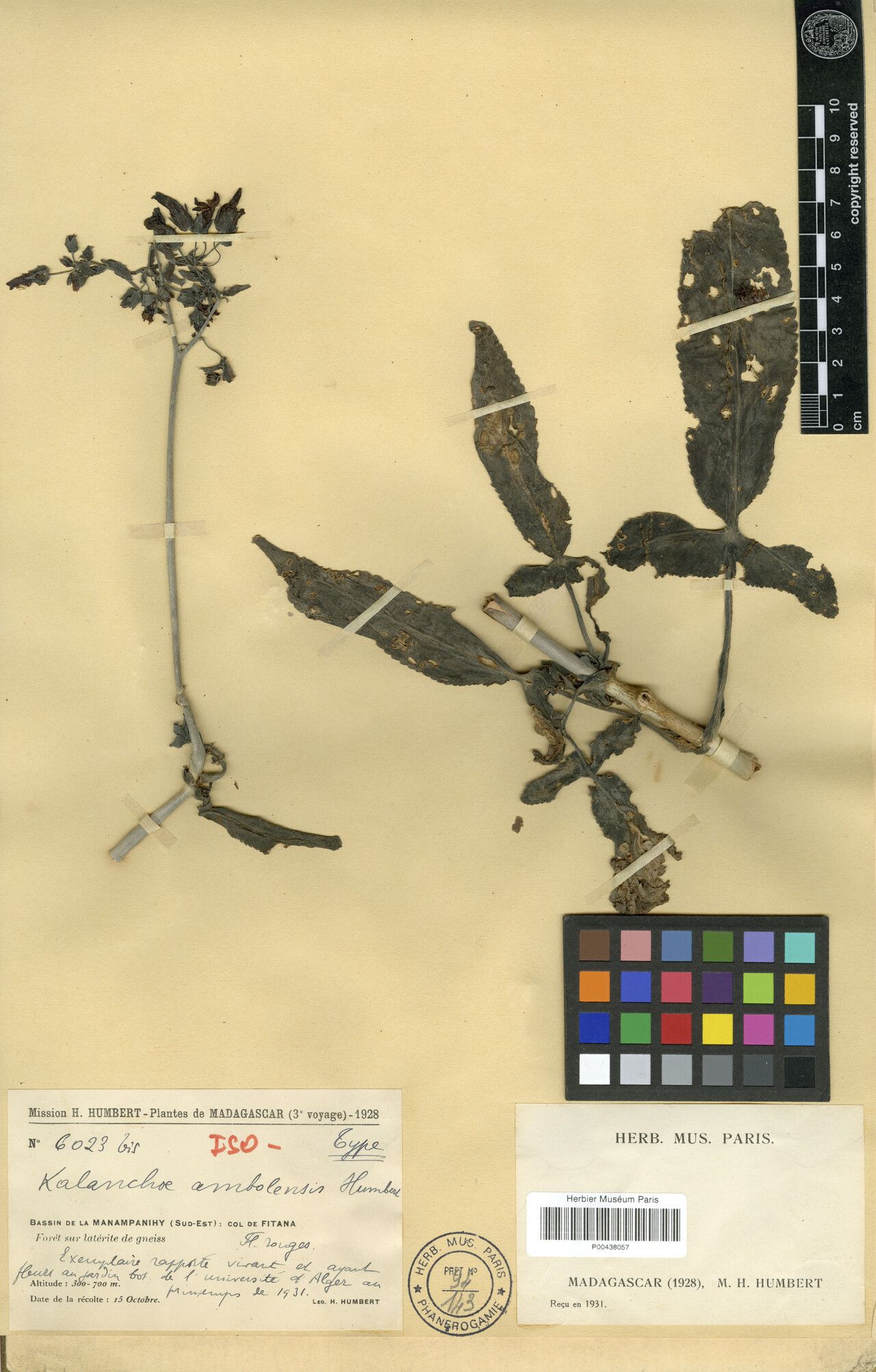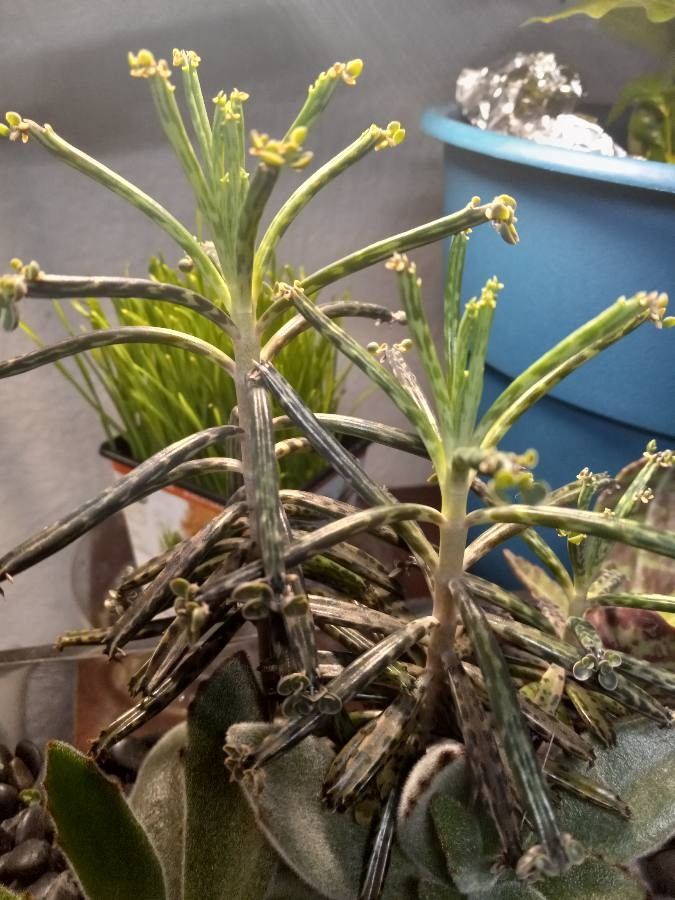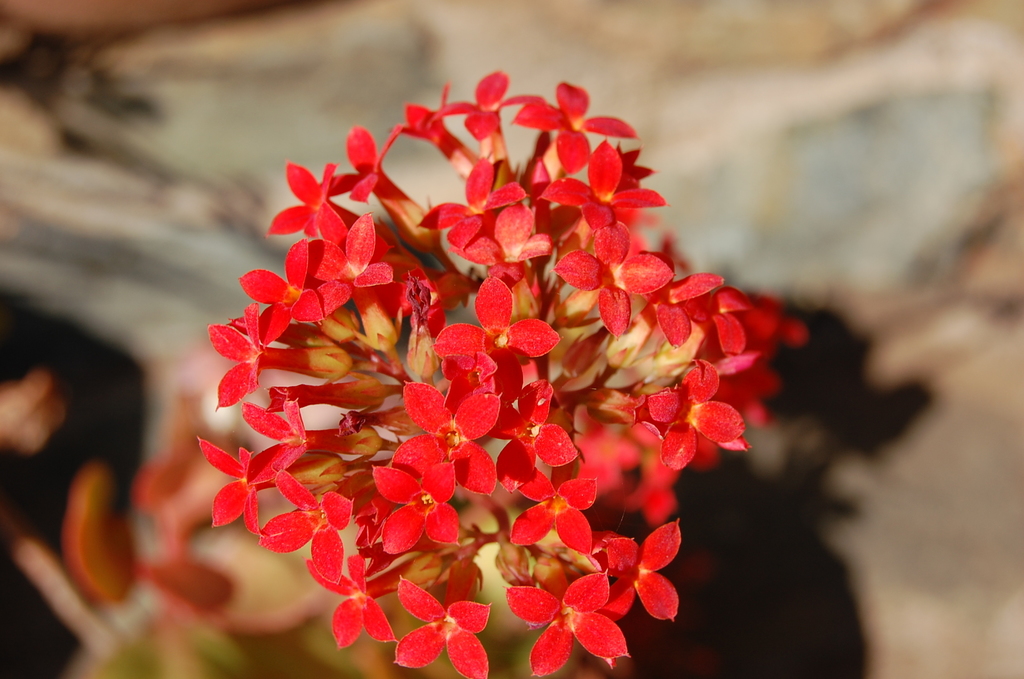
Kalanchoe blossfeldiana, commonly known as Flaming Katy, is a popular succulent belonging to the Crassulaceae family. Native to Madagascar, it has become a favored houseplant due to its appealing and long-lasting blooms. The plant features thick, fleshy leaves arranged in a rosette pattern and can grow up to 6 inches in height.
The flowers of Kalanchoe blossfeldiana, though small, come in vibrant clusters of red, pink, yellow, or white. They bloom for several weeks during the winter months when many other plants are not in flower.
Easy to care for, Kalanchoe blossfeldiana can thrive both indoors and outdoors with proper attention. It prefers bright but indirect sunlight and well-draining soil, requiring occasional watering when the soil feels dry.
Kalanchoe blossfeldiana, commonly known as florist kalanchoe, typically blooms in clusters of small flowers that form a vibrant flower head. Some people view it as a symbol of a large family. These plants are often given as gifts to middle-aged and elderly individuals, reflecting their hopes for their children's and families’ well-being. Placing a pot of kalanchoe at home can fill the entire family with fresh vitality. This plant is easy to care for, even for those who may not have a green thumb. It carries a beautiful meaning, suggesting that people who receive this flower will enjoy luck, happiness, good health, and longevity. FUN FACT · FROM THE LIBRARY
In addition to its ornamental value, the plant contains compounds with anti-inflammatory properties. However, ingestion can lead to gastrointestinal distress in humans and pets, so caution is advised.
Overall, Kalanchoe blossfeldiana is an attractive houseplant that brings a splash of color during the winter months and offers potential health benefits when used correctly under medical supervision.
The Florist Kalanchoe is commonly known by this name because it is widely available in places such as grocery stores, supermarkets, flower shops, and nurseries.
Florist kalanchoe has moderate disease resistance and is more sensitive to humidity. It is vulnerable to disease when humidity is high and tends to develop root rot during dormancy. For care, Florist kalanchoe tolerates drought but requires more water during the growing season. Watering should be greatly reduced or stopped entirely during the dormant period. Florist kalanchoe is appropriate for people with some growing experience, but it can be difficult to care for, particularly during dormancy. It is especially suited to those who can spend time on its care during the winter months.
How to keep Kalanchoe Blossfeldiana.
Light
Florist kalanchoe does best with moderate sunlight — not in deep shade, but not exposed to intense sun all day. Native to places with diffused light, it can tolerate times of both reduced and increased light. Too much exposure can scorch the plant, while too little light may hinder its growth.
Water
Florist kalanchoe is a drought-tolerant succulent native to Madagascar, flourishing in dry conditions. It requires minimal watering, needing water only about once every three weeks. This evergreen plant is usually grown indoors because it is sensitive to cold. Be careful not to overwater, as this poses a greater risk to the plant than under-watering.
Humidity
This plant prefers dry conditions, so don't mist it. However, watering it less often can also thrive in higher humidity.
Temperature
Florist kalanchoe's native growing conditions call for temperatures of about 20 to 27 ℃ (68 to 81 ℉). It can, however, tolerate a range from 10 to 38 ℃ (50 to 100 ℉). For optimal growth it prefers temperatures near 20 to 30 ℃ (68 to 86 ℉). In winter it can adapt to cooler temperatures so long as it is kept away from drafts and cold winds.
Fertilizer
Florist kalanchoe only needs light fertilizing once or twice a year during the active growing season. Do not fertilize in winter or summer when the plant is dormant. Cut back on fertilizer for plants that have been repotted, and wait a couple of months after repotting before you fertilize. Fertilizing helps sustain healthy growth and promotes blooming.
Pruning
To keep florist kalanchoe in good shape, it's recommended to prune any excessive or dense branches during the spring and autumn. For propagation, cut healthy stems with 5-6 leaves, apply sulfur powder to the cut ends, and allow them to heal before planting. Ensure the soil is lightly moistened when planting the cuttings.
Pot & Repot
When repotting a florist kalanchoe, pick a container slightly bigger than the current one that has good drainage. Use a gritty, well-draining succulent or cactus potting mix. Gently take the plant out of its old pot, brush off excess soil, and set it in the new pot at the same depth. Wait several days before watering so any root injury can heal. Repot during spring or fall and place the plant in a brightly lit location.
Botanical profile.
- Plant Type
- Succulent, Herb
- Life Cycle
- Perennial
- Genus
- Kalanchoe
- Family
- Crassulaceae
- Hardiness Zone
- 10-12
- Mature Height
- 10 cm to 49 cm
- Mature Spread
- 10 cm to 49 cm
- Leaf Color
- Green
- Leaf Type
- Evergreen
- Flower Color
- Red, Orange, Yellow, Pink, Purple, White
- Flower Size
- 0.76 cm to 1.27 cm
- Bloom Time
- Early spring, Mid spring, Mid summer, Late summer, Fall, Winter
- Planting Time
- Spring, Summer, Autumn, Winter
- Harvest Time
- All year round
- Native Area
- Madagascar
Other names.
Reader questions.
When Should I Water My Florist Kalanchoe?
Determining the right time to water your florist kalanchoe is key to its health and flowering. To check if it's time, feel the soil moisture 1-2 inches deep; dry soil at this depth indicates it's time to water. Wilting leaves suggest the plant needs water, while yellowing or browning leaves signal dehydration. Assessing the weight of the pot can also help, as a lighter pot suggests the need for watering. Adequate water is necessary for flower production, with a decrease in flowers indicating insufficient watering. Be mindful of over-watering, especially in moist soil, as it can cause root rot, and avoid under-watering to prevent wilting and stunted growth. Lastly, adjust your watering schedule based on temperature, humidity, and seasonal changes to ensure the florist kalanchoe remains healthy and vibrant.
Why is it necessary to add fertilizer to my Florist kalanchoe?
Fertilizing Florist kalanchoe helps provide nutrients to the growing medium. While this plant does store water and nutrients, adding plant food during the growing season promotes healthy growth. Fertilizing also helps mature specimens produce blooms in the growing season.
What are the sunlight requirements for Florist Kalanchoe?
Florist Kalanchoe thrives in partial sunlight, requiring about 3-6 hours of sunlight daily. It can also tolerate full sunlight, especially in cooler weather, and even full shade conditions with above 6 hours of sunlight. However, the optimal condition is moderate sunlight exposure, as excessive exposure may lead to sunburn, while too little could stunt growth. It's important to watch how sunlight moves through your garden or indoor space to find the perfect balance for your Kalanchoe, ensuring it gets diffused light similar to its natural habitat.
What is the ideal temperature range for Florist kalanchoe?
Florist kalanchoe, also known as Kalanchoe blossfeldiana, thrives in temperatures between 20 to 27°C (68 to 81°F). It prefers these conditions for optimal growth but can tolerate a wide range of temperatures, from 10 to 38°C (50 to 100°F). During winter, which is its growing season, it's crucial to maintain temperatures above 10°C (50°F) for the healthiest growth. If temperatures fall below this threshold, moving the plant indoors to a well-lit area is advisable. Watering routines should be adjusted according to temperature changes, with increased watering in higher temperatures and reduced watering as temperatures approach 10°C (50°F). For outdoor overwintering, a sheltered spot with ample sunlight and possibly a temporary greenhouse can offer extra protection against consistent low temperatures, keeping the plant adequately moist.
How Should I Water My Florist Kalanchoe?
Watering your florist kalanchoe properly involves several techniques to maintain optimal hydration without over-watering. Bottom-watering, where the plant pot is placed in a tray filled with water, allows roots to absorb moisture gradually and prevents foliage diseases. If you're using a watering can, choose one with a narrow spout for targeted watering at the soil level, avoiding the leaves. Employing a moisture meter can help in gauging the soil's moisture accurately to prevent over or under-watering. Always aim to keep the foliage dry to avoid fungal diseases. Observing the plant for signs of hydration, such as slightly wilting leaves, will help in determining the right amount of water. Adjust your watering habits based on these observations to ensure the florist kalanchoe stays healthy and hydrated.
When should I fertilize my Florist kalanchoe?
Florist kalanchoe, like all plants, benefits from extra nutrients. However, it only requires a small amount of fertilizer during the growing season. It is recommended to fertilize it 1-2 times per year, specifically in the spring and autumn. Avoid fertilizing in the winter and summer when the plant is dormant. When it comes to repotted plants, be cautious and reduce the amount of fertilizer. It's also advisable to wait a couple of months after repotting before applying fertilizer.
How can artificial lighting benefit indoor plants like Florist Kalanchoe?
Indoor plants, including Florist Kalanchoe, require adequate lighting for optimal growth, especially when natural sunlight is insufficient, such as in winter or less sunny spaces. Artificial lights, like LED lights, are beneficial as they can be customized to provide specific wavelengths of light needed by plants. Full sun plants need 30-50W/sq ft, partial sun plants 20-30W/sq ft, and full shade plants 10-20W/sq ft of artificial light. The light source should be placed 12-36 inches above the plant and turned on for 8-12 hours per day to mimic natural daylight hours, supporting faster and healthier growth.
What should I do if Florist kalanchoe is exposed to low temperatures?
If Florist kalanchoe is exposed to temperatures below its tolerance, visible signs such as water-soaked necrosis, wilting, and leaf fall might occur, especially after a mild frost. The best course of action is to trim off the frostbitten areas to prevent further damage. Moving the plant to a warmer indoor environment immediately or setting up a makeshift greenhouse can offer protection against the cold. When housed indoors, placing the plant near a south-facing window ensures it receives enough sunlight, which is crucial for its recovery and growth. Additionally, when using a greenhouse, proper ventilation is essential to prevent decay due to inadequate airflow.
How Much Water Does Florist Kalanchoe Really Need?
The amount of water your florist kalanchoe requires can vary, but a good rule is to thoroughly saturate the soil until water runs out from the bottom for a standard 6-inch pot. This will need to be adjusted based on the size of the pot, root depth, and the plant's growth stage. Allow the top 1-2 inches of soil to dry out thoroughly before the next watering. Over-watering can cause root rot, and under-watering can lead to leaf drop and stunted growth. Signs of proper watering include lush, plump leaves and vibrant flowers. Adjust your watering amount to avoid overwatering signs, such as yellowing leaves or sogginess, and under-watering symptoms like wrinkled or shriveled leaves.
When should I not use fertilizer on my Florist kalanchoe?
Florist kalanchoe, like other plants, goes through a dormancy phase where fertilizing should be avoided. During the summer and winter, the plant stops growing, so it's best to refrain from applying fertilizer. Additionally, it's recommended to not fertilize for the first few months after repotting in the spring.
What are the symptoms of insufficient sunlight exposure in Florist Kalanchoe?
Symptoms of insufficient sunlight in Florist Kalanchoe include leggy or sparse growth, which involves longer spaces between leaves or stems, making the plant appear weak. Insufficient light can also impact flowering and fruiting negatively, cause lighter-colored new leaves due to a lack of chlorophyll, and lead to smaller new leaves compared to older ones. Conditions such as chlorosis, where leaves turn yellow, sunscald that causes pale or necrotic spots, leaf curling as a defense against extreme sunlight, wilting from increased water loss, and leaf scorching characterized by brown, dry edges, may also occur under improper lighting conditions.
How should I care for Florist kalanchoe during high temperatures?
During the summer, it's important to keep Florist kalanchoe below its maximum tolerable temperature to prevent it from entering a dormant state and to protect it against rot in high humidity. If the plant experiences temperatures above its maximum tolerance, you should remove any dry or rotten parts to stop the spread of decay. Moving it to an area with partial shade can also help protect it from direct midday and afternoon sunlight. Additionally, pausing watering until the weather cools down can prevent further stress and damage to the plant.