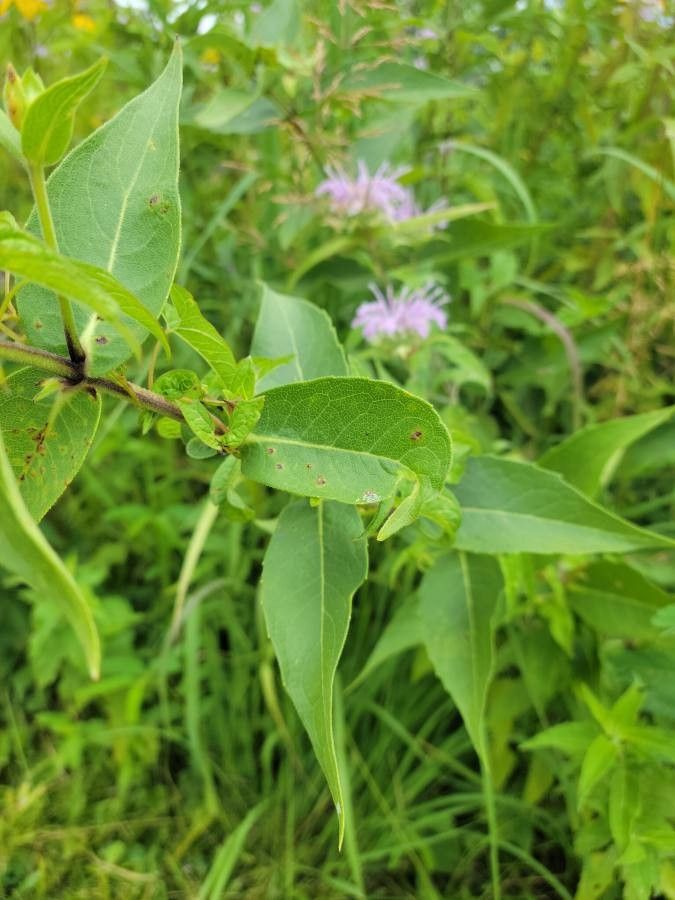
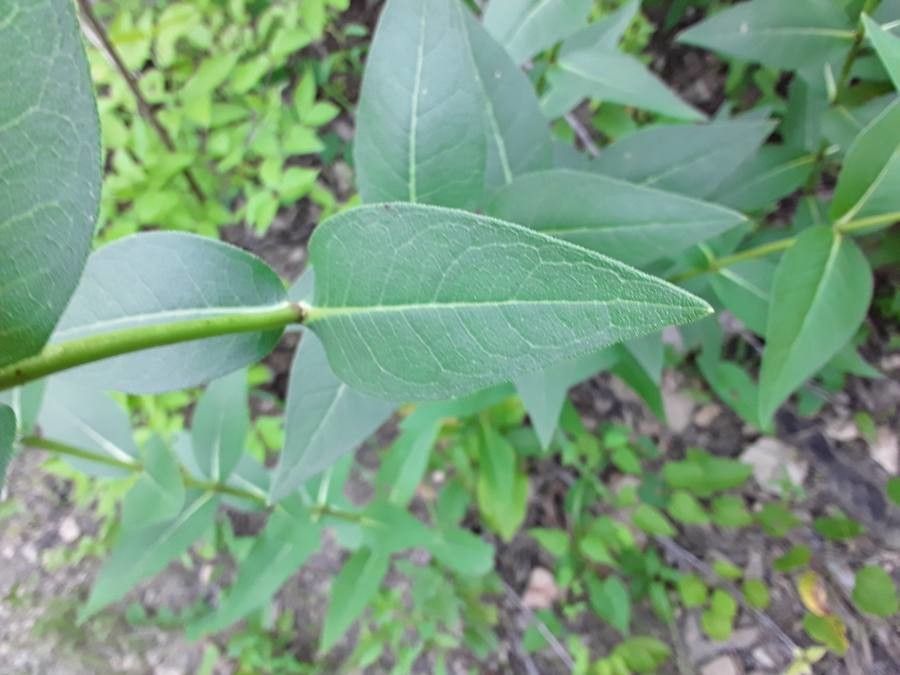
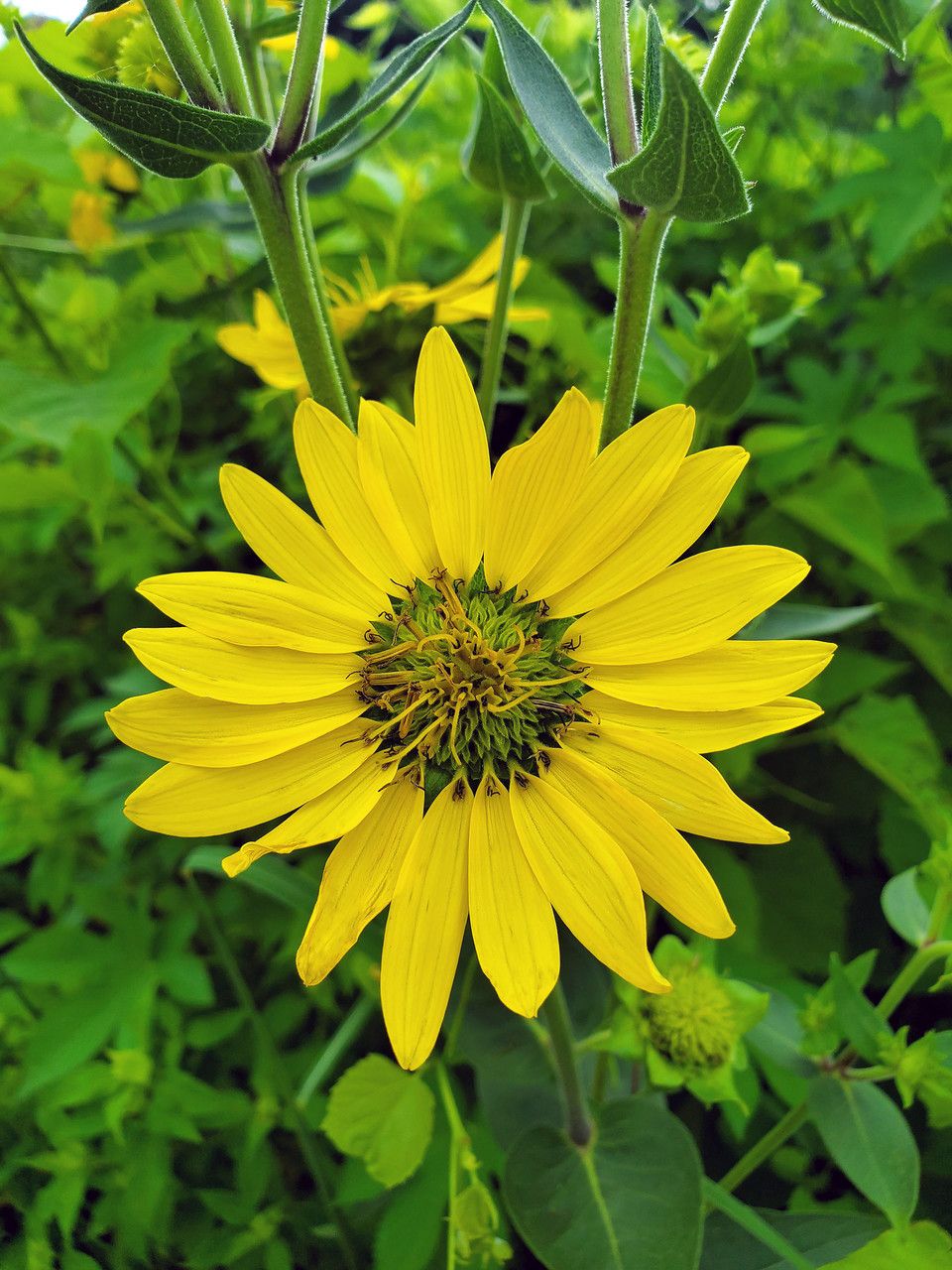
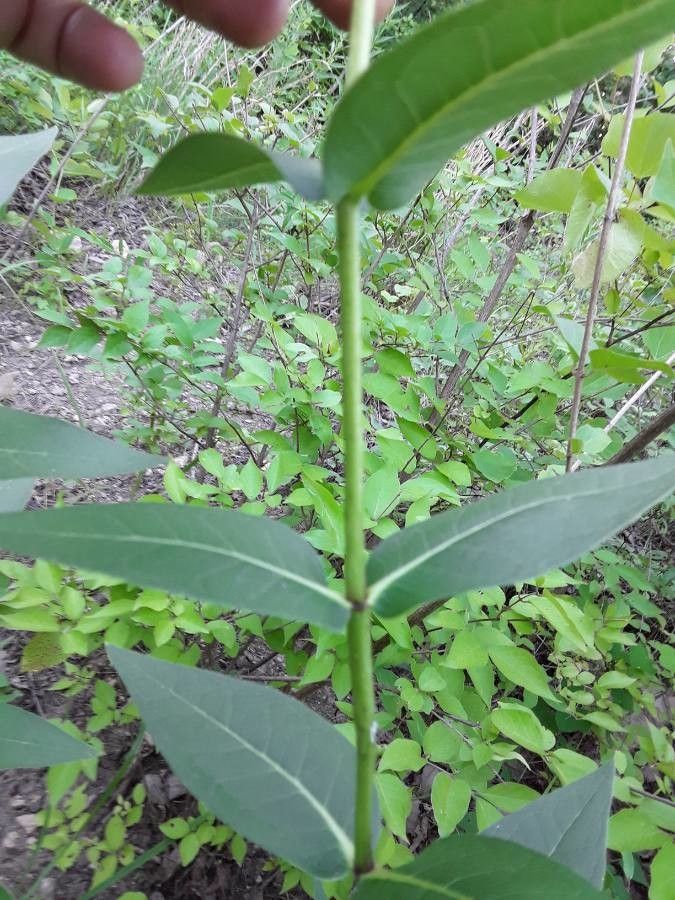
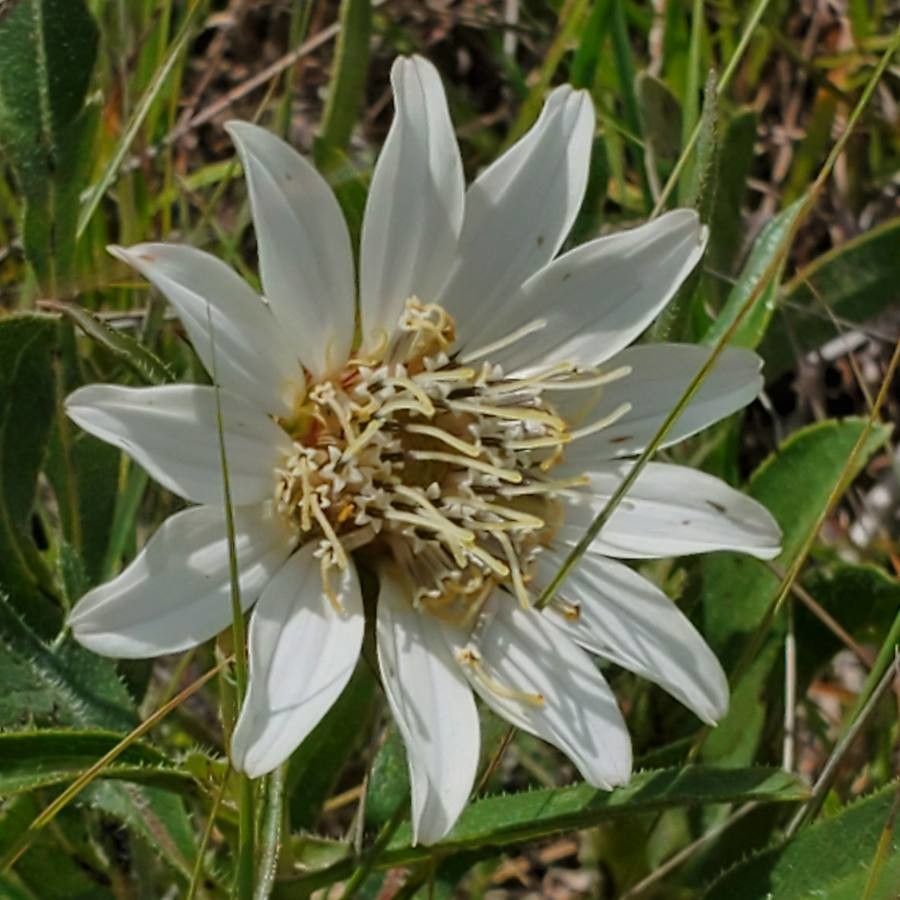
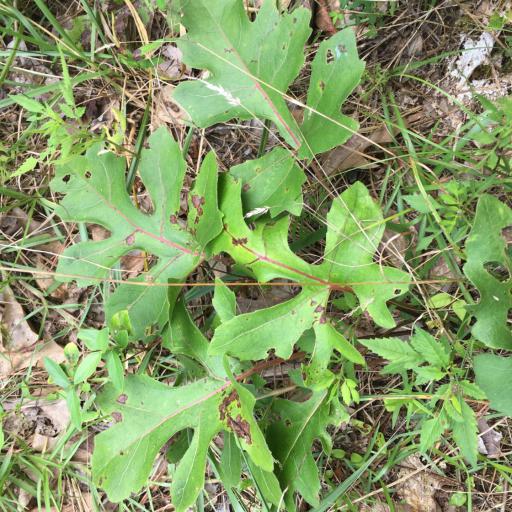
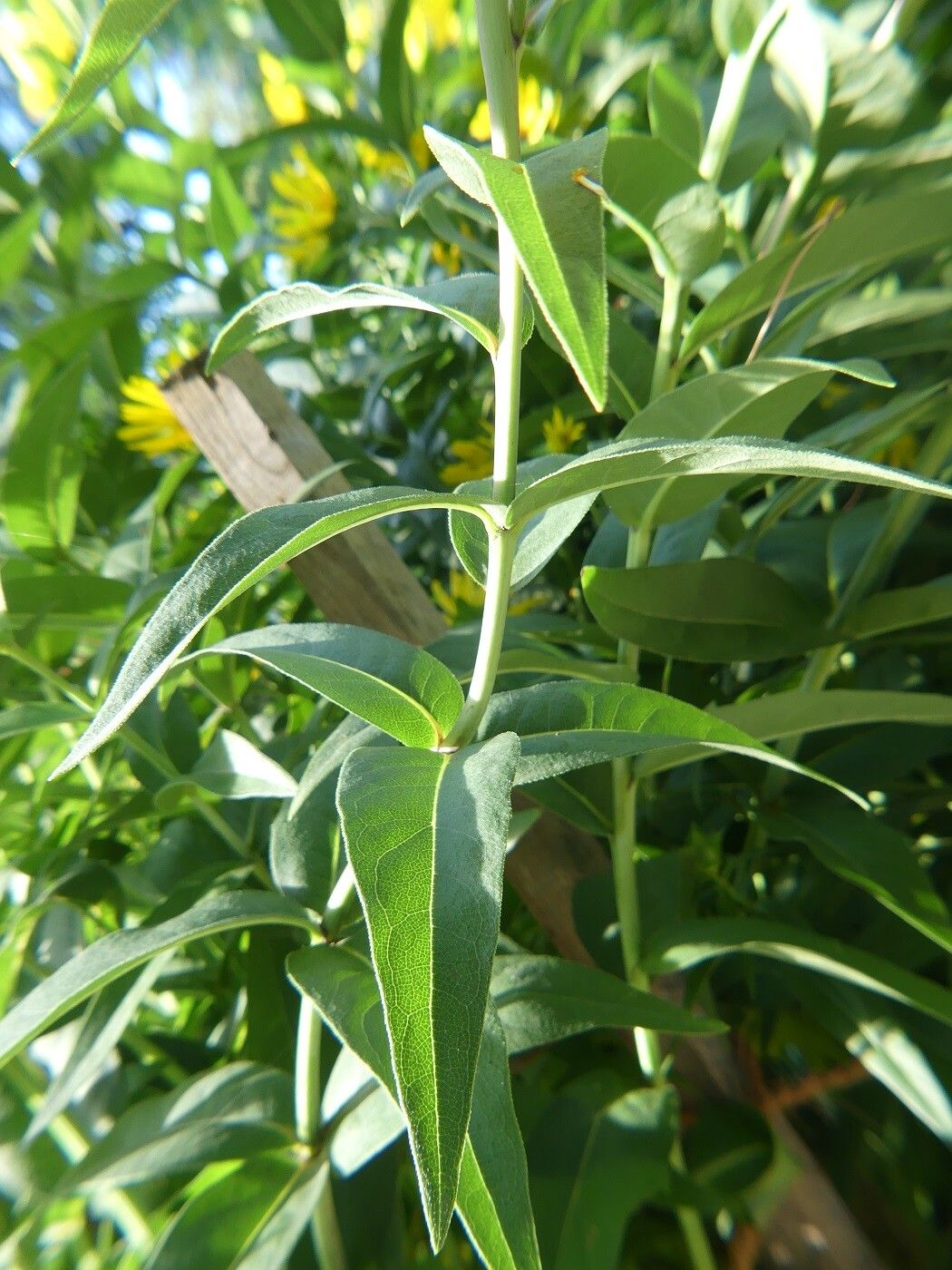
Silphium radula, commonly known as roughstem rosinweed, is a species of flowering plant in the family Asteraceae. It is native North America, where it is found in the South Central region of the United States. Its natural habitat is prairies over sandy or calcareous soil.
Roughstem Rosinweed is fairly disease-resistant and usually does not develop many illnesses. Nevertheless, it can be vulnerable to pests and diseases found nearby, and those problems are typically minor. For care, this plant requires moderate maintenance. Regular pruning is needed to keep it looking good and to support healthy growth. Fertilizing can also encourage improved flowering. Roughstem Rosinweed is appropriate for anyone with outdoor space, such as a garden or patio, and does not demand extensive gardening experience. It may need extra attention if grown indoors.
How to keep Silphium Radula.
Light
The roughstem Rosinweed grows best when it gets plenty of light throughout the day, which promotes its health and growth. Native to areas that receive substantial daily sunlight, it has adapted to take advantage of that abundant exposure. However, overly intense lighting can impede its development and potentially cause damage.
Water
Roughstem Rosinweed, which naturally grows in dry environments, is moderately drought-tolerant. It thrives with a weekly watering schedule, combining occasional moisture with its resilience to dry conditions. This makes it an excellent choice for outdoor gardens in regions that focus on water conservation.
Temperature
Roughstem Rosinweed is native to habitats where temperatures usually fall between 50 and 95 °F (10 and 35 °C). It prefers these warmer conditions and may need some temperature adjustments, for example adding warmth during colder months.
Fertilizer
The best time to fertilize Roughstem Rosinweed is in early spring, as it is coming out of dormancy and beginning active growth. Fertilizing supplies the essential nutrients needed for healthy growth. Although Roughstem Rosinweed has relatively low fertilizer requirements, an annual application can improve its survival and encourage better, longer-lasting flowers.
Pruning
To promote healthy growth and abundant flowering, Roughstem Rosinweed should be selectively pruned from early to late spring. During this time, remove any dead stems and thin out dense areas to improve air circulation while maintaining the plant's natural shape. This approach enhances the plant's resilience, vigor, and disease resistance, which in turn helps support vibrant blooms in the garden.
Botanical profile.
- Plant Type
- Herb
- Life Cycle
- Perennial
- Genus
- Silphium
- Family
- Asteraceae
- Hardiness Zone
- 6-9
- Mature Height
- 0.91 m to 1.83 m
- Mature Spread
- 61 cm to 91 cm
- Leaf Color
- Dark Green
- Leaf Type
- Deciduous
- Flower Color
- Yellow
- Flower Size
- 2.54 cm to 7.62 cm
- Bloom Time
- Mid summer, Late summer, Early fall
- Planting Time
- Spring, Summer, Autumn
- Harvest Time
- Early fall, Mid fall
Other names.
Reader questions.
What are the sunlight requirements for Roughstem Rosinweed?
Roughstem Rosinweed requires full sun, which means it needs above 6 hours of sunlight daily to thrive best. It's essential to observe your garden's sunlight patterns and choose locations that ensure a balance of light and shade, catering to the plant's needs for optimal growth and health. Originally from environments with significant daily sunlight, the Roughstem Rosinweed has adapted to make the most of ample light exposure, although excessive light can be detrimental.
What is the ideal temperature range for Roughstem Rosinweed?
Roughstem Rosinweed thrives in environments where the temperatures typically range from 50 to 95 °F (10 to 35 °C). It prefers warmer climates and may need temperature adjustments during colder months to maintain its health. Despite its strong cold resistance, in extremely cold conditions where the temperature drops below -25°C, cold protection measures should be taken, such as covering the plant with soil or straw. Additionally, it's beneficial to water the plant abundantly before the first freeze in autumn to keep the soil moist and prevent drought during winter and early spring.
How can artificial lighting benefit indoor Roughstem Rosinweed plants?
Indoor Roughstem Rosinweed plants benefit from adequate lighting, especially when natural sunlight is insufficient. Artificial lights, particularly LED lights, can be customized to provide the necessary wavelengths of light, promoting faster and healthier growth. For full sun plants like the Roughstem Rosinweed, 30-50W/sq ft of artificial light is recommended. The light source should be 12-36 inches above the plant to mimic natural sunlight, and the lighting should last for 8-12 hours per day to meet the plant's needs.
How does Roughstem Rosinweed react to low temperatures?
Roughstem Rosinweed is cold-tolerant and performs best when the temperature stays above 10°C. During winter, it is crucial to ensure the temperature remains above -15°C to prevent damage. However, if temperatures fall below -25°C, the plant may exhibit decreased sprouting or fail to sprout at all in the spring. If this occurs, the recommended solution is to remove any parts of the plant that have failed to sprout once spring arrives.
What are the symptoms of light deficiency in Roughstem Rosinweed?
Symptoms of light deficiency in Roughstem Rosinweed include smaller new leaves, leggy or sparse growth, faster leaf drop, slower or no new growth, lighter-colored new leaves, and various conditions such as chlorosis, sunscald, leaf curling, wilting, and leaf scorching. These symptoms indicate a lack of sufficient sunlight or overexposure, affecting the plant's growth, color, and overall health.
What should I do if my Roughstem Rosinweed experiences high temperatures?
During the summer, it is important to keep Roughstem Rosinweed's temperature below 35°C. Exposure to temperatures above 38°C can lead to the plant's leaves becoming lighter in color, curling, and becoming susceptible to sunburn, which in severe cases can cause the entire plant to wilt and dry out. To mitigate these effects, trim away any sunburned or dried parts of the plant. Relocate the plant to a shaded area, especially from the midday and afternoon sun, or use shade cloth. Additionally, watering the plant in the morning and evening can help keep the soil moist and protect the plant from heat stress.
What solutions can improve light exposure for Roughstem Rosinweed?
To improve light exposure for Roughstem Rosinweed, gradually move the plants to a location with at least 6 hours of direct sunlight daily. For indoor plants, use a south-facing window or artificial light sources, ensuring they're on for at least 8 hours daily. Outdoors, adapt your plants to sunnier spots by moving them gradually each week and minimize light obstructions by pruning or transplanting to better-located areas. Note that parts of the plant previously affected by insufficient light may not recover, but new growth will be healthier with increased light exposure.