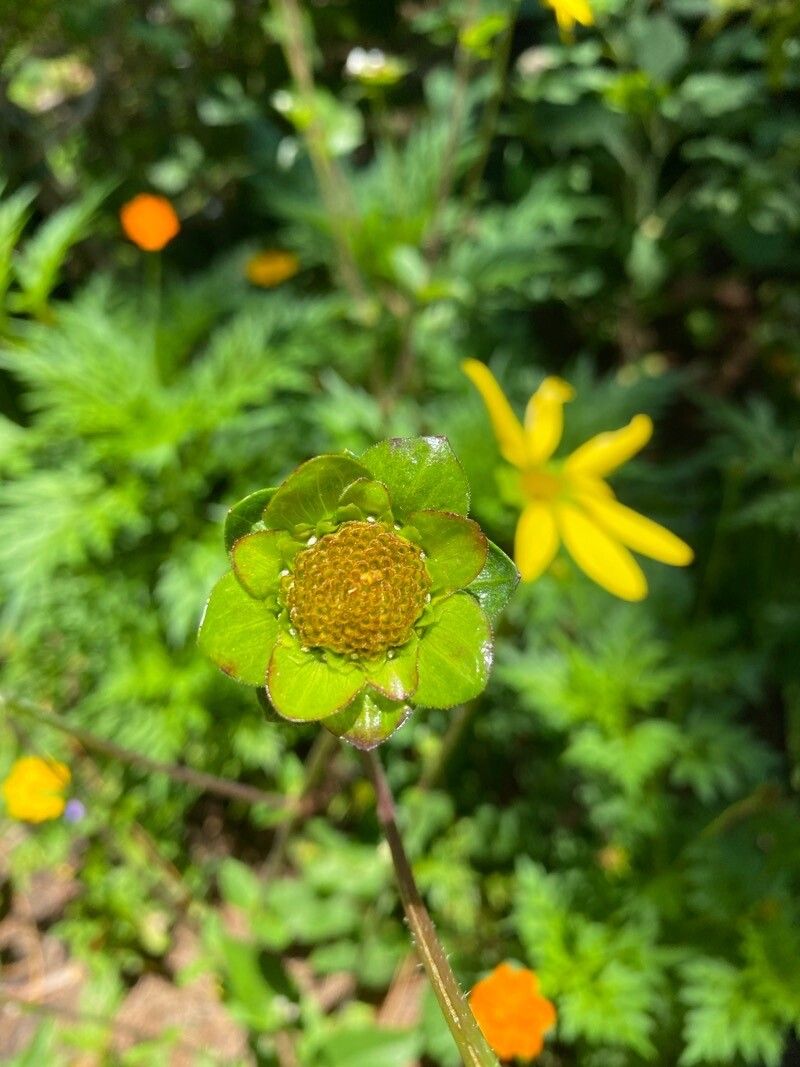
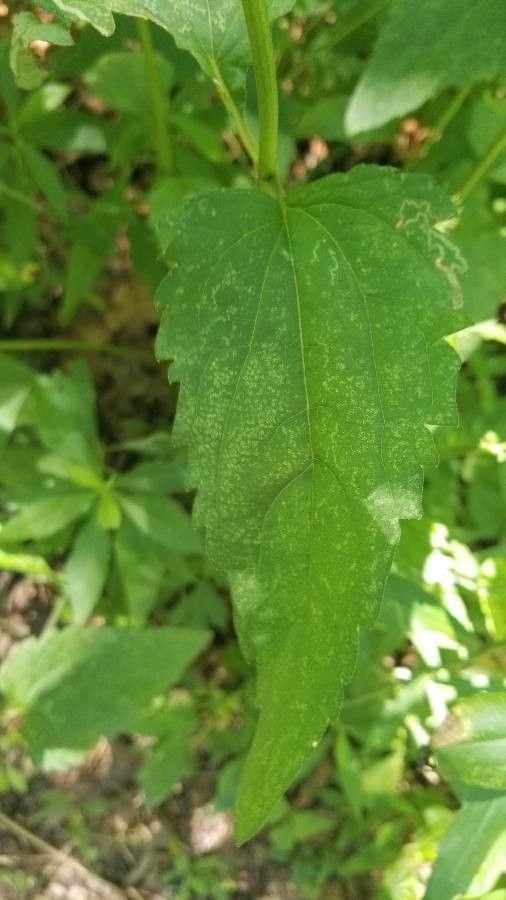
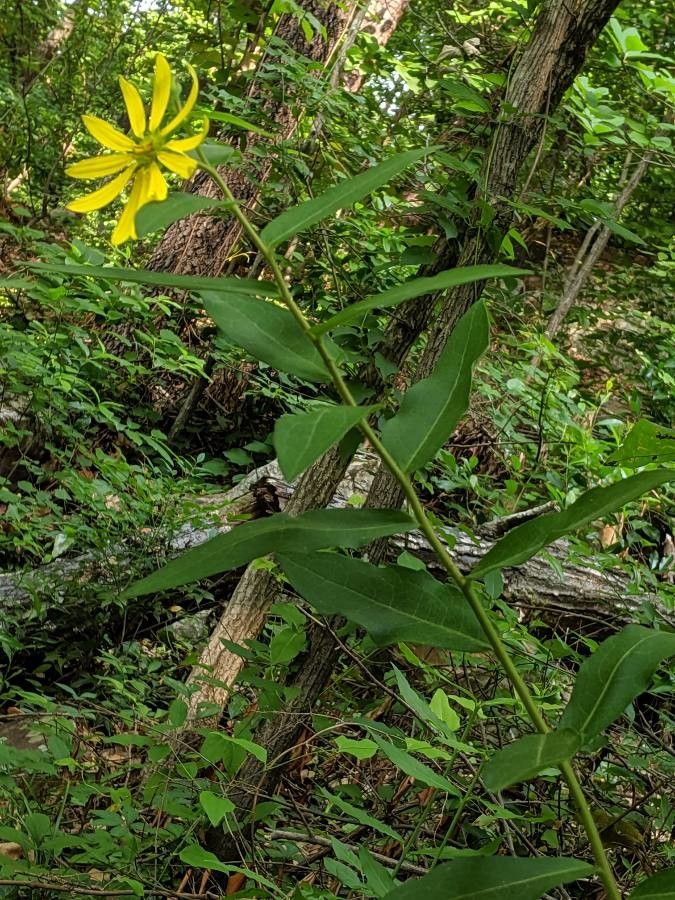
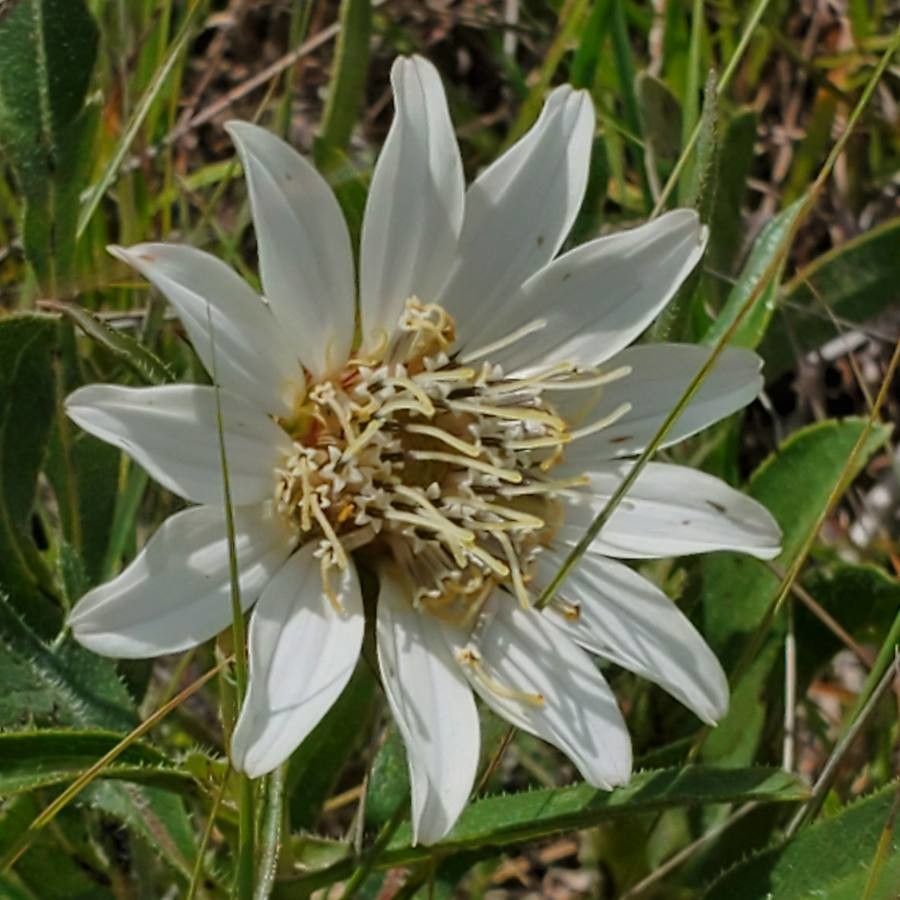
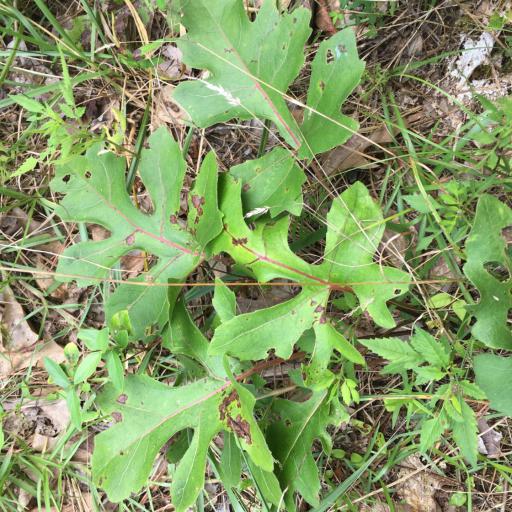
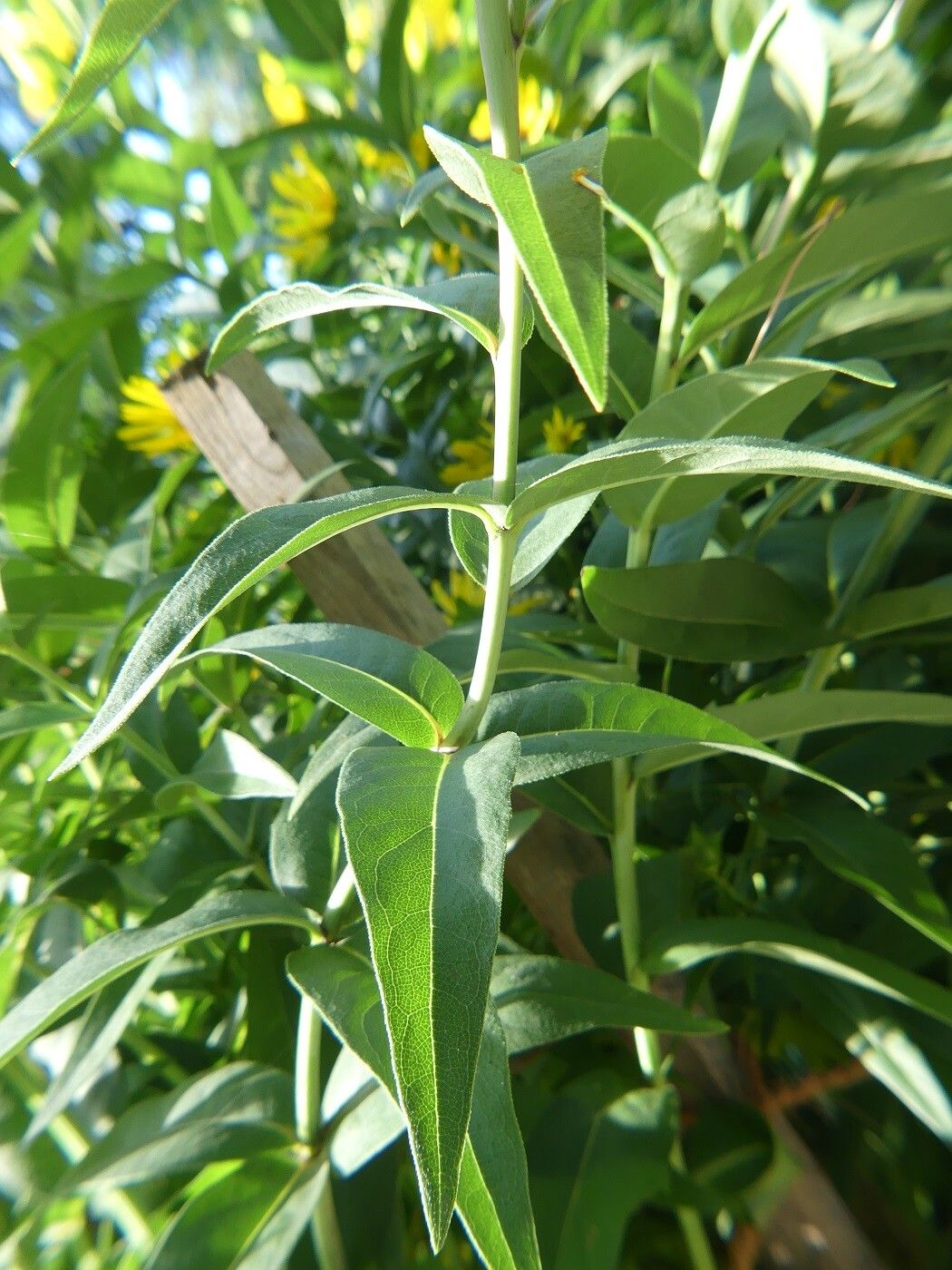
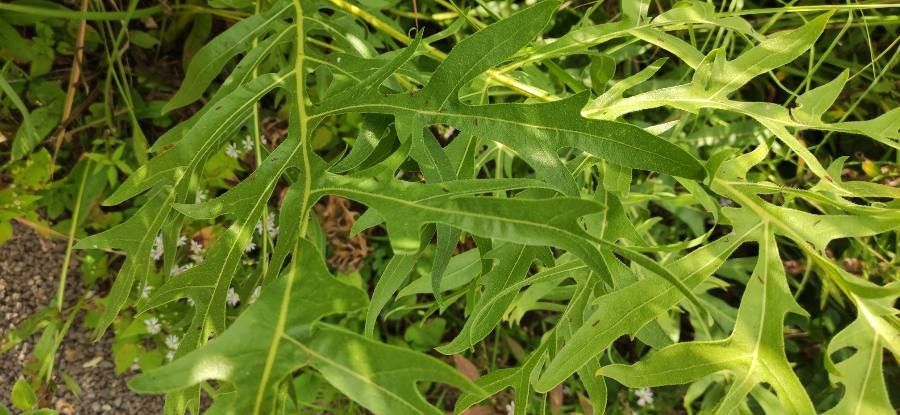
Silphium asteriscus, commonly known as starry rosinweed, is a perennial plant within the Asteraceae family. Native to the southeastern United States, it thrives in open fields, prairies, and along roadsides. The plant can reach heights of up to 6 feet and features a stout stem with large, deeply lobed leaves.
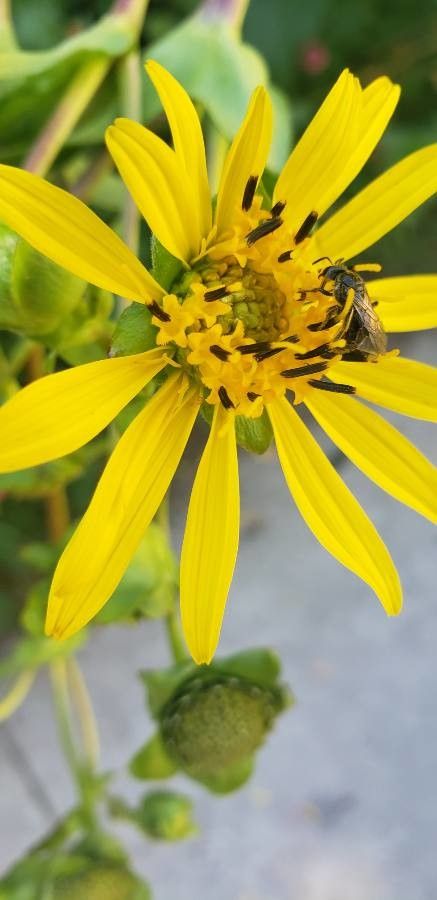
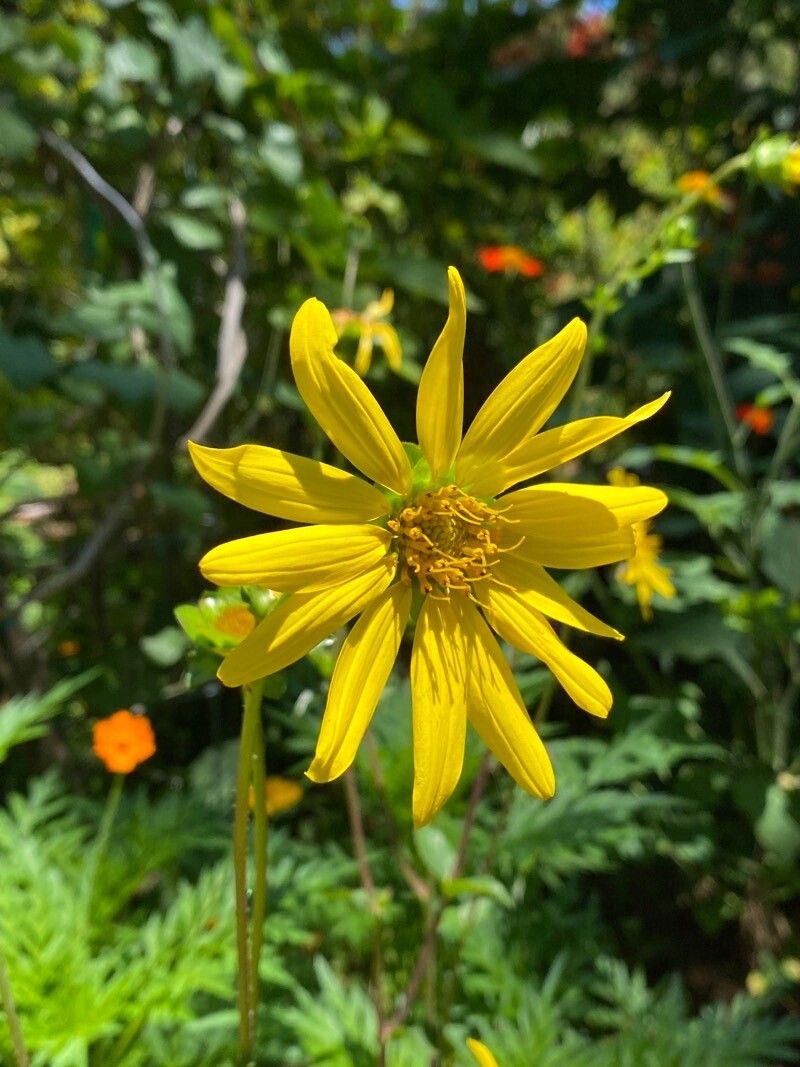
The flowers of Silphium asteriscus are bright yellow, with numerous petals arranged in a star-like shape. Blooming from late summer through fall, these flowers attract bees, butterflies, and other pollinators.
For centuries, Native Americans have used the roots of Silphium asteriscus for medicinal purposes, believing they possess anti-inflammatory properties that could treat ailments such as fever and sore throat.
Additionally, Silphium asteriscus is an important food source for wildlife, including deer and birds, which feed on its seeds during winter months.
Overall, Silphium asteriscus is not only an attractive plant but also ecologically significant due to its role in providing sustenance for wildlife and its historical medicinal uses.
Starry rosinweed shows good resistance to disease and is generally not very susceptible to illnesses. It can, however, be affected by pests and diseases present in its environment. Such infections are typically mild. Regarding care, this plant needs a moderate amount of maintenance. It should be pruned regularly to maintain an attractive appearance and healthy growth. Applying fertilizer can also help encourage flowering. Starry rosinweed is appropriate for someone with outdoor space, like a garden or patio, and does not require extensive gardening experience. It may need more attention when grown indoors.
How to keep Silphium Asteriscus.
Light
Starry rosinweed is a sun-loving, perennial herbaceous plant that comes from open habitats and commonly grows in meadows and grasslands. It prefers full sun but can also tolerate partial sun conditions.
Temperature
Starry rosinweed can tolerate a wide range of temperatures, but its distribution may still be restricted by specific combinations of moisture and heat. It does best in warm summer conditions with adequate rainfall or irrigation. Long periods of cloudy, rainy weather or extended high temperatures can raise the risk of the plant dying. In winter, protecting it from cold can increase its survival chances.
Fertilizer
The best time to fertilize a Starry rosinweed is in early spring, when it is coming out of dormancy and beginning active growth. Fertilizing supplies essential nutrients needed for healthy development. Although a Starry rosinweed requires relatively little fertilizer, applying it once a year can improve its survival and encourage better, longer-lasting flowers.
Pruning
Starry rosinweed is known for its bright yellow flowers and sturdy stems. To keep the plant healthy and looking its best, it's important to prune it in early spring. Start by cutting back the old stems just above the new growth and removing any damaged parts. This will improve airflow and encourage the plant to grow denser. Regular pruning helps manage the plant's size and ensures it remains vigorous and attractive throughout the growing season.
Botanical profile.
- Plant Type
- Herb
- Life Cycle
- Perennial
- Genus
- Silphium
- Family
- Asteraceae
- Hardiness Zone
- 5-9
- Mature Height
- 0.61 m to 1.52 m
- Mature Spread
- 46 cm to 91 cm
- Leaf Color
- Green, Dark Green
- Leaf Type
- Deciduous
- Flower Color
- Yellow
- Flower Size
- 5.08 cm to 6.35 cm
- Bloom Time
- Summer
- Planting Time
- Spring
- Harvest Time
- Late summer, Early fall, Mid fall
Other names.