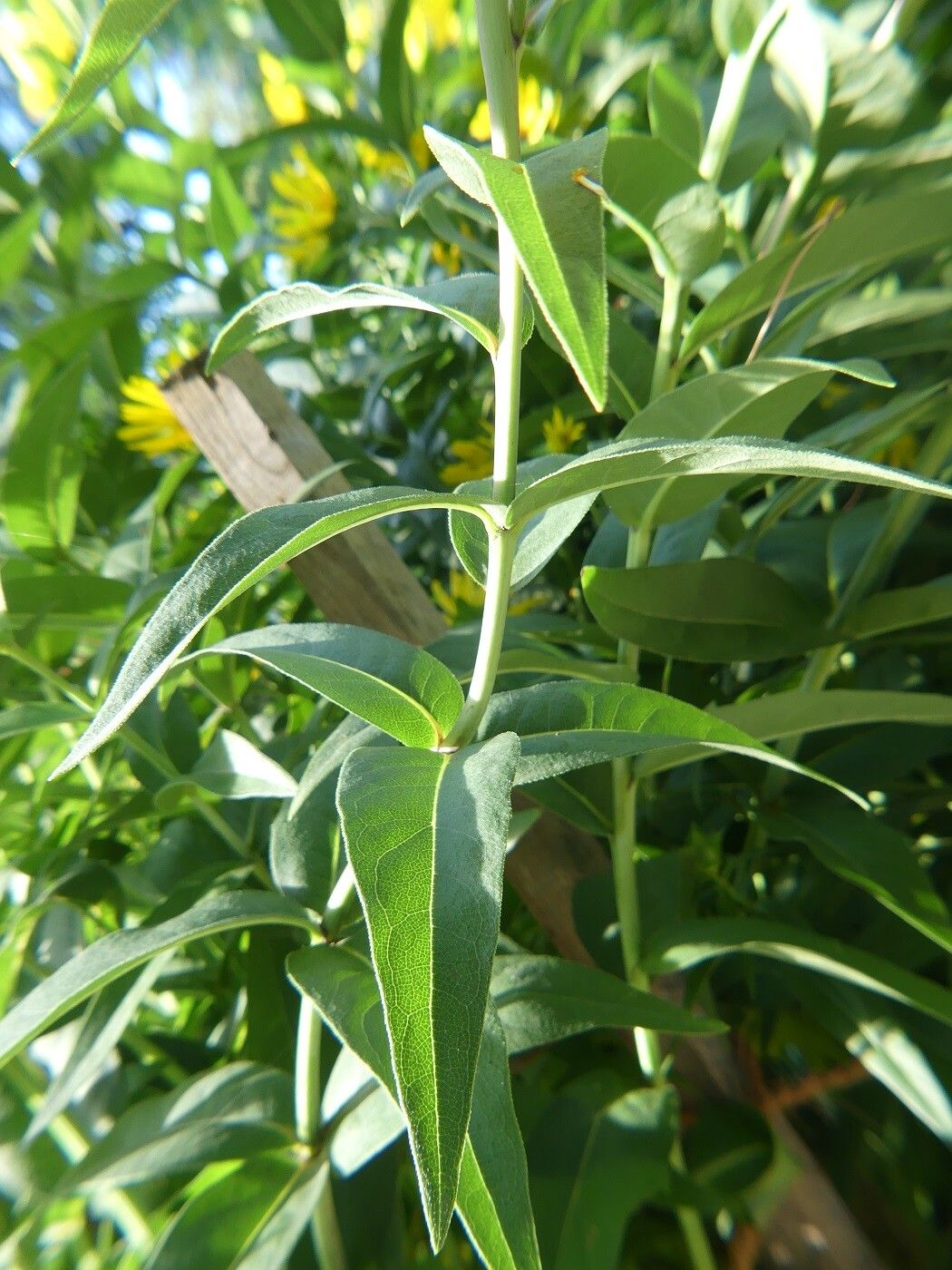
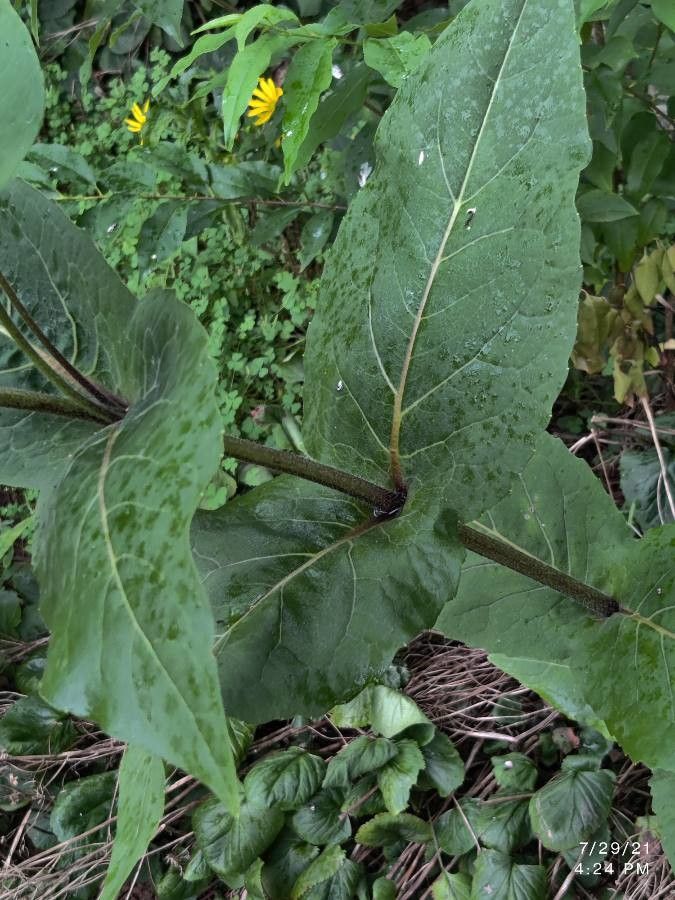
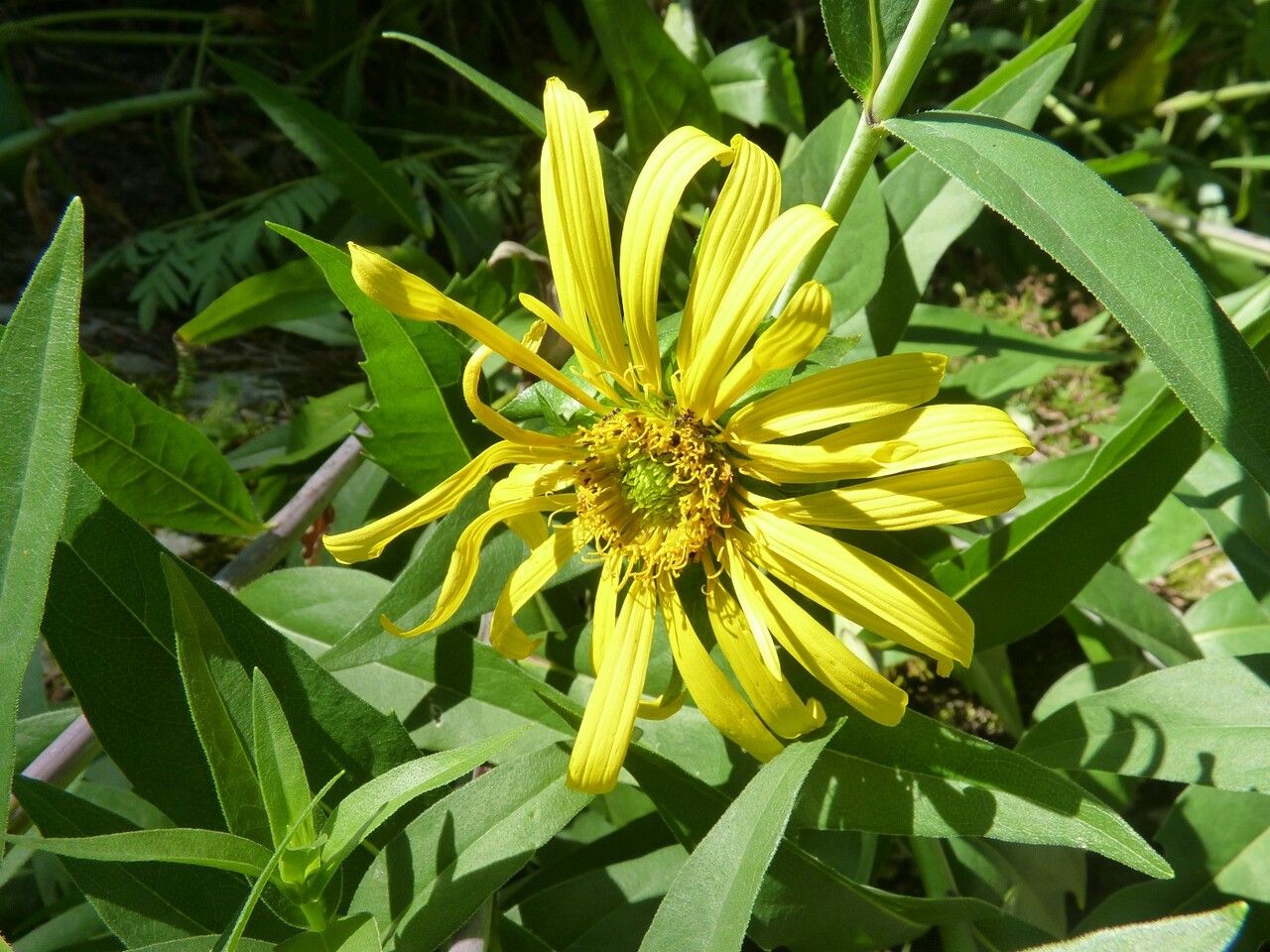
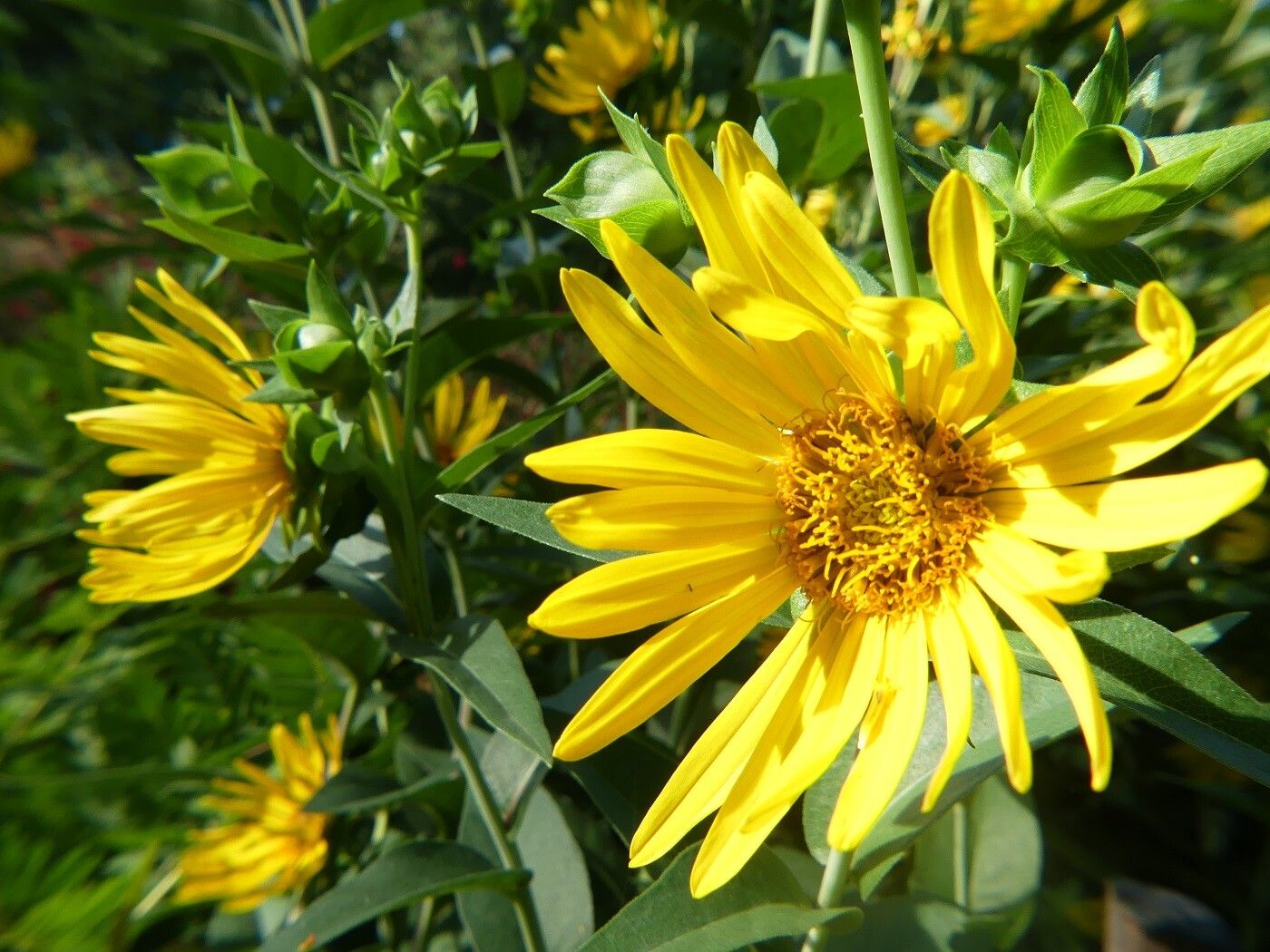
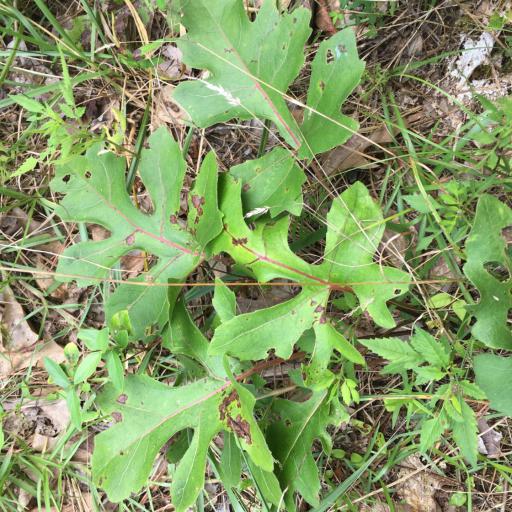
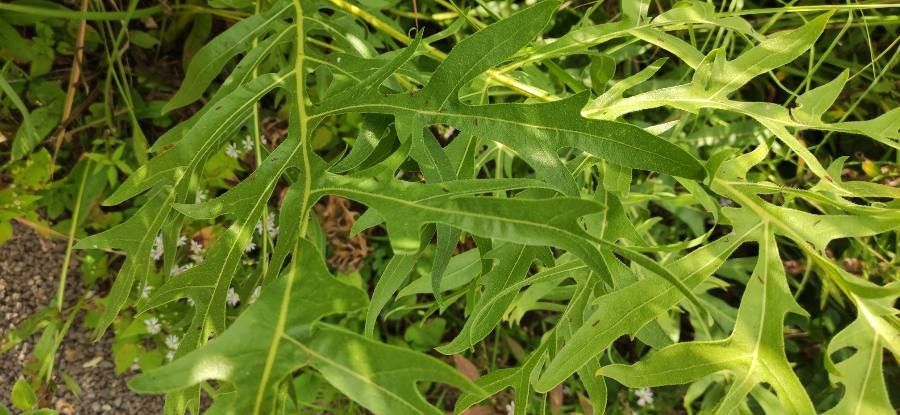
Silphium integrifolium is a species of flowering plant in the family Asteraceae. Its common names include rosinweed, whole-leaf rosinweed, entire-leaf rosinweed, prairie rosinweed, and silflower. It is native to eastern North America, including Ontario in Canada and the eastern and central United States as far west as New Mexico.
Wholeleaf Rosinweed has strong disease resistance and is generally not vulnerable to illnesses. Still, it can be affected by pests and diseases present in its environment. These problems are generally mild. Regarding care, this plant needs moderate maintenance. It should be pruned regularly to keep a neat appearance and maintain healthy growth. Fertilizing can also encourage flowering. Wholeleaf Rosinweed is appropriate for those with outdoor areas, like a garden or patio, and does not demand extensive gardening experience. It may need extra attention if grown indoors.
How to keep Silphium Integrifolium.
Light
The wholeleaf Rosinweed does best with continuous exposure to sunlight. Its sturdy build also lets it tolerate the strength of dappled light. For optimal growth, it should receive full daylight each day. Its natural habitat reflects these conditions, offering plentiful sunlight. Too little or too much light can hinder its growth and overall health.
Water
Wholeleaf Rosinweed, a plant native to the prairies of North America, thrives in full sunlight and is highly drought-tolerant. It prefers well-drained soils and typically needs to be watered weekly. Its deep roots allow it to efficiently access moisture from the soil, helping it adapt to changing rainfall conditions.
Temperature
Wholeleaf Rosinweed is native to climates with temperatures ranging from 41 to 89.6 °F (5 to 32 ℃). The plant prefers these conditions and grows best within that temperature range. In unfavorable seasons, it is recommended to alter the environment to replicate these temperatures.
Fertilizer
The best time to fertilize a Wholeleaf Rosinweed is in early spring, when it is coming out of dormancy and starting active growth. Fertilization supplies essential nutrients for healthy development. While Wholeleaf Rosinweed has fairly low fertilizer requirements, applying fertilizer annually can improve its survival and encourage better, longer-lasting blooms.
Pruning
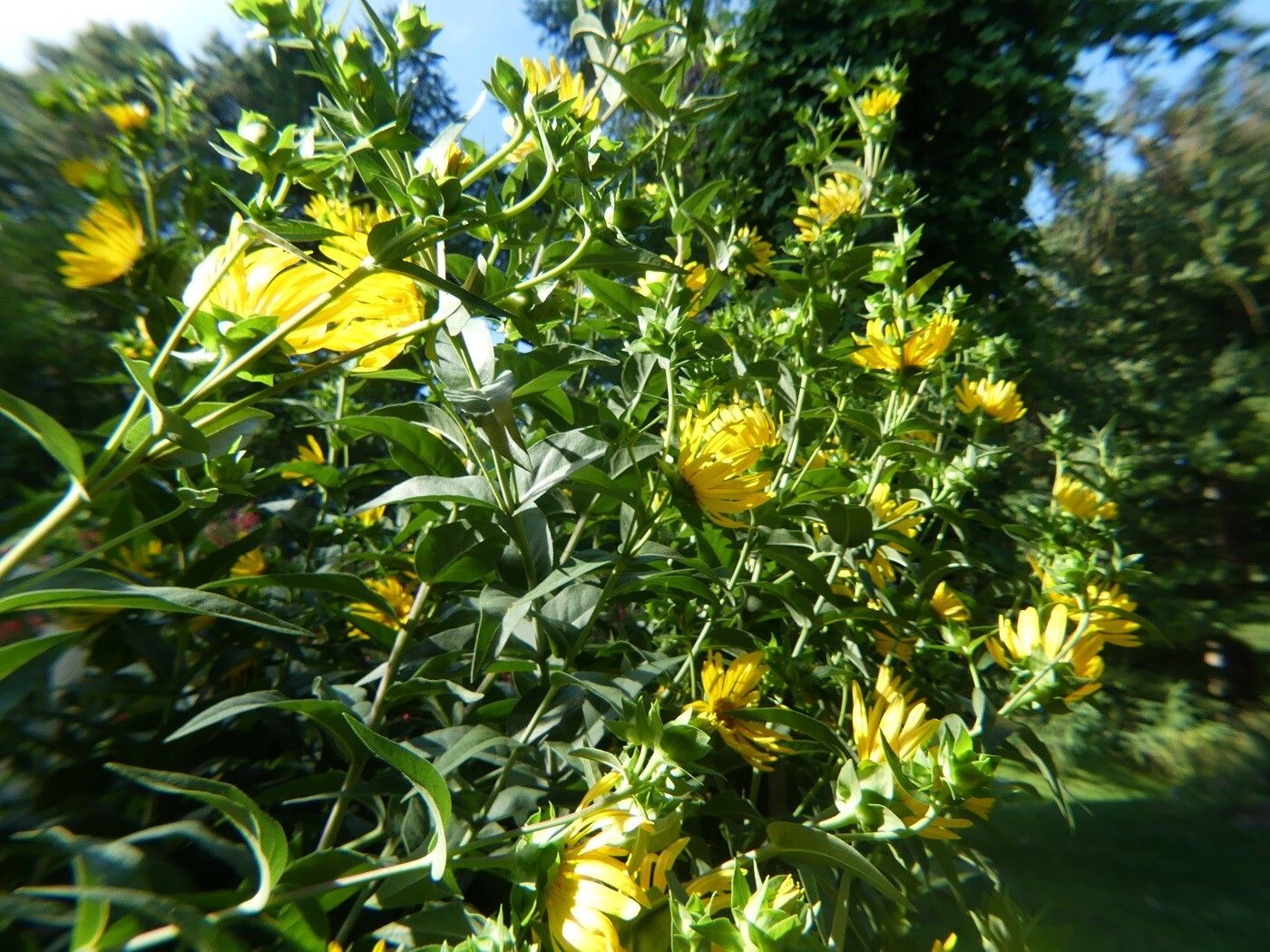
Wholeleaf Rosinweed is a robust perennial featuring vibrant yellow flowers. For bushier growth, prune it in early spring, and cut it back to ground level in late winter. Regular deadheading will encourage more blooms. Pruning not only improves air circulation and reduces the risk of disease but also requires proper sanitation of tools to ensure healthy growth.
Botanical profile.
- Plant Type
- Herb
- Life Cycle
- Perennial
- Genus
- Silphium
- Family
- Asteraceae
- Hardiness Zone
- 4-8
- Mature Height
- 0.61 m to 1.83 m
- Mature Spread
- 30 cm to 91 cm
- Leaf Color
- Green
- Leaf Type
- Deciduous
- Flower Color
- Yellow
- Flower Size
- 2.54 cm to 7.62 cm
- Bloom Time
- Early summer, Mid summer
- Planting Time
- Spring, Summer
- Harvest Time
- Mid summer
Other names.
Reader questions.
How should I water my Wholeleaf Rosinweed plant?
To ensure the health of the Wholeleaf Rosinweed when watering, follow these guidelines: Use filtered water at room temperature or slightly warmer, as tap water may contain harmful particles. This plant is adapted to warm environments, so avoid using cold water, which can shock the plant. Additionally, overhead watering should be avoided to prevent foliage issues. Instead, directly apply the filtered room temperature water to the soil until it is entirely soaked. This method benefits the plant by providing moisture to the roots and helping them spread and absorb nutrients from the soil.
Why should I add fertilizer to my Wholeleaf Rosinweed?
Fertilization is important for the Wholeleaf Rosinweed for various reasons. It provides essential nutrients for the plant's growth above and below the ground. Although the Wholeleaf Rosinweed has relatively low fertilization needs, it can still thrive without fertilization at times. However, annual fertilization can greatly benefit the plant, helping it survive and potentially improving the duration and quality of its flowers. Therefore, those who want their Wholeleaf Rosinweed to look its best should prioritize annual fertilization.
What are the sunlight requirements for Wholeleaf Rosinweed?
Wholeleaf Rosinweed thrives best in full sunlight, requiring above 6 hours of sunlight daily for optimum growth. It can also tolerate partial sun, which means about 3-6 hours of sunlight. To ensure the health and happiness of your plants, it's important to observe the movement of sunlight through your garden and select locations that offer a balanced mix of light and shade.
What are the ideal temperature conditions for Wholeleaf Rosinweed?
Wholeleaf Rosinweed thrives in climates with temperatures ranging from 41 to 89.6 °F (5 to 32 °C). This plant prefers these temperature conditions for optimal growth. Despite its strong cold resistance, precautions should be taken if winter temperatures are expected to drop below -30°C by covering the plant with soil or straw and ensuring the soil is moist before the first freeze. This care helps prevent drought and water scarcity during the colder months.
What do I do if I give too much or too little water to my Wholeleaf Rosinweed?
Both overwatering and underwatering can harm your Wholeleaf Rosinweed plant, but overwatering is more common. Overwatering can cause the stems and leaves to wilt and turn yellow, and can lead to diseases like root rot, mold, and mildew that can be fatal to your plant. Underwatering is less likely to occur with the Wholeleaf Rosinweed, as it has good drought tolerance. However, if underwatering does occur, you may notice brittle and brown leaves. It is important to recognize signs of overwatering early on when caring for your Wholeleaf Rosinweed, as some diseases, like root rot, may not be reversible if left untreated for too long. If you notice early signs of overwatering, reduce your watering schedule and check the quality of your soil. If the soil drains poorly, replace it with a loose, well-draining potting mix. If you notice signs of underwatering, simply water more regularly until the signs improve.
When should I fertilize my Wholeleaf Rosinweed plant?
The best time to fertilize a Wholeleaf Rosinweed is in late winter to early spring when the plant is transitioning from dormancy to active growth. Fertilizing during this time promotes healthy growth and gives the plant a good start for the season. Although early spring is generally the most beneficial, fertilizing in the fall is also an option. However, it is not recommended to fertilize during summer or winter.
What are the essentials for growing Wholeleaf Rosinweed?
The Wholeleaf Rosinweed, or Silphium integrifolium, prospers in conditions of constant sun exposure. Its durability allows it to withstand the vigor of direct and scattered light alike. The plant's native setting is one of abundant sunlight, which should be mimicked for optimal growth. Both too little and too much light can hinder its growth and affect its health. In scenarios where natural light is inadequate, especially during winter or in less sunny areas, integrating artificial lighting can be beneficial. LED lights, offering customizable wavelengths, are recommended, with intensity requirements varying by the type of plant: 30-50W/sq ft for full sun plants, 20-30W/sq ft for partial sun plants, and 10-20W/sq ft for full shade plants. The artificial light should be positioned 12-36 inches above the plant and kept on for 8-12 hours a day to simulate natural daylight hours.
How does Wholeleaf Rosinweed react to low temperatures?
Wholeleaf Rosinweed is cold-tolerant and generally performs well in temperatures above 5°C. However, during winter, it is advisable to keep it above -25°C. If temperatures fall below -30°C, there might not be visible signs of damage in winter, but you could see a decreased sprouting or even no sprouting at all in spring. If this happens, it is recommended to remove any parts of the plant that have failed to sprout as part of its spring care.
How frequently should I water my Wholeleaf Rosinweed?
If your Wholeleaf Rosinweed plant is in a pot, you can check if it needs water by putting your finger into the soil. If the top two to three inches of soil are dry, then it's time to water it. If you're growing your Wholeleaf Rosinweed outdoors in the ground, you can use the same method to check the soil. When the top few inches of soil have dried out, it's time to water it. In the spring and early fall, this usually means watering once a week. However, during extremely hot weather, you may need to water it twice a week or even more. Although, it's worth mentioning that mature and well-established Wholeleaf Rosinweed plants have a good ability to endure drought.
When is the best time to not use fertilizer on my Wholeleaf Rosinweed?
To properly care for your Wholeleaf Rosinweed, it's important to limit fertilization to a specific time of year. Late winter and early spring are the optimal times for feeding this plant, as its fertilization needs are minimal and only require one annual feeding. Overfertilization can easily occur if you continue to feed the plant throughout spring, summer, and fall, leading to various complications. However, if you neglected to fertilize in the spring, you can still fertilize in the fall. It's also worth noting that the Wholeleaf Rosinweed does not require fertilization during the winter months when it enters a dormant growth phase and does not produce new growth. Therefore, it's not recommended to fertilize during most of the winter.
What are the symptoms of inappropriate lighting for Wholeleaf Rosinweed?
When Wholeleaf Rosinweed does not receive adequate light exposure, it may exhibit several symptoms indicative of stress, including smaller new leaves compared to older ones, leggy or sparse growth, premature leaf drop, reduced or ceased new growth, and lighter-colored or chlorotic leaves. Excessive sunlight, on the other hand, can lead to sunscald, leaf curling, wilting, leaf scorching, and a general decline in plant health. These symptoms highlight the importance of providing the right balance of sunlight to maintain the plant's health.
What should I do if Wholeleaf Rosinweed gets too hot?
If the temperature surpasses 32°C during summer, Wholeleaf Rosinweed's leaves might lighten in color, curl, become prone to sunburn, or, in severe cases, the whole plant may wilt and dry. To combat this, trim away the sunburned and dried parts of the plant. Move it to a location with shade from the midday and afternoon sun, or use a shade cloth. Additionally, watering the plant in the morning and evening helps keep the soil moist and the plant healthy under high temperature conditions.