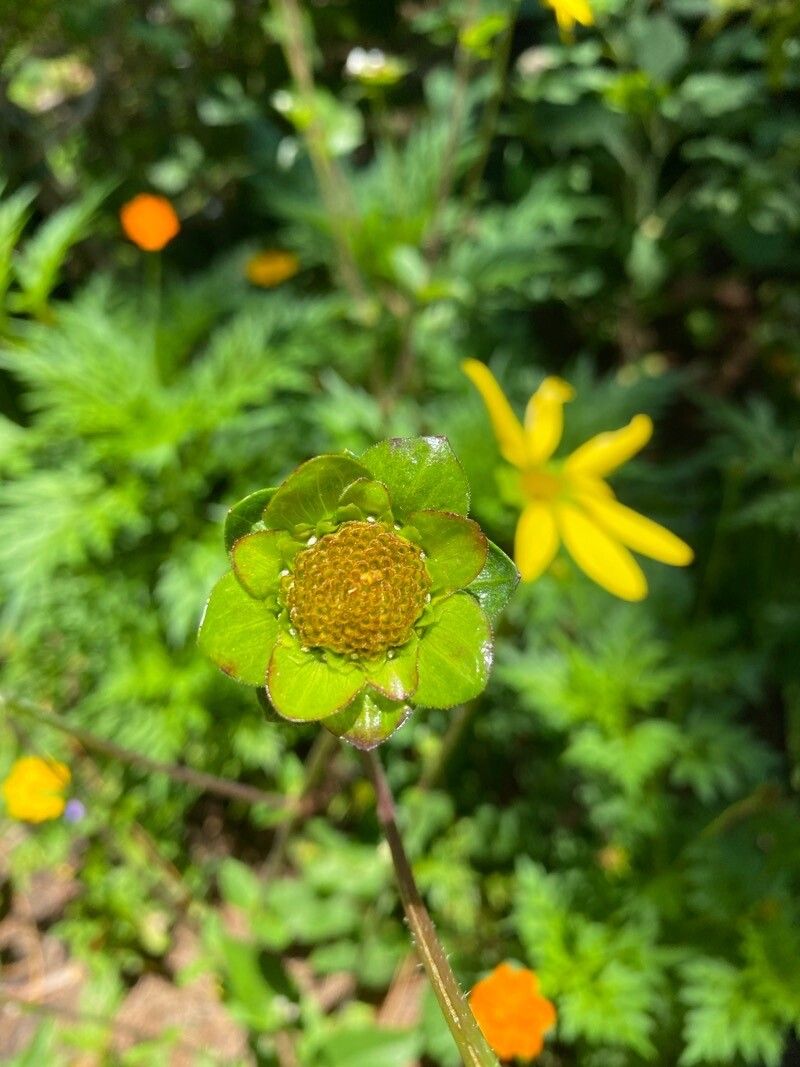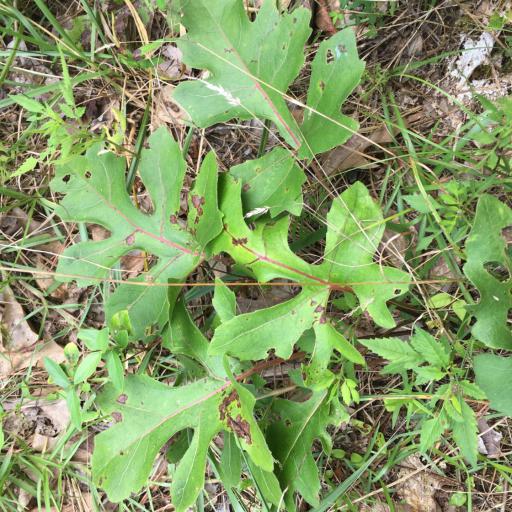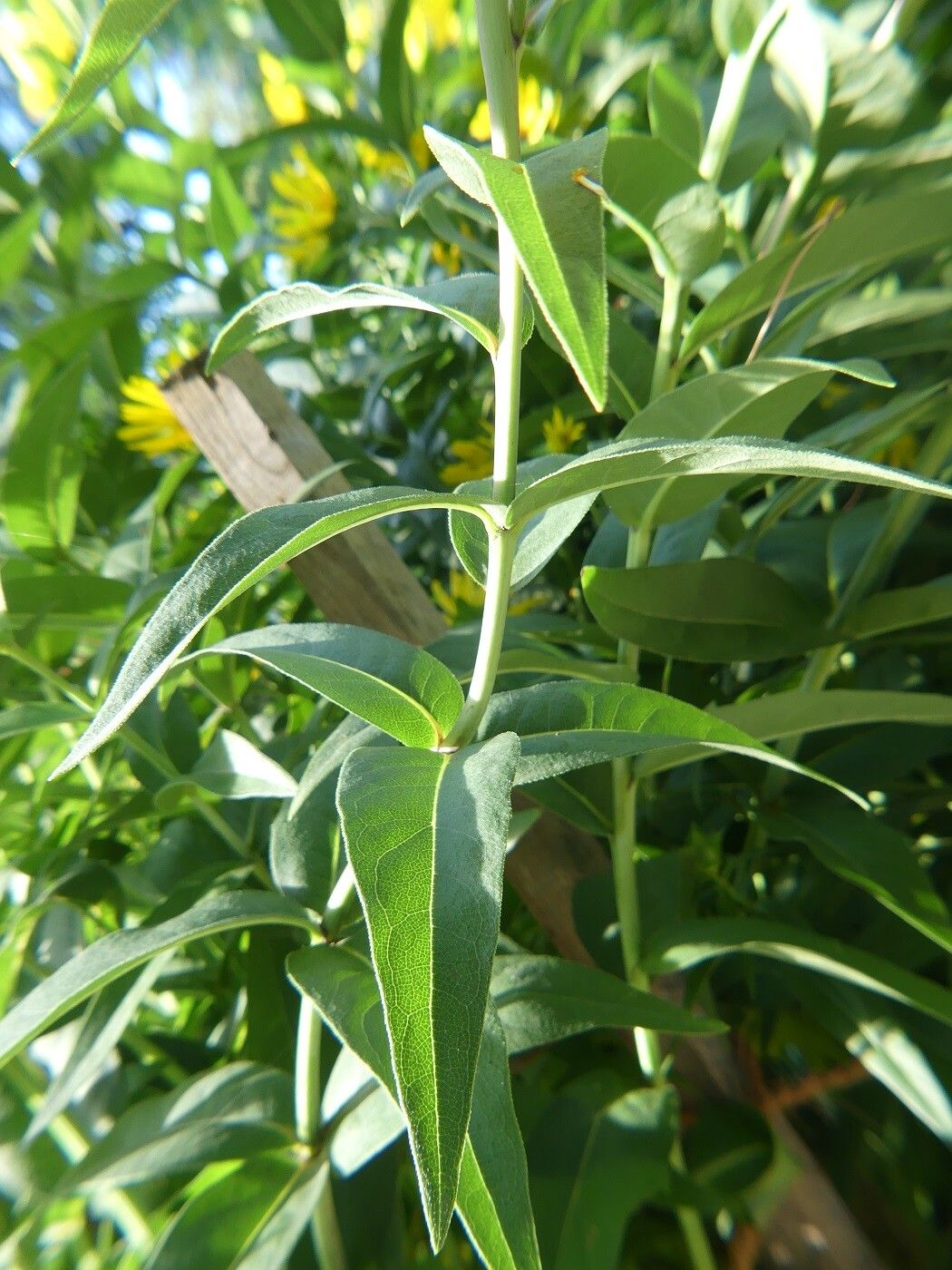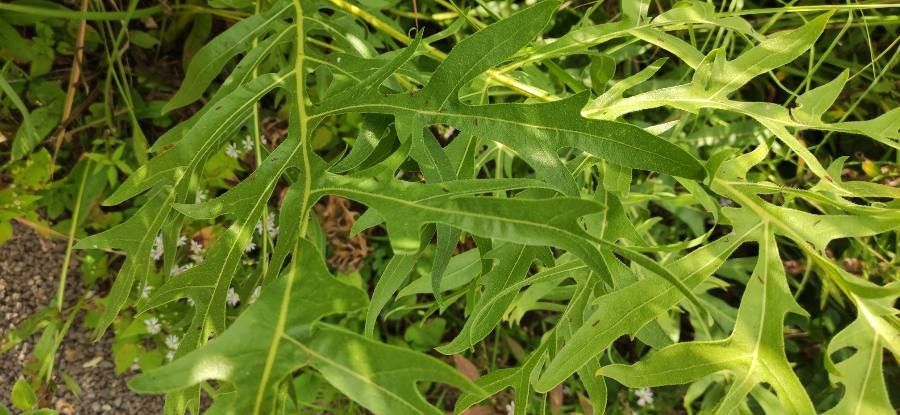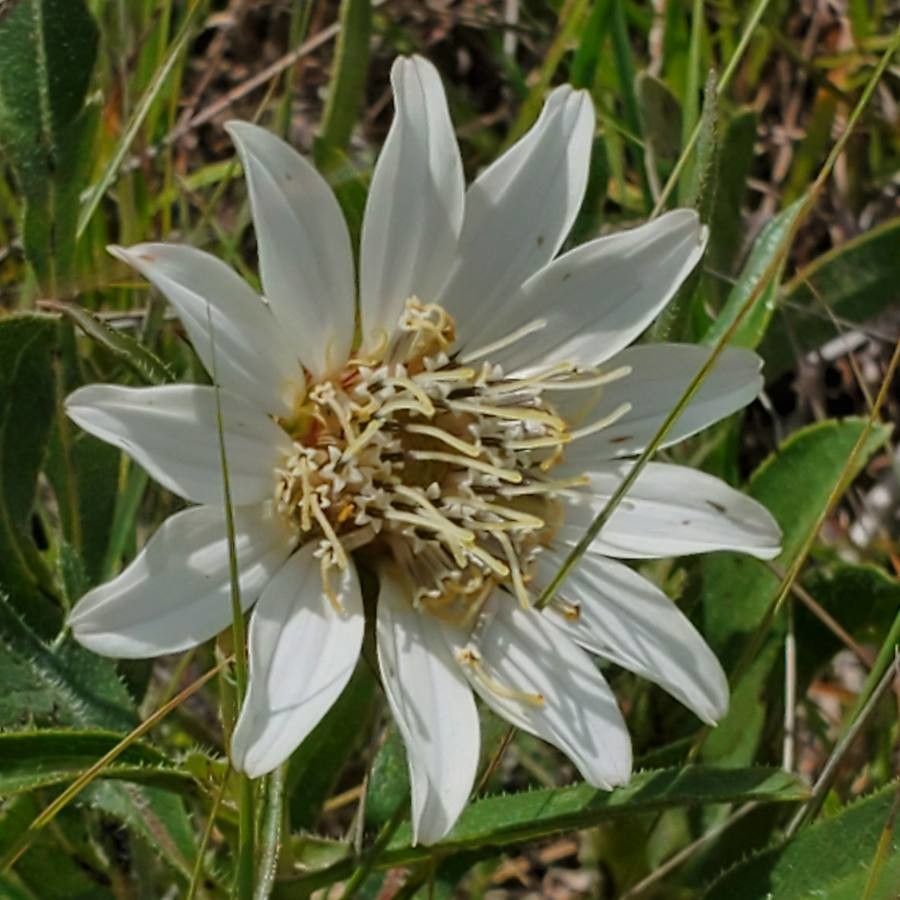
Silphium albiflorum, commonly known as white rosinweed, is a species of flowering plant in the family Asteraceae. It is native to the United States, where it is endemic to the state of Texas. Its natural habitat is in open, calcareous prairies.It is a tall perennial with rigid, deeply divided leaves. It produces heads of white flowers in late spring through mid-summer. It is a slow growing, but extremely long-lived plant.Due to its narrow habitat requirements and low population recruitment, it is considered to be a highly conservative species. It fares poorly in areas of suburban development, and faces significant threats in parts of its range.
White rosinweed is fairly resistant to disease and typically does not suffer from illnesses. Still, it can be affected by pests and diseases present in its environment. Such problems are generally mild. Regarding care, this plant needs moderate maintenance. It should be pruned on a regular basis to preserve an attractive appearance and healthy growth. Fertilizing can also encourage flowering. White rosinweed is a good choice for someone with outdoor space like a garden or patio and does not demand extensive experience in plant care. It may need more attention if grown indoors.
How to keep Silphium Albiflorum.
Light
White rosinweed is a perennial herbaceous plant that favors sunny sites and originates from open habitats, commonly thriving in meadows and grasslands. It prefers full sun but can also tolerate partial sun.
Temperature
White rosinweed can tolerate a broad range of temperatures, but its range may still be constrained by particular combinations of moisture and heat. It does best in warm summer conditions with sufficient rainfall or irrigation. Extended spells of cloudy, rainy weather or sustained high temperatures can raise the chance that White rosinweed will die. During winter, shielding the plant from cold can help increase its survival.
Fertilizer
For White rosinweed, the primary time to fertilize is in early spring when the flowers are forming. The proper fertilizer promotes stronger blooms and helps White rosinweed produce attractive flowers. Fertilizing in early spring ensures good flowers throughout the season and supplies energy for dormant growth phases.
Pruning
White rosinweed is a perennial herb known for its white blossoms and sap that resembles rosin. To promote reblooming, it is best to prune the plant in early spring. Remove any dead stems and spent flower heads during this time. Regular pruning not only encourages new growth but also improves air circulation, reduces the risk of disease, and helps maintain the plant's size. Be sure to use sharp tools when pruning to minimize stress on the plant and to prevent the introduction of pathogens.
Botanical profile.
- Plant Type
- Herb
- Life Cycle
- Perennial
- Genus
- Silphium
- Family
- Asteraceae
- Hardiness Zone
- 5-9
- Mature Height
- 30 cm to 91 cm
- Mature Spread
- 30 cm to 61 cm
- Leaf Color
- Green
- Leaf Type
- Deciduous
- Flower Size
- 5.08 cm to 7.62 cm
- Bloom Time
- Early summer, Mid summer
- Planting Time
- Spring, Summer
- Harvest Time
- Late summer, Early fall