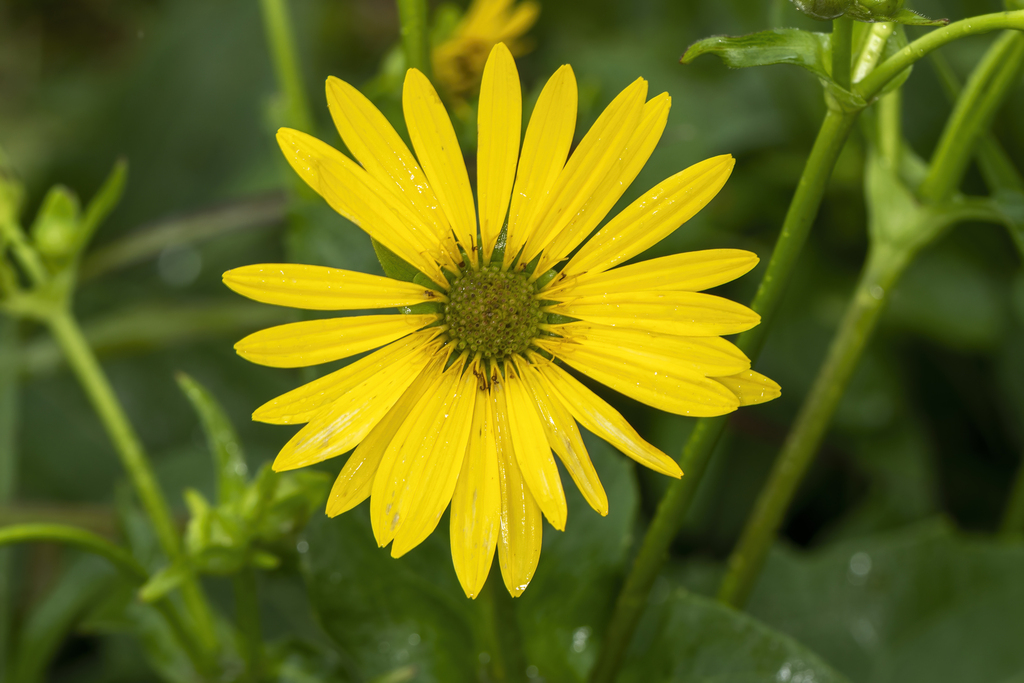
Silphium perfoliatum, commonly known as the cup plant, is a tall and robust perennial that belongs to the Asteraceae family. Native to North America, it thrives in wetlands, prairies, and along riverbanks. The plant can grow up to 8 feet tall and spread 3-4 feet wide.
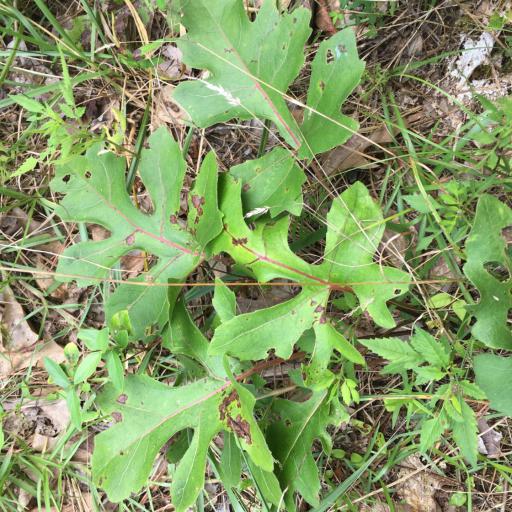
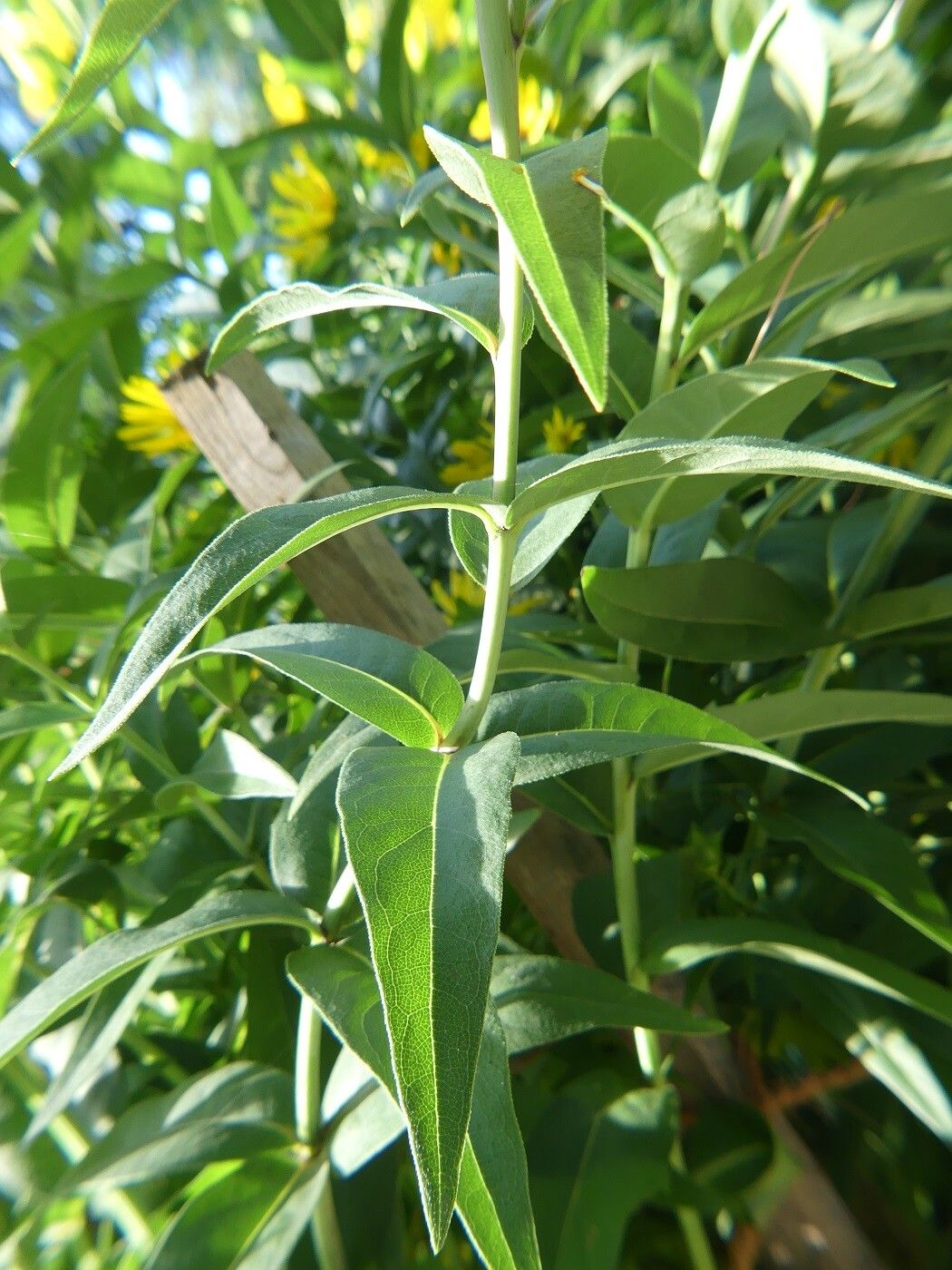
The most distinctive feature of the cup plant is its opposite leaves, which are fused together at the base, forming a cup-like structure around the stem. This unique adaptation allows rainwater to collect in the cups, providing a valuable water source for birds and insects.
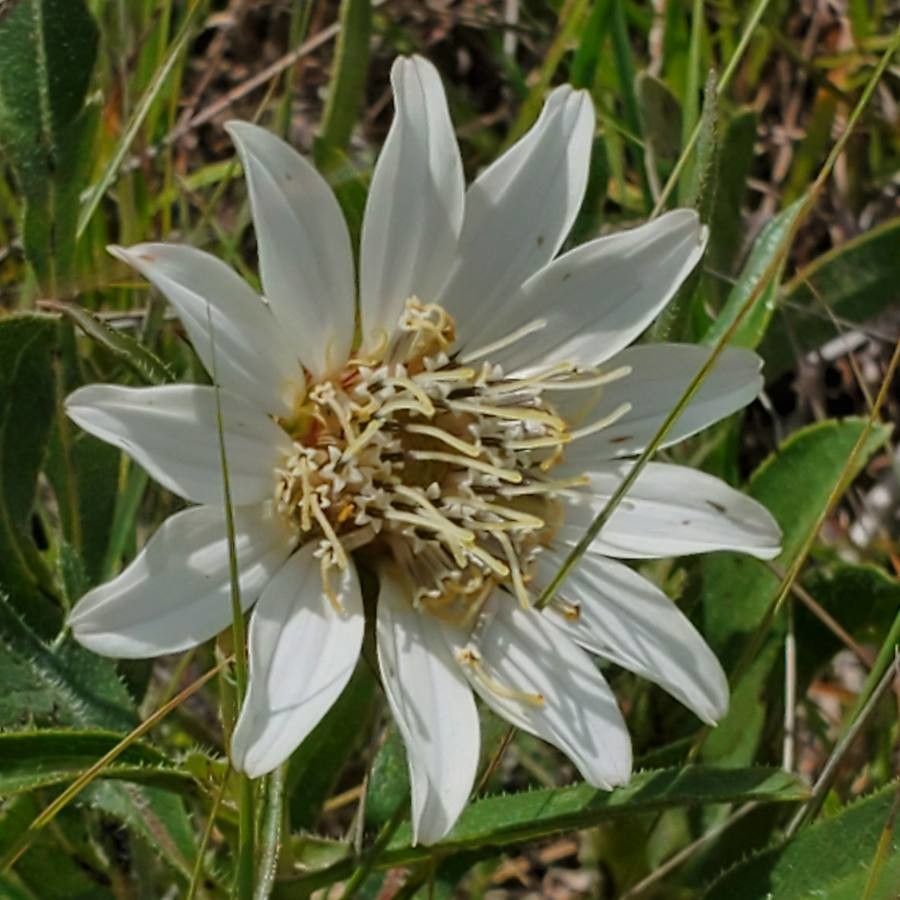
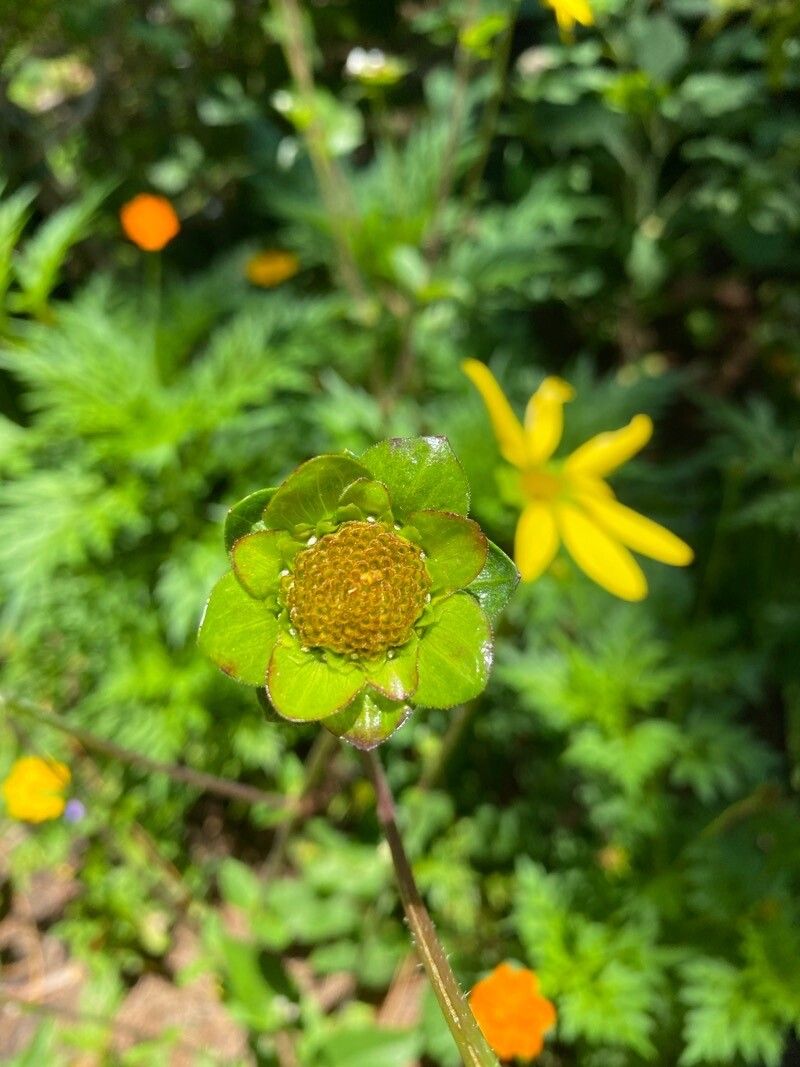
The flowers of Silphium perfoliatum are bright yellow with numerous petals arranged in a composite inflorescence at the top of each stem. Blooming from mid-summer through early fall, these flowers attract bees, butterflies, and other pollinators.
Cup plants prefer moist soil but can tolerate some drought once established. They are easy to grow from seed or by division in early spring or fall.
Native Americans have traditionally used Silphium perfoliatum for medicinal purposes to treat various ailments, such as fevers, coughs, colds, and digestive issues like diarrhea and dysentery.
Overall, Silphium perfoliatum is an attractive native perennial that not only provides food for pollinators but also adds visual interest with its unique leaf structure. This makes it an excellent addition to any garden or natural area restoration project.
The cup plant has strong disease resistance and is generally unlikely to suffer from illnesses. However, it can be vulnerable to pests and diseases present in its surroundings. Such infections are usually mild. In terms of care, this plant requires a moderate level of maintenance. It should be pruned regularly to preserve a neat appearance and support healthy growth. Fertilizing can also help encourage flowering. The cup plant is suitable for anyone with outdoor space, such as a garden or patio, and does not need extensive care experience. It may demand more attention when kept indoors.
How to keep Silphium Perfoliatum.
Light
The cup plant grows best with abundant sunlight but also tolerates moderate light. This tendency reflects its evolutionary adaptation to environments with plentiful light. Too little light weakens its health and restricts growth, while excessive exposure may be harmful.
Water
The cup plant is native to the moist prairies of North America. While it thrives in consistently moist conditions, it can withstand short periods of drought. Providing water once a week helps to maintain its health. This plant is particularly well-suited for outdoor environments such as rain gardens, where its deep roots and large leaves contribute to efficient water management.
Temperature
The cup plant prefers temperatures between 32 and 95 ℉ (0 to 35 ℃). Its native habitat includes areas with warm summers and cool winters. In summer, this plant benefits from partial shade to prevent heat stress. In winter, it needs ample sunlight to encourage growth.
Fertilizer
Typically a single fertilizer application in spring is adequate for Cup plant, though multiple feedings can maximize growth. Feed every one to one-and-a-half months. Fertilization improves leaf appearance and function, helping maintain even color and a healthy texture. It also encourages root development and enhances nutrient uptake for long-term plant health.
Pruning
The cup plant features large, opposite leaves and vibrant yellow flowers. To encourage healthy growth, prune in early to late spring and remove any dead stems. In mid-summer, trim the plant back by half to manage its height. Deadheading can help stimulate blooming and prevent the plant from self-seeding. Always use clean, sharp tools for pruning.
Botanical profile.
- Plant Type
- Herb
- Life Cycle
- Perennial
- Genus
- Silphium
- Family
- Asteraceae
- Hardiness Zone
- 3-9
- Mature Height
- 1.22 m to 2.44 m
- Mature Spread
- 1.22 m to 1.52 m
- Leaf Color
- Green
- Leaf Type
- Deciduous
- Flower Color
- Yellow
- Flower Size
- 2.54 cm to 7.62 cm
- Bloom Time
- Early summer, Mid summer
- Planting Time
- Spring
- Harvest Time
- Mid summer
- Native Area
- Eastern-central Canada to southeastern United States
Other names.
Reader questions.
How should I water my Cup plant?
When watering the Cup plant, it's best to use filtered water at room temperature. Tap water can have harmful particles, so filtering it is important. The plant is used to warm environments, so cold water can be a shock. Avoid watering from overhead to prevent issues with the foliage. Instead, soak the soil with filtered room temperature water until it is completely moist. This helps the roots spread and collect the necessary nutrients.
Why should I add fertilizer to my Cup plant?
Fertilization is crucial for maintaining the appearance and function of the leaves on your Cup plant. It helps ensure they have consistent color and a healthy texture. Fertilization also benefits the plant below the soil's surface by promoting the growth of new roots and sustaining existing ones. This means that fertilization not only keeps your plant healthy at present, but also improves its ability to absorb nutrients from the soil in the future.
What are the sunlight requirements for a cup plant?
Cup plants thrive under different sunlight conditions, classified into two main categories: full sun and partial sun. Full sun means the plant should receive above 6 hours of sunlight daily, while partial sun refers to about 3-6 hours of sunlight. It's crucial to observe how sunlight moves through your garden, choosing spots that provide a balance of light and shade, ensuring the plants' well-being.
What temperature range is ideal for the Cup plant?
The Cup plant, or Silphium perfoliatum, thrives in temperatures ranging from 32 to 95°F (0 to 35°C). It originates from regions that experience warm summers and cool winters. To avoid heat stress during the summer, it benefits from partial shade, whereas in winter, ample sunlight is necessary for promoting growth. The Cup plant has a strong resistance to cold, making special frost protection measures unnecessary in most cases. However, in anticipation of winter temperatures dropping below -35°C, providing cold protection with materials like soil or straw is advisable. Additionally, watering the plant abundantly before the first freeze of autumn to ensure the soil stays moist can help prevent drought and water scarcity during the colder months.
What should I do if I give too much or too little water to my Cup plant?
Overwatering is a common problem for Cup plants, whereas underwatering is less common. When a Cup plant is overwatered, its stems and leaves may wilt and turn yellow. Overwatering for a long time can also cause diseases like root rot, mold, and mildew, which can be fatal to the plant. On the other hand, underwatering may cause the Cup plant's leaves to become brittle and brown. It's important to recognize the signs of overwatering early on to prevent irreversible damage. If you notice these signs, reduce your watering schedule immediately and check the soil's drainage. Replace poorly draining soil with a loose potting mix. If your plant shows signs of underwatering, simply increase the frequency of watering until the signs disappear.
When should I fertilize my Cup plant for the best results?
If you choose to grow your Cup plant outdoors, it will produce new growth in early spring. This is a signal to start fertilizing for the year. Typically, one application of fertilizer in the spring is sufficient for a healthy Cup plant. However, if you want to encourage maximum growth, you can fertilize multiple times throughout the spring and early summer. In this case, feed your Cup plant every month to a month and a half.
How important is sunlight for a cup plant's growth?
Sunlight is essential for the optimal growth of cup plants, reflecting its adaptation to habitats with abundant light. The plant performs best under generous sun exposure but can tolerate moderate light. However, insufficient light can harm its health and growth, whereas too much exposure may be detrimental. During low-light conditions, especially in winter or shady areas, artificial lighting can be a solution. LED lights are recommended, with specific wattage requirements depending on the plant's sunlight needs: 30-50W/sq ft for full sun, 20-30W/sq ft for partial sun, and 10-20W/sq ft for full shade plants.
How does the Cup plant respond to low temperatures?
The Cup plant is notably cold-tolerant and performs best when temperatures stay above 0°C. Throughout the winter, it's important to keep it above -30°C. If temperatures fall below -35°C, the plant may not show immediate damage during the winter but could experience decreased sprouting or fail to sprout in the spring. In such cases, removing any parts that fail to sprout in spring is advised as a corrective measure.
How often do I need to water my Cup plant?
If your plant is in a pot, the most precise way to determine if it needs water is to feel the soil with your finger. If the top two to three inches of soil are dry, it's time to water. The same method can be used if you have the Cup plant planted in the ground outdoors. If the first few inches of soil have dried out, it's time to water. Usually, watering once a week is sufficient during spring and early fall. However, during extremely hot weather, you may need to water twice per week or even more. Nonetheless, mature and well-established Cup plants have shown impressive ability to tolerate drought.
When is it not a good time to fertilize my Cup plant?
During the late fall and winter, your Cup plant goes into a dormant phase and stops producing new growth. During this time, it's best not to fertilize your Cup plant. If you decide to fertilize it multiple times in the spring and summer, reduce the amount of fertilizer as summer approaches because the growth rate of your Cup plant will also slow down. In general, it's not a good idea to fertilize your Cup plant when the weather is very hot or the soil is extremely dry. Fertilizing in these conditions can stress your Cup plant and cause it to die early.
What are common symptoms of inappropriate light conditions in cup plants?
Cup plants show several signs when they're not getting the right amount of light. Symptoms of light deficiency include small, new leaves, leggy or sparse growth, faster leaf drop, slower or no new growth, lighter-colored new leaves, and symptoms of too much light include chlorosis, sunscald, leaf curling, wilting, and leaf scorching. These symptoms indicate the plant is struggling with its current light conditions, either needing more sunlight or protection from too much direct sunlight.
What should I do if the Cup plant is exposed to high temperatures?
During the summer, it's crucial to ensure the Cup plant does not exceed temperatures of 35°C. Exposure to temperatures above 38°C may result in the leaves becoming lighter, curling, getting sunburned, and, in severe instances, the plant may wilt and dry out completely. To mitigate these effects, trim away any sun-damaged or dried-up parts of the plant. Relocate the plant to a spot that offers afternoon and midday shade, or utilize a shade cloth to protect it from excessive sun exposure. Additionally, keeping the soil moist by watering in the morning and evening can help alleviate stress from high temperatures.