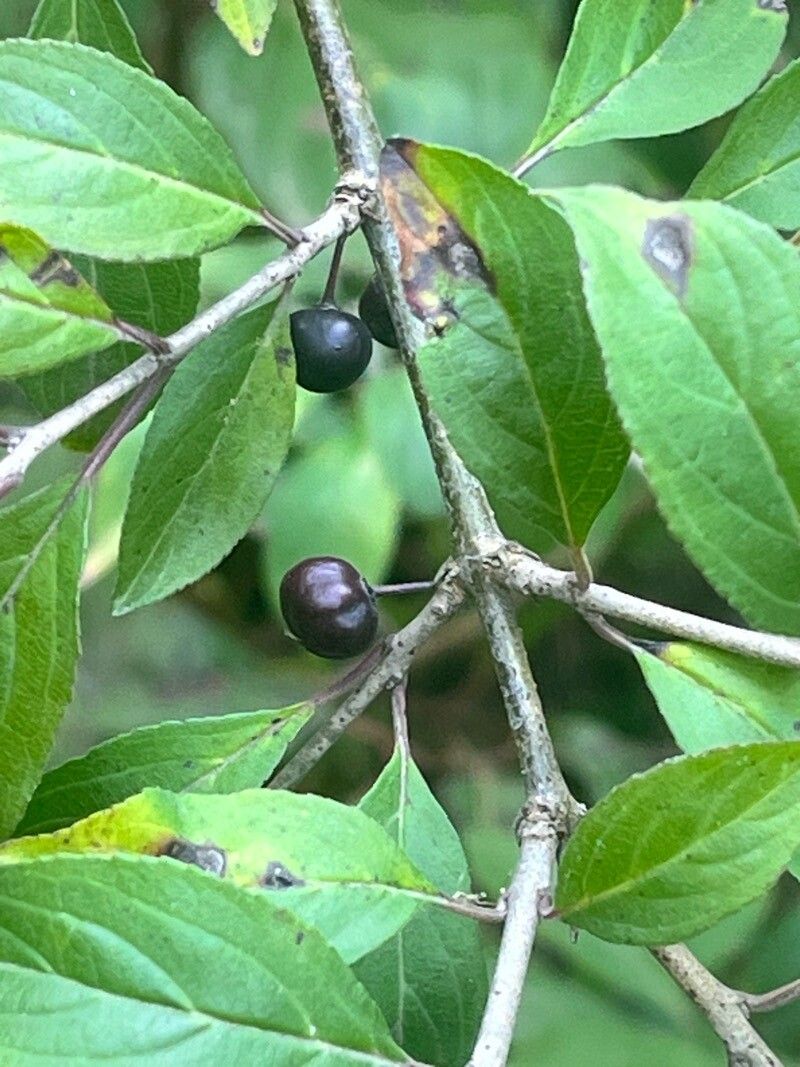
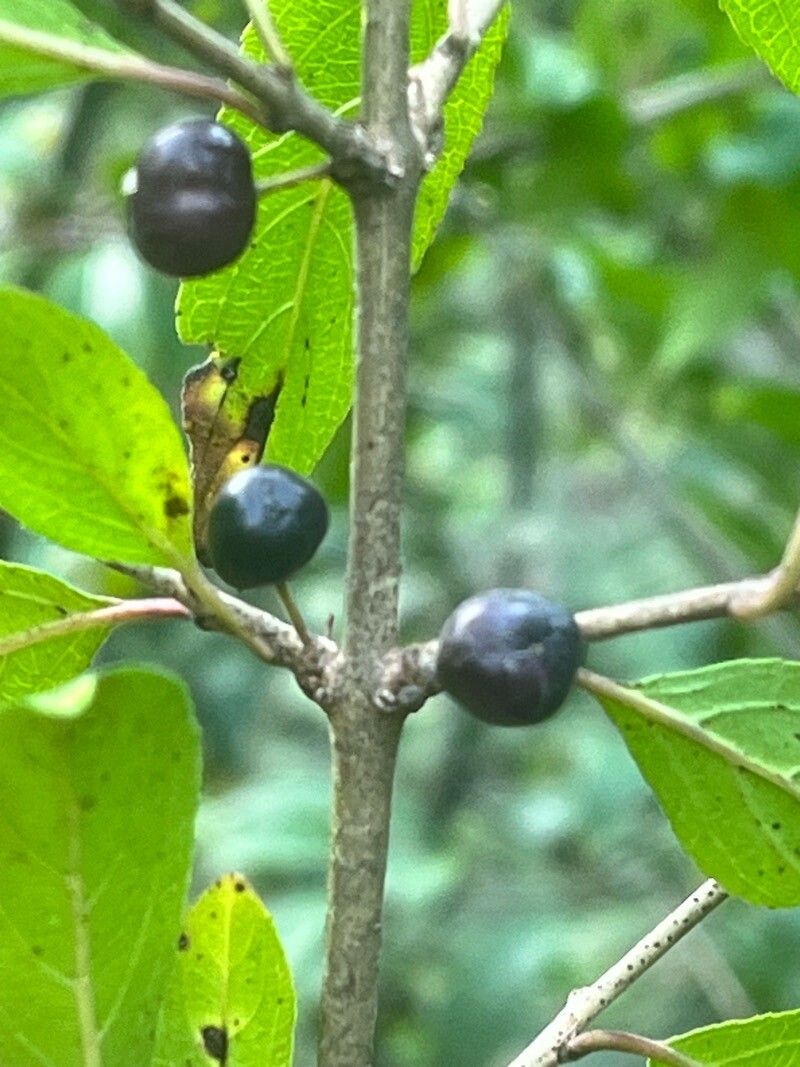
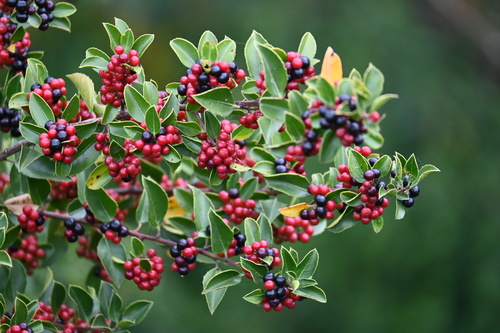
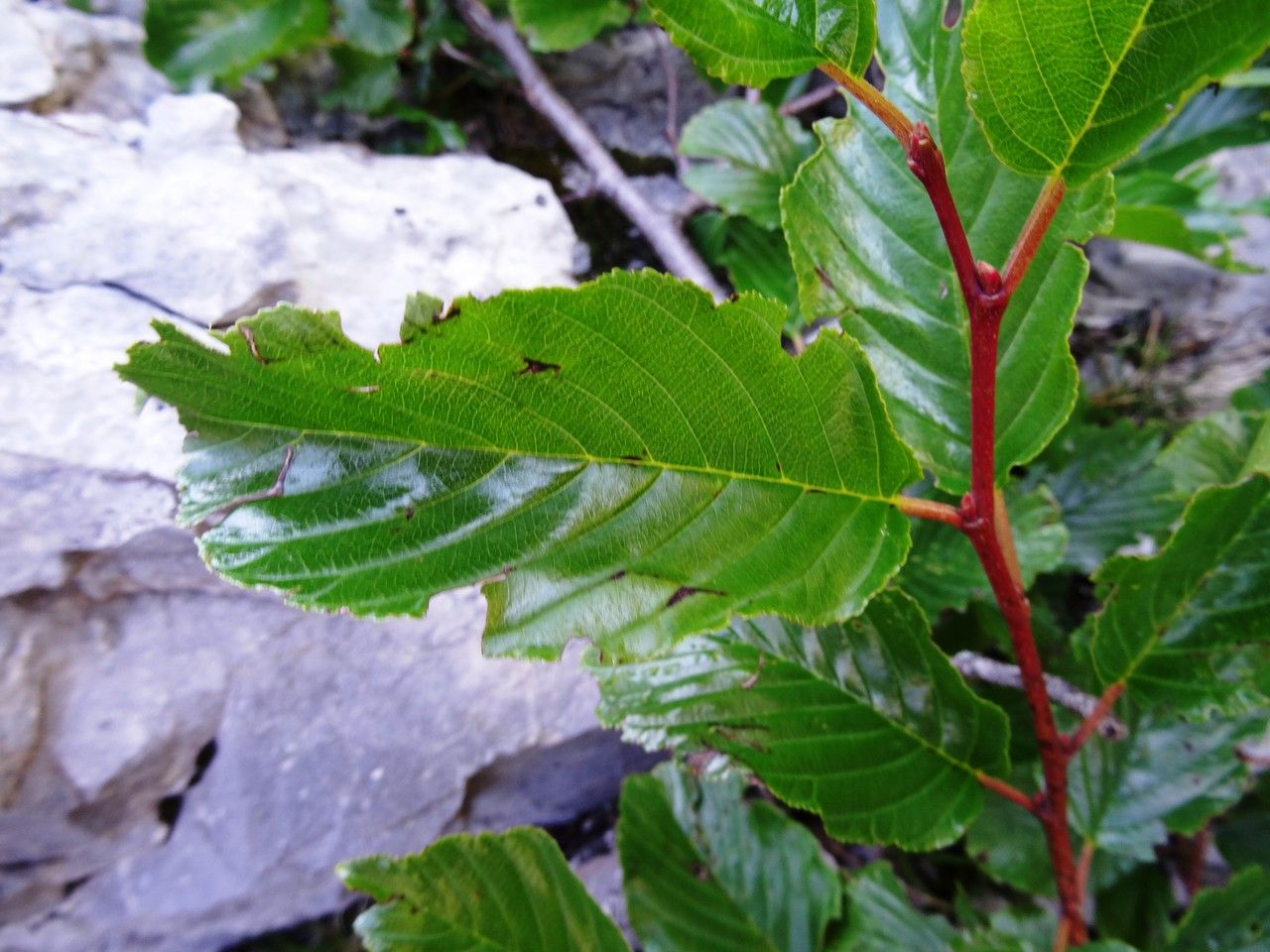
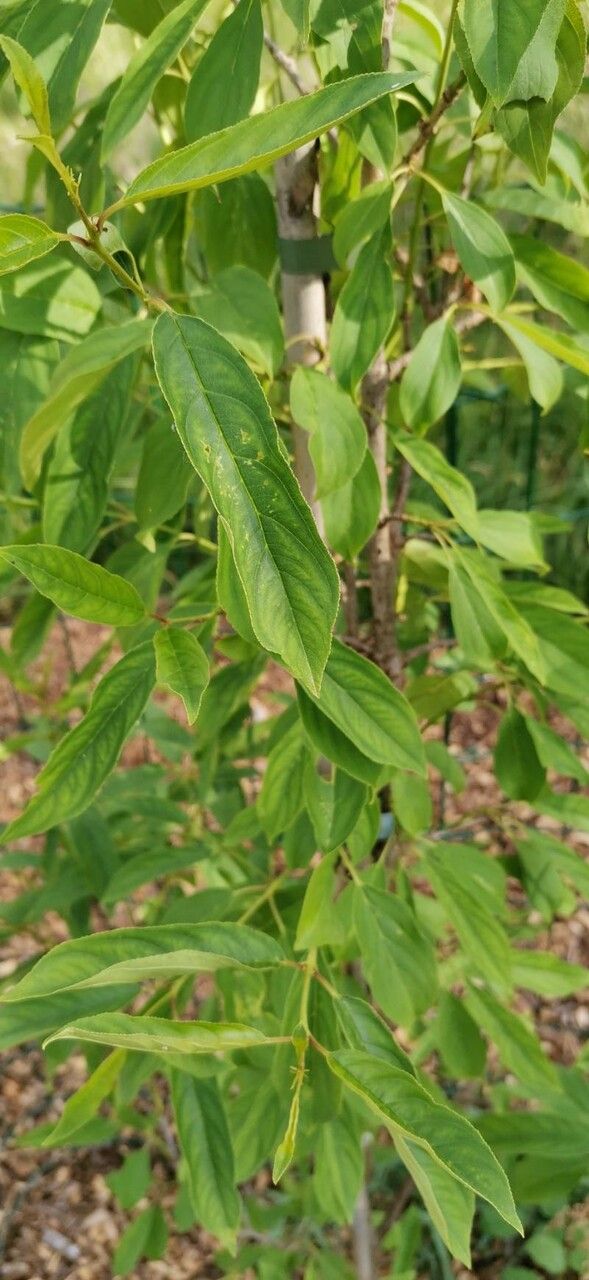
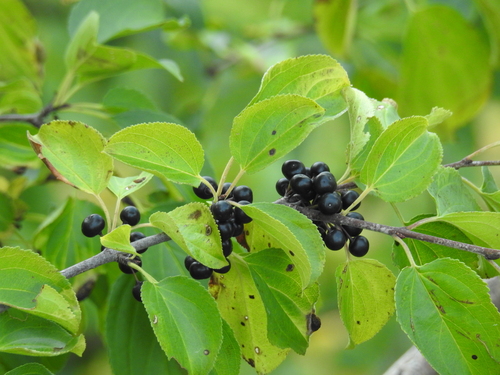
Cane buckthorn is resistant to disease and is generally unlikely to develop illnesses. In terms of care, this plant is fairly low-maintenance. When grown outdoors it needs only minimal watering, and larger specimens typically do not require pruning. Smaller plants, however, should be pruned after they finish blooming. Cane buckthorn is suitable for anyone with an outdoor area, such as a garden or a deck, and does not demand extensive gardening experience.
How to keep Rhamnus Virgata.
Light
Cane buckthorn comes from open habitats, such as sunny meadows and forest margins, which supply plenty of light. It flourishes in full sun but can also tolerate partial sun, adapting well to a range of light conditions.
Water
Cane buckthorn is well-suited to arid regions due to its excellent drought tolerance, needing watering only every 2-3 weeks. This evergreen plant is typically grown outdoors and can retain water even during harsh winters.
Temperature
Cane buckthorn shows strong adaptability to a range of climatic conditions, whether facing hot summers or cold winters. Still, it has a preferred temperature range for growth. If temperatures rise too high, the plant can undergo heat and humidity stress that may kill it. In areas where temperatures approach the lower limit of its cold tolerance, insulating measures should be taken to protect the plant.
Fertilizer
Fertilize your Cane buckthorn in early spring to encourage healthy growth. Regular feeding boosts overall health, leading to vigorous growth, better tolerance of harsh conditions, and increased resistance to diseases and pests. Keep to a consistent fertilization schedule for your Cane buckthorn to preserve vibrant, deeply colored foliage and a lush appearance.
Pruning
Cane buckthorn is a dense, deciduous shrub known for its sturdy stems and clustered leaves. For the best results, prune it between early and late winter. This period is ideal for shaping the shrub, removing dead growth, promoting new growth, and improving airflow. Pruning during this time minimizes stress on the plant, enhances its vigor, and helps control its invasiveness. For more detailed guidance, consult horticultural sources.
Botanical profile.
- Plant Type
- Shrub
- Life Cycle
- Perennial
- Genus
- Rhamnus
- Family
- Rhamnaceae
- Hardiness Zone
- 5-9
- Mature Height
- 6.1 m
- Mature Spread
- 1.52 m to 3.05 m
- Leaf Color
- Dark Green, Forest Green
- Leaf Type
- Evergreen
- Flower Color
- Yellow
- Flower Size
- 0.25 cm to 0.51 cm
- Bloom Time
- Mid spring, Late spring
- Planting Time
- Spring, Summer, Autumn
- Harvest Time
- Mid summer, Late summer, Early fall
- Native Area
- Nepal, Afghanistan, India, Myanmar, Bhutan, Pakistan, China