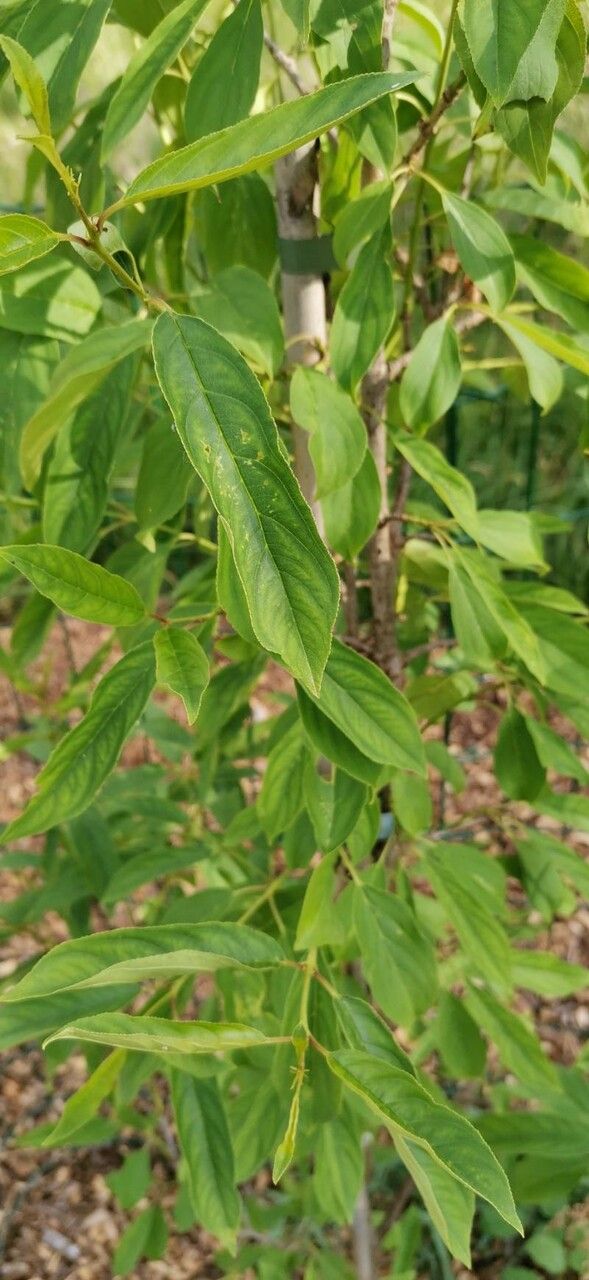
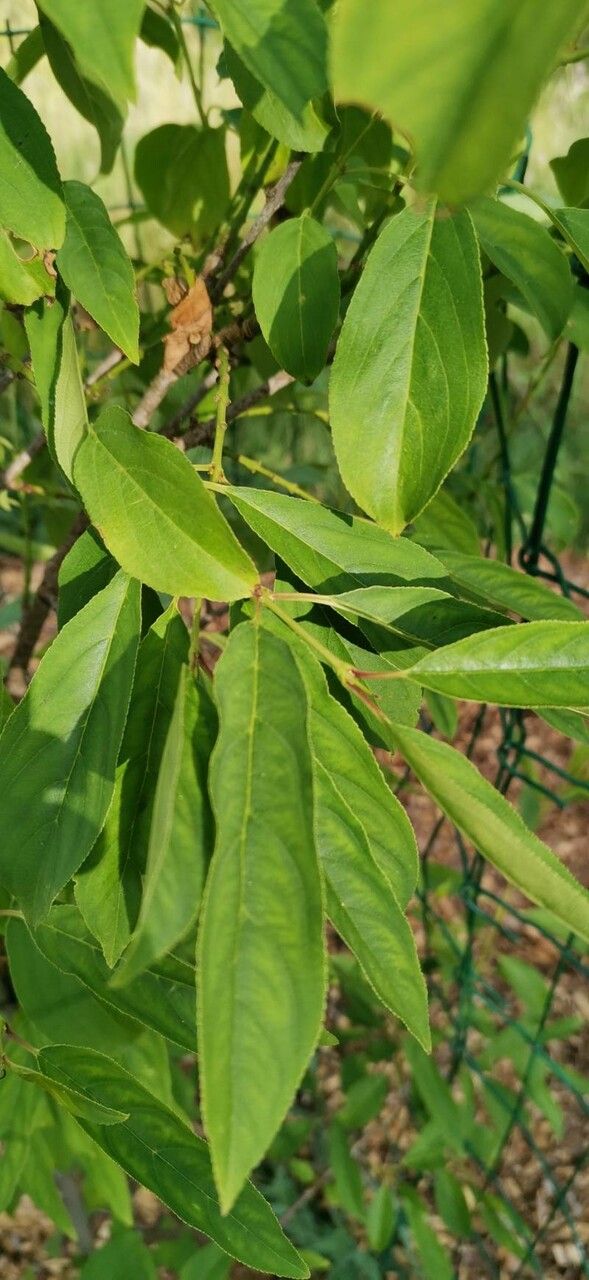
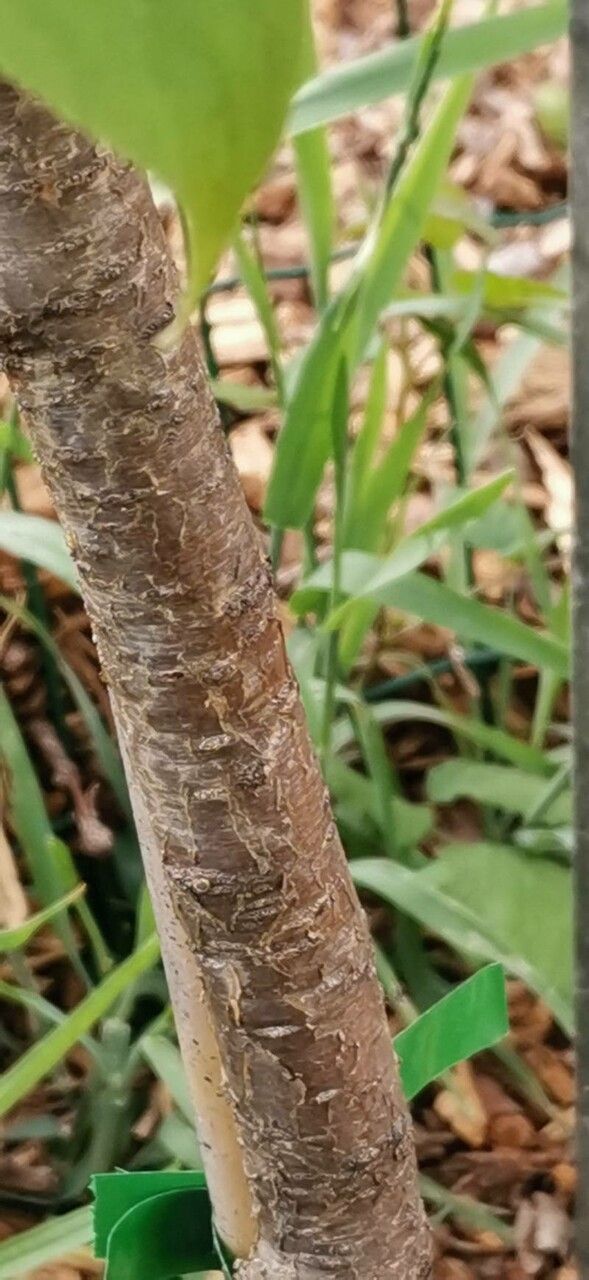
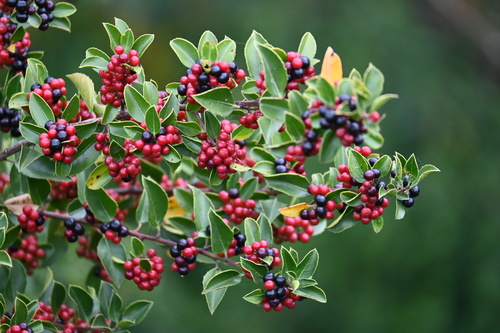
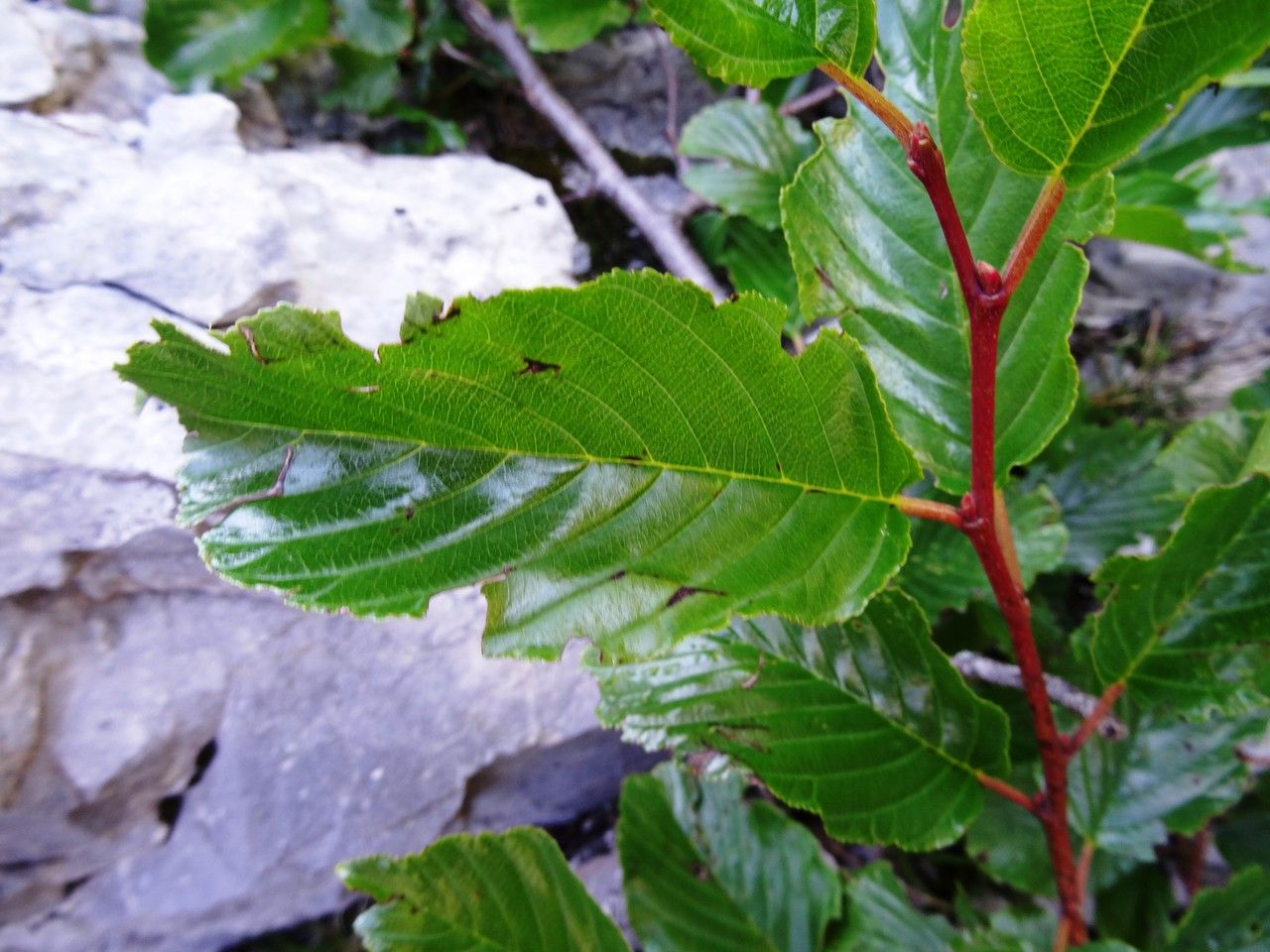
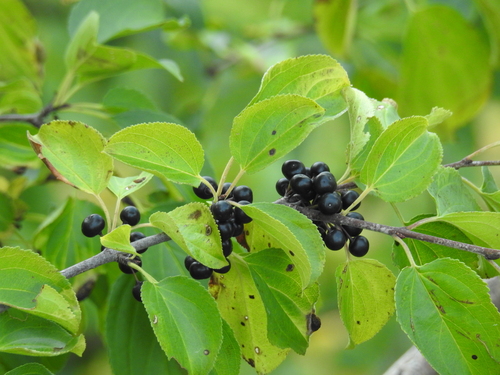
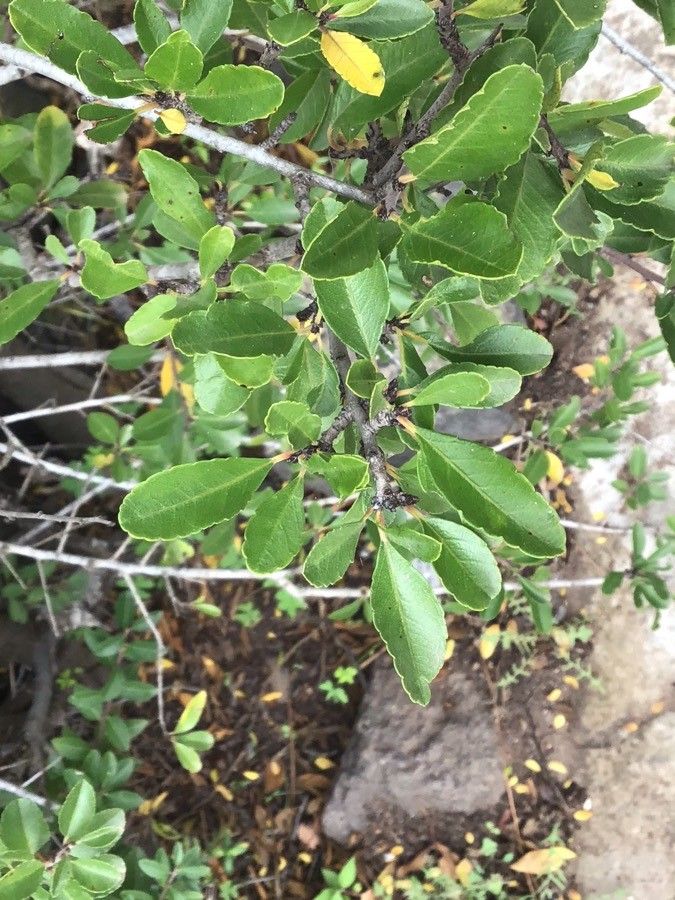
Frangula caroliniana, commonly called the Carolina buckthorn, is a deciduous upright shrub or small tree native to the southeastern, south-central, and mid-western parts of the United States, from Texas east to Florida and north as far as Maryland, Ohio, Missouri, and Oklahoma. There is also an isolated population in the State of Nuevo León in northeastern Mexico. It is found in a wide variety of habitats, including barrens, forests, and limestone bluffs.
Carolina buckthorn shows good resistance to disease and is generally not prone to ailments. Regarding care, this plant is fairly low-maintenance. When grown outdoors it needs only minimal watering, and larger specimens typically do not require pruning. Smaller plants, however, should be pruned after they finish blooming. Carolina buckthorn is appropriate for anyone with outdoor space, such as a garden or deck, and does not demand extensive gardening experience.
How to keep Rhamnus Caroliniana.
Light
Carolina buckthorn does best in locations that receive ample sunlight each day. While full sunlight exposure is ideal, it can adapt to areas where light is partially filtered through foliage. Its vigorous growth is reduced if light levels are notably low or excessively intense, affecting overall vitality.
Temperature
The carolina buckthorn prefers a moderate temperature range of 41 to 95 ℉ (5 to 35 ℃) and originates from areas with temperate climates. In warmer seasons, the carolina buckthorn can endure higher temperatures if it is given sufficient water and shade. In colder months, it should be protected from frost and freezing temperatures.
Fertilizer
To encourage healthy growth, fertilize your Carolina buckthorn in early spring. Regular fertilization improves overall health, producing vigorous growth, greater tolerance of challenging conditions, and enhanced resistance to pests and diseases. Adhere to a specific fertilization schedule for your Carolina buckthorn to maintain lush foliage with deep color and a vibrant appearance.
Botanical profile.
- Plant Type
- Shrub
- Life Cycle
- Perennial
- Genus
- Rhamnus
- Family
- Rhamnaceae
- Hardiness Zone
- 5-9
- Mature Height
- 3.66 m to 6.1 m
- Mature Spread
- 3.05 m to 4.57 m
- Leaf Color
- Green, Yellow, Gold
- Leaf Type
- Deciduous
- Flower Color
- White
- Flower Size
- 0.25 cm to 0.51 cm
- Bloom Time
- Late spring, Early summer, Mid summer
- Planting Time
- Summer
- Harvest Time
- Mid summer, Late summer
- Native Area
- Mexico
Other names.