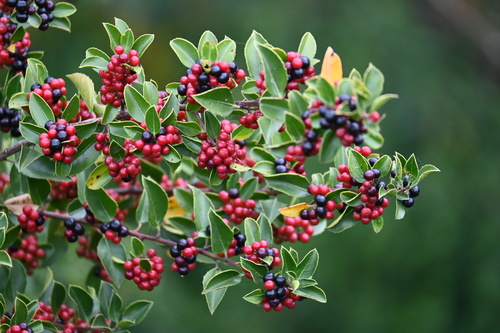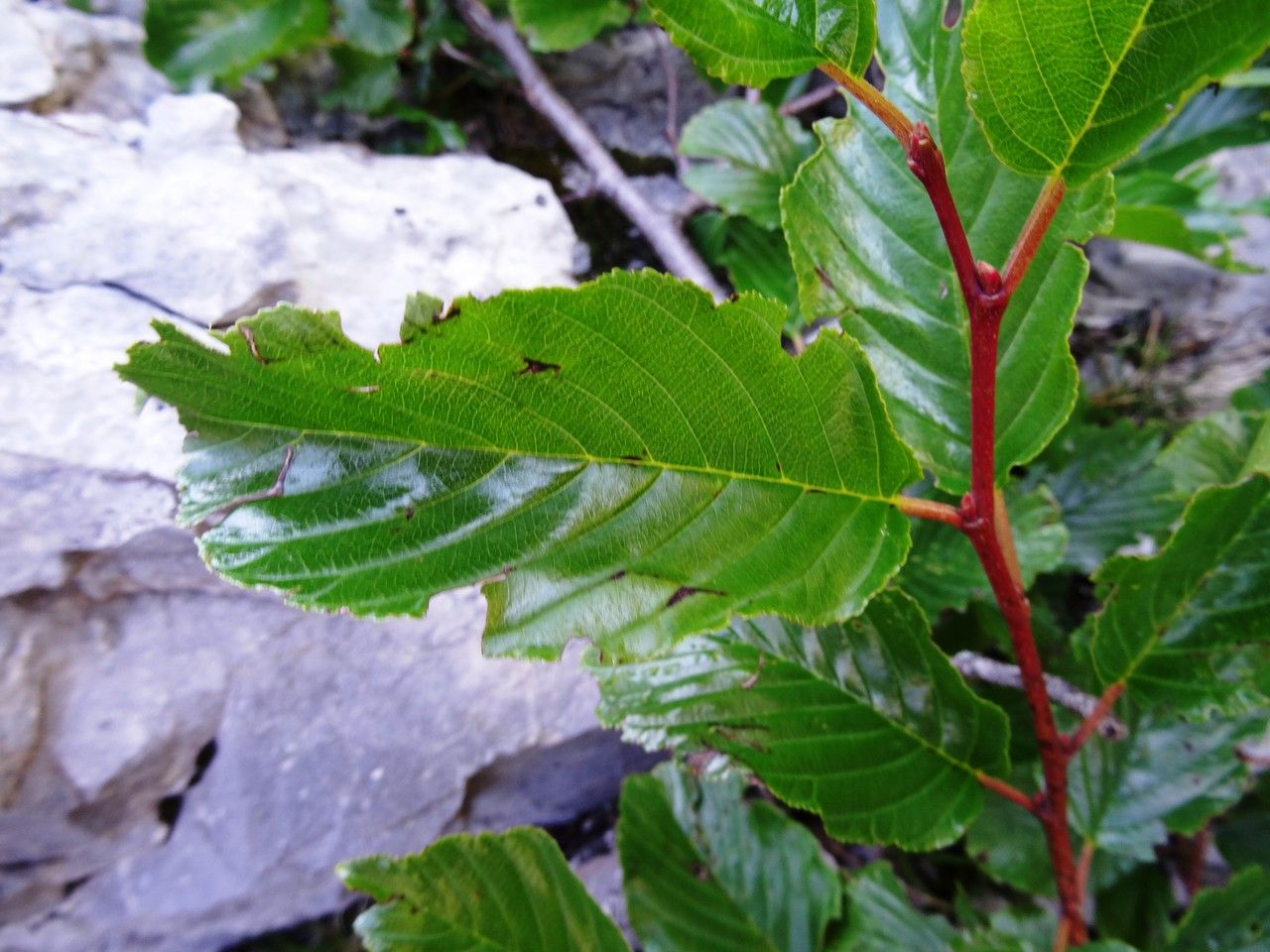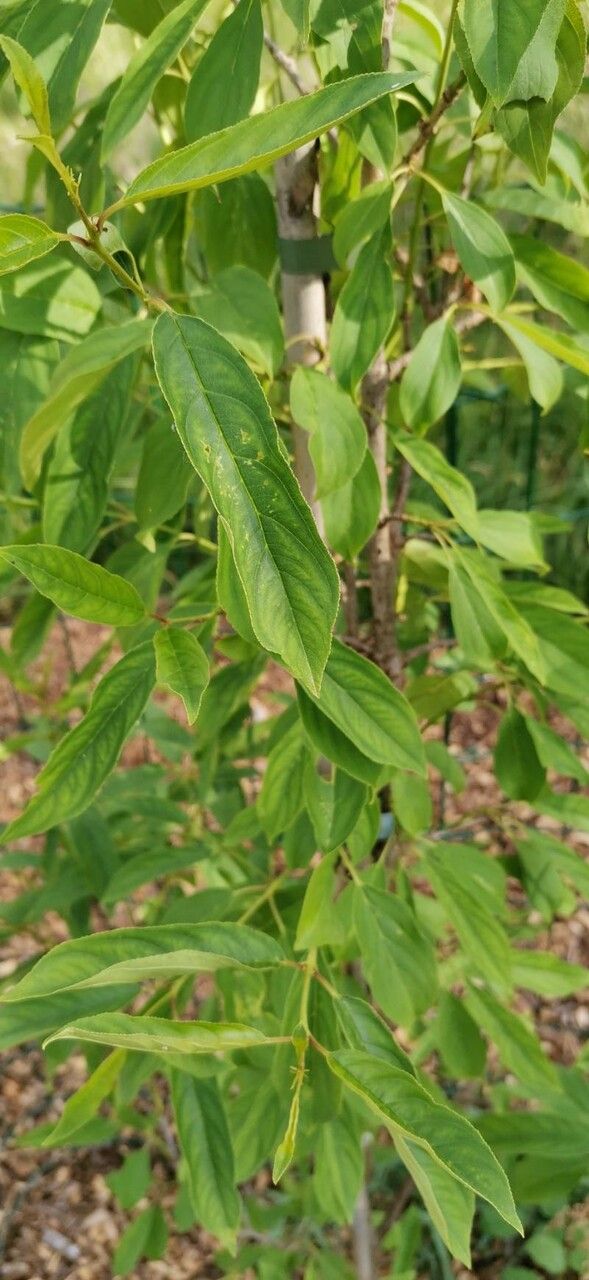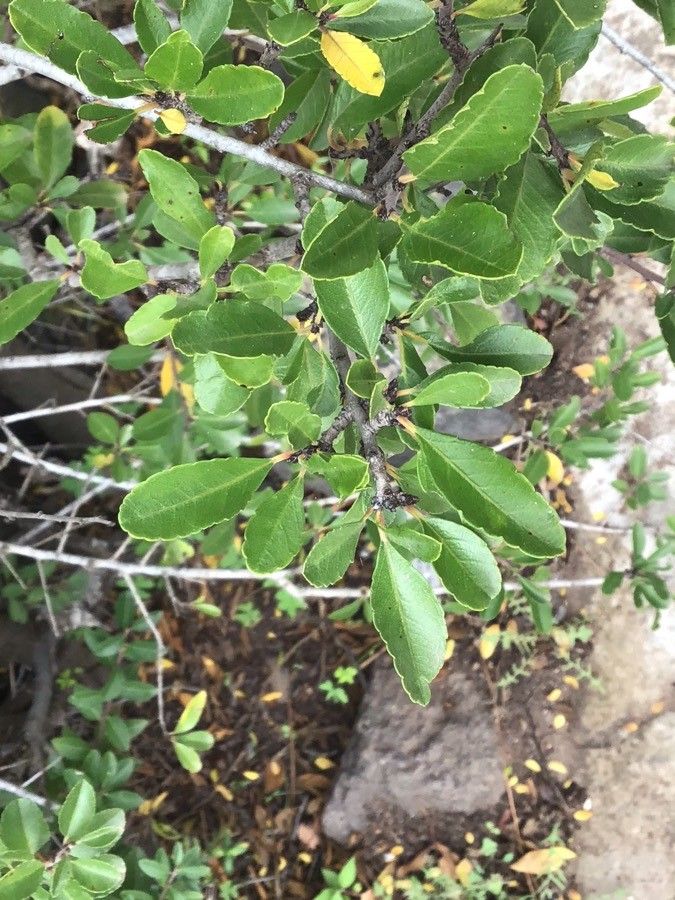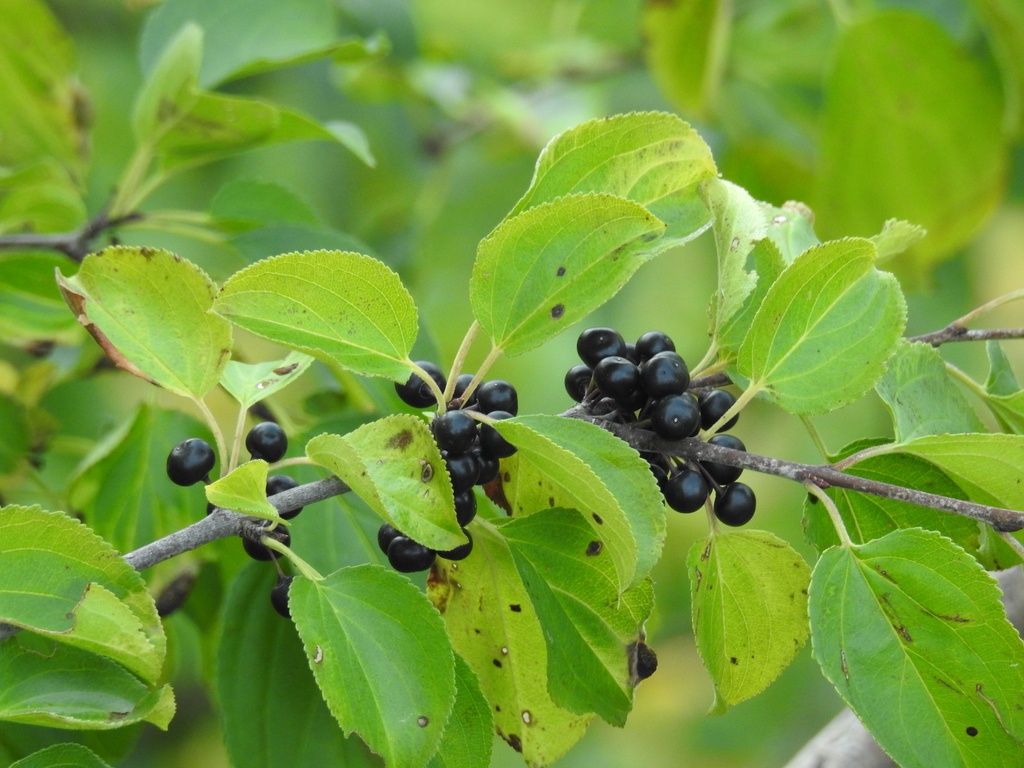
Le Nerprun purgatif, Nerprun cathartique ou Nerprun officinal (Rhamnus cathartica), est l'une des quelques espèces de nerprun qu'on peut naturellement trouver en Europe alors que la plupart de la centaine d'espèces de nerprun sont tropicales ou subtropicales.
Common buckthorn is fairly resistant to disease and typically does not suffer from many illnesses. Regarding care, the plant is fairly low-maintenance. When grown outdoors it needs little watering, and larger specimens usually do not require pruning. Smaller plants, however, should be trimmed after they finish blooming. Common buckthorn is appropriate for anyone who has an outdoor area, like a garden or a deck, and does not demand extensive gardening experience.
How to keep Rhamnus Cathartica.
Light
Common buckthorn grows best with abundant sunlight throughout the day. It can, however, tolerate moderate light levels. In its native range it often prospers in open or lightly shaded locations. Too little light can slow its growth, while too much may cause leaf scorch.
Water
Common buckthorn thrives in moderately moist soil and requires consistent hydration without becoming waterlogged. It needs watering every three weeks and can withstand short periods of dryness. When grown outdoors in temperate regions, it benefits from natural rainfall, reducing the need for supplementary watering.
Temperature
The native climate that meets the temperature needs of common buckthorn is temperate regions, where average temperatures range from 57 to 66 ℉ (14 to 19 ℃). This species does best within a temperature span of 32 to 90 ℉ (0 to 32 ℃) and is capable of withstanding both freezing and very warm conditions. For optimal results, moderate winter temperatures by applying organic mulch, and ensure the soil remains adequately moist during the summer.
Fertilizer
To encourage healthy growth, fertilize your Common buckthorn in early spring. Regular feeding improves the plant's overall health, producing vigorous growth, greater resilience to tough conditions, and stronger resistance to diseases and pests. Follow a specific fertilization schedule for your Common buckthorn to maintain foliage that is vibrant, deeply colored, and lush.
Pruning
Common buckthorn is a hardy, deciduous shrub characterized by its dense growth, dark green leaves, and black berries. To maintain its health and shape, it's important to prune the shrub in early spring. This is the ideal time to remove any dead branches and to thin out crowded areas, which enhances air circulation. Regular pruning not only improves the overall health and appearance of the shrub, but also helps manage its invasive tendencies.
Botanical profile.
- Plant Type
- Shrub
- Life Cycle
- Perennial
- Genus
- Rhamnus
- Family
- Rhamnaceae
- Hardiness Zone
- 3-8
- Mature Height
- 0.91 m to 10.06 m
- Mature Spread
- 4.57 m to 6.1 m
- Leaf Color
- Green, Yellow
- Leaf Type
- Deciduous
- Flower Color
- Yellow
- Flower Size
- 2.54 cm
- Bloom Time
- Late spring, Early summer
- Planting Time
- Autumn
- Harvest Time
- Mid summer, Late summer
- Native Area
- Turkey, Sweden, Austria, Slovakia, Montenegro, Slovenia, Morocco, Croatia, Belarus, Uzbekistan, Russia, Germany, Estonia, Romania, Latvia, Belgium, Moldova, Portugal, Netherlands, France, Tajikistan, Czech Republic, Bulgaria, Armenia, Poland, Greece, Ukraine, Serbia, Lebanon, Lithuania, Norway, China, Afghanistan, Syria, Kyrgyzstan, Kazakhstan, Italy, Spain, Switzerland, Denmark, Finland, Bosnia and Herzegovina, Iran, Albania, Ireland, United Kingdom, Hungary, Algeria, Azerbaijan, Turkmenistan
Other names.
Reader questions.
When Should I Water My Common Buckthorn?
Knowing when to water common buckthorn is essential for its health and growth. The soil dryness is a primary indicator; if the soil feels dry an inch or two below the surface, it's time to water the plant. Observing the plant's leaves for wilting or discoloration can also guide you. Additionally, if the stems appear shrunken or desiccated, this signals a need for watering. It's important to avoid both early watering, which can lead to root rot if the soil is still moist, and late watering, which risks the plant's health due to dehydration signs like wilting, stem shrinkage, and leaf discoloration.
Why should I put fertilizer on my Common buckthorn plant?
If you own a Common buckthorn, regardless of the kind, regular fertilization is important for the plant's overall health. Providing the right nutrients helps the plant grow stronger and withstand difficult conditions. It also improves the plant's ability to fight diseases and pests. The foliage of the Common buckthorn is its most attractive feature, so it's vital to maintain it. This involves following a specific fertilization schedule to encourage deep-colored leaves and a lush appearance.
What are the sunlight requirements for common buckthorn?
Common buckthorn thrives best under conditions of plentiful sunlight throughout the day, displaying optimal growth with exposure to full sun for more than 6 hours. It can tolerate partial sun, receiving about 3-6 hours of sunlight, but may exhibit slowed growth or other symptoms under less adequate light conditions. Observing how sunlight moves through your garden to choose the best spots for your plants can ensure they receive the balance of light and shade needed for their health.
What is the native growth environment and temperature requirement for common buckthorn?
Common buckthorn (Rhamnus cathartica) thrives in temperate regions, with a native growth environment that prefers an average temperature range of 57 to 66°F (14 to 19°C). The plant is versatile, favoring a broader temperature range of 32 to 90°F (0 to 32°C), which allows it to tolerate both freezing conditions and high temperatures. For optimal growth, it's advisable to mulch with organic matter to regulate soil temperature in winter and maintain soil moisture during summer. Common buckthorn exhibits strong cold resistance, hence, special frost protection is often unnecessary. Nonetheless, if temperatures are expected to fall significantly, protecting the plant with non-woven fabric or cloth around the trunk and branches is beneficial, along with watering before the first freeze to ensure the soil is moist entering the frozen season.
How Should I Water My Common Buckthorn?
Watering common buckthorn effectively involves using a watering can with a long spout to focus on the plant's base, thus preventing water from soaking the foliage and possibly leading to fungal diseases. A moisture meter can be helpful to determine precise soil moisture levels, aiding in preventing both over and underwatering. It's advised to water the plant early in the morning or in the evening when temperatures are cooler, focusing on the soil near the base and avoiding the leaves to prevent disease.
When should I fertilize my Common buckthorn?
To ensure healthy growth of your Common buckthorn, it is recommended to fertilize it for the first time in late winter or early spring. This provides all the necessary nutrients for a strong start once the weather warms up. In warm climate regions, it is also beneficial to give your Common buckthorn an additional round of fertilizer in early fall. This not only adds nutrients for the following growing season but also helps the plant withstand winter by making it more resilient to cold temperatures. Fertilizing earlier in the season allows the new branches to grow sufficiently to withstand the winter.
Can artificial lighting be used for common buckthorn, and if so, how?
Yes, artificial lighting can be a vital solution for growing common buckthorn indoors, especially when natural sunlight is insufficient, such as in winter or less sunny spaces. Optimal growth requires the right type of artificial light, like LED, which can be customized to provide specific wavelengths needed by plants. Full sun plants need 30-50W/sq ft, partial sun plants 20-30W/sq ft, and full shade plants 10-20W/sq ft of artificial light. The light source should be placed 12-36 inches above the plant to mimic natural sunlight, and most plants need 8-12 hours of light per day.
How does low temperature affect common buckthorn, and what are the solutions?
Common buckthorn exhibits notable cold tolerance, preferring temperatures above the specified minimum suitable growth temperature. However, in winter, temperatures should not fall below a certain tolerable minimum to prevent damage. If temperatures drop lower than the critical limit, common buckthorn might not show immediate adverse effects in winter, but come spring, the branches might turn brittle and dry, and fail to produce new shoots. The solution for this is to prune away any dead branches in the spring that have not developed new leaves, ensuring the plant remains healthy and can continue to grow.
How Much Water Does Common Buckthorn Really Need?
The water requirement for common buckthorn is moderate, varying with pot size, root depth, and plant size. Generally, watering until moisture reaches the bottom of the pot without causing waterlogging is advisable. On average, a mature plant in a medium-sized pot may need about 0.5 to 1 liter of water per session. Proper watering is indicated by healthy, green leaves, firm stems, and steady growth. Overwatering may cause yellow leaves or root rot, and underwatering can lead to wilting and vigor loss. Adjust watering based on environmental conditions and the plant's needs.
When should I not give fertilizer to my Common buckthorn?
There are a few times during the year when it's best not to fertilize your Common buckthorn. Firstly, in the early and mid-winter months when the plant is dormant and doesn't require feeding. Secondly, it's not recommended to fertilize during late spring and summer, as the hot and dry weather can have a negative impact on the plant's response to fertilization. To avoid any problems, it's best to stick to a fertilization schedule that focuses on feeding during early spring and early fall.
What symptoms indicate common buckthorn is receiving insufficient light?
When common buckthorn doesn't get enough sunlight, it may exhibit symptoms such as smaller new leaves, a leggy or sparse growth appearance due to longer spaces between leaves or stems, faster leaf drop, delayed or stopped growth, lighter-colored new leaves, and chlorosis. Additionally, excessive sunlight can cause leaf scorch, sunscald, leaf curling, wilting, and leaf scorching. These symptoms help in identifying if the plant is receiving too little or too much light.
What impact does high temperature have on common buckthorn and how can it be mitigated?
During the summer months, it is crucial to ensure that the temperature around common buckthorn does not exceed the maximum suitable growth temperature. Exceeding the tolerable maximum can cause the leaves to lighten in color, dry out at the tips, and make the plant more prone to sunburn. To mitigate these effects, any sunburned and dried parts of the plant should be trimmed away. Moving the plant to a shaded area or utilizing a shade cloth to protect it from the midday and afternoon sun can be beneficial. Additionally, watering the plant in the morning and evening will help keep the soil moist and reduce stress on the plant.