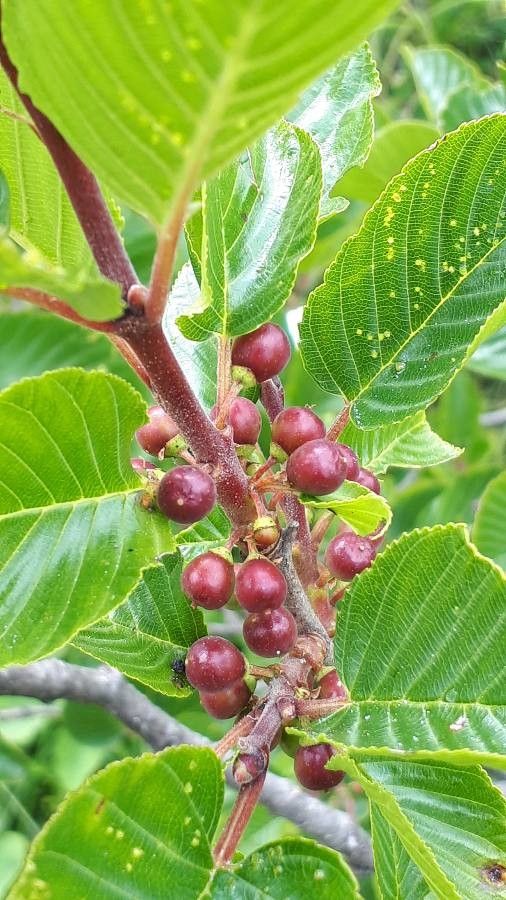
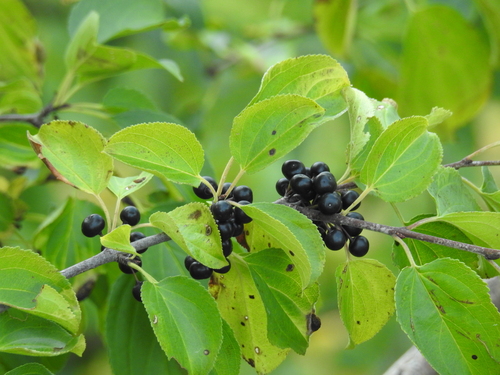
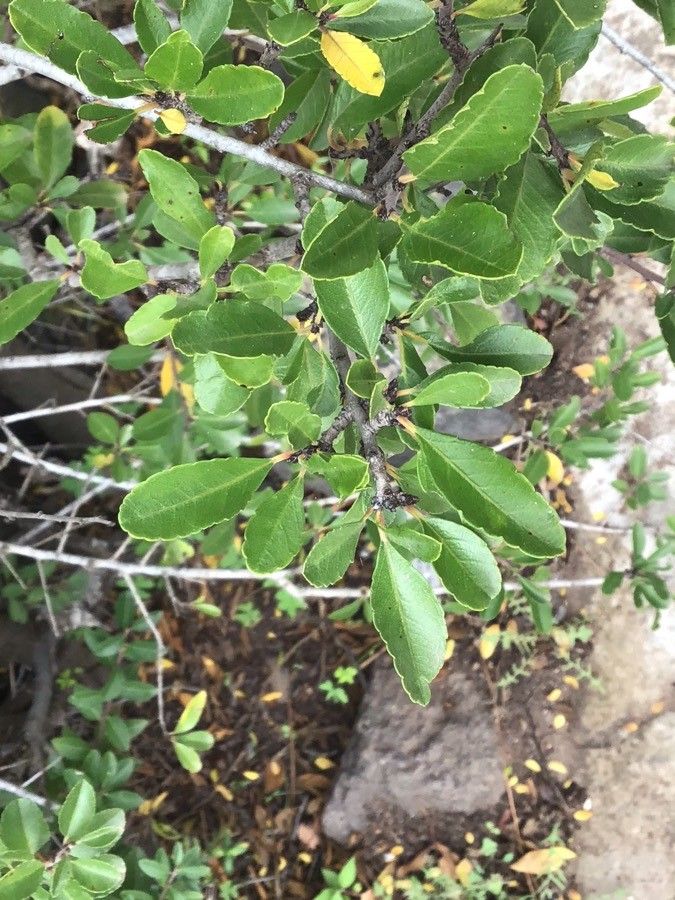
Rhamnus alpina, commonly known as Alpine Buckthorn, is a deciduous shrub in the Rhamnaceae family. Native to Europe and Asia, this plant thrives in mountainous regions up to an altitude of 2,500 meters. It typically reaches a height of up to 3 meters and has a spreading habit with multiple stems.
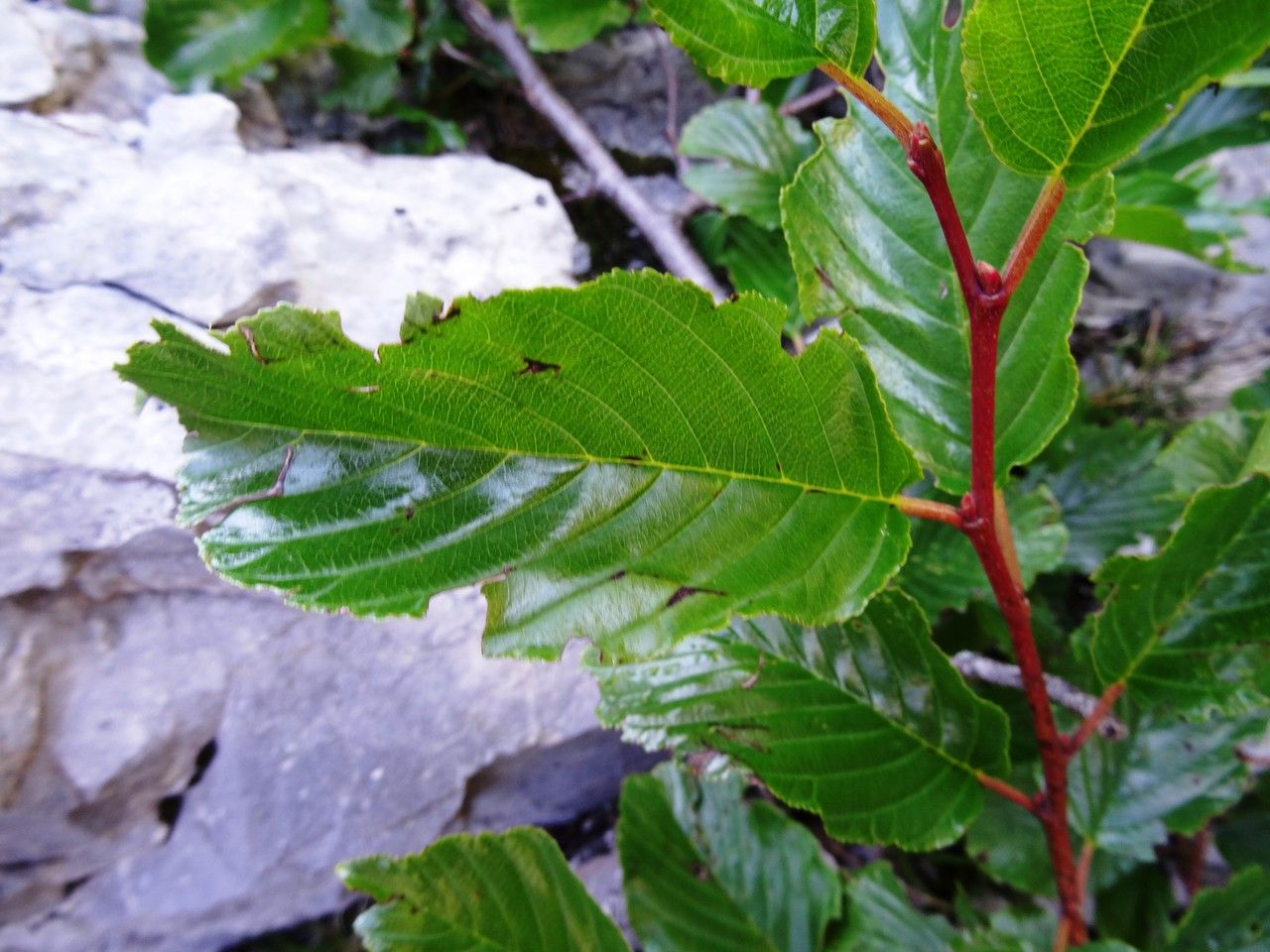
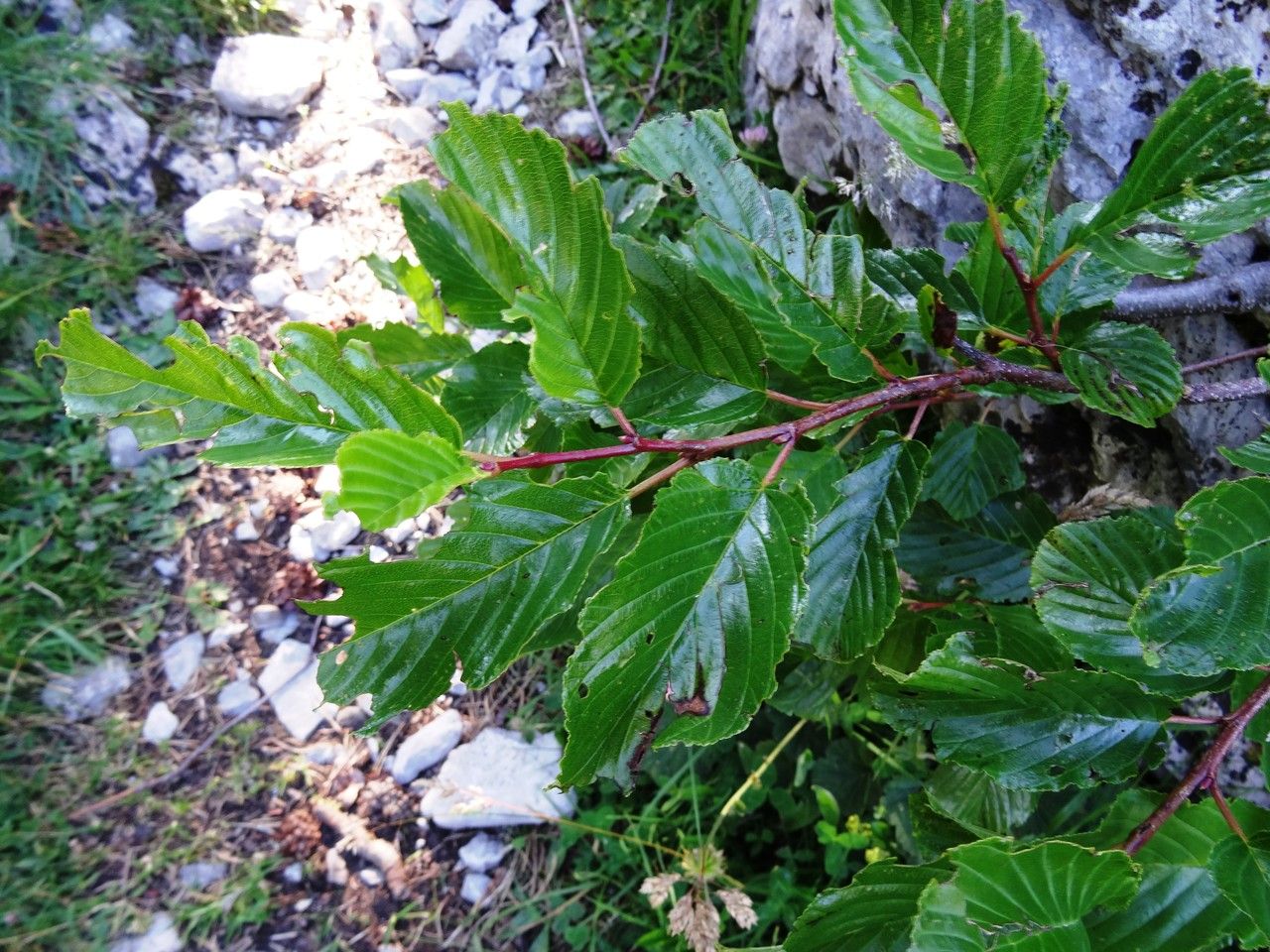
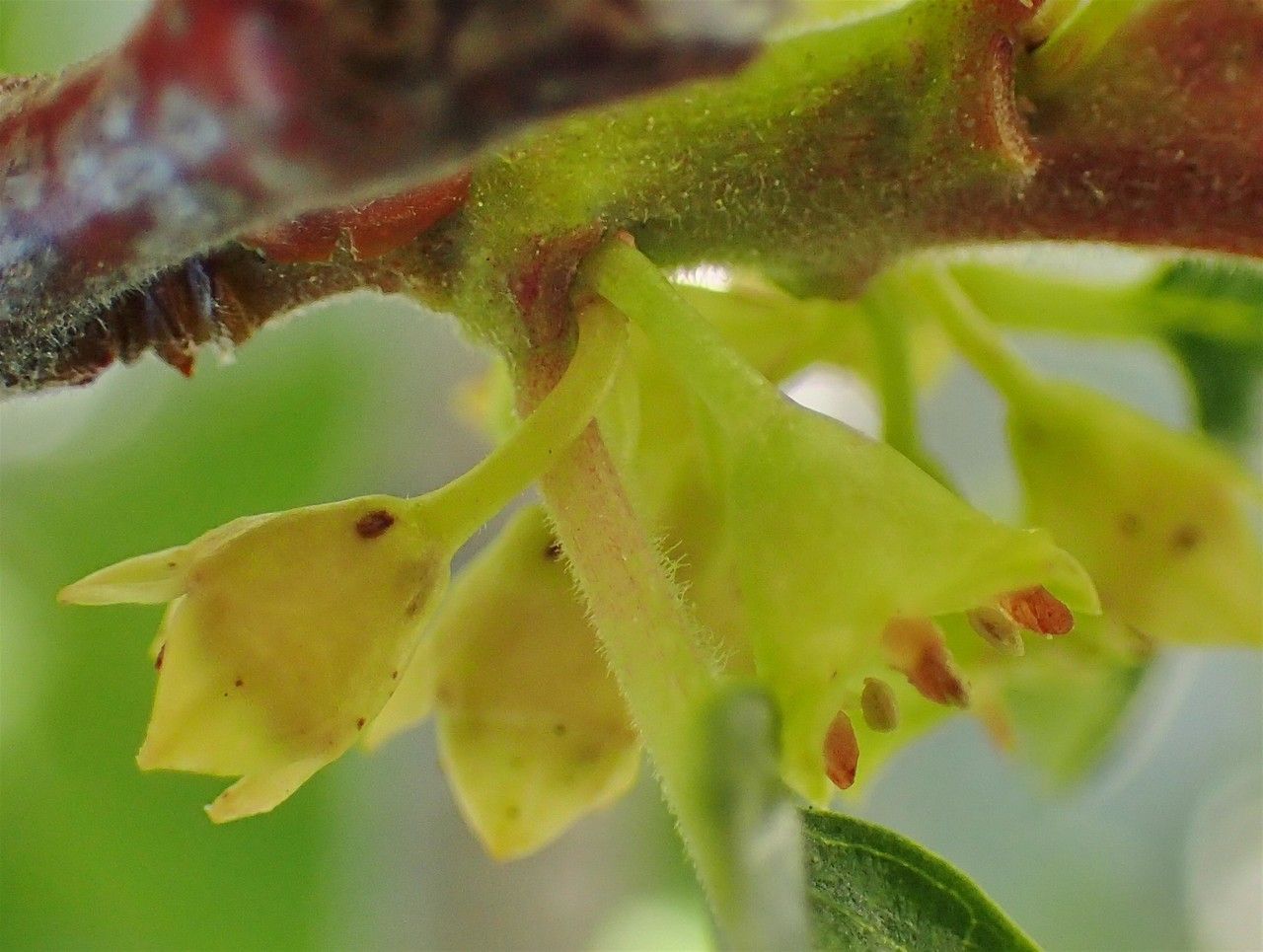
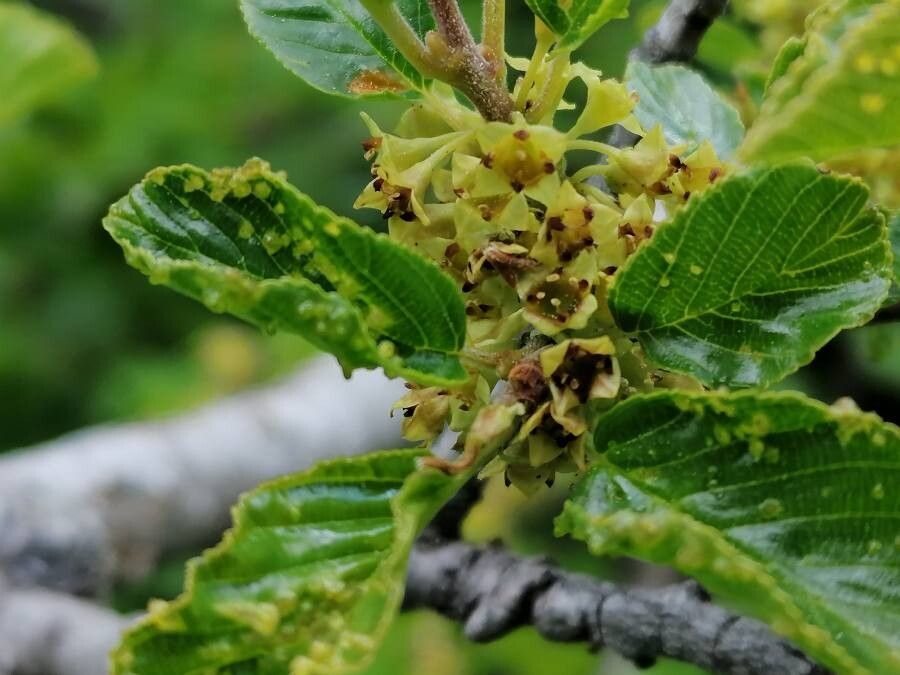
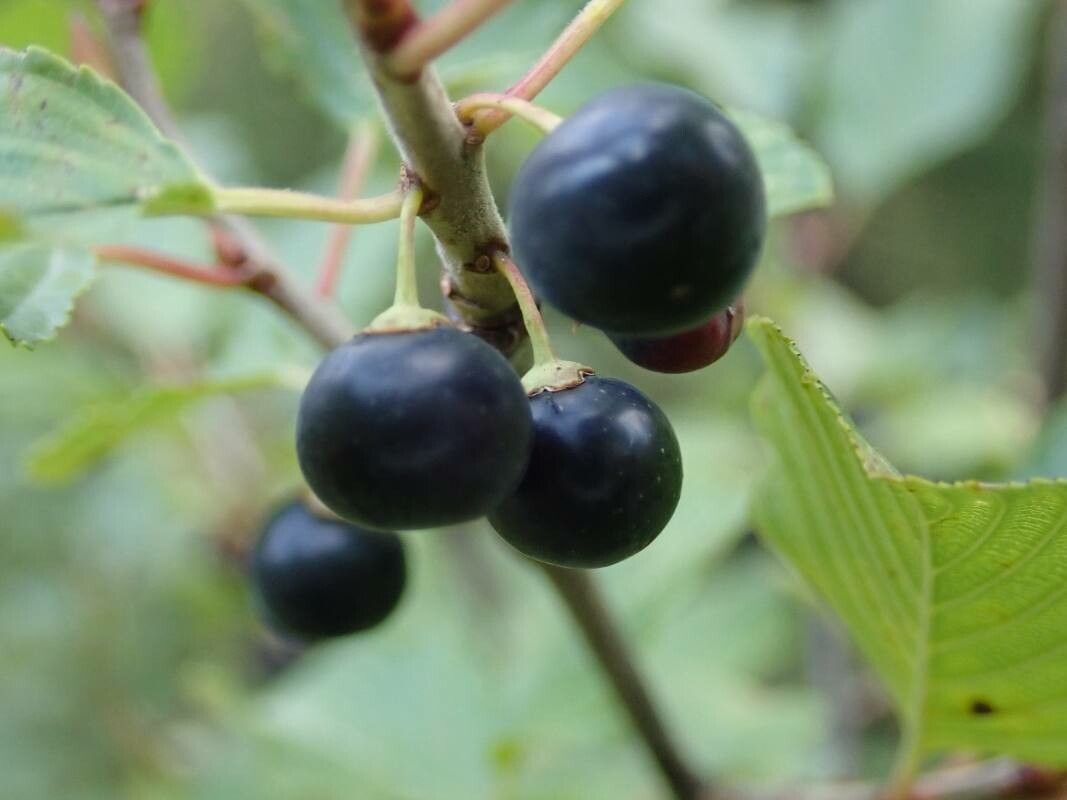
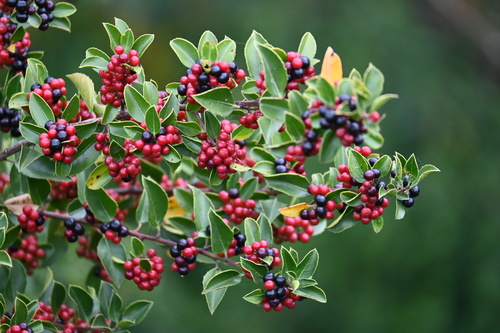
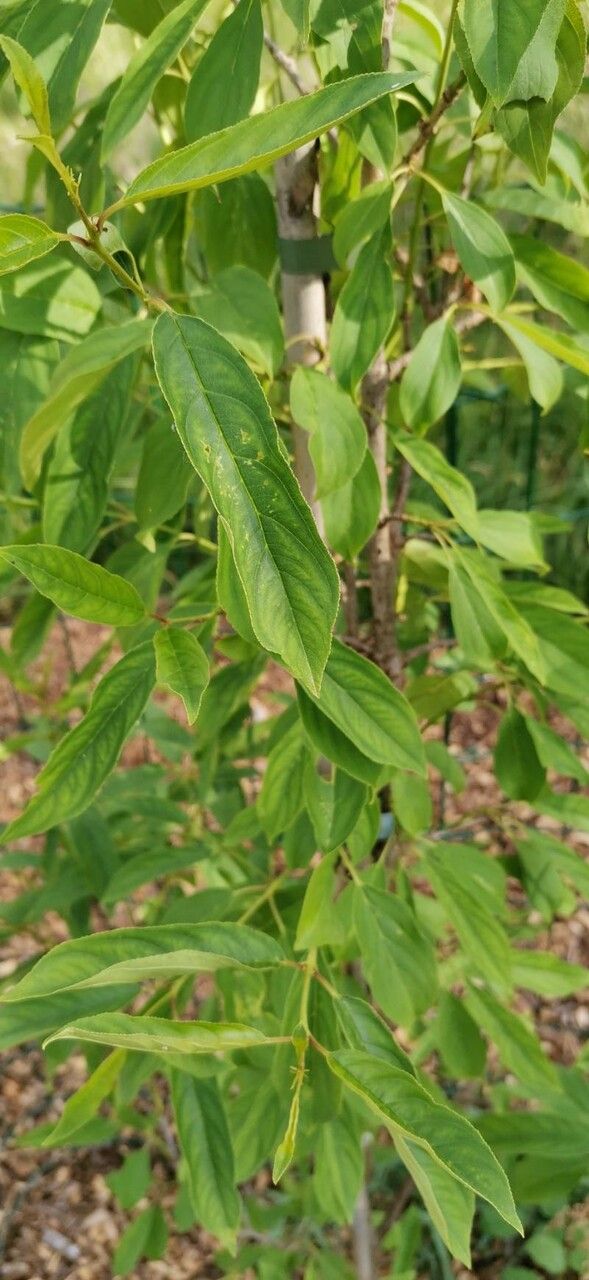
The leaves of Rhamnus alpina are dark green, glossy, and ovate with serrated edges. The flowers are small and inconspicuous, featuring greenish-yellow petals that bloom in late spring or early summer. The plant produces small black drupes that ripen in late summer or early fall.
Rhamnus alpina possesses several medicinal properties due to the presence of anthraquinones such as emodin and chrysophanol. Traditionally, it has been used as a laxative to treat constipation. Additionally, it has anti-inflammatory properties, making it useful for treating skin conditions such as eczema.
The plant prefers well-drained soils but can tolerate poor soils and partial shade, making it an ideal choice for landscaping, particularly in mountainous regions where other plants may struggle due to harsh climatic conditions.
Overall, Rhamnus alpina is an attractive shrub with medicinal benefits, making it both aesthetically pleasing and useful for health reasons. It is an excellent addition to any garden or landscape design, especially in higher altitudes where other plants might not thrive easily due to the harsh climate.
Atadinus fallax is fairly disease-resistant and usually not prone to illnesses. Still, it can be vulnerable to pests and diseases present in its surroundings. These problems are typically not serious. In terms of care, this plant needs moderate maintenance. It should be pruned regularly to keep a good appearance and support healthy growth. Fertilizing can also help encourage flowering. Atadinus fallax is suitable for anyone with outdoor space, like a garden or patio, and does not require much prior care experience. It may need more attention if grown indoors.
How to keep Rhamnus Alpina.
Light
Atadinus fallax originates from habitats like forest understories or rocky sites where it grows under natural shade. It prefers partial sun but can tolerate full sun or full shade, reflecting its hardy and adaptable nature.
Humidity
This plant will thrive in moderate humidity, which is probably the level in your home. However, misting it a few times a week can be very beneficial. Make sure the room has good ventilation.
Temperature
Atadinus fallax can tolerate a wide range of temperatures, but its distribution may still be restricted by specific combinations of water and heat. It grows best in warm summer climates with sufficient rainfall or watering. Extended periods of cloudy, rainy weather or prolonged high temperatures can increase the plant's risk of dying. In winter, adequate protection from cold can improve its chances of survival.
Fertilizer
One fertilizer application in spring is typically adequate for Atadinus fallax, though repeated feedings can boost growth. Fertilize once a month to every six weeks. Feeding improves the leaves' appearance and function, helping maintain uniform color and a healthy texture. It also promotes root development and nutrient uptake, supporting the plant's long-term health.
Botanical profile.
- Plant Type
- Herb
- Life Cycle
- Perennial
- Genus
- Rhamnus
- Family
- Rhamnaceae
- Hardiness Zone
- 5-9
- Mature Height
- 0.49 m to 2.13 m
- Mature Spread
- 0.91 m to 2.13 m
- Leaf Color
- Green, Dark Green
- Leaf Type
- Deciduous
- Flower Size
- 0.25 cm to 0.51 cm
- Bloom Time
- Mid spring, Late spring
- Planting Time
- Spring, Autumn
- Harvest Time
- Mid summer, Late summer, Early fall
- Native Area
- Turkey, Austria, Italy, Montenegro, Bulgaria, Albania, Lebanon, Greece, Croatia, Slovenia, Serbia
Other names.