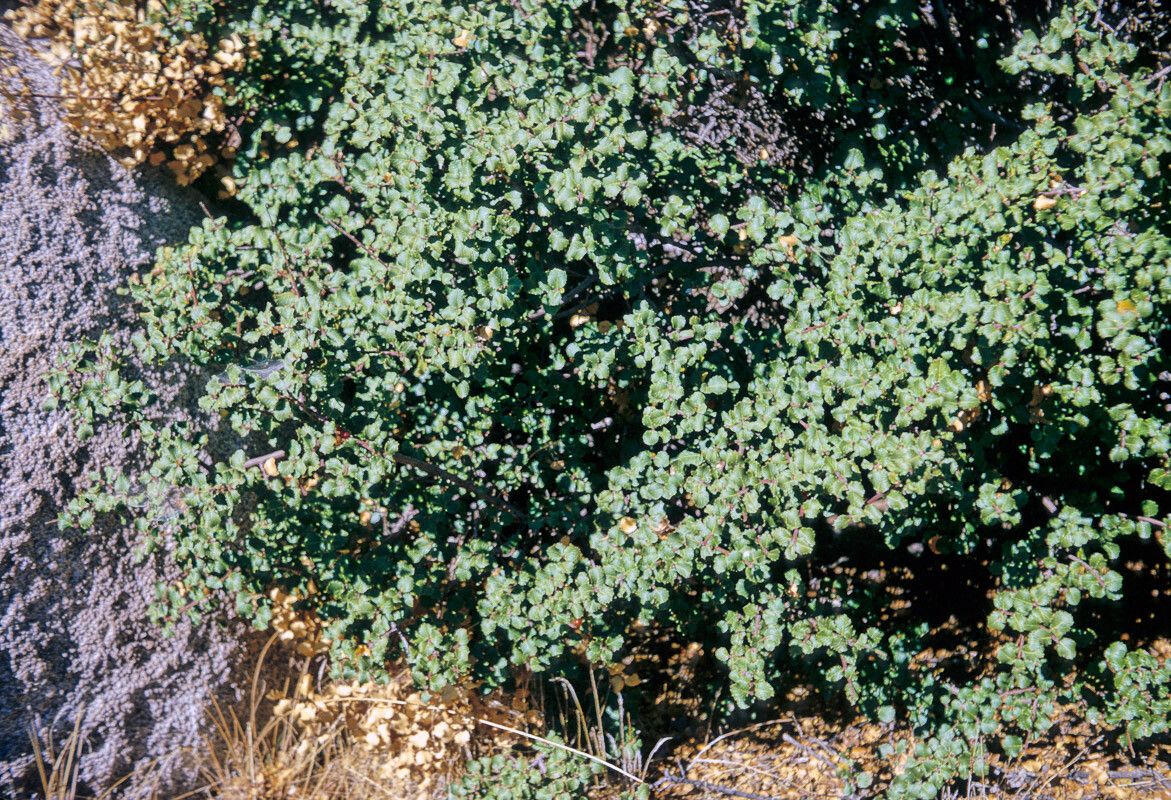
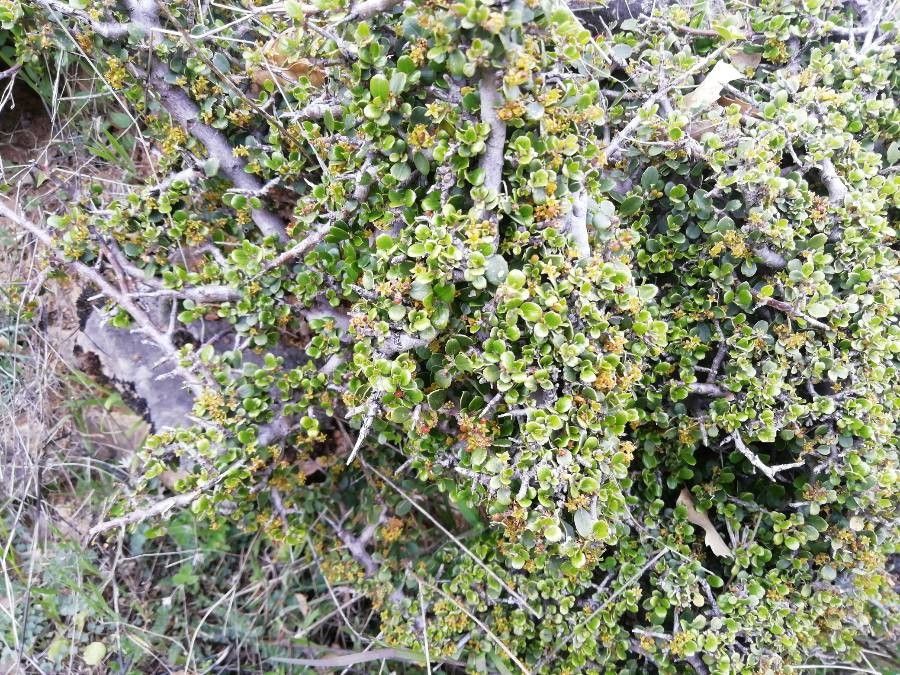
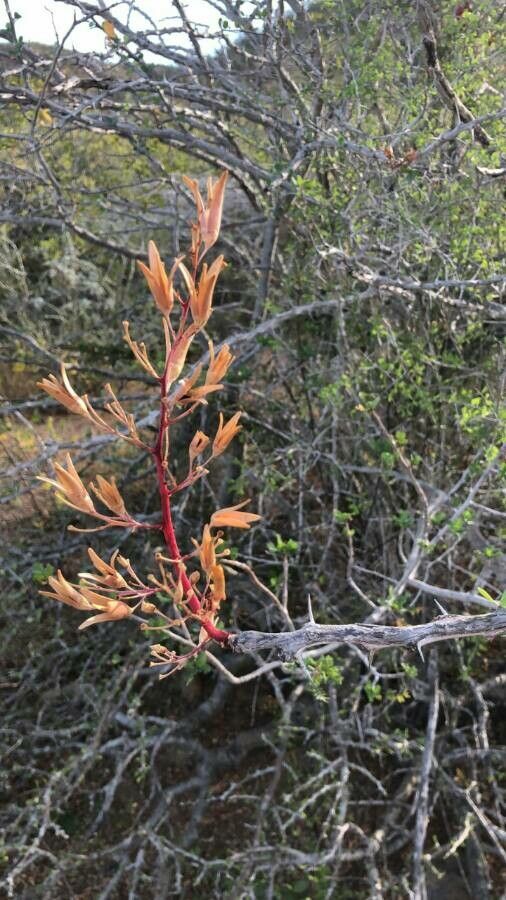
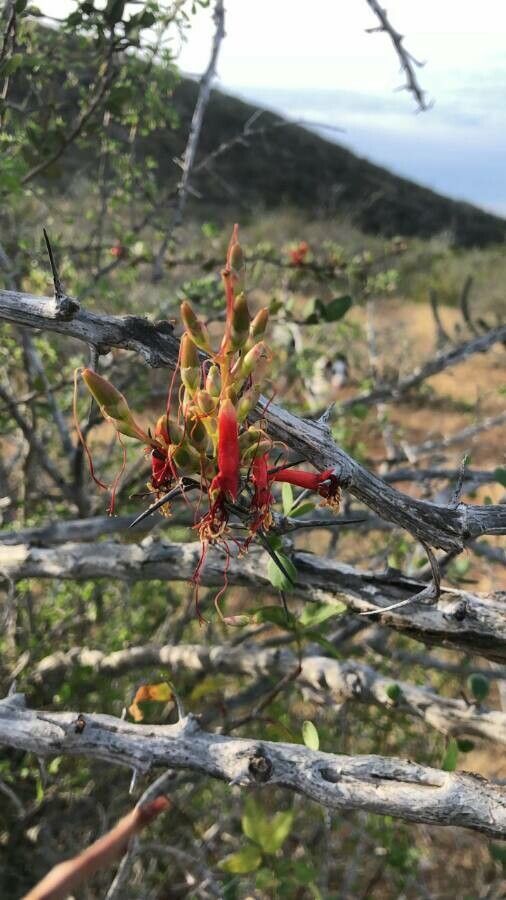
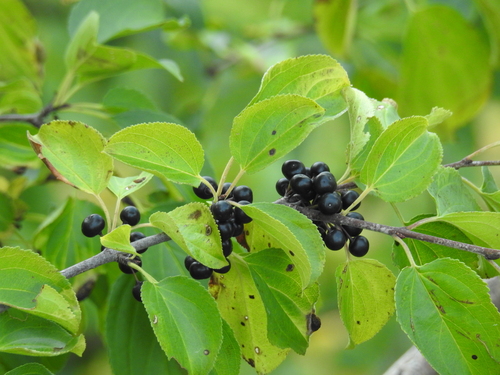
Rhamnus crocea, commonly known as the Redberry Buckthorn, is a shrub species that belongs to the Rhamnaceae family. Native to California, this plant thrives in various habitats such as chaparral, oak woodlands, and coastal sage scrub. It can grow up to 10 feet tall and features a dense branching structure with thorny stems.
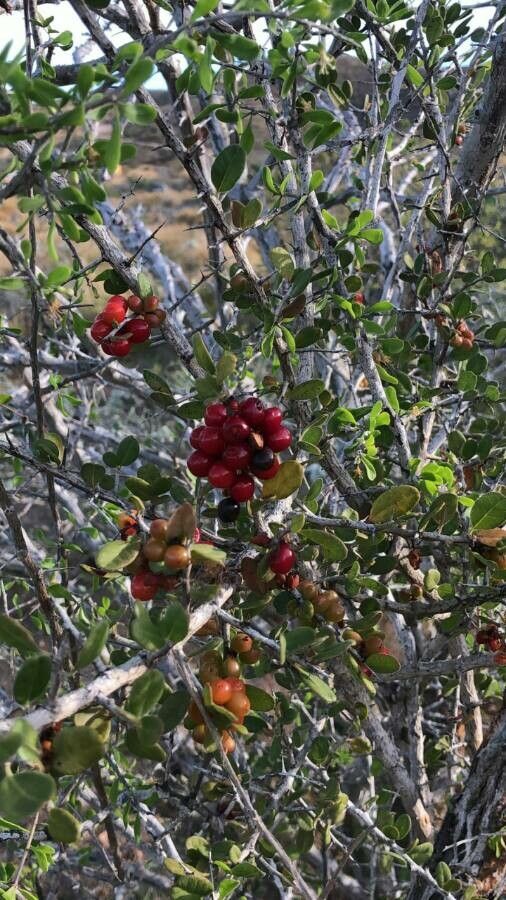
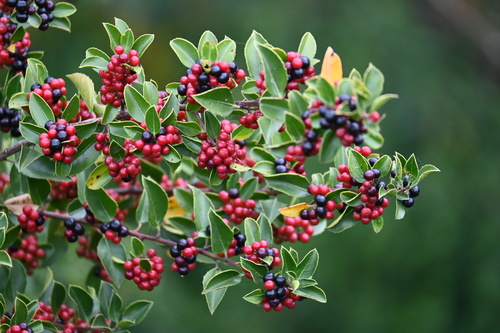
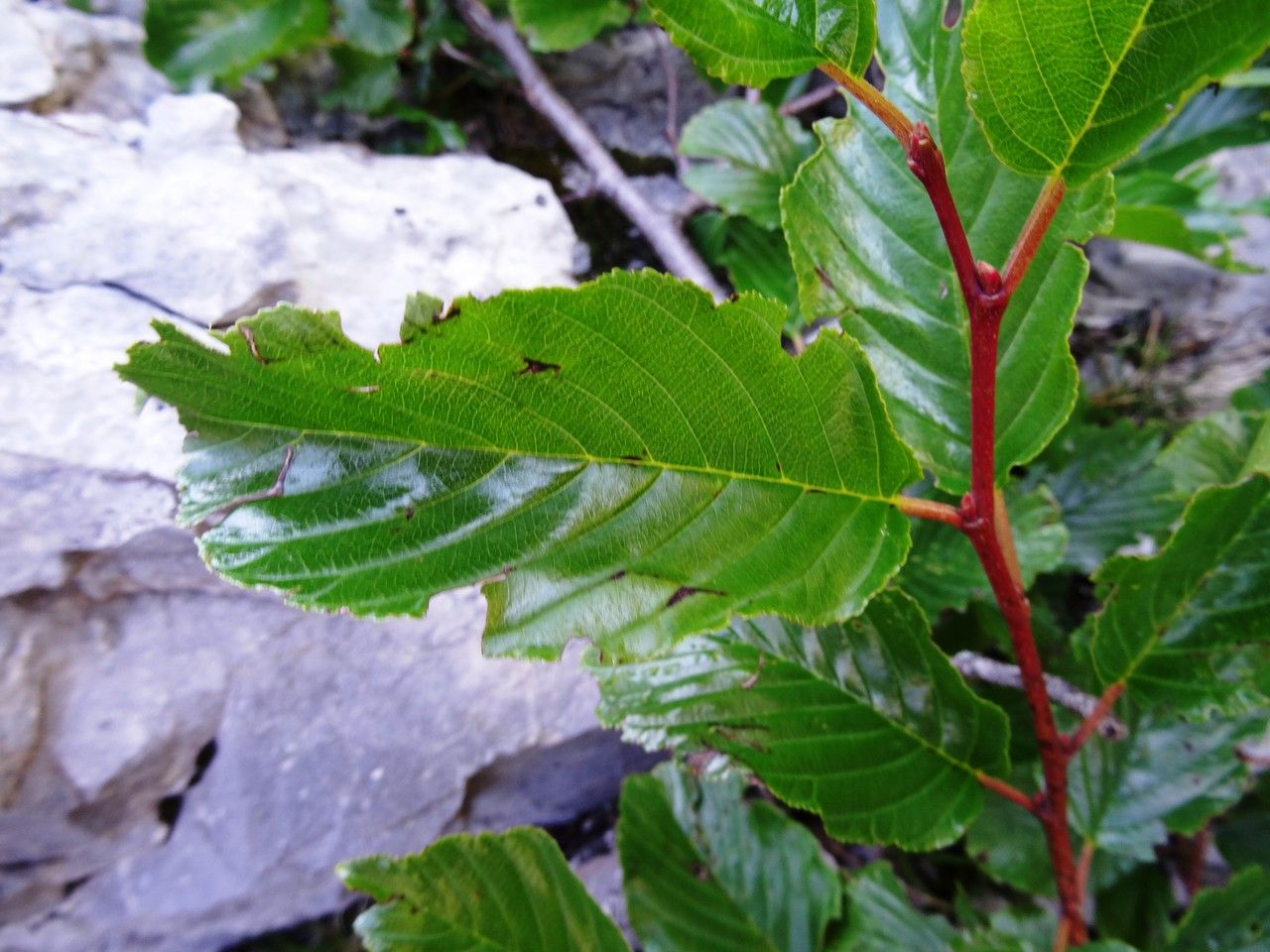
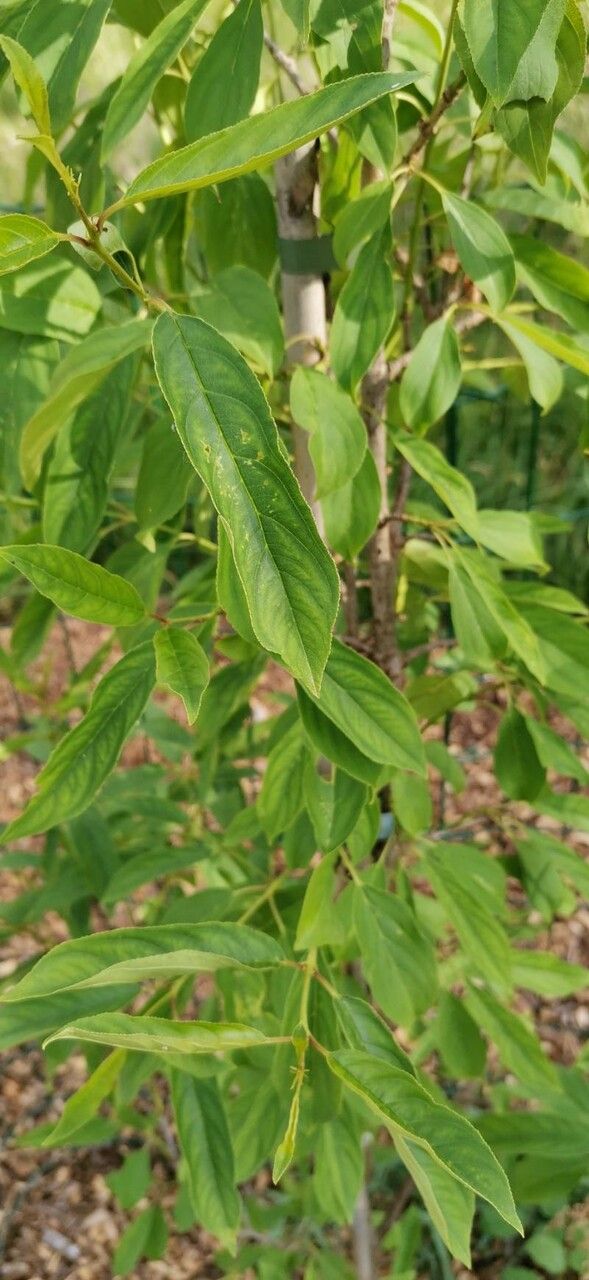
The leaves of Rhamnus crocea are glossy green with serrated edges and are arranged alternately on the stem. The plant produces small yellow-green flowers in clusters that bloom from February to April, followed by bright red berries that ripen from May through July.
For centuries, Native Americans have utilized Rhamnus crocea for its medicinal properties, particularly as a laxative. The plant also serves as an important food source for birds such as quail, thrushes, and finches, which feed on its berries.
Due to its glossy leaves and bright red berries, the Redberry Buckthorn is an attractive ornamental plant, making it a popular choice for landscaping projects in California gardens. However, it is important to note that this species can become invasive if not properly managed or controlled.
Overall, Rhamnus crocea is a significant native shrub species within California's natural ecosystems, offering both ecological importance and ornamental value for landscaping projects in urban areas of the region.
Spiny redberry shows strong resistance to disease and is generally not susceptible to illnesses. With regard to care, this plant is fairly low-maintenance. When grown outdoors it needs only light watering, and larger specimens typically do not require pruning. Smaller plants, however, should be trimmed after they finish blooming. Spiny redberryt is appropriate for anyone with an outdoor area, such as a garden or a deck, and does not demand extensive care experience.
How to keep Rhamnus Crocea.
Light
Spiny redberry naturally occurs in habitats like forest understories or rocky areas, where it grows in natural shade. Its preferred light level is partial sun, but it can tolerate full sun or full shade, showing its versatility and hardiness.
Temperature
Spiny redberry comes from tropical areas, where the climate is usually warm and humid. As a result, it is well suited to high temperatures and humidity. It does not tolerate sudden temperature changes and prefers a consistent temperature, so avoiding temperature fluctuations indoors is important. It generally cannot withstand cold and needs higher temperatures to grow. If the surrounding temperature falls too low, the plant may stop growing or even die.
Fertilizer
Fertilization is essential for the care of Spiny redberry. Regular feeding during the growing season maintains the energy for its showy leaves and supports overall growth. Failing to fertilize can lead to unhealthy leaves, reduced ornamental appeal, and stunted or weak growth that is prone to breakage.
Botanical profile.
- Plant Type
- Shrub
- Life Cycle
- Perennial
- Genus
- Rhamnus
- Family
- Rhamnaceae
- Hardiness Zone
- 9-11
- Mature Height
- 0.3 m to 1.83 m
- Mature Spread
- 1.52 m to 3.05 m
- Leaf Color
- Green, Dark Green
- Leaf Type
- Deciduous
- Flower Color
- Yellow
- Flower Size
- 2.03 cm to 3.05 cm
- Bloom Time
- Mid spring, Late spring
- Planting Time
- Spring, Summer, Autumn
- Harvest Time
- Early summer, Mid summer
- Native Area
- Mexico
Other names.