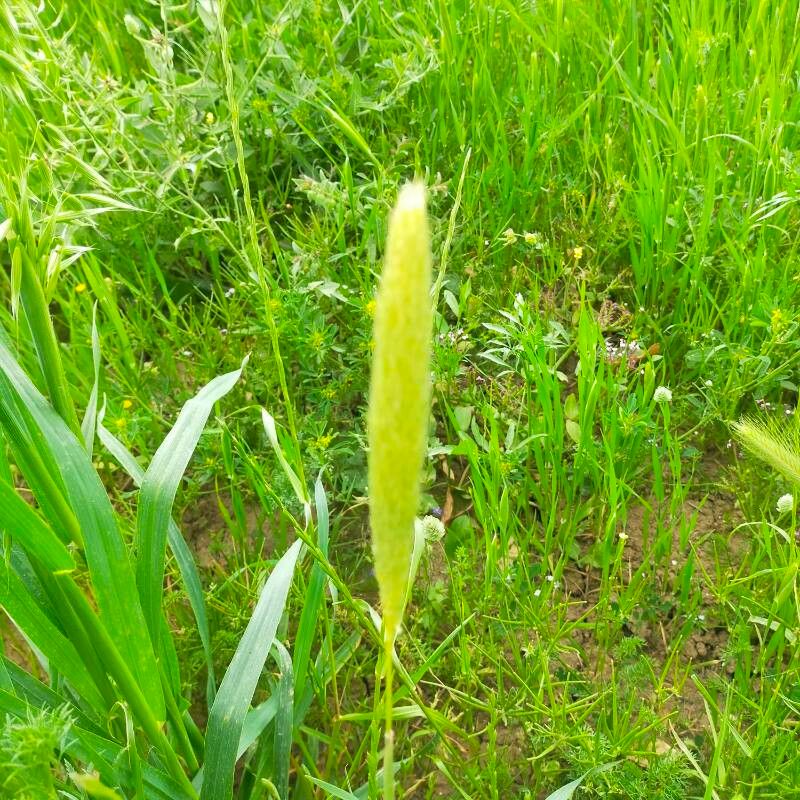
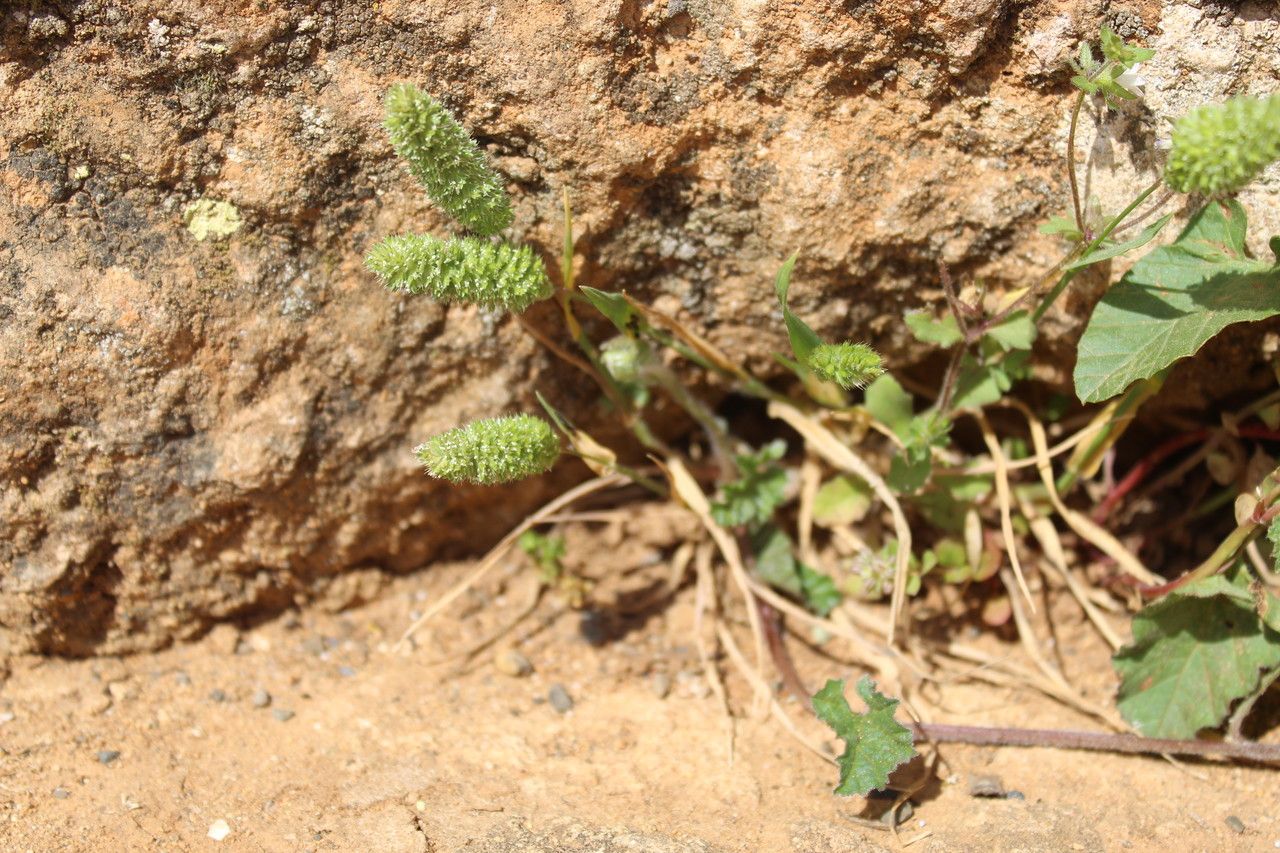
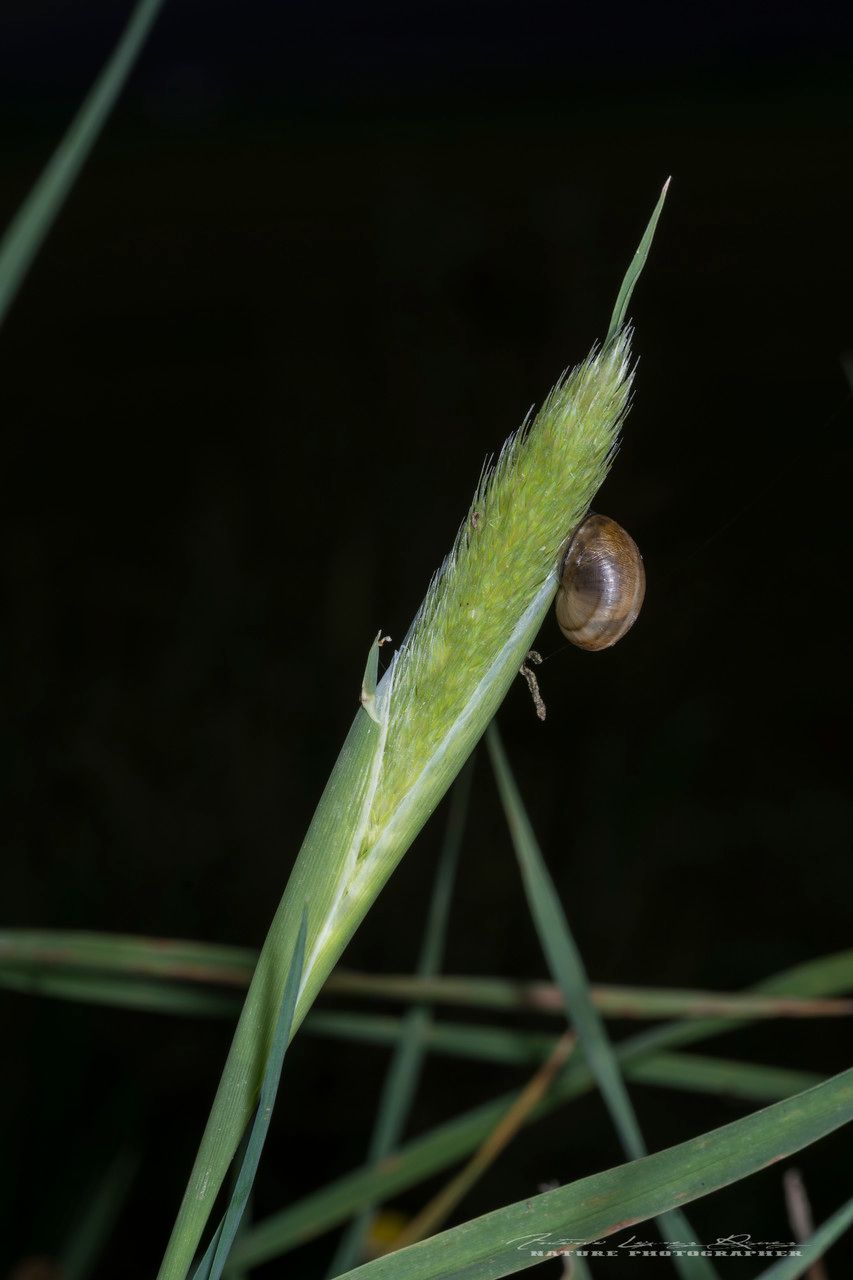
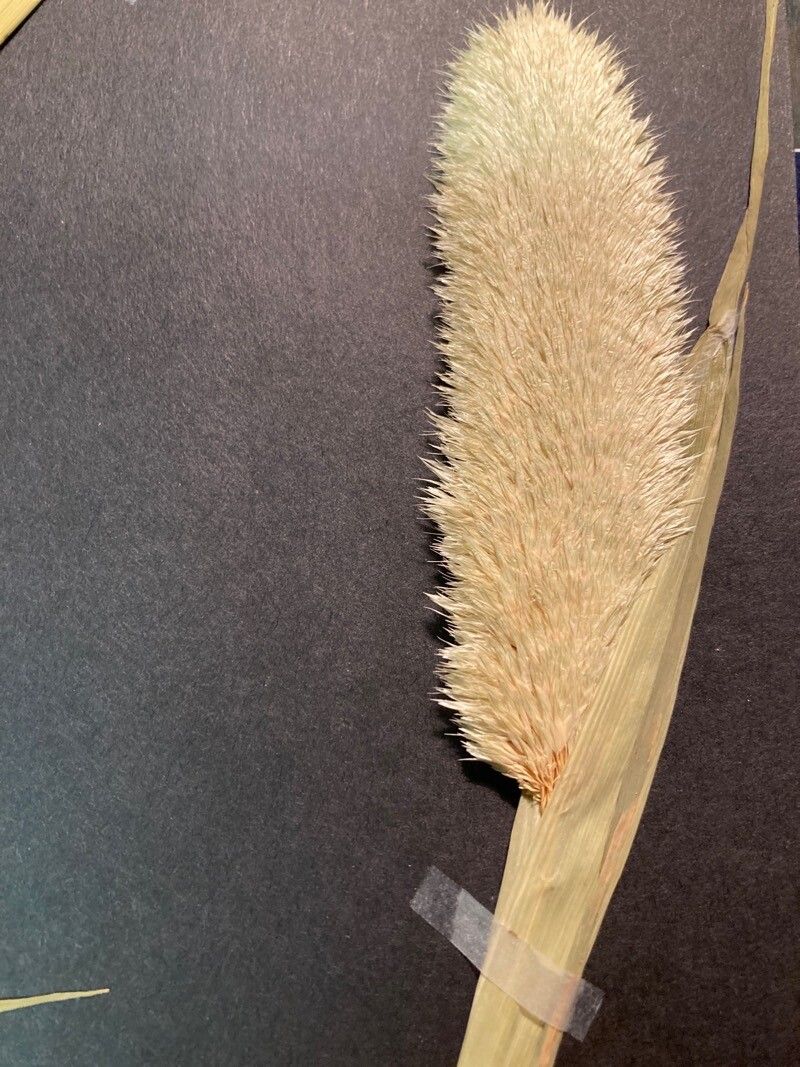
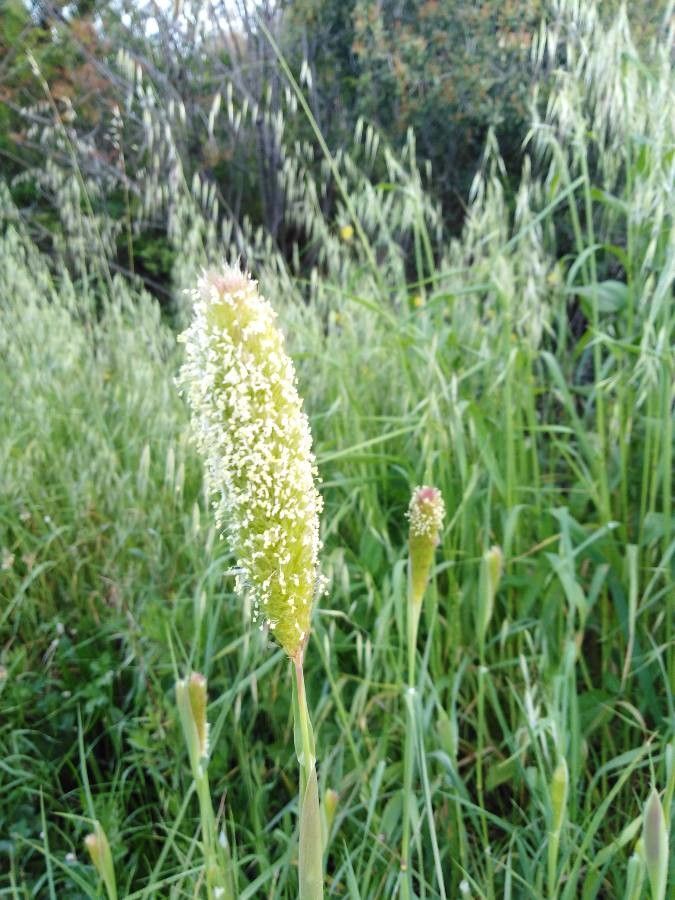
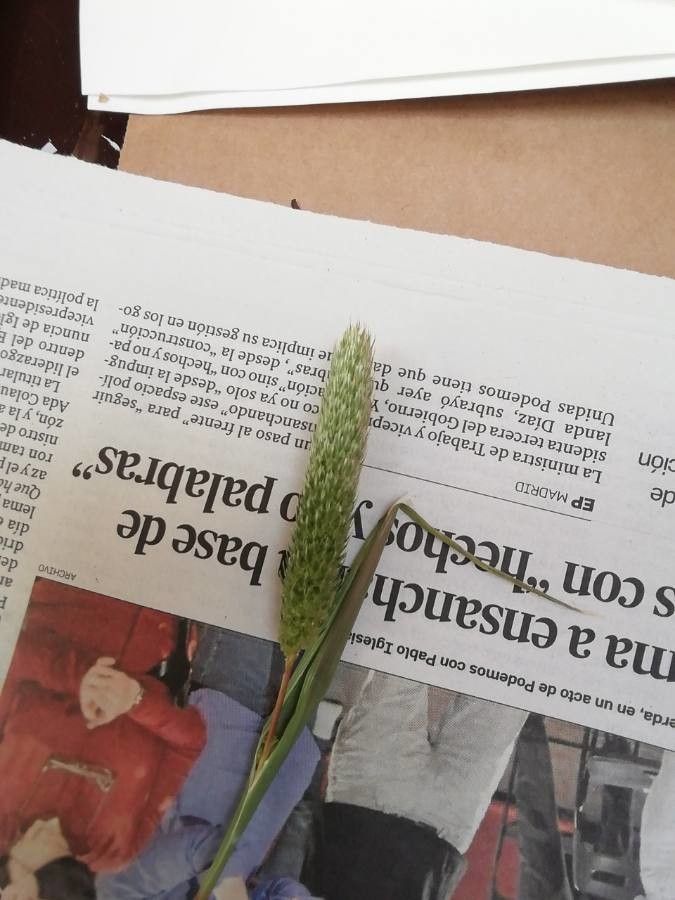
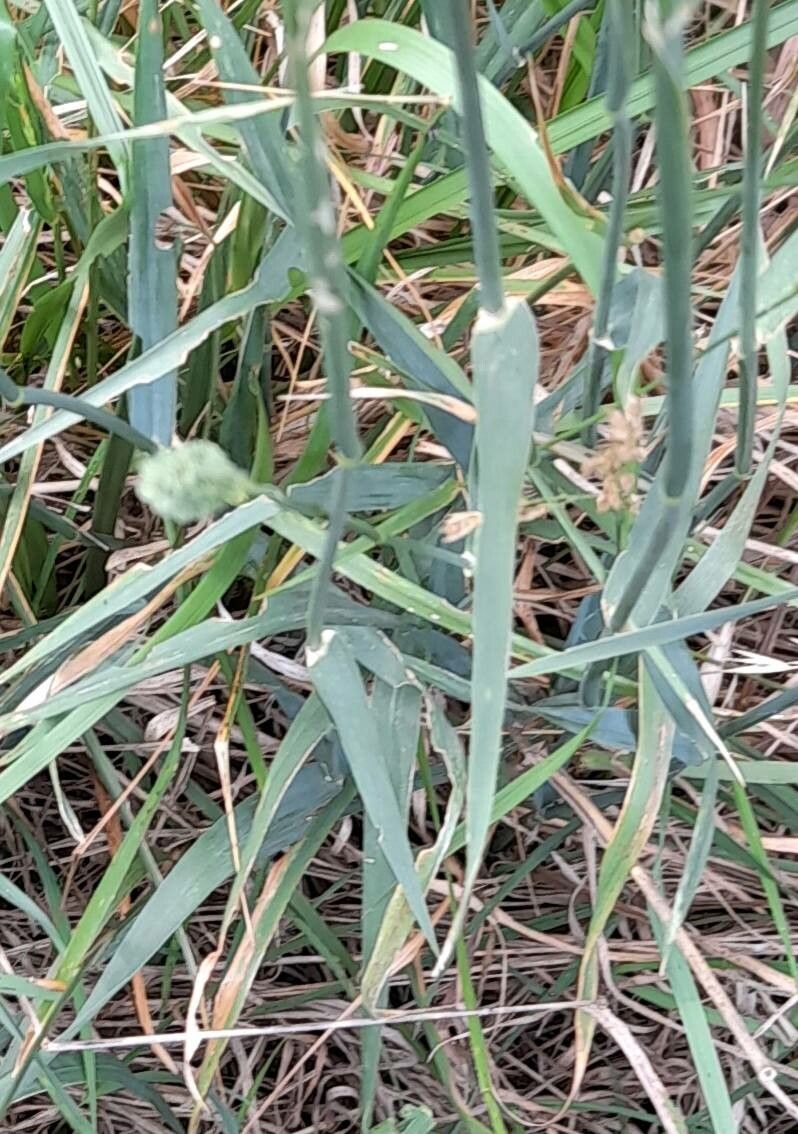
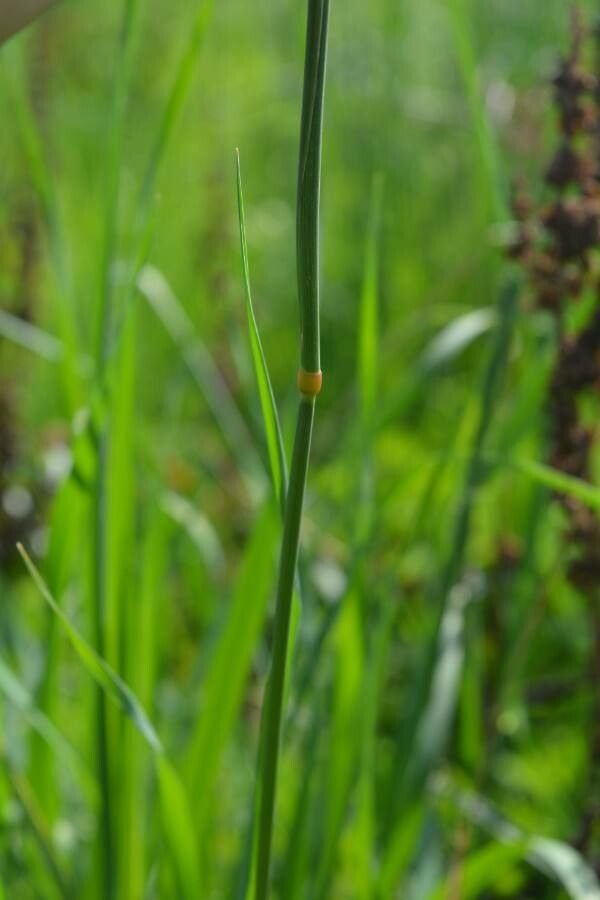
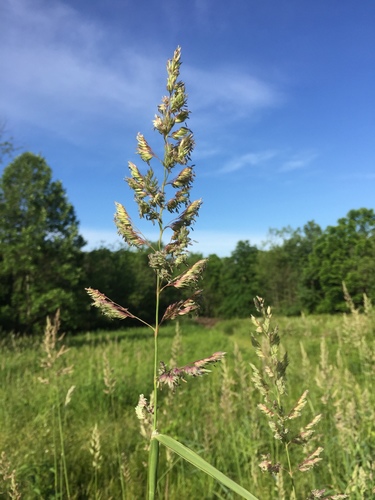
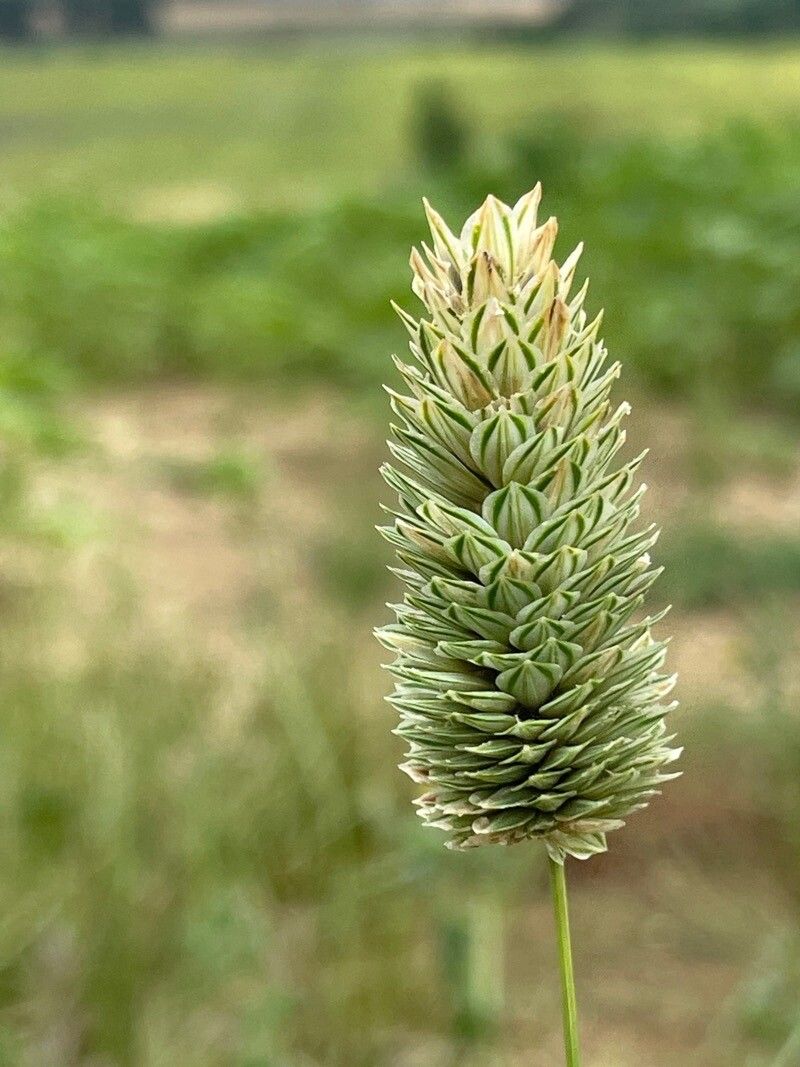
Phalaris paradoxa is a species of grass in genus Phalaris. Common names include awned canary-grass and hood canarygrass.The spikelets are very different from those of other members of this genus. The spikelet glumes each have a hook. It is native to Africa, Asia, and Europe, and it has been introduced widely. Its distribution within the United States includes Arizona, California, Hawaii, Louisiana, Maryland, New Jersey, Oregon, Pennsylvania, Washington.
Gnawed canary grass is resistant to disease and typically not susceptible to illnesses. Regarding maintenance, this plant is fairly easy to care for. Planted outside, it needs only light watering, and larger specimens usually do not require pruning. Smaller specimens, however, should be trimmed after flowering. Gnawed canary grass is a good choice for anyone who has outdoor space, like a garden or a deck, and it does not demand much gardening experience.
How to keep Phalaris Paradoxa.
Light
Gnawed canary grass comes from sunny, open habitats and does best in full sun. It can tolerate some partial shade but favors direct sunlight to achieve optimal growth. This plant, which can be annual or biennial, is recognized for its sun-loving character.
Temperature
Gnawed canary grass has good temperature adaptability, tolerating high heat and wide temperature fluctuations. In hot weather, attention should be paid to watering and giving appropriate shade to avoid sunburn. However, Gnawed canary grass is relatively intolerant of low temperatures. While it can endure some cold, excessively low temperatures can cause frost damage.
Pruning
Canary grass benefits from occasional trimming between early and late spring to manage its growth. Removing dead or damaged stems helps maintain the plant's health, control its size, and promote denser foliage. Regular pruning also improves air circulation, which reduces the risk of pests and fungal infections, making it a more robust and attractive feature in your garden.
Botanical profile.
- Plant Type
- Grass
- Life Cycle
- Annual
- Genus
- Phalaris
- Family
- Poaceae
- Hardiness Zone
- 7-10
- Mature Height
- 30 cm to 91 cm
- Mature Spread
- 20 cm to 40 cm
- Leaf Color
- Green
- Leaf Type
- Semi-evergreen
- Flower Size
- 0.51 cm to 1.02 cm
- Bloom Time
- Early summer, Mid summer
- Planting Time
- Spring
- Harvest Time
- Mid summer, Late summer
- Native Area
- Libya, Egypt, Turkey, India, United Arab Emirates, Montenegro, Pakistan, Slovenia, Morocco, Croatia, Yemen, Iraq, Qatar, Portugal, France, Saudi Arabia, Tunisia, Cyprus, Armenia, Greece, Lebanon, Serbia, Afghanistan, Syria, Italy, Spain, Israel, Iran, Albania, Azerbaijan, Algeria, Turkmenistan
Other names.