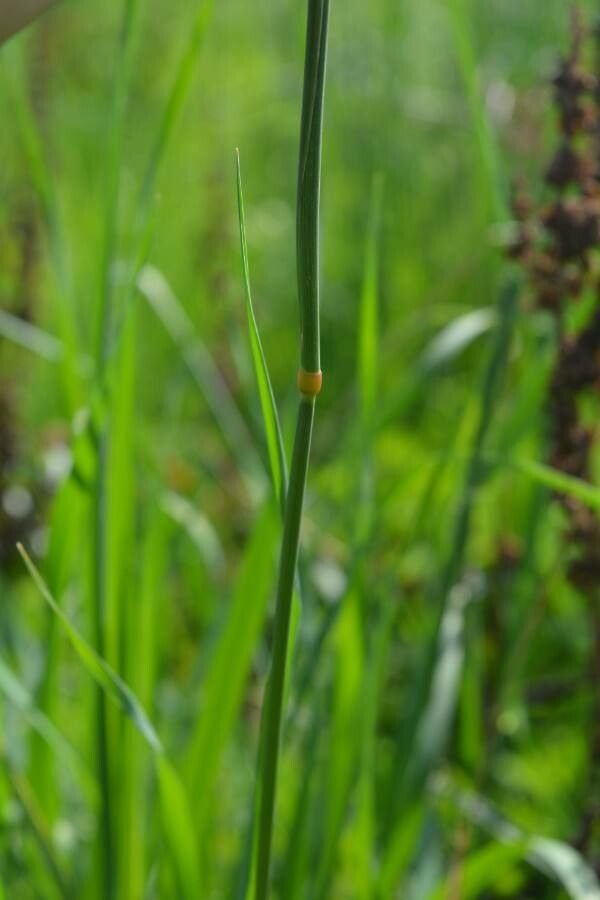
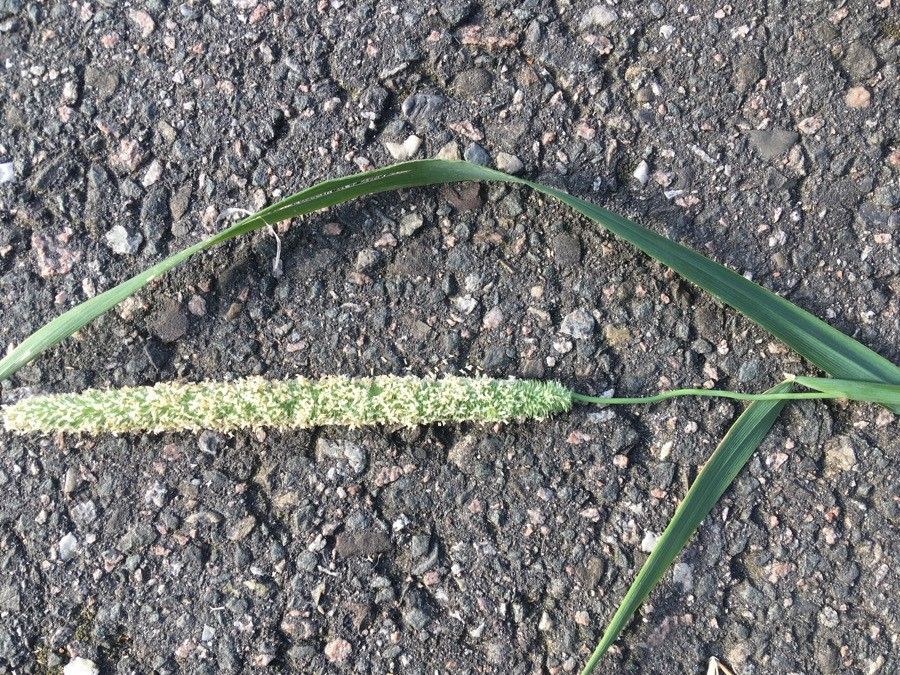
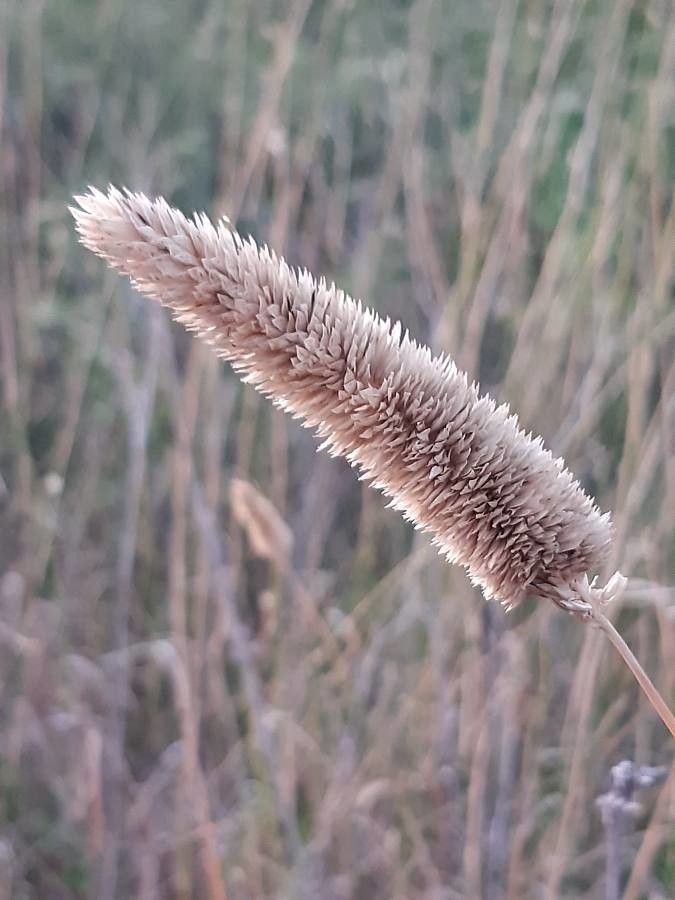
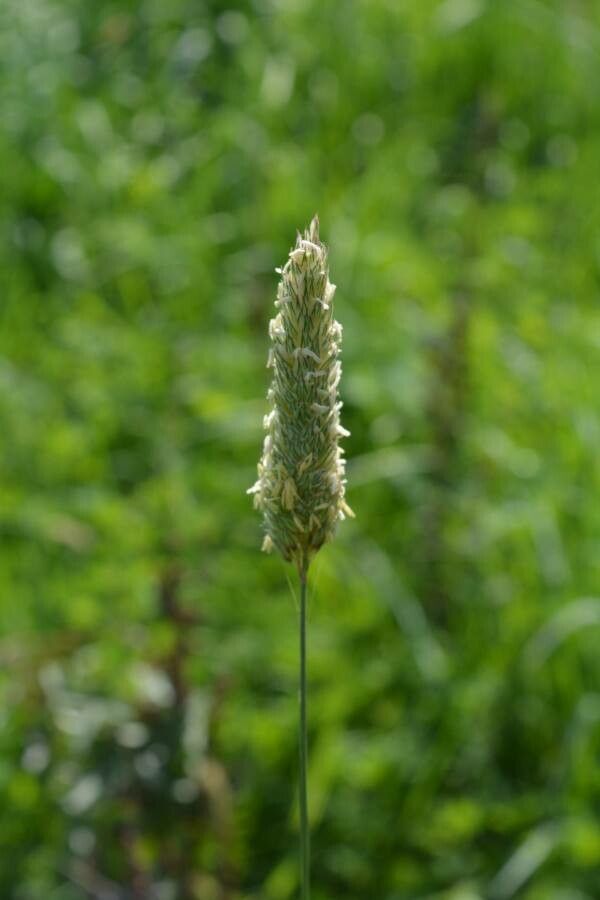
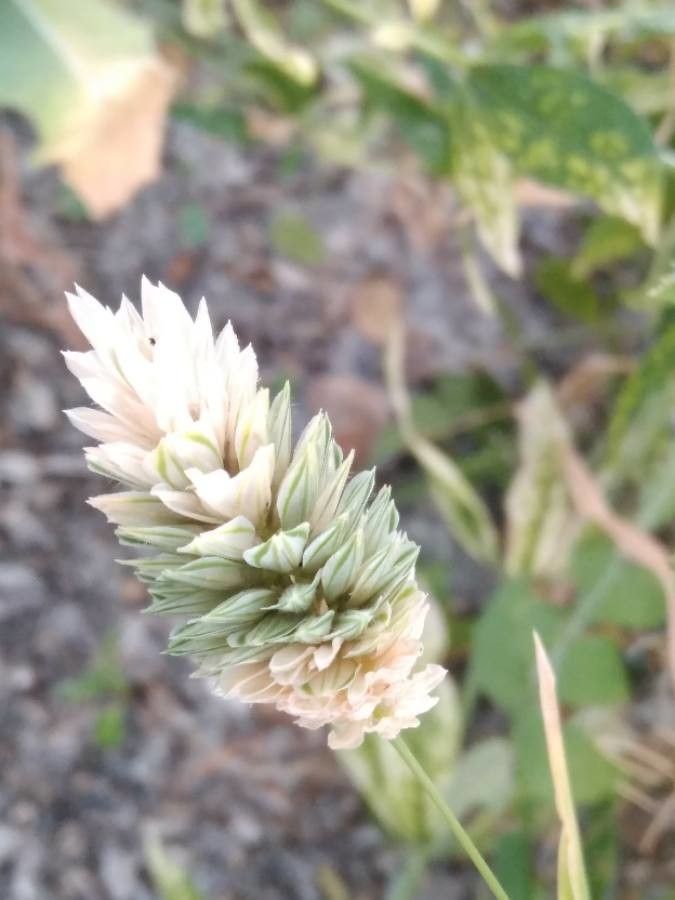
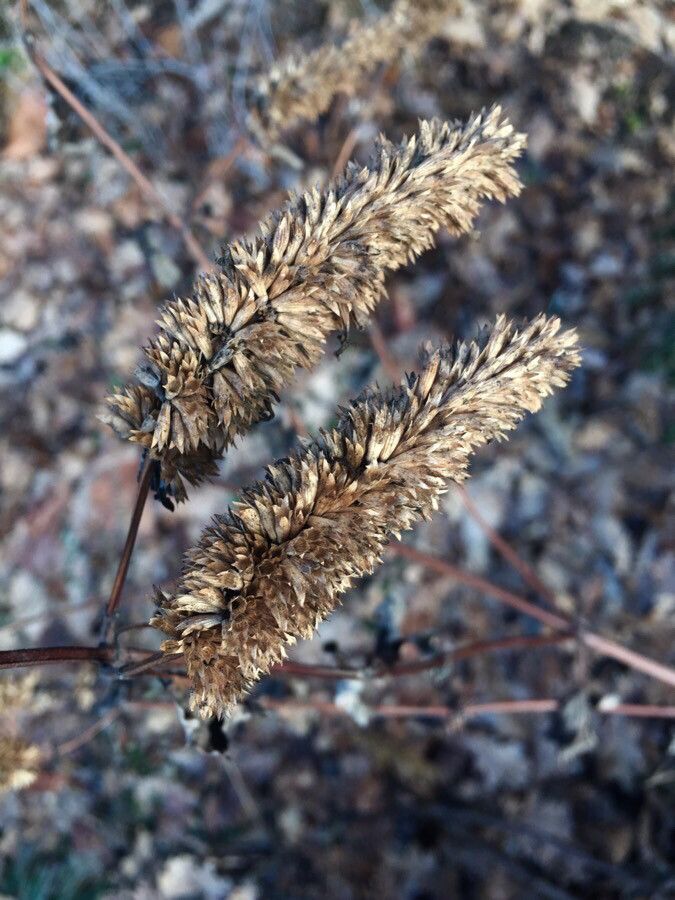
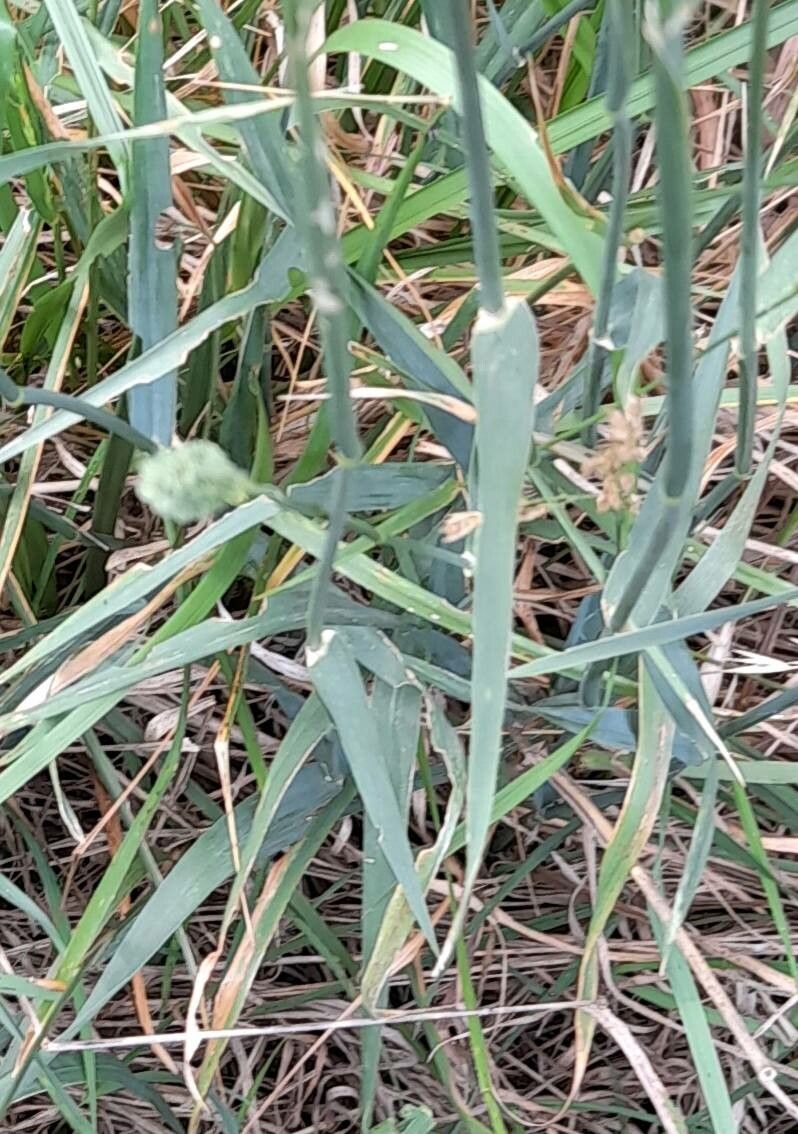
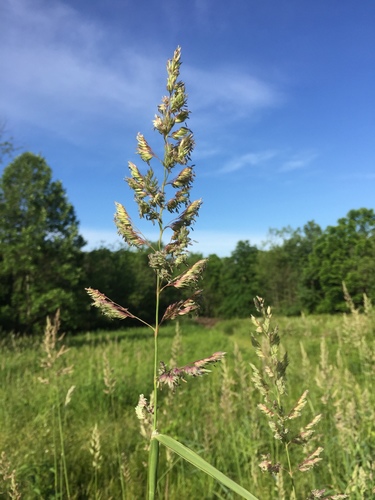
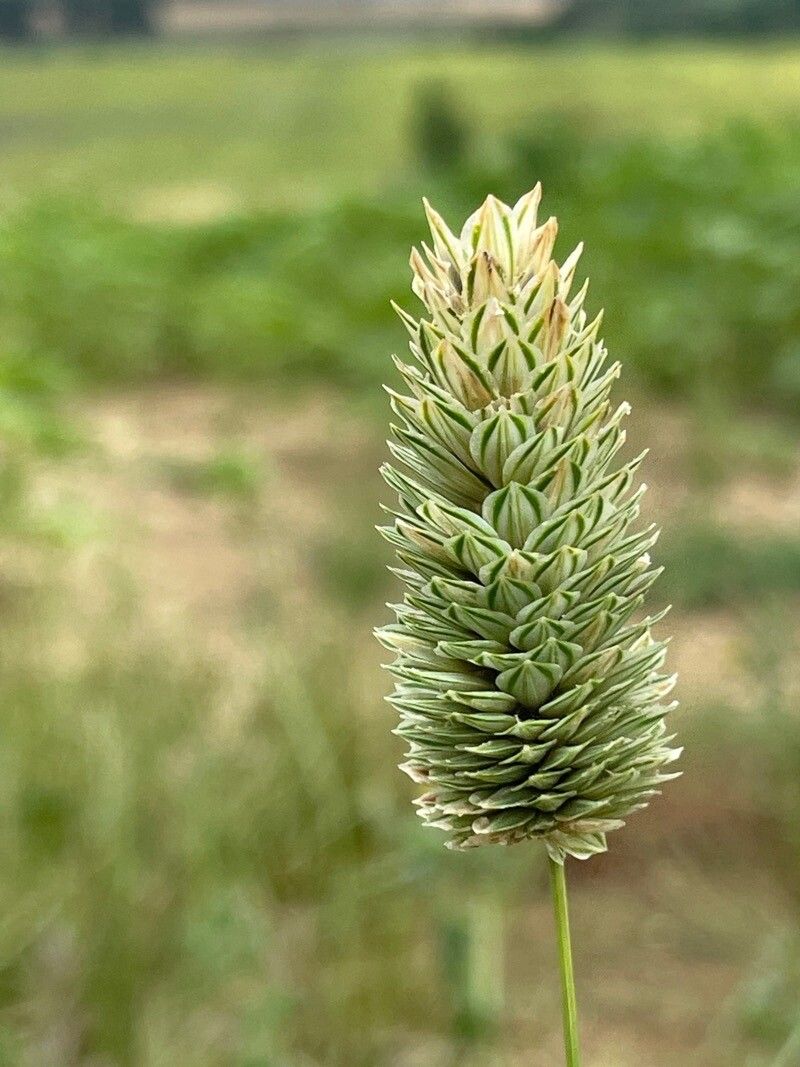
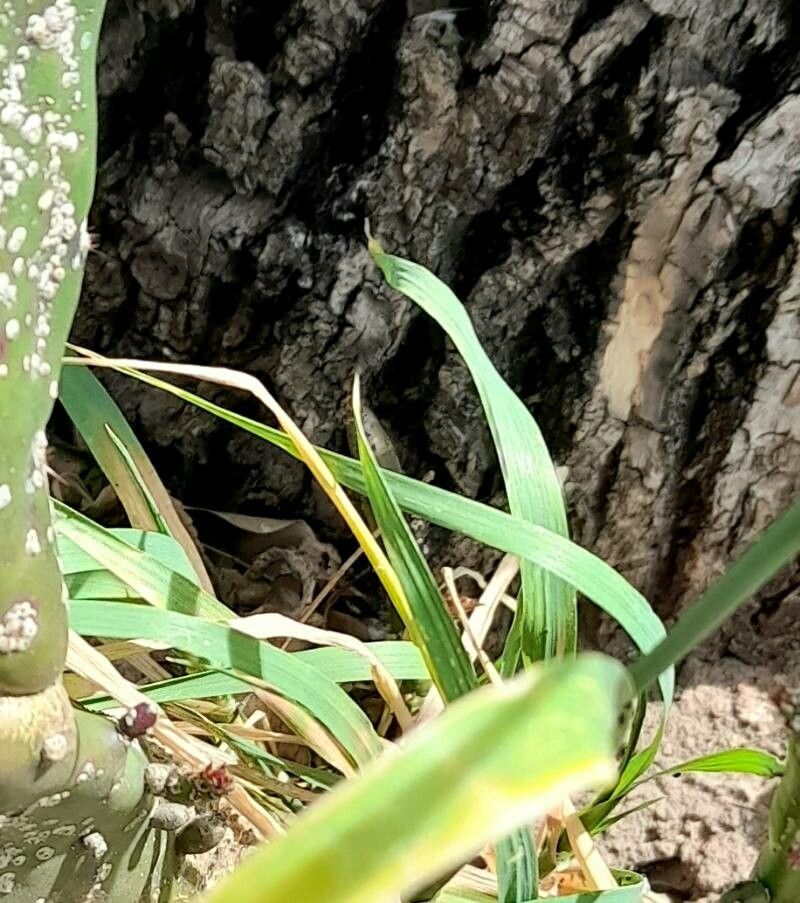
Phalaris aquatica, known by the common names bulbous canary-grass and Harding grass, is a species of grass in the genus Phalaris of the family Poaceae.
Annual canarygrass is disease-resistant and typically not susceptible to illnesses. In terms of care, this plant is fairly low-maintenance. When grown outdoors it needs little watering, and larger plants usually do not require pruning. Smaller plants, however, should be pruned after they have finished blooming. Annual canarygrass is suitable for anyone with an outdoor area, such as a garden or deck, and does not demand extensive care experience.
How to keep Phalaris Aquatica.
Light
Annual canarygrass prefers sites where it gets unobstructed sun for most of the day. Its native habitat demonstrates its liking for sunlit environments. Conversely, insufficient sunlight can keep it from developing in a healthy, vigorous way.
Water
Bulbous canarygrass, native to moderate climates, effectively utilizes water and thrives with consistent moisture levels, as long as it doesn't become waterlogged. To keep it healthy, it's important to water it regularly on a weekly basis. This plant performs best in evenly moist soil and reaches its peak vitality during seasons with abundant rainfall, adapting well to its role as an outdoor perennial grass.
Temperature
Annual canarygrass is native to temperate areas and prefers a temperature range of 68 to 95°F (20 to 35℃). It tolerates seasonal temperature swings, but keeping this preferred range in a controlled setting can greatly enhance growth.
Fertilizer
For best development, Annual canarygrass needs three fertilizer applications: before planting, one month after seedling emergence, and a final application 1 to 1.5 months after the second. Some Annual canarygrass varieties also benefit from extra fertilizer at planting to support rapid growth.
Pruning
Bulbous canarygrass is a tufted perennial grass that benefits greatly from annual pruning in early spring. To promote healthy growth, control its size, and reduce the risk of diseases, trim back dead stems to ground level. Regular pruning also helps encourage denser foliage and curbs the plant's invasiveness. For more detailed advice on maintaining plant health, consider consulting with experts.
Pot & Repot
When repotting Annual canarygrass, choose a pot that is 1–2 inches (2.5–5.1 cm) larger in diameter and that has good drainage. Use a well-draining potting mix and consider adding perlite for extra drainage. Repot in spring or early summer, water thoroughly afterward, and place it in a shady spot at first.
Botanical profile.
- Plant Type
- Grass
- Life Cycle
- Annual
- Genus
- Phalaris
- Family
- Poaceae
- Hardiness Zone
- 5-9
- Mature Height
- 1.83 m
- Mature Spread
- 76 cm
- Leaf Color
- Green
- Leaf Type
- Semi-evergreen
- Flower Color
- White, Green
- Flower Size
- 1.02 cm to 2.03 cm
- Bloom Time
- Early summer, Mid summer
- Planting Time
- Spring, Summer
- Harvest Time
- Late summer, Early fall
- Native Area
- Egypt, Turkey, Austria, Slovakia, Romania, Cyprus, Bulgaria, Greece, Croatia, Slovenia, Belarus, Ukraine, China, Russia, Lithuania, Hungary, Portugal, Italy, Spain, Switzerland, Estonia, Albania, Azerbaijan, South Korea, Latvia, France
Other names.
Reader questions.
How should I water my Bulbous canarygrass?
To properly water the Bulbous canarygrass, use filtered water at room temperature. This is because tap water may contain harmful particles. Since the plant originates from a warm environment, it is best to avoid cold water, as it could shock the plant. Additionally, it is advised not to water the plant from above to prevent foliage complications. Instead, thoroughly saturate the soil with the filtered room temperature water. This helps moisten the roots and allows them to continue growing and gather the necessary nutrients.
What are the optimal temperature conditions for growing Bulbous canarygrass?
Bulbous canarygrass thrives in environments where temperatures range from 32 to 95°F (0 to 35°C), favoring temperate climates. It has a strong resistance to cold, so special frost protection measures are usually not necessary. However, if temperatures are expected to drop below -35°C, it's important to provide protection, such as covering the plant with soil or straw. Additionally, abundant watering before the first freeze in autumn is recommended to ensure the soil remains moist and enters a frozen state, helping prevent drought and water scarcity during winter and early spring.
What do I do if I give my Bulbous canarygrass too much or too little water?
Overwatering is a common issue that can harm your Bulbous canarygrass. This may cause wilting and yellowing of the stems and leaves. Overwatering for a long time can also lead to diseases like root rot, mold, and mildew, which can be fatal for the plant. Although underwatering is less common, it can still happen. In such cases, the leaves may become brittle and brown. It is important to recognize the signs of overwatering early on. Some diseases caused by overwatering, such as root rot, cannot be fixed if you wait too long. Reduce your watering schedule immediately if you notice early signs of overwatering. Check the soil drainage and replace it if it is poor. If your Bulbous canarygrass is not getting enough water, simply water it more regularly until the signs of underwatering disappear.
How does Bulbous canarygrass respond to low temperatures, and what are the recommended solutions?
Bulbous canarygrass is cold-tolerant and ideally should be kept above -30°C during winter. If temperatures fall below -35°C, the plant may not show noticeable changes during winter but may experience decreased sprouting or fail to sprout at all in spring. In such cases, it is advised to remove any parts that have failed to sprout in spring as a solution.
How often should I water my Bulbous canarygrass plant?
If your Bulbous canarygrass is in a pot, the most precise way to determine if it needs watering is to stick your finger into the soil. If the top two to three inches of soil feel dry, it's time to water the plant. The same method can be used if you have the Bulbous canarygrass planted directly in the ground outdoors. Once the top few inches of soil become dry, it's a signal to water the plant. Generally, during the spring and early fall, you'll need to water this plant about once a week using this method. However, in very hot weather, you may need to water it twice or more per week. It's worth mentioning that mature, well-established Bulbous canarygrass can actually tolerate drought quite well.
What should be done if Bulbous canarygrass experiences high temperatures?
During summer, it is essential to keep Bulbous canarygrass below 35°C. If temperatures exceed 38°C, the plant's leaves may lighten in color, curl, become prone to sunburn, and in severe cases, wilt and dry out entirely. To counteract this, trim away sunburned and dried parts of the plant. Moving the plant to a location with shade during the midday and afternoon sun or using a shade cloth can also be beneficial. Additionally, watering the plant in the morning and evening to maintain soil moisture is recommended.
How much water does my Bulbous canarygrass require?
To properly water your Bulbous canarygrass, don't be shy about how much water you give. Wait for the top two to three inches of soil to dry, then give the plant a deep and thorough watering. Make sure to water enough to saturate the soil completely. If you see excess water draining from the pot's drainage holes, that means you've watered enough. However, be careful not to let water accumulate in the soil, as this can harm the plant. On the other hand, if you don't see any water draining from the pot, you may have underwatered the plant or the soil may not be draining well. It's important to avoid poorly draining soils, as they can negatively affect the health of the plant. If the plant is outdoors, receiving about 1 inch of rain per week should be sufficient.
How do I water my Bulbous canarygrass at different stages of growth?
The water needs of the Bulbous canarygrass depend on its growth stages. When the plant is young or newly transplanted, it requires more water to support root growth. After a few seasons, the water requirements decrease. During the bloom period, the plant may need additional water due to the energy used in flower development.
How often should I water my Bulbous canarygrass throughout the year?
The Bulbous canarygrass has different water needs depending on the season. During the hottest months, such as summer, you may need to water the plant more than once per week, depending on how quickly the soil dries out. However, in winter, the plant enters a dormant phase and requires less water. In fact, you may not need to water it at all during this time. If you choose to water it during winter, it should not be more than once per month to avoid disease.
What's the difference if I water my Bulbous canarygrass inside or outside?
For gardeners living outside temperate and tropical regions, growing Bulbous canarygrass indoors is the most common practice. However, it's important to note that soil in containers tends to dry out faster compared to ground soil. If you have drying elements like air conditioning units, your Bulbous canarygrass may require more frequent watering than if it were planted outside. In outdoor conditions, you may not need to water your plant often, especially if you receive regular rainfall. On the other hand, when growing this plant indoors, relying on rainwater to moisten the soil is not possible, so you will need to water it more frequently.