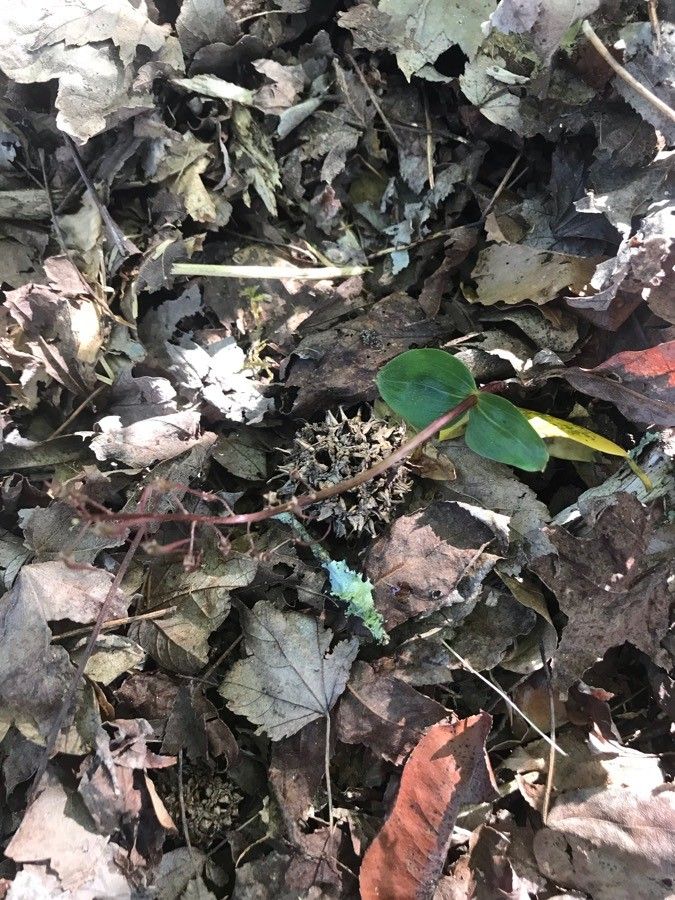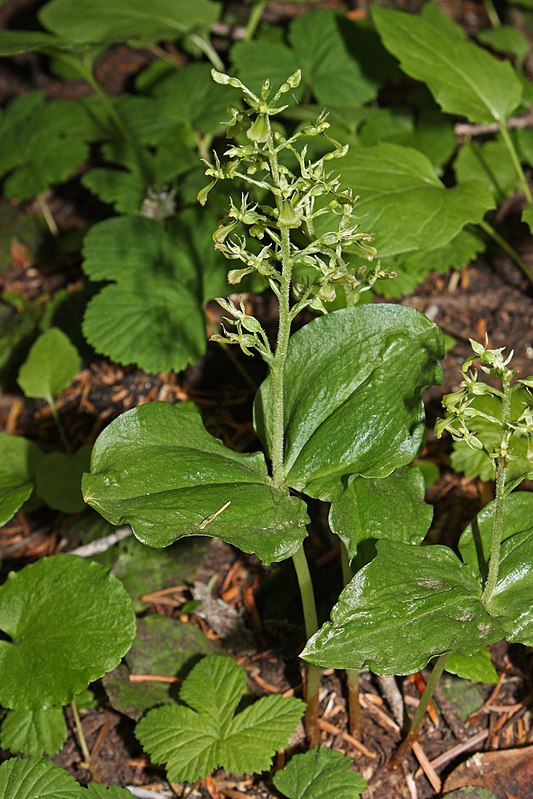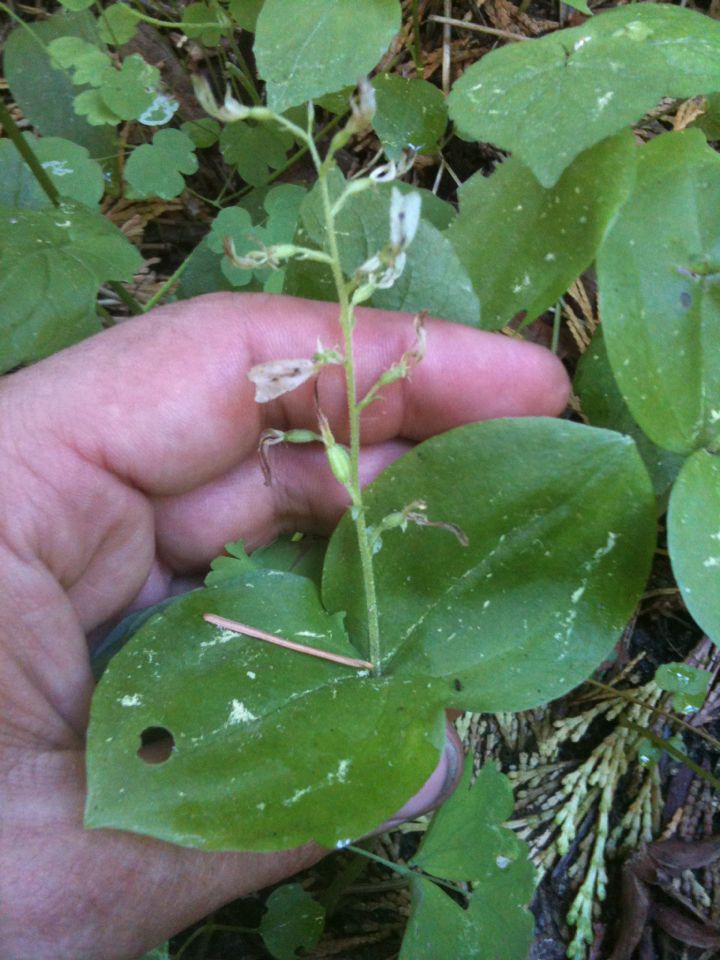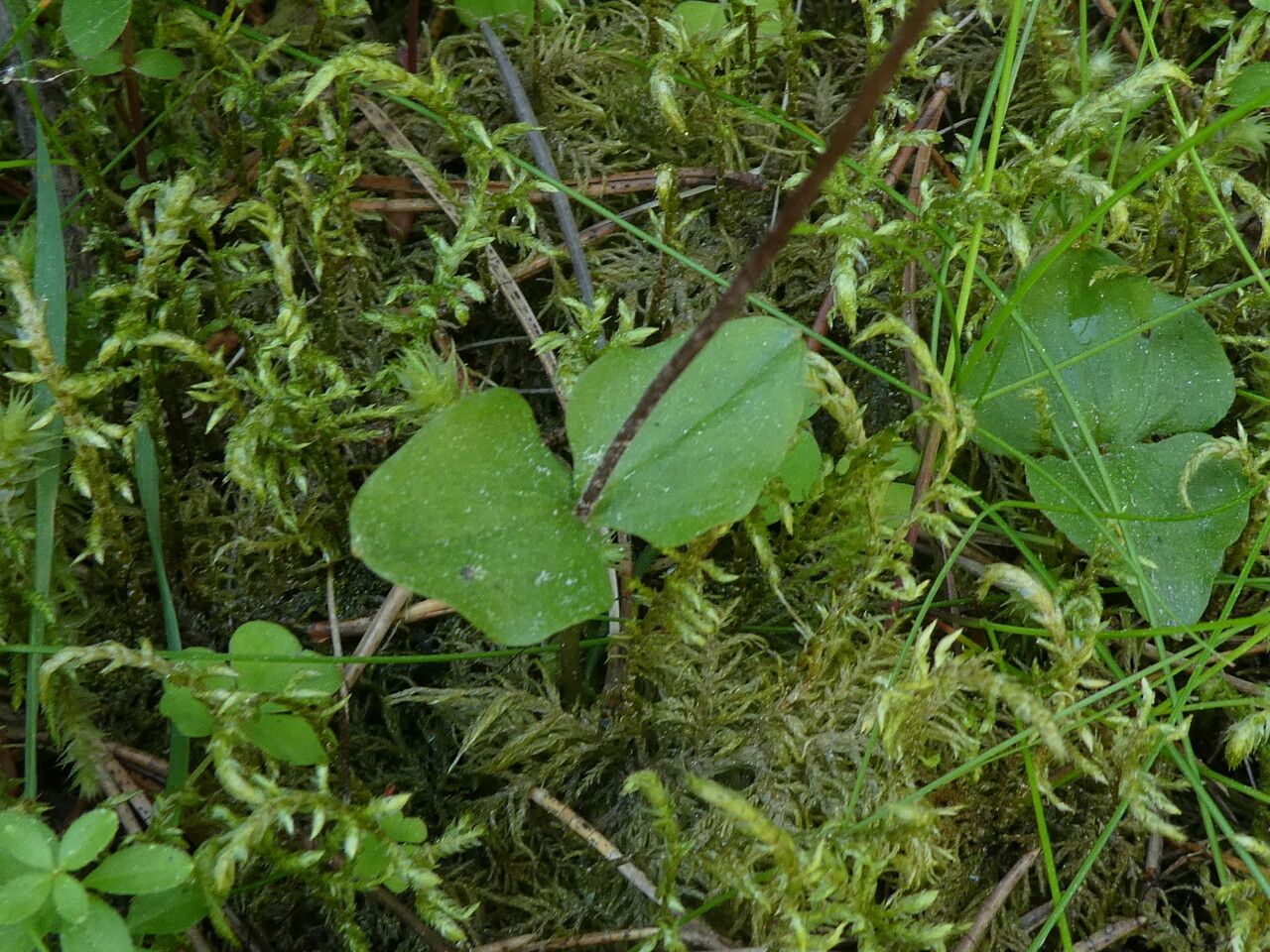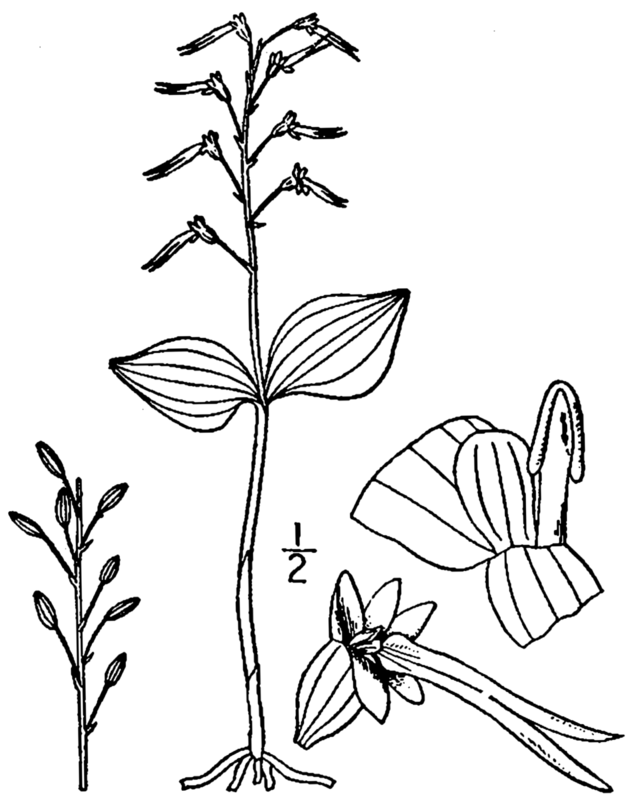
Neottia bifolia (syn. Listera australis), common name southern twayblade, is a species of terrestrial orchid found in eastern Canada (from Nova Scotia to Ontario) and the eastern United States (from Florida west to eastern Texas and north to Vermont).
Southern twayblade typically resists disease well and has relatively few insect pests. Its care is rated difficult because it needs high humidity combined with good air circulation and minimal harmful pathogens. Overwatering can cause root rot. While anyone can grow Southern twayblade, maintaining its health and getting it to flower again demands more cultivation experience.
How to keep Neottia Bifolia.
Light
The Southern twayblade naturally inhabits areas like forest undergrowth or rocky locations where it's naturally shaded. Its optimal light conditions involve partial sunlight but it's capable of acclimating to complete sun or complete shade, indicating its flexible and robust character.
Water
The Southern twayblade orchid thrives in consistently moist soil and should be watered weekly. It has moderate drought tolerance. When grown indoors, it benefits from high humidity, which boosts its growth and flowering potential during the active growing season.
Temperature
The Southern twayblade is a type of plant that flourishes best in temperatures ranging from 41 degrees to 95 degrees Fahrenheit (5 degrees to 35 degrees Celsius). It is more inclined towards the higher temperatures within this range, yet can also withstand the cooler ones. Changes in response to seasonal fluctuations are rarely necessary for its ideal growth.
Fertilizer
For the Southern twayblade, a one-time fertilizer application in the spring is typically adequate. However, to achieve maximum growth, more frequent feedings may be beneficial. It is recommended to feed once every month to six weeks. Fertilization not only improves the aesthetic and functional features of leaves, ensuring steady coloration and robust texture, but it also promotes root development and nutrient uptake, contributing to the overall health of the plant in the long run.
Pruning
The southern twayblade has elliptical leaves and delicate flowers. To promote air circulation and maintain the plant's health, prune it sparingly from early to late spring. Using clean tools helps prevent disease, supporting both the appearance and vigor of the southern twayblade in its natural habitat or garden setting.
Botanical profile.
- Plant Type
- Herb
- Life Cycle
- Perennial
- Genus
- Neottia
- Family
- Orchidaceae
- Hardiness Zone
- 5-9
- Mature Height
- 15 cm
- Mature Spread
- 10 cm to 20 cm
- Leaf Color
- Green
- Leaf Type
- Deciduous
- Flower Color
- Pink, Purple, Red
- Flower Size
- 0.51 cm to 0.76 cm
- Bloom Time
- Late spring, Early summer
- Planting Time
- Spring, Summer, Autumn
- Harvest Time
- Mid summer, Late summer
Other names.
Reader questions.
What is the optimal temperature range for the Southern twayblade?
The Southern twayblade, botanically known as Neottia bifolia, thrives in environments with a temperature range of 41 to 95°F (5 to 35°C). It prefers warmer temperatures within this range but can tolerate the colder end. Seasonal adjustments are typically not needed for its optimal growth. The plant has a strong resistance to cold, eliminating the need for special frost protection measures in most cases. However, if temperatures are expected to drop below -25°C, protecting the plant by covering it with soil or straw is advisable. Before the first freeze in autumn, it's recommended to water the plant abundantly to keep the soil moist, helping to prevent drought and water scarcity during winter and early spring.
How does the Southern twayblade react to low temperatures?
The Southern twayblade is cold-tolerant and shows optimal growth when temperature remains above 5°C. In the winter, it is advisable to ensure temperatures stay above -20°C. While the plant may not show noticeable changes when temperatures fall below -25°C during winter, there could be a decrease in sprouting or no sprouting at all come springtime. In such cases, it is recommended to remove any parts of the plant that have failed to sprout in the spring.
What should be done if the Southern twayblade experiences high temperatures?
During the summer, it's essential to keep the Southern twayblade's surroundings below 35°C, as exposure to temperatures over 38°C can cause the leaves to lighten in color, become prone to curling, and susceptible to sunburn. In severe cases, the plant might wilt and dry out completely. To combat this, trim away the sunburned and dried-up parts of the plant. Additionally, moving the plant to a shaded location or using a shade cloth can protect it from the harsh midday and afternoon sun. Ensuring the soil remains moist by watering in the morning and evening is also crucial during high-temperature periods.