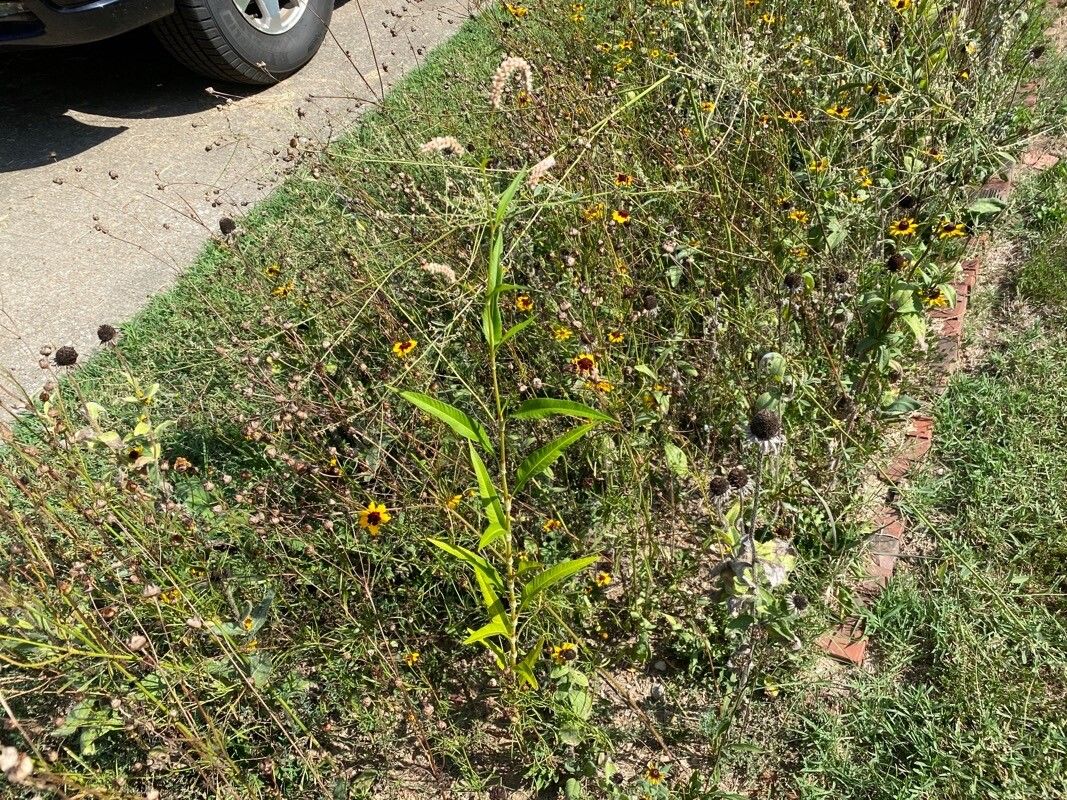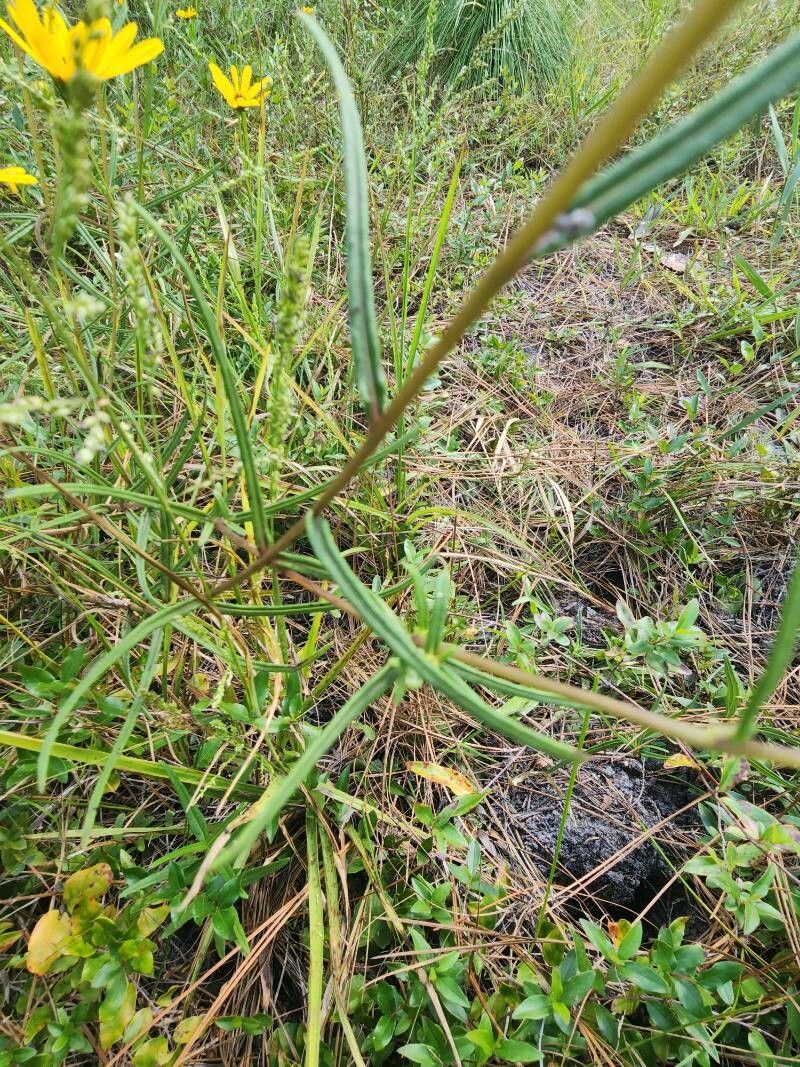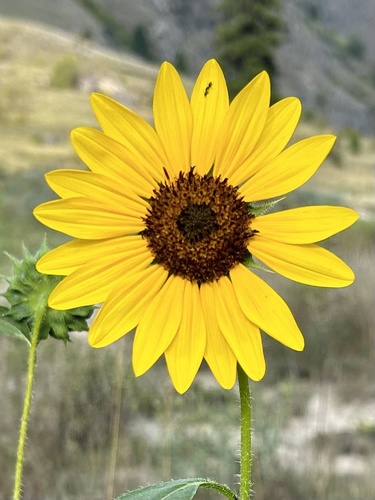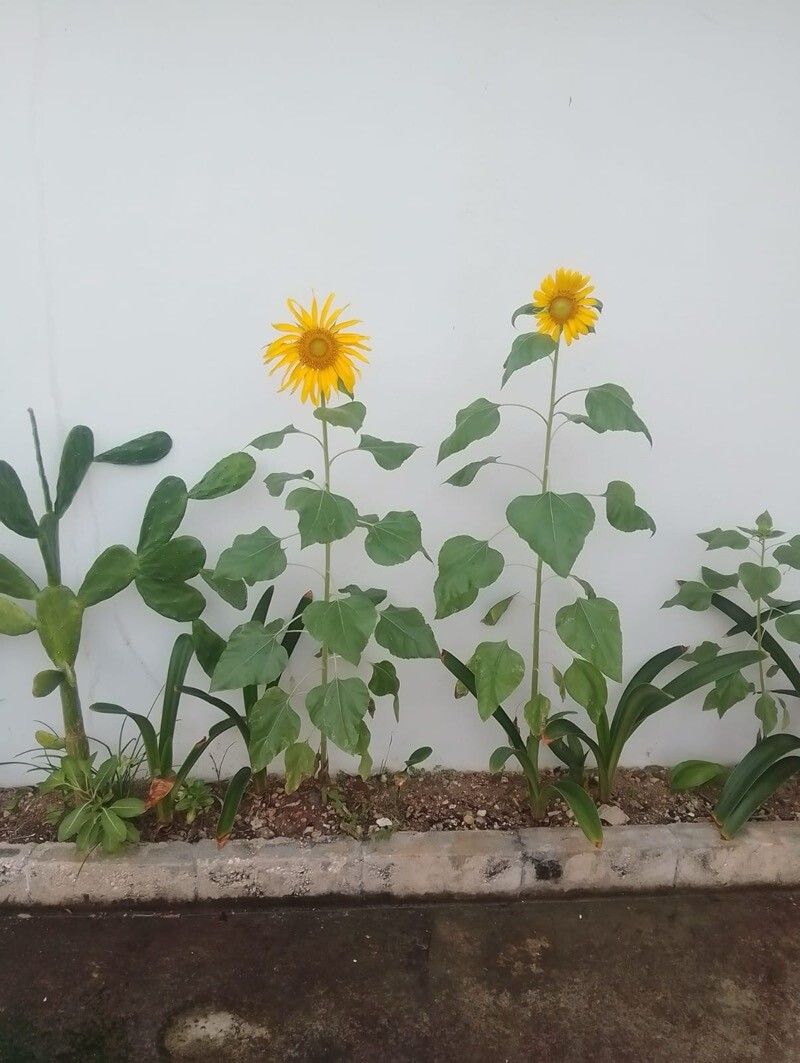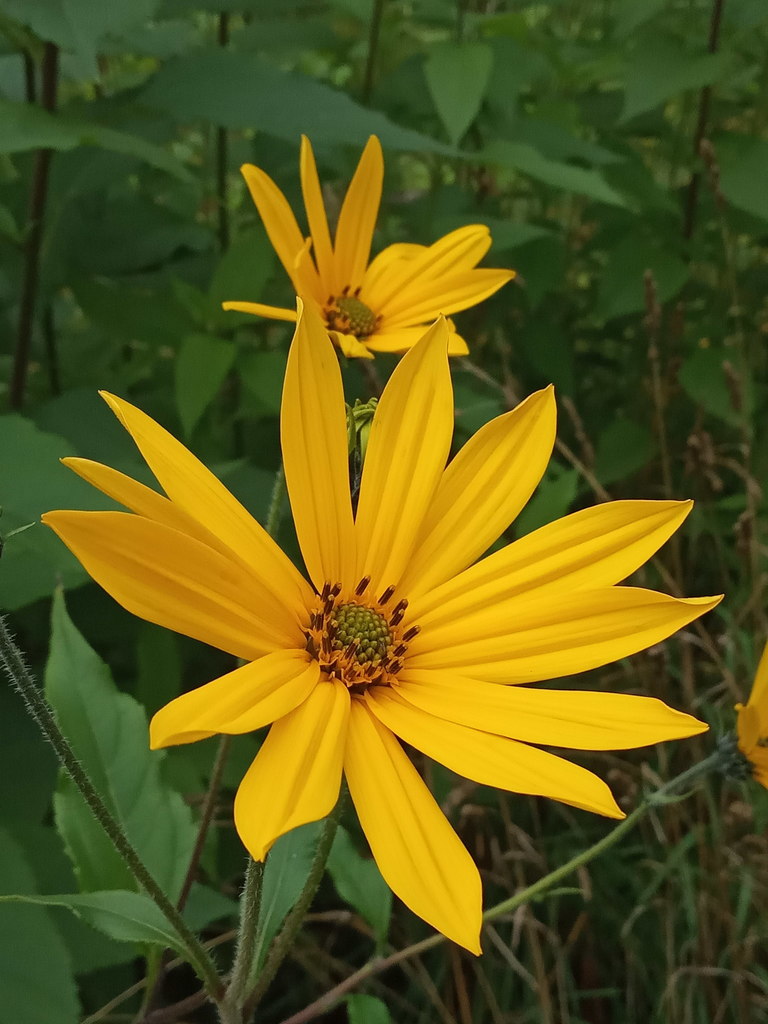
Helianthus tuberosus, commonly known as Jerusalem artichoke, is a perennial sunflower species native to North America. It belongs to the Asteraceae family and can grow up to 3 meters tall. The plant produces yellow flowers that bloom in late summer and early fall.
The edible part of the plant is its tuber, which resembles ginger root in appearance. These tubers are rich in carbohydrates and are often used as a substitute for potatoes or other starchy vegetables.
Jerusalem artichoke plants prefer well-drained soil and full sun exposure but can tolerate partial shade. While they are drought-tolerant once established, they require regular watering during their growing season.
Native Americans have used the plant for medicinal purposes for centuries, primarily due to its high inulin content. Inulin has prebiotic properties that promote gut health.
Additionally, Jerusalem artichokes are popular among gardeners for their ornamental value. Their tall stems and bright yellow flowers add beauty to any garden or landscape design.
Jerusalem artichoke has moderate resistance to disease but can be vulnerable to issues like leaf spot. Its vulnerability to insect pests differs by variety, although most varieties are relatively poorly resistant to pests. For care, Jerusalem artichoke requires consistent watering and fertilizing, along with regular removal of yellowing leaves. It’s important to deal with pests and diseases as they arise and to harvest the crop promptly. Jerusalem artichoke is appropriate for people who can spare some time and energy for routine care.
How to keep Helianthus Tuberosus.
Light
The Jerusalem artichoke thrives under strong light for most of the day to support its physiological processes. Although native to areas with abundant light, it also tolerates locations that receive light only part of the day. Both excessive and insufficient light can impair its health or restrict its growth.
Water
The Jerusalem artichoke, a plant native to North America, thrives in environments with moderate moisture and can withstand short periods of drought. It prefers to receive consistent moisture, ideally with weekly watering. Typically grown outdoors, the Jerusalem artichoke has tuberous roots that can store water. This adaptation allows the plant to survive during variable weather conditions and reduces its reliance on rainfall.
Humidity
This plant will thrive in moderate humidity, which is probably the level in your home. However, misting it a few times a week can be very beneficial. Make sure the room has good ventilation.
Temperature
The jerusalem artichoke is native to South America and does best in temperatures between 41 and 95 ℉ (5 to 35 ℃). In winter, keeping temperatures at 41 to 50 ℉ (5 to 10 ℃) promotes root dormancy. In summer, temperatures above 86 ℉ (30 ℃) can lead to stunting and reduced yields.
Fertilizer
Jerusalem artichoke species benefit from one or two applications of organic fertilizers that contain potassium and phosphorus. Apply the fertilizer before planting, work it into the soil, and water thoroughly. One application is generally enough, but an additional application can be made once seedlings are established. Avoid overusing fertilizer to prevent damage to the plants.
Pruning
Pruning Jerusalem artichokes can boost their growth and increase tuber production. Start by cutting back dead stems in early spring, and then thin out overcrowded shoots later in the season. This timing improves air circulation, reduces the risk of disease, and encourages vigorous growth. For detailed care instructions specific to Jerusalem artichokes, consult trusted horticultural resources.
Pot & Repot
It's best to repot Jerusalem artichoke in early spring. Choose a pot that is wider than it is deep and has good drainage. Use a well-draining, loamy potting mix mixed with compost. Gently remove old soil from the bulb and plant it at a depth equal to the bulb's height. Water thoroughly after repotting and put the pot in a sunny spot. Avoid overwatering to prevent bulb rot.
Toxicity
They can be eaten raw or cooked. They have a high level of inulin, which is a prebiotic fiber with medicinal properties. It can stimulate growth of bifidobacteria, which fights harmful bacteria and helps reduce certain carcinogenetic enzymes.
Further reading →
The toxicity and danger assessments provided are for reference only. We do not assure their accuracy, so it's crucial not to depend on them. Seek professional advice when necessary for accurate guidance.
Botanical profile.
- Plant Type
- Herb
- Life Cycle
- Perennial
- Genus
- Helianthus
- Family
- Asteraceae
- Hardiness Zone
- 5-9
- Mature Height
- 1.52 m to 3.05 m
- Mature Spread
- 0.91 m to 1.52 m
- Leaf Color
- Green
- Leaf Type
- Deciduous
- Flower Color
- Yellow
- Flower Size
- 5.08 cm to 10.16 cm
- Bloom Time
- Mid summer
- Planting Time
- Spring
- Harvest Time
- Mid summer, Late summer, Early fall
Other names.
Reader questions.
How should I water my Jerusalem artichoke plants?
The Jerusalem artichoke has specific water preferences and it is also important to follow proper watering techniques, especially to avoid harming your tomatoes. The best method is to directly apply water to the soil in a slow and gentle manner. Avoid pouring all the water at once or doing overhead watering for Jerusalem artichokes. While it should be done slowly, it is also important to water deeply to ensure the entire soil where the Jerusalem artichokes grow is sufficiently moist.
Why should I add fertilizer to my Jerusalem artichoke?
Jerusalem artichoke is a fast-growing plant that requires a lot of energy to create the root vegetables we love. In addition to sunlight, oxygen, and water, Jerusalem artichoke species also need nutrients to grow and produce roots. Usually, these nutrients can be found in garden soil due to natural organic matter decomposition. However, there are situations where the soil may not contain enough nutrients to support healthy Jerusalem artichoke growth. In such cases, fertilizer can provide the necessary boost for the plant.
What are the sunlight requirements for Jerusalem artichoke?
Jerusalem artichoke thrives best when it receives a high intensity of light for most of the day to support its physiological processes. It requires full sun, meaning above 6 hours of sunlight daily, or partial sun, around 3-6 hours of sunlight. It's important to observe how sunlight moves through your garden to pick spots that offer a perfect balance of light and shade, ensuring the plant's happiness.
What is the origin and preferred temperature range for Jerusalem artichoke?
The Jerusalem artichoke, botanically known as Helianthus tuberosus, originated in South America and thrives in temperatures ranging from 41 to 95°F (5 to 35°C). To promote root dormancy, it's advisable to maintain temperatures between 41 and 50°F (5 to 10°C) during winter. Meanwhile, summer temperatures above 86°F (30°C) may lead to stunted growth and reduced yields. Keeping the plant above 5°C in winter is beneficial for its growth, and precautions should be taken to prevent freeze damage when temperatures approach -5°C (25°F) by potentially bringing the plant indoors or providing protective measures such as a temporary greenhouse.
What should I do if I give my Jerusalem artichoke too much or too little water?
If you realize that you have overwatered your Jerusalem artichoke and you are worried about the risk of disease, take action right away. The best approach for an overwatered Jerusalem artichoke is to remove it from its current spot. Once the plant is out of the ground, let its roots dry a bit before planting it in a new spot with well-draining soil. If you grow it in pots, consider transferring it to a pot with better drainage. In the case of underwatering, simply water your plant more frequently.
When should I put fertilizer on my Jerusalem artichoke?
To prepare your soil for planting, apply natural fertilizer. There is no specific time limit, but allow enough time to mix the fertilizer into the soil and water it well before planting seeds or seedlings. Typically, one fertilizer application is sufficient for the entire season to ensure healthy growth of Jerusalem artichoke. However, if you desire higher yields, you can do an additional application once the seedlings have established themselves. Take care not to overuse fertilizer, as this may harm the plants.
How can artificial lighting benefit indoor Jerusalem artichoke plants?
Indoor Jerusalem artichoke plants require adequate lighting for optimal growth, especially when natural sunlight is insufficient, like in winter or less sunny spaces. Artificial lights, such as LED lights customized to provide specific wavelengths, serve as a vital solution. Full sun plants need 30-50W/sq ft, partial sun plants 20-30W/sq ft, and full shade plants 10-20W/sq ft of artificial light. The light source should be placed 12-36 inches above the plant, mimicking natural sunlight for 8-12 hours per day to promote faster, healthier growth.
How does Jerusalem artichoke respond to low temperatures, and what are the solutions for frost damage?
Jerusalem artichoke has a moderate tolerance to low temperatures, performing best between 5°C and 35°C, and should not be exposed to temperatures below -20°C. Exposure to temperatures below -25°C can darken the leaves, cause water-soaked necrosis, wilting, or drooping, and eventually, the leaves may turn brown in severe cases. To mitigate frost damage, trim the frost-damaged parts of the plant and immediately move it to a warmer indoor environment or set up a makeshift greenhouse. Ensure the plant is placed near a south-facing window for sufficient sunlight, and consider using supplemental lighting if natural light is insufficient.
How much water does my Jerusalem artichoke need?
In general, Jerusalem artichoke needs a lot of water throughout its growth period. To meet this high water requirement, it is recommended to water often and early during spring and summer. In the beginning of the growing season, watering once or twice a week is sufficient. As the season progresses, it is important to increase the frequency of watering. Depending on the weather, you may need to water your Jerusalem artichoke twice a day or even more during summer. Once your Jerusalem artichoke has gone through its main growth stages, you can reduce the frequency of watering to once a week until the end of the growing season.
When is the best time to not use fertilizer on my Jerusalem artichoke?
To ensure effective fertilization, remember to avoid applying fertilizer when the soil is dry. After fertilizing, make sure to water your plants thoroughly as this helps deliver the nutrients properly. If you prioritize the growth of foliage over the root crops, then high-nitrogen fertilizers might be suitable for you. However, take care not to let fertilizer come into contact with the base of the plant, leaves, or stems as it can potentially damage them.
What are the symptoms of light deficiency in Jerusalem artichokes?
When Jerusalem artichokes are grown indoors with limited light, they may show symptoms of light deficiency that can include small leaves, leggy or sparse growth, faster leaf drop, slower or no new growth, lighter-colored new leaves, chlorosis, sunscald, leaf curling, wilting, and leaf scorching. These symptoms indicate insufficient sunlight exposure, which affects the plant's chlorophyll content, hydration levels, and overall health.
What should be done if Jerusalem artichoke experiences high temperatures?
During summer, it's crucial to ensure that the Jerusalem artichoke is not subjected to temperatures above 35°C. Exceeding 38°C can slow down the plant's growth, lighten the color of its leaves, and increase susceptibility to sunburn. To care for a plant under high-temperature stress, trim away the sunburned and dried parts, and relocate the plant to a shaded area, especially to avoid the afternoon sun. Additionally, watering the plant in the morning and evening will help to maintain soil moisture and prevent further stress.