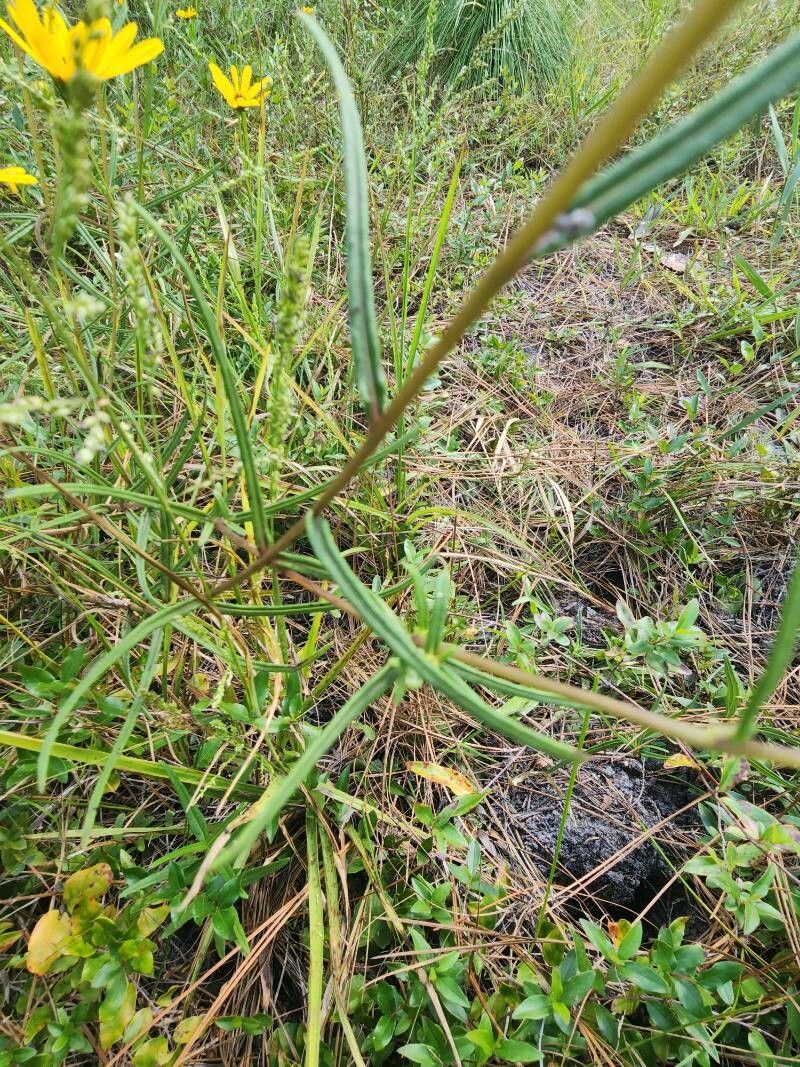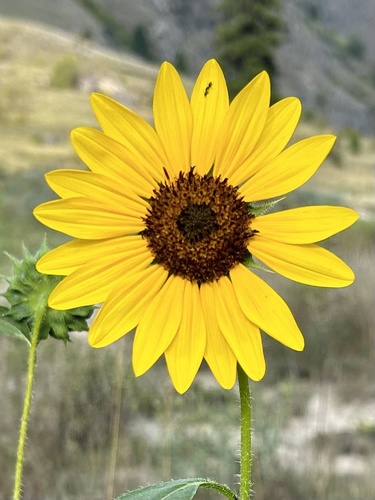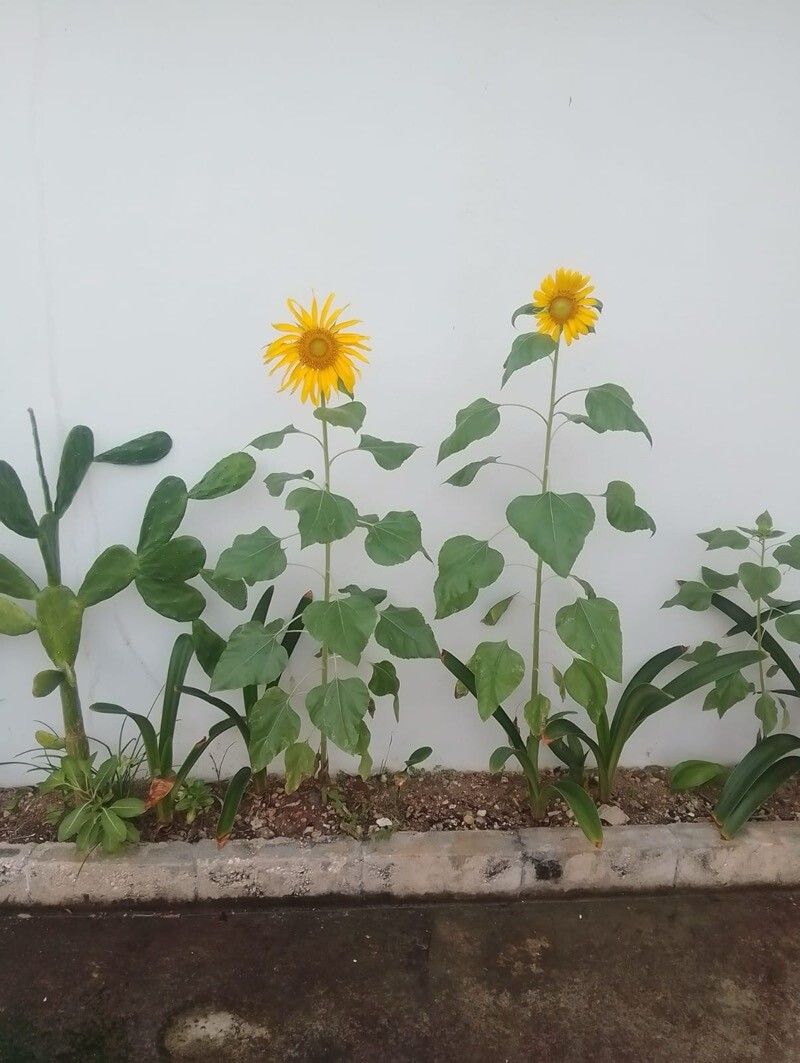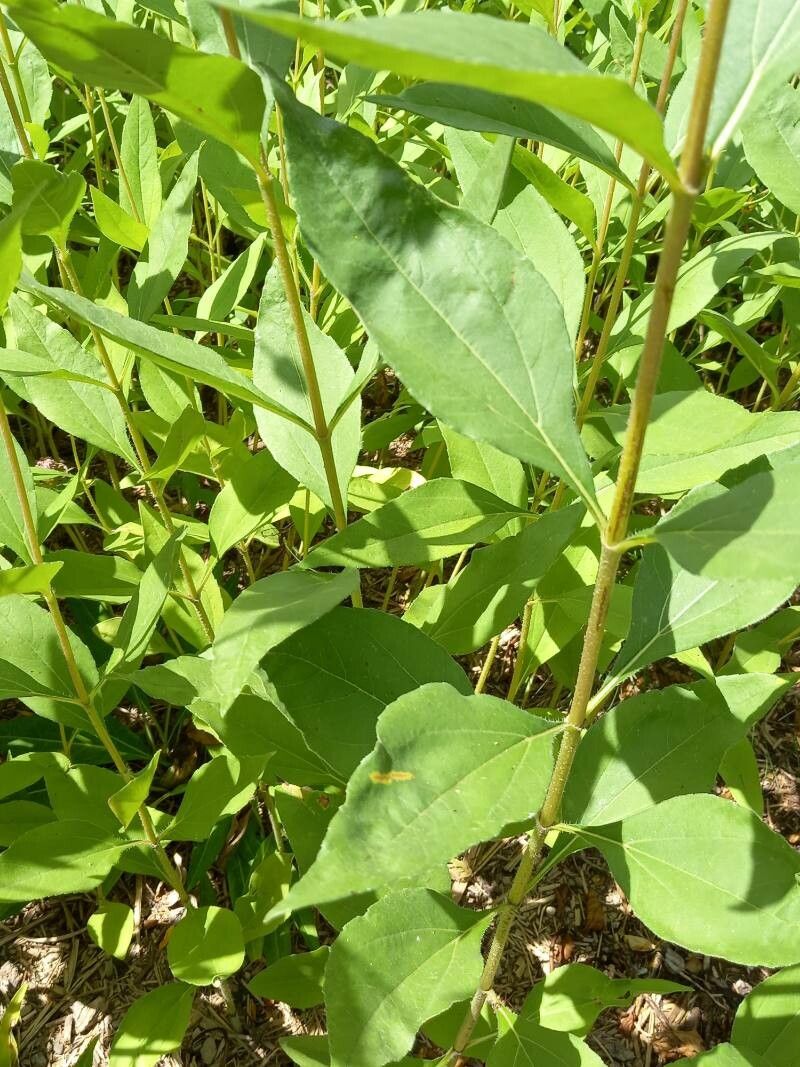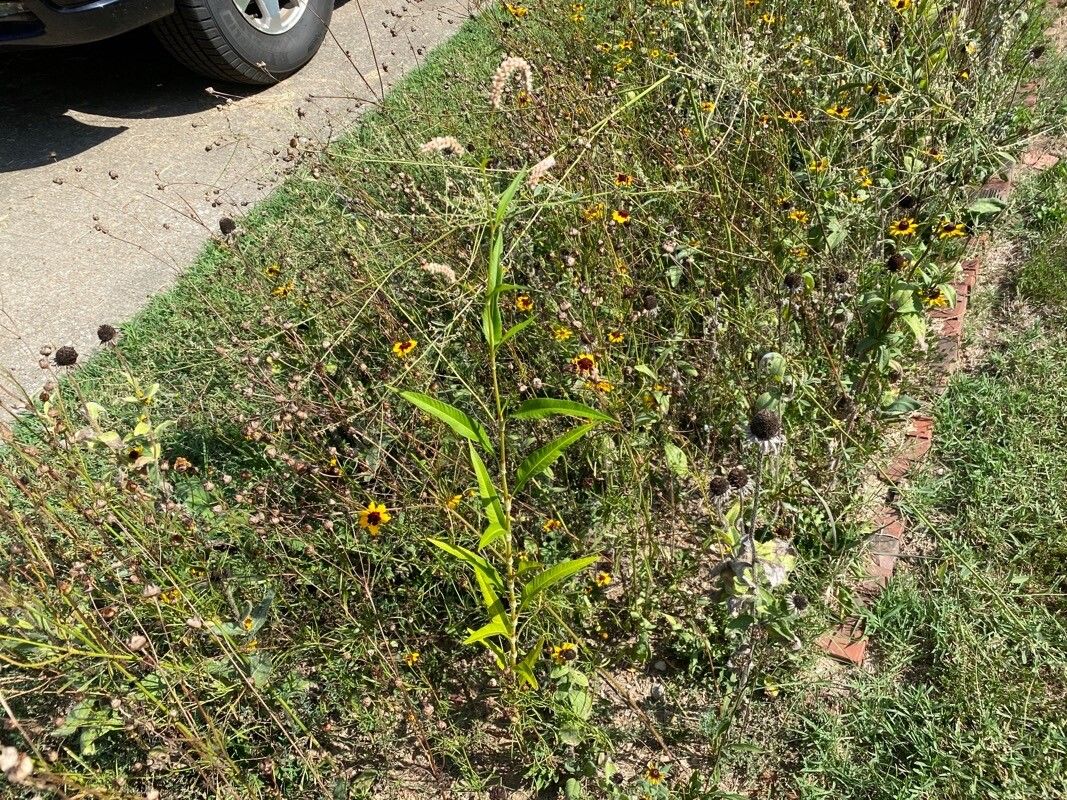
Helianthus agrestis is a species of sunflower known by the common name southeastern sunflower. It is one of 150 sunflower species in the genus Helianthus. It is found only in the states of Florida and Georgia in the southeastern United States. This plant is native to Florida. It grows in wet soil in marshes and pine flatwoods at elevations less than 50 meters (170 feet) elevation.
Southeastern sunflower is fairly resistant to disease and is generally not prone to illnesses. However, it can be vulnerable to pests and diseases present in its environment. These infections are usually mild. In terms of care, this plant requires moderate maintenance. It should be pruned regularly to preserve a good appearance and support healthy growth. Fertilizing can also help encourage flowering. Southeastern sunflower is appropriate for anyone with an outdoor space, such as a garden or patio, and does not require a lot of care experience. It may need more attention when grown indoors.
How to keep Helianthus Agrestis.
Light
The Southeastern sunflower comes from sunny, open habitats and grows best in full sunlight. While it can tolerate some partial shade, it prefers direct sun for optimal growth. This plant, which can be annual or biennial, is known for its sun-loving nature.
Water
The southeastern sunflower thrives in moist soil, especially during sowing and transplanting. It needs a lot of water during the seedling stage, and increased watering is crucial during summer and its peak blooming period. When grown in pots, it's important to water southeastern sunflowers consistently, but be careful not to overwater them, as this can cause the leaves to turn yellow. Allowing the plant to experience some drought can actually benefit root development and increase its drought tolerance.
Temperature
Southeastern sunflower can tolerate a broad range of temperatures, but its range may still be constrained by various combinations of moisture and heat. It grows best in warm summer climates with sufficient rainfall or watering. Extended periods of cloudy, rainy weather or prolonged high temperatures can raise the risk of Southeastern sunflower dying. In winter, protecting the plant from cold can increase its chances of survival.
Fertilizer
Once most of the Southeastern sunflower's blossoms have fully opened, it's time to resume fertilizing. Around the time the blooms reach peak output, begin feeding it again every three to four weeks, as the weather allows. Then, when the Southeastern sunflower starts producing fewer new flowers, stop fertilizing — there's no need to feed it when it can no longer produce additional blooms.
Pruning
To encourage healthy growth in southeastern sunflowers, remove the side buds to direct nutrients to the main stem, which improves the quality of the blooms. When planting as a border, removing the top bud encourages branching and can result in 4 to 5 blooms. In pots, keep the main stem to produce a single flower, thereby maximizing growth efficiency.
Botanical profile.
- Plant Type
- Herb
- Life Cycle
- Annual
- Genus
- Helianthus
- Family
- Asteraceae
- Hardiness Zone
- 8-11
- Mature Height
- 0.91 m to 3.05 m
- Mature Spread
- 61 cm to 91 cm
- Leaf Color
- Green, Dark Green
- Leaf Type
- Deciduous
- Flower Color
- Yellow
- Flower Size
- 5.08 cm to 7.62 cm
- Bloom Time
- Late summer, Early fall, Mid fall
- Planting Time
- Spring, Summer, Autumn
- Harvest Time
- Fall