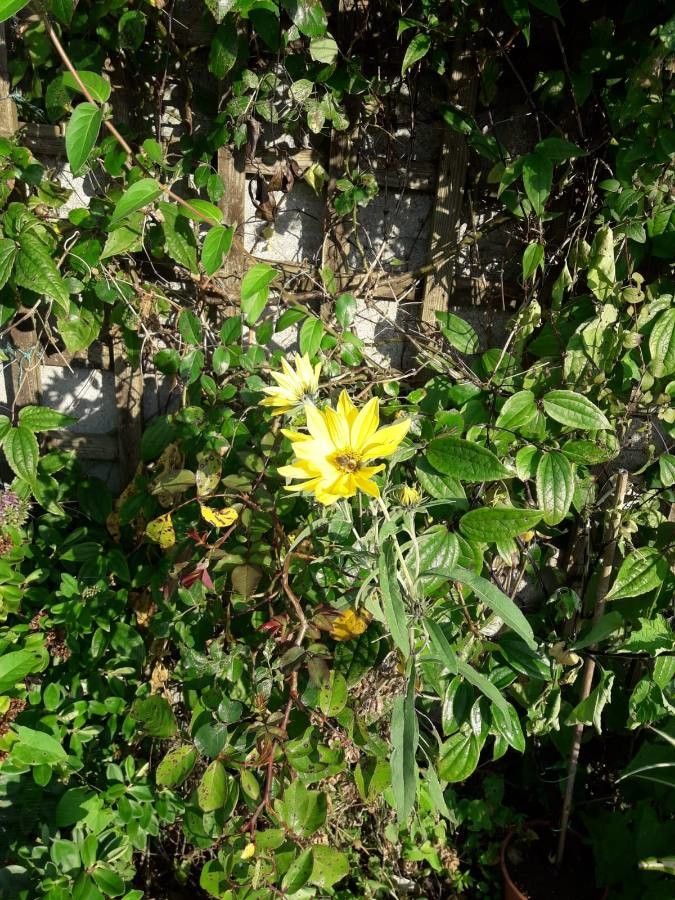
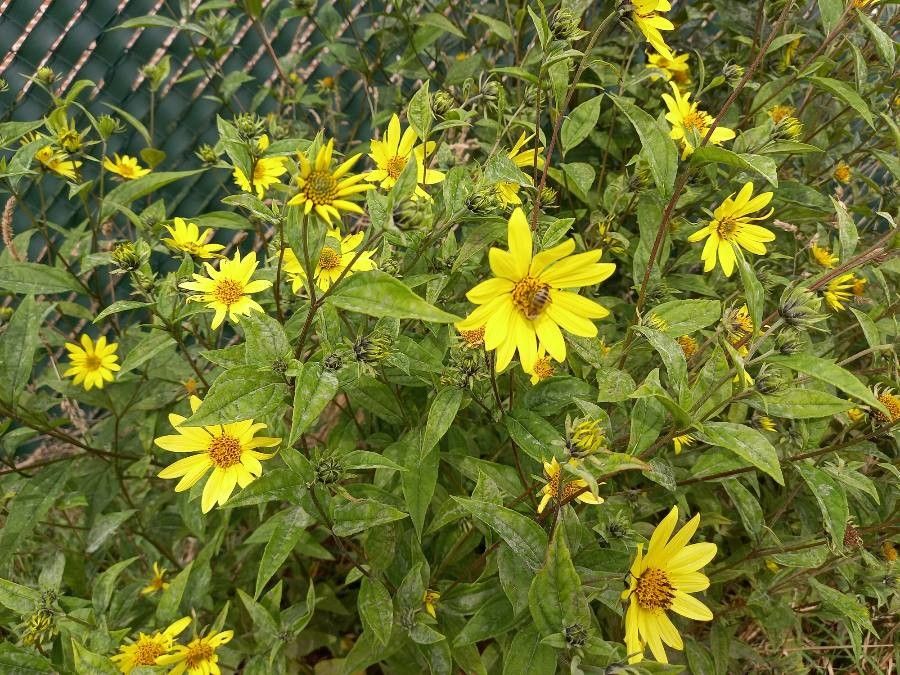
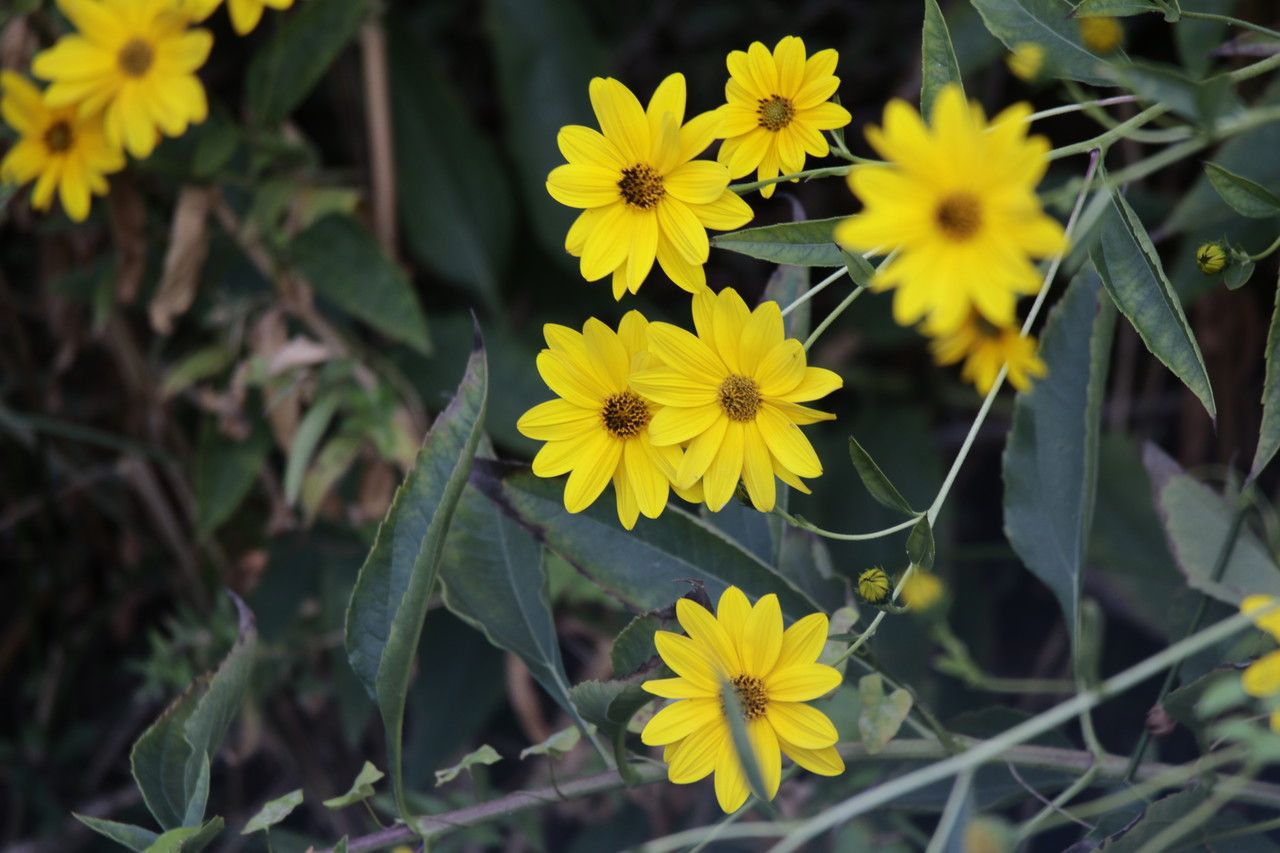
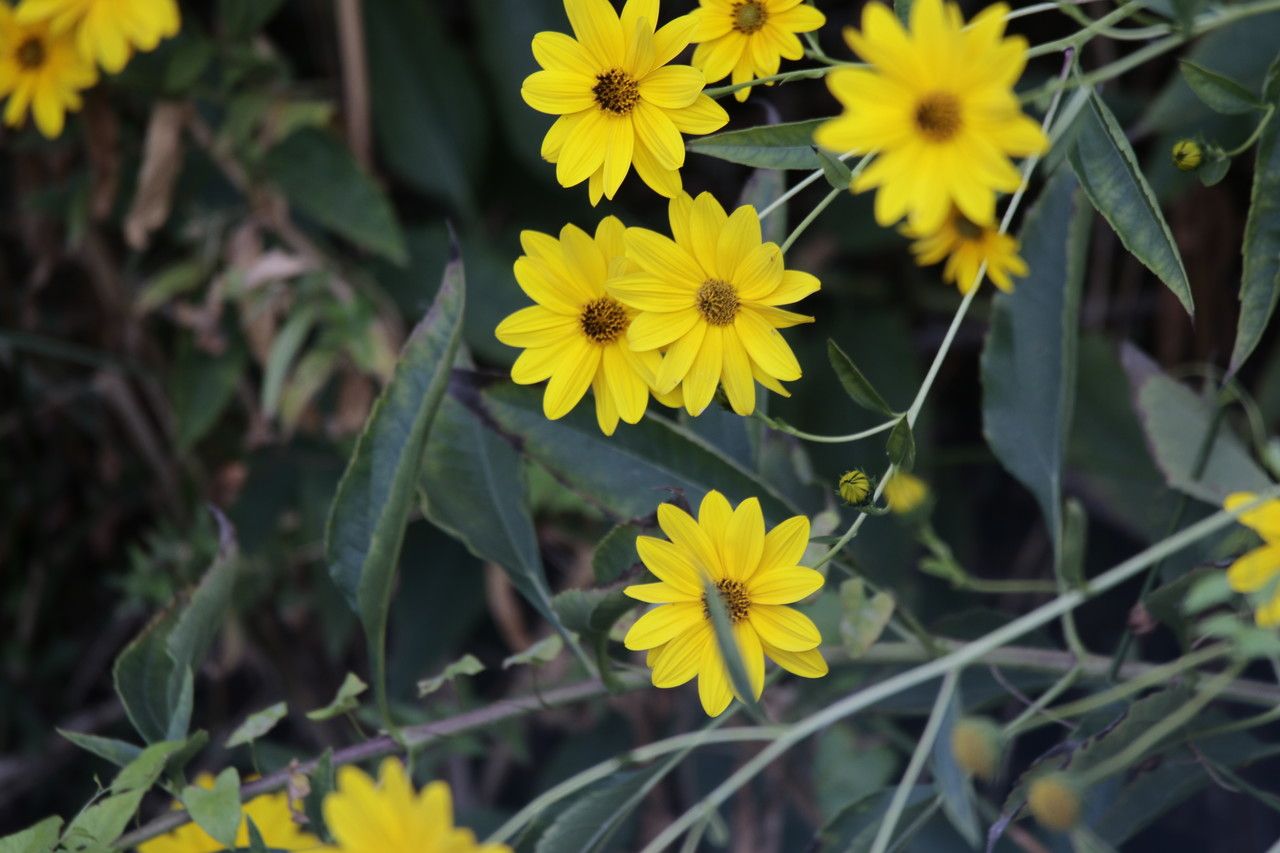
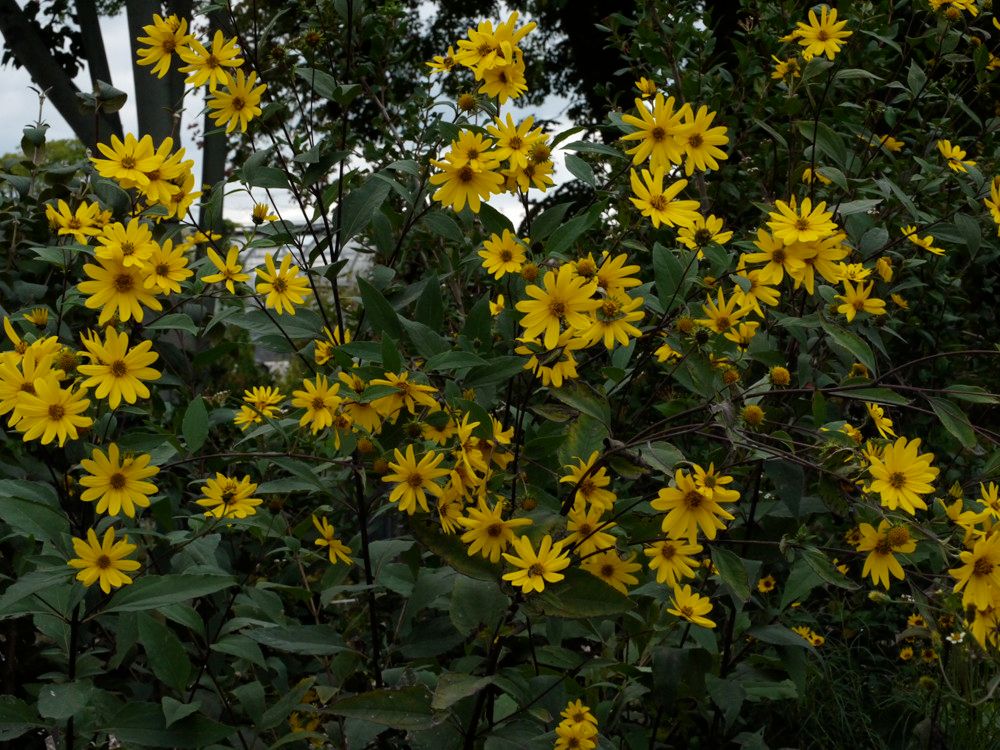
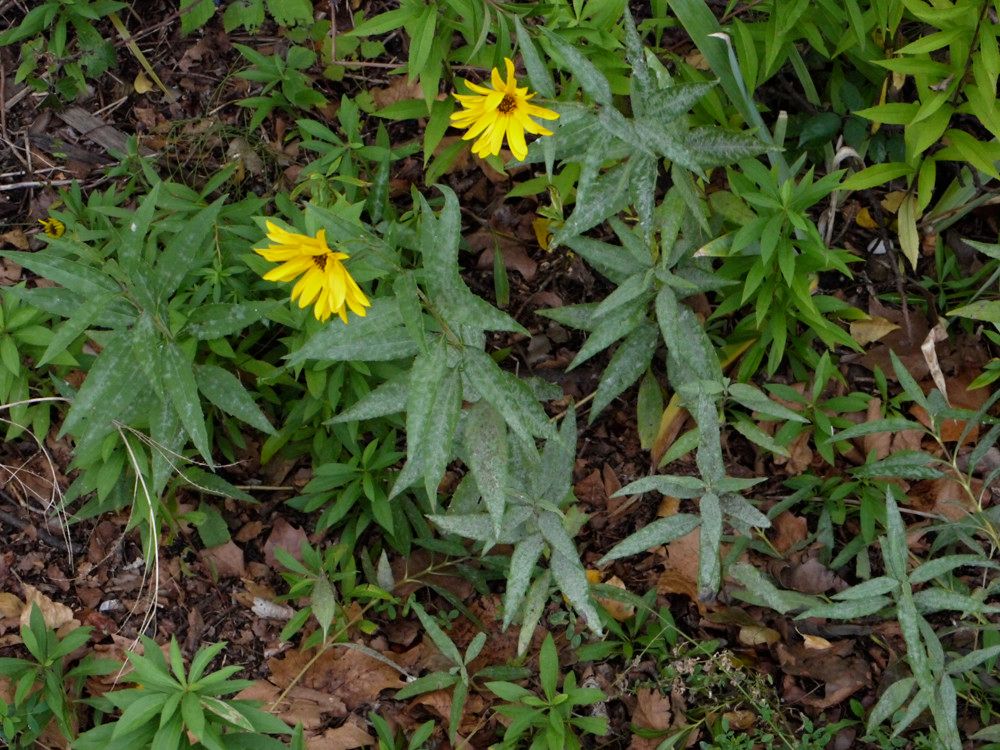
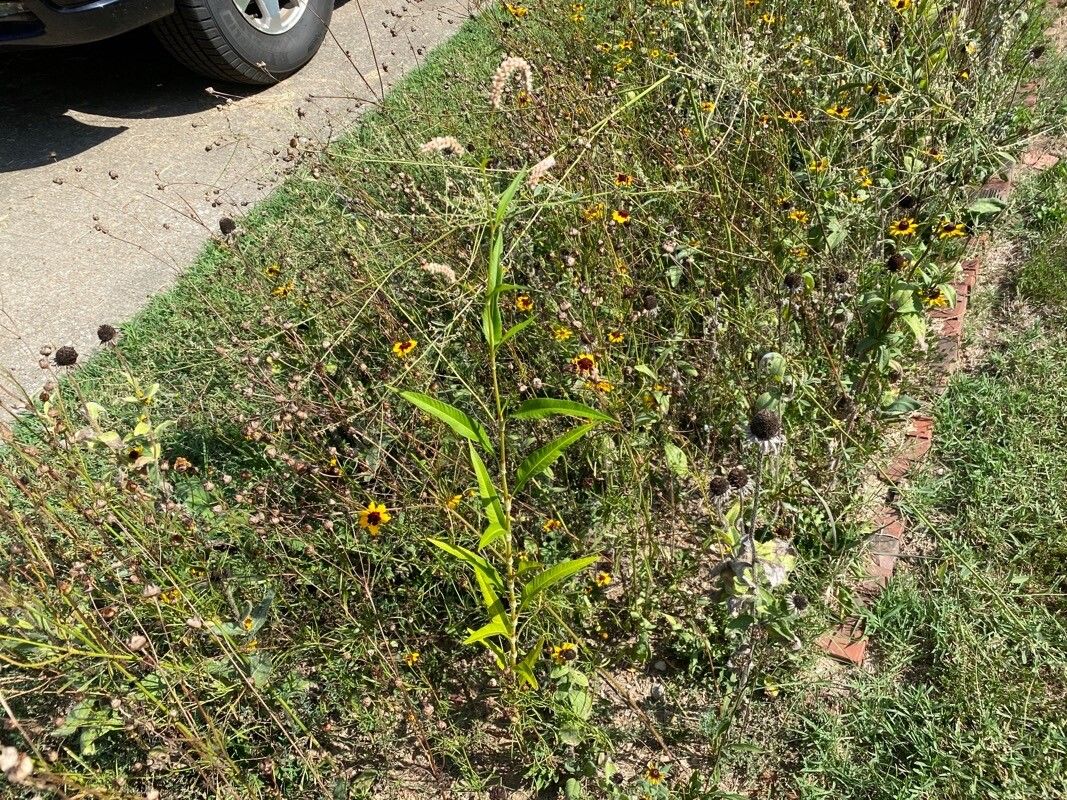
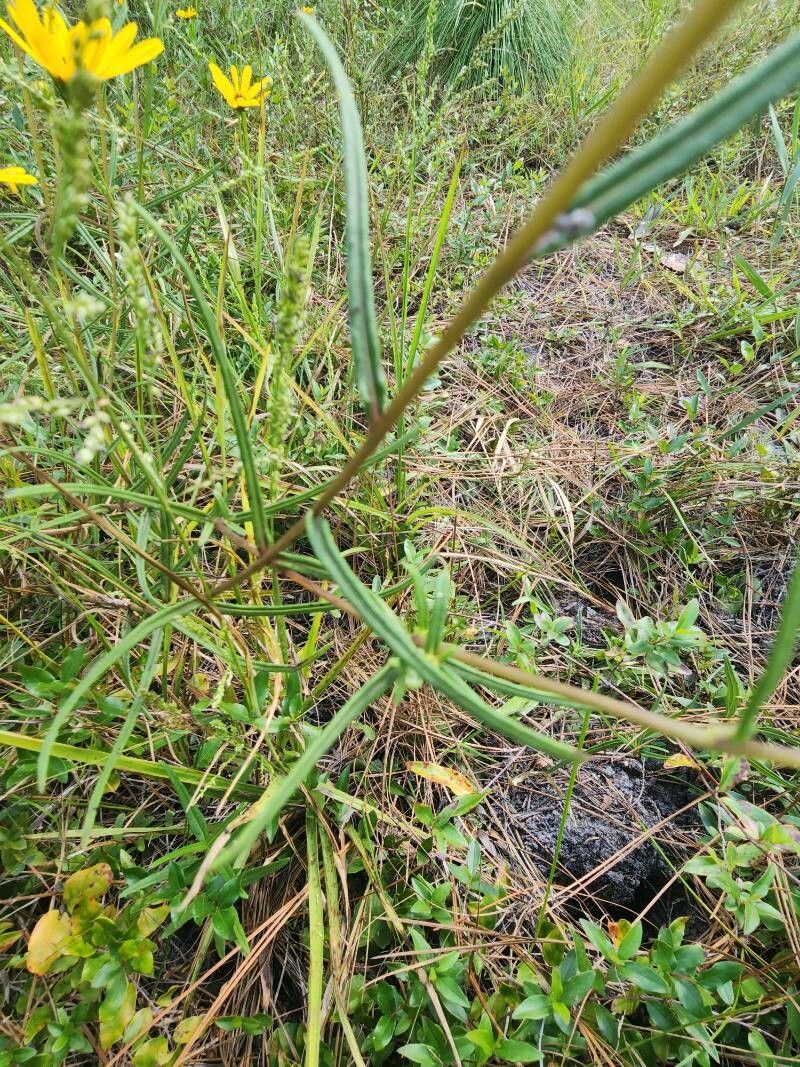
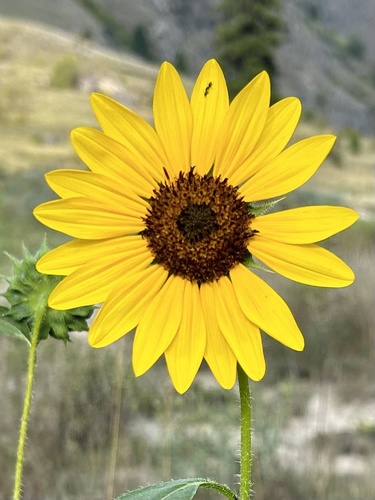
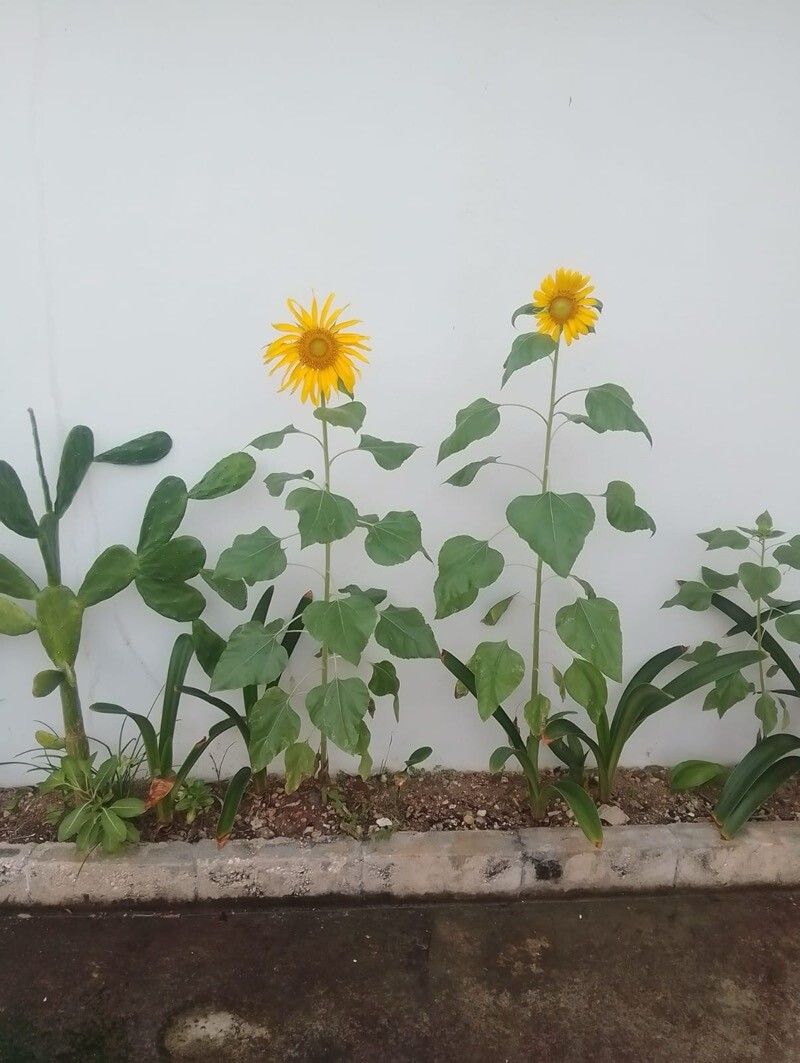
Helianthus strumosus, the pale-leaf woodland sunflower, is a species of sunflower native to North America east of the Great Plains and is in the family Asteraceae. It is a native perennial sunflower that resembles other members of this family including the Pale Sunflower (H. decapetalus), Woodland Sunflower (H. divaricatus), Hispid Sunflower (H. hirsutus), and Jerusalem Artichoke (H. tuberosus). Pale-leaf sunflowers can be found in a diverse range of habitats including woodland areas, prairies, and meadows, providing that these habitats have access to partial sun.
Thinleaf sunflower has good resistance to disease and is generally not highly prone to illnesses. It can, however, be vulnerable to pests and diseases present in its environment. These infections are typically not severe. In terms of care, this plant requires moderate maintenance. It should be pruned regularly to keep a neat appearance and support healthy growth. Fertilizing can also help encourage flowering. Thinleaf sunflower is suitable for anyone with outdoor space, such as a garden or patio, and does not demand extensive care experience. It may need more attention when grown indoors.
How to keep Helianthus Strumosus.
Light
Thinleaf sunflower requires plenty of sunlight to thrive and can tolerate somewhat reduced light. It comes from habitats where sunlight is abundant, which supports its healthy growth. Any imbalance in light—either too much or too little—endangers the plant's vitality.
Water
The Paleleaf Woodland Sunflower thrives best in moist conditions but can tolerate moderate drought. It typically needs watering every 1-2 weeks. While it benefits from natural rainfall when grown outdoors, ensuring adequate hydration during the growing season is essential for vibrant flowering and robust growth. However, it's important to avoid waterlogging to maintain the plant's health.
Temperature
Thinleaf sunflower is native to regions with temperatures between 41 and 95 °F (5 to 35℃). This plant favors milder climates and achieves optimal growth in moderate conditions. Seasonal temperature changes should be managed carefully to avoid damage from extreme conditions.
Fertilizer
The best time to fertilize a Thinleaf sunflower is in early spring, as it comes out of dormancy and starts active growth. Fertilizing supplies essential nutrients for healthy development. Although Thinleaf sunflowers require relatively little fertilizer, an annual application can improve their survival and encourage better, longer-lasting blooms.
Pruning
Pruning paleleaf woodland sunflowers improves both their growth and appearance. The best time to do this is from early to late spring. Start by cutting old stems down to ground level to stimulate new growth and prevent diseases. Thinning the plants will also help improve air circulation. Maintaining their shape is crucial for healthier blooms. For the best results, always use clean, sharp tools.
Botanical profile.
- Plant Type
- Herb
- Life Cycle
- Perennial
- Genus
- Helianthus
- Family
- Asteraceae
- Hardiness Zone
- 5-10
- Mature Height
- 0.61 m to 1.52 m
- Mature Spread
- 61 cm to 91 cm
- Leaf Color
- Green
- Leaf Type
- Deciduous
- Flower Color
- Yellow, Gold
- Flower Size
- 2.54 cm to 7.62 cm
- Bloom Time
- Mid summer
- Planting Time
- Spring
- Harvest Time
- Mid summer, Late summer
Other names.
Reader questions.
How should I water my Paleleaf woodland sunflower?
When watering the Paleleaf woodland sunflower, it is best to use filtered water at room temperature or slightly warmer. This is because tap water may contain harmful particles for the plant. The sunflower prefers warmer water as it comes from a warm environment and can be shocked by cold water. It is important to avoid overhead watering as it can lead to problems with the foliage. Instead, apply filtered water to the soil until it is completely soaked. This soaking method is beneficial for the plant as it helps moisten the roots and allows them to spread through the soil to gather necessary nutrients.
Why should I add fertilizer to my Paleleaf woodland sunflower?
The main structure of the Paleleaf woodland sunflower is made up of its leaves. Fertilization is an important way to ensure that these leaves look great and function properly. It helps maintain consistent color and a healthy texture in the leaves. Fertilization also promotes the growth of new roots and helps maintain the existing root system below the soil's surface. This not only keeps the plant healthy now but also improves its ability to absorb soil nutrients in the future.
What are the sunlight requirements for Paleleaf woodland sunflower?
Paleleaf woodland sunflower, known botanically as Helianthus strumosus, thrives in full sun conditions, which means it requires more than 6 hours of sunlight daily. However, it can also tolerate partial sun, receiving about 3-6 hours of sunlight. It's essential to observe the movement of sunlight through your garden to identify spots that offer an ideal balance of light and shade, ensuring optimal growth and happiness of the plants.
What is the botanical name of the Paleleaf woodland sunflower?
The botanical name of the Paleleaf woodland sunflower is Helianthus strumosus.
What should I do if I give too much water or too little water to my Paleleaf woodland sunflower?
Overwatering is a more common issue than underwatering for the health of your Paleleaf woodland sunflower. Too much water can cause wilting, yellowing leaves, and diseases like root rot, mold, and mildew that can be fatal. Underwatering is less common, but can make the leaves brittle and brown. It is important to identify signs of overwatering early to prevent irreversible damage, so reduce watering if you notice early signs. Check the soil drainage and replace if necessary. For underwatering, simply increase the frequency of watering until the signs improve.
When should I put fertilizer on my Paleleaf woodland sunflower?
To properly care for your Paleleaf woodland sunflower, it is important to observe the emergence of new growth in early spring as this signals the appropriate time to start fertilization for the year. While a single application of fertilizer during spring is generally sufficient, if you desire to optimize the growth of your Paleleaf woodland sunflower, you have the option to repeat the feeding multiple times throughout the spring and early summer. In this case, it is recommended to feed your Paleleaf woodland sunflower approximately once every month to a month and a half.
How important is artificial lighting for indoor plants?
Artificial lighting plays a crucial role for indoor plants, especially when natural sunlight is insufficient, such as during winter or in less sunny spaces. It promotes faster and healthier growth. LED lights are a popular choice as they can be customized to provide specific wavelengths needed by plants. Full sun plants require 30-50W/sq ft of artificial light, partial sun plants need 20-30W/sq ft, and full shade plants need 10-20W/sq ft. Placing the light source 12-36 inches above the plant and mimicking natural daylight hours, usually 8-12 hours per day, is essential for optimal growth.
How frequently should I water my Paleleaf woodland sunflower?
If your Paleleaf woodland sunflower is in a pot, the most precise way to determine if it needs water is to check the moisture level of the soil by inserting your finger into it. If the top two to three inches of soil feel dry, it is time to water the plant. If you are growing the Paleleaf woodland sunflower outdoors in the ground, you can use the same method to test the soil. Again, if the top few inches of soil have dried out, it is time to water the plant. During the spring and early fall, you will typically need to water this plant about once a week using this method. However, in extremely hot weather, you may need to increase watering frequency to around twice a week or more. Nonetheless, mature and well-established Paleleaf woodland sunflowers have shown a great ability to withstand drought.
When should I not add fertilizer to my Paleleaf woodland sunflower?
During late fall and winter, the Paleleaf woodland sunflower goes into a dormant phase and stops growing. During this time, it's best to avoid fertilizing it. In spring and summer, if you choose to fertilize, start reducing the amount as summer approaches since the sunflower's growth rate also slows down. It's never a good idea to fertilize the Paleleaf woodland sunflower when the weather is unusually hot or the soil is excessively dry, as this can stress the plant and cause it to die prematurely.
What are the symptoms of inadequate lighting for Paleleaf woodland sunflower?
When the Paleleaf woodland sunflower is exposed to inadequate lighting, several symptoms can manifest. These include smaller new leaves, leggy or sparse growth, faster leaf drop, slower or halted growth, lighter-colored new leaves, and specific conditions such as chlorosis, sunscald, leaf curling, wilting, and leaf scorching. These symptoms indicate that the plant is not receiving the optimal light levels for its growth and health.
How much water does my Paleleaf woodland sunflower require?
When watering your Paleleaf woodland sunflower, make sure to give it plenty of water. Wait until the top two to three inches of soil are dry, then give the plant a thorough watering. The goal is to fully saturate the soil, so water it enough that excess water flows out of the drainage holes in the pot. If you don't see any excess water draining, you may have not watered enough. However, be careful not to let water accumulate in the soil, as this can harm the plant. If water isn't draining properly, it may indicate poorly draining soil, which is bad for the plant. If the plant is outside, getting about 1 inch of rain per week should be enough.
What kind of plant food does my Paleleaf woodland sunflower need?
Choosing the best fertilizer for a Paleleaf woodland sunflower is fortunately quite straightforward. These plants will flourish with a general-purpose garden fertilizer that contains equal amounts of nitrogen, phosphorus, and potassium. A fertilizer with a 10-10-10 ratio or similar will be highly effective. It is advisable to avoid fertilizers with high nitrogen content when uncertain. The majority of recommended fertilizers for a Paleleaf woodland sunflower are readily available in granular form. These slow-release fertilizers are easy to apply to the soil. Additionally, feeding your Paleleaf woodland sunflower with an organic soil amendment like compost can be beneficial.