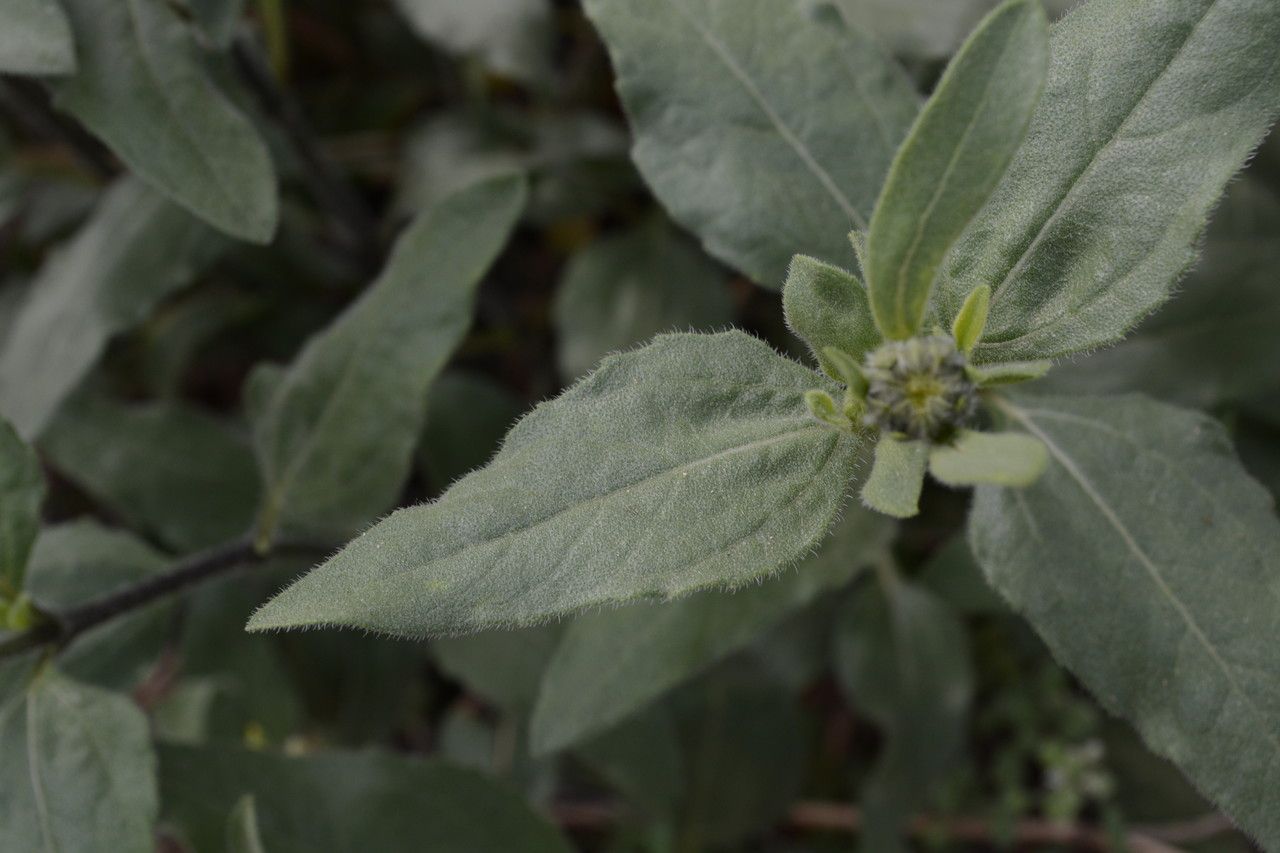
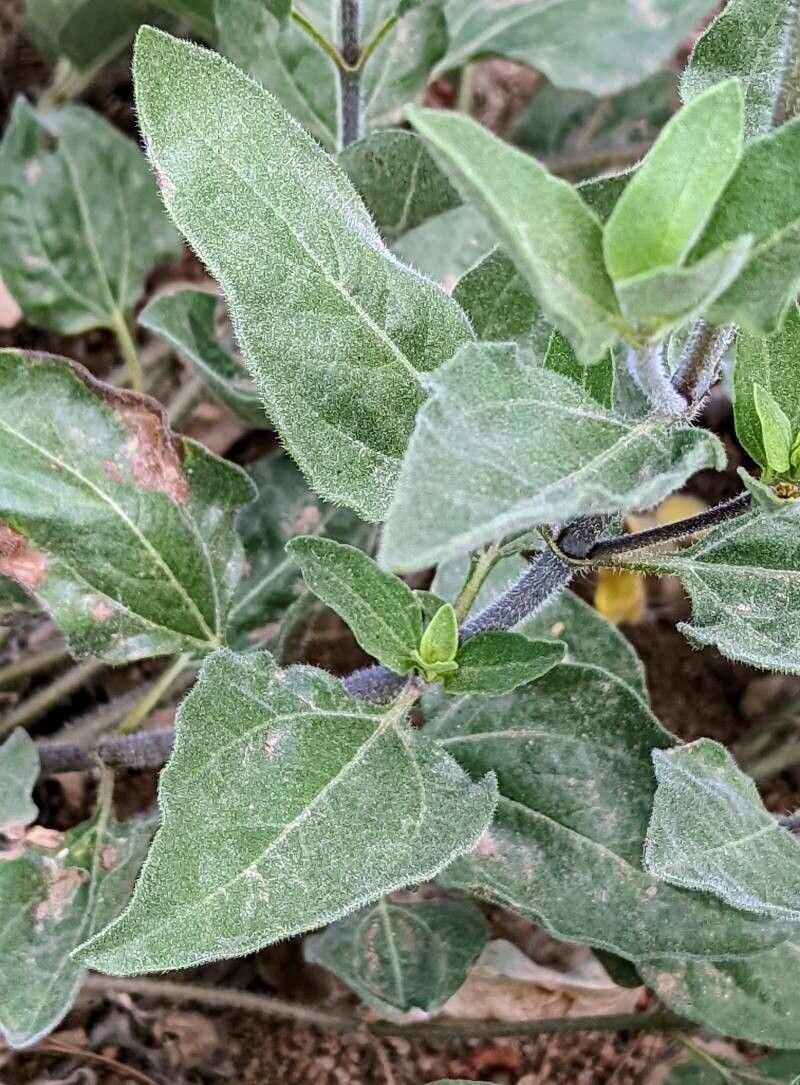
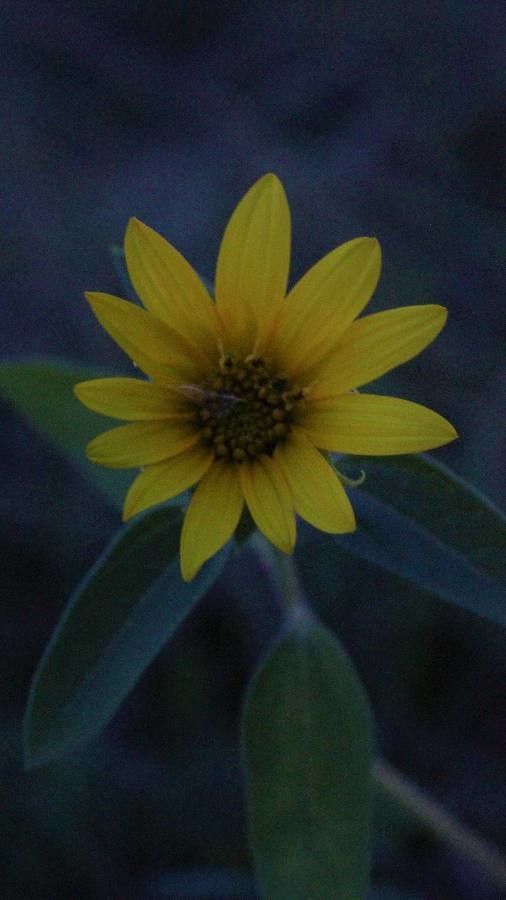
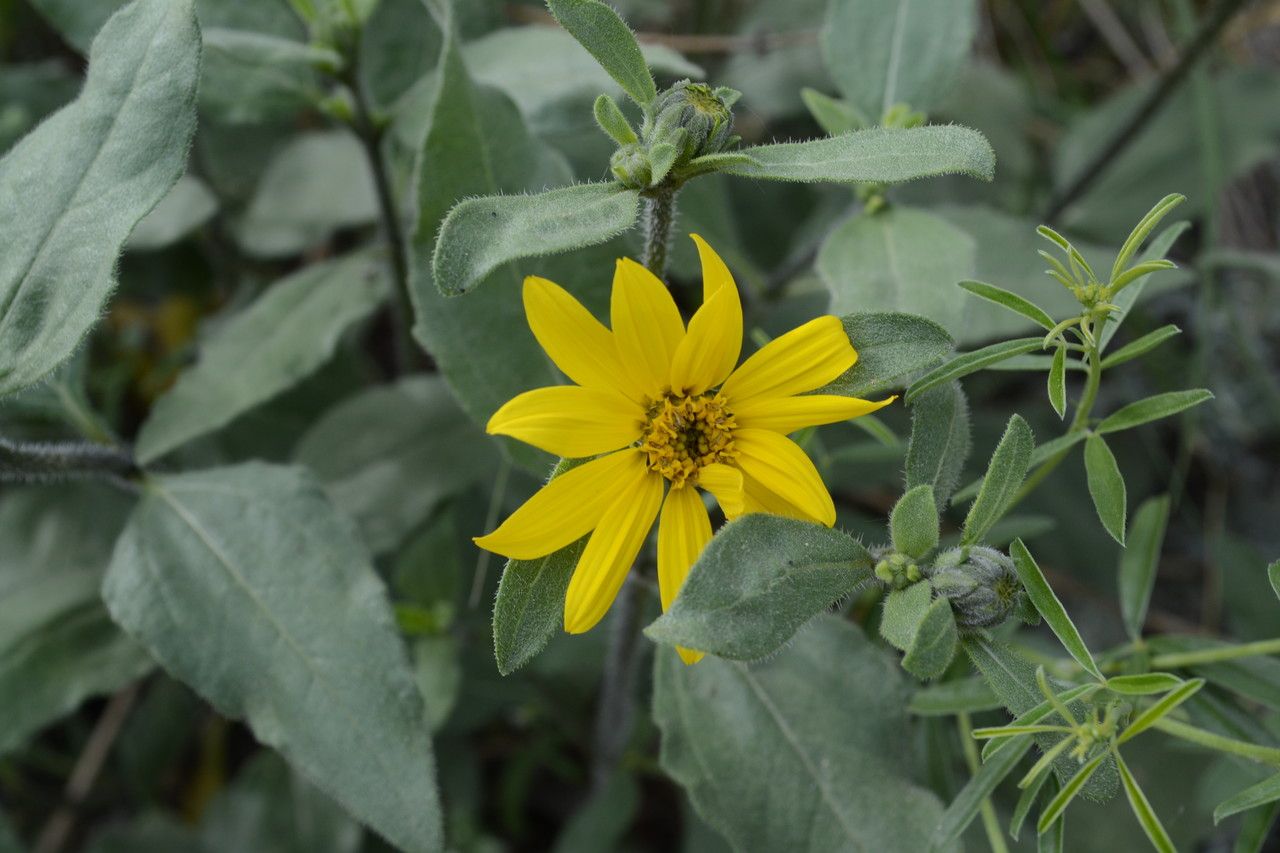
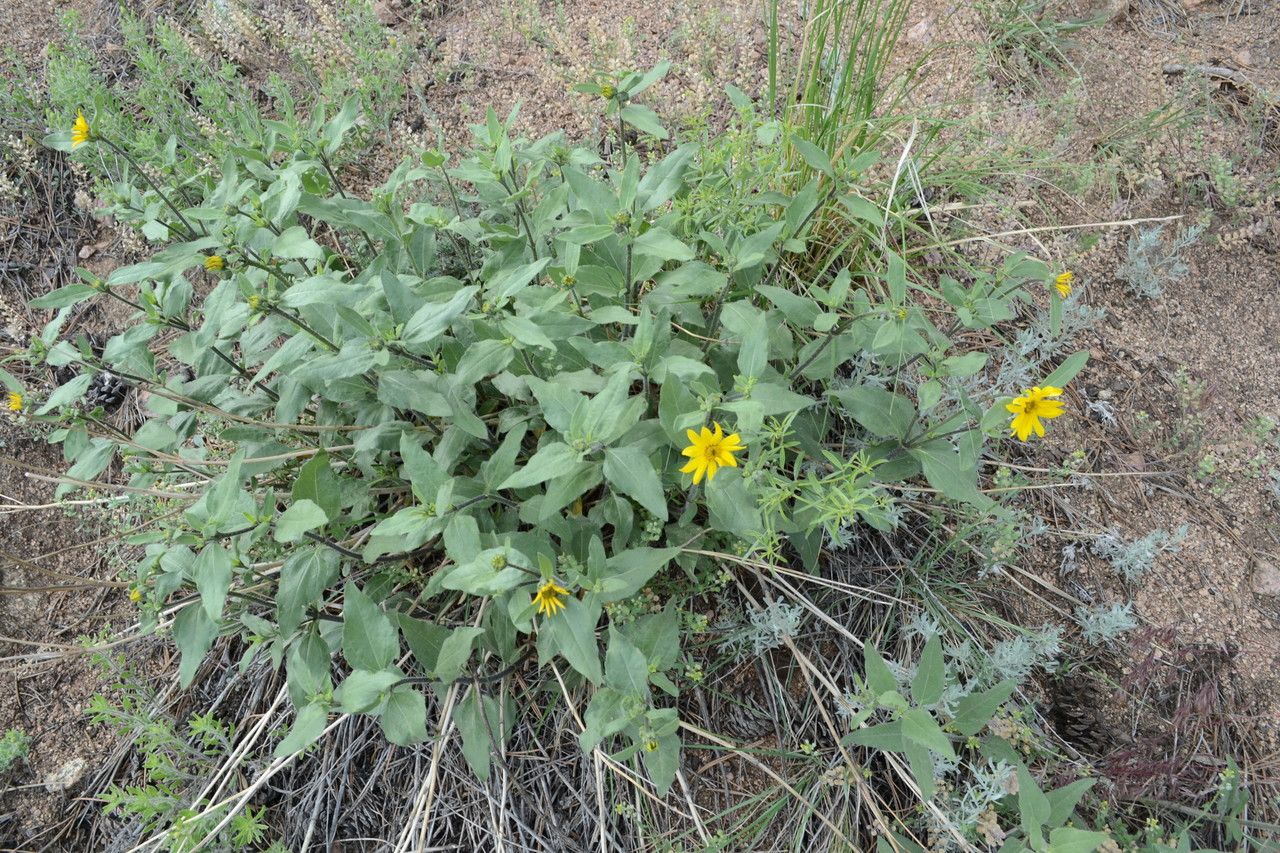
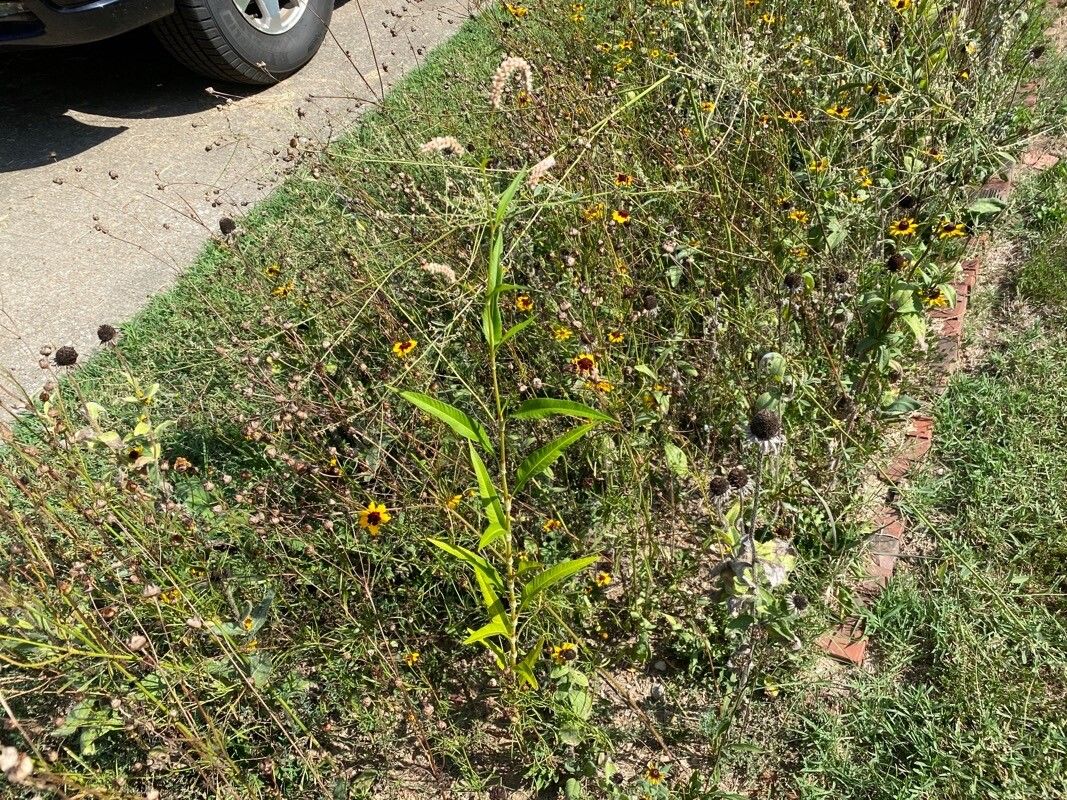
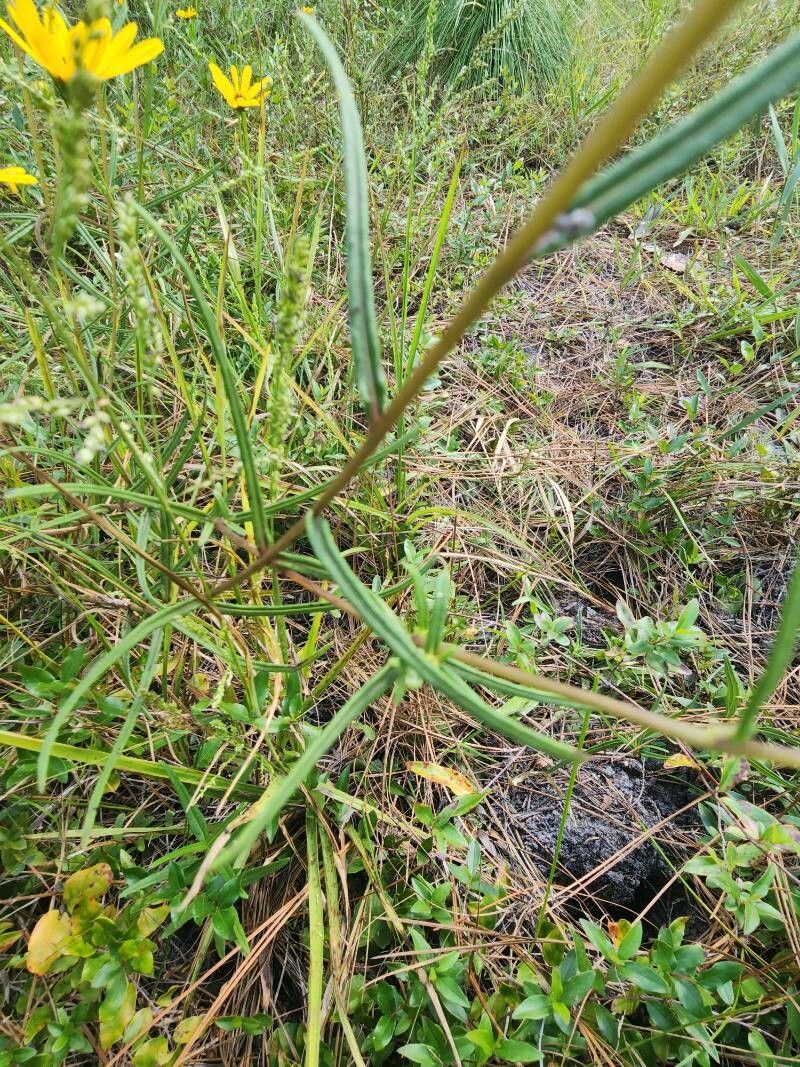
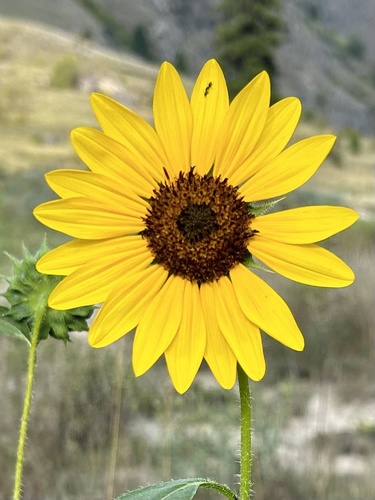
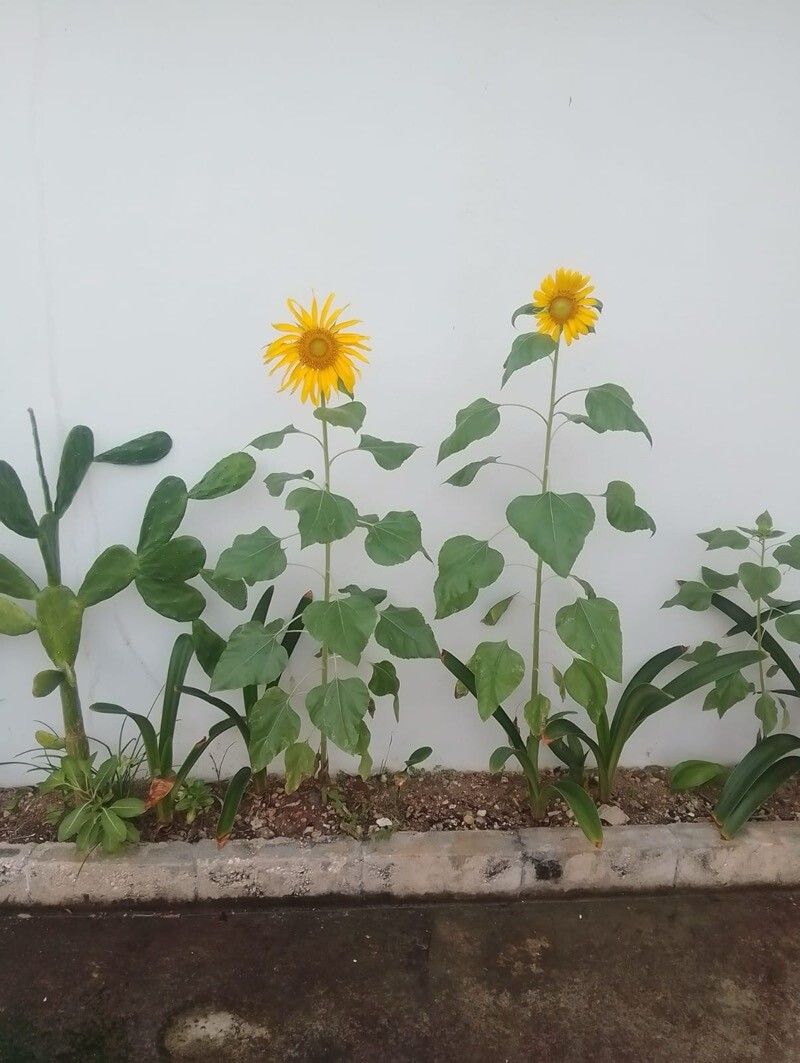
Helianthus pumilus is a North American species of sunflower known by the common name little sunflower or bush sunflower. It is found in the western United States, primarily the Rocky Mountain region of Montana, Wyoming, and Colorado, with a few isolated populations in Utah and Idaho.Helianthus pumilus grows on dry rocky soil in the mountains and nearby plains. It is a perennial herb up to 100 cm (40 inches) tall. One plant usually produces 1-6 flower heads, each containing 8-13 yellow ray florets surrounding 30 or more yellow or brown disc florets.
Common sunflower is generally resistant to disease and usually not susceptible to it. However, it may be prone to leaf spots if light and ventilation are poor and watering is excessive. The plant's care level is considered easy, since it only requires regular watering and little else. Common sunflower is suitable for those who do not have the time and energy to devote to regular care.
How to keep Helianthus Pumilus.
Light
The typical sunflower flourishes when it is exposed to plenty of light for the majority of the day. It can continue to bloom healthily even if there is a reduction in light for several hours. Accustomed to a surplus of sunlight in its natural, open setting, it can, however, experience less blooming if it gets too little sunlight, while an excess might result in the plant's color fading or wilting.
Temperature
The common sunflower originates from climates where the average temperature typically fluctuates between 68 and 95℉ (20 to 35℃). These are the conditions in which it flourishes most. Altering the temperature to stay within this span, depending on the time of year, may potentially promote ideal growth.
Fertilizer
When most of the blossoms on a Common sunflower have completely bloomed, it indicates it's the right time to resume fertilizing. Start the fertilizing process once again when the flowers are in their prime, typically once every three to four weeks depending on the weather conditions. Once the Common sunflower begins to produce fewer fresh blossoms, cease the fertilization as it becomes unnecessary when the plant is not capable of generating more blooms.
Pot & Repot
For repotting the Common sunflower, choose a pot with a diameter 1-2 inches bigger, making sure it has excellent drainage. Opt for a potting mix that drains well, and think about integrating perlite for additional drainage. Carry out the repotting in the spring or early summer, water it thoroughly and place it in a moderately shaded area at first.
Botanical profile.
- Plant Type
- Herb
- Life Cycle
- Annual
- Genus
- Helianthus
- Family
- Asteraceae
- Hardiness Zone
- 4-8
- Mature Height
- 0.91 m to 3.05 m
- Mature Spread
- 30 cm to 91 cm
- Leaf Color
- Green
- Leaf Type
- Deciduous
- Flower Color
- Yellow, Gold
- Flower Size
- 10.16 cm to 30.48 cm
- Bloom Time
- Summer
- Planting Time
- Spring, Summer
- Harvest Time
- Mid summer, Late summer, Early fall
- Native Area
- Belize, Honduras, Mexico, Guatemala, El Salvador
Other names.