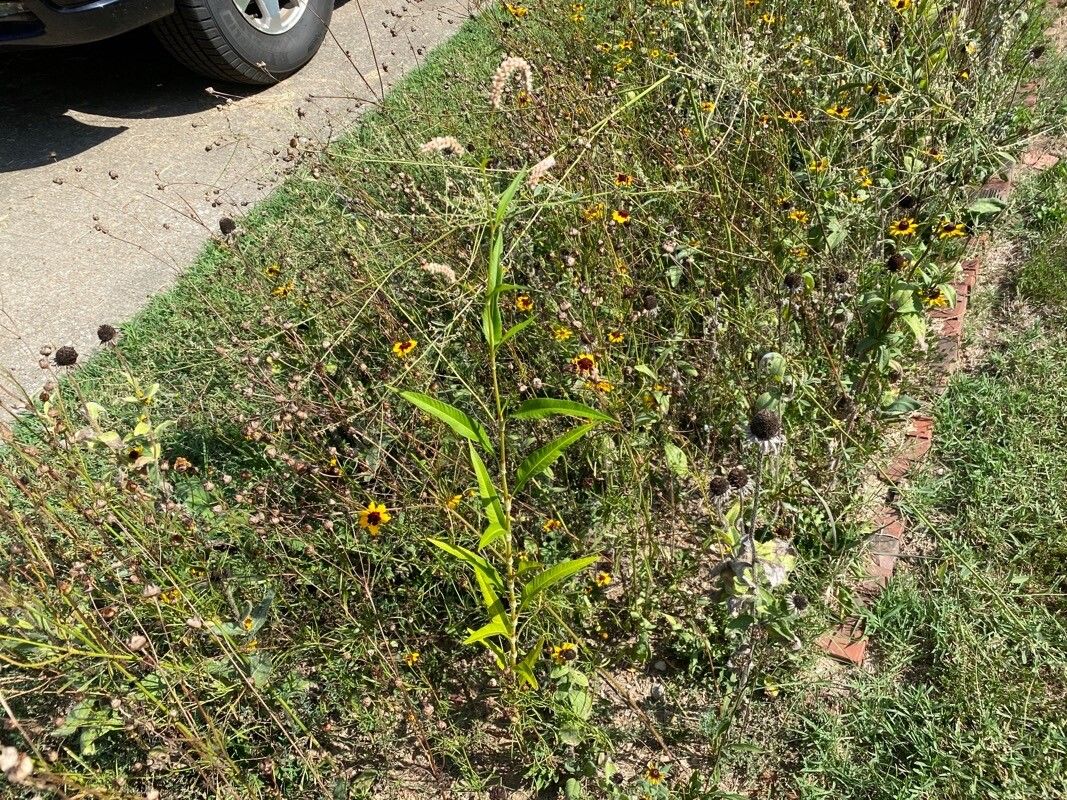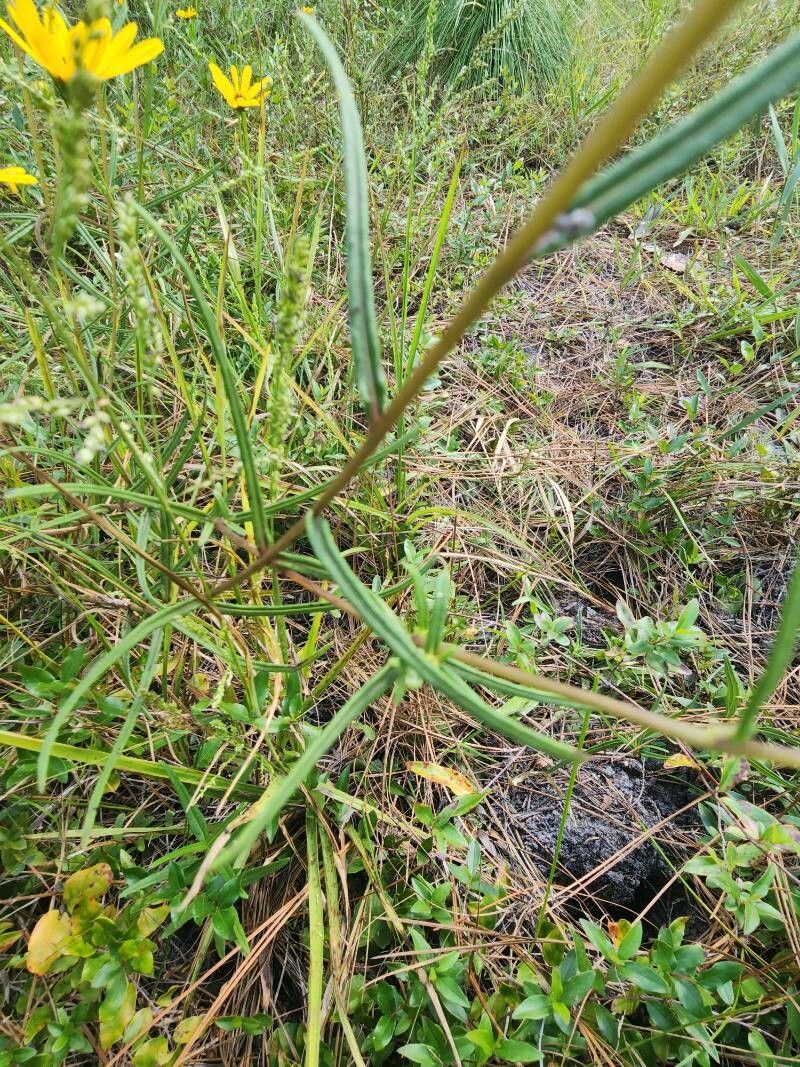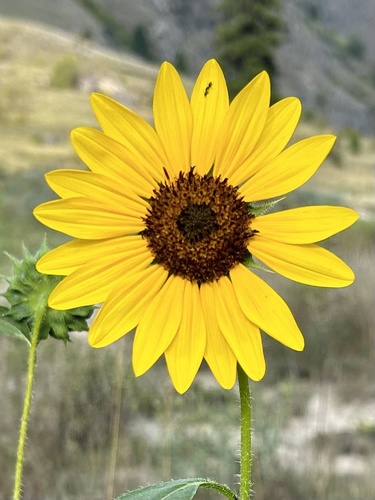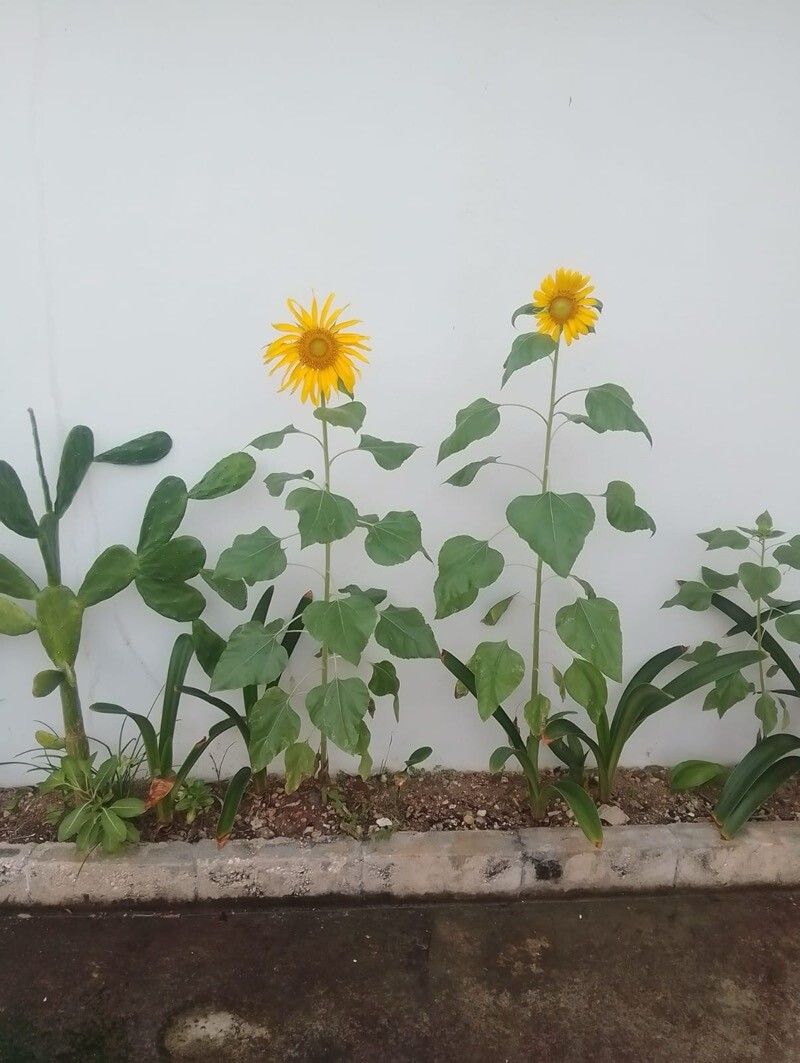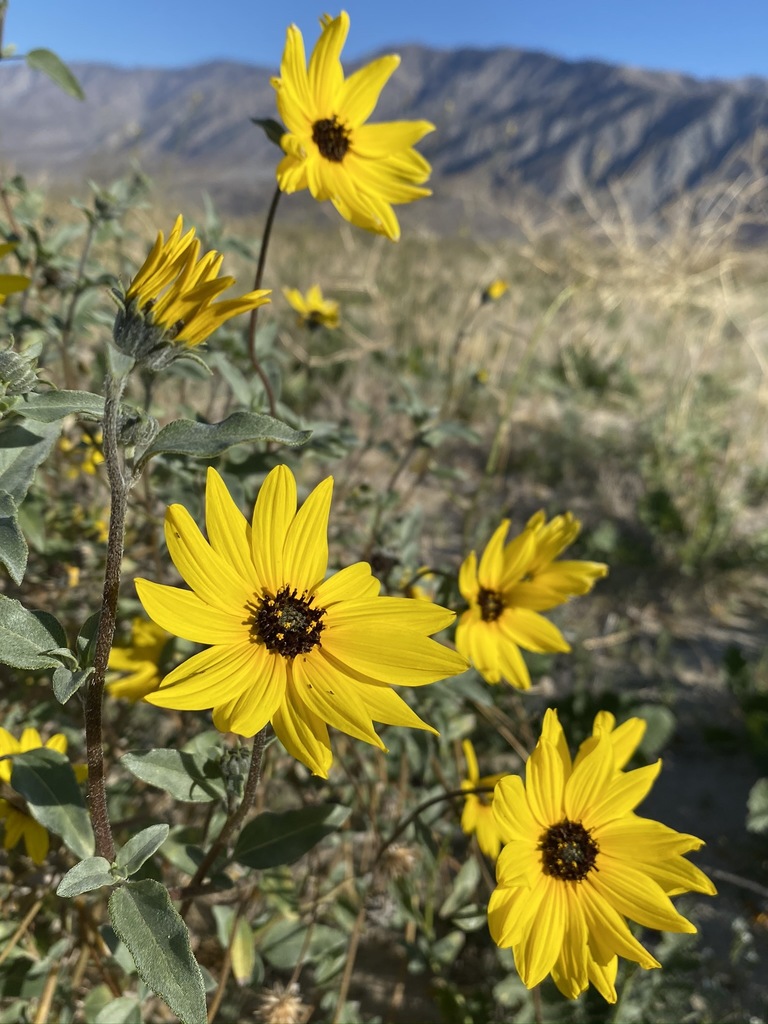
Helianthus petiolaris is a North American plant species in the family Asteraceae, commonly known as the prairie sunflower or lesser sunflower. Naturalist and botanist Thomas Nuttall was the first to describe the prairie sunflower in 1821. The word petiolaris in Latin means, “having a petiole”. The species originated in Western United States, but has since expanded east. The prairie sunflower is sometimes considered a weed.
Prairie Sunflower, scientifically known as Helianthus petiolaris, belongs to the sunflower family. The term "sunflower" is derived from the Greek words "helios," meaning sun, and "anthos," meaning flower. These words combine to form "helianthus," the botanical name for the sunflower. The species name "petiolaris" refers to the presence of a petiole.
Prairie Sunflower has good resistance to disease and is generally not susceptible to illnesses. Still, it can be affected by pests and diseases present in its environment. These problems are usually not serious. As for care, this plant requires moderate maintenance. It should be pruned regularly to keep a neat appearance and encourage healthy growth. Fertilizing can also help boost flowering. Prairie Sunflower is well suited for anyone with outdoor space, such as a garden or patio, and does not demand much gardening experience. It may need extra care when grown indoors.
How to keep Helianthus Petiolaris.
Light
Prairie Sunflower does best with abundant sunlight and does not depend on shade for healthy growth. Originating from open habitats, the plant takes in plenty of sun, which benefits its development. A lack of sunlight may impede its growth, while it can tolerate excessive sun without suffering significant harm.
Water
The Prairie Sunflower thrives in dry environments due to its drought tolerance and needs only moderate watering each week. It prefers well-drained soil to prevent waterlogging. This herbaceous plant grows best outdoors with full sunlight and responds well to rainfall during the growing season.
Temperature
Prairie Sunflower comes from areas that experience moderate temperatures year-round. It favors a balmy climate and grows best between 68 and 95 °F (20 to 35 °C). When seasons change, small adjustments may be needed to replicate the temperatures of its native habitat.
Fertilizer
When the Prairie Sunflower has opened most of its flowers to full size, resume fertilizing. Around the period of peak bloom, apply fertilizer every three to four weeks, as weather allows. After the plant begins producing fewer new blooms, stop fertilizing; there's no need to feed it when it can no longer produce additional flowers.
Pruning
Prairie Sunflowers display vibrant yellow blooms and thrive with regular pruning, which includes deadheading and stem maintenance. The ideal time for pruning is from early to late spring. This practice enhances airflow, prevents disease, and promotes bushier growth, ultimately boosting the vitality and appearance of Prairie Sunflowers.
Pot & Repot
To ensure optimal growth and prevent waterlogging, the Prairie Sunflower needs excellent drainage when potted. Proper drainage is essential for maintaining the plant's health and vitality, as it helps prevent root rot.
Botanical profile.
- Plant Type
- Herb
- Life Cycle
- Annual
- Genus
- Helianthus
- Family
- Asteraceae
- Hardiness Zone
- 3-8
- Mature Height
- 0.4 m to 2.13 m
- Mature Spread
- 30 cm to 91 cm
- Leaf Color
- Green
- Leaf Type
- Semi-evergreen
- Flower Color
- Yellow, Gold
- Flower Size
- 1.02 cm to 2.29 cm
- Bloom Time
- Early summer, Mid summer
- Planting Time
- Spring, Summer
- Harvest Time
- Mid summer
Other names.
Reader questions.
How should I water my Prairie Sunflower?
To water Prairie Sunflower, there are various methods you can use such as a garden hose with a spray nozzle, a watering can, or any other common watering tool. Prairie Sunflower is not particularly choosy about the type of water it receives and can thrive with rainwater, tap water, or filtered water. However, it's better to avoid overhead watering as it can harm the leaves and flowers and potentially lead to disease. A drip irrigation system is often the optimal choice for watering Prairie Sunflower as it ensures even and direct application of water to the soil. If you have a container-grown Prairie Sunflower, the same watering approach applies but you may need to switch to tools like a cup, watering can, or even just pouring water from your tap directly into the soil.
What are the sunlight requirements for Prairie Sunflower?
Prairie Sunflower requires full sun, meaning it needs more than 6 hours of direct sunlight daily for optimal growth. It can also grow in partial sun, with about 3-6 hours of sunlight. It's essential to watch how sunlight moves through your garden to ensure the plants get the right balance of light and shade. Originally from open areas, the Prairie Sunflower thrives under generous solar exposure and does not depend on any shade. However, insufficient sunlight can hinder its development, though it can endure too much sun without significant harm.
What is the ideal temperature range for Prairie Sunflower?
The Prairie Sunflower thrives in moderate temperatures, showing optimal growth in the range of 68 to 95°F (20 to 35°C). It originates from environments with balmy climates and prefers these conditions to flourish. To ensure its health and growth, maintaining the temperature within this range is important, especially during seasonal changes.
What should I do if I give too much or too little water to my Prairie Sunflower?
If you notice that your Prairie Sunflower lacks moisture, the remedy is simple: water it more regularly. Overwatering, on the other hand, can lead to more severe problems, such as diseases that can cause the plant to decline and die. To prevent this, choose a suitable location for your sunflower, one that receives plenty of sunlight to help dry the soil and has good drainage to avoid water pooling. If you're overwatering a potted sunflower, consider switching it to a new pot with better drainage and loose soil.
How do I use artificial lighting for indoor Prairie Sunflowers?
Indoor Prairie Sunflowers require adequate lighting for optimal growth, especially when natural sunlight is insufficient. Artificial lights, like LED, can be used to supplement light, providing the specific wavelengths needed. For full sun plants, 30-50W/sq ft of artificial light is recommended, for partial sun plants 20-30W/sq ft, and for full shade plants 10-20W/sq ft. The light source should be placed 12-36 inches above the plant, mimicking natural sunlight's distance. Generally, most plants need 8-12 hours of light per day.
How does Prairie Sunflower handle cold weather?
Prairie Sunflower possesses strong cold resistance, typically not requiring special frost protection measures during winter. However, in extremely cold conditions where temperatures are expected to drop below -35°C, it's crucial to provide cold protection by covering the plant with soil or straw. Prior to the first freeze in autumn, watering the plant abundantly helps keep the soil moist, supporting the plant through winter and early spring by preventing drought and water scarcity.
How often should I give water to my Prairie Sunflower?
To keep your Prairie Sunflower healthy, it needs regular watering throughout the growing season. In spring, water it once a week. As the season progresses and it gets warmer, you may need to increase watering to two or three times per week. Be careful not to exceed this rate, as it can harm the plant. Make sure the soil remains moist but not wet, regardless of how often you water. If your Prairie Sunflower is in a pot, you'll need to water it more frequently compared to one planted in the ground. Generally, aim for a few times per week instead of just once.
What symptoms indicate Prairie Sunflower is getting inadequate light?
Prairie Sunflower shows several symptoms when it receives inadequate light, including smaller new leaves, leggy or sparse growth, faster leaf drop, slower or no new growth, lighter-colored new leaves, chlorosis, sunscald, leaf curling, wilting, and leaf scorching. These symptoms range from the plant's growth becoming thin and stretched to issues like the loss of leaf greenness and the presence of dry, crispy leaf edges, indicating light deficiency and overexposure.
What are the symptoms of low temperature exposure in Prairie Sunflower?
When exposed to low temperatures, especially below -35°C, Prairie Sunflower may experience a decrease in sprouting or fail to sprout at all during springtime, though it might not show noticeable changes during winter. It's crucial to keep the plant in temperatures above 0°C during winter to prevent such issues. Affected plants should have the parts that failed to sprout removed in spring as a part of their care regimen.
How much water does my Prairie Sunflower need? Can you please simplify it for me?
Determining how much water to give your Prairie Sunflower can be done in a few different ways. Some gardeners prefer to check the moisture of the soil and water until the top six inches feel moist. Another approach is to follow a set measurement, usually around two gallons per week, based on factors like temperature and how quickly the soil dries. However, blindly following guidelines may result in overwatering if your plant needs less water. When growing Prairie Sunflower in a container, you'll need to adjust your method. Make sure to water enough to moisten all dry soil layers by checking with your finger or looking for excess water draining from the pot.
How can I improve light conditions for my indoor and outdoor Prairie Sunflowers?
For indoor Prairie Sunflowers, gradually move them to a sunnier location each week until they receive at least 6 hours of direct sunlight daily, using a south-facing window and keeping curtains open during the day. Consider using artificial light for large or immovable plants, keeping a desk or ceiling lamp on for at least 8 hours daily. For outdoor plants, adapt them gradually to sunnier locations to avoid sunburn. Minimize obstructions like trees by pruning and transplant smaller plants to sunny spots with good drainage. Although parts of the plant damaged by insufficient light may not recover, new growth will be healthy after adjusting light exposure.
How should Prairie Sunflower be cared for during high temperatures?
In conditions of high temperatures, specifically when exceeding 35°C, the Prairie Sunflower may exhibit signs of stress such as lighter colored leaves, curling, susceptibility to sunburn, and, in severe cases, wilting and drying out of the entire plant. To mitigate these issues, sunburned and dried parts of the plant should be trimmed away. It's advisable to relocate the plant to a shaded area during the midday and afternoon sun or to use a shade cloth. Watering the plant in the morning and evening to maintain soil moisture is also beneficial.