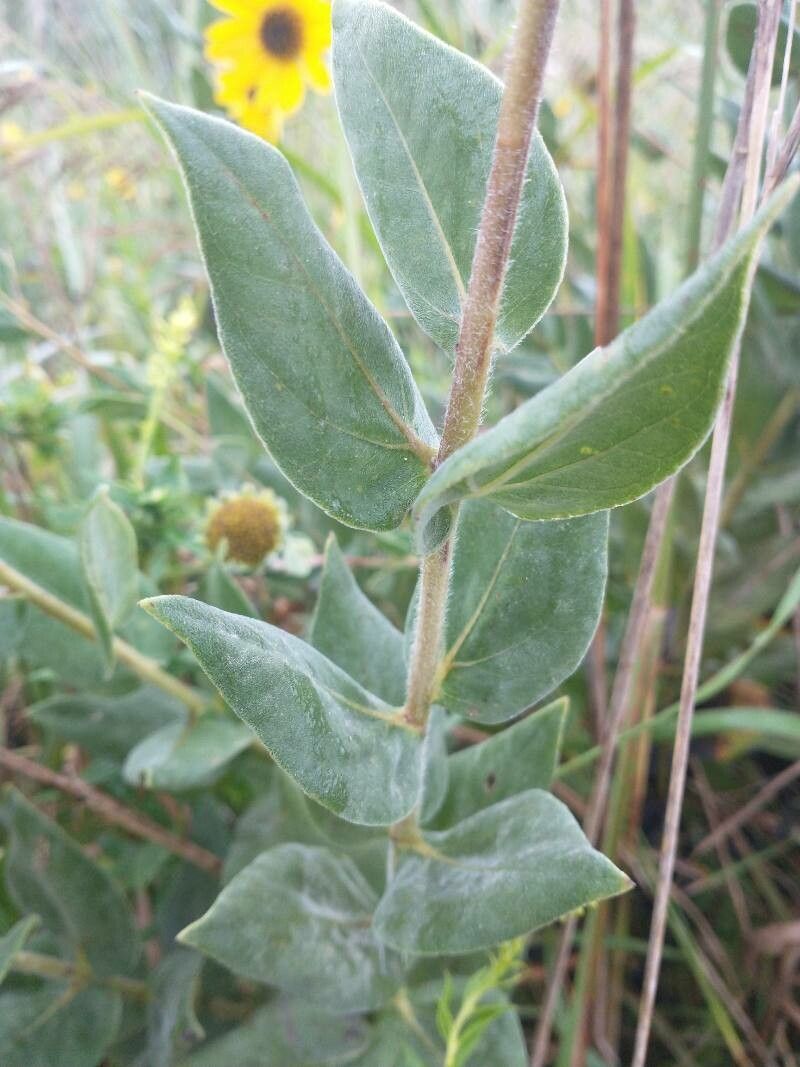
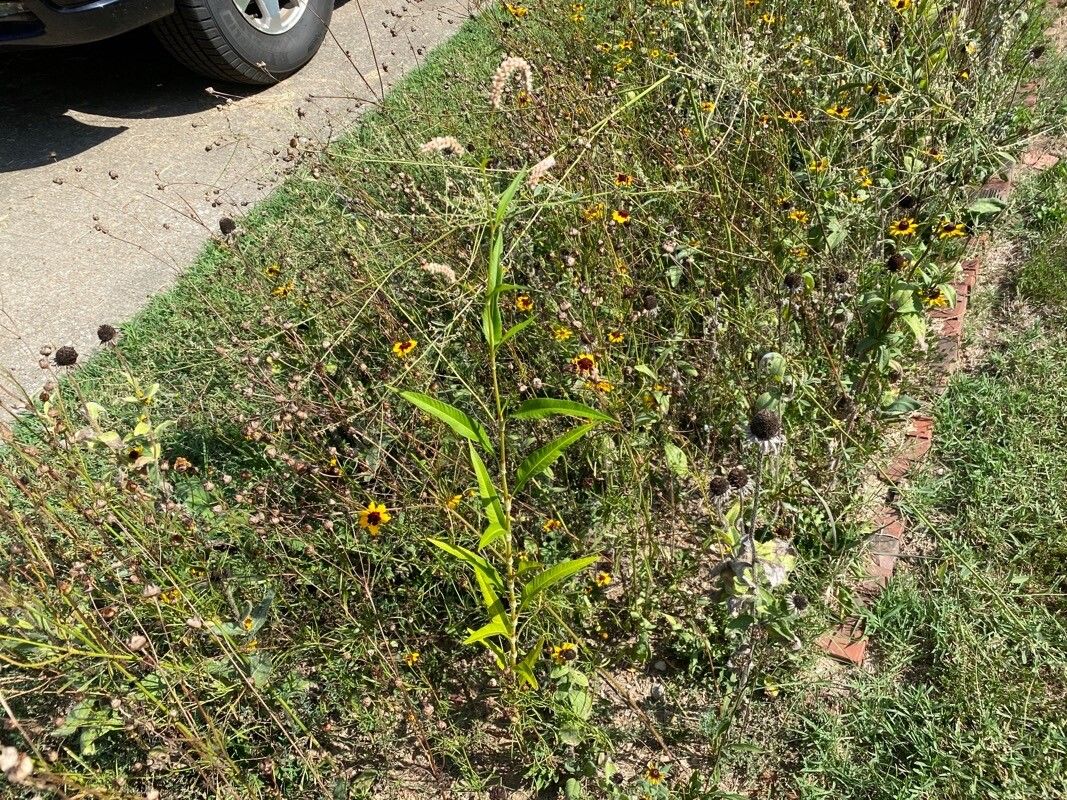
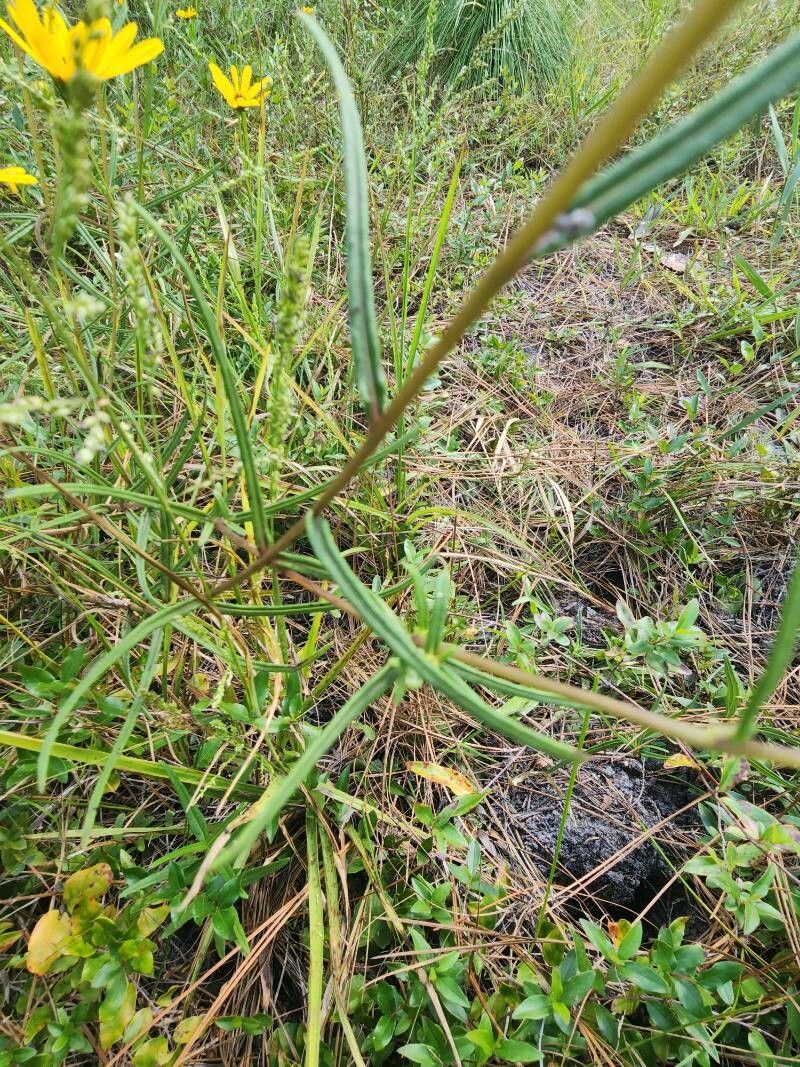
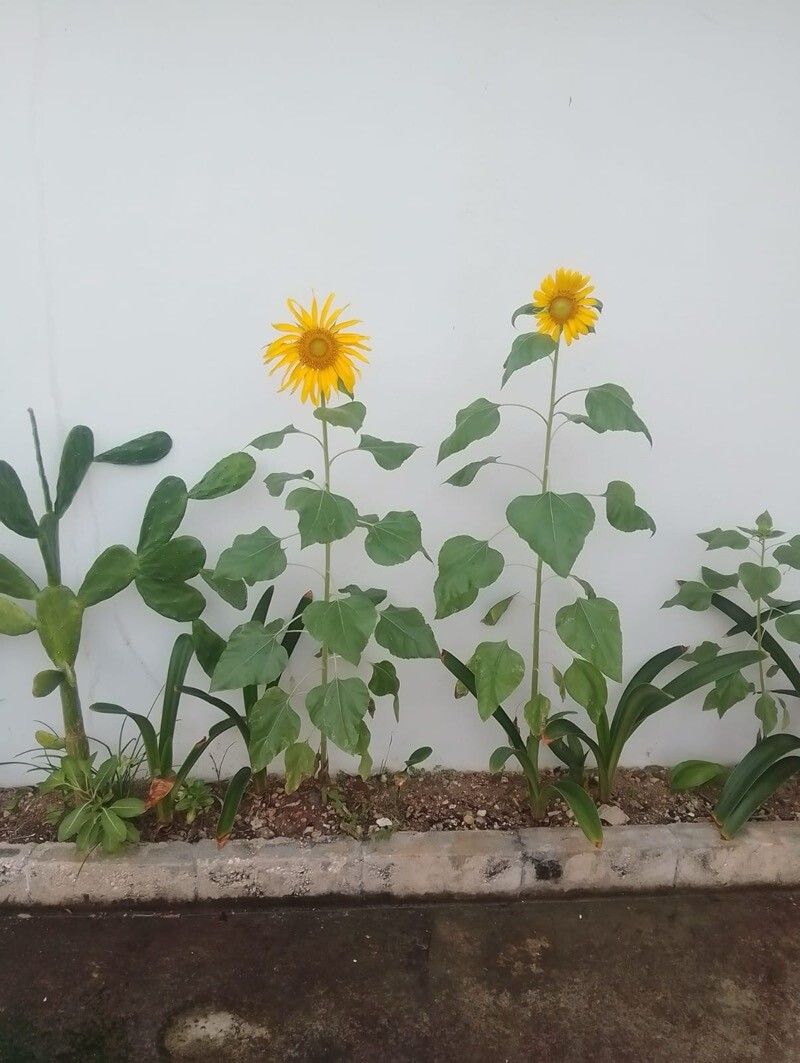
Helianthus mollis is a species of sunflower known by the common names ashy sunflower, hairy sunflower or downy sunflower. It is widespread across much of the United States and Canada, primarily the Great Lakes region from Ontario south to Texas and Alabama. Additional populations are found in the states of the Atlantic Coast from Maine to Georgia, but these appear to be introduced.Helianthus mollis grows on prairies, roadsides, dry open woods, rocky glades, fields, and thickets. It is a perennial herbaceous plant up to 1.5 m (4.9 ft) tall, spreading by means of underground rhizomes. The leaves are mostly along the stem rather than crowded near the base, each egg-shaped with teeth along the edges. One plant produces 1-15 flower heads containing 17-22 yellow ray florets surrounding 75 or more yellow disc florets. Flowers bloom from July to September. The Latin specific epithet mollis means soft and is in reference to the downy plant hairs.
The swollen sunflower is fairly resistant to disease and generally does not tend to develop illnesses. That said, it can be affected by pests and diseases present in its surroundings. These problems are generally not serious. As for care, the plant requires a moderate level of maintenance. It should be pruned regularly to preserve its appearance and support healthy growth. Fertilizing can also encourage it to flower. The swollen sunflower is well suited for anyone with an outdoor area, such as a garden or patio, and does not demand extensive experience in plant care. It may need more attention if grown indoors.
How to keep Helianthus Mollis.
Light
Swollen sunflower flourishes under the continuous rays of the sun. Its health and development are markedly supported by unfiltered exposure to solar energy. At every stage of growth, from seedling to maturity, it favors sunlight. It originates from habitats where abundant solar exposure is the norm. Both excessive and insufficient solar exposure would affect its growth unevenly.
Water
The sunflower, when swollen, thrives best in environments with moderate moisture. To maintain its optimal health, it should be watered weekly. Although it can withstand short periods of drought, the sunflower's water requirements change with the seasons. It needs more water during its growth phase and less during dormancy. When grown outdoors, sunflowers benefit from the natural rainfall patterns found in their native habitat.
Temperature
Swollen sunflower originates from habitats where temperatures range from 41 to 95 °F (5 to 35 °C). It prefers warmer conditions and can acclimate to cooler temperatures during seasonal changes. Moderate temperature adjustments may be needed in extreme seasons.
Fertilizer
The best time to fertilize a Swollen sunflower is in early spring, as it comes out of dormancy and begins active growth. Fertilizing supplies essential nutrients needed for healthy development. While the Swollen sunflower does not require a lot of fertilizer, applying it once a year can improve its survival and encourage stronger, longer-lasting blooms.
Pruning
Sunflowers with thick stems and velvety leaves can benefit from pruning. To maintain their health and appearance, it's best to prune them in early to late spring. Remove any dead stems and thin out congested areas to improve airflow. This promotes bushier growth, prevents diseases, and enhances blooming, ensuring that sunflowers remain a vibrant addition to your garden.
Pot & Repot
A swollen sunflower is not suitable for potting. Make sure to provide the right planting conditions to ensure optimal growth and health.
Botanical profile.
- Plant Type
- Herb
- Life Cycle
- Perennial
- Genus
- Helianthus
- Family
- Asteraceae
- Hardiness Zone
- 5-9
- Mature Height
- 0.61 m to 1.22 m
- Mature Spread
- 30 cm to 91 cm
- Leaf Color
- Green
- Leaf Type
- Deciduous
- Flower Color
- Gold, Yellow
- Flower Size
- 2.54 cm to 5.08 cm
- Bloom Time
- Mid summer, Late summer, Early fall
- Planting Time
- Spring
- Harvest Time
- Early fall, Mid fall
Other names.
Reader questions.
How should I water my big sunflower plant?
Here are some easier-to-follow instructions for watering the Swollen sunflower: - Use filtered water at room temperature or slightly warmer. - Tap water may have harmful particles, so filtered water is recommended for the plant. - Avoid using cold water as it can shock the Swollen sunflower. - Instead of overhead watering, apply the filtered room temperature water directly to the soil. - Make sure to soak the soil completely to benefit the plant's roots. - This helps the roots spread and collect the necessary nutrients.
Why do I have to put plant food on my big sunflower?
Fertilization is important for the Swollen sunflower because it provides essential nutrients for its growth both above and below the ground. Although the fertilization needs for the Swollen sunflower are relatively low, annual fertilization can be highly beneficial. It can help the plant thrive, increase flower quality, and extend their lifespan. Therefore, those who want their Swollen sunflower to look its best should regularly fertilize it.
What are the sunlight requirements for a Swollen Sunflower?
Swollen sunflower requires full sun exposure to thrive, meaning it needs more than 6 hours of direct sunlight daily. However, it can also tolerate partial sun conditions, which entail about 3-6 hours of sunlight. It's important to observe how sunlight moves through your garden to provide the best mix of light and shade for these plants, ensuring their optimal growth and happiness.
What is the native temperature range for Swollen Sunflower (Helianthus mollis)?
Swollen Sunflower (Helianthus mollis) is native to environments with a temperature range of 41 to 95 °F (5 to 35 °C). It thrives in warmer conditions but can also adjust to cooler temperatures seasonally. Even though the plant exhibits strong cold resistance, special frost protection measures might be necessary if winter temperatures are expected to drop below -25°C. Proper cold protection can be provided by covering the plant with materials like soil or straw, and it's advisable to water the plant abundantly before the first freeze in autumn to ensure the soil remains moist and enters a frozen state. This approach helps prevent drought and water scarcity for the plant during winter and early spring.
What should I do if I give my swollen sunflower too much or too little water?
Overwatering is a more common problem for Swollen sunflowers that can cause wilting, yellowing, and diseases like root rot, mold, and mildew. However, underwatering is less common due to the plant's drought tolerance, but it can still cause brittle, brown leaves. It's important to notice and address signs of overwatering early to prevent irreversible damage. If overwatering signs are present, reduce watering and check the soil's drainage. Poor drainage may require replacing the soil. If your sunflower is receiving too little water, simply increase watering until the signs improve.
When should I fertilize my big sunflower plant?
The best time to fertilize a Swollen sunflower is in late winter or early spring when the plant is transitioning from dormancy to active growth. Fertilizing during this time promotes healthy growth, giving the plant a strong start for the season. While early spring is the most beneficial, it is also possible to fertilize in the fall. However, it is not recommended to fertilize during the summer or winter seasons.
How essential is sunlight for the growth of Swollen Sunflower?
Sunlight is crucial for the growth and health of Swollen Sunflower at all stages, from seedling to maturity. Originating from habitats with abundant solar exposure, this plant thrives under uninterrupted sunlight. Both excessive and insufficient exposure to sunlight can adversely affect its growth. In cases where natural sunlight is scarce, especially indoors, artificial lighting such as LED lights can be used to supplement light, with varying wattage requirements depending on whether the plant needs full sun, partial sun, or full shade conditions.
How does Swollen Sunflower respond to low temperatures?
Swollen Sunflower shows a remarkable tolerance to cold, thriving best when temperatures remain above 5°C. Even though it can withstand winters with temperatures staying above -20°C, it's crucial to note that when temperatures fall below -25°C, the plant may not show immediate adverse effects during winter, but you might observe a decrease in sprouting or even no sprouting during springtime. To mitigate this, it's recommended to remove any parts of the plant that have failed to sprout in spring.
How often do I need to water my big sunflower?
If your Swollen sunflower is in a pot, the most precise way to determine if it needs water is to check the soil with your finger. If the first two to three inches of soil are dry, it's time to water it. If you have grown your Swollen sunflower outdoors in the ground, you can use a similar method to test the soil. Once you notice the top few inches of soil have dried out, it's time to water. Generally, during the spring and early fall, you will need to water this plant about once a week using this method. However, in extremely hot weather, you may need to water it twice or more per week. It's worth noting that mature, well-established Swollen sunflowers have a great ability to withstand drought.
When is a bad time to add fertilizer to my bloated sunflower?
To ensure proper care for your Swollen sunflower, it is best to fertilize during late winter and early spring. This plant has low fertilization needs, so a single annual feeding is sufficient. However, it is important to avoid fertilizing during spring, summer, and fall as this can lead to overfertilization and complications. The exception is if you missed fertilizing in spring, then you can feed the plant in fall. Additionally, there is no need to fertilize during winter when the sunflower is dormant and not experiencing new growth.
What are the symptoms of inadequate lighting on Swollen Sunflower?
When Swollen Sunflowers are placed in areas with inadequate lighting, several symptoms can emerge. These include smaller new leaves, leggy or sparse growth, faster leaf drop, slower or no new growth, and lighter-colored or chlorotic leaves. Overexposure to sunlight can also lead to symptoms like sunscald, leaf curling, wilting, and leaf scorching, indicating that the plant is receiving too much sunlight. It's essential to find a balance to prevent these symptoms and ensure the plant's health.
What should I do if Swollen Sunflower experiences high temperatures?
Swollen Sunflower should ideally be kept below 35°C during summer months. Exposure to temperatures above 38°C can lead to several issues such as the leaves becoming lighter in color, prone to curling, susceptibility to sunburn, and in severe cases, wilting and drying out of the entire plant. If such symptoms are observed, it's advisable to trim away the sunburned and dried-up parts. Moreover, relocating the plant to a shaded location or utilizing a shade cloth to protect it from the midday and afternoon sun can be beneficial. Additionally, watering the plant in the morning and evening can help keep the soil moist and prevent further stress.