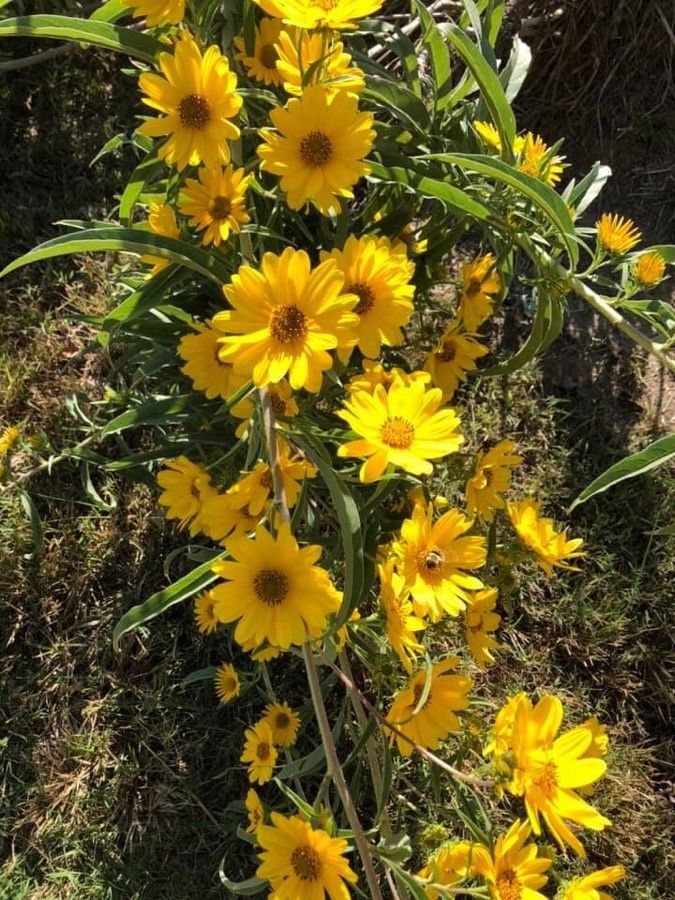
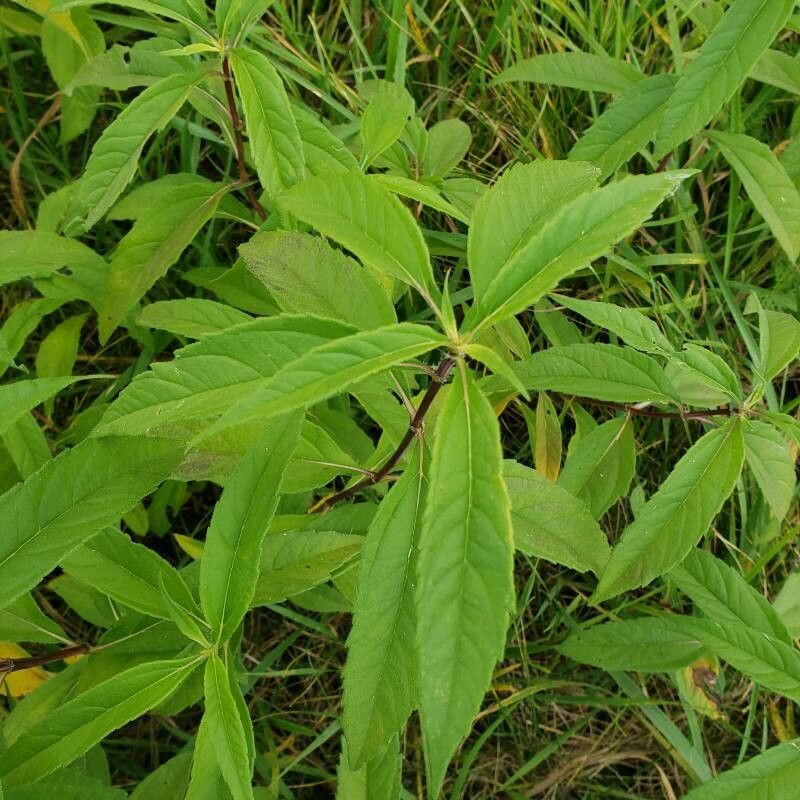
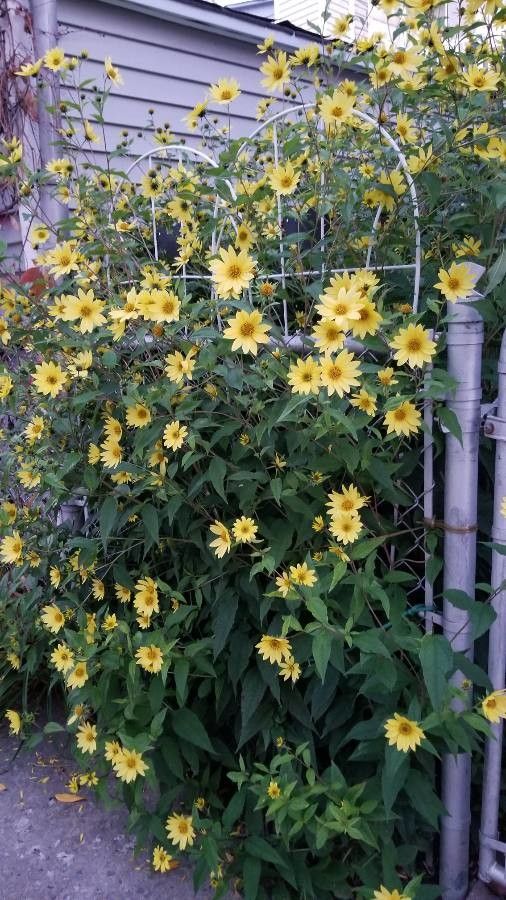
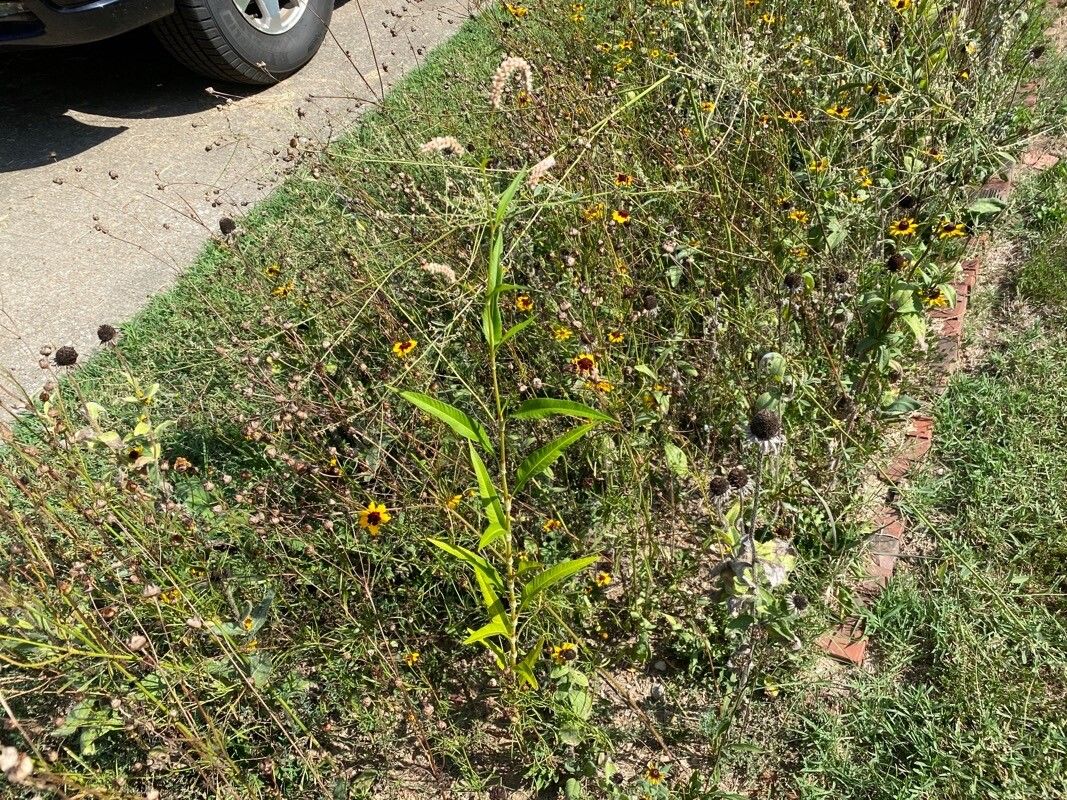
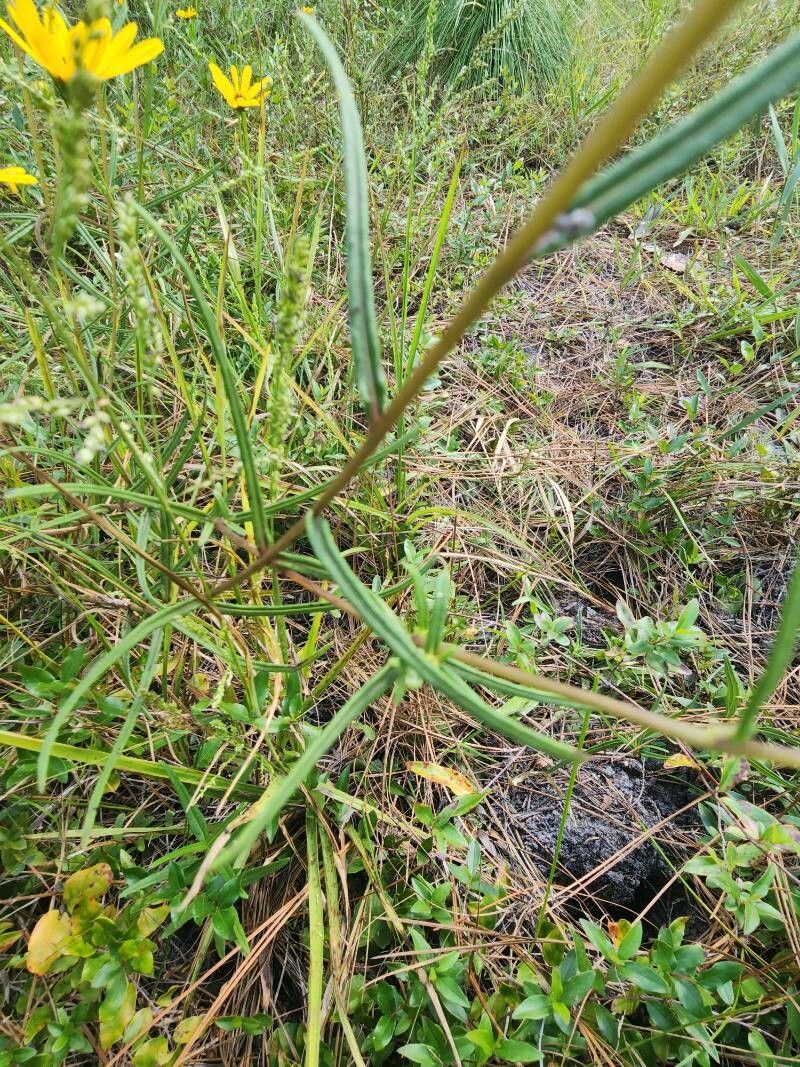
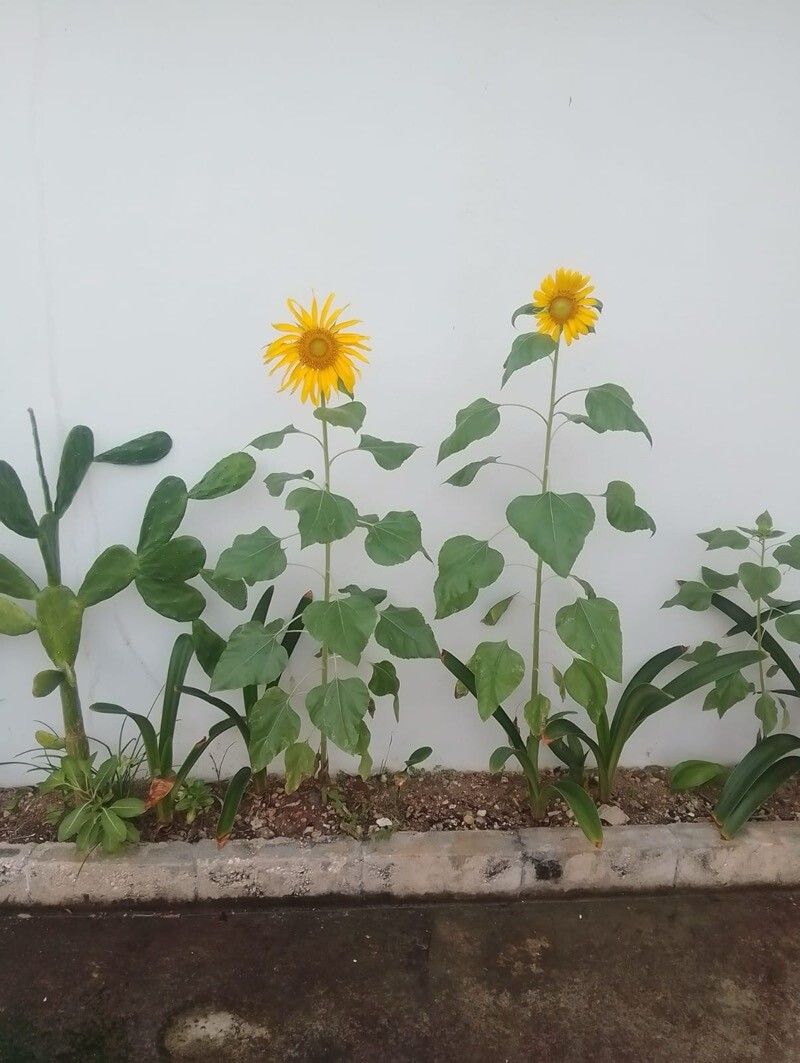
Helianthus grosseserratus, commonly known as sawtooth sunflower or thick-tooth sunflower, is a perennial sunflower in the family Asteraceae, with a large flowering head (inflorescence). The plant may reach 3–12 feet (91–366 cm) in height and is found along streams, damp prairies and roadsides in the eastern and central parts of Canada and the United States, primarily in the northern Great Plains and Great Lakes Region, with additional populations as far as Maine, Georgia, and Texas. It prefers full sun and moist, fertile loamy soil with high organic content.The lanceolate leaves are simple and alternate and may reach 4 to 12 inches (10–30 cm) long and from 1 to 4 inches (2–10 cm) wide. The leaves have large teeth along the edges (hence the name, sawtooth) to occasionally nearly entire and the tips are pointed.The head (formally composite flower) is 3 to 4 inches (7–10 cm) wide with golden-yellow disk flowers that bloom in summer and autumn. The 10-20 yellow ray florets are about 1.5 inches (3.81 cm) long. The fruit is a single achene within a husk.Various insects, birds and mammals (including cattle) feed on either the plant or its seeds.Native Americans used to treat burns with a poultice made from the flowers.
Sawtooth sunflower has good disease resistance and is generally not prone to illnesses. However, it can be vulnerable to pests and diseases present in its environment. These problems are typically not severe. Regarding care, this plant requires a moderate level of maintenance. It needs regular pruning to maintain a neat appearance and healthy growth. Fertilizing can also help encourage flowering. Sawtooth sunflower is suitable for anyone with outdoor space, such as a garden or patio, and does not demand extensive caregiving experience. It may need more attention when cultivated indoors.
How to keep Helianthus Grosseserratus.
Light
For best growth, the sawtooth sunflower needs unblocked sunlight. Evolving in open habitats has made it adapted to abundant sun, and it performs best with continuous sun exposure. Excessive shade or inadequate light can limit its growth, reduce flowering, and may impair its overall health.
Water
The Sawtooth sunflower thrives in moderately moist conditions and benefits from weekly watering to maintain consistent soil moisture. Native to the prairies of North America, this plant can withstand short dry spells. Full sunlight is crucial for its growth, particularly during the flowering season, when adequate water is vital to ensure vibrant blooms.
Temperature
The sawtooth sunflower performs best in its native habitat at temperatures between 32 and 95 degrees Fahrenheit (0 to 35 degrees Celsius). It is recommended to adjust temperatures according to each season.
Fertilizer
The best time to fertilize a Sawtooth sunflower is in early spring, as it comes out of dormancy and starts active growth. Fertilization supplies essential nutrients for healthy development. Although Sawtooth sunflower has relatively low fertilizer requirements, applying fertilizer once a year can boost its survival and encourage improved, longer-lasting blooms.
Pruning
The Sawtooth sunflower benefits greatly from pruning performed from early to late spring. Begin by trimming any damaged stems, then cut back any overgrown parts to improve airflow and light exposure. This practice promotes healthy growth, prevents overcrowding, and encourages a strong structure, all while reducing the risk of disease. Regular maintenance also enhances the plant's appearance and overall health.
Pot & Repot
The Sawtooth sunflower is not ideal for growing in pots. For optimal growth and health, consider other planting options.
Botanical profile.
- Plant Type
- Herb
- Life Cycle
- Perennial
- Genus
- Helianthus
- Family
- Asteraceae
- Hardiness Zone
- 3-9
- Mature Height
- 0.91 m to 3.66 m
- Mature Spread
- 61 cm to 91 cm
- Leaf Color
- Green, Dark Green
- Leaf Type
- Deciduous
- Flower Color
- Yellow, Brown
- Flower Size
- 6.35 cm to 10.16 cm
- Bloom Time
- Mid summer
- Planting Time
- Spring
- Harvest Time
- Mid summer, Late summer
- Native Area
- United States and Canada
Other names.
Reader questions.
How should I water my Sawtooth sunflower?
To successfully water the Sawtooth sunflower, it is best to use filtered water at room temperature or slightly warmer. Tap water may have harmful particles, so filtered water is preferred. The plant is accustomed to warm environments, so cold water can be a shock. It is also important to avoid overhead watering, as it can cause issues with the foliage. Instead, pour your filtered room temperature water onto the soil until it is completely soaked. This helps the plant by moistening the roots and allowing them to spread and absorb the necessary nutrients from the soil.
Why do I have to put plant food on my Sawtooth sunflower?
Fertilization plays an important role in the growth of the Sawtooth sunflower and other plants. It provides crucial nutrients for both the above and below ground parts of the plant. While the fertilization requirements for the Sawtooth sunflower are generally low, annual fertilization can greatly benefit the plant. It not only helps to keep the plant alive but also enhances the quality and longevity of its flowers. Therefore, for those looking to optimize the appearance of their Sawtooth sunflower, keeping up with annual fertilization is recommended.
What are the sunlight requirements for a Sawtooth Sunflower?
Sawtooth Sunflower thrives in locations that receive full sun, which means above 6 hours of direct sunlight per day. However, it can also grow in partial sun conditions, which refers to about 3-6 hours of sunlight daily. It's crucial to observe the movement of sunlight through your garden to find spots that provide the right balance of light and shade, ensuring your plants grow happily and healthily.
What is the ideal temperature range for growing Sawtooth sunflower?
The Sawtooth sunflower, known botanically as Helianthus grosseserratus, thrives in its native environment within a temperature range of 32 to 95 degrees Fahrenheit (0 to 35 degrees Celsius). It is crucial to adjust the temperature settings according to the changes in seasons to ensure the plant's health and growth.
What should I do if I give too much or too little water to my Sawtooth sunflower?
Overwatering is a more common issue than underwatering for Sawtooth sunflowers. Too much water can cause wilting, yellowing, and diseases like root rot, mold, and mildew. Underwatering is less likely, but can make the leaves brittle and brown. It's important to notice signs of overwatering early and reduce watering immediately. Check the soil's drainage; if it's poor, replace it with well-draining potting mix. If your sunflower needs more water, increase watering until the signs of underwatering disappear.
When should I fertilize my Sawtooth sunflower for best results?
The best time to fertilize a Sawtooth sunflower is late winter to early spring. This is when the sunflower is coming out of dormancy and starting to grow actively. Fertilizing during this time helps the plant have a strong start to the season and promotes healthy growth. While it's generally recommended to fertilize a Sawtooth sunflower in early spring, it is also okay to fertilize it in the fall. However, it's not recommended to feed the sunflower during summer or winter.
What are the essentials for growing a Sawtooth Sunflower successfully?
The Sawtooth Sunflower requires unobstructed exposure to sunlight for optimal growth, thriving best under continuous solar influx due to its evolution in open habitats. Poor light conditions can inhibit its growth, lead to poor flowering, and negatively affect its overall health. For indoor plants or those under insufficient natural light, artificial lighting can be a valuable solution. Indoor plants benefit from artificial lights, especially during winter or in less sunny spaces, with LED lights being a recommended option due to their ability to provide specific light wavelengths. The intensity and duration of artificial light should mimic natural sunlight as closely as possible.
Does the Sawtooth sunflower require frost protection in winter?
The Sawtooth sunflower exhibits strong resistance to cold and generally does not require special frost protection measures during winter. However, in cases where winter temperatures are anticipated to fall below -35°C, it becomes important to provide cold protection. This can be achieved by covering the plant with insulating materials like soil or straw. Additionally, watering the plant abundantly before the first freeze of autumn is recommended to keep the soil moist, which helps in preventing drought and water scarcity during the winter and early spring.
How often do I need to water my Sawtooth sunflower?
If your Sawtooth sunflower is in a pot, the best way to check if it needs watering is to feel the soil with your finger. If the top two to three inches of soil are dry, it's time to water it. If you're growing the Sawtooth sunflower in the ground outdoors, you can use the same method to test the soil. Once the top few inches of soil have dried out, it's time to water. In spring and early fall, you'll typically need to water this plant about once a week using this method. During extremely hot weather, you may need to water it two or more times per week. However, it's worth noting that mature and well-established Sawtooth sunflowers have the impressive ability to withstand drought.
When is it not a good idea to use fertilizer on my Sawtooth sunflower?
To properly care for your Sawtooth sunflower, only fertilize it in late winter and early spring. This plant doesn't require much fertilizer, so one feeding per year is enough. Avoid fertilizing during spring, summer, and fall to prevent overfertilization and its associated problems. The only exception is if you skipped fertilizing in spring, then it's okay to feed it in the fall. Additionally, there's no need to fertilize during winter as the plant is in a dormant phase and won't have new growth. Therefore, it's not recommended to fertilize during most of the winter.
What are some symptoms of insufficient sunlight in Sawtooth Sunflowers?
Symptoms of insufficient sunlight in Sawtooth Sunflowers include smaller new leaves, leggy or sparse growth, faster leaf drop, slower or no new growth, lighter-colored new leaves, and symptoms of too much sunlight like chlorosis, sunscald, leaf curling, wilting, and leaf scorching. Such conditions indicate the plant is not receiving adequate sunlight, affecting its ability to photosynthesize and its overall health.
How does Sawtooth sunflower react to low temperatures, and what are the solutions?
The Sawtooth sunflower is well adapted to cold temperatures, preferring conditions above 0°C but capable of withstanding temperatures down to -30°C. When the temperature falls below -35°C, the plant may not show immediate adverse effects during winter, but a decreased sprouting or a total lack of sprouting may be observed in spring. To address this, it is advised to remove any parts of the plant that have failed to sprout in spring.