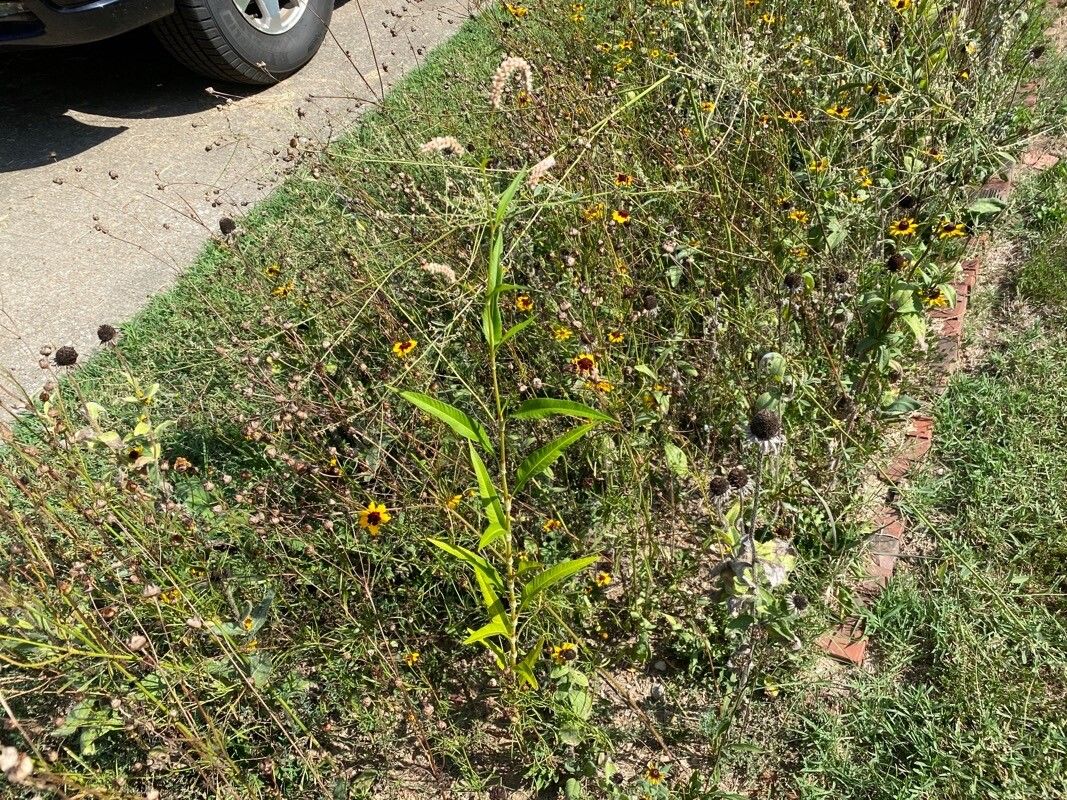
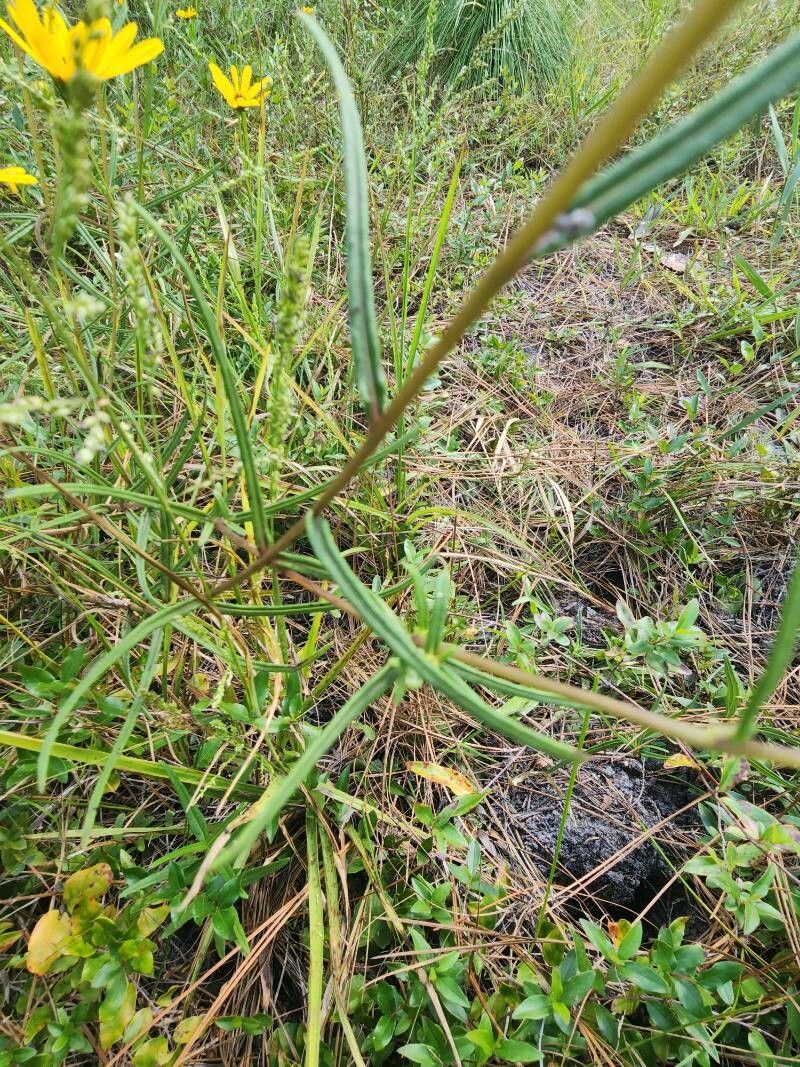
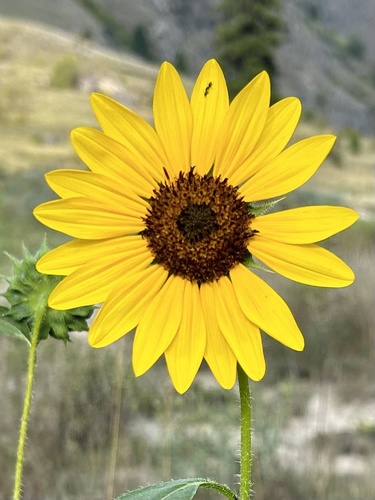
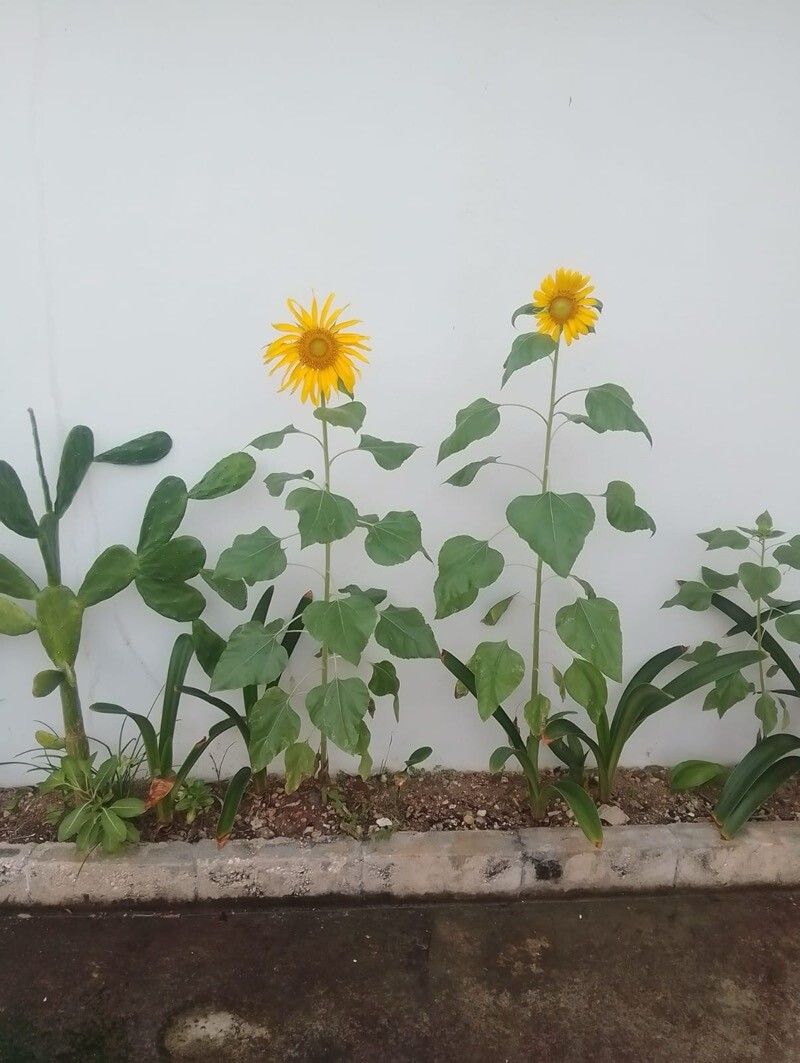
Helianthus gracilentus, commonly known as the slender sunflower, is a species of sunflower native to the central and western United States. This perennial plant can grow up to 6 feet tall and features slender stems with narrow leaves. The yellow flowers, which have dark centers, bloom from July to September.
Slender sunflowers typically thrive in prairies, meadows, and along roadsides, particularly in dry or sandy soils. They serve as a crucial food source for birds and other wildlife and are also popular in gardens due to their attractive flowers. However, they can become invasive if not properly managed, as they can spread quickly through rhizomes or seeds.
Overall, Helianthus gracilentus is a beautiful plant that plays a significant role in its native ecosystem. It offers aesthetic value to gardeners and nature enthusiasts who appreciate its beauty.
Slender sunflower has good disease resistance and is generally not prone to illnesses. It can, however, be susceptible to pests and diseases present in its environment. These infections are usually not severe. Regarding care, this plant requires a moderate level of maintenance. It should be pruned regularly to maintain an attractive appearance and healthy growth. Fertilizing can also help encourage flowering. Slender sunflower is suitable for anyone with outdoor space, such as a garden or patio, and does not demand extensive care experience. It may require more attention when grown indoors.
How to keep Helianthus Gracilentus.
Light
The slender sunflower is a sun-loving, perennial herbaceous plant native to open habitats and commonly found in meadows and grasslands. It prefers full sun but can also tolerate partial sun.
Water
For optimal growth, slender sunflowers need moist soil during sowing and transplanting. It's important to increase watering during the seedling and blooming stages. While a small amount of drought can encourage root growth, it's crucial to avoid letting the soil become overly dry. When grown in pots, slender sunflowers require frequent watering to prevent wilting; however, be careful not to overwater, as this can lead to yellowing of the leaves.
Temperature
Slender sunflower can adjust to a wide variety of temperature conditions, but its range may still be restricted by different combinations of moisture and heat. It performs best in warm summer climates with adequate rainfall or irrigation. Extended stretches of cloudy, rainy weather or prolonged high temperatures can raise the chance of Slender sunflower dying. In winter, shielding it from cold can enhance the plant's survival rate.
Fertilizer
One fertilizer application in spring is generally enough for the Slender sunflower, though repeated feedings can help maximize growth. Apply fertilizer every one to one and a half months. Fertilizing improves the leaves’ appearance and function, maintaining even color and a healthy texture. It also encourages root development and nutrient uptake, supporting the plant’s long-term health.
Pruning
To promote the health and vibrancy of slender sunflowers, it's beneficial to perform early spring pruning. Focus on removing any dead or weak growth to encourage lush flowering and prevent overcrowding. Use clean, angled cuts to trim back to a healthy leaf node. This method stimulates new growth and enhances the vibrancy of the flowers in the following season.
Botanical profile.
- Plant Type
- Herb
- Life Cycle
- Perennial
- Genus
- Helianthus
- Family
- Asteraceae
- Hardiness Zone
- 7-10
- Mature Height
- 0.61 m to 1.22 m
- Mature Spread
- 30 cm to 61 cm
- Leaf Color
- Green, Dark Green
- Leaf Type
- Deciduous
- Flower Size
- 5.08 cm to 7.62 cm
- Bloom Time
- Summer
- Planting Time
- Spring, Summer
- Harvest Time
- Late summer, Early fall
- Native Area
- Mexico
Other names.
Reader questions.
What are the sun requirements for a Slender sunflower (Helianthus gracilentus)?
The Slender sunflower (Helianthus gracilentus) requires a specific amount of sunlight to thrive. For full sun, it needs above 6 hours of sunlight daily. If it's in partial sun, about 3-6 hours of sunlight each day is sufficient. It's important to observe how sunlight moves through your garden over the day. Choosing the right spots that offer a good balance of light and shade is crucial for the plants' health and happiness.
What is the Slender Sunflower?
The Slender Sunflower, scientifically known as Helianthus gracilentus, is a species of sunflower. While specific details such as its essential characteristics, content, and any additional information are not provided, it is classified under the Helianthus genus, which consists of plants well-known for their significance in agriculture and horticulture.
What is a warning to consider about the sunlight requirements for growing Slender sunflowers?
When caring for Slender sunflowers, it's essential to be mindful of how the sunlight moves through your garden. The placement of your plants can significantly impact their growth and health. The warning to consider is ensuring that you find the perfect balance of light and shade for your plants. This balance is critical for their overall happiness and well-being, so taking the time to observe and choose the right spots is crucial.