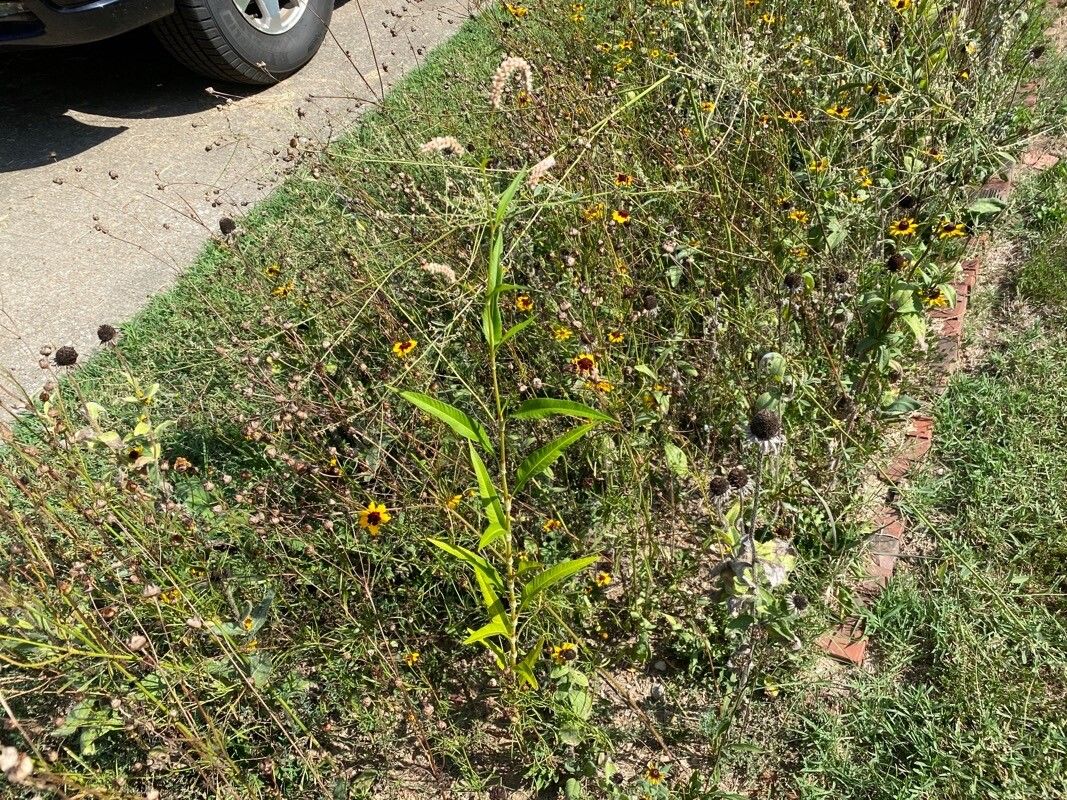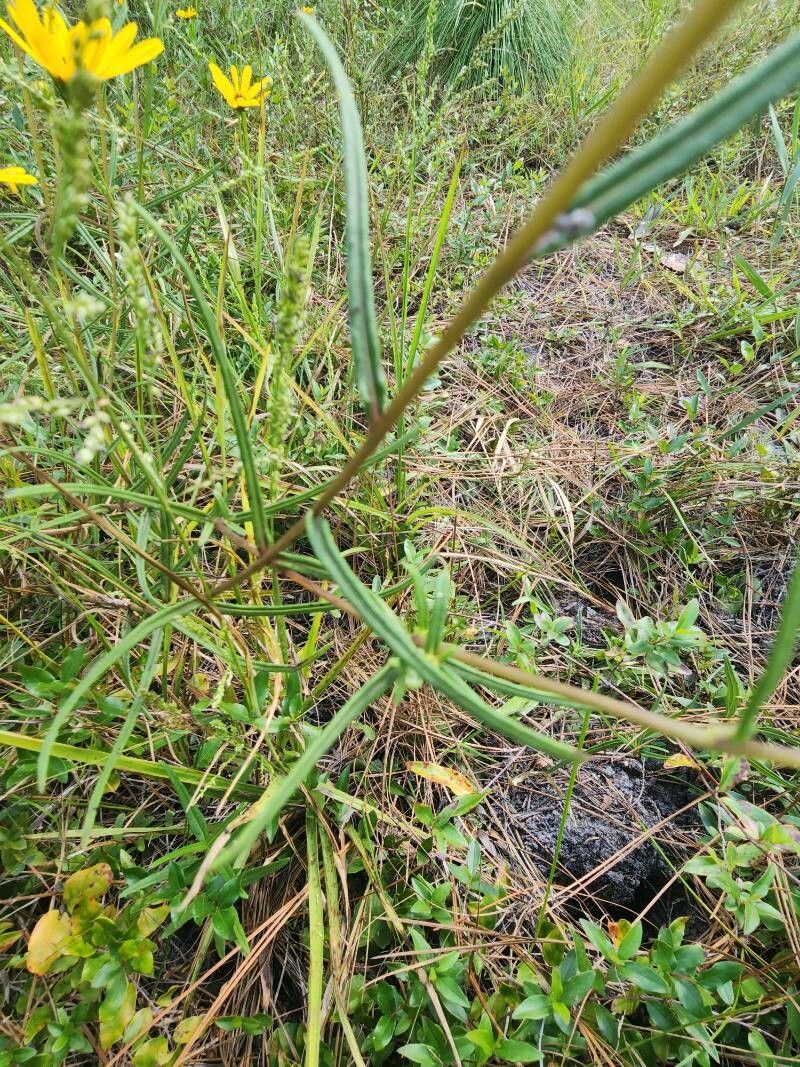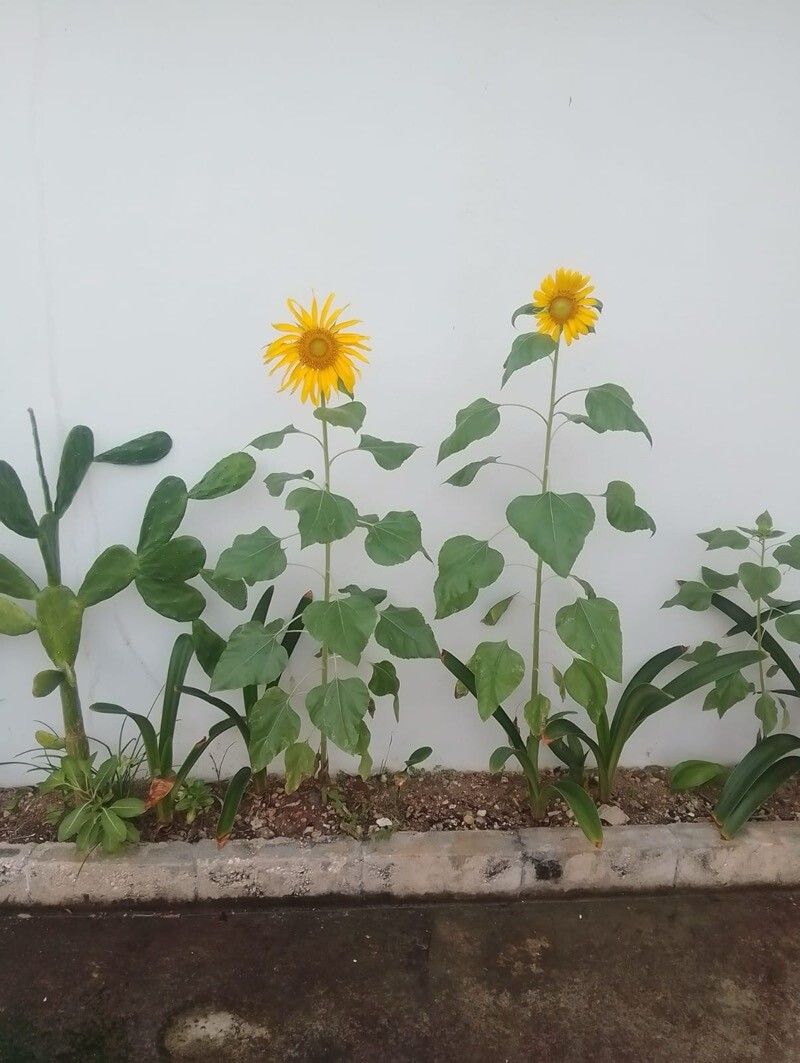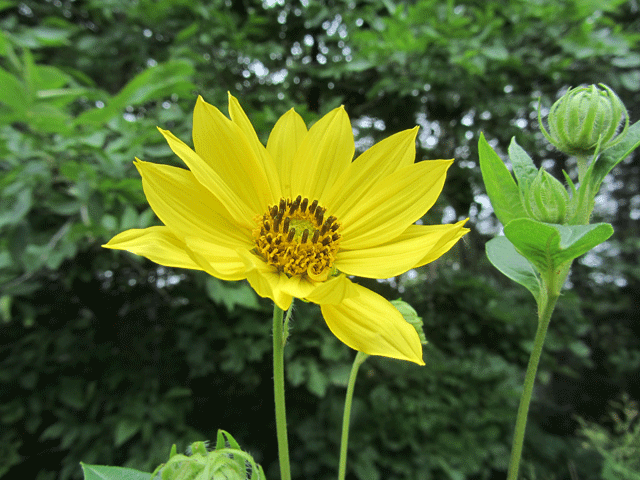
Helianthus giganteus, commonly known as the giant or tall sunflower, is a perennial plant belonging to the Asteraceae family. Native to North America, it thrives in wetlands, prairies, and along riverbanks. This impressive plant can reach up to 10 feet in height with a spread of 3 to 4 feet.
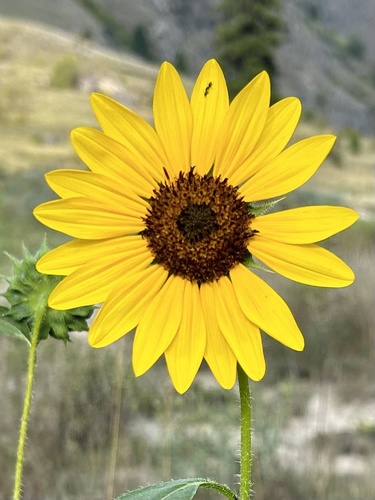
The leaves of Helianthus giganteus are large and heart-shaped, featuring toothed edges. Its sturdy, hairy stem branches out to support numerous yellow flowers that bloom in late summer or early fall. Each flower head comprises ray flowers (petals) and disk flowers (tiny florets), all encircled by green bracts.
While the giant sunflower prefers moist soil, it can tolerate drought conditions once established. Its nectar-rich flowers attract a variety of pollinators, including bees, butterflies, and birds.
Historically, Native Americans used Helianthus giganteus for medicinal purposes, treating ailments such as snakebites, wounds, and fevers.
In landscaping, Helianthus giganteus adds vertical interest to garden beds, serving as an attractive backdrop for other plants. Due to its large size and low maintenance, it is an excellent choice for gardeners seeking a perennial that provides beauty throughout the growing season.
Giant sunflower has strong resistance to disease and is generally not prone to illnesses. However, it can be affected by pests and diseases present in its surroundings. Such infections are usually not severe. Regarding care, this plant needs moderate upkeep. It should be pruned regularly to preserve an attractive appearance and healthy growth. Fertilizing can also help encourage flowering. Giant sunflower is appropriate for anyone with an outdoor area, like a garden or patio, and does not demand much experience in plant care. It may need more attention when cultivated indoors.
How to keep Helianthus Giganteus.
Light
The giant sunflower prospers in locations that get maximum sun exposure throughout the day. Native to habitats where sunlight is abundant, these plants depend heavily on it for optimal growth. Both insufficient and excessive light can affect the plant's vitality.
Water
The giant sunflower is well-suited to moist meadows, thriving best in consistently wet soil, although it can withstand brief dry periods. For optimal growth, water it weekly and ensure it receives full sun. During the peak growing season, providing extra hydration will encourage robust growth and large blooms.
Temperature
Giant sunflower is native to habitats where temperatures range from 41 to 95 °F (5 to 35 ℃). It favors the warmer end of this range and may need shelter if winters are too cold.
Fertilizer
The best time to fertilize a Giant sunflower is in early spring, when it is coming out of dormancy and moving into active growth. Applying fertilizer supplies the essential nutrients needed for healthy growth. Although a Giant sunflower's fertilization requirements are relatively low, fertilizing once a year can improve its survival and produce better, longer-lasting flowers.
Pruning
The giant sunflower is recognized for its impressive height and bright yellow blooms. To encourage healthy growth, it's important to prune the plant from early to late spring. Start by removing any dead stems and thinning out crowded areas to improve air circulation. Regular pruning not only promotes bushier growth but also enhances the plant's aesthetic appeal and overall vigor. For more detailed techniques, consult reliable guides.
Pot & Repot
Repot giant sunflowers every 2 to 3 years in early spring, using a large, deep pot to support their growth. After repotting, make sure they receive plenty of sunlight and moderate watering to maintain optimal health. By following these guidelines, your giant sunflower will thrive and grow robustly.
Botanical profile.
- Plant Type
- Herb
- Life Cycle
- Perennial
- Genus
- Helianthus
- Family
- Asteraceae
- Hardiness Zone
- 4-9
- Mature Height
- 3.96 m
- Mature Spread
- 1.52 m
- Leaf Color
- Green
- Leaf Type
- Deciduous
- Flower Color
- Yellow
- Flower Size
- 6.35 cm
- Bloom Time
- Mid summer, Late summer, Early fall
- Planting Time
- Winter, Spring
- Harvest Time
- Early fall, Mid fall
Other names.
Reader questions.
How should I water my Giant sunflower plant?
To properly water the Giant sunflower, it is recommended to use filtered water at room temperature. Tap water may contain harmful particles, so filtered water is preferable. The Giant sunflower is accustomed to warm environments, so using cold water can be a shock. Additionally, it is advised to avoid overhead watering, as it can cause problems with the foliage. Instead, gently apply filtered room temperature water directly to the soil until it is completely soaked. This helps moisten the roots and allows them to spread and absorb necessary nutrients.
Why do I have to put fertilizer on my Giant sunflower?
Fertilization is important for the Giant sunflower and other plants because it provides essential nutrients for growth. While the overall fertilization needs for a Giant sunflower are relatively low, annual fertilization can greatly benefit the plant. It helps to keep the plant alive and encourages the production of better and longer-lasting flowers. Therefore, those who want their Giant sunflower to thrive should prioritize annual fertilization.
What are the sunlight requirements for Giant Sunflowers?
Giant Sunflowers require significant sunlight to thrive optimally. They need full sun exposure, which is above 6 hours of direct sunlight daily, but they can also grow in partial sun, receiving about 3-6 hours of sunlight. It's crucial to observe how sunlight moves through your garden to ensure that your plants receive the right balance of light and shade, keeping in mind the happiness and health of your plants.
What temperatures are suitable for growing Giant Sunflowers?
Giant sunflower, or Helianthus giganteus, thrives in environments with temperatures ranging from 41 to 95 °F (5 to 35 °C), preferring the warmer end of this spectrum. They have strong cold resistance, and special frost protection measures aren't usually necessary during winter. However, they should be sheltered if winter temperatures are expected to drop below -30°C. Before the first freeze in autumn, watering the plant abundantly to ensure the soil remains moist can help prevent drought and water scarcity during winter and early spring.
What do I do if I give my Giant sunflower too much water or too little water?
Overwatering is a more common issue and can cause wilting and yellowing of the stems and leaves. It can also lead to diseases like root rot, mold, and mildew, which can be fatal for your Giant sunflower. Underwatering is less likely, but it can make the leaves brittle and brown. Pay attention to the signs of overwatering and take action immediately. Reduce your watering schedule if you notice early signs and consider changing the soil if it doesn't drain well. If your Giant sunflower is not getting enough water, simply increase your watering frequency until the signs disappear.
When should I fertilize my Giant sunflower?
The best time to fertilize a Giant sunflower is in late winter to early spring when it is transitioning from dormancy to active growth. This encourages healthy growth and sets the plant up for a successful season. While early spring is generally the optimal time, fertilizing in the fall is also acceptable. However, it is not recommended to fertilize in the summer or winter.
Why is sunlight important for Giant Sunflowers?
Sunlight is an essential factor for the growth of Giant Sunflowers, as these plants originate from environments where sunlight is abundant. Maximum exposure to sunlight during the day is crucial for their optimal development. A lack or excess of sunlight can significantly impact the vitality and health of these plants. In conditions where natural sunlight is insufficient, especially during winter or in less sunny spaces, using artificial lighting can offer a vital solution by promoting faster, healthier growth. Indoor plants may require artificial lights like LEDs, which can be customized to provide the specific wavelengths needed by the plants.
What should I do if my Giant Sunflowers experience extreme cold or frost?
Giant Sunflowers can tolerate cold and prefer temperatures above 5°C. They should be kept above -25°C during winter, but if temperatures fall below -30°C, there may not be noticeable changes immediately, yet sprouting may decrease or not occur in spring. If this happens, remove any parts that have failed to sprout in spring. Providing cold protection by covering the plant with soil or straw can also help when extreme cold is anticipated.
How many times should I give water to my Giant sunflower?
If your Giant sunflower is in a pot, the best way to determine if it needs water is to stick your finger in the soil. If you find that the top two to three inches of soil are dry, it's time to water it. If you're growing your Giant sunflower outdoors in the ground, you can use the same method to test the soil. Once again, if you find that the top few inches of soil are dry, it's time to water it. In the spring and early fall, you'll likely need to water the plant about once a week using this method. However, during extremely hot weather, you may need to water it two or more times per week. It's important to note that mature, well-established Giant sunflowers have a strong ability to withstand drought.
When is it not a good idea to add fertilizer to my Giant sunflower?
To properly care for your Giant sunflower, remember to fertilize it only during late winter and early spring. This plant has low fertilization needs, so one feeding per year is sufficient. Avoid overfertilization by refraining from fertilizing during spring, summer, and fall, unless you missed fertilizing in spring, in which case it is acceptable to feed it in the fall. Additionally, there is no need to fertilize during winter when the sunflower is in a dormant growth phase and does not produce new growth.
What are the symptoms of inadequate lighting on Giant Sunflowers?
Giant Sunflowers show various symptoms when exposed to inadequate lighting. These include smaller new leaves, leggy or sparse growth, faster leaf drop, slower or no new growth, and lighter-colored or chlorotic leaves. Excessive sunlight can cause sunscald, leaf curling, wilting, and leaf scorching, indicating damage to the plant. Chlorosis, for instance, is characterized by yellowing leaves due to insufficient sunlight, which affects the plant's ability to photosynthesize.
How should I care for my Giant Sunflowers during high temperatures?
During summer, it's crucial to keep Giant Sunflowers below 35°C. Exceeding 38°C might cause the leaves to lighten in color, become prone to curling, and susceptible to sunburn; in severe cases, the entire plant may wilt and dry. To manage high temperatures, trim away sunburned and dried-up parts, move the plant to a shaded location or use a shade cloth, and water the plant in the morning and evening to maintain soil moisture.