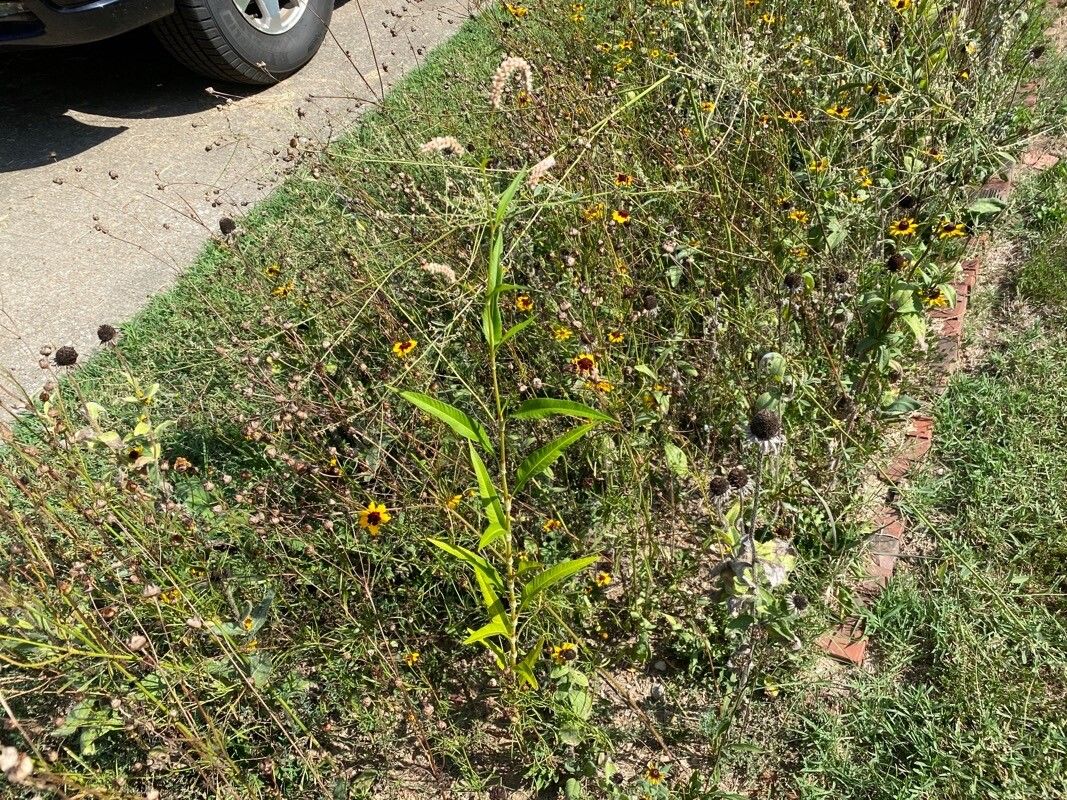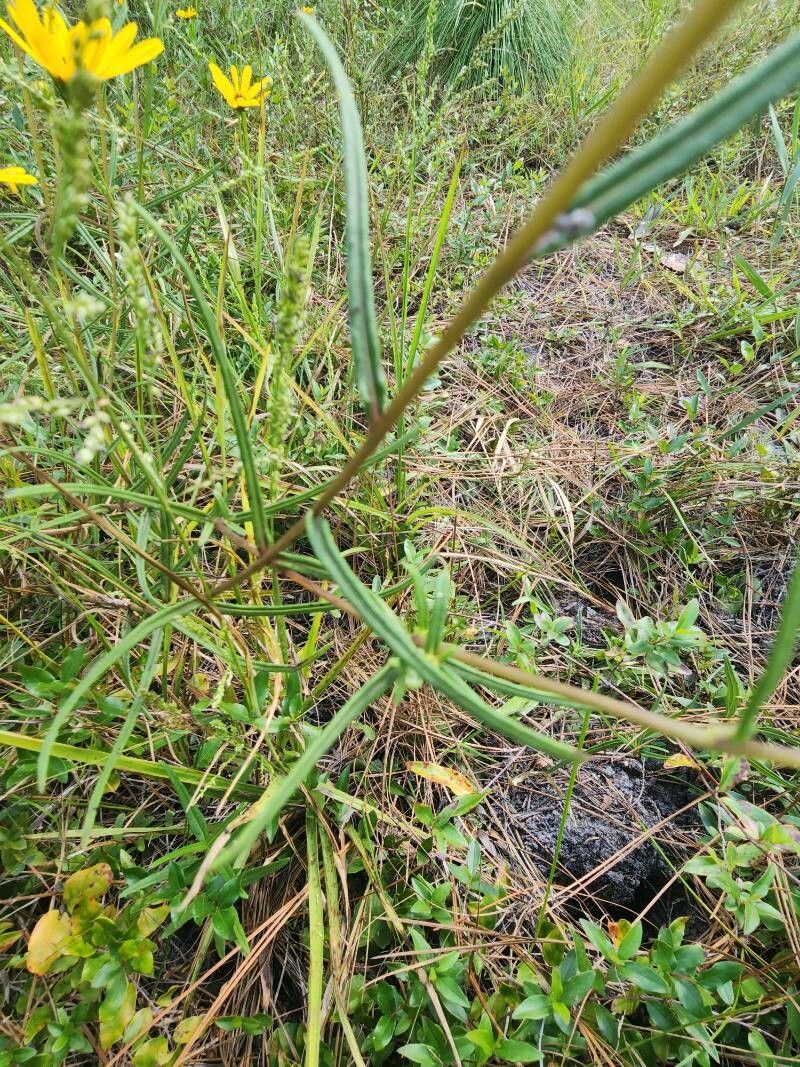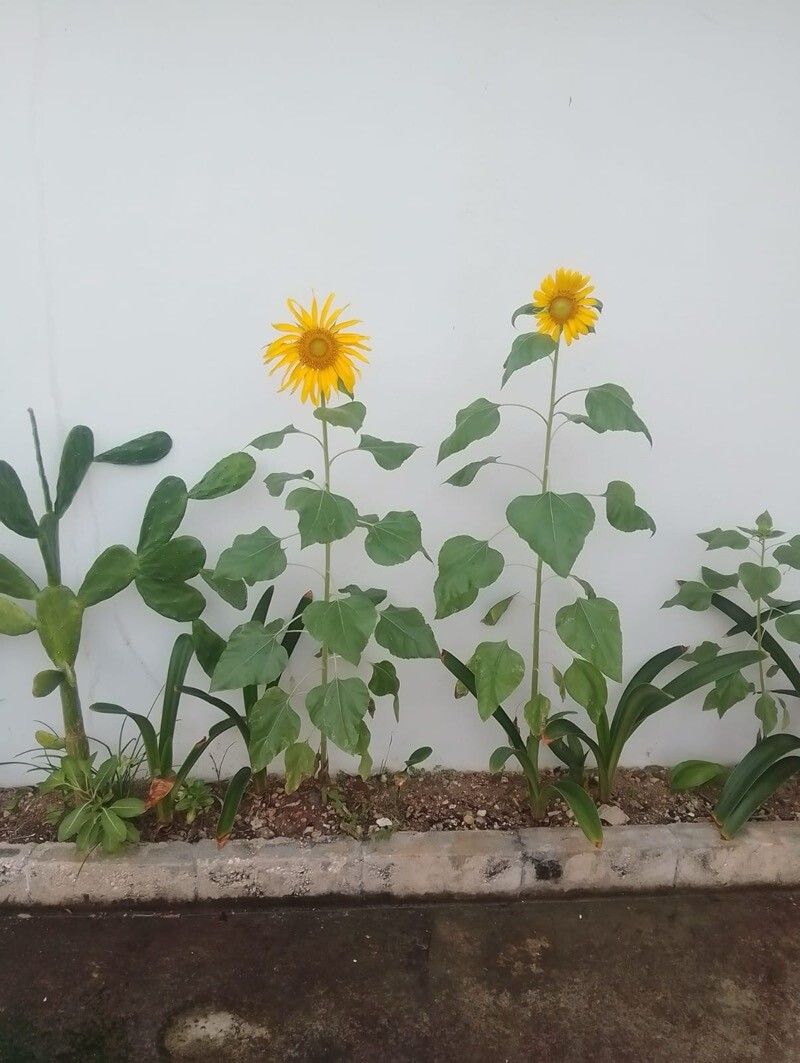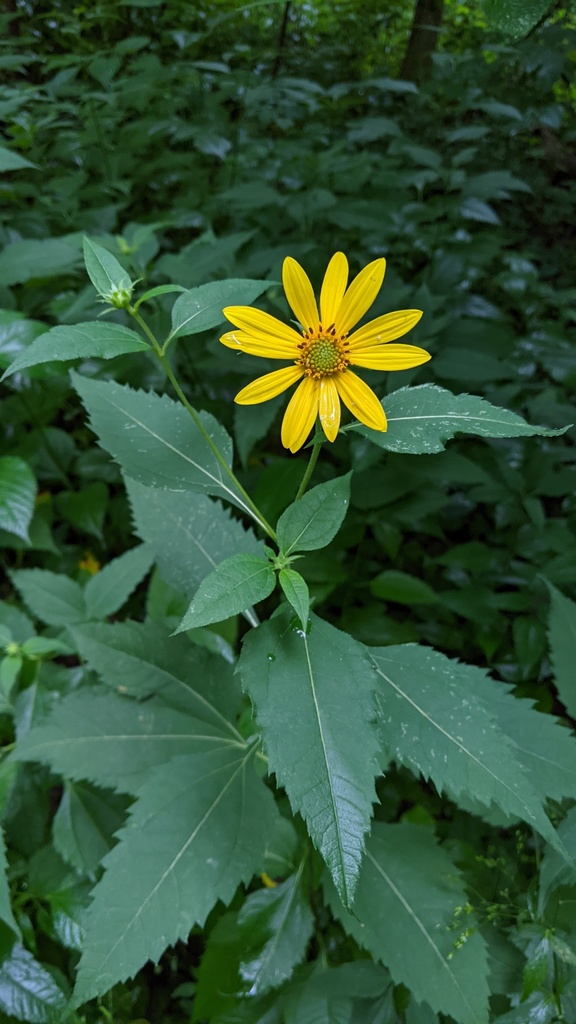
Helianthus decapetalus, known by the common names thinleaf sunflower and thin-leaved sunflower, is a perennial forb in the family Asteraceae. It is native to the Eastern and Central United States and Canada, from New Brunswick west to Iowa, Wisconsin, and Ontario, south as far as Georgia and Louisiana. It produces yellow composite flowers in late summer or early fall. The name decapetalus means "with ten petals", referring to the 8-12 ray florets on the flower heads, resembling petals.
Thinleaf sunflower has good resistance to disease and is generally not highly prone to illnesses. It can, however, be vulnerable to pests and diseases present in its environment. These infections are typically not severe. In terms of care, this plant requires moderate maintenance. It should be pruned regularly to keep a neat appearance and support healthy growth. Fertilizing can also help encourage flowering. Thinleaf sunflower is suitable for anyone with outdoor space, such as a garden or patio, and does not demand extensive care experience. It may need more attention when grown indoors.
How to keep Helianthus Decapetalus.
Light
Thinleaf sunflower requires plenty of sunlight to thrive and can tolerate somewhat reduced light. It comes from habitats where sunlight is abundant, which supports its healthy growth. Any imbalance in light—either too much or too little—endangers the plant's vitality.
Water
The Thinleaf sunflower flourishes in moist meadows, as it requires consistent moisture and weekly watering for optimal growth. While it can withstand short periods of drought, mulching is beneficial for retaining soil moisture during its active growing season. These practices are crucial for maintaining the health of this herbaceous perennial.
Humidity
This plant needs special care because it loves high humidity levels of 60-80% or more. The best way to achieve this is by placing a humidifier near the plant. Daily misting is also essential! Make sure the room has good ventilation.
Temperature
Thinleaf sunflower is native to regions with temperatures between 41 and 95 °F (5 to 35℃). This plant favors milder climates and achieves optimal growth in moderate conditions. Seasonal temperature changes should be managed carefully to avoid damage from extreme conditions.
Fertilizer
The best time to fertilize a Thinleaf sunflower is in early spring, as it comes out of dormancy and starts active growth. Fertilizing supplies essential nutrients for healthy development. Although Thinleaf sunflowers require relatively little fertilizer, an annual application can improve their survival and encourage better, longer-lasting blooms.
Pruning
The Thinleaf sunflower is characterized by its tall stems and vibrant yellow flowers. To promote bushier growth, it's beneficial to prune the plant in early to late spring by trimming one-third of the weaker stems. Regular deadheading not only extends the blooming period but also enhances air circulation and reduces the risk of disease. For more detailed care advice, consider consulting reliable horticultural resources.
Pot & Repot
For thinleaf sunflowers to thrive in pots, excellent drainage is essential. This promotes healthy root development and prevents waterlogged conditions.
Botanical profile.
- Plant Type
- Herb
- Life Cycle
- Perennial
- Genus
- Helianthus
- Family
- Asteraceae
- Hardiness Zone
- 5-10
- Mature Height
- 0.61 m to 1.52 m
- Mature Spread
- 61 cm to 91 cm
- Leaf Color
- Green
- Leaf Type
- Deciduous
- Flower Color
- Yellow, Gold
- Flower Size
- 2.54 cm to 7.62 cm
- Bloom Time
- Mid summer
- Planting Time
- Spring
- Harvest Time
- Mid summer, Late summer
Other names.
Reader questions.
How should I water my Thinleaf sunflower?
To properly water the Thinleaf sunflower, it is best to use filtered water at room temperature. Tap water may contain harmful particles, so filtering it is recommended. The water should be at room temperature or slightly warm because the Thinleaf sunflower originates from a warm environment and cold water can be a shock to its system. It is also important to avoid overhead watering, as this can cause issues with the foliage. Instead, water the plant by applying filtered room temperature water directly to the soil until it is completely soaked. This method benefits the plant by moistening the roots and aiding in the spread of nutrients throughout the soil.
Why should I use fertilizer on my Thinleaf sunflower?
Fertilization is important for the Thinleaf sunflower because it provides key nutrients for the plant's growth, above and below ground. Although the Thinleaf sunflower has relatively low fertilization needs and can sometimes survive without it, annual fertilization can greatly benefit the plant. It helps sustain the plant and promotes the growth of better, longer-lasting flowers. Therefore, those who want their Thinleaf sunflower to thrive should ensure regular fertilization.
What are the sunlight requirements for Thinleaf Sunflower (Helianthus decapetalus)?
The Thinleaf Sunflower (Helianthus decapetalus) thrives when exposed to full sun, which means it needs more than 6 hours of sunlight daily to flourish properly. It can also tolerate partial sun conditions, which equate to about 3-6 hours of sunlight each day. It's important to observe the movement of sunlight through your garden to find spots that offer a balance of light and shade, ensuring the plants receive the right amount of sunlight for their growth and health.
What is the optimal temperature range for the Thinleaf sunflower?
The Thinleaf sunflower, or Helianthus decapetalus, thrives in temperatures ranging from 41 to 95 °F (5 to 35°C). It is indigenous to zones that present these temperatures, showing optimal growth in milder climates. This plant has a strong cold resistance, indicating that it usually does not require special frost protection measures during winter. However, adjustments should be made to protect the plant from extreme conditions to avoid damaging it.
What should I do if I give my Thinleaf sunflower too much or too little water?
Overwatering can harm your Thinleaf sunflower more than underwatering. Too much water can cause wilting, yellowing of stems and leaves, and lead to diseases like root rot, mold, and mildew. Underwatering is less common but can still occur, resulting in brittle, brown leaves. It's important to catch signs of overwatering early to prevent irreversible damage. Reduce watering if you notice these signs and consider replacing poorly draining soil with a well-draining potting mix. Conversely, if your Thinleaf sunflower seems thirsty, water it regularly until the signs disappear.
When should I fertilize my Thinleaf sunflower for the best results?
The best time to fertilize a Thinleaf sunflower is during late winter to early spring. This is when the plant is transitioning from dormancy to active growth, so fertilizing at this time promotes healthy growth and sets the plant up for a successful season. While fertilizing in early spring is generally recommended, it is also acceptable to fertilize in the fall. However, it is not recommended to fertilize during the summer or winter seasons.
Why is sunlight important for Thinleaf Sunflower, and how can artificial lighting be used?
Sunlight is crucial for the Thinleaf Sunflower as it originates from habitats with abundant sun exposure, essential for its healthy growth. Excessive or insufficient sunlight can harm the plant's vitality. When natural sunlight is not enough, especially in winter or less sunny spaces, artificial lighting can be an excellent alternative. LED lights are preferred for their ability to mimic natural sunlight's wavelengths. For full sun plants, 30-50W/sq ft is recommended; partial sun plants need 20-30W/sq ft, and full shade plants should have 10-20W/sq ft. The light should be placed 12-36 inches above the plant, with a duration of 8-12 hours per day to support optimal growth.
What should be done to protect Thinleaf sunflower from extremely cold temperatures?
To protect Thinleaf sunflower from extremely cold temperatures, especially if winter temperatures are expected to drop below -25°C, it is important to provide cold protection. This can be achieved by covering the plant with materials such as soil or straw. Additionally, before the first freeze in autumn, it is recommended to water the plant abundantly. Ensuring the soil remains moist and enters a frozen state helps prevent drought and water scarcity for the plant during winter and early spring.
How often should I water my Thinleaf sunflower plant?
If your Thinleaf sunflower is in a pot, you can check if it needs water by sticking your finger into the soil. If the top two to three inches of soil feel dry, it's time to water it. If you're growing the Thinleaf sunflower outdoors in the ground, you can use the same method to test the soil. When the top few inches of soil are dry, it's time to water it. Typically, during the spring and early fall, you'll need to water this plant about once a week. However, during extremely hot weather, you may need to water it twice a week or even more. Nevertheless, mature, well-established Thinleaf sunflowers can handle drought well.
When is it a bad time to fertilize my Thinleaf sunflower?
To properly care for your Thinleaf sunflower, it is recommended to fertilize only during the late winter and early spring. This plant has minimal fertilization needs, so a single annual feeding will suffice. Overfertilization can easily occur if you continue to fertilize throughout spring, summer, and fall, which can lead to complications. The only exception to this rule is if you missed fertilizing in spring; in that case, it is permissible to feed the plant in fall. During the winter, when the Thinleaf sunflower is in a dormant phase and not producing new growth, there is no need to fertilize. It is best to avoid fertilization during most of the winter.
What are the symptoms of inadequate lighting in Thinleaf Sunflower?
Symptoms of inadequate lighting in Thinleaf Sunflower include small new leaves, leggy or sparse growth due to longer spaces between stems or leaves, early leaf drop, slower or no new growth, paler new leaves indicating a lack of chlorophyll, chlorosis leading to yellow leaves, sunscald from intense light exposure, curling or twisting leaves as a defense against too much sun, wilting from excessive water loss, and leaf scorching characterized by brown, dry edges on leaves. These signs indicate either too much or too little sunlight, each affecting the plant's health differently.
How does the Thinleaf sunflower react to low temperature conditions?
The Thinleaf sunflower is cold-tolerant, performing best when the temperature remains above 5°C. However, during winter, temperatures should ideally be kept above -20°C. If temperatures fall below -25°C, the plant may show no visible changes during the winter, but there could be decreased sprouting or even no sprouting in the spring. As a solution, any parts of the plant that have failed to sprout by spring should be removed.