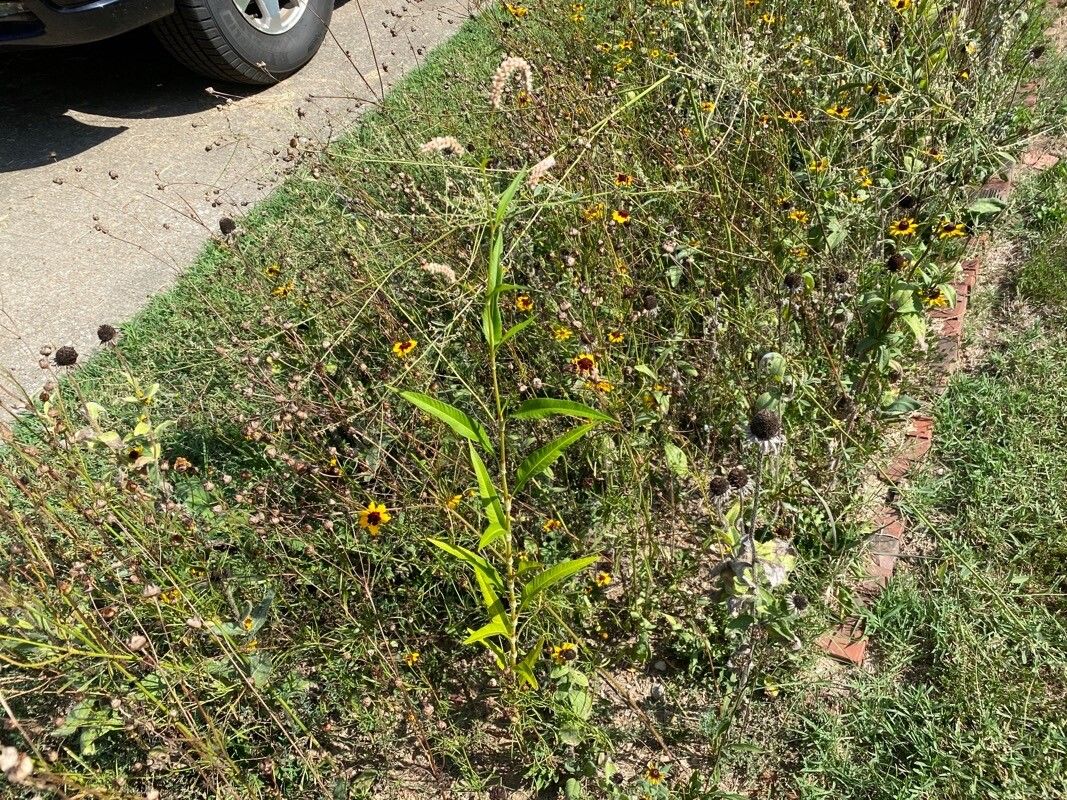
Helianthus debilis, commonly known as the beach sunflower, is a species native to the southeastern United States. This perennial plant grows up to 60 cm tall and features bright yellow flowers that bloom from late spring to early fall. Its green, lance-shaped leaves have toothed edges. The beach sunflower thrives in sandy soils and can tolerate salt spray, making it an excellent choice for coastal gardens and landscapes.
This plant attracts bees, butterflies, and other pollinators with its nectar-rich flowers. Additionally, Helianthus debilis is valued in traditional medicine for its anti-inflammatory properties and is being studied as a potential natural remedy for skin conditions like eczema and psoriasis.
Overall, the beach sunflower adds beauty to any garden while offering ecological benefits such as supporting pollinators and improving soil health. Its root systems help prevent erosion in sandy soils along coastlines or riverbanks, where it naturally grows in the wilds of the southeastern United States.
Beach sunflower is largely disease-resistant and typically not vulnerable to illnesses. Still, it can be affected by pests and diseases found in its environment. Such infections are generally mild. Regarding care, the plant demands moderate upkeep. It should be pruned on a regular basis to preserve a tidy appearance and encourage healthy growth. Applying fertilizer can also encourage blooming. Beach sunflower is appropriate for anyone who has outdoor space, like a garden or patio, and does not need extensive gardening experience. It may require more attention if cultivated indoors.
How to keep Helianthus Debilis.
Light
The beach sunflower requires ample sunlight to remain healthy and to grow vigorously. Native to areas with abundant sun, it thrives under those conditions. Too little light diminishes its capacity to bloom and inhibits growth, while too much light can stress the plant, though this species can tolerate it without serious harm.
Water
The beach sunflower flourishes in coastal dunes, where it prefers well-drained soils and can withstand short dry spells, showcasing its resilience to drought. While weekly watering helps maintain its vitality, the natural coastal rains also support its growth, reducing the need for frequent human intervention.
Temperature
Beach sunflower originates from temperate zones and grows well in temperatures between 68 to 100 °F (20 to 38 °C). It is a resilient plant that copes with changing conditions, although some adjustments may be required during particularly cool seasons.
Fertilizer
The best time to fertilize a Beach sunflower is in early spring, when it is coming out of dormancy and beginning active growth. Fertilizing supplies essential nutrients for healthy development. Although the Beach sunflower has relatively low fertilizer needs, applying fertilizer once a year can enhance its survival and encourage better, longer-lasting flowers.
Pruning
The beach sunflower, known for its vibrant yellow flowers, thrives when regularly pruned. Key pruning techniques include removing spent blooms and trimming back stems. The best time for pruning is from early spring to late winter, as this enhances air circulation, prevents disease, and encourages new growth, resulting in a healthier and more vibrant display.
Pot & Repot
For beach sunflowers to thrive in pots, it's essential to provide excellent drainage to prevent the roots from becoming waterlogged.
Botanical profile.
- Plant Type
- Herb
- Life Cycle
- Perennial, Annual
- Genus
- Helianthus
- Family
- Asteraceae
- Hardiness Zone
- 8-11
- Mature Height
- 0.61 m to 1.22 m
- Mature Spread
- 0.61 m to 1.22 m
- Leaf Color
- Green
- Leaf Type
- Evergreen
- Flower Color
- Yellow, Orange
- Flower Size
- 5.08 cm to 7.62 cm
- Bloom Time
- All year round
- Planting Time
- Spring, Autumn
- Harvest Time
- All year round
Other names.
Reader questions.
How should I water my Beach sunflower?
To properly water the Beach sunflower, it's important to follow a few steps. First, use filtered water at room temperature. This type of water is best because tap water can contain harmful particles. Next, it's crucial to consider the temperature of the water. The Beach sunflower originates from warm environments, so using cold water can shock it. Instead, opt for water that is at room temperature or slightly warmer. Another factor to keep in mind is the watering technique. Avoid overhead watering, as it can cause issues with the plant's foliage. Instead, the ideal approach is to apply your filtered room temperature water directly to the soil until it is thoroughly saturated. Soaking the soil has numerous benefits for the Beach sunflower. It helps moisturize the roots, allowing them to spread through the soil and absorb vital nutrients.
Why should I add fertilizer to my Beach sunflower?
Fertilization plays a crucial role in the growth of the Beach sunflower. It provides essential nutrients for both above and below-ground growth. Although the Beach sunflower's fertilization needs are generally low, annual fertilization can greatly benefit the plant. It helps to keep the plant alive and encourages the production of longer-lasting, more beautiful flowers. Therefore, consistently fertilizing the Beach sunflower is recommended for those who want to help their plant thrive and look its best.
What are the sunlight requirements for the Beach Sunflower?
The Beach Sunflower, or Helianthus debilis, thrives in substantial amounts of sunlight for optimal health and robust growth. Originating from habitats abundant in sunlight, it requires more than 6 hours of sunlight for 'full sun' conditions and about 3-6 hours of sunlight for 'partial sun'. It's important to note that too little sunlight can suppress its flowering ability and stunt its growth, while excessive sunlight may stress the plant. However, this species is capable of enduring it without severe harm.
What are the ideal growing conditions for Beach Sunflower?
Beach Sunflower, scientifically known as Helianthus debilis, thrives in temperate zones and prefers temperatures ranging from 68 to 100°F (20 to 38°C). It is a hardy plant that handles fluctuating conditions well, though it may need some care during cooler seasons. This plant has some degree of cold tolerance and generally does not require protective measures when temperatures are above 0°C. However, if temperatures are expected to dip below freezing, temporary protection such as wrapping the plant with plastic film, fabric, or other materials is necessary. Once temperatures rise, these protections should be removed to prevent any damage.
What should I do if I give my Beach sunflower too much or too little water?
Overwatering is a common issue for Beach sunflowers and can lead to wilted, yellowing stems and leaves. Prolonged overwatering can cause diseases like root rot, mold, and mildew which can be fatal for the plant. Underwatering is less common, as Beach sunflowers are drought tolerant, but it can still happen and may result in brittle, brown leaves. It's important to be aware of signs of overwatering and take action promptly. Diseases like root rot are difficult to correct if left untreated for too long. Reduce watering immediately if you notice early signs of overwatering and consider replacing poorly draining soil with a loose, well-draining potting mix. If your Beach sunflower shows signs of needing more water, simply water more regularly until the symptoms improve.
When should I put fertilizer on my Beach sunflower?
To ensure healthy growth, it is best to fertilize your Beach sunflower late in the winter or early in the spring when it is transitioning from dormancy to active growth. This will give the plant a strong start for the season. While it is most beneficial to fertilize in the early spring, fertilizing in the fall is also acceptable. However, it is not recommended to fertilize during the summer or winter seasons.
What should I do if my Beach Sunflower doesn't receive enough natural sunlight?
If your Beach Sunflower doesn't receive enough natural sunlight, especially during winter or in less sunny spaces, artificial lighting can be a vital solution. For indoor plants, adequate lighting promotes faster, healthier growth. Use LED lights as they can provide specific wavelengths needed by your plants. Full sun plants require 30-50W/sq ft, partial sun plants need 20-30W/sq ft, and full shade plants require 10-20W/sq ft of artificial light. Ensure the light source is placed 12-36 inches above the plant and mimic natural daylight hours, usually 8-12 hours of light per day.
How does Beach Sunflower react to low temperatures?
Beach Sunflower has a moderate tolerance to low temperatures and performs best when temperatures are above 20°C. It should be protected to keep it above freezing during winter. Exposure to temperatures below -10°C may cause the leaves to droop; while they may recover in mild cases, severe cold will cause leaves to wilt and eventually fall off. To combat frost damage, trim off the frost-damaged parts. Before cold temperatures hit again, wrap the plant with materials like non-woven fabric or cloth, and erect a wind barrier to shield it from cold winds.
How often do I need to water my Beach sunflower?
If your Beach sunflower is in a pot, the most precise way to determine if it needs water is by sticking your finger into the soil. If the top two to three inches of soil feel dry, it needs watering. The same method can be used if you plant the Beach sunflower outdoors in the ground. When the top few inches of soil have dried out, it is time to water. In the spring and early fall, watering once a week is usually sufficient. However, during extremely hot weather, you may need to water two or more times per week. It is worth noting that mature and well-established Beach sunflowers are quite resilient and can withstand drought conditions.
When is the wrong time to give fertilizer to my Beach sunflower?
To ensure the best care for your Beach sunflower, it is recommended to fertilize only during late winter and early spring. This plant has low fertilizer needs, so one annual feeding is enough. Fertilizing during spring, summer, and fall can easily lead to overfertilization and its related complications. However, if you skipped fertilizing in spring, it is acceptable to feed the plant in the fall. Additionally, there is no need to fertilize the Beach sunflower during the winter when it is in a dormant growth phase and not producing new growth. Therefore, it is not advisable to fertilize during most of the winter.
What are the symptoms of insufficient sunlight for Beach Sunflower?
When Beach Sunflowers do not receive adequate sunlight, several symptoms may appear. These include smaller new leaves compared to the previous ones, leggy or sparse growth, faster leaf drop, slower or no new growth, and lighter-colored new leaves indicating a lack of chlorophyll. Additionally, excessive sunlight can cause chlorosis, resulting in leaves turning yellow, sunscald, leaf curling, wilting, and leaf scorching with brown, dry, and crispy edges on leaves.
How should Beach Sunflower be cared for in high temperatures?
Beach Sunflower should ideally be kept below 38°C during the summer months. When temperatures soar above 43°C, the plant may display signs of stress such as lighter leaf color, dry and withered leaf tips, curling leaves, and an increased risk of sunburn. To help the plant recover, trim away the sunburned and dried-up parts. It is also beneficial to move the plant to a shaded location during the hottest parts of the day or use a shade cloth. Ensuring the soil remains moist with morning and evening watering can also alleviate the stress from high temperatures.