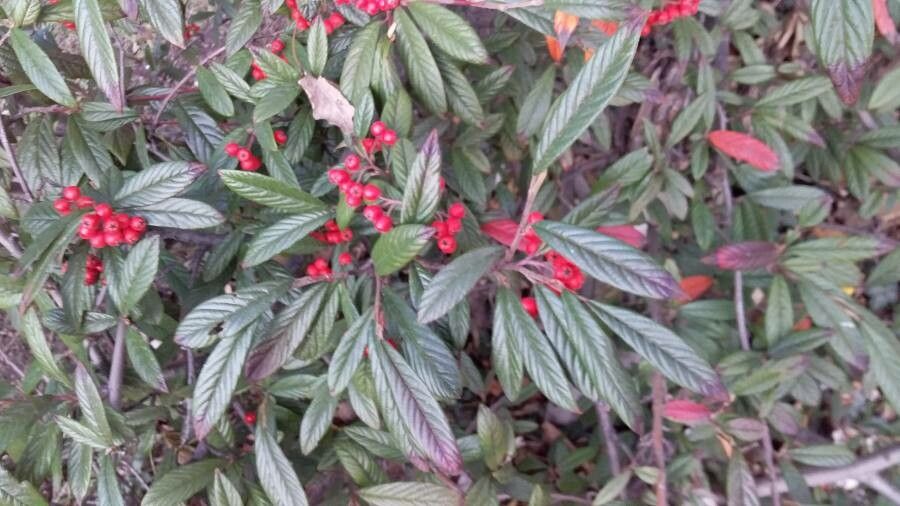
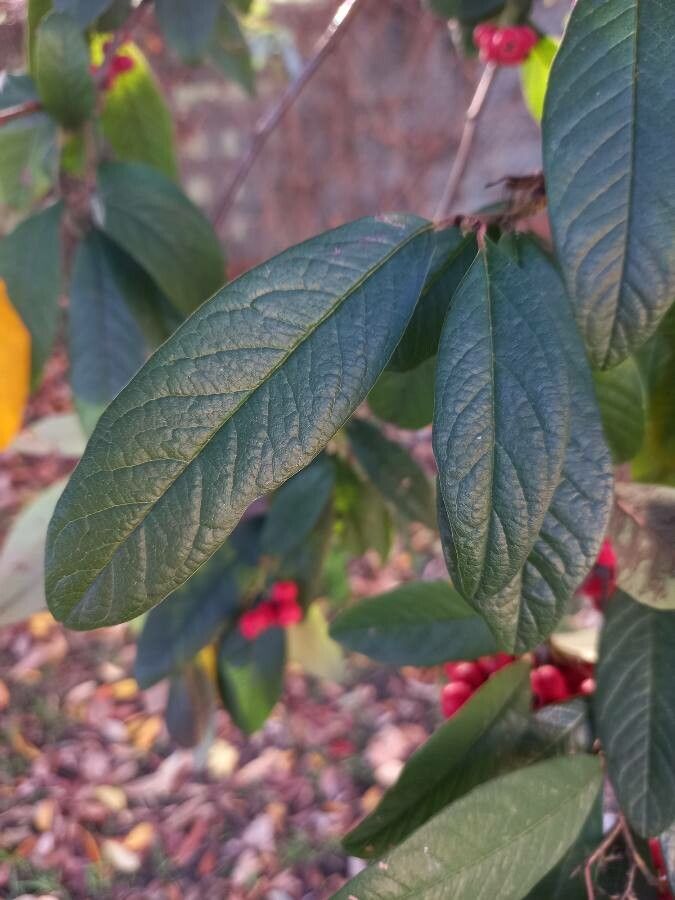
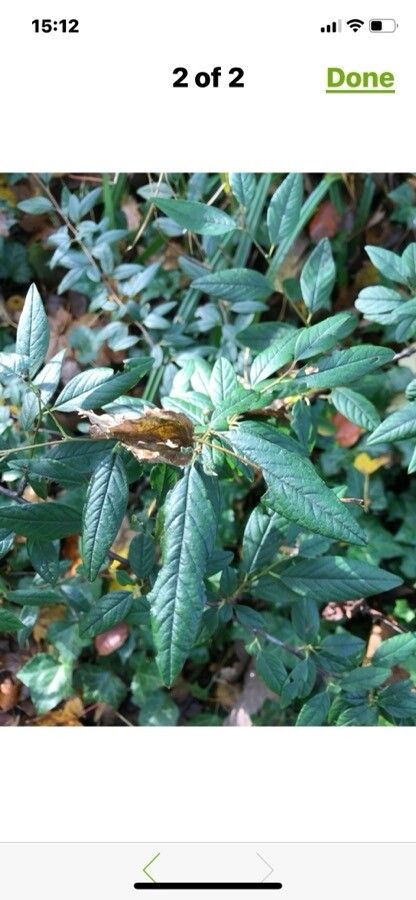
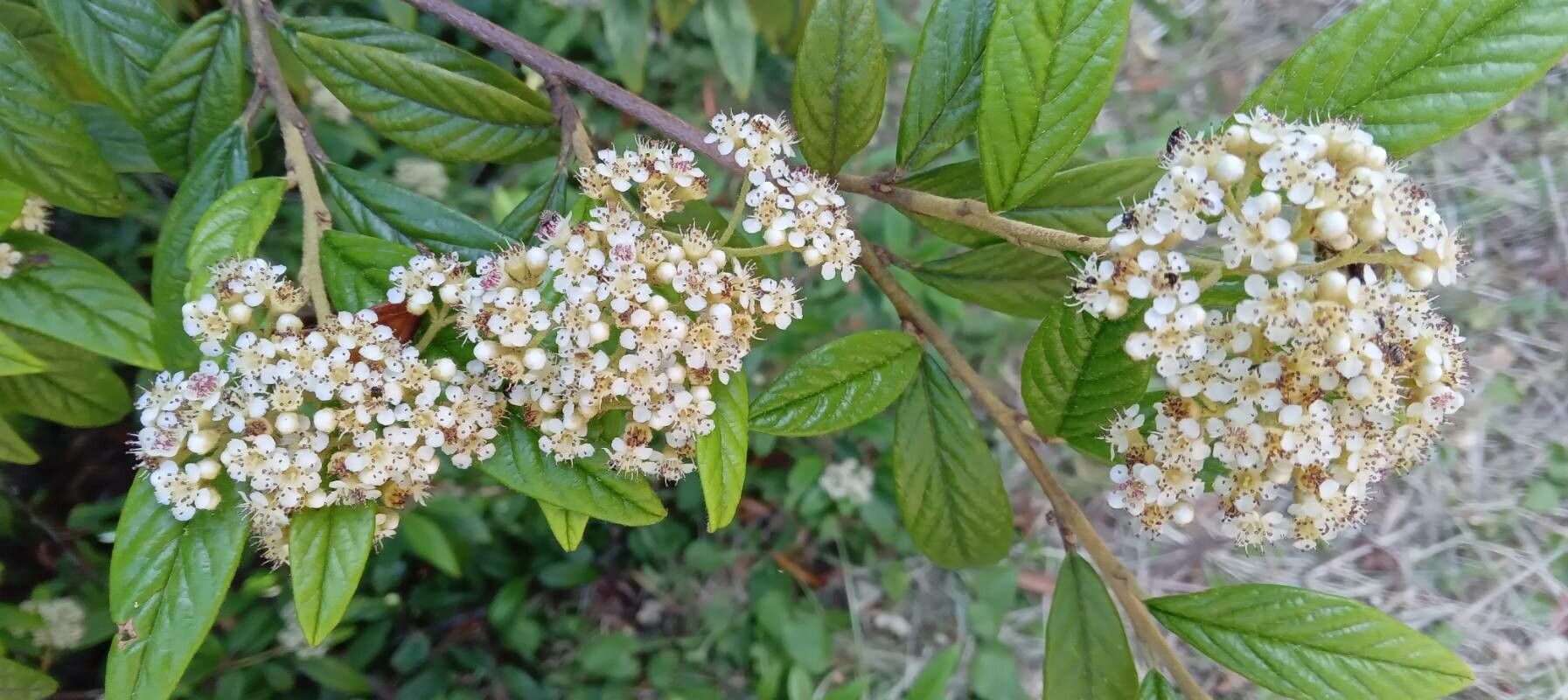
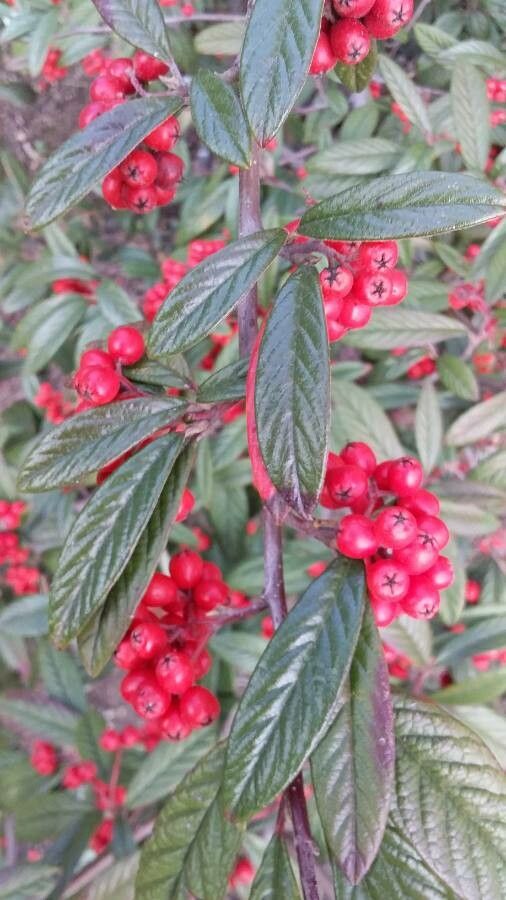
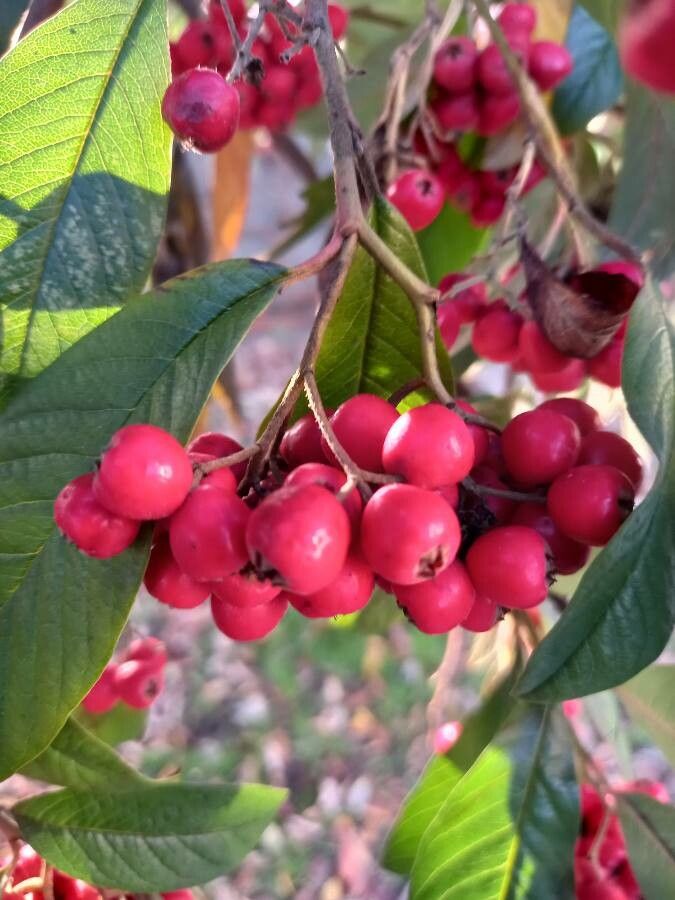
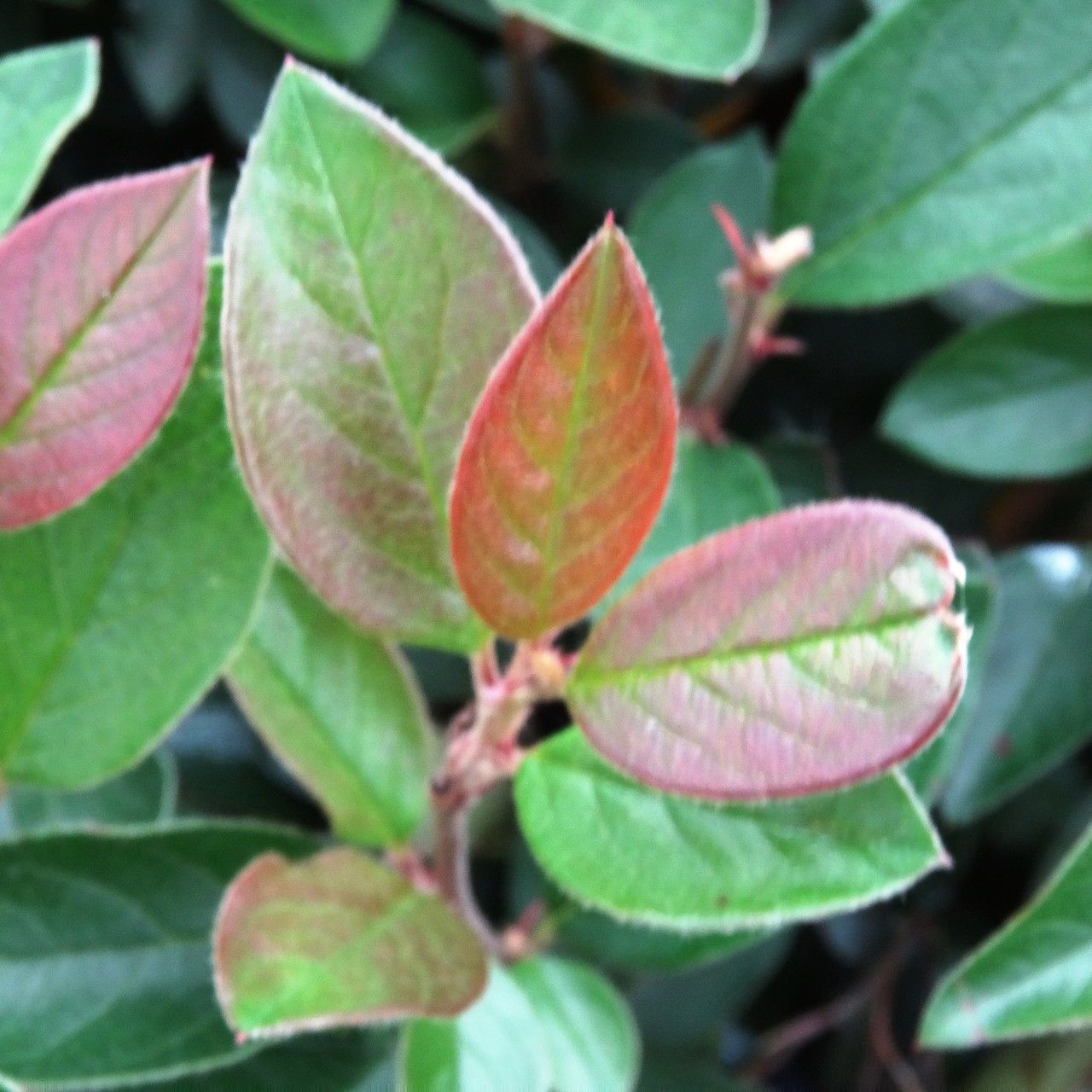
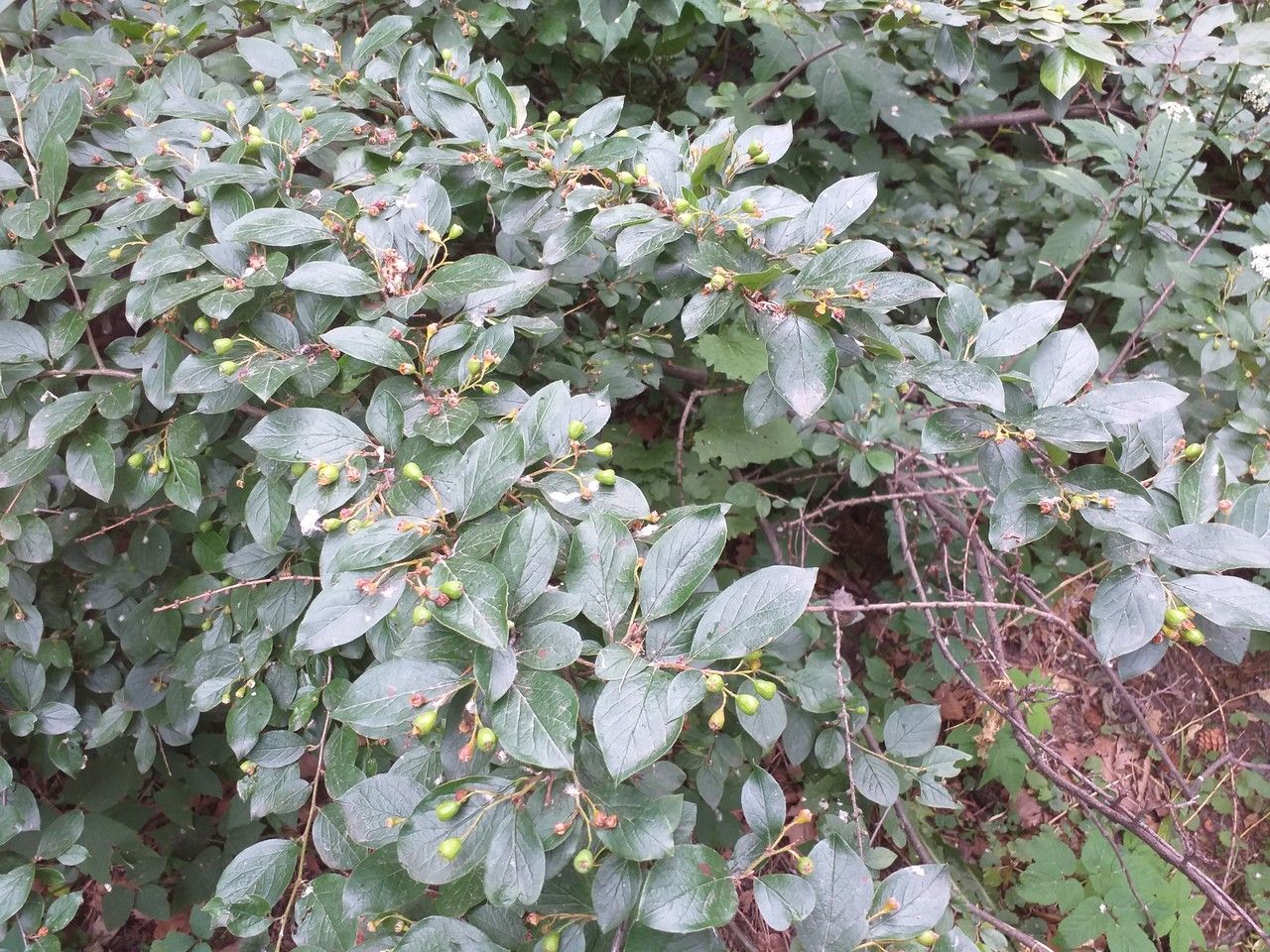
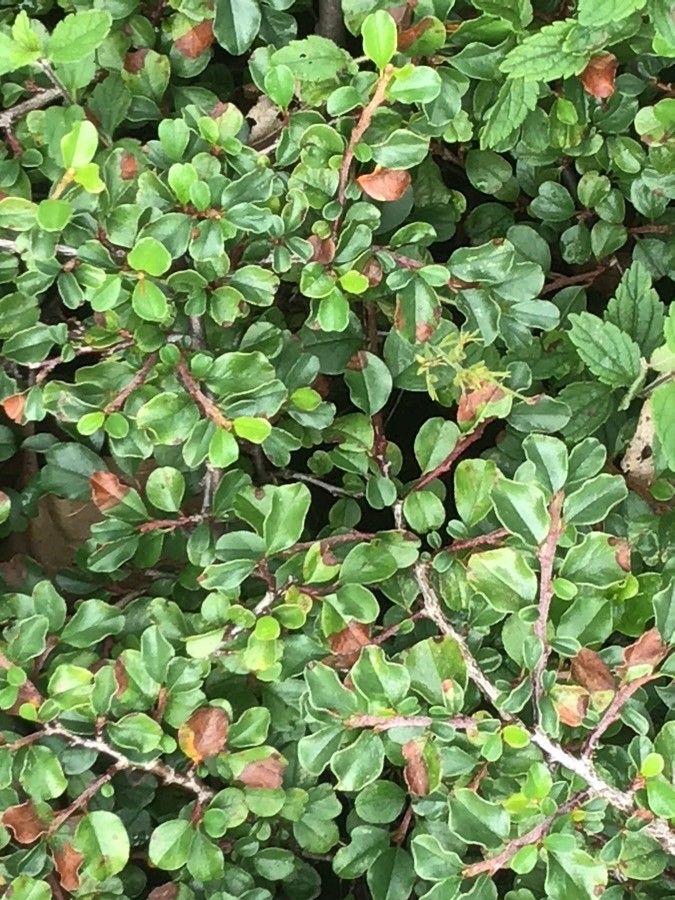
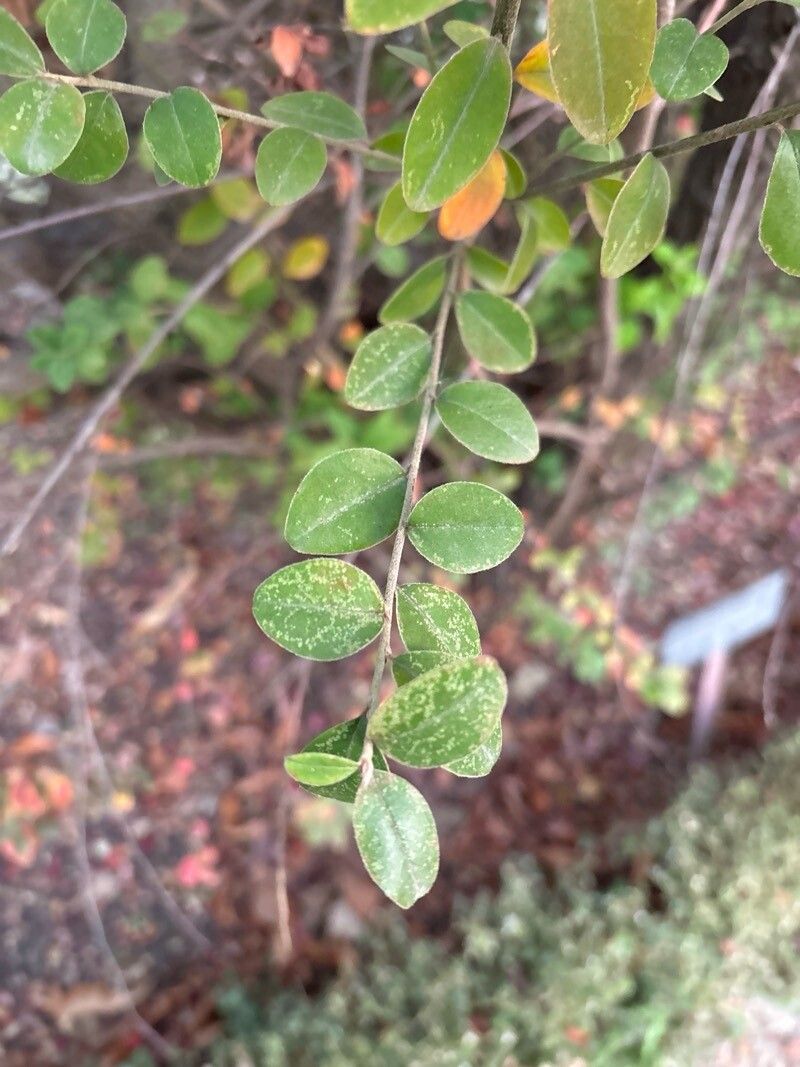
Cotoneaster salicifolius, the willow-leaved cotoneaster, is a drought-tolerant, evergreen to semi-evergreen, low-lying, small to medium-sized shrub with an arched branching habit. Specimens growing in the wild, however, are generally larger, averaging five meters in height. Although native to the mountains, mixed forests, and open places in western China, it is commonly cultivated in temperate climates worldwide. Cultivars have been bred in a variety of forms, as ornamental groundcovers or shrubs.
Willow-leaved cotoneaster shows good resistance to disease and is generally not susceptible to illnesses. When it comes to care, this plant is fairly low-maintenance. Planted outdoors, it needs only minimal watering, and larger plants typically do not require pruning. Smaller plants, however, should be pruned after they finish blooming. Willow-leaved cotoneaster is well suited to anyone who has an outdoor area, such as a garden or deck, and does not demand extensive gardening experience.
How to keep Cotoneaster Salicifolius.
Light
Willow-leaved cotoneaster does best in spots where it receives the full strength of the daytime sun. It can also grow well in areas with moderate sunlight. Extended periods of low light can impair its development, producing weaker growth and fewer blooms. Too much sun can produce leaf scorch, although the species is generally tolerant.
Water
The willow-leaved cotoneaster is highly drought-tolerant, needing water only every 2-3 weeks, allowing the soil to dry out between waterings. This plant thrives in outdoor landscapes, especially when its watering schedule aligns with the growing season, promoting strong growth and overall health.
Temperature
Willow-leaved cotoneaster originates from cool climates and does best in temperatures between 32 and 77°F (0 to 25℃). During hotter months, a little shade can help it remain at its ideal temperature. It is cold-hardy and can tolerate winter chill.
Fertilizer
Timing is important when fertilizing Willow-leaved cotoneaster. Apply fertilizer in early spring and continue monthly until early summer. Fertilizer encourages attractive blooms and supplies energy during both dormant and active growth periods.
Botanical profile.
- Plant Type
- Shrub
- Life Cycle
- Perennial
- Genus
- Cotoneaster
- Family
- Rosaceae
- Hardiness Zone
- 2-5
- Mature Height
- 61 cm to 91 cm
- Mature Spread
- 1.52 m to 1.83 m
- Leaf Color
- Green
- Leaf Type
- Evergreen
- Flower Color
- White
- Flower Size
- 2.54 cm
- Bloom Time
- Late spring, Early summer
- Planting Time
- Spring, Autumn
- Harvest Time
- Mid summer, Late summer
- Native Area
- China
Other names.
Reader questions.
How should I water my Willow-leaved cotoneaster plant?
Your Willow-leaved cotoneaster is not particular about how you water it. You can use any common watering tool such as watering cans, hoses, or cups. Just make sure you water it directly on the soil. It's important to evenly moisten all areas of the soil to provide every part of the root system with the right amount of water. Filtered water is preferable because tap water may contain harmful particles. Additionally, using water that is at or slightly above room temperature is beneficial as extremely cold or hot water can shock the Willow-leaved cotoneaster. However, this plant generally responds well to any type of water you give it.
Why should I put plant food on my Willow-leaved cotoneaster?
To help your Willow-leaved cotoneaster thrive and produce beautiful blooms, it is important to fertilize it. One of the best times to apply fertilizer is in early spring to ensure vibrant flowers. Additionally, fertilizing in the fall or late spring during the planting process can provide the plant with extra nutrients for storing energy during dormant growth phases. This stored energy will be utilized once active growth resumes.
What are the sunlight requirements for Willow-leaved cotoneaster?
Willow-leaved cotoneaster requires full sun, defined as above 6 hours of sunlight, to thrive optimally. However, it can also grow under conditions of partial sun, which means about 3-6 hours of sunlight. It's important to observe how sunlight moves through your garden and choose locations that provide a perfect balance of light and shade, ensuring the plant's happiness and health.
What is the native climate for Willow-leaved cotoneaster?
Willow-leaved cotoneaster, or Cotoneaster salicifolius, is native to cool climates and thrives in temperatures ranging from 32 to 77°F (0 to 25°C). While it is highly tolerant of cold weather and does not require extra measures for frost protection, it benefits from slight shade during hotter months to maintain an optimal temperature. Before the first freeze of autumn, it is suggested to water the plant generously to keep the soil moist, helping it deal with winter and early spring conditions.
What should I do if I give too much water or too little water to my Willow-leaved cotoneaster plant?
Outdoor plants, especially newly planted ones or seedlings, can easily suffer from lack of watering. It's important to remember to water them regularly during the first few months, particularly when the tree is small or recently planted. Once the roots are well-established, Willow-leaved cotoneaster plants can usually rely on rainwater. However, be cautious when growing them in pots, as overwatering is more common. If you accidentally overwater your Willow-leaved cotoneaster, it is crucial to take action immediately. Stop watering the plant to minimize the effects of overwatering. Next, check the roots of the plant by removing it from the pot. If you find that the roots haven't developed root rot, you can return the plant to its container. However, if you do spot signs of root rot, trim away the affected roots and apply a fungicide to prevent further damage. Finally, repot the Willow-leaved cotoneaster in well-draining soil. On the other hand, if you underwater your Willow-leaved cotoneaster, simply increase the frequency of watering. It is usually an easy problem to fix. When underwatered, the leaves of the plant will droop, dry out, and may fall off. However, the leaves will usually regain fullness and vitality after sufficient watering. Therefore, correct your watering frequency as soon as you notice signs of underwatering.
When should I put fertilizer on my Willow-leaved cotoneaster?
When fertilizing Willow-leaved cotoneaster, timing is crucial. Applying fertilizer too early when the plant is still dormant is not effective, as it will be washed away by rainwater and result in wastage and pollution. It is recommended to apply the first dose of fertilizer in early spring and continue fertilizing monthly until early summer.
What are the essential conditions for growing Willow-leaved cotoneaster successfully?
Willow-leaved cotoneaster thrives best when it receives the fullest intensity of the day's rays. It can still flourish in places with moderate sun intensity but prolonged periods of lower light can impede its development, leading to weaker growth and fewer flowers. While it generally tolerates excessive sun exposure, too much can cause leaf scorch. Indoor plants might require artificial lighting for optimal growth, especially in less sunny spaces or during winter. LED lights, set to provide 30-50W/sq ft for full sun plants, 20-30W/sq ft for partial sun plants, and 10-20W/sq ft for full shade plants, are recommended. The artificial light source should be placed 12-36 inches above the plant and kept on for 8-12 hours per day.
What should be done if the Willow-leaved cotoneaster experiences extreme cold?
Although Willow-leaved cotoneaster is extremely cold-tolerant, it's important to ensure winter temperatures do not fall below -40°C. Below this temperature, the plant may not show immediate distress, but come spring, you might notice that the branches have become brittle and dry. In spring, it's advisable to prune away these dead branches that have failed to produce new leaves to encourage new growth.
How much water does the Willow-leaved cotoneaster need?
If you have plants growing outdoors, they can usually rely on rainfall for their water needs. However, if your area doesn't receive much rainfall, you should water your plants every 2 weeks in the spring and fall. In the summer, you'll need to water them more often. In the winter, when plants grow slower and require less water, you can water them less frequently or not at all. If you have a young or newly planted Willow-leaved cotoneaster, you should water it more often to help it establish itself and grow. For potted plants, there are two ways to determine how often to water your Willow-leaved cotoneaster. One way is to follow a predetermined watering schedule, such as once a week or once every other week. However, this may not always be suitable for the specific growing conditions of your plant. Another approach is to check the soil moisture and wait until the top two to four inches of soil have completely dried out before watering again.
When should I not put fertilizer on my Willow-leaved cotoneaster?
To avoid excessive foliage and limited blooming, it is important to be mindful of the nitrogen content in fertilizers for Willow-leaved cotoneaster. Opt for a fertilizer that contains less nitrogen in comparison to other nutrients. Furthermore, refrain from fertilizing the plant after early autumn to prevent excessive growth before winter. Additionally, it is advisable to avoid fertilizing the cotoneaster during hot and dry periods, as dry soil does not distribute fertilizer effectively, and this can stimulate growth that requires additional water, which may not be readily available. It is best to apply fertilizer earlier in the season when temperatures are cooler. Lastly, keep in mind that Willow-leaved cotoneaster can absorb fertilizer from nearby plants or lawns, so be cautious about inadvertently providing the tree or shrub with an excessive amount of fertilizer.
What are the symptoms of light deficiency or excessive sunlight in Willow-leaved cotoneaster?
When Willow-leaved cotoneaster does not receive sufficient sunlight, it may show symptoms such as smaller new leaves, leggy or sparse growth, faster leaf drop, slower or halted growth, pale or irregularly colored new leaves indicating a lack of chlorophyll. Excessive sunlight can lead to chlorosis (leaves turning yellow), sunscald (damage from intense sun), leaf curling, wilting, and leaf scorching. These signs show the plant's struggle with the current light conditions, whether it be too little or too much light.
How does high temperature affect Willow-leaved cotoneaster, and what solutions are available?
Willow-leaved cotoneaster struggles in high temperatures, particularly when the mercury climbs above 25°C. This can lead to significant leaf drop, and, in severe cases, the plant may wither and die. To protect and heal the plant, you should trim away any sunburned and dried-up parts, provide shade during the midday and afternoon either by relocating the plant or using a shade cloth, and ensure the soil remains moist by watering early in the morning and late in the evening.