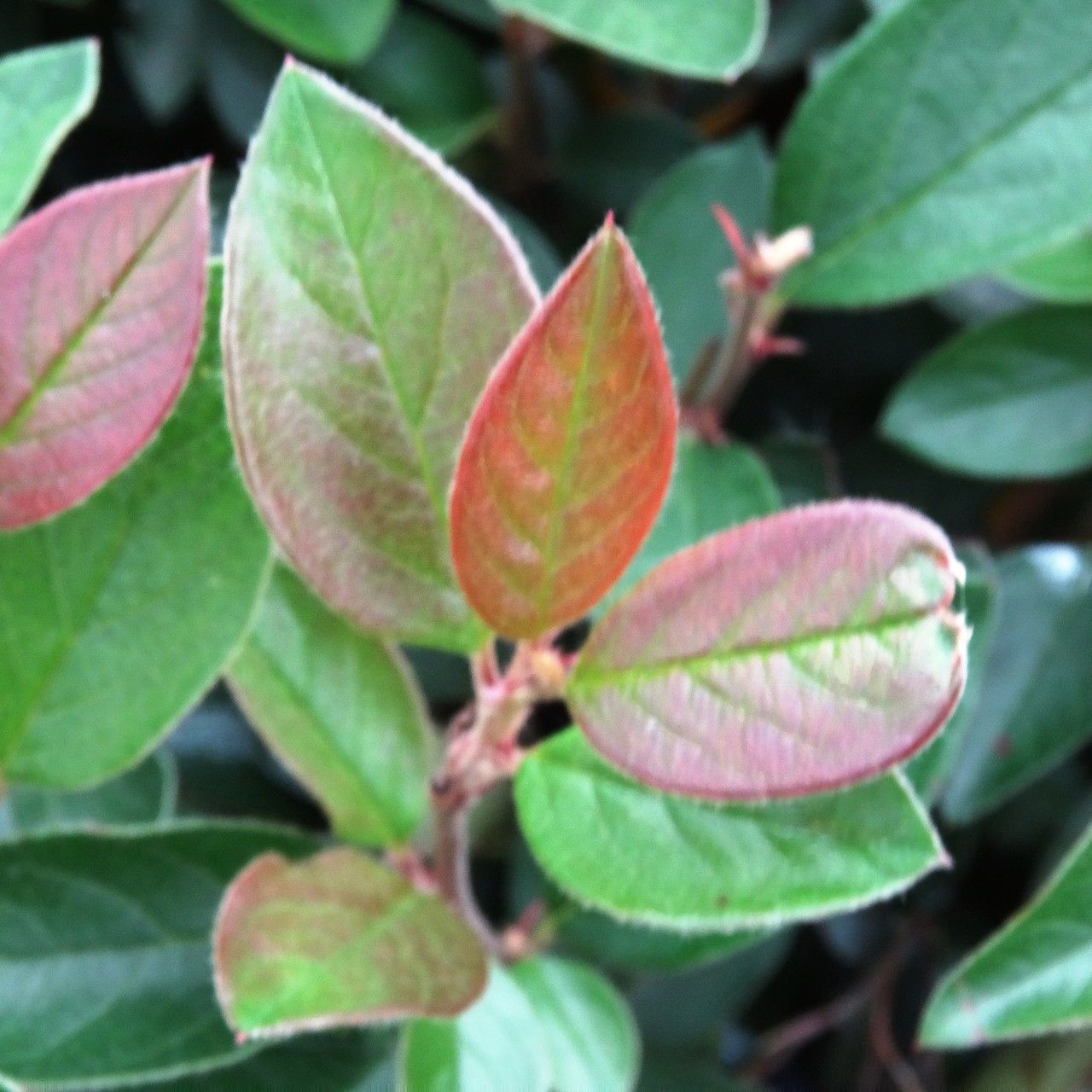
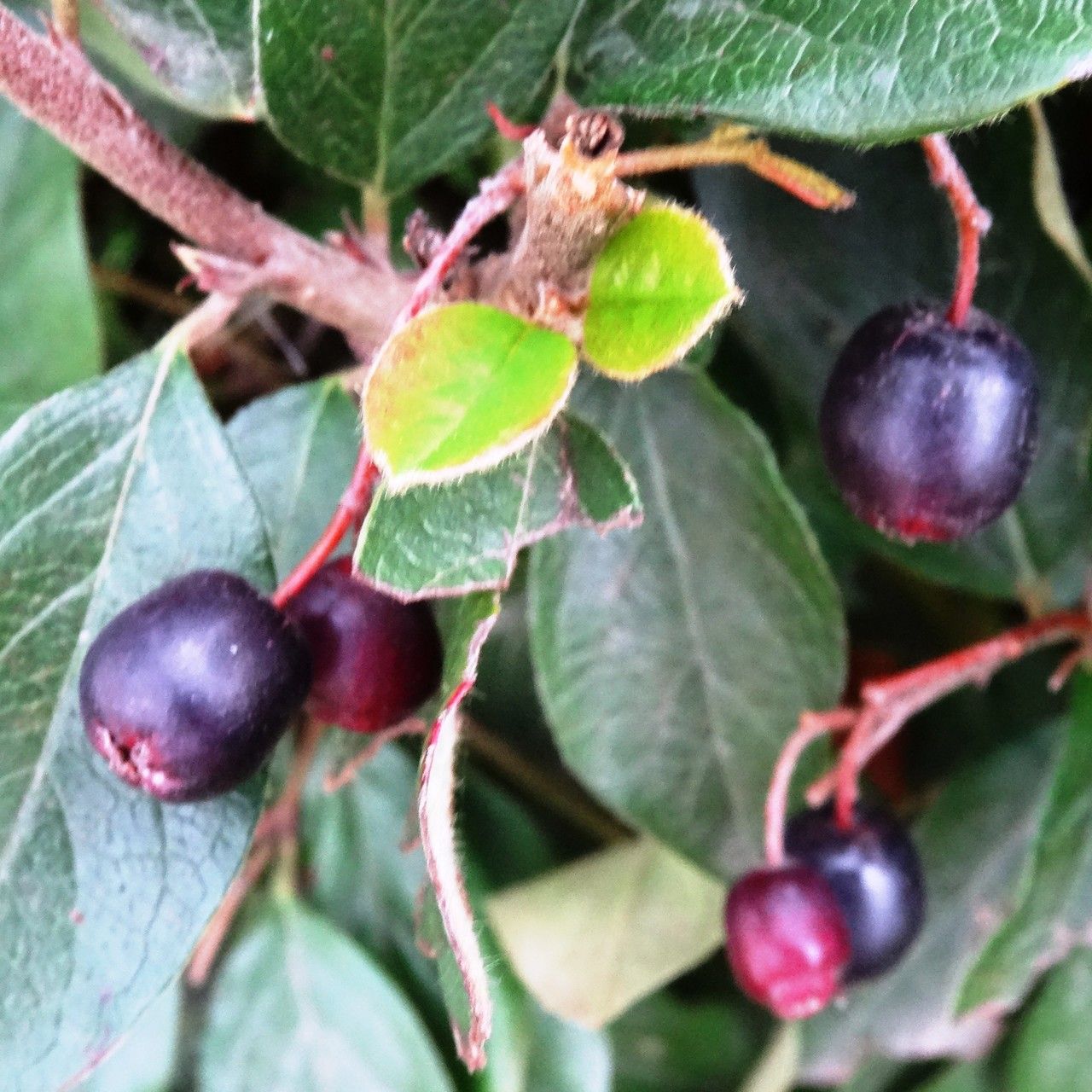
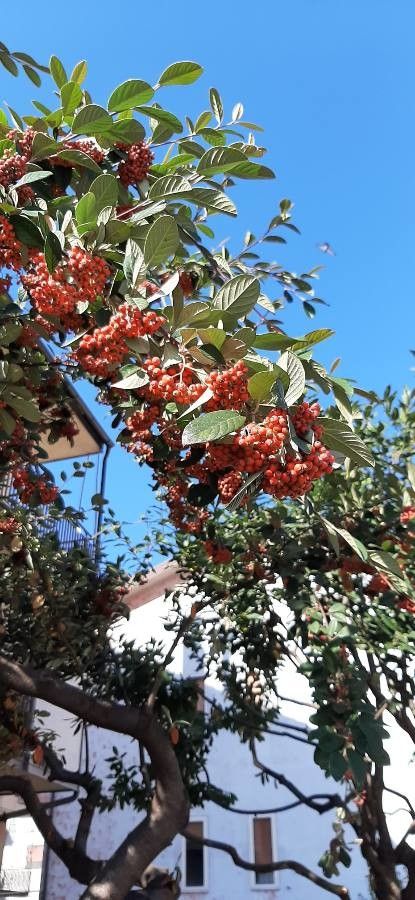
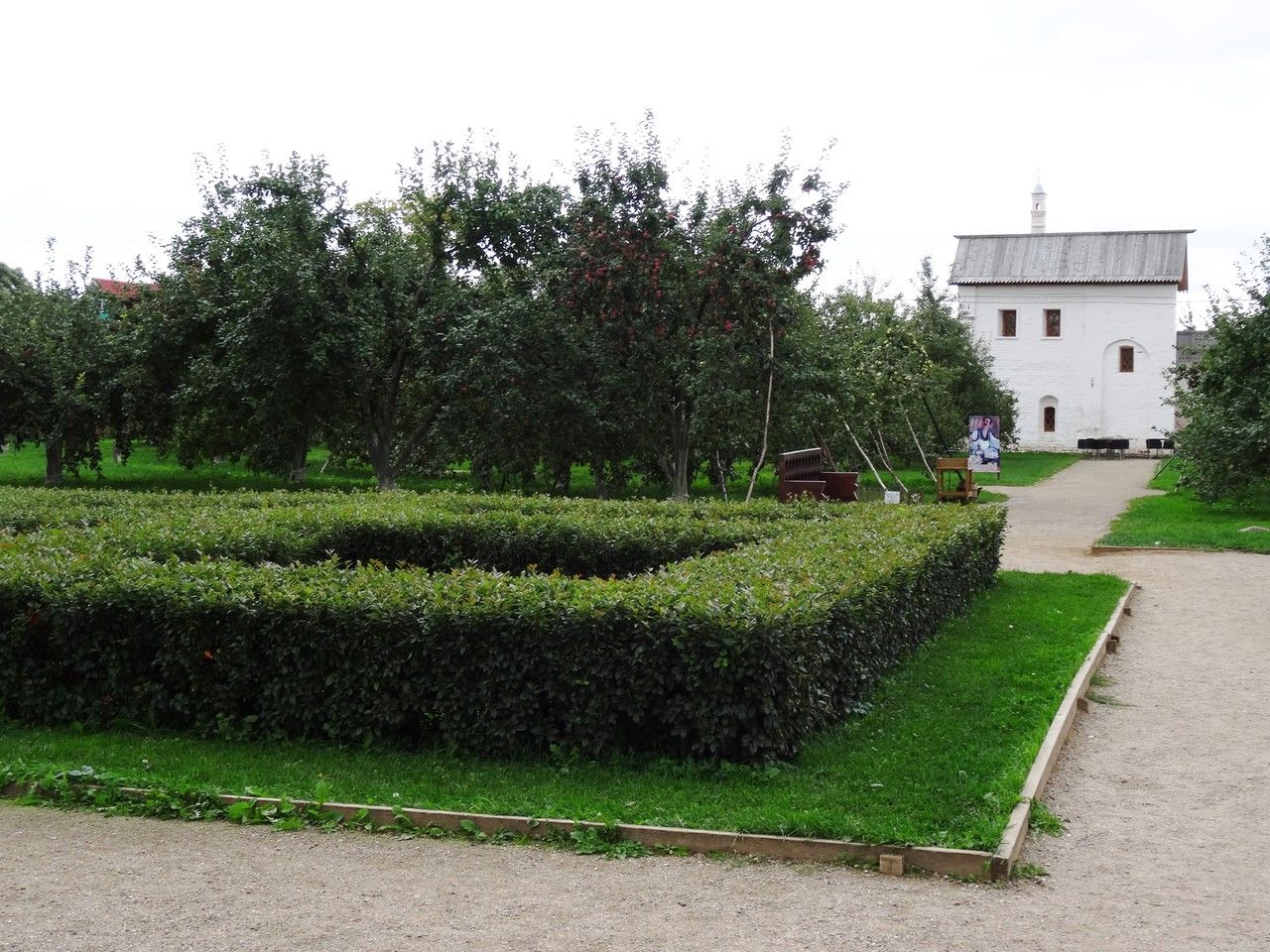
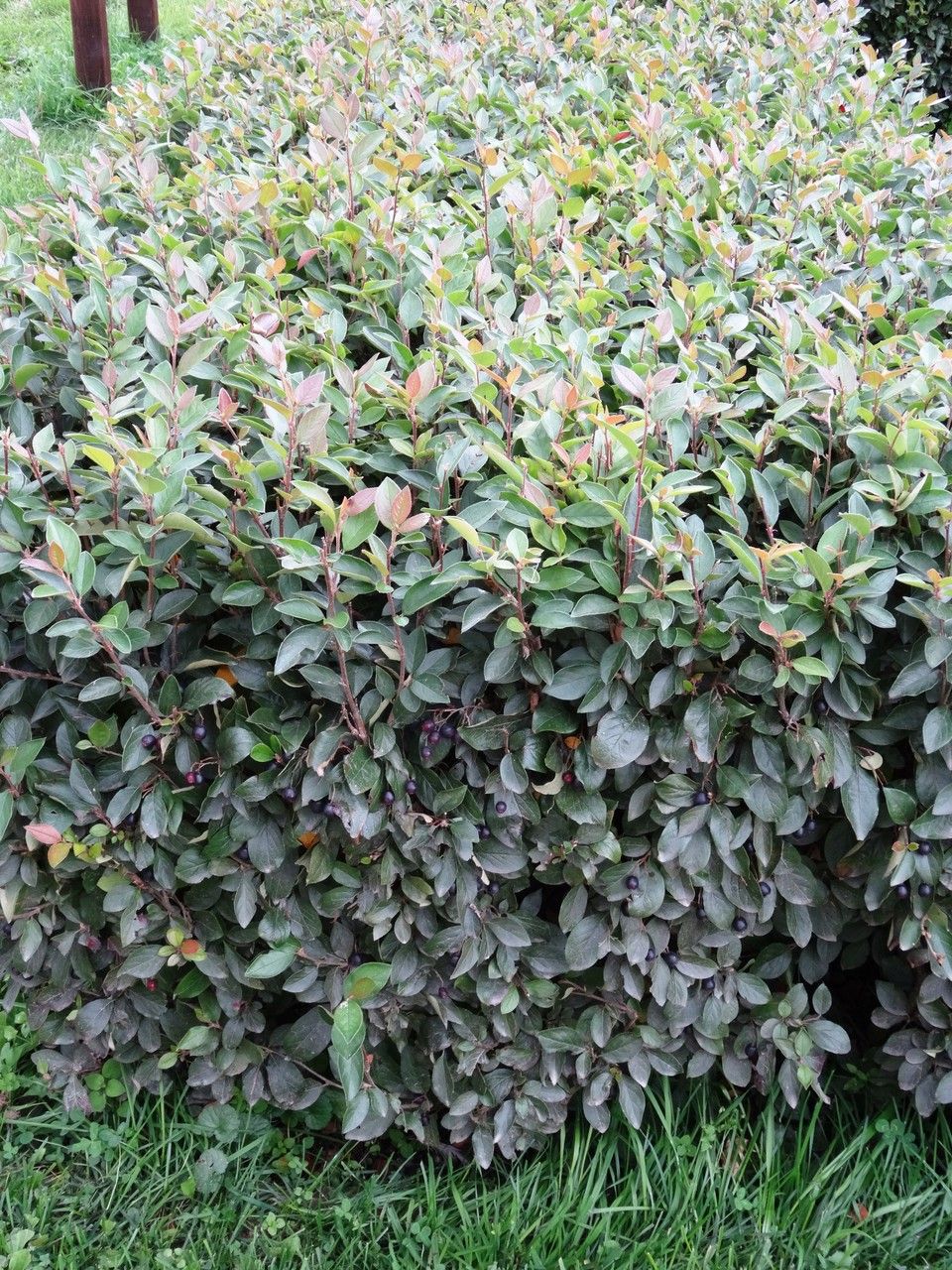
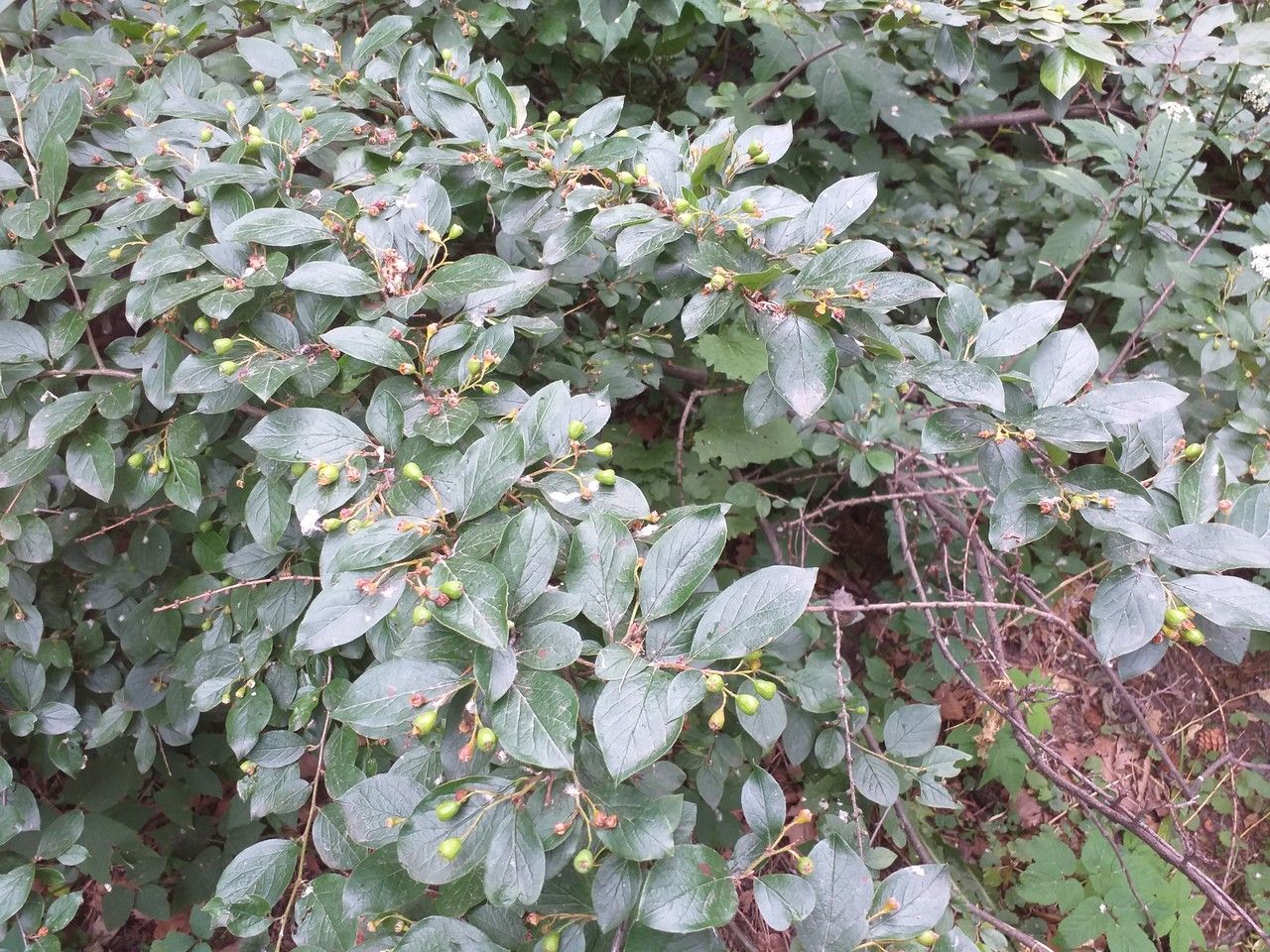
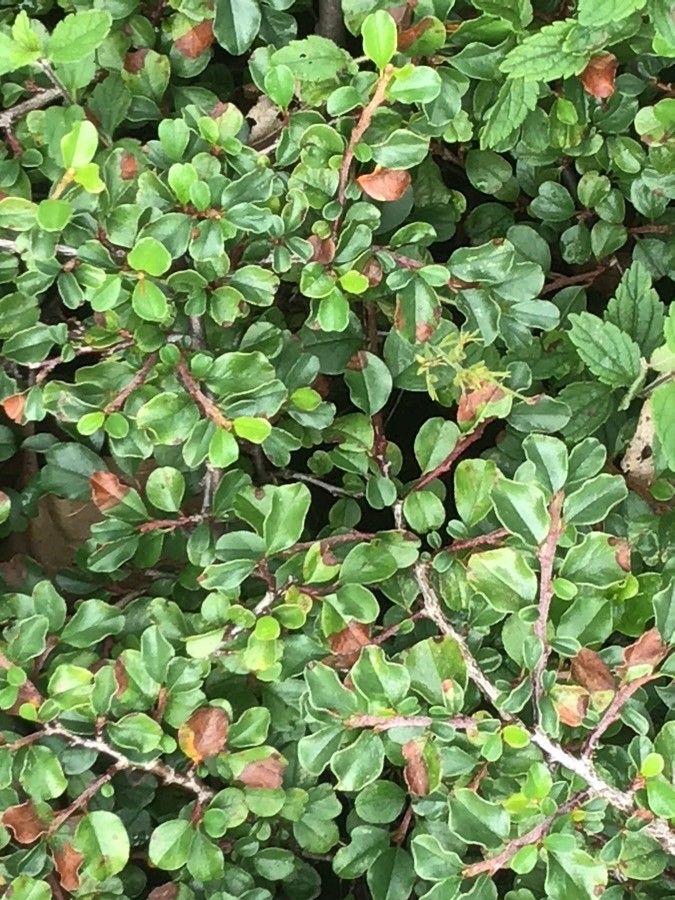
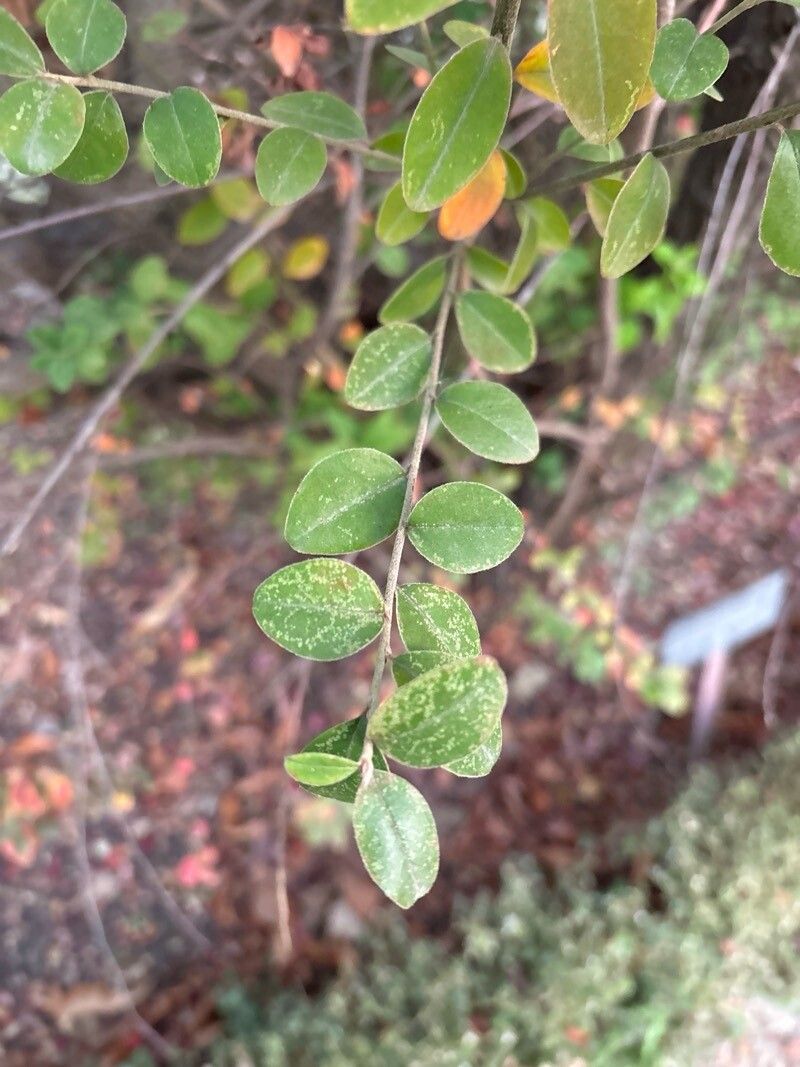
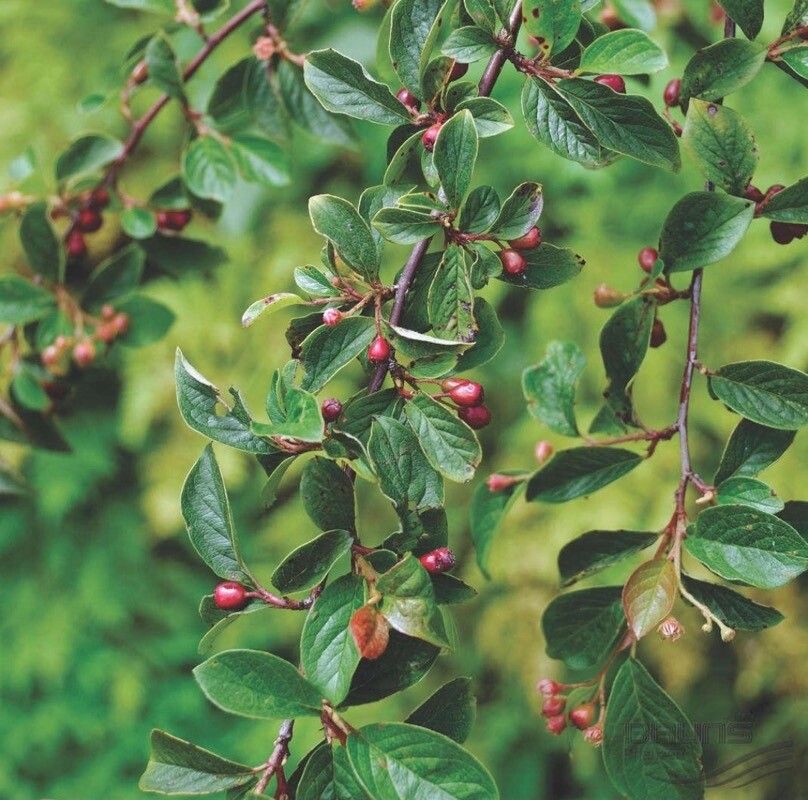
Cotoneaster acuminatus: A Versatile and Attractive Shrub Cotoneaster acuminatus is a deciduous shrub belonging to the Rosaceae family. Native to China, this plant can grow up to 2 meters in height and has a spreading habit. It features small, glossy, dark green leaves that transform into a reddish-purple hue in autumn. The shrub produces small, white flowers that bloom in late spring or early summer, followed by bright red berries that persist into winter. Commonly used as an ornamental plant, Cotoneaster acuminatus is valued for its attractive foliage and berries. It can be grown as a hedge or planted as an individual specimen in gardens or parks. The plant thrives in well-drained soil and full sun but can also tolerate partial shade. Beyond its ornamental appeal, Cotoneaster acuminatus boasts medicinal properties due to its high content of antioxidants such as flavonoids and phenolic compounds, which have been shown to be effective against various diseases, including cancer. Overall, Cotoneaster acuminatus is a stunning shrub that offers both aesthetic appeal for landscaping and potential health benefits through its antioxidant content.
Acuminate cotoneaster shows good resistance to disease and is generally not vulnerable to illnesses. Regarding maintenance, this plant is fairly low-maintenance. Planted outdoors, it needs only occasional watering, and larger specimens typically do not require pruning. Smaller plants, however, should be trimmed after they have finished blooming. Acuminate cotoneastert is suitable for anyone with an outdoor area, such as a garden or a deck, and does not demand much experience in plant care.
How to keep Cotoneaster Acuminatus.
Light
Acuminate cotoneaster grows best with optimal light that imitates its native surroundings. At every stage of development it typically prefers a site that gets the longest amount of sunlight each day. Too little light can limit its growth, while overly intense exposure can injure the foliage.
Water
The acuminate cotoneaster, native to mountainous regions, efficiently stores water and thrives in well-draining soil with balanced moisture. It needs watering every three weeks and benefits from mulching in temperate zones to retain soil moisture during its active growth period.
Temperature
Acuminate cotoneaster is highly adaptable to a wide range of climates, from intense summer heat to cold winter conditions. Nevertheless, it has an ideal temperature range for healthy growth. If temperatures become too high, the plant is vulnerable to heat and humidity stress, which can cause it to die. In locations where temperatures approach the lower limit of its cold tolerance, it is necessary to use insulation to protect the plant.
Fertilizer
Timing is essential for fertilizing Acuminate cotoneaster. Apply fertilizer in early spring and repeat once a month through early summer. Fertilizer encourages attractive blooms and supplies energy during both dormancy and active growth.
Pruning
The acuminate cotoneaster features small red fruits and dense green leaves. To encourage growth, remove dead branches, and improve air circulation, it is best to prune this plant in early spring. Regular trimming not only enhances its appearance but also helps maintain a strong structure.
Botanical profile.
- Plant Type
- Shrub
- Life Cycle
- Perennial
- Genus
- Cotoneaster
- Family
- Rosaceae
- Hardiness Zone
- 5-8
- Mature Height
- 2.13 m to 3.96 m
- Mature Spread
- 2.13 m to 3.05 m
- Leaf Color
- Green
- Leaf Type
- Semi-evergreen
- Flower Color
- White, Yellow
- Flower Size
- 0.51 cm to 0.76 cm
- Bloom Time
- Mid spring, Late spring
- Planting Time
- Spring, Summer
- Harvest Time
- Late summer, Early fall, Mid fall
- Native Area
- Nepal, India, Myanmar, Bhutan, China
Other names.
Reader questions.
How should I water my Acuminate cotoneaster in the best way?
To ensure excellent root development, place a garden hose at the base of the plant instead of spraying the leaves directly. If the plant is exposed to direct sunlight outdoors, the leaves will require more watering. You can use bubblers or soaker hoses to moisten the roots, and when adding or removing plants, use soaker hoses that cover the entire garden or bed to encourage deep root growth. After watering, drain any excess water and allow the soil to dry before watering again. To prevent diseases, water at ground level. On a sunny day, consider spraying the entire bush with water. Whether potted or in-ground, remember that Acuminate cotoneaster prefers deep watering rather than light sprinkling.
Why should I put fertilizer on my Acuminate cotoneaster plant?
To ensure your Acuminate cotoneaster produces beautiful blooms, it's important to fertilize it. Fertilizing in early spring is particularly effective for promoting excellent flowers during that season. Additionally, fertilizer provides the necessary energy for the Acuminate cotoneaster to store in the ground while it goes through dormant growth phases. By giving it extra nutrients during fall planting or late spring, you can help the Acuminate cotoneaster retain more energy to use when it resumes active growth.
What are the sunlight requirements for Acuminate cotoneaster?
Acuminate cotoneaster, or Cotoneaster acuminatus, thrives best in environments with full sun exposure, defined as above 6 hours of direct sunlight daily. Monitoring your garden's sunlight throughout the day can help identify the optimal balance of light and shade, ensuring the plant's growth and health are maximized.
What should I do if I give Acuminate cotoneaster too much or too little water?
An overwatered Acuminate cotoneaster will display yellowing, dropping, and wilting leaves, as well as a dull and unhealthy appearance, with mushy stems. It is important to adjust your watering schedule when these signs begin to show. Wilting can also indicate under watering, which is characterized by crispy, dry leaves. In such cases, check the soil for dryness and provide a thorough watering if needed. However, even with sufficient water, the plant may still exhibit dryness and yellow leaves due to root damage, although this will stop once the plant recovers. When keeping an Acuminate cotoneaster indoors, always monitor moisture levels and avoid overwatering. Look out for black spots, and if present, allow the soil to dry by refraining from watering for a few days. Overwatering can lead to root rot, so consider transferring the plant to a different pot if you observe discolored and slimy roots. Take care to prevent root rot by avoiding excessively soggy soil. When planting an Acuminate cotoneaster outdoors, ensure that the soil is adequately moist. If the soil feels too dry, it may indicate underwatering, in which case the plant requires sufficient watering for recovery.
When should I fertilize my Acuminate cotoneaster for the best results?
To effectively fertilize Acuminate cotoneaster, proper timing is essential. It is important to avoid applying fertilizer too early when the plant is still dormant. Applying fertilizer at this stage would be ineffective as it would be washed away by rainwater, resulting in waste and pollution. The first application of fertilizer should be done in early spring, with subsequent applications once a month until early summer.
What role does lighting play in the growth of Acuminate cotoneaster, and how can artificial lighting be utilized?
Lighting is crucial for the development of Acuminate cotoneaster at all stages, closely mirroring its natural habitat's conditions for ideal growth. In situations where natural sunlight is limited, especially during winter or in less sunny indoor areas, artificial lighting serves as an essential alternative. Utilizing artificial lights, like LEDs, which can be adjusted to provide specific light wavelengths, helps promote healthier, faster growth. The intensity needed varies by plant type: full sun plants require 30-50W/sq ft, partial sun plants 20-30W/sq ft, and full shade plants 10-20W/sq ft of artificial light. The positioning should be 12-36 inches above the plant, and the duration should mimic natural daylight hours, generally 8-12 hours per day.
How frequently do I need to water my Acuminate cotoneaster?
The Acuminate cotoneaster has specific watering needs. It is best to water them deeply but infrequently, using a gallon of water each time, especially if they are planted in pots. Potted plants dry out faster, so they require watering every 3 to 5 days in cold regions. Watering should be done early in the morning when the soil is dry. You can check if watering is needed by feeling the soil; if the top 2-3 inches are dry, it's time to water. On hot days, check the moisture daily as the heat can quickly dry out the soil. If you have a garden, irrigation is necessary, especially in hot climates. Water once a week if about 2 to 3 inches of soil are too dry. Be mindful of rainfall and avoid overwatering to prevent root rot. During the growing seasons of spring and fall, adding 3 to 4 inches of mulch around outdoor plants can help conserve water. Sandy soil drains faster, so plants in this type of soil will need more frequent watering. On the other hand, plants in clay soil can go 2-3 days without water to avoid root rot. It can be helpful to mark the watering dates on a calendar and monitor the plant's leaves for signs of drooping, which may indicate the need for watering.
When is it not a good idea to use fertilizer on my Acuminate cotoneaster?
To properly fertilize Acuminate cotoneaster, avoid using fertilizer with high levels of nitrogen as it can result in an abundance of leaves but few blooms. Look for a fertilizer that has a lower nitrogen content compared to other nutrients. It is important to refrain from fertilizing after early autumn, as this can promote excessive growth right before winter. Additionally, avoid fertilizing during hot and dry periods of the year, as dry soil does not effectively deliver fertilizer and this can lead to stimulated growth that requires more water which may not be readily available. It is recommended to apply fertilizer earlier in the season when temperatures are cooler. Lastly, be cautious about unintentionally providing the tree or shrub with a double-dose of fertilizer by using a product that was applied to nearby plants or lawns.
What are some common symptoms of inadequate lighting in Acuminate cotoneaster, and what issues can excessive sunlight cause?
When Acuminate cotoneaster does not receive sufficient light, it may exhibit symptoms such as smaller new leaves, leggy or sparse growth, quicker leaf drop, slower or stopped growth, and lighter-colored or irregularly patterned new leaves due to inadequate chlorophyll and nutrient absorption. Excessive sunlight can lead to chlorosis, where leaves yellow and lose chlorophyll, sunscald resulting in pale or damaged plant tissue, leaf curling as a defense against water loss, wilting from excessive transpiration, and leaf scorching, identified by brown or crispy leaf edges. These symptoms highlight the importance of balancing sunlight exposure.
How much water should I give my Acuminate cotoneaster plant?
The Acuminate cotoneaster generally needs about a gallon of water on its watering schedule. For potted plants, water them deeply until you see water dripping from the bottom of the pot. Then, wait for the soil to dry before watering again. Use a water calculator or moisture meter to track the amount given to your plant each week. During the flowering period, provide plenty of water but allow moisture to evaporate to avoid root rot. If the Acuminate cotoneaster is planted outdoors with adequate rainfall, it may not need additional watering. When the plant is young or newly planted, ensure it receives 1-2 inches of rain per week. As the cotoneaster grows, it can survive solely on rainfall. Only in hot weather or when there has been no rainfall for 2-3 weeks, consider giving the plant a full watering during cooler parts of the day to prevent heat damage. Additional watering will be needed during extended dry spells.
What kind of fertilizer does my Acuminate cotoneaster plant require?
An ideal fertilizer for an Acuminate cotoneaster is one with a balanced mix of nutrients, slightly higher in phosphorus. Alternatively, some gardeners opt for organic materials like compost, worm castings, and manure to improve the soil. Experienced gardeners may also use water-soluble fertilizers with phosphorus when flower buds start to appear, promoting better flower development, larger size, and longer blooming. Fertilizers come in various forms, with liquid and powdered types considered best for Acuminate cotoneasters. Regardless of the form used, it's important to dilute the fertilizer and apply while watering the plant.
How can one address lighting issues for Acuminate cotoneaster both indoors and outdoors?
To resolve lighting issues, adjusting the plant's exposure to sunlight is key. For indoor plants, gradually relocating them to sunnier spots or employing artificial lighting, such as desk or ceiling lamps for at least 8 hours a day, can provide necessary light. Outdoor plants also benefit from a gradual transition to sunnier locations to prevent sunburn. Removing obstructions or transplanting to areas with better sunlight and drainage can also help. Although parts of the plant damaged by inadequate light may not recover, new growth should be healthy with improved lighting conditions.