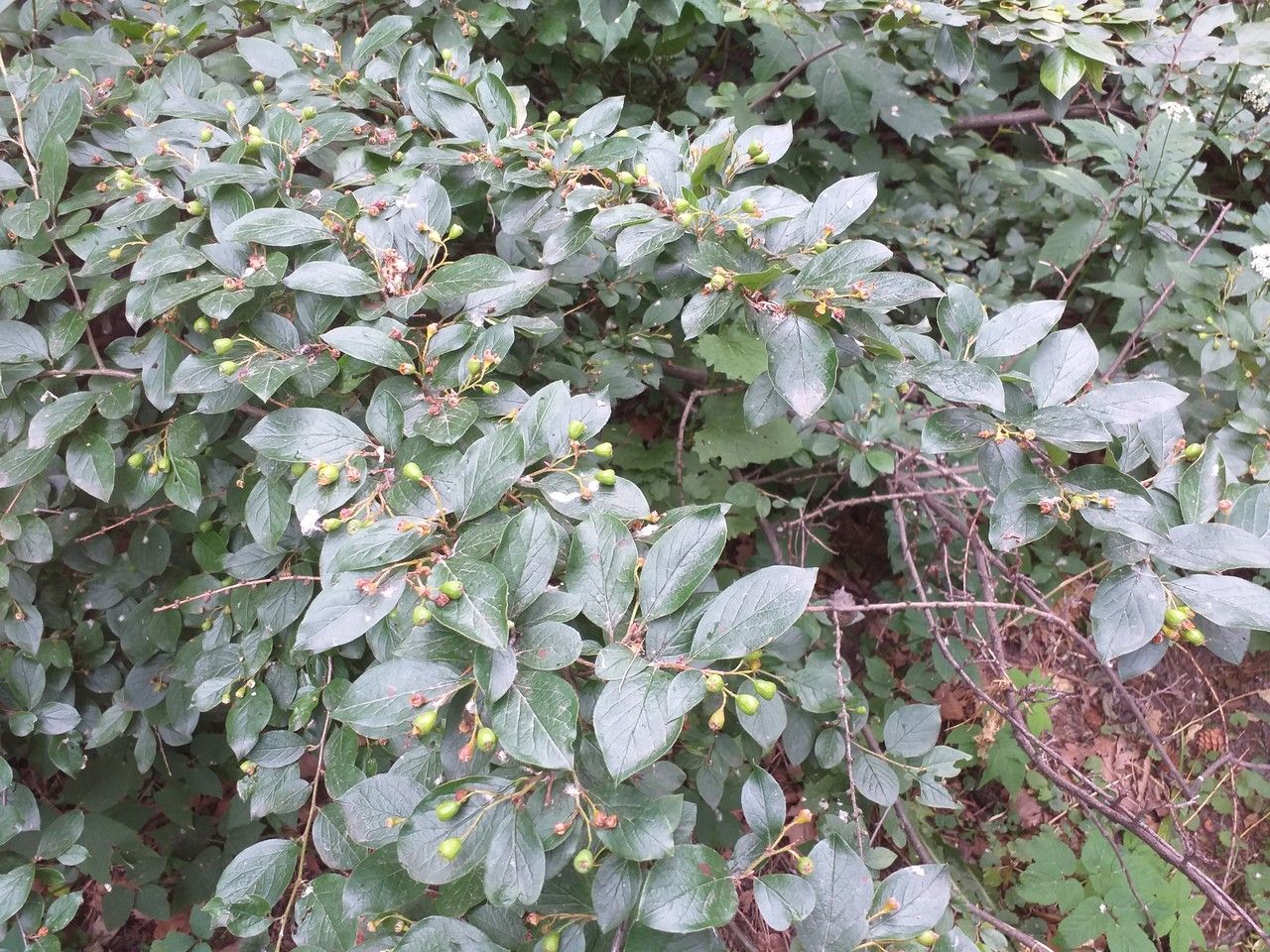
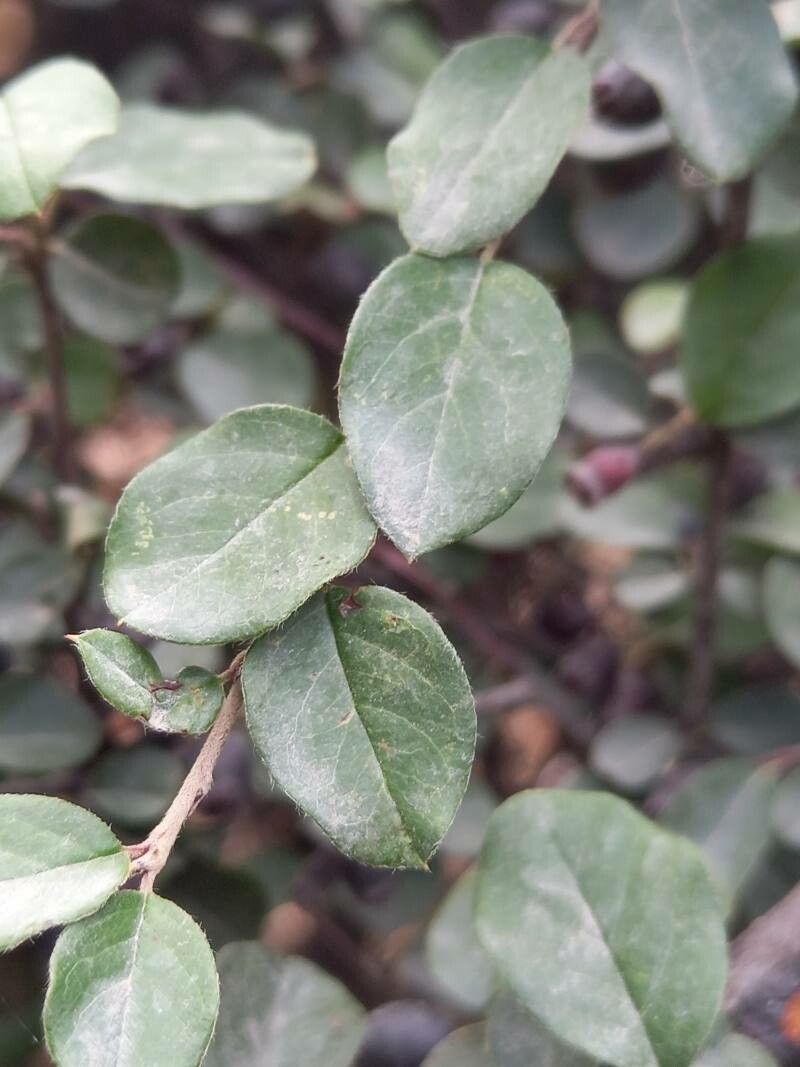
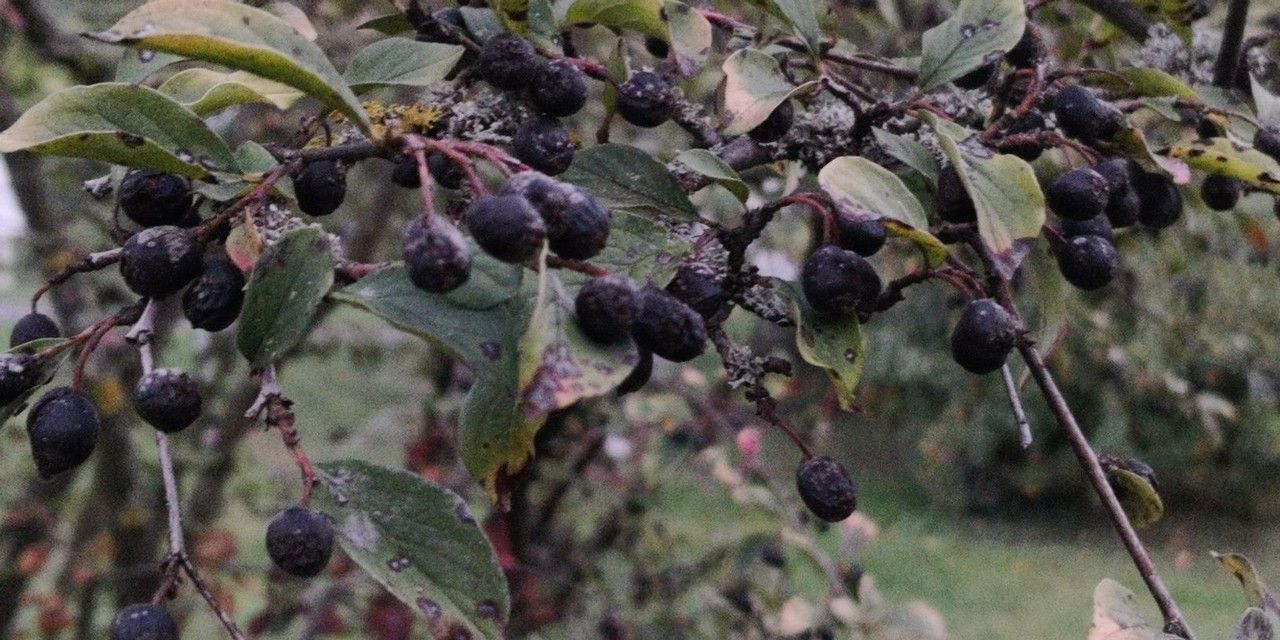
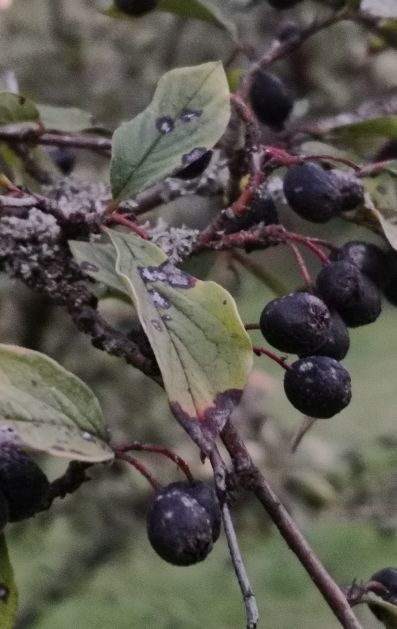
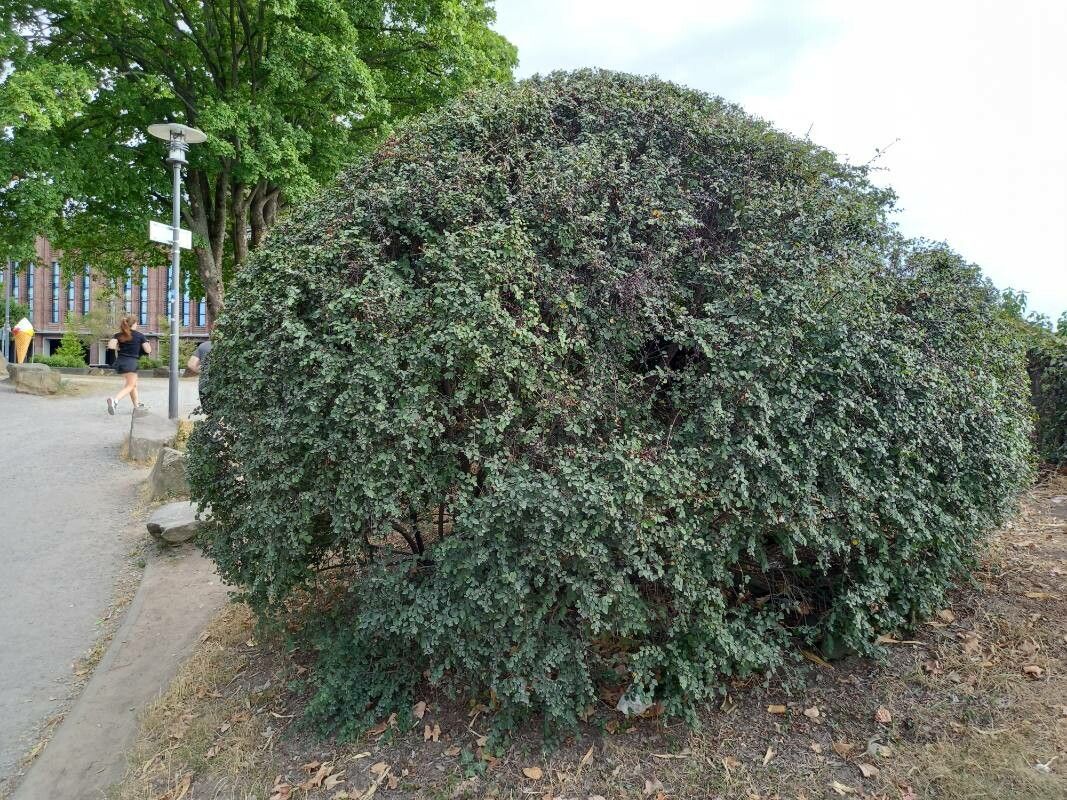
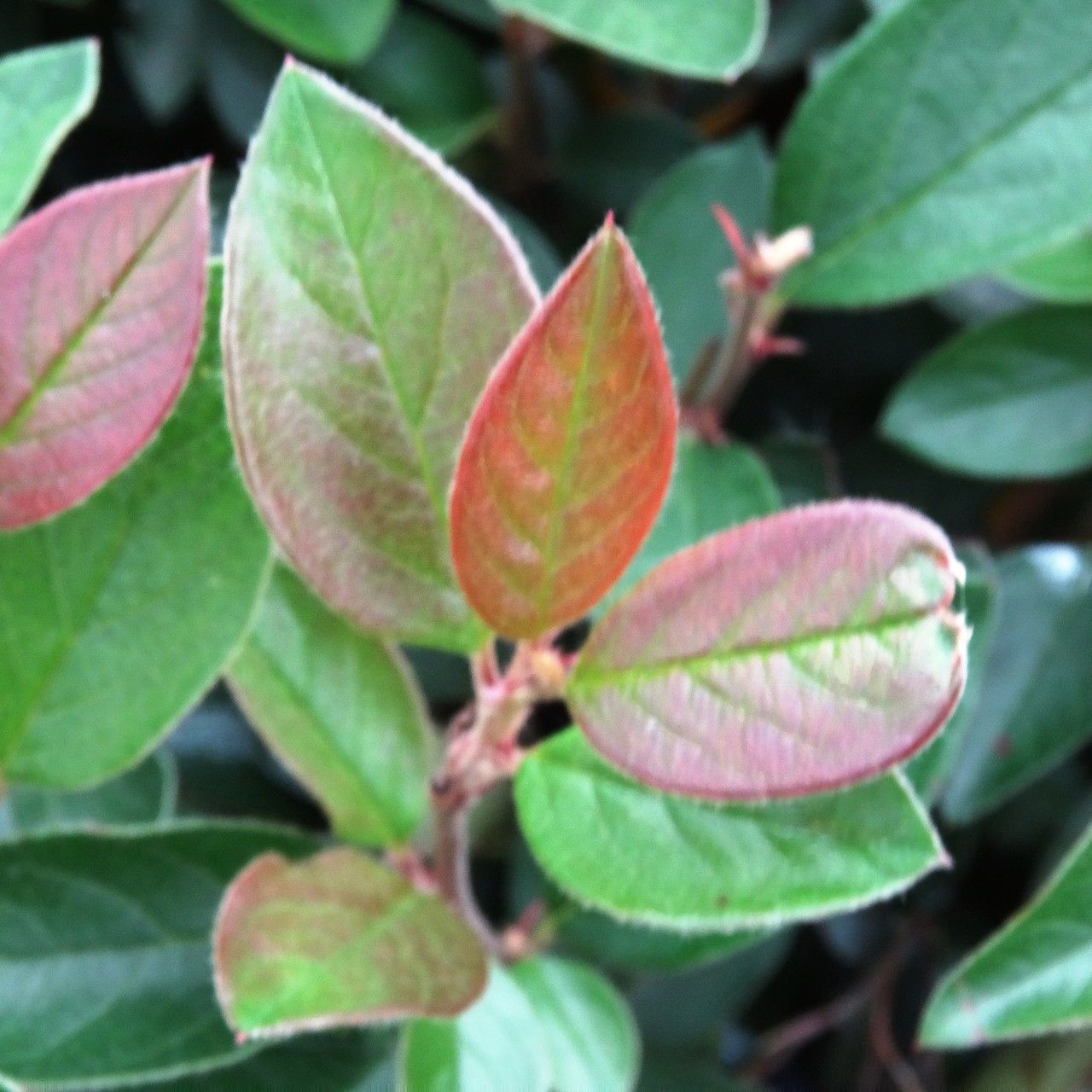
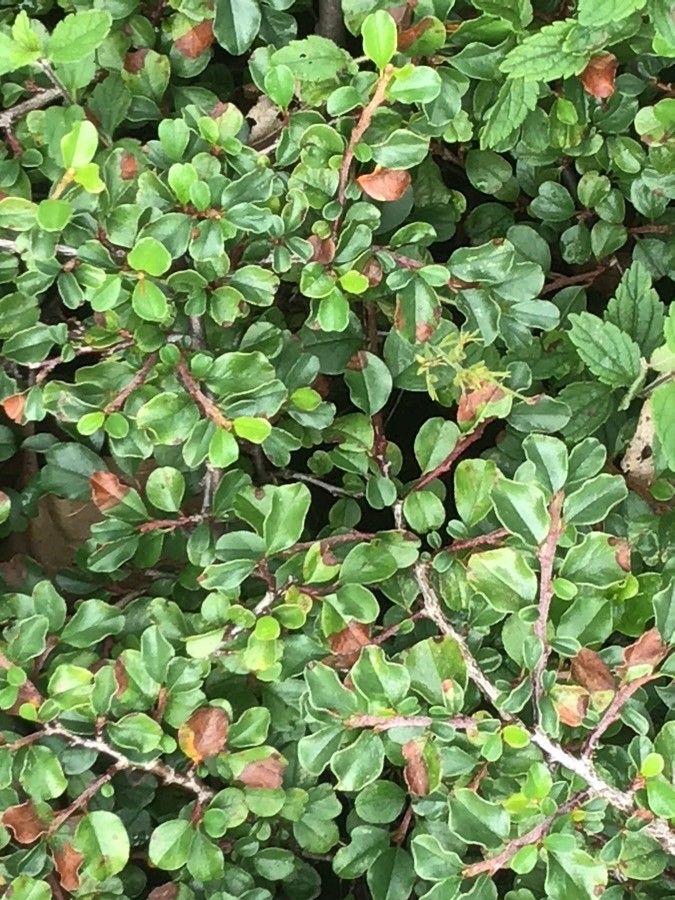
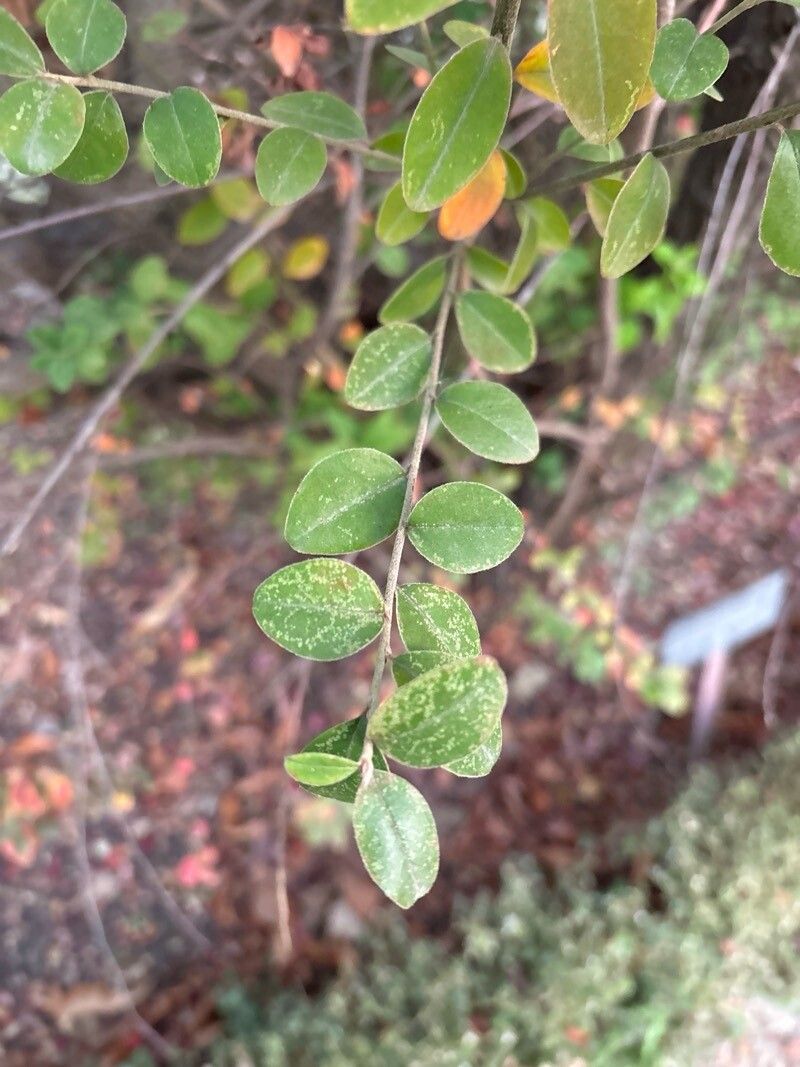
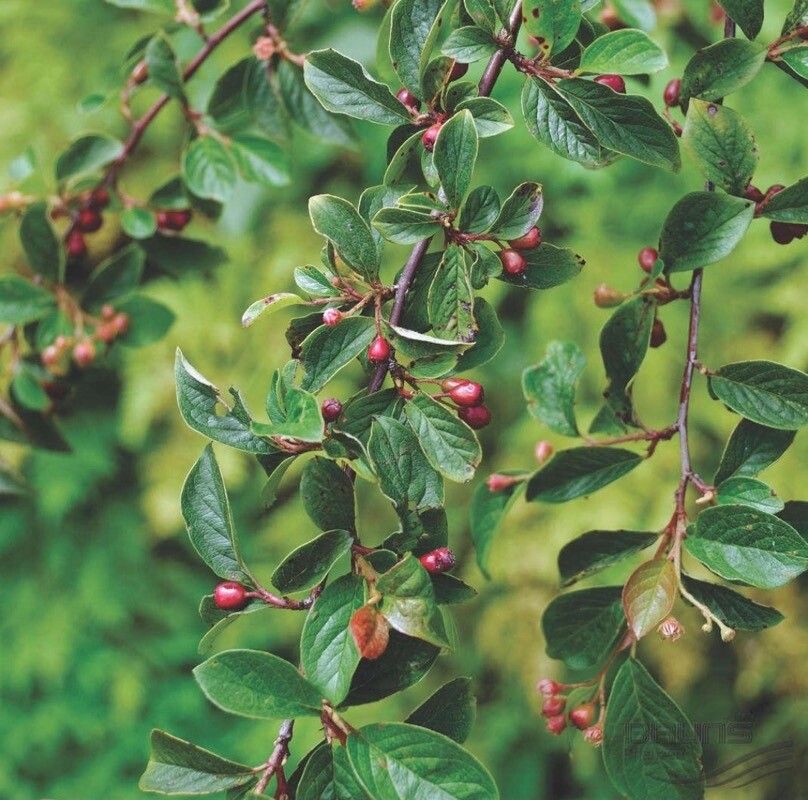
Cotoneaster acutifolius, the Peking cotoneaster, is a species of flowering plant in the family Rosaceae. It is native to southern Siberia, Mongolia, and most of China, and it has been introduced to Canada, the northern United States, and northern Europe. It is a shrub typically 2–4 m (7–13 ft) tall, found in a wide variety of habitats. Some authorities consider Cotoneaster lucidus, the shiny cotoneaster, to be a synonym of Cotoneaster acutifolius.
Peking cotoneaster shows good resistance to diseases and is generally not prone to them. Regarding care, this plant is relatively low-maintenance. When grown outdoors it needs minimal watering, and larger plants usually do not require pruning. Smaller plants, however, should be pruned after they have finished blooming. Peking cotoneaster is suitable for anyone with outdoor space, such as a garden or deck, and does not require much experience in plant care.
How to keep Cotoneaster Acutifolius.
Light
Peking cotoneaster comes from open habitats, such as sunny meadows and forest margins, which supply abundant light. It performs best in Full Sun but can also endure Partial Sun, showing good adaptability to different light conditions.
Water
The Peking cotoneaster thrives in a balanced moisture environment, preferring moderate watering with occasional dry periods. To maintain its health, water the plant every 1-2 weeks, allowing the soil to partially dry between waterings. It is ideally suited for outdoor growth in temperate climates where natural rainfall complements its water needs, promoting robust health without over-irrigation.
Temperature
Peking cotoneaster is highly adaptable to a range of climates, tolerating both hot summers and cold winters. However, it has a preferred temperature range for optimal growth. If temperatures get too high, the plant can suffer from heat and humidity stress, potentially leading to its death. In areas where temperatures approach the lower limit of its cold tolerance, it is necessary to use insulating measures to protect the plant.
Fertilizer
Timing is essential for feeding Peking cotoneaster. Apply fertilizer in early spring and continue monthly until early summer. Fertilizer encourages attractive blooms and supplies energy during both dormant and active growth periods.
Pruning
Peking cotoneaster is an excellent choice for hedging due to its dense, upright growth and glossy leaves. To encourage healthy growth and good air circulation, it's best to prune the plant in early spring. During pruning, remove any dead branches and shape the plant as needed. Be sure to use clean, sharp tools to prevent the spread of disease, and prune selectively to ensure the plant continues to flower well.
Botanical profile.
- Plant Type
- Shrub
- Life Cycle
- Perennial
- Genus
- Cotoneaster
- Family
- Rosaceae
- Hardiness Zone
- 4-7
- Mature Height
- 1.83 m to 3.05 m
- Mature Spread
- 2.13 m to 3.05 m
- Leaf Color
- Dark Green
- Leaf Type
- Semi-evergreen
- Flower Color
- White
- Flower Size
- 0.51 cm to 0.76 cm
- Bloom Time
- Mid spring, Late spring
- Planting Time
- Spring, Summer
- Harvest Time
- Late summer, Early fall, Mid fall
- Native Area
- Mongolia, China
Other names.
Reader questions.
What are the sunlight requirements for Peking cotoneaster (Cotoneaster acutifolius)?
Peking cotoneaster (Cotoneaster acutifolius) thrives in full sun, requiring more than 6 hours of sunlight daily. It's important to observe the way sunlight moves through your garden. Finding the right balance of light and shade will ensure the best growth for your plants. Choose planting spots that guarantee this balance, keeping in mind the unique sunlight needs of the Peking cotoneaster for optimal health and growth.
What is the botanical name of Peking cotoneaster?
The botanical name of Peking cotoneaster is Cotoneaster acutifolius. This plant is recognized by its specific botanical name, which helps in identifying and differentiating it from other species within the Cotoneaster genus.