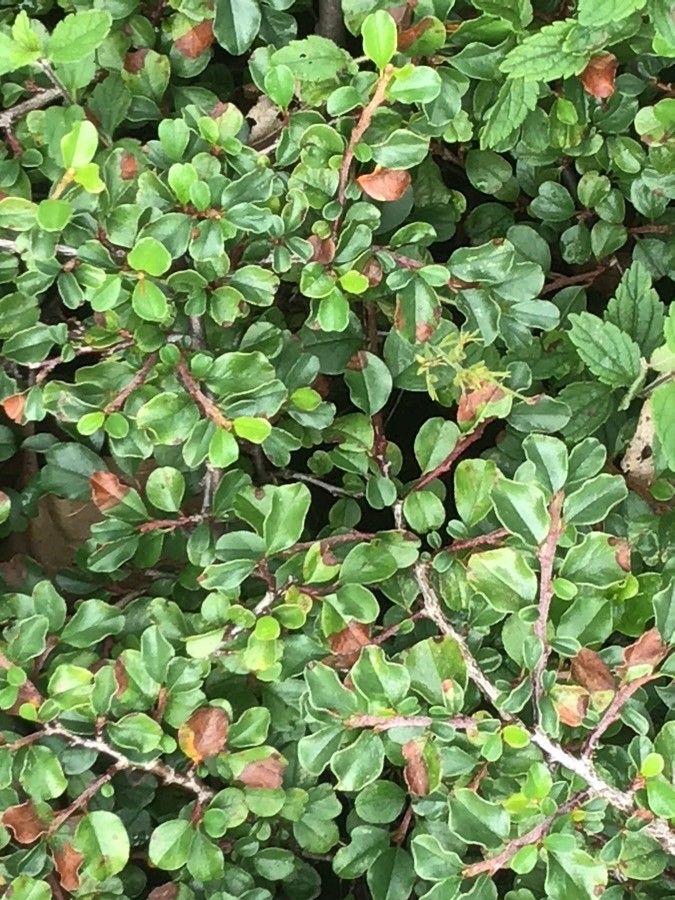
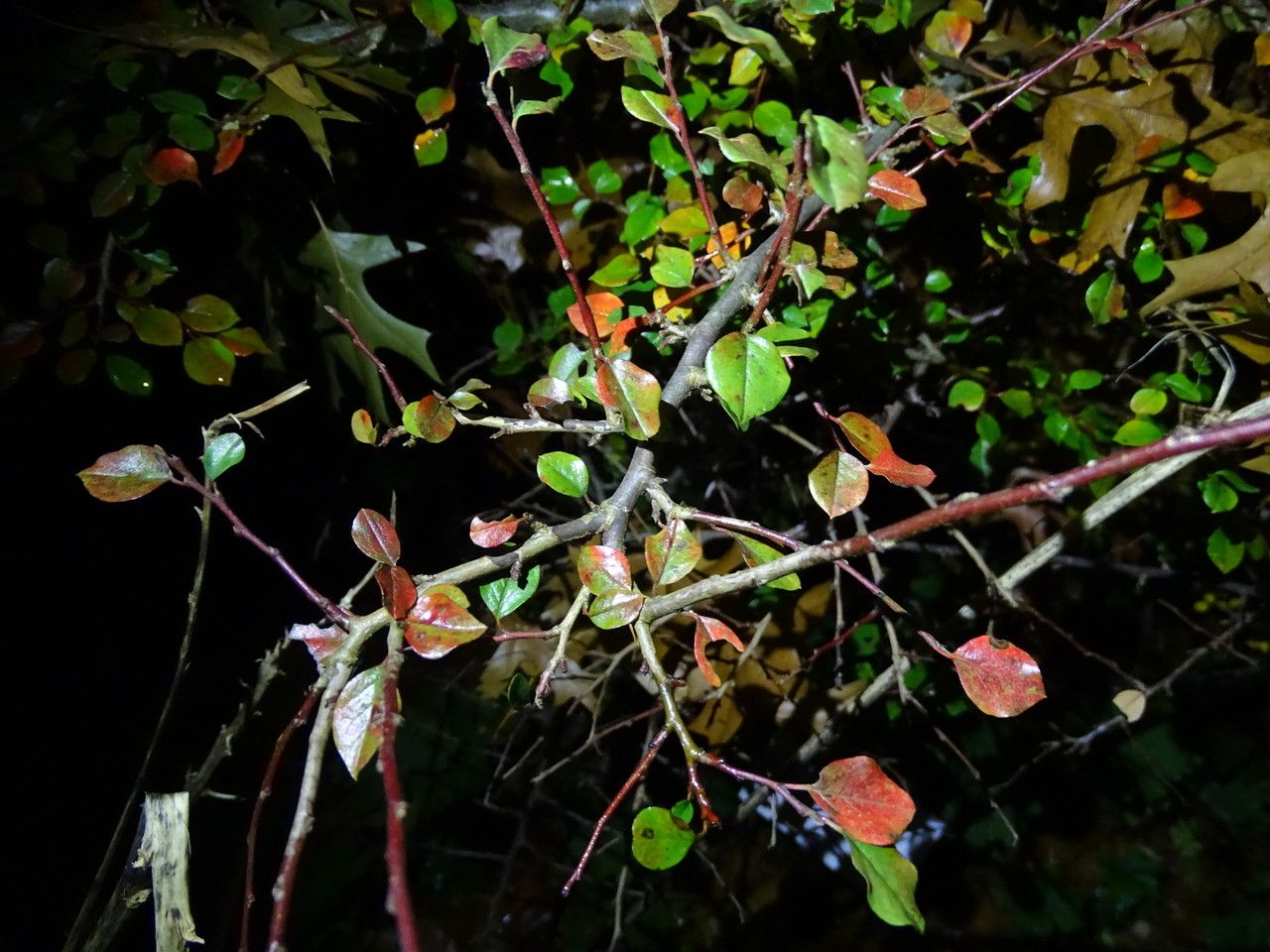
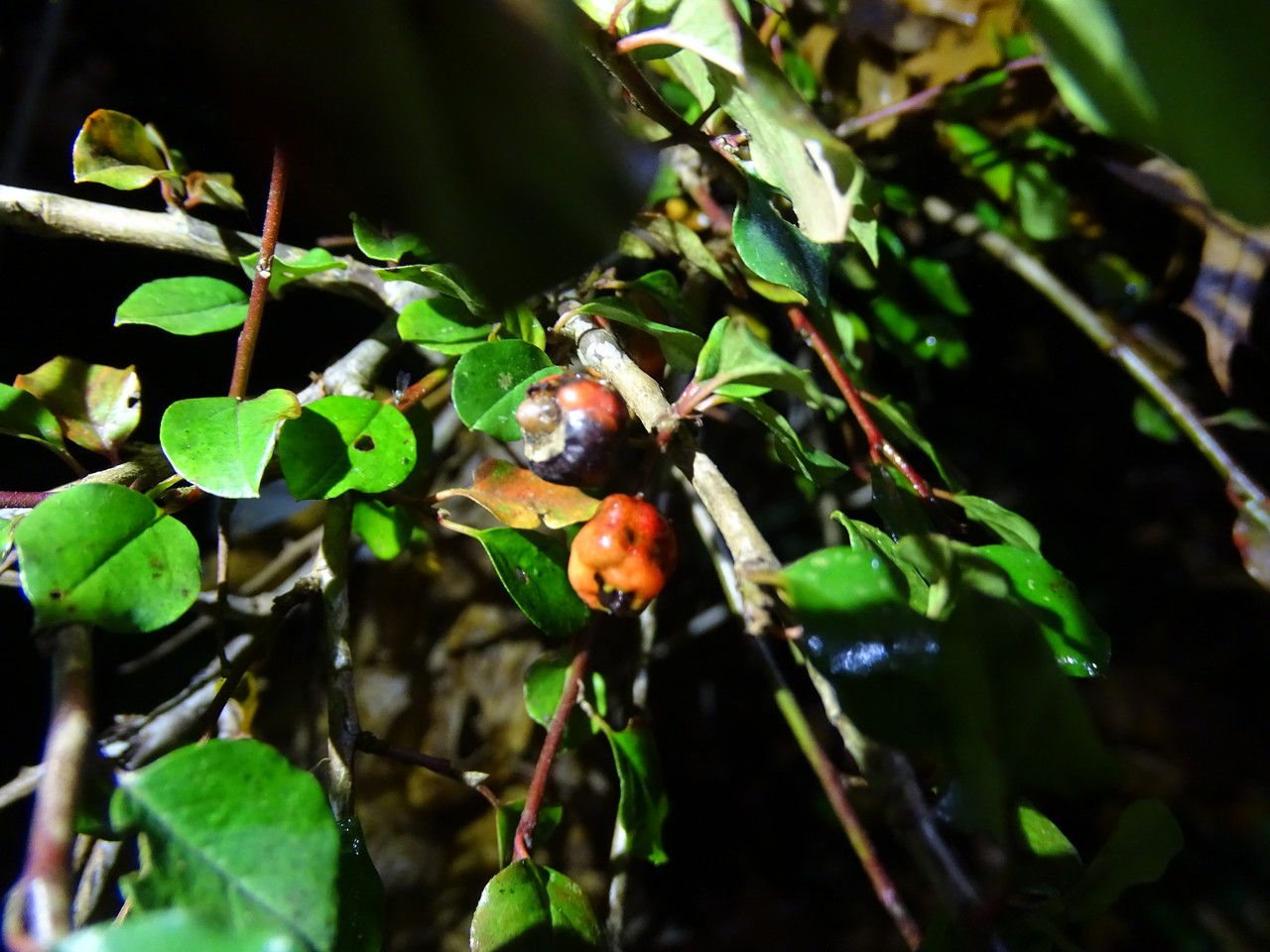
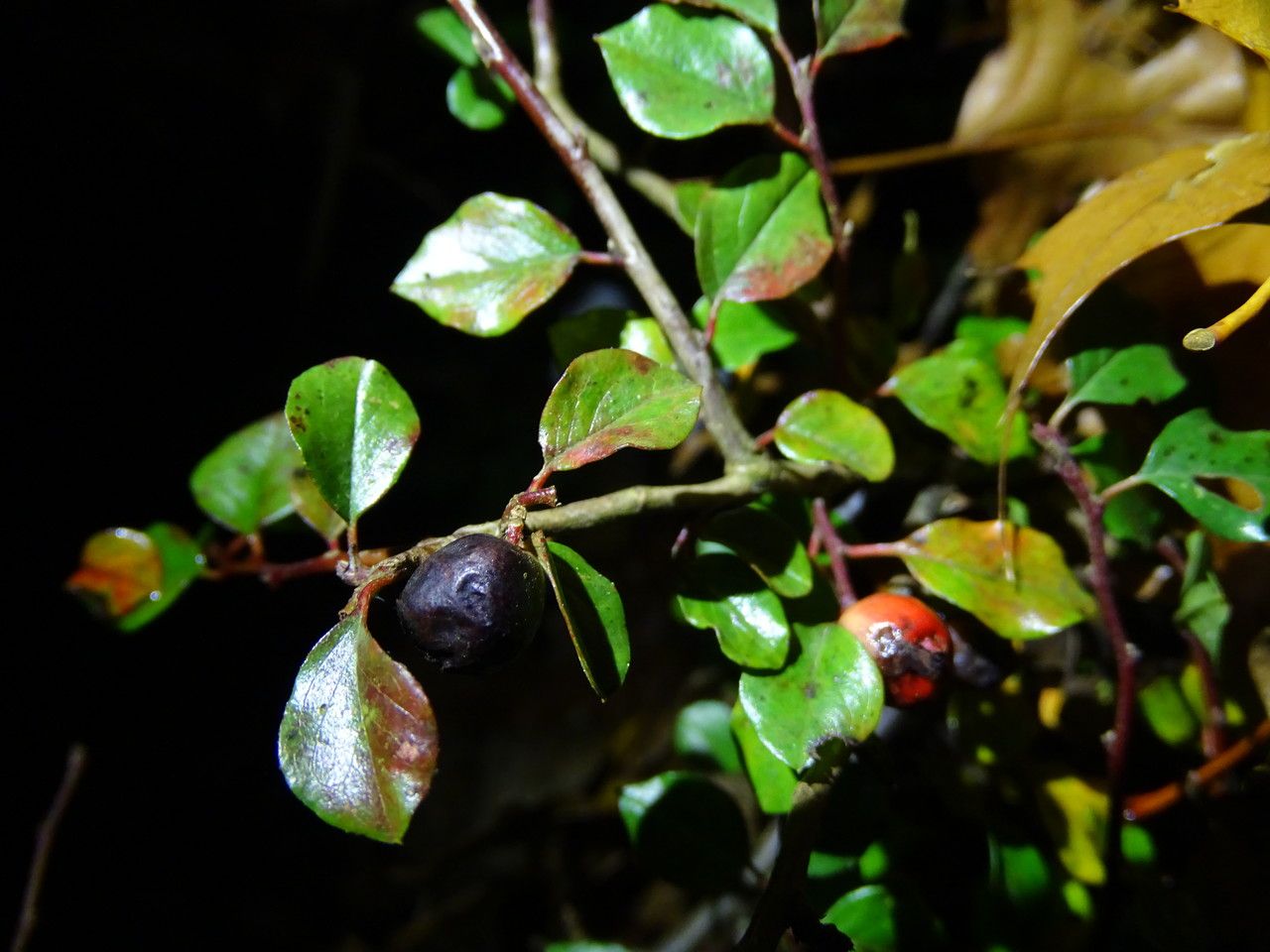
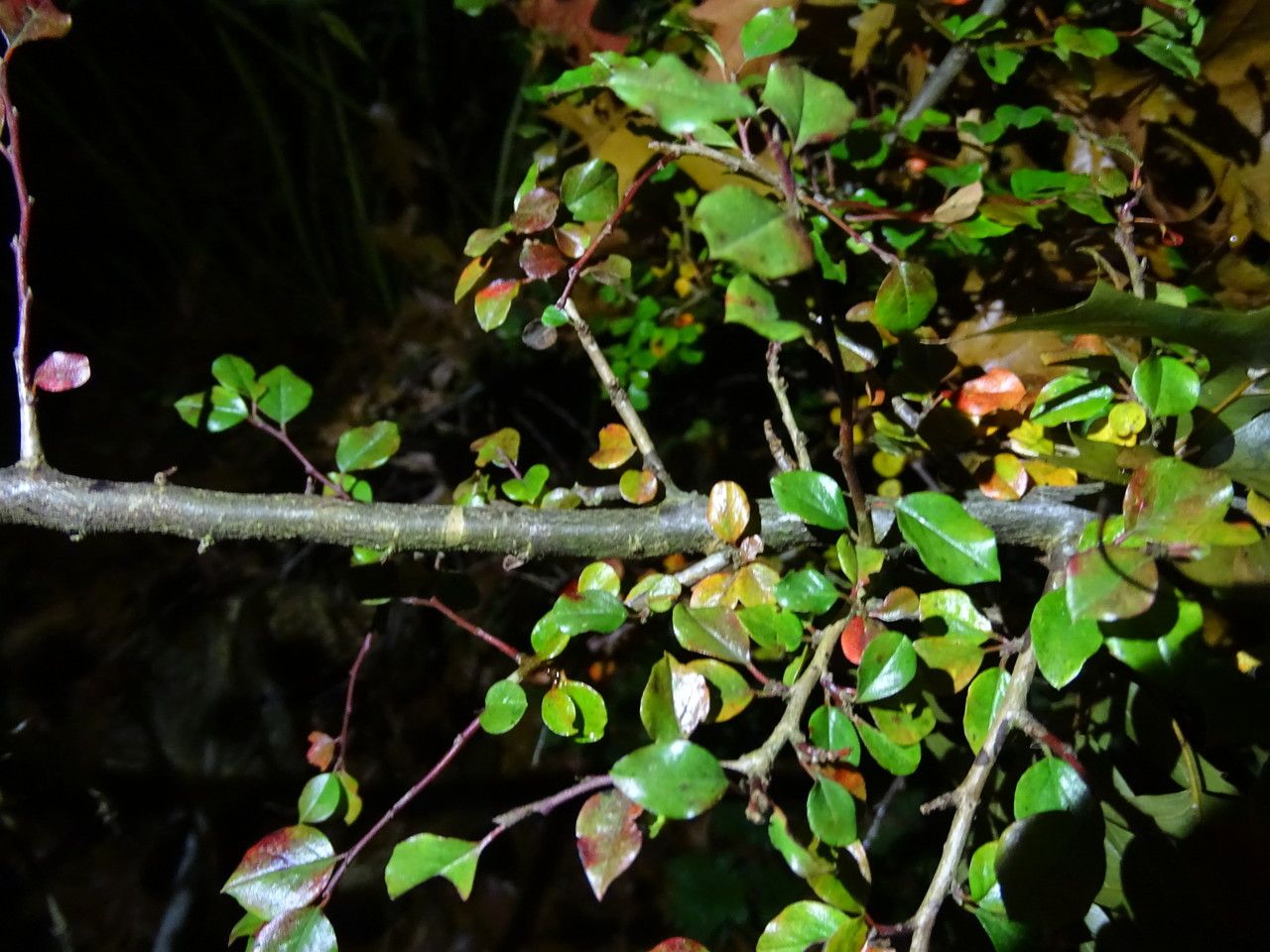
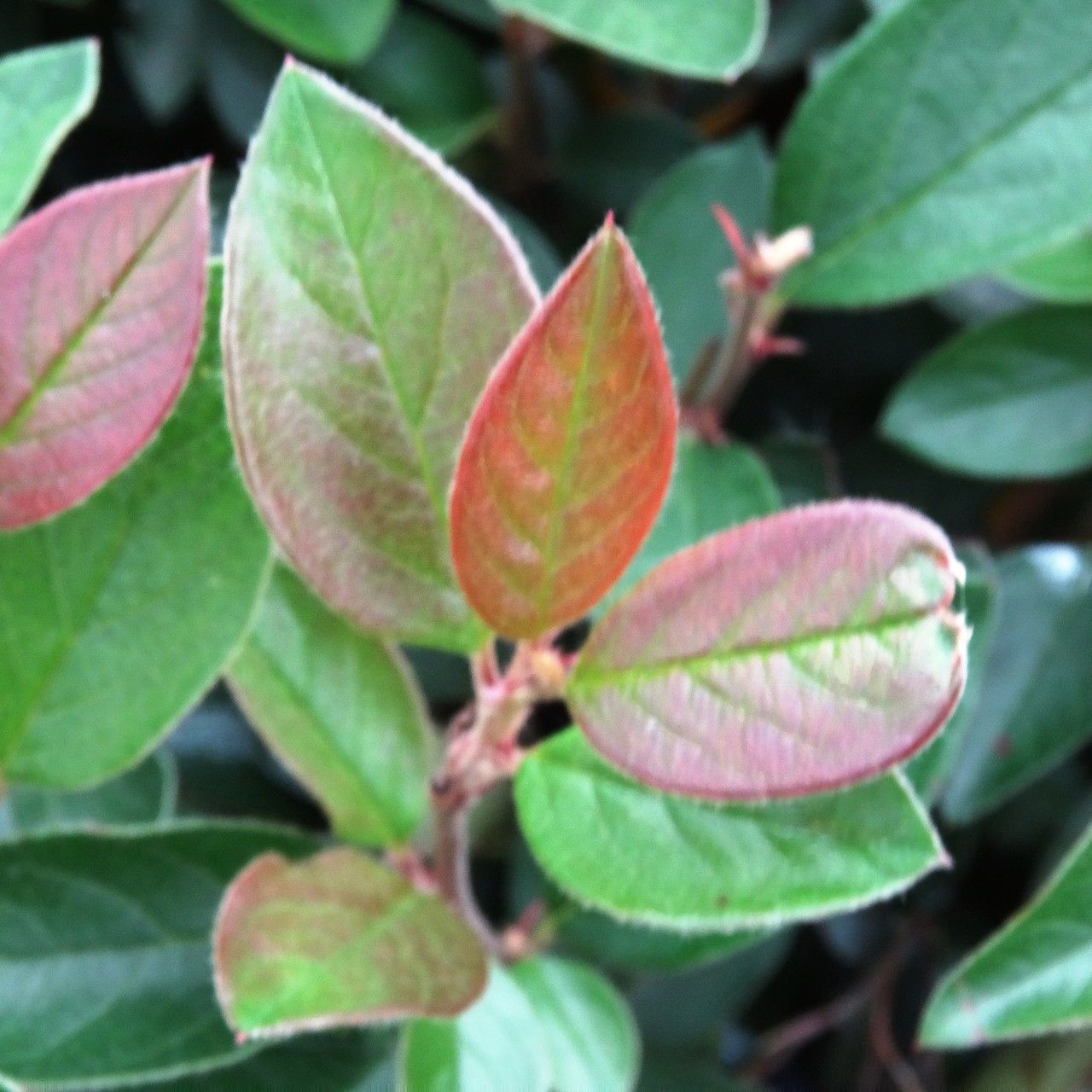
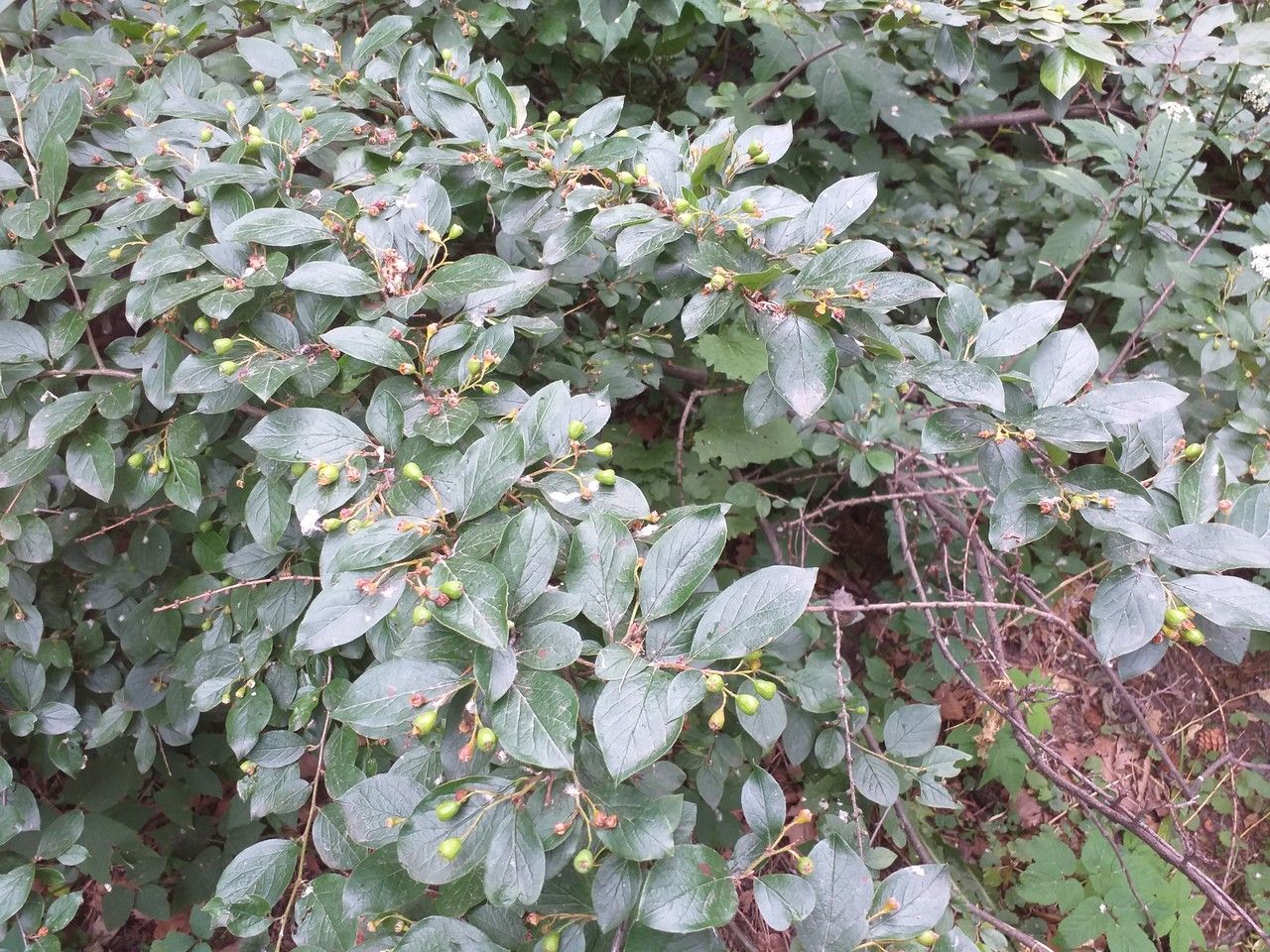
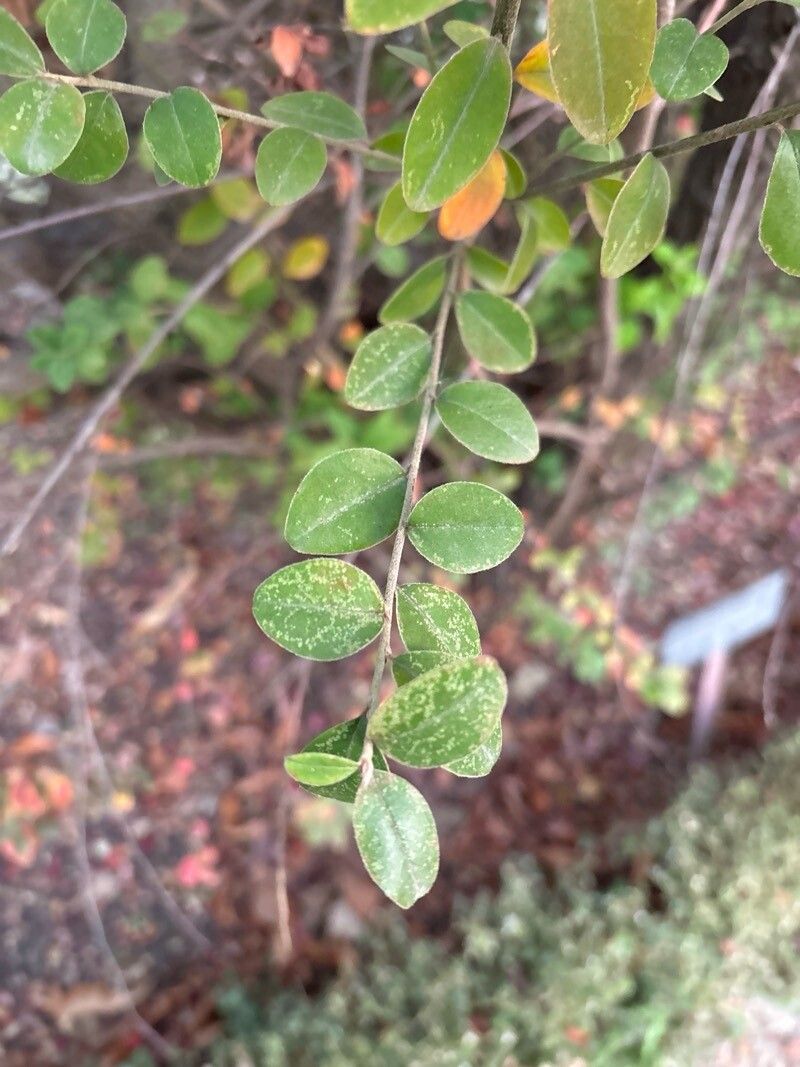
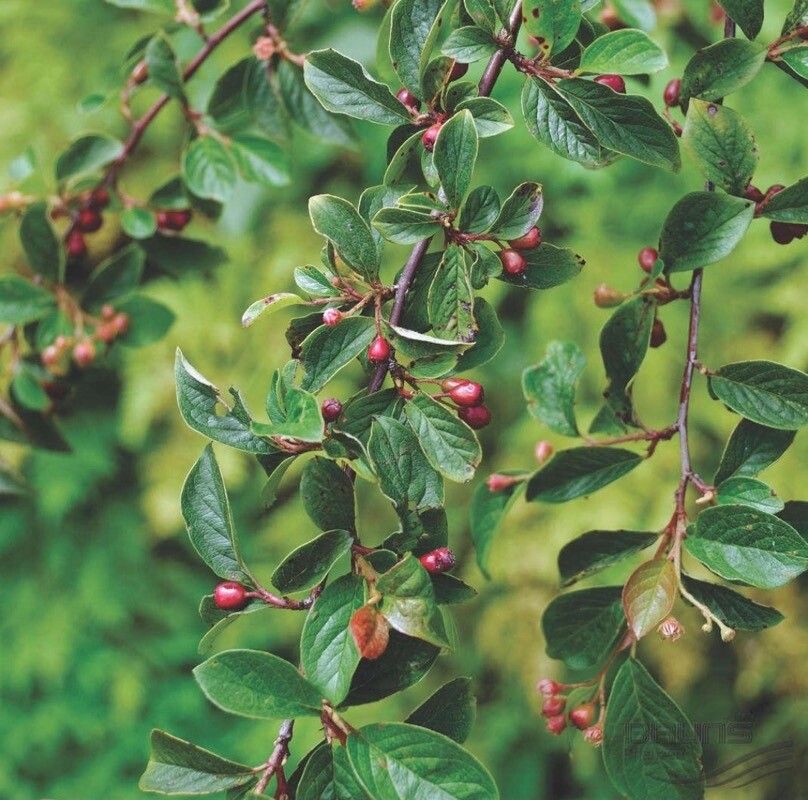
Cotoneaster adpressus, commonly known as creeping cotoneaster, is a species of flowering plant in the genus Cotoneaster of the family Rosaceae, native to western China. It is a prostrate, dense, deciduous shrub growing to 2 metres (6 ft 7 in) wide. It has masses of tiny rounded leaves, with white flowers followed by bright scarlet berries. It is cultivated as groundcover in gardens in temperate regions.This plant has gained the Royal Horticultural Society's Award of Garden Merit.
Creeping cotoneaster is resistant to disease and generally does not tend to get sick. When it comes to care, this plant is fairly low-maintenance. Outdoors it needs little watering, and larger specimens typically do not need pruning. Smaller plants, however, should be pruned after they have finished blooming. Creeping cotoneaster is appropriate for anyone with an outdoor area, like a garden or deck, and does not demand extensive gardening experience.
How to keep Cotoneaster Adpressus.
Light
Creeping cotoneaster is native to open habitats, like sunny meadows and forest edges, which offer abundant light. It performs best in full sun but can also tolerate partial sun, adapting well to different light conditions.
Water
Creeping cotoneaster flourishes in well-drained soil and requires consistent moisture, though it has moderate drought tolerance. It should be watered every 1-2 weeks. This resilient plant adapts well to various climate zones, making it an excellent choice for outdoor garden landscapes.
Temperature
Creeping cotoneaster is highly adaptable to different climates, from intense summer heat to cold winter conditions. Nonetheless, it has a preferred temperature range for healthy growth. If temperatures become too high, the plant can experience heat and humidity stress that may lead to its death. In areas where temperatures approach its lower cold tolerance, using insulation to protect the plant is necessary.
Fertilizer
The timing of fertilizing Creeping cotoneaster is important. Apply fertilizer in early spring and continue once a month until early summer. Fertilizer encourages attractive blooms and supplies energy during both dormant and active growth phases.
Pruning
To improve the health and appearance of creeping cotoneaster, prune it in early spring. Begin by removing any dead or damaged branches to promote growth. Thinning older stems will enhance air circulation, while minimal shaping helps maintain the plant's natural form. Pruning at this time encourages the development of strong new shoots, boosting the plant's vitality and aesthetic appeal.
Pot & Repot
Creeping cotoneaster grows best in pots with excellent drainage. This helps provide proper aeration and prevents waterlogged conditions that can cause root rot. For healthy growth, use potting mixtures that contain materials designed to promote good drainage.
Botanical profile.
- Plant Type
- Vine, Shrub
- Life Cycle
- Perennial
- Genus
- Cotoneaster
- Family
- Rosaceae
- Hardiness Zone
- 5-7
- Mature Height
- 15 cm to 30 cm
- Mature Spread
- 0.91 m to 1.83 m
- Leaf Color
- Red, Green
- Leaf Type
- Evergreen
- Flower Color
- White, Pink
- Flower Size
- 0.51 cm to 0.76 cm
- Bloom Time
- Mid spring, Late spring
- Planting Time
- Spring, Autumn
- Harvest Time
- Late summer, Early fall, Mid fall
- Native Area
- China
Other names.
Reader questions.
What are the sunlight requirements for Creeping Cotoneaster (Cotoneaster adpressus)?
Creeping Cotoneaster (Cotoneaster adpressus) thrives in various light conditions. It requires full sun, which means it needs more than 6 hours of sunlight daily, to flourish. However, it can also tolerate partial sun, defined as about 3-6 hours of sunlight each day. It's important to observe the movement of sunlight through your garden to find spots that offer the ideal balance of light and shade. This ensures the plant's needs are met, contributing to its health and growth.