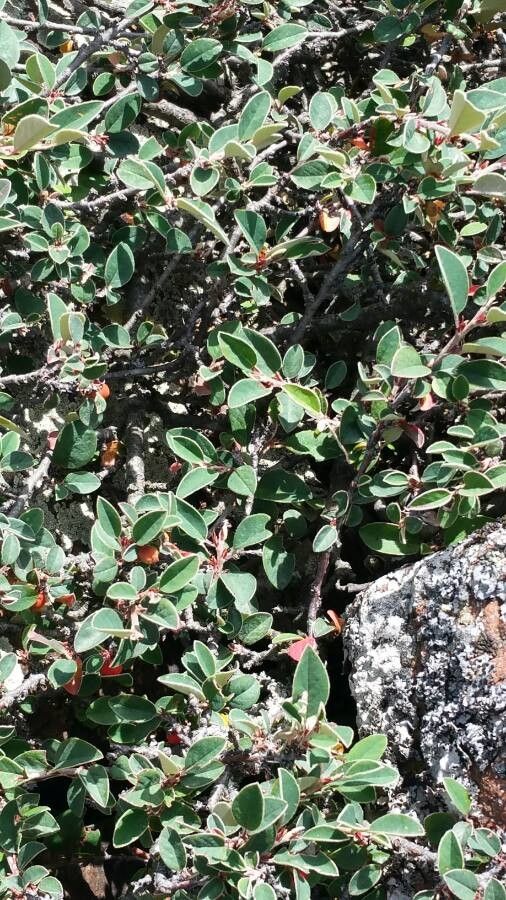
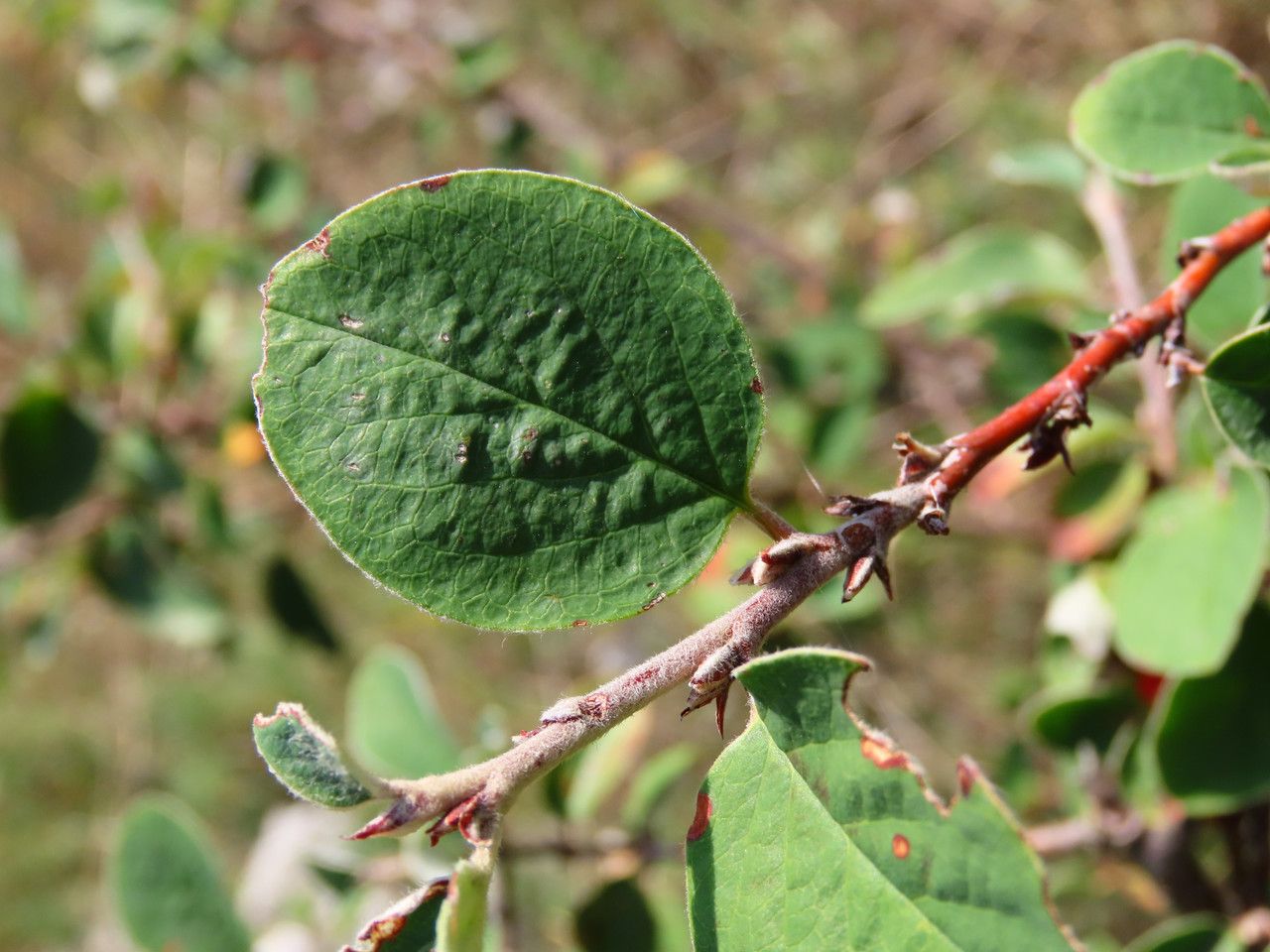
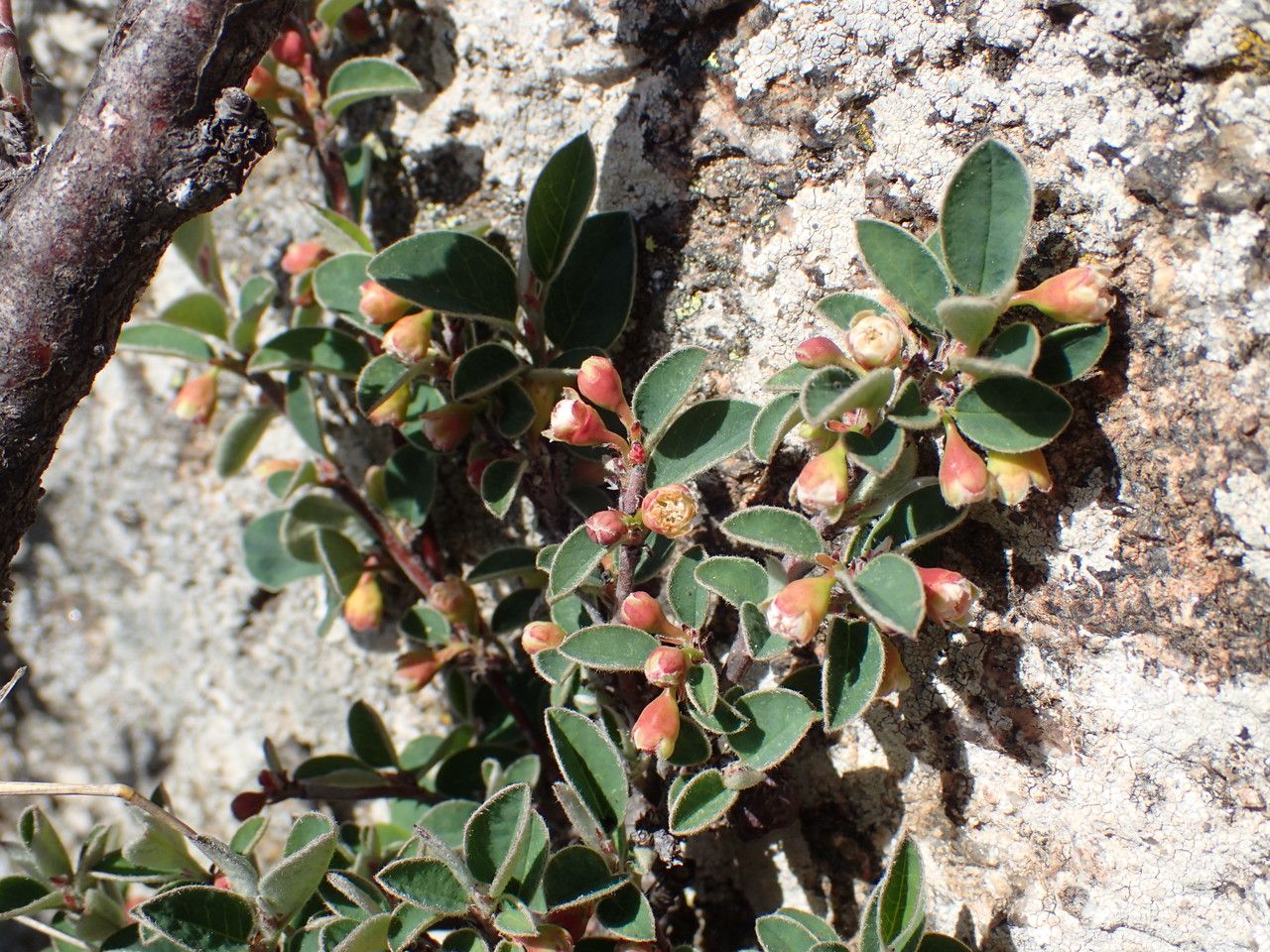
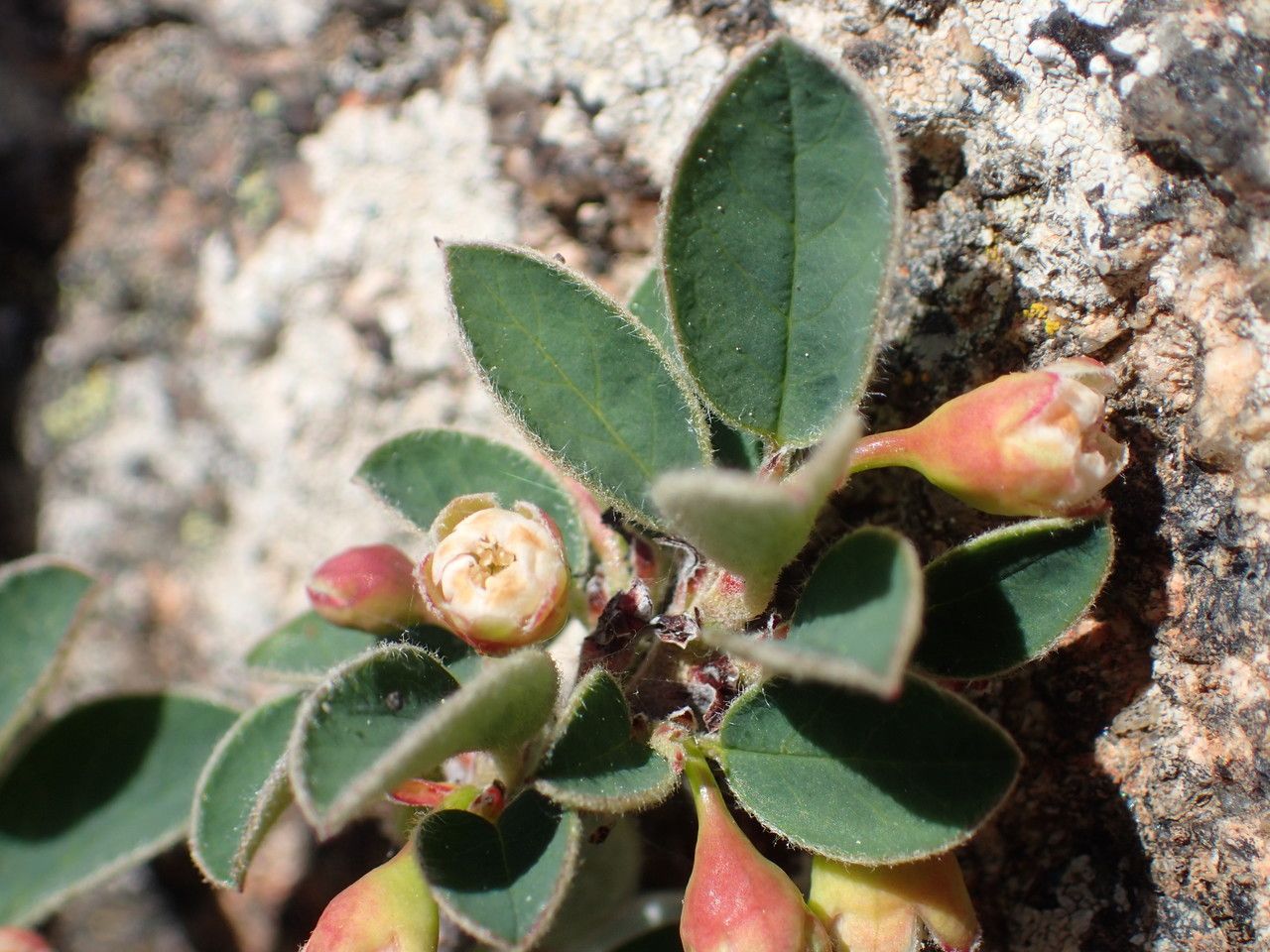
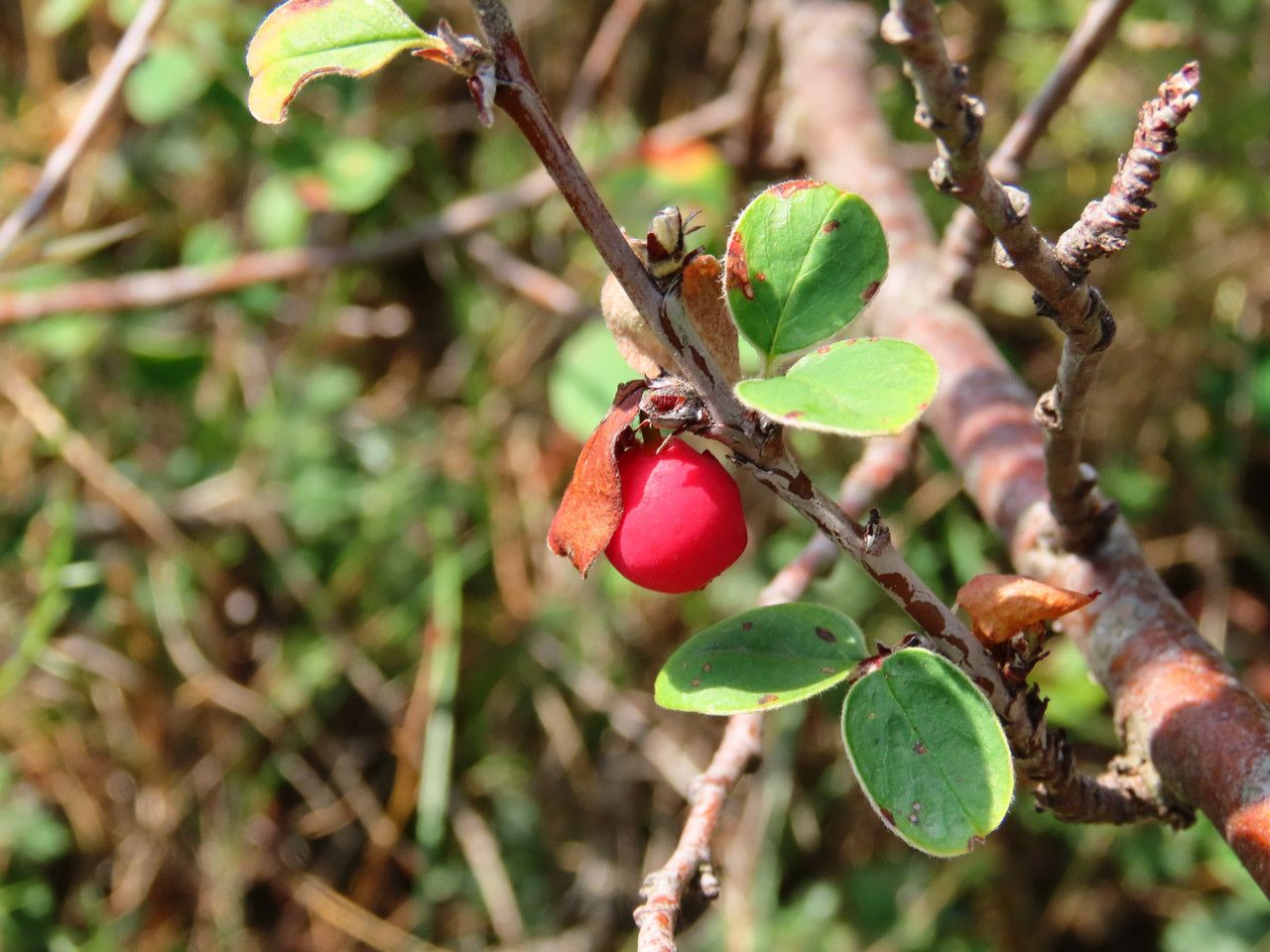
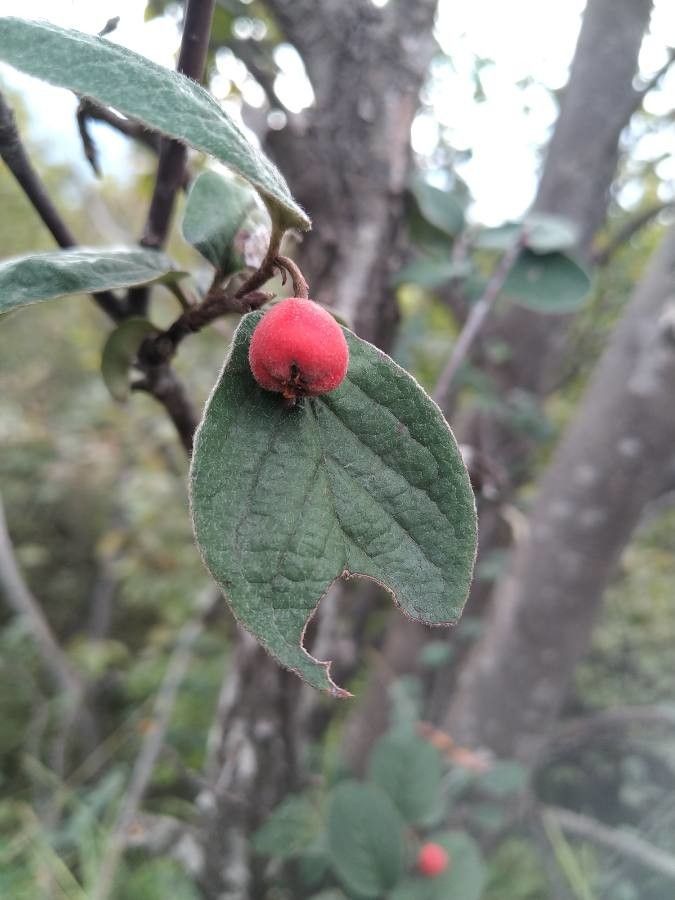
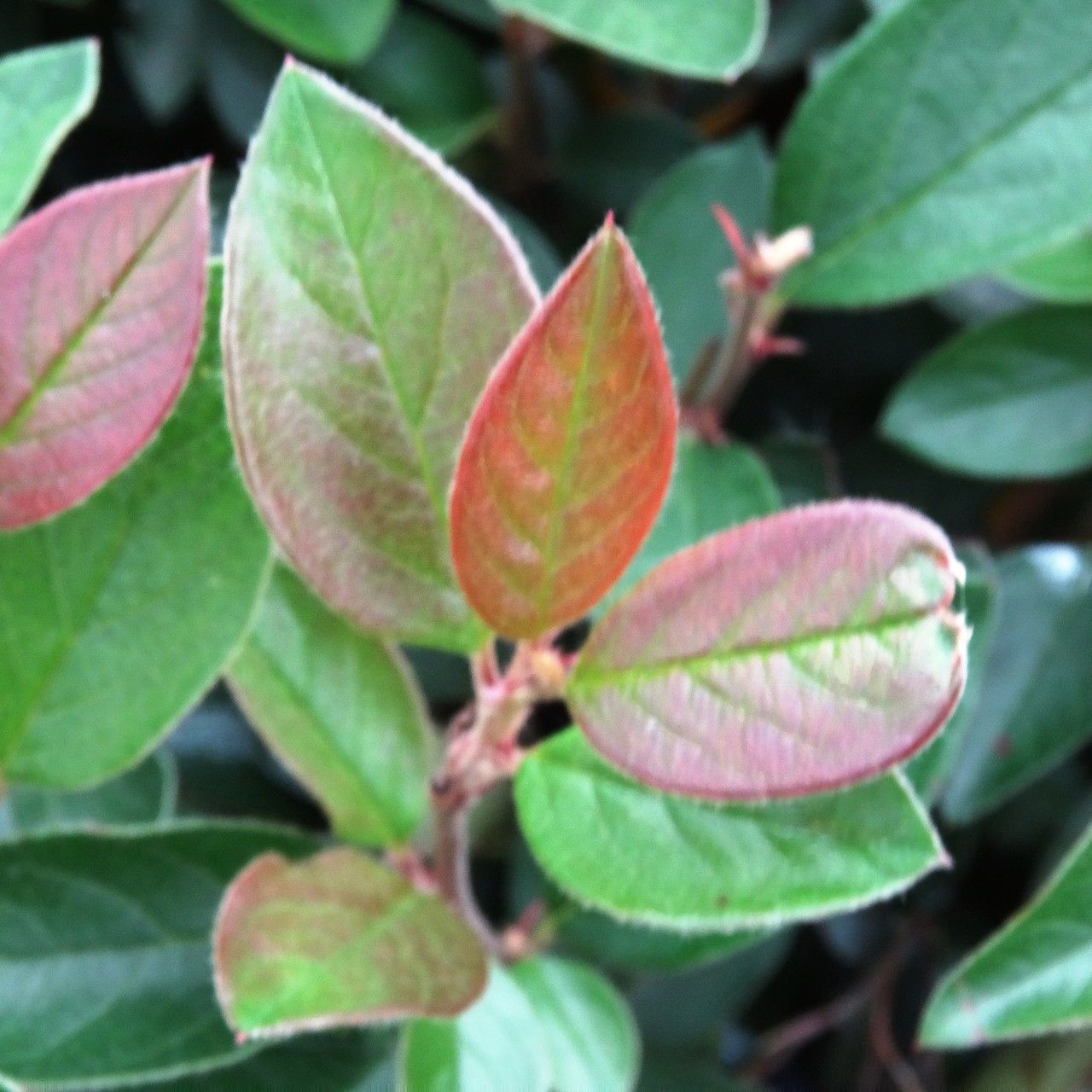
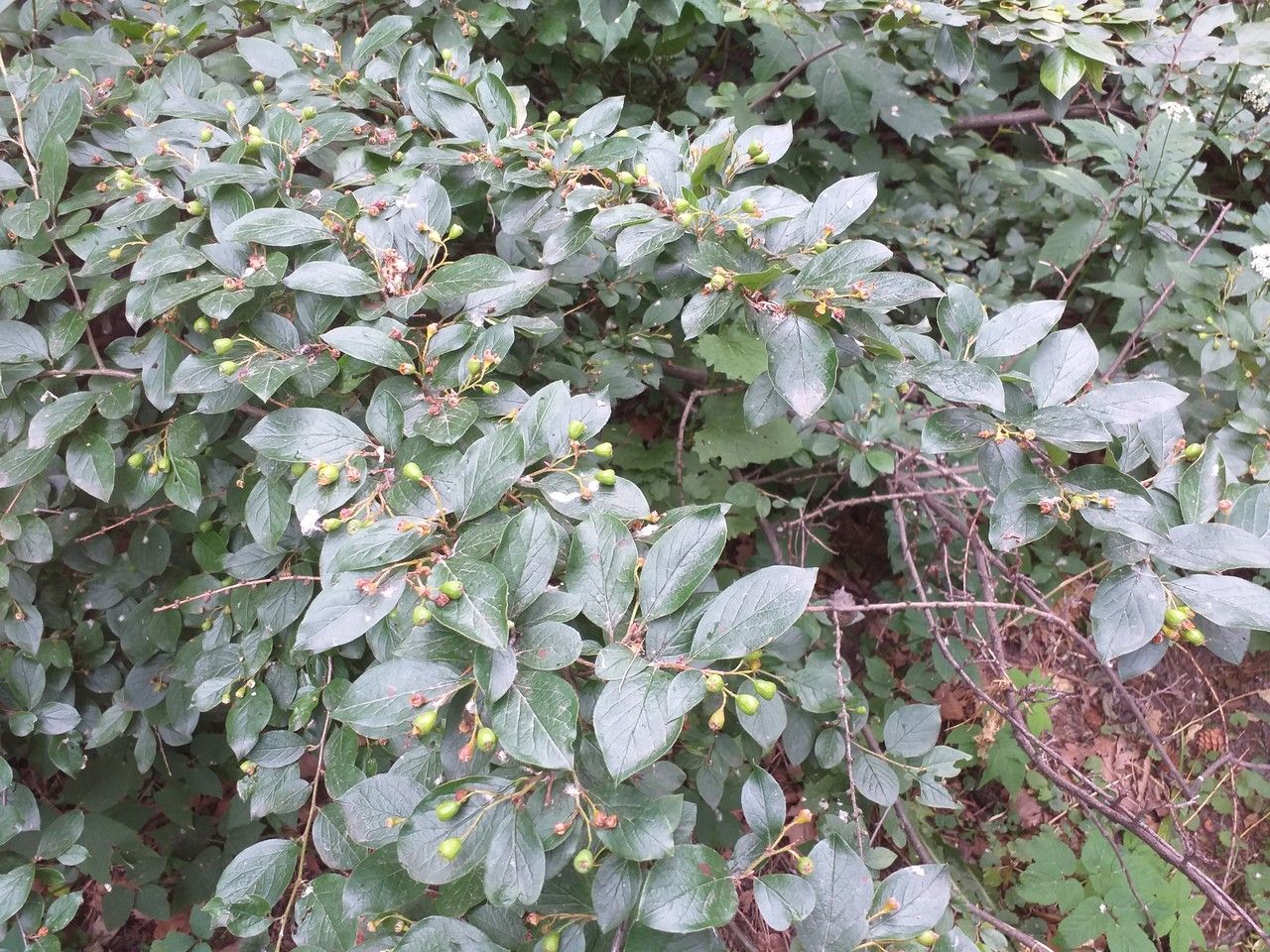
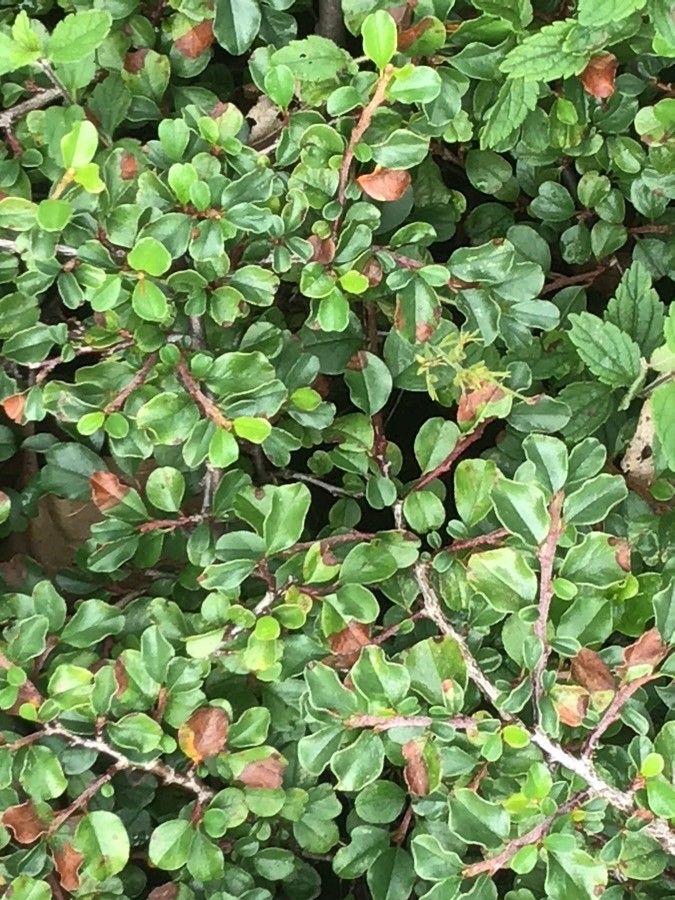
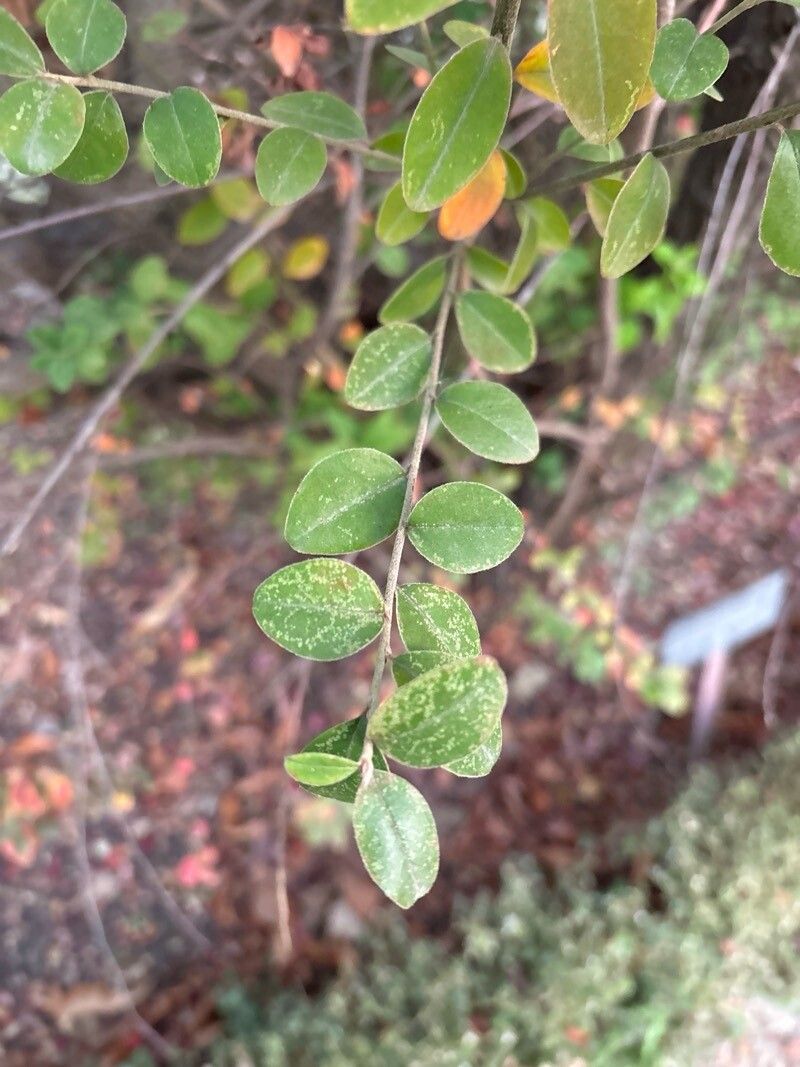
Common cotoneaster shows good resistance to disease and is usually not prone to illnesses. In terms of maintenance, this plant is fairly low-maintenance. When planted outdoors it needs only minimal watering, and larger plants typically do not require pruning. Smaller plants, however, should be pruned after they have finished blooming. Common cotoneaster is suitable for anyone with an outdoor space, such as a garden or a deck, and does not demand extensive care experience.
How to keep Cotoneaster Pyrenaicus.
Light
The common cotoneaster does well in locations where sunlight is not completely unimpeded; settings with filtered light are beneficial. Still, it can withstand situations where sunlight is entirely unobstructed. Its native environment involves varied light conditions, indicating adaptability in its sunlight needs. Excessive exposure can cause scalding, while inadequate exposure may hinder successful growth.
Temperature
The common cotoneaster does best in a temperate climate, preferring temperatures from 41 to 89.6℉ (5 to 32℃). In summer it can withstand higher heat, but adequate watering is necessary. In winter, if temperatures fall below 23℉ (-5℃), additional mulching or other protection may be needed.
Fertilizer
Fertilize your Common cotoneaster in early spring to encourage healthy growth. Regular fertilization improves overall health, leading to vigorous growth, increased resilience to harsh conditions, and enhanced resistance to diseases and pests. Keep a consistent fertilization schedule for your Common cotoneaster to preserve foliage that is vibrant, richly colored, and lush.
Pot & Repot
When repotting Common cotoneaster, select a pot 1–2 inches (2.5–5.1 cm) larger that offers good drainage. Use a well-draining potting mix. Repot in spring or fall, making sure the root ball sits slightly below the rim of the flower pot. Water thoroughly after repotting and place in a warm spot with indirect sunlight.
Botanical profile.
- Plant Type
- Shrub
- Life Cycle
- Perennial
- Genus
- Cotoneaster
- Family
- Rosaceae
- Hardiness Zone
- 4-7
- Mature Height
- 2.13 m
- Mature Spread
- 1.22 m to 2.44 m
- Leaf Color
- Green, Blue, Gray
- Leaf Type
- Deciduous
- Flower Color
- White, Pink
- Flower Size
- 0.25 cm
- Bloom Time
- Late spring, Early summer
- Planting Time
- Spring, Summer, Autumn
- Harvest Time
- Mid summer, Late summer
- Native Area
- Turkey, Austria, Czech Republic, Slovakia, Montenegro, Bulgaria, Poland, Greece, Croatia, Slovenia, Ukraine, Serbia, Russia, Hungary, Germany, Italy, Spain, Switzerland, Estonia, France, Iran, Albania, United Kingdom, Romania, Latvia, Netherlands