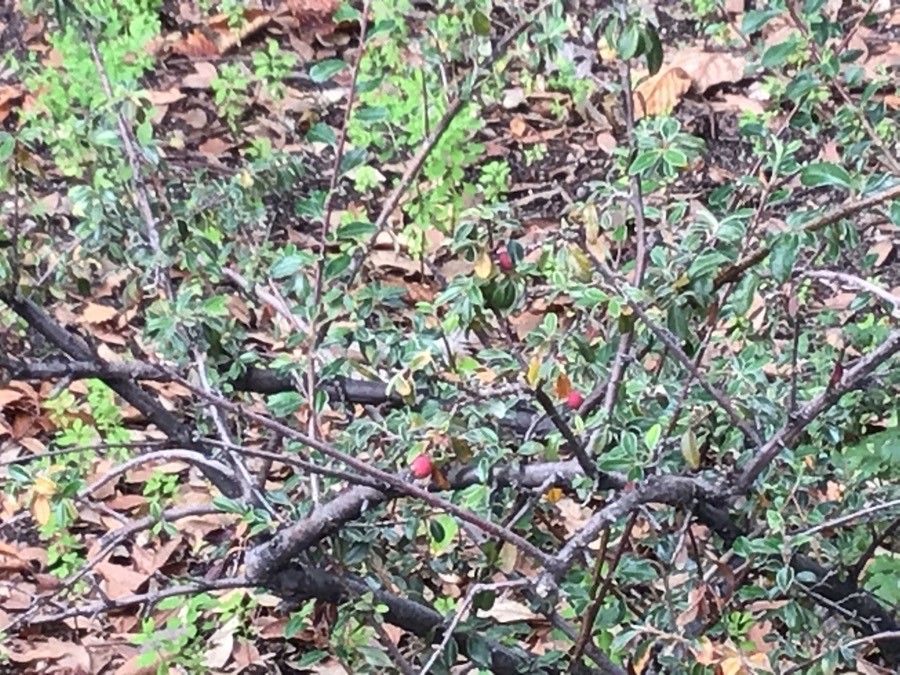
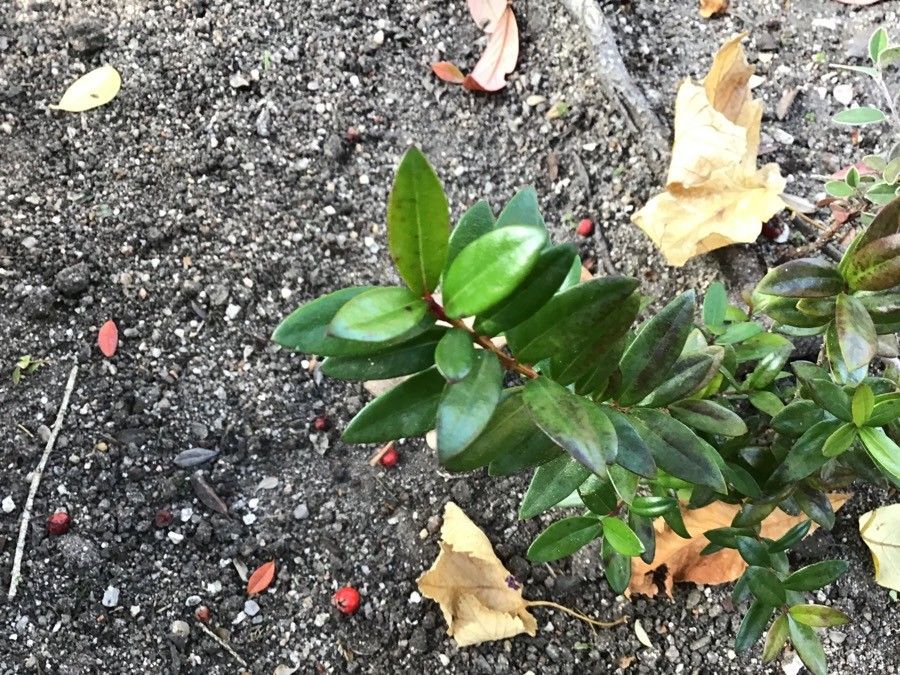
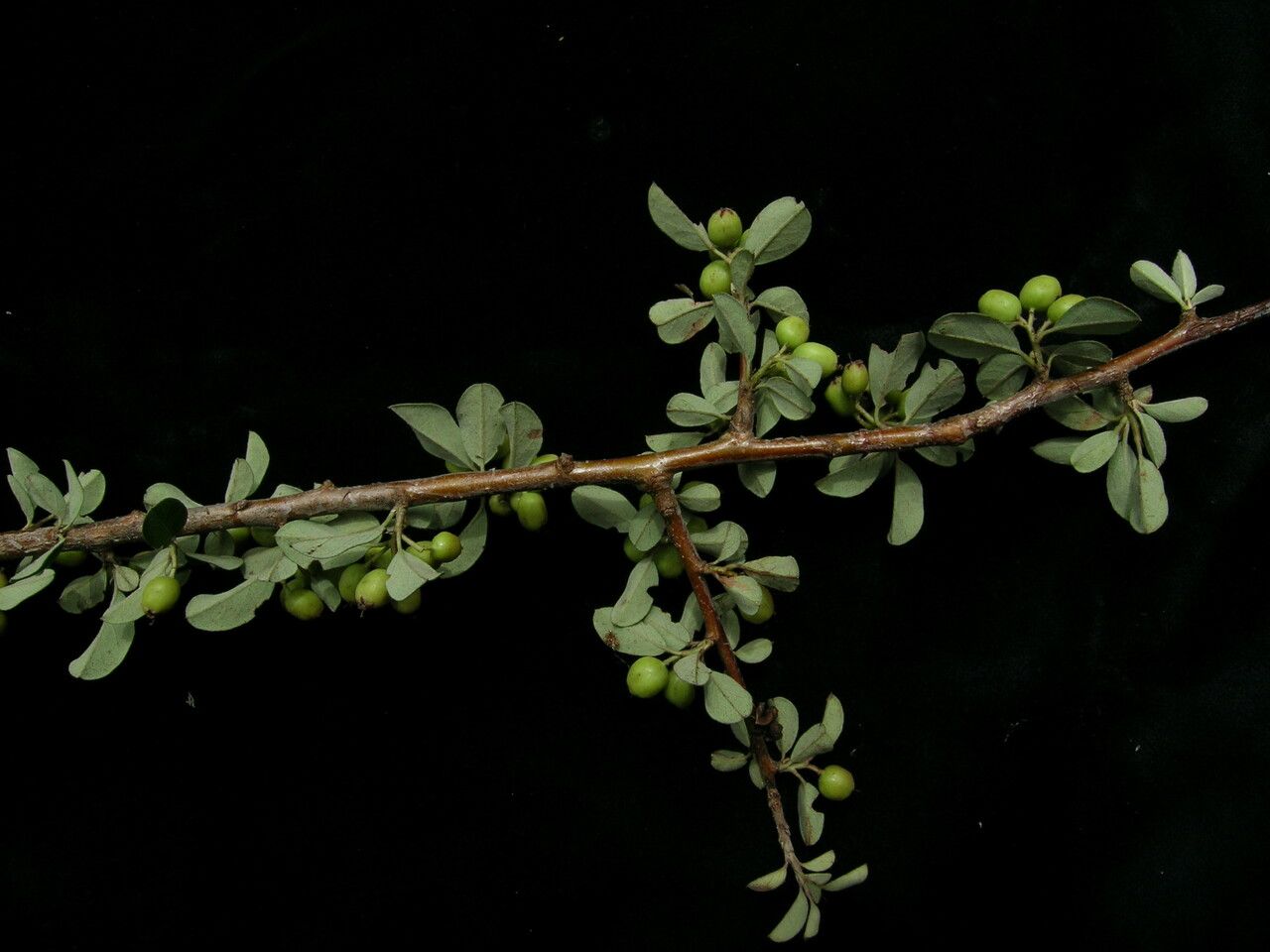
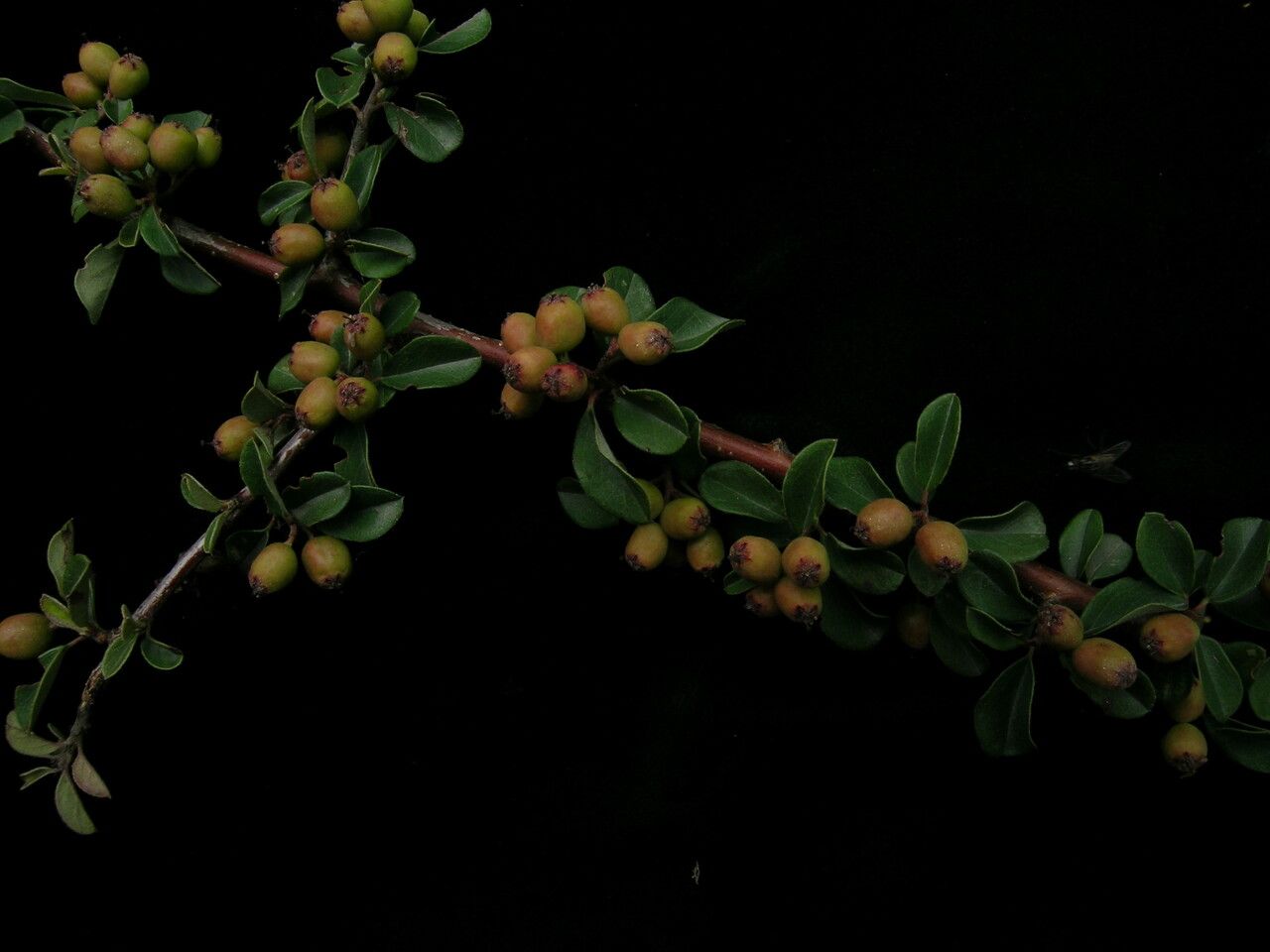
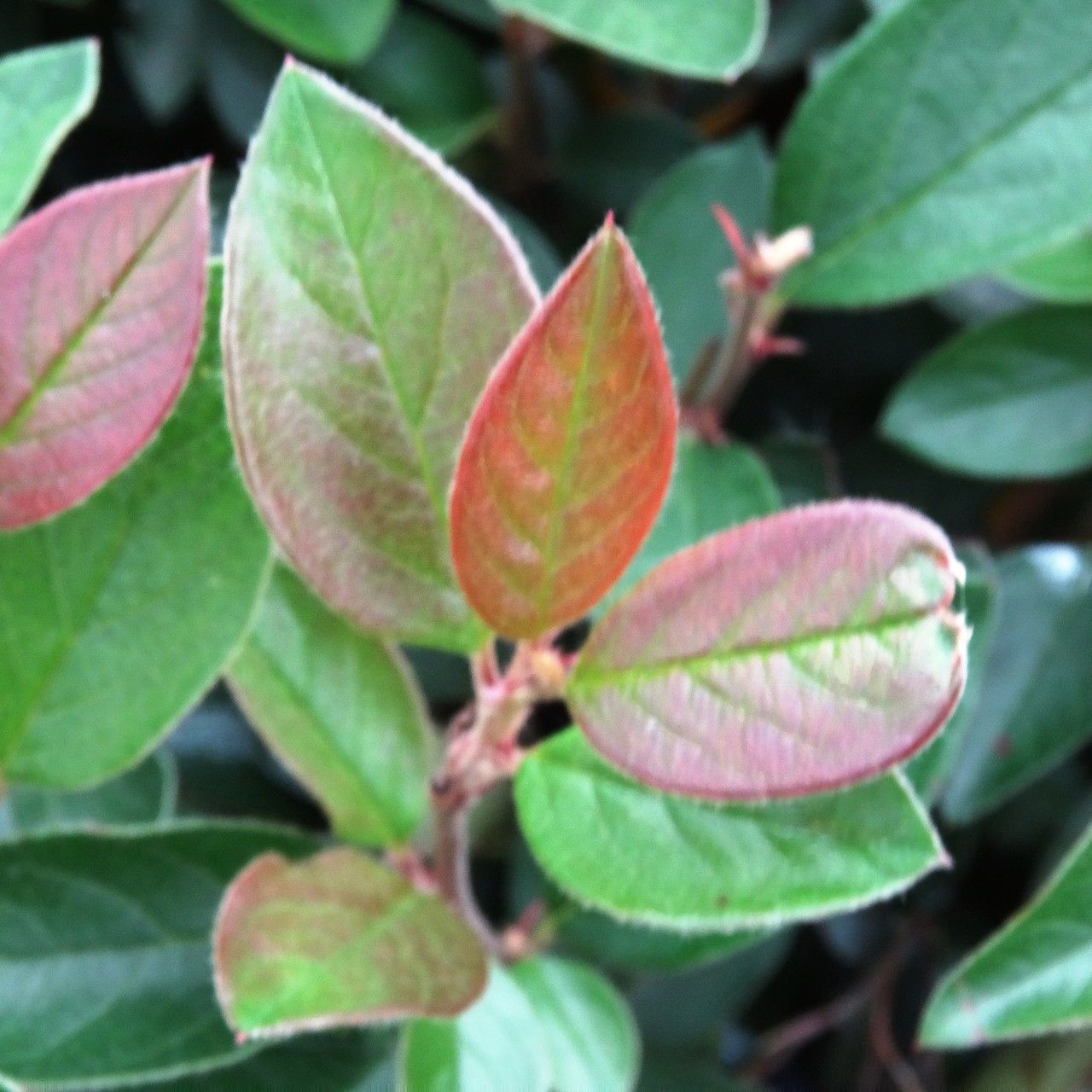
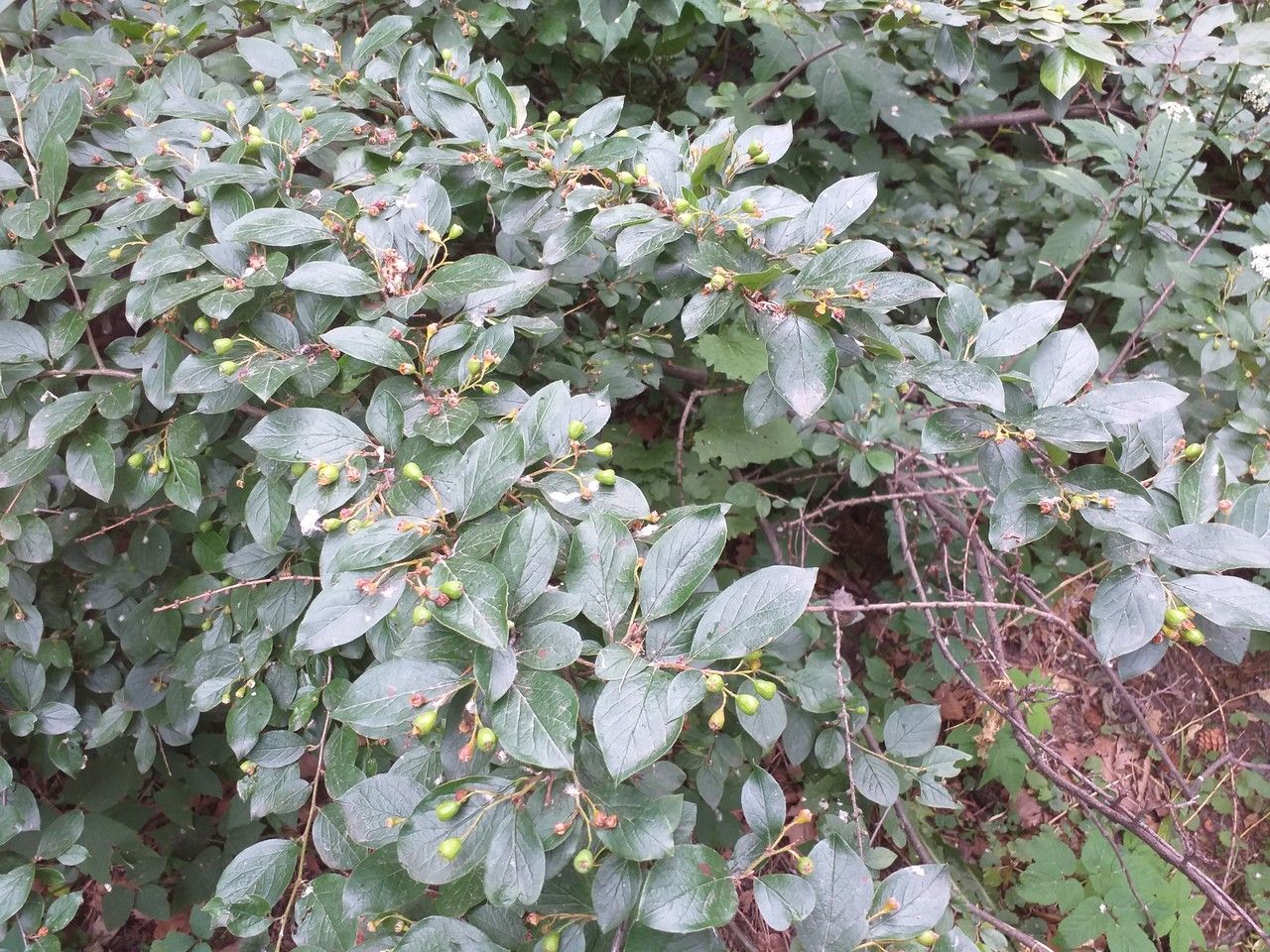
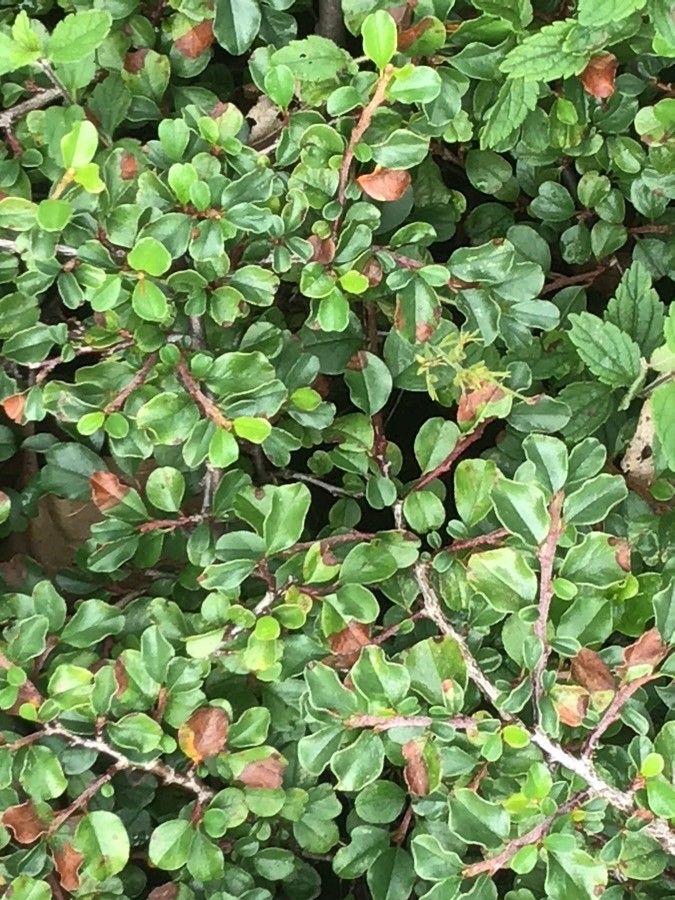
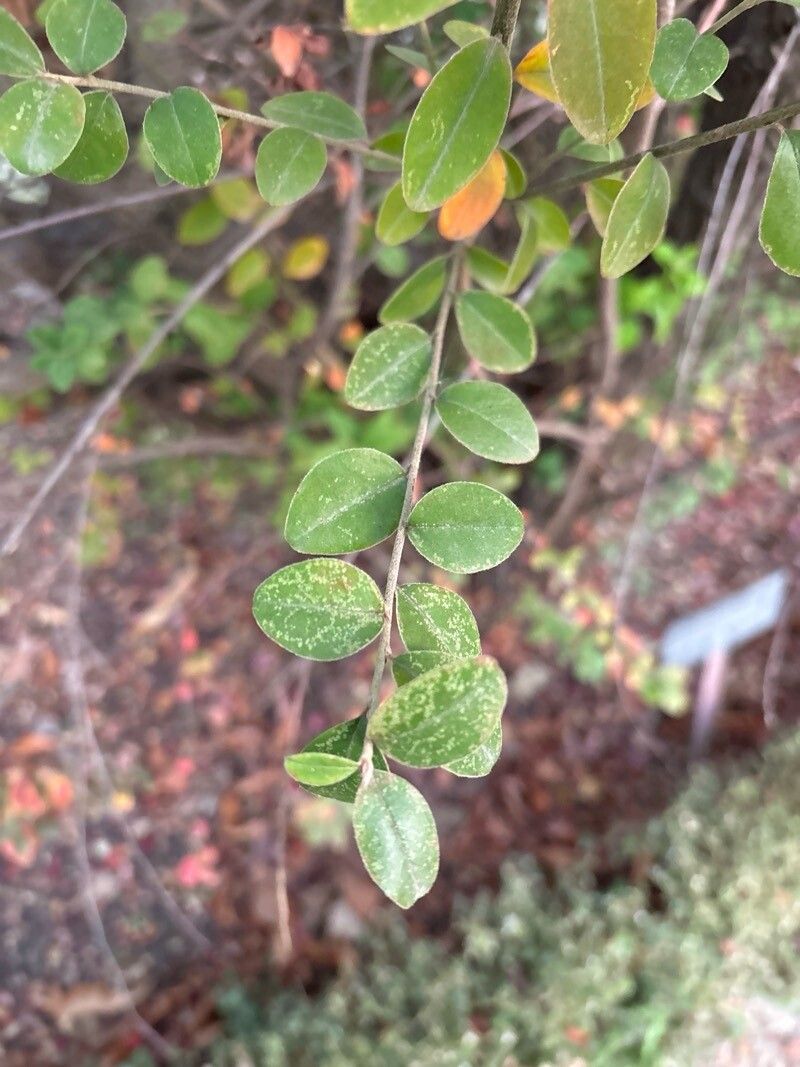
The box-leaved cotoneaster is resistant to disease and typically not susceptible to illnesses. Carewise, this plant is fairly low-maintenance. When grown outdoors it needs only minimal watering, and larger specimens usually do not require pruning. Smaller plants, however, should be trimmed after they have finished blooming. The box-leaved cotoneaster is appropriate for anyone with an outdoor area — for example a garden or a deck — and does not demand extensive experience in plant care.
How to keep Cotoneaster Buxifolius.
Light
Box-leaved cotoneaster occurs naturally in habitats like forest understories and rocky sites, where it grows in natural shade. It prefers partial sun but can adjust to full sun or full shade, showing its adaptable and hardy character.
Water
The box-leaved cotoneaster comes from rocky areas and thrives best in moderate moisture and well-drained soil. It balances its need for hydration with a good tolerance for drought. To mimic its natural habitat's rainfall patterns, it benefits from weekly watering. This plant flourishes outdoors, especially during the wetter months, when seasonal rains support its growth cycles.
Temperature
Box-leaved cotoneaster is highly adaptable to a variety of climate conditions, from scorching summer heat to cold winter weather. Nonetheless, it has an optimal temperature range for growth. When temperatures become excessively high, the plant is vulnerable to heat and humidity stress, which can cause its death. In areas where temperatures approach the lower limit of its cold tolerance, it is important to provide insulating protection for the plant.
Fertilizer
Proper timing matters when fertilizing Box-leaved cotoneaster. Apply fertilizer in early spring and repeat monthly until early summer. The fertilizer promotes attractive blooms and supplies energy both during dormancy and periods of active growth.
Pruning
Box-leaved cotoneaster is a dense, evergreen shrub known for its glossy leaves. To maintain its shape and encourage healthy growth, it is best to prune in early spring. This helps remove damaged branches and improve air circulation. Always use clean, sharp tools to ensure smooth cuts. Regular pruning helps the shrub maintain its compact form, making it ideal for use as a hedge or in border plantings.
Botanical profile.
- Plant Type
- Shrub
- Life Cycle
- Perennial
- Genus
- Cotoneaster
- Family
- Rosaceae
- Hardiness Zone
- 5-9
- Mature Height
- 1.52 m
- Mature Spread
- 2.44 m
- Leaf Color
- Dark Green
- Leaf Type
- Semi-evergreen
- Flower Color
- White, Pink
- Flower Size
- 0.51 cm to 1.02 cm
- Bloom Time
- Mid spring, Late spring
- Planting Time
- Spring, Summer, Autumn
- Harvest Time
- Late summer, Early fall, Mid fall
- Native Area
- India, China
Other names.
Reader questions.
What are the sunlight requirements for Box-leaved Cotoneaster (Cotoneaster buxifolius)?
Box-leaved Cotoneaster (Cotoneaster buxifolius) thrives in full sun, requiring above 6 hours of sunlight daily. When selecting a spot for your Box-leaved Cotoneaster, it's important to observe how sunlight moves through your garden throughout the day. Choosing a location that offers a perfect balance of light and shade will ensure your plant remains happy and healthy.