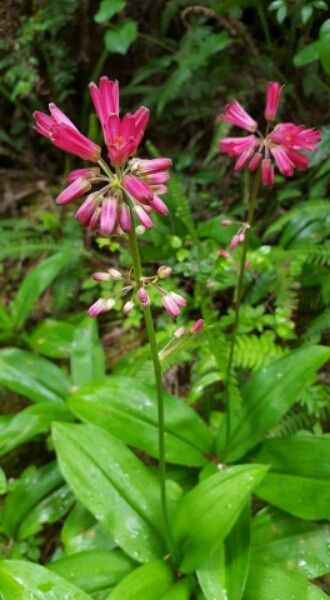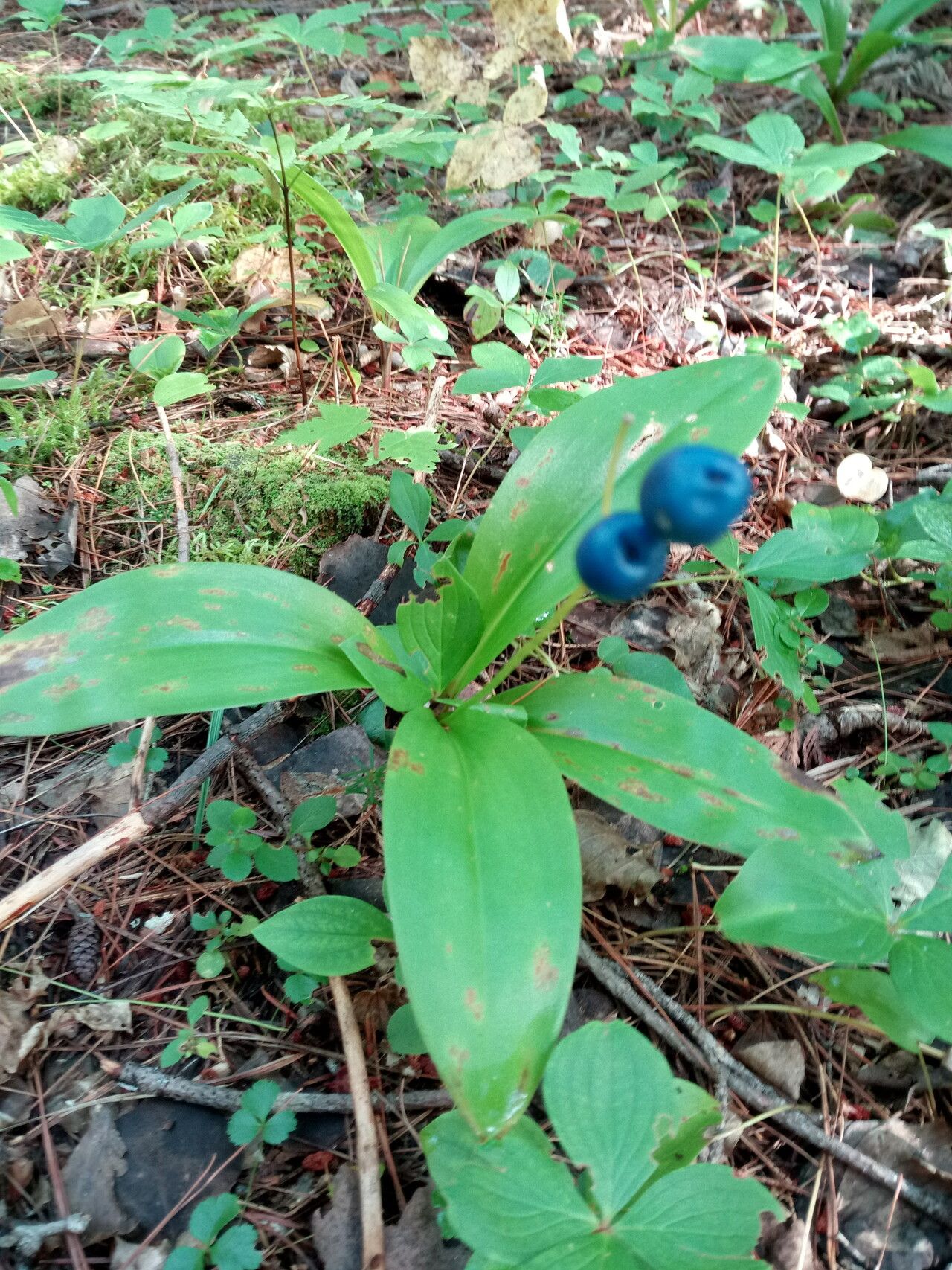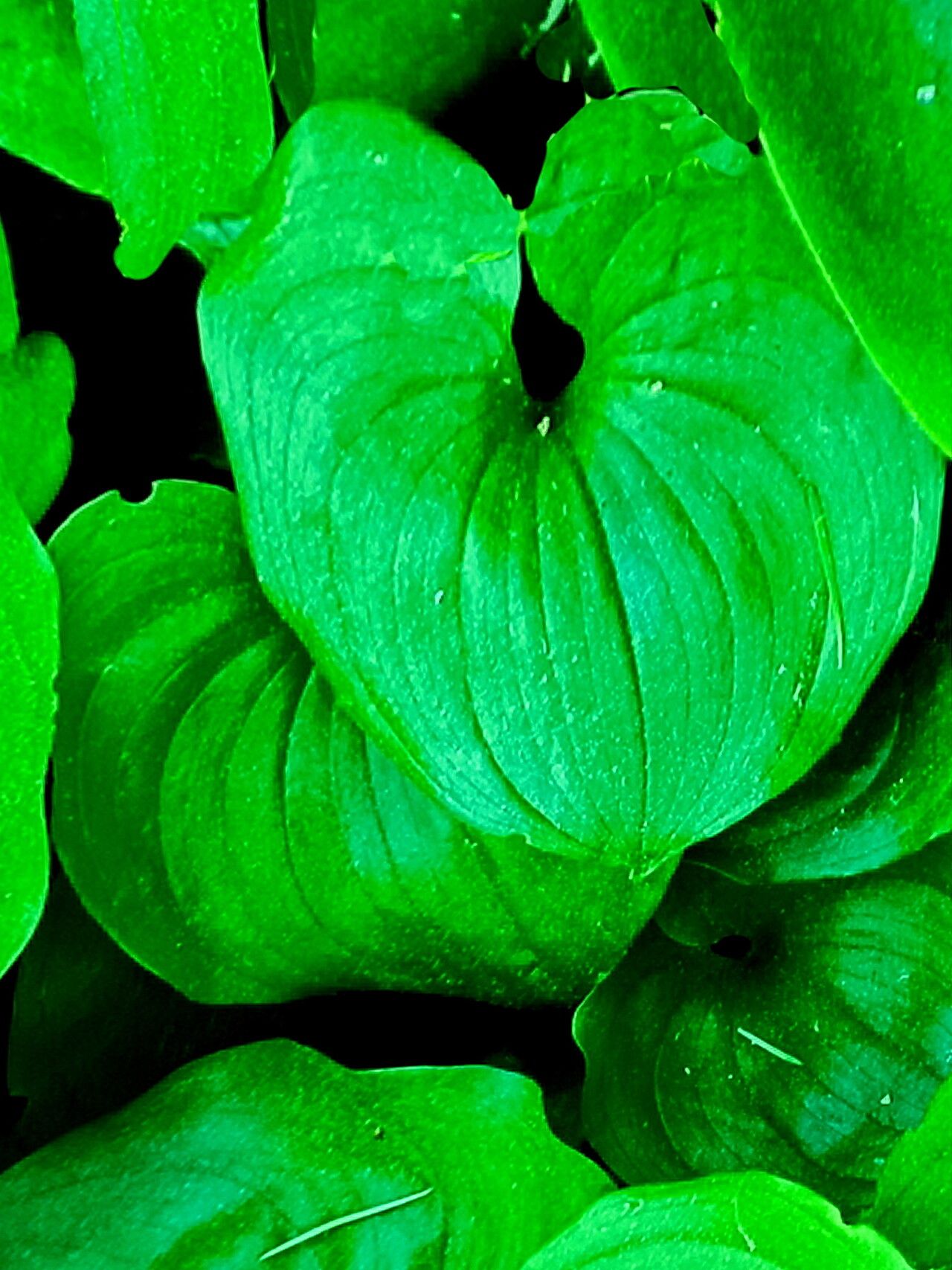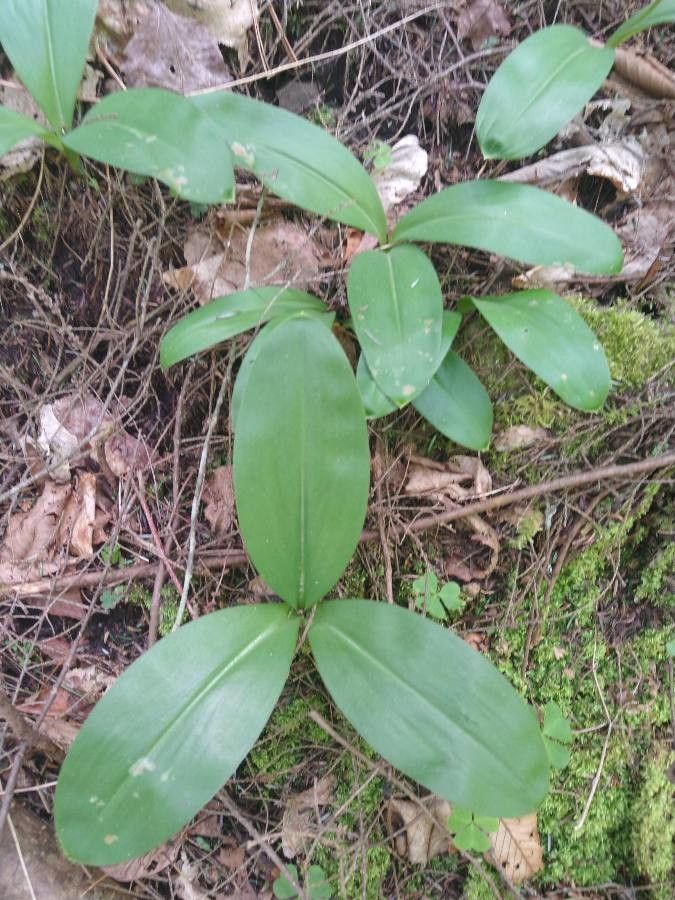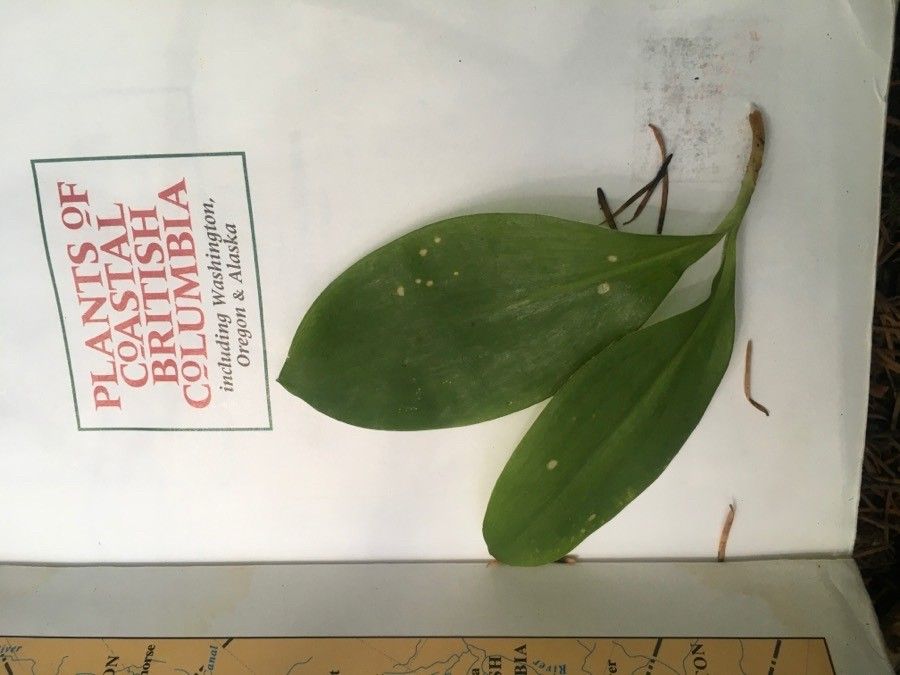
Clintonia uniflora, commonly known as bride's bonnet, queen's cup, or bead lily, is a species of flowering plant in the lily family Liliaceae. The specific epithet uniflora means "one-flowered", a characteristic that distinguishes this species from others in the genus Clintonia. For this reason, it is also known as the single-flowered clintonia.
Bride's Bonnet is fairly resistant to disease and typically does not readily suffer from illnesses. However, it can be vulnerable to pests and diseases present in its surroundings. These problems are usually minor. When it comes to care, this plant needs moderate maintenance. It should be pruned regularly to keep a neat appearance and support healthy growth. Fertilizing can also help encourage flowering. Bride's Bonnet is well suited to anyone with an outdoor area, such as a garden or patio, and does not require extensive care experience. It may need more attention if kept indoors.
How to keep Clintonia Uniflora.
Light
Bride's Bonnet grows best in locations with moderate sunlight but can also tolerate lower light conditions. Its natural habitat, typically the forest understory, has enabled it to stay healthy even with limited sun exposure. Excessive sun can cause leaf bleaching, while insufficient light may stunt its growth.
Water
The Bride's Bonnet plant thrives in humid understory environments and prefers soil that remains consistently moist. It's advisable to water the plant weekly, ensuring the soil never completely dries out. Although typically grown outdoors, it should be protected from excessive rain to prevent waterlogging, thereby mimicking the conditions of its natural habitat.
Temperature
Bride's Bonnet naturally grows in regions where temperatures fall between 41 and 90 °F (5 to 32 °C). The plant does best in locations where seasonal temperatures reliably remain within that interval. If temperatures are beyond that range, adjusting the environment to suit the plant is recommended.
Fertilizer
The best time to fertilize Bride's Bonnet is in early spring as the flowers are forming. Using the appropriate fertilizer promotes better blooms and helps Bride's Bonnet produce attractive flowers. Fertilizing in early spring ensures strong flowers during the season and supplies energy for dormant growth phases.
Pruning
The Bride's Bonnet plant features broad, glossy green leaves and striking white flowers. To encourage growth and improve airflow, prune it from early to late spring. After the blooming period, remove any dead leaves and old flower stalks to keep the plant looking its best. Every 2-3 years, thin out crowded areas to maintain the plant's vitality and help prevent disease.
Botanical profile.
- Plant Type
- Herb
- Life Cycle
- Perennial
- Genus
- Clintonia
- Family
- Liliaceae
- Hardiness Zone
- 4-8
- Mature Height
- 5 cm to 15 cm
- Mature Spread
- 30 cm to 61 cm
- Leaf Color
- Dark Green
- Leaf Type
- Semi-evergreen
- Flower Color
- White
- Flower Size
- 1.78 cm to 2.29 cm
- Bloom Time
- Mid spring, Late spring
- Planting Time
- Spring, Summer
- Harvest Time
- Mid summer, Late summer
Other names.
Reader questions.
What are the sunlight requirements for Bride's Bonnet?
Bride's Bonnet requires partial sun, meaning it thrives with about 3-6 hours of sunlight, but it can also grow in full shade conditions where it receives less than 3 hours of sunlight daily. Observing the movement of sunlight through your garden is crucial for selecting the ideal spots that offer a harmonious balance of light and shade, ensuring the plants' well-being. In its natural understory forest habitat, Bride's Bonnet has adapted to grow healthily even with limited solar exposure, with too much sun leading to leaf bleaching and insufficient light potentially stunting its growth.
What are the ideal temperature conditions for Bride's Bonnet?
Bride's Bonnet thrives in environments with temperatures ranging from 41 to 90 °F (5 to 32 °C). This plant is well adapted to seasonal climates where temperatures stay within this range consistently. It possesses strong cold resistance, allowing it to withstand winter conditions without needing special frost protection measures. However, extreme conditions below -30°C require preventive measures, such as covering the plant with insulating materials like soil or straw. Additionally, it is beneficial to water the plant abundantly before the first freeze of autumn to ensure the soil stays moist and prevents drought and water scarcity during winter and early spring.
How can artificial lighting support Bride's Bonnet's growth indoors?
Indoor Bride's Bonnet plants may require additional lighting to support optimal growth, especially when natural sunlight is insufficient. Artificial lights can promote faster, healthier growth by mimicking natural sunlight conditions. LED lights are recommended for their ability to provide specific wavelengths needed by the plants. The intensity of artificial light needed varies by plant type: 30-50W/sq ft for full sun plants, 20-30W/sq ft for partial sun plants, and 10-20W/sq ft for full shade plants. The light source should be placed 12-36 inches above the plant and kept on for 8-12 hours per day to simulate natural daylight hours.
What should I do if the temperature falls below the ideal range for Bride's Bonnet?
Bride's Bonnet is cold-tolerant and performs best when temperatures are kept above 5°C. If winter temperatures are expected to drop below -25°C, the plant should be protected to prevent damage. In the instance that temperatures fall below -30°C, there might not be noticeable changes during the winter, but you may observe a decrease in sprouting or complete lack of sprouting in spring. To manage these situations, remove any plant parts that fail to sprout once spring arrives.
What are the key symptoms of insufficient light in Bride's Bonnet?
Bride's Bonnet may exhibit several symptoms when grown indoors with insufficient light, including: smaller new leaves, leggy or sparse growth, premature leaf drop, halted or no new growth, and pale new leaves indicating a lack of chlorophyll. Excessive sunlight can cause chlorosis (yellowing of leaves), sunscald, leaf curling, wilting, and leaf scorching. These symptoms reflect the plant's struggle with adapting to its light environment, with different symptoms manifesting in response to either too much or too little light.
How does Bride's Bonnet react to high temperatures, and what are the remedies?
During the summer, it's crucial to ensure that the temperature does not exceed 32°C for Bride's Bonnet. Exposure to temperatures above 35°C can lead to the leaves becoming lighter in color, curling, and in severe cases, can cause sunburn to the plant, leading to wilting and drying out. To counteract these effects, trim away the sunburned and dried-up parts of the plant. It's also advisable to move the plant to a shaded location, especially from midday and afternoon sun, or use a shade cloth. Ensuring the soil remains moist by watering the plant in the morning and evening can also be beneficial.
How can I adjust the lighting for my Bride's Bonnet to improve its health?
To improve your Bride's Bonnet's health through lighting adjustments, gradually acclimate it to the desired light conditions. For indoor plants, you can shift them to sunnier spots each week until they receive 3-6 hours of direct sunlight per day or use artificial lighting such as desk or ceiling lamps for at least 8 hours daily. For outdoor plants, move them to sunnier locations gradually to prevent sunburn. Additionally, reducing obstructions like pruning trees can help increase sunlight exposure. If dealing with smaller plants, consider transplanting during their dormant period to a brighter location. Note that parts of the plant affected by insufficient light may not recover, but new growth should be healthy with proper light exposure.