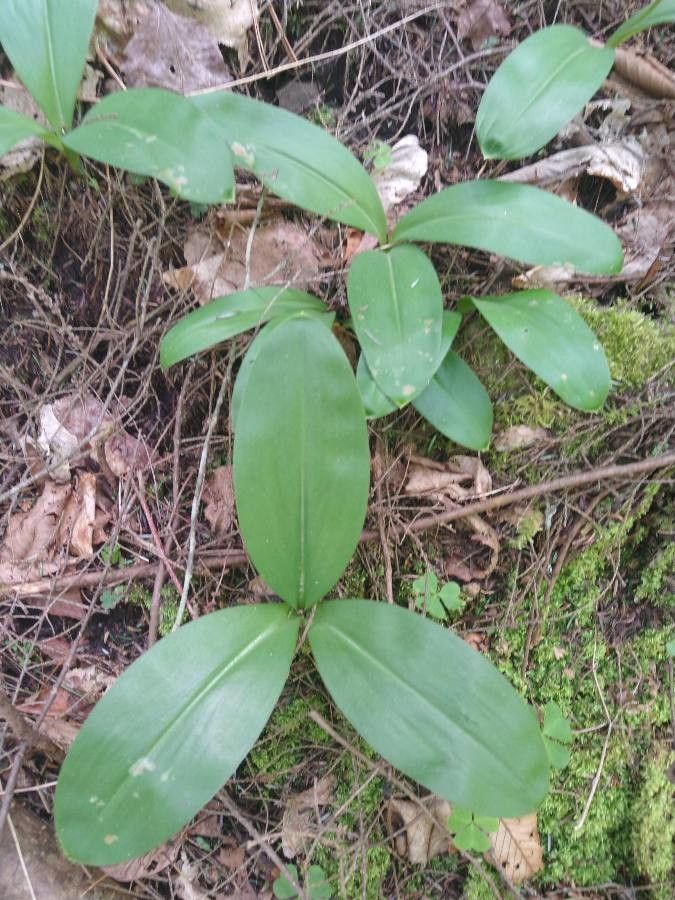
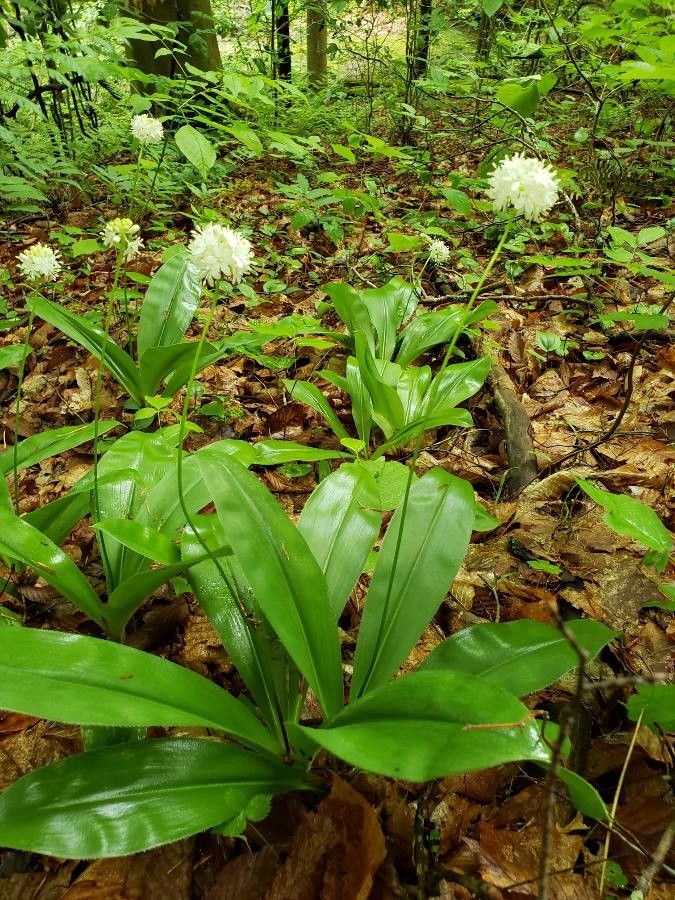
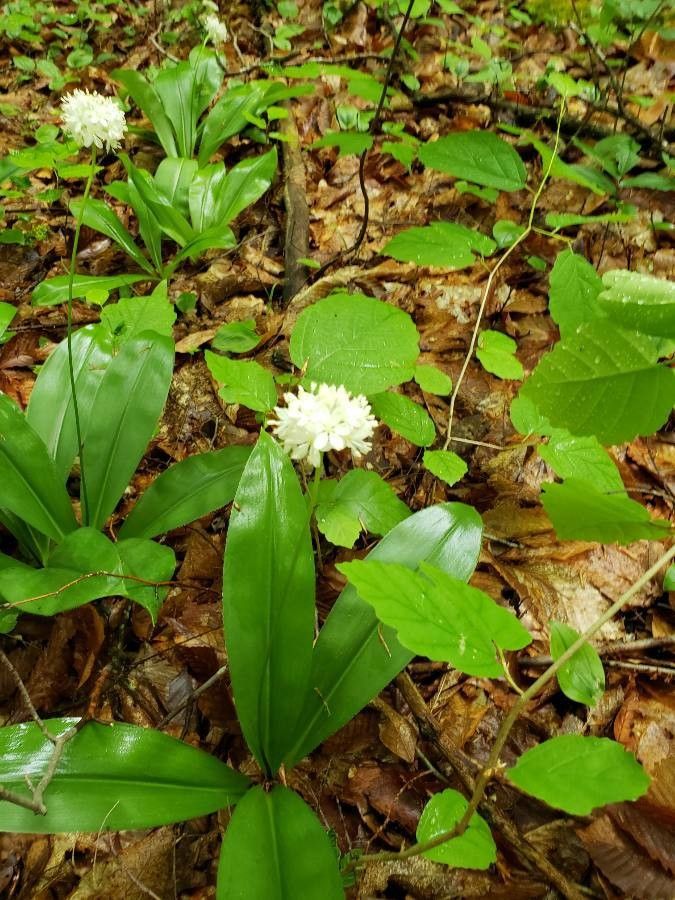
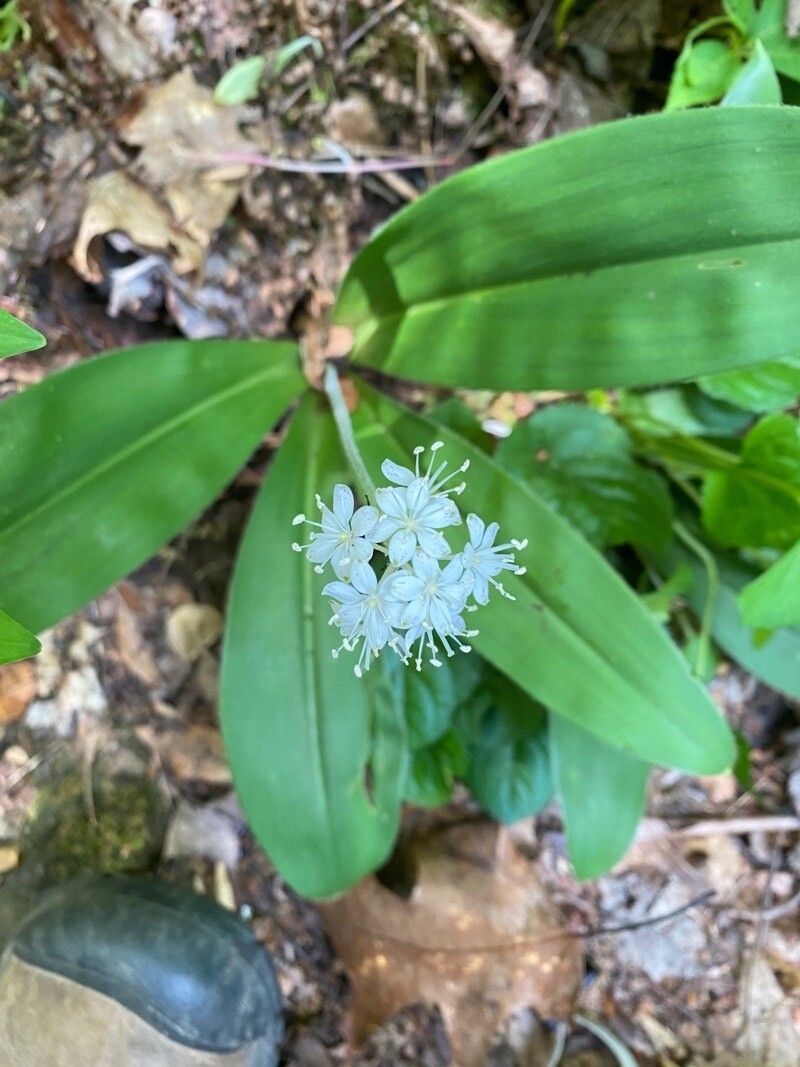
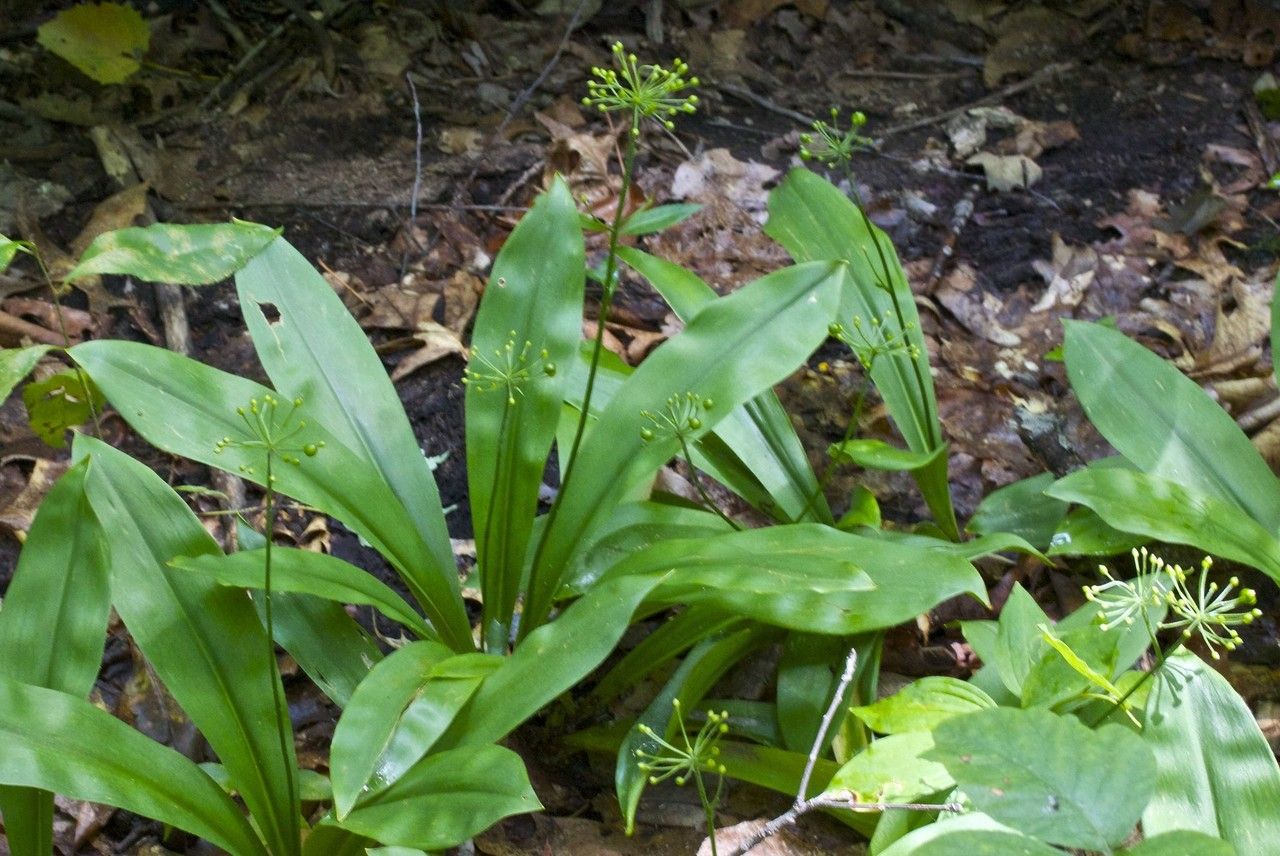
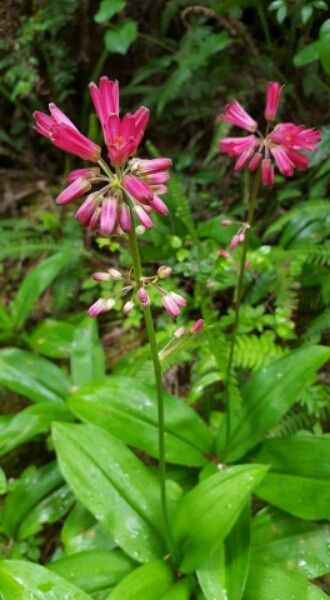
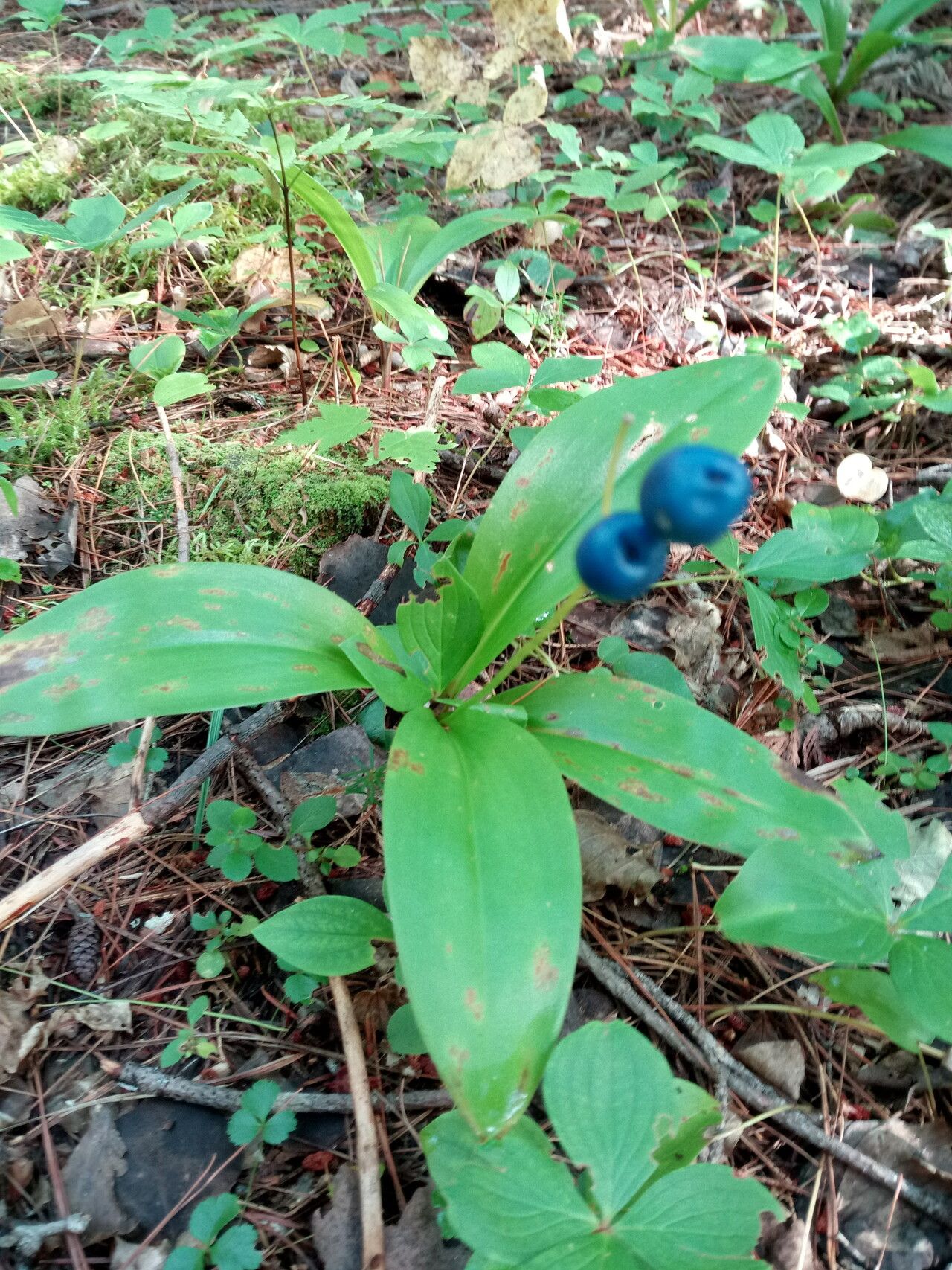
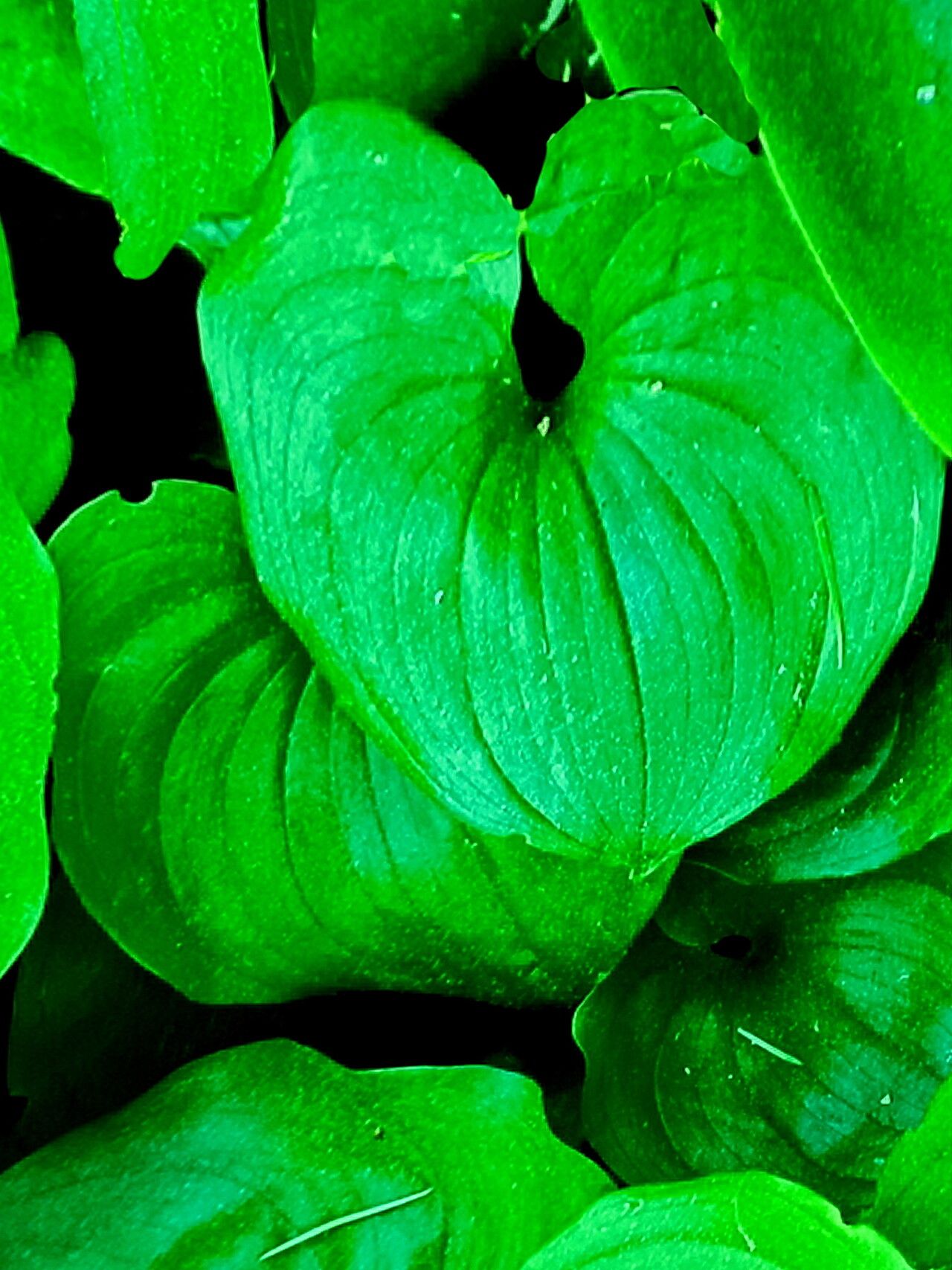
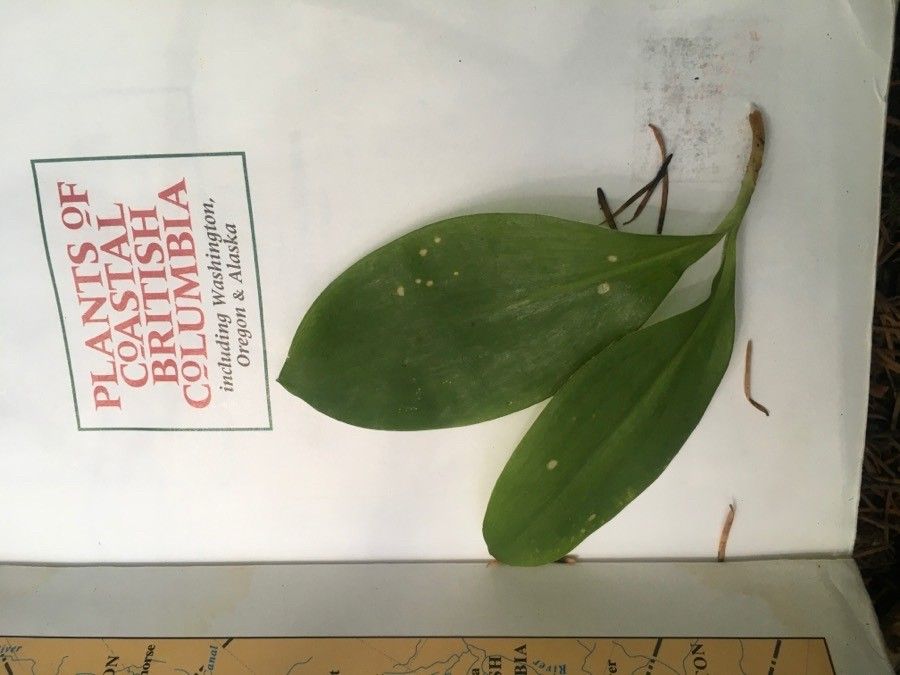
Clintonia umbellulata, commonly known as white clintonia or speckled wood-lily, is a species of flowering plant in the lily family Liliaceae. The specific epithet umbellulata means "umbelled," which refers to the shape of the plant’s inflorescence.
White clintonia is fairly resistant to disease and typically does not suffer from illnesses. Still, it can be vulnerable to pests and diseases that exist in its environment. When infections do occur, they are generally mild. Regarding care, this plant needs moderate attention. It should be pruned on a regular basis to keep a neat appearance and support healthy growth. Applying fertilizer can also encourage blooming. White clintonia is a good choice for anyone with outdoor areas like a garden or patio and does not demand extensive gardening experience. It may need extra care if grown indoors.
How to keep Clintonia Umbellulata.
Light
Native to habitats where sunlight is often blocked by other vegetation, the white clintonia does well in places with minimal sun exposure. Too much light can impede its development, while a lack of solar radiation does not hinder its growth. The plant's requirement for sunlight remains consistently low throughout its life cycle.
Water
White clintonia flourishes in moist, shady habitats and needs consistent soil moisture without becoming waterlogged. It prefers humid conditions and should be watered weekly. When grown outdoors, white clintonia benefits from mulching to help retain moisture and mimic its natural woodland environment.
Temperature
White clintonia is native to habitats where temperatures range from 41 to 90 °F (5 to 32 ℃). It prefers temperate conditions but can adapt to different temperatures when required. Seasonal care may include providing extra shade during very hot summer months.
Fertilizer
For White clintonia, the primary time to fertilize is early spring, when the flowers are forming. The proper fertilizer promotes stronger blooms and helps White clintonia produce attractive flowers. Fertilizing in early spring ensures good flowering throughout the season and supplies energy for dormant growth phases.
Pruning
White clintonia is a shade-loving perennial with glossy leaves and white flowers. To promote growth, prune it carefully between early and late spring, and avoid heavy pruning due to its slow growth rate. Light trimming after the plant has flowered helps maintain its shape, encourages good air circulation, and prevents disease.
Botanical profile.
- Plant Type
- Herb
- Life Cycle
- Perennial
- Genus
- Clintonia
- Family
- Liliaceae
- Hardiness Zone
- 4-8
- Mature Height
- 28 cm to 61 cm
- Mature Spread
- 10 cm to 20 cm
- Leaf Color
- Dark Green
- Leaf Type
- Evergreen
- Flower Color
- White
- Flower Size
- 1.27 cm
- Bloom Time
- Mid spring, Late spring
- Planting Time
- Spring, Summer
- Harvest Time
- Mid summer, Late summer
Other names.
Reader questions.
What are the sunlight requirements for White Clintonia?
White Clintonia, known scientifically as Clintonia umbellulata, thrives in full shade conditions, receiving less than 3 hours of sunlight daily. It originates in environments where sunlight is often obscured by other vegetation, demonstrating a consistent low need for sunlight throughout its life cycle. It's essential to monitor the movement of sunlight in your garden to ensure your plants receive the ideal balance of light and shade for optimal health.
What is the native temperature range for White Clintonia?
White clintonia, scientifically known as Clintonia umbellulata, thrives in environments with temperatures ranging from 41 to 90 °F (5 to 32 °C). It prefers temperate climates but can adapt to temperature variations when necessary. During hot summer months, it may require extra shade, whereas in winter, it exhibits strong cold resistance and typically doesn't need special frost protection measures. However, in regions where winter temperatures are expected to drop below -30°C, some form of cold protection, such as covering the plant with soil or straw, is advised. To prepare for winter, it's recommended to water the plant abundantly before the first freeze, ensuring the soil remains moist as it enters a frozen state. This preparation helps prevent drought and water scarcity for the plant during the colder seasons.
How can artificial lighting support White Clintonia indoors?
When natural sunlight is insufficient, especially during winter or in spaces with less sunlight, artificial lighting becomes crucial for the growth of indoor plants, including White Clintonia. Adequate artificial lighting can promote faster and healthier growth. LED lights are recommended due to their ability to provide specific wavelengths needed by the plants. Full shade plants like White Clintonia require 10-20W/sq ft of artificial light. The light source should be placed 12-36 inches above the plant, mimicking natural sunlight. Additionally, the duration of artificial light should replicate natural daylight hours, generally 8-12 hours per day.
How does White Clintonia react to low temperatures?
White Clintonia is known for its cold tolerance, ideally thriving in temperatures above 5°C and needing to stay above -25°C during winter. In circumstances where the temperature falls below -30°C, the plant may not show immediate damage, but there may be a decrease in sprouting or a complete lack of sprouting come spring. To address this issue, any parts of the plant that have failed to sprout in the spring should be removed. This proactive measure can help mitigate potential damages from extreme cold and ensure the health of the plant in the following growing season.
What are the key symptoms of insufficient light in White Clintonia?
White Clintonia may display subtle signs of light deficiency when grown indoors or under inadequate light. Symptoms include smaller new leaves, leggy or sparse growth, faster leaf drop, slower or halted growth, lighter-colored or pale new leaves, and conditions such as chlorosis (leaves turning yellow due to chlorophyll breakdown), sunscald (damage from intense sunlight), leaf curling (a defense mechanism against extreme sunlight), wilting (loss of turgor pressure), and leaf scorching (brown, dry leaf edges from excessive sunlight). These symptoms highlight the plant's struggle to photosynthesize effectively under poor lighting conditions.
How should White Clintonia be cared for during high temperatures?
White Clintonia should ideally be kept below 32°C during the summer months. Temperatures exceeding 35°C can cause the leaves to lighten in color, become prone to curling, susceptible to sunburn, and, in severe cases, cause the entire plant to wilt and dry out. To combat these issues, it's important to trim away the sunburned and dried-up parts of the plant. Relocating the plant to a shaded area or using a shade cloth can protect it from the harsh midday and afternoon sun. Additionally, watering the plant in the morning and evening to maintain soil moisture can help prevent heat stress and keep the plant healthy during periods of high temperature.
How can I improve light conditions for White Clintonia both indoors and outdoors?
To enhance light conditions for White Clintonia, follow these solutions. Indoors: If possible, move your plants to receive ample filtered light, including brief periods of direct morning light, placing them 1-2 meters away from a window. For larger plants or those that are not easily movable, use artificial light sources such as desk or ceiling lamps for at least 8 hours daily, or consider professional plant grow lights. Outdoors: Gradually acclimate your plants to sunnier spots by moving them each week, avoiding sudden changes in light to prevent sunburn. Ground solutions include reducing sunlight obstructions, such as pruning overhanging branches, and transplanting smaller plants during their dormant period to sunnier spots with good drainage. Note that parts of a plant affected by insufficient sunlight may not fully recover, but new growth will be healthier with improved light exposure.