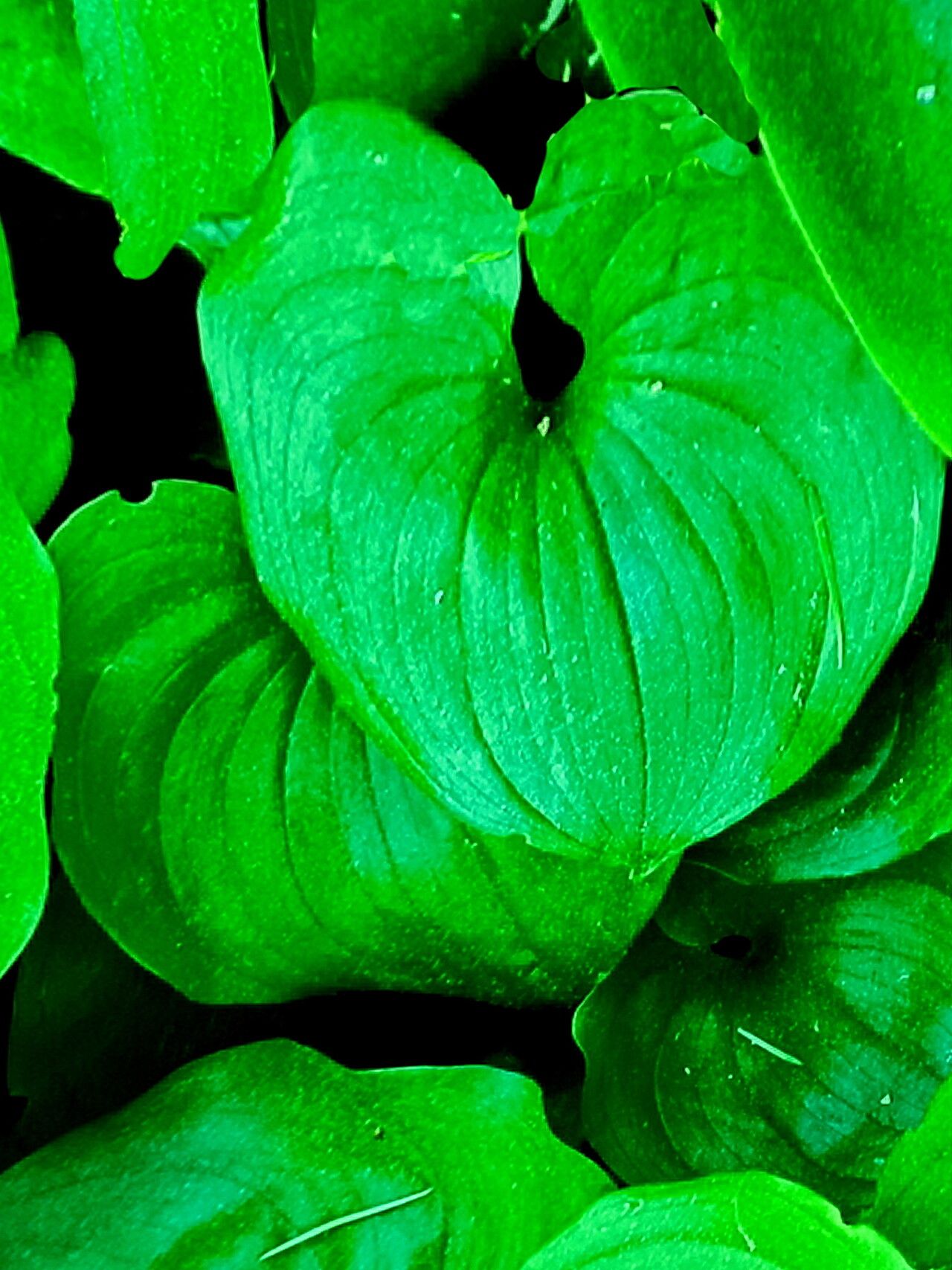
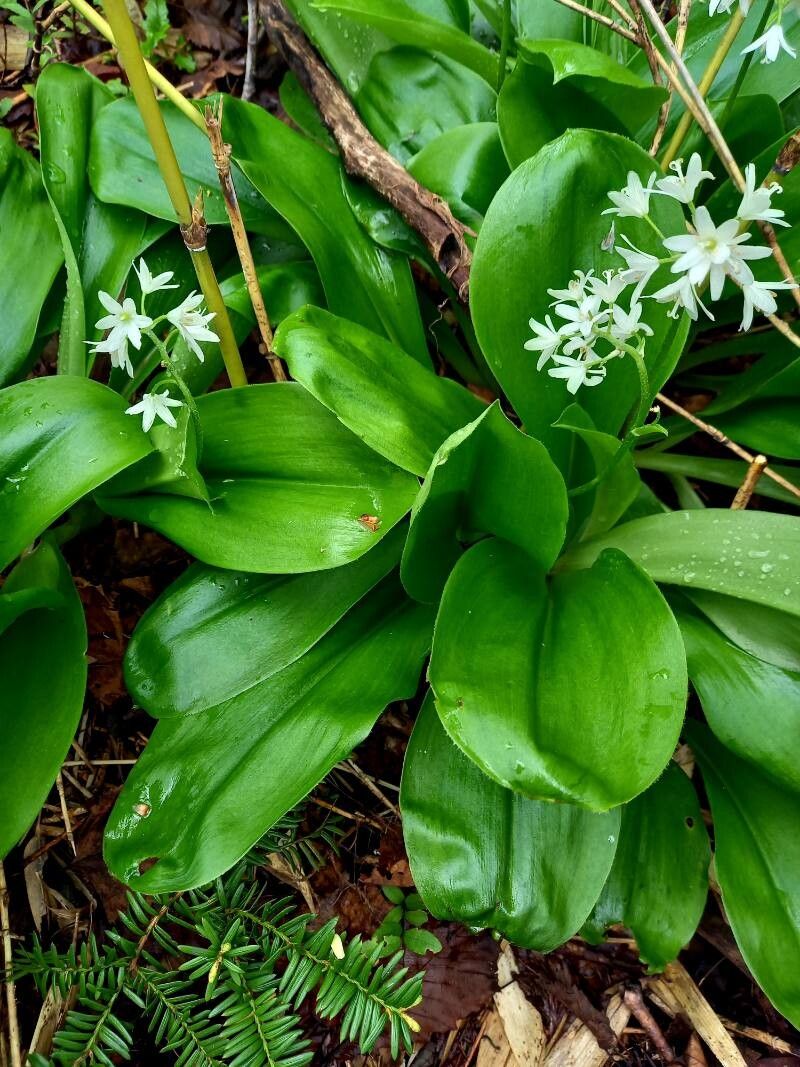
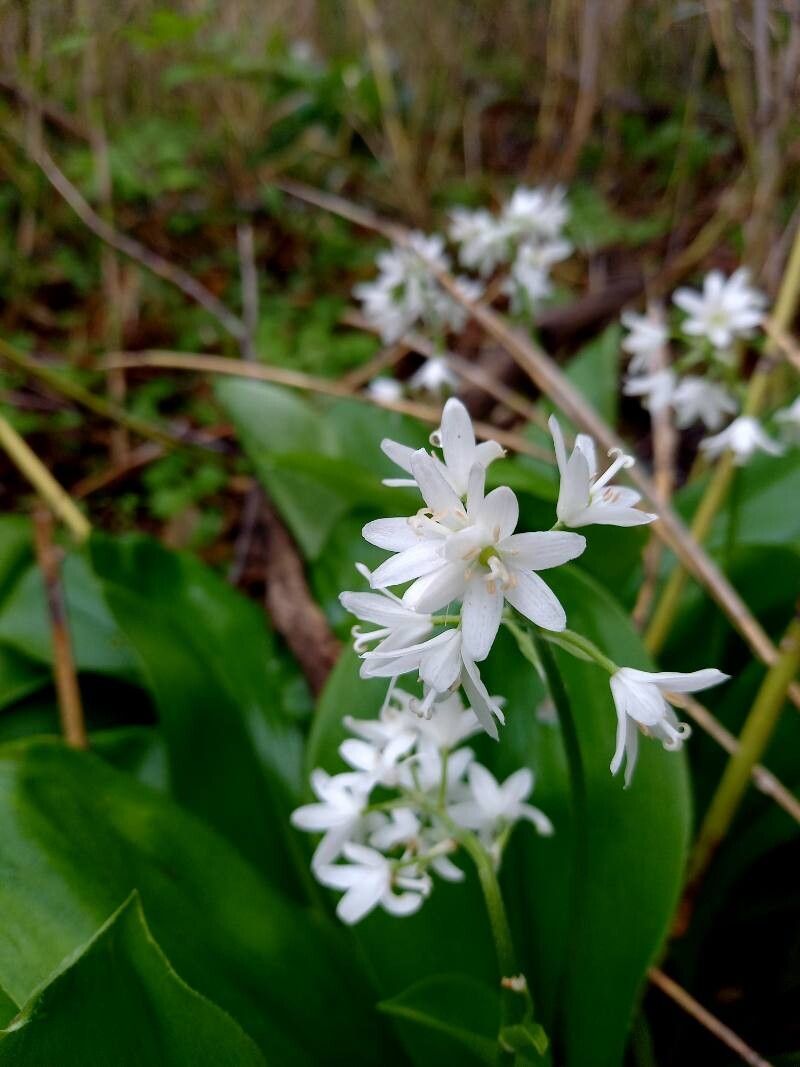
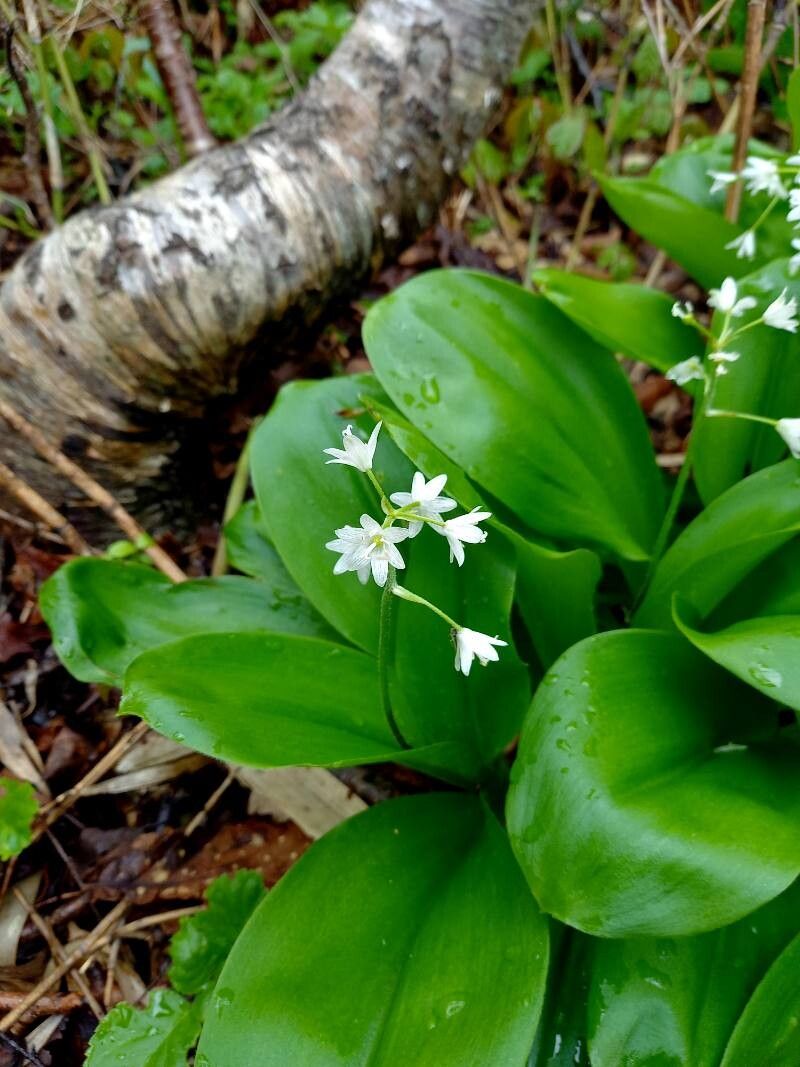
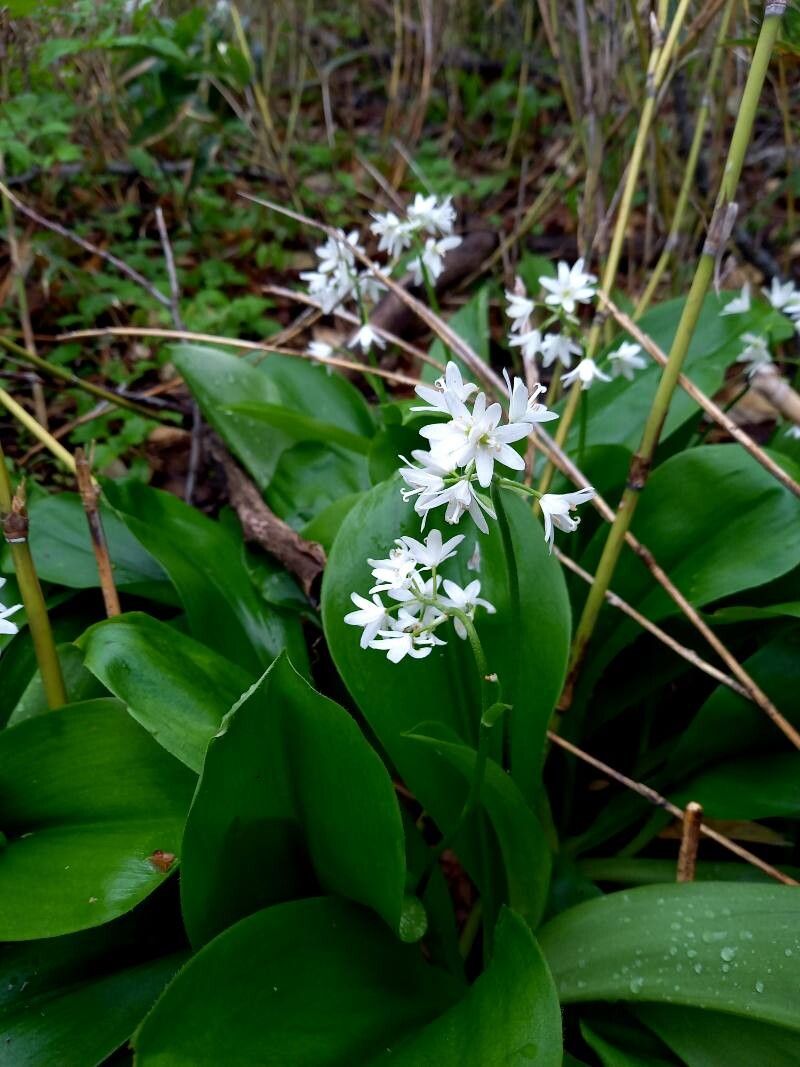
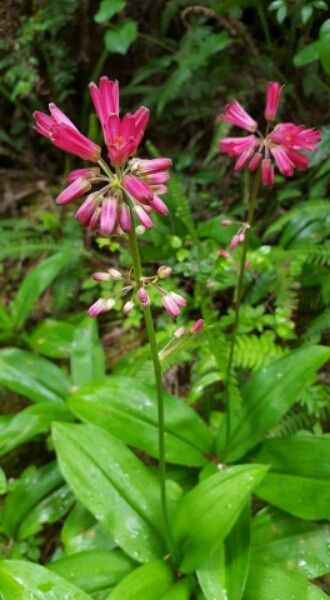
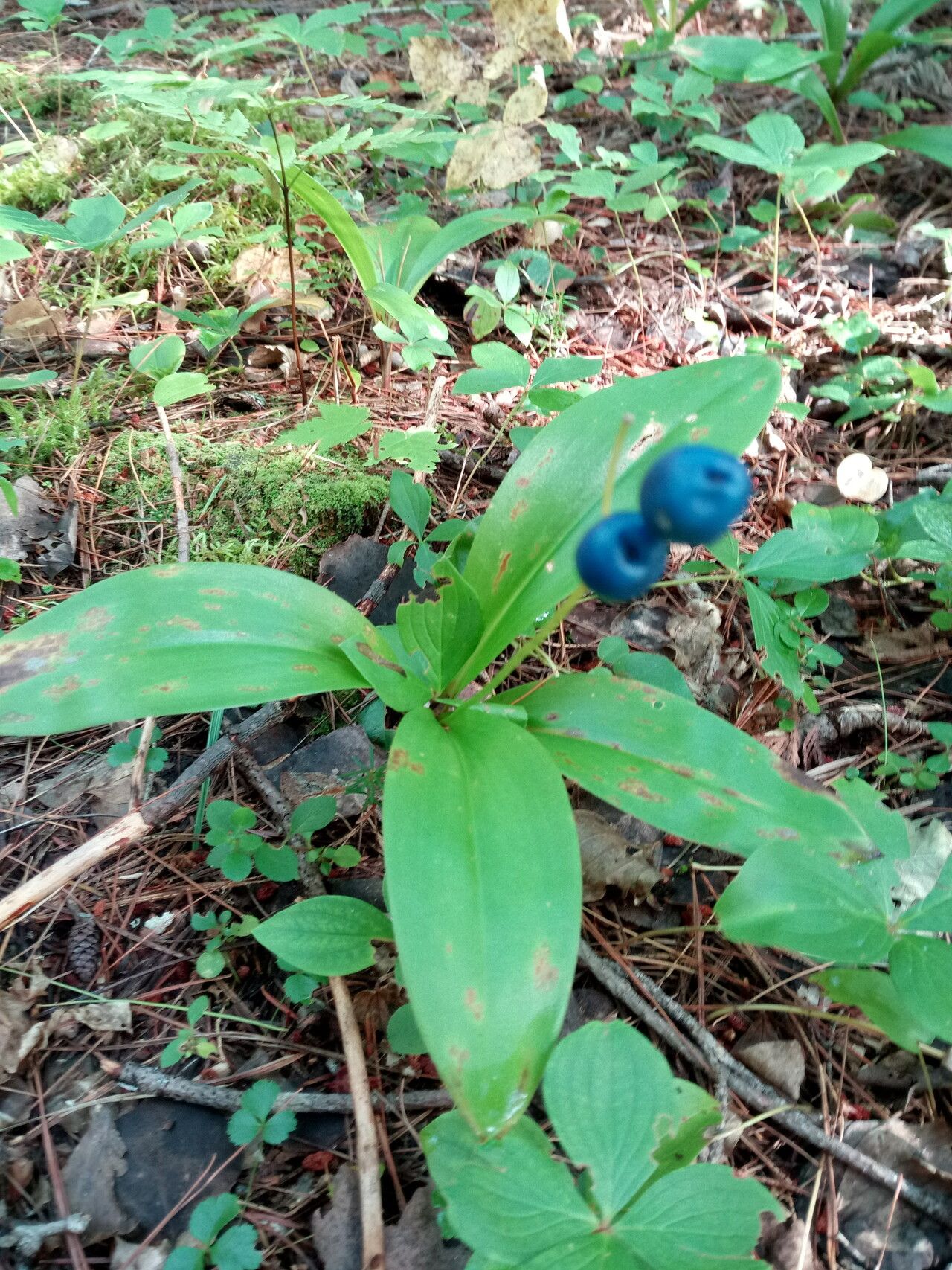
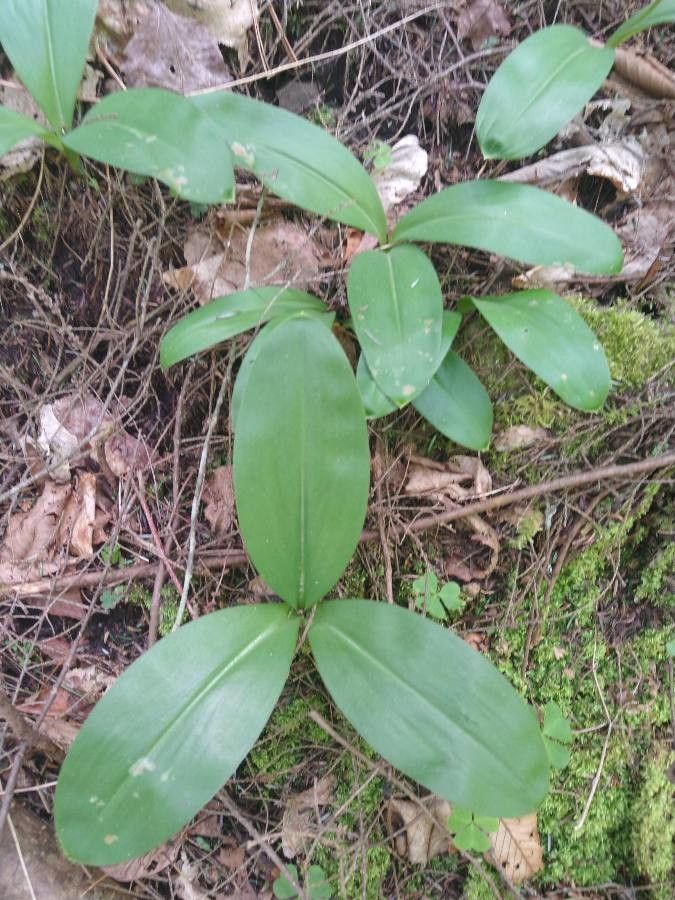
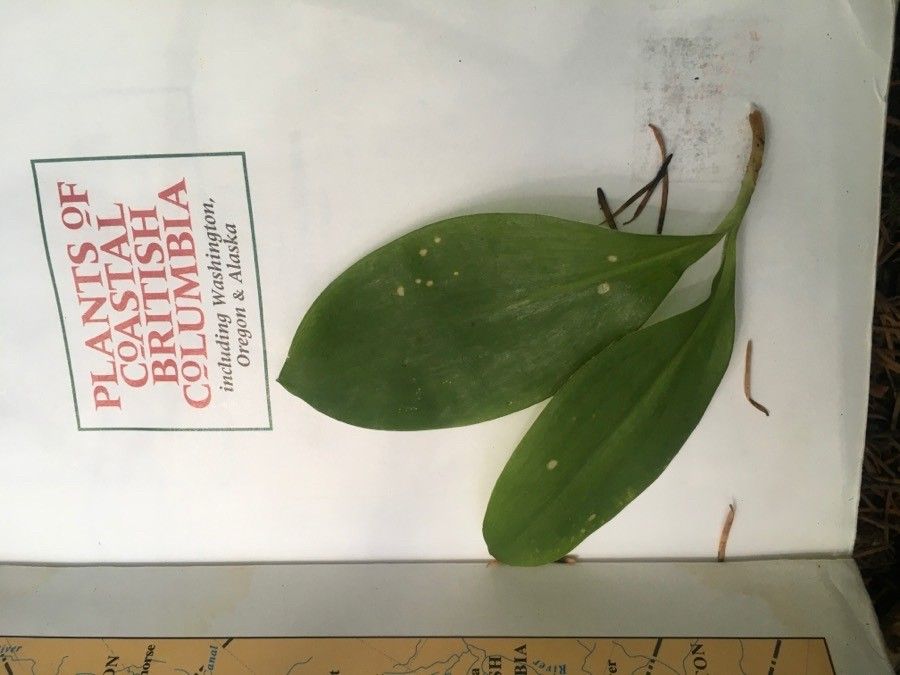
Clintonia udensis is a species of flowering plant in the lily family Liliaceae. It is the only species of Clintonia native to Asia. It prefers sparsely forested habitat including the alpine forests of the Himalayas.
Bead lily has good resistance to disease and is generally not prone to diseases. However, it can be vulnerable to pests and diseases present in its surroundings. These infections are usually mild. In terms of care, this plant requires moderate maintenance. It should be pruned regularly to retain a good appearance and healthy growth. Fertilizing can also help encourage flowering. Bead lily is appropriate for anyone with outdoor space, such as a garden or patio, and does not demand much prior care experience. It may need more attention when grown indoors.
How to keep Clintonia Udensis.
Light
Bead lily is native to habitats such as forest understories and rocky sites that offer natural shade. It favors full shade but can tolerate partial sun.
Water
The bead lily thrives in the consistently moist environment of forest understories, needing evenly moist soil and weekly watering. It is well-suited for dappled sunlight and ambient humidity. During the growing season, it requires consistently hydrated soil, but be careful to avoid waterlogging, as this mimics the plant's natural rain cycle.
Temperature
Bead lily is native to temperate regions and does best in temperatures from 32 to 90 °F (0 to 32 ℃). You may need to modify its environment as seasons change to keep the temperature within that range.
Fertilizer
The best time to fertilize a Bead lily is in early spring, as it comes out of dormancy and begins active growth. Fertilizing supplies essential nutrients for healthy development. Although Bead lily has relatively low fertilizer needs, an annual application can improve its survival and encourage better, longer-lasting flowers.
Pruning
Bead lilies benefit from seasonal pruning, which should be done from early to late spring. Remove any dead foliage and spent flowers to promote growth and improve the plant's appearance. While light pruning helps maintain the plant's vitality, be cautious with heavy pruning as it can stress the plant. With regular care, bead lilies will stay vibrant throughout their growing season.
Botanical profile.
- Plant Type
- Herb
- Life Cycle
- Perennial
- Genus
- Clintonia
- Family
- Liliaceae
- Hardiness Zone
- 3-7
- Mature Height
- 40 cm
- Mature Spread
- 20 cm to 40 cm
- Leaf Color
- Dark Green
- Leaf Type
- Semi-evergreen
- Flower Color
- White
- Flower Size
- 0.76 cm to 1.52 cm
- Bloom Time
- Mid spring, Late spring
- Planting Time
- Spring, Summer
- Harvest Time
- Mid summer, Late summer
Other names.
Reader questions.
What are the sunlight requirements for Bead Lily?
Bead Lily (Clintonia udensis) thrives in areas that receive partial sun, specifically about 3-6 hours of sunlight daily. It's important to observe how sunlight moves through your garden throughout the day. Selecting locations that offer a harmonious balance of light and shade will ensure the optimal growth and happiness of your Bead Lily plants.
What is the native climate for Bead Lily?
Bead Lily, with its botanical name being Clintonia udensis, is native to temperate climates. It thrives in a temperature range of 32 to 90 °F (0 to 32 °C). To maintain its health, it is essential to adjust its environment during seasonal changes to ensure the temperature remains within this ideal range.