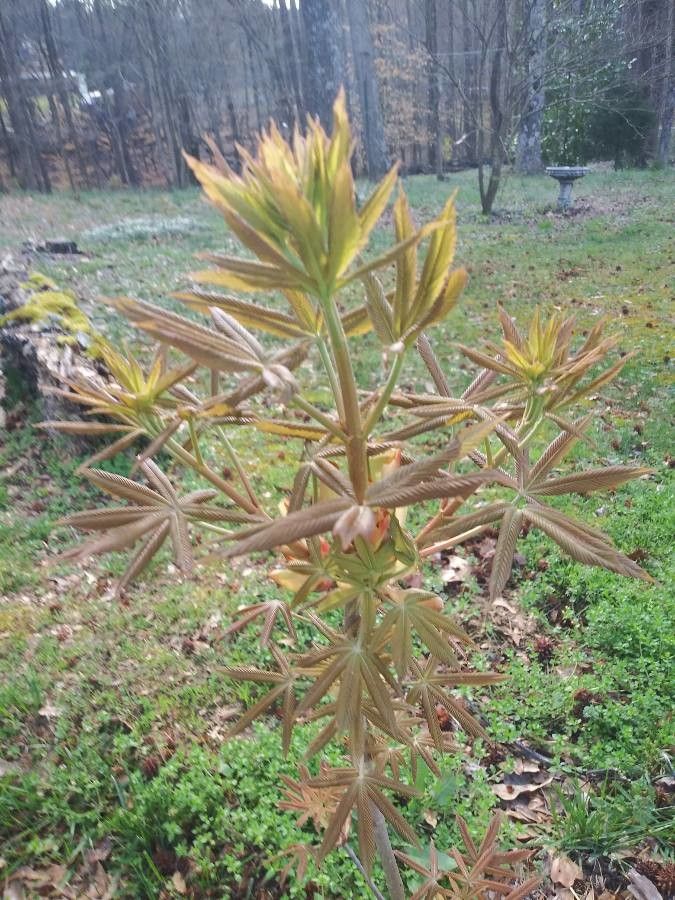
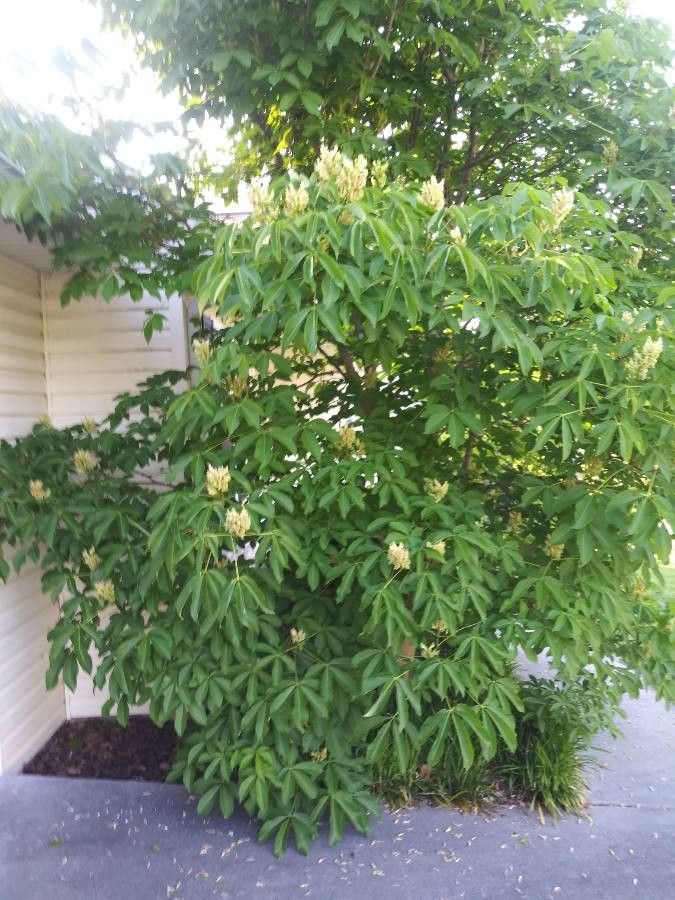
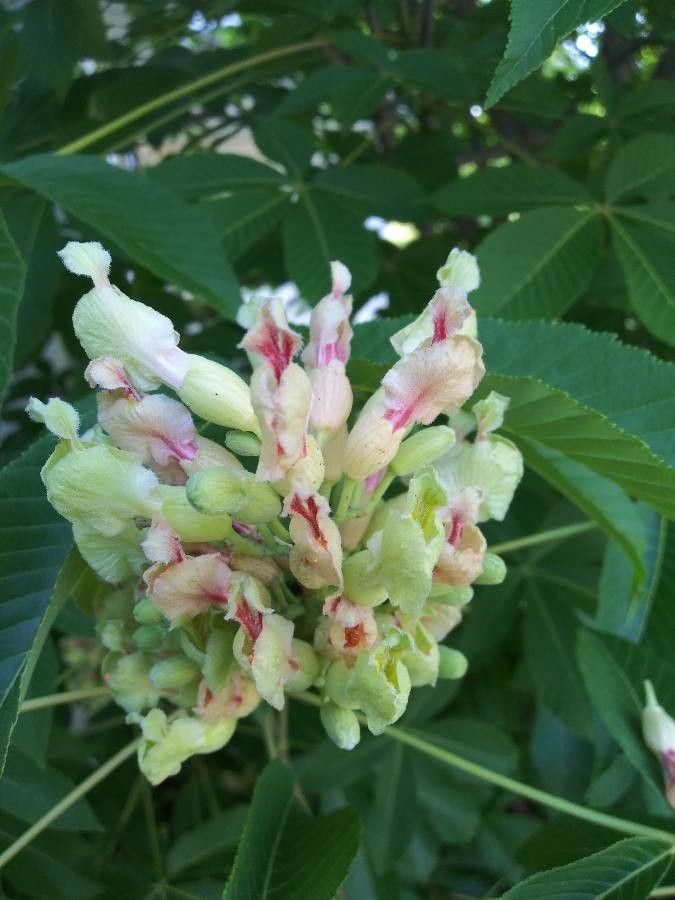
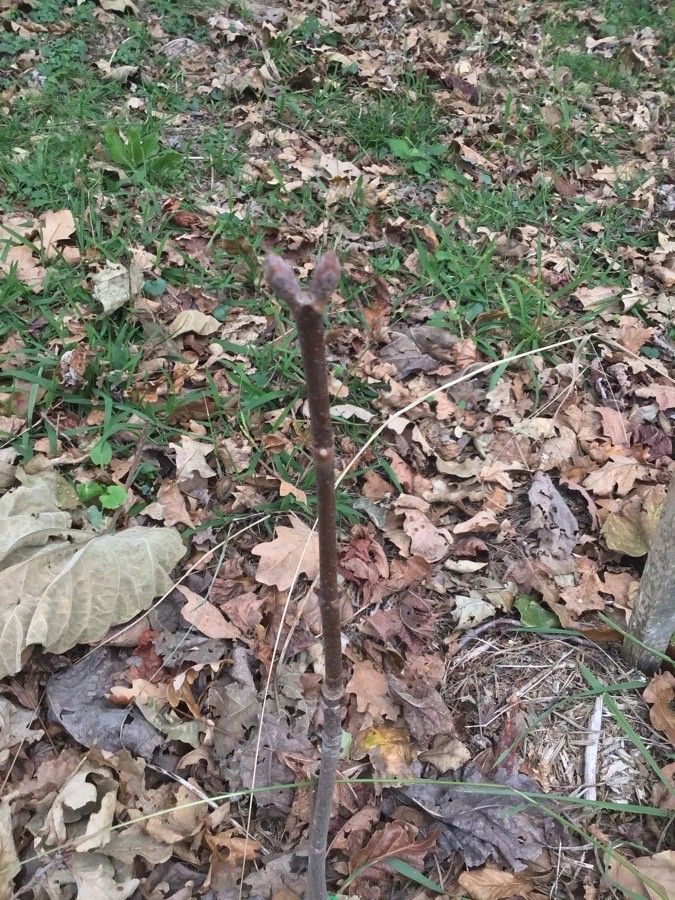
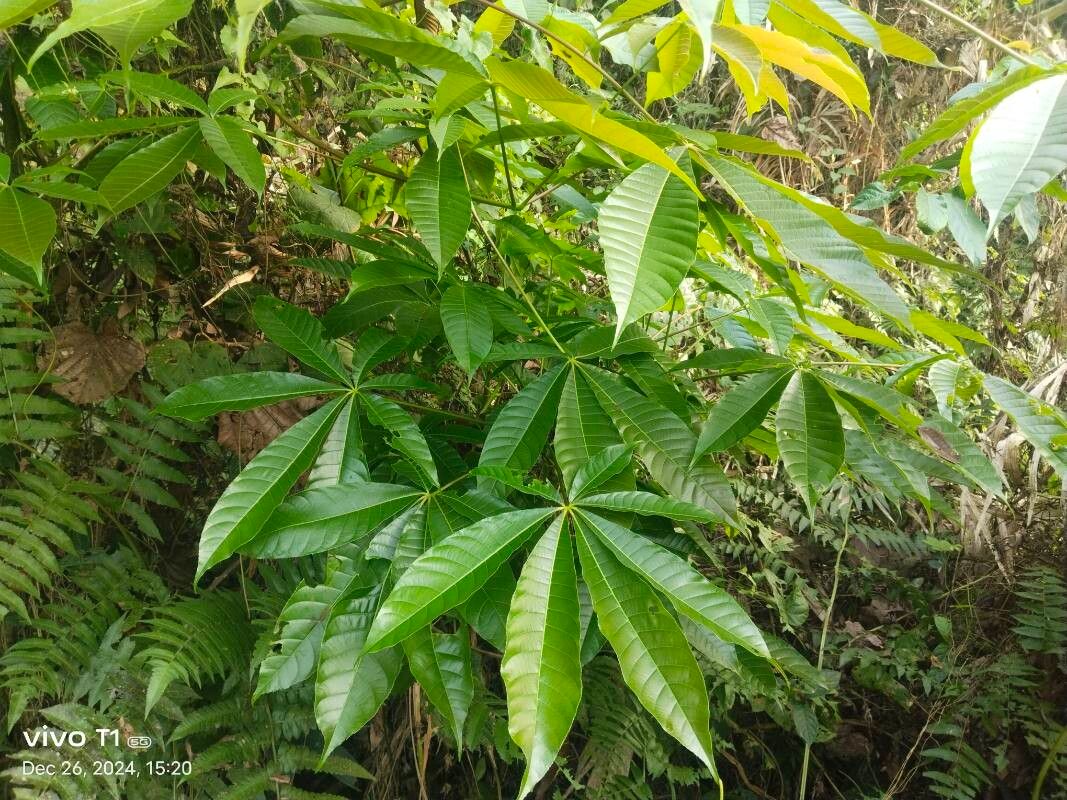
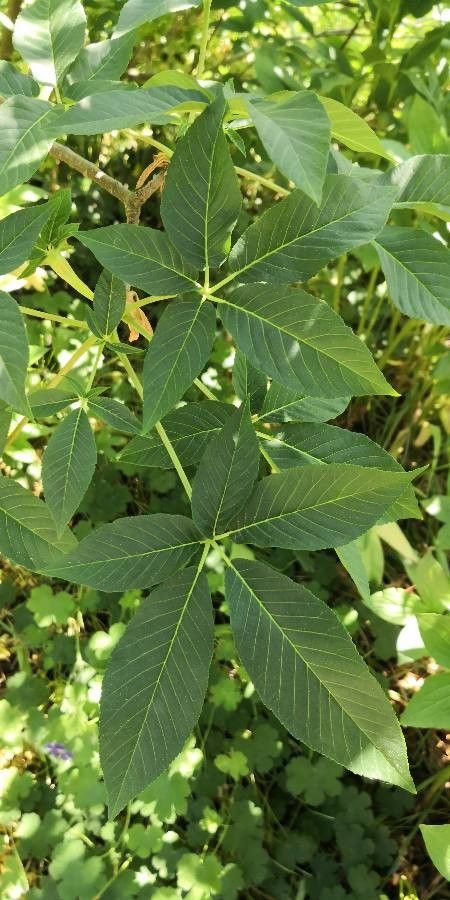
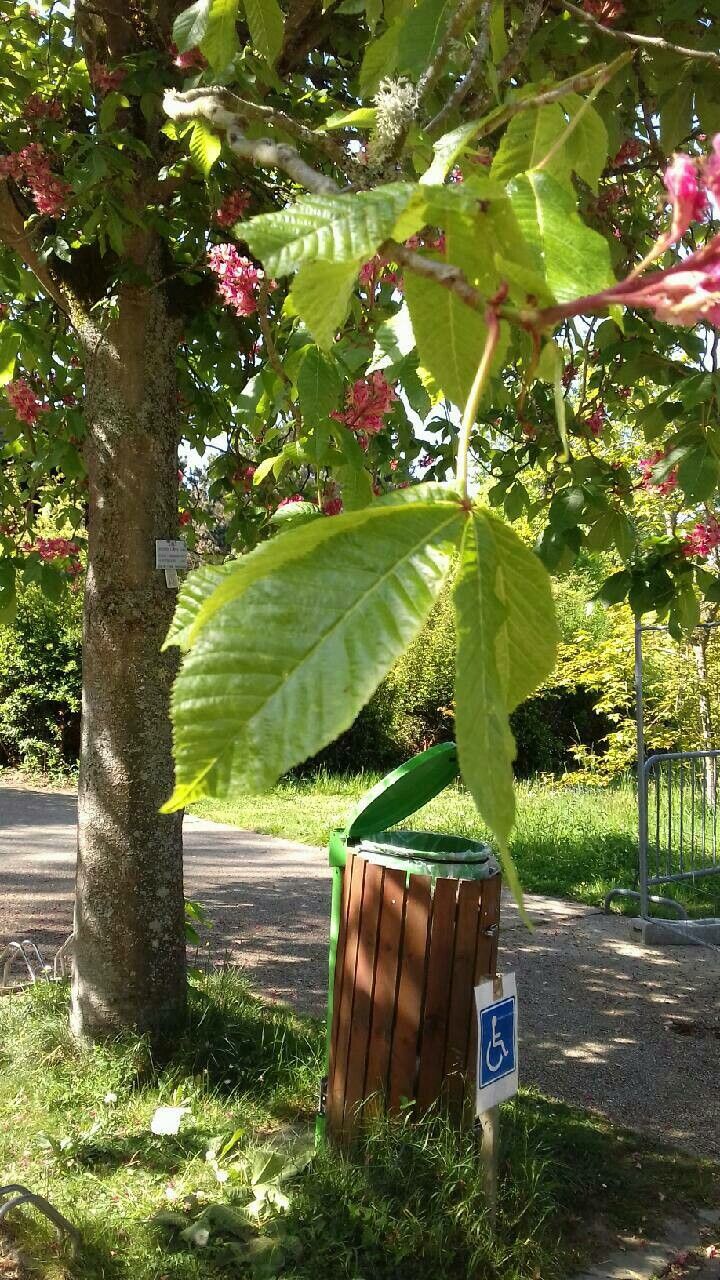
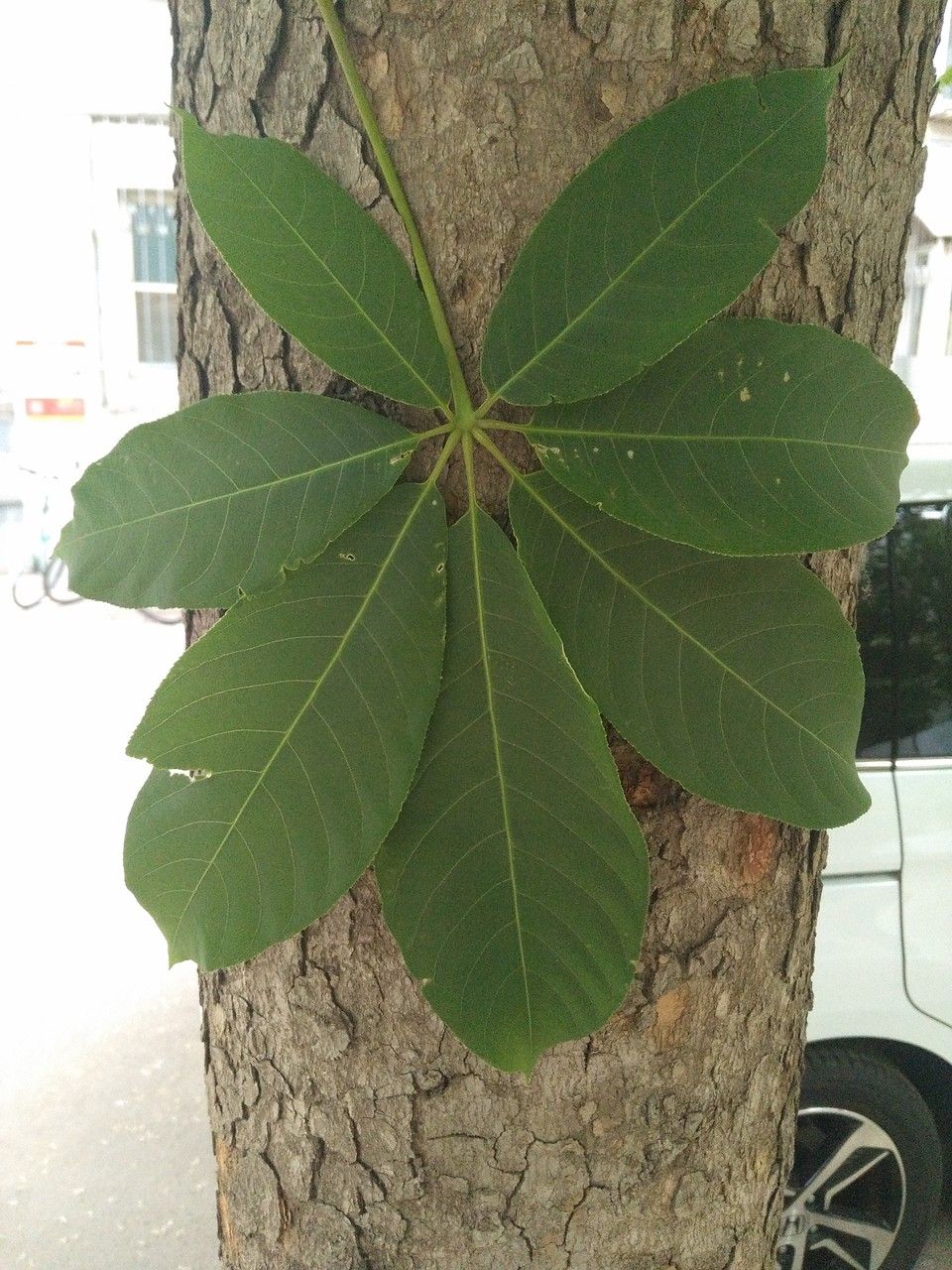
Aesculus sylvatica, the painted buckeye, is a species of shrub. The species has five leaflets that are 4.5 to 6 inches (11 to 15 cm) long and 1.5 to 2.5 inches (3.8 to 6.4 cm) wide. The flowers are yellow and occasionally have red also. The species have dry fruit and brown, scaly bark. The species is commonly found in forests and along stream banks. The shrub is poisonous, as are its seeds.
Painted buckeye shows strong resistance to disease and is generally not susceptible to many ailments. Regarding upkeep, this plant is fairly low maintenance. Outdoors it needs only occasional watering, and mature plants typically do not require pruning. Smaller plants, however, should be trimmed after they finish blooming. Painted buckeyet is appropriate for anyone who has an outdoor area, such as a garden or a deck, and it does not need extensive gardening experience.
How to keep Aesculus Sylvatica.
Light
Painted buckeye is native to habitats like forest understories and rocky areas that provide natural shade. It prefers partial sun but can tolerate full sun or full shade, showing its hardy and versatile nature.
Water
The painted buckeye is native to the woodlands of eastern North America and thrives in moist, well-drained soils. It requires regular watering, about twice a week, during its growing period. Once established, the plant is moderately tolerant of drought conditions. Applying mulch is helpful to retain moisture, as it imitates the plant's natural environment of leaf litter.
Temperature
The painted buckeye is highly adaptable to a range of climates, from very hot summers to cold winters. Still, it has an ideal temperature range for growth. If temperatures become too high, the plant can suffer heat and humidity stress that may kill it. In places where temperatures near its lower cold tolerance, providing insulation is important to protect the plant.
Fertilizer
Timing is crucial when fertilizing Painted buckeye. Apply fertilizer in early spring and continue once a month until early summer. Fertilizer encourages lovely blooms and supplies energy both during dormancy and active growth phases.
Pruning
To maintain the health and appearance of your painted buckeye, it's important to prune it in early spring before new growth begins. Remove any dead or crowded branches to improve airflow and allow more light to reach the plant. Regular pruning helps maintain the plant's health, encourages blooming, and manages its size. Be sure to use clean, sharp tools to prevent disease and promote vigorous growth throughout the growing season.
Botanical profile.
- Plant Type
- Shrub
- Life Cycle
- Perennial
- Genus
- Aesculus
- Family
- Sapindaceae
- Hardiness Zone
- 6-9
- Mature Height
- 3.05 m to 6.1 m
- Mature Spread
- 1.83 m to 4.57 m
- Leaf Color
- Dark Green, Forest Green
- Leaf Type
- Deciduous
- Flower Color
- Yellow, White
- Flower Size
- 2.54 cm to 7.62 cm
- Bloom Time
- Early spring, Mid spring
- Planting Time
- Spring, Autumn
- Harvest Time
- Late summer, Early fall, Mid fall
Other names.
Reader questions.
What are the sunlight requirements for a Painted Buckeye?
The Painted Buckeye, or Aesculus sylvatica, thrives in different sunlight conditions depending on your garden's layout. For full sun exposure, it requires above 6 hours of direct sunlight daily. In contrast, partial sun conditions mean the plant should receive about 3-6 hours of sunlight. It’s essential to observe how sunlight moves through your garden to choose spots that offer a perfect balance of light and shade, ensuring the plant's well-being.