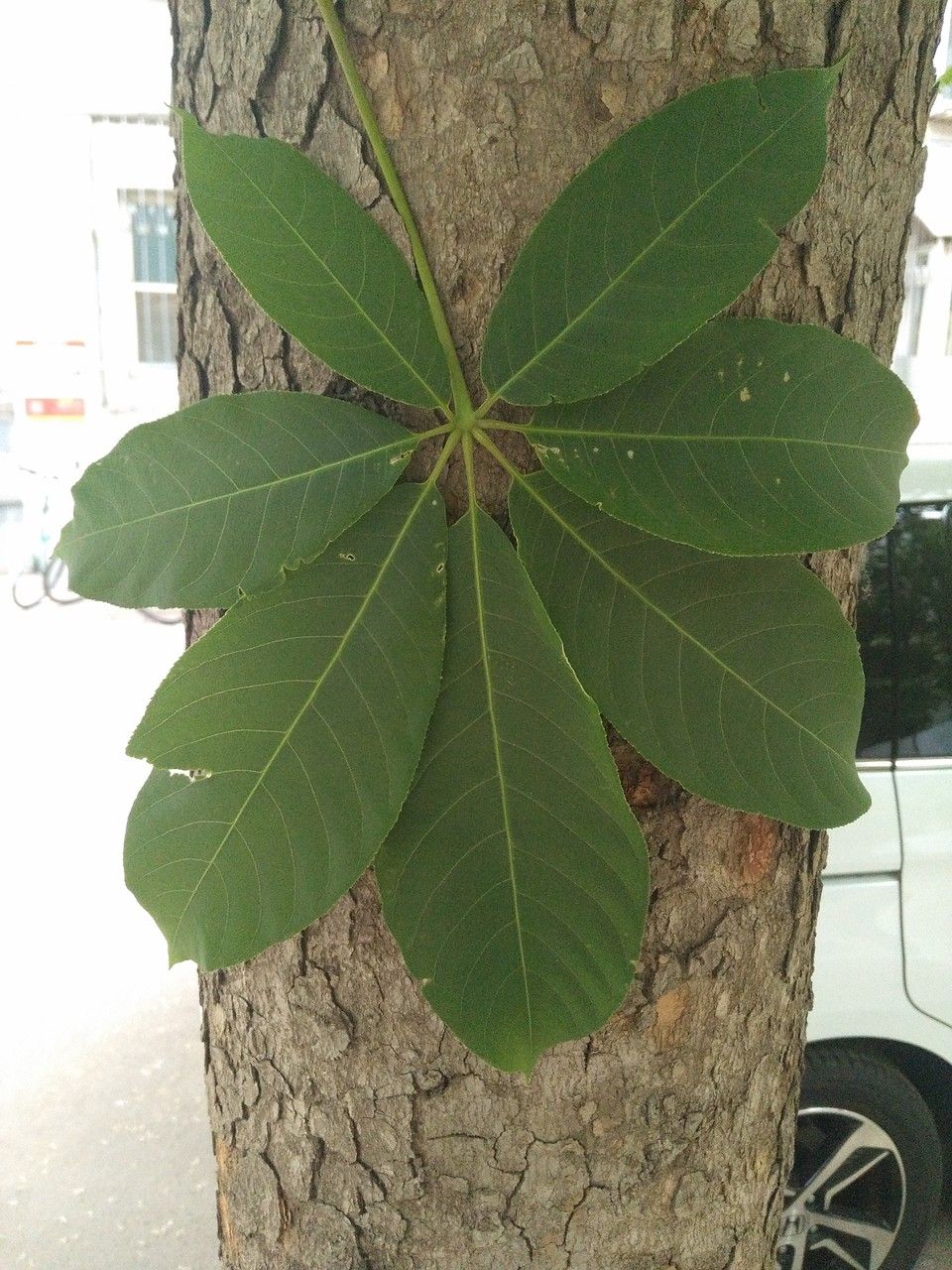
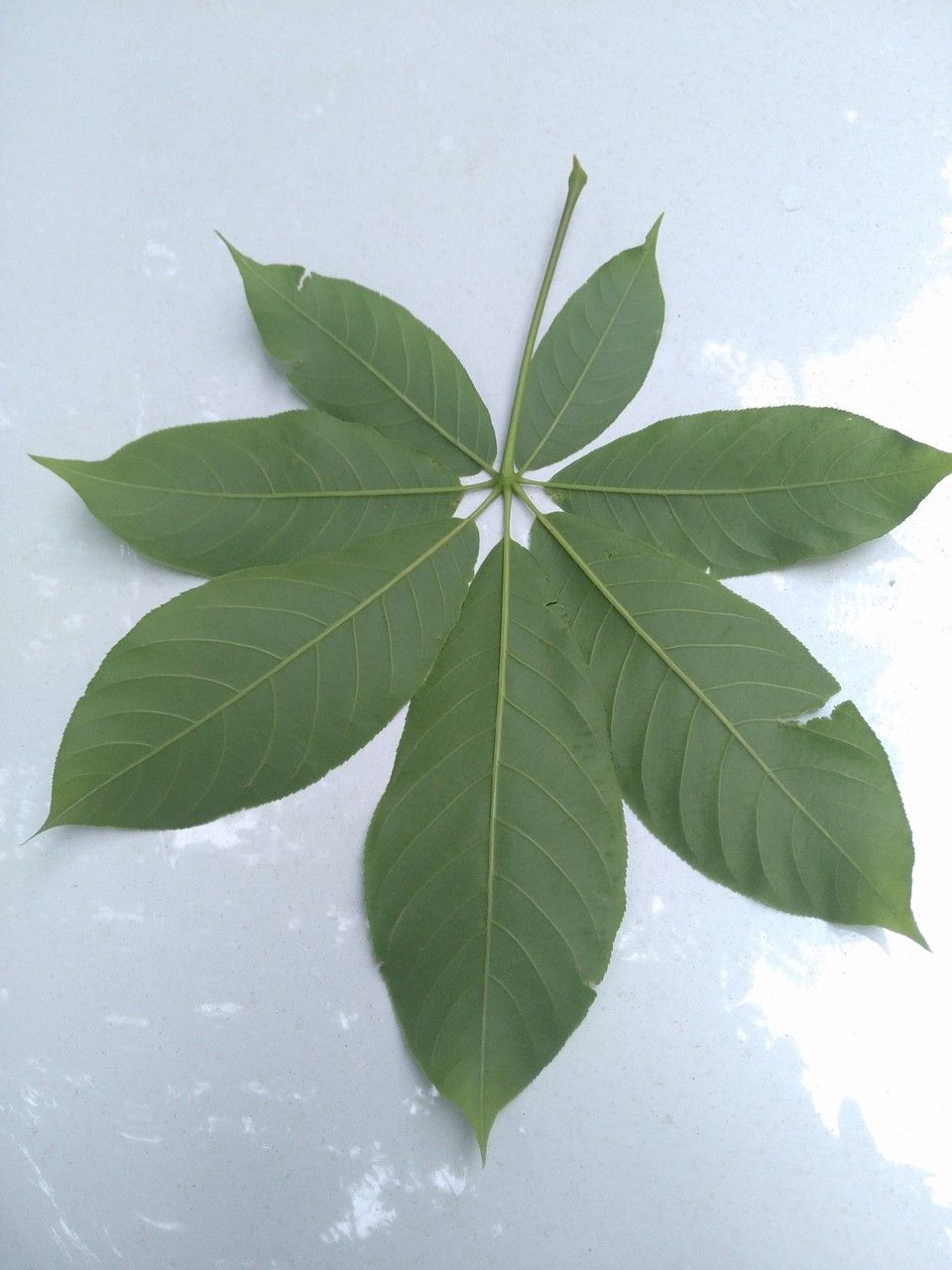
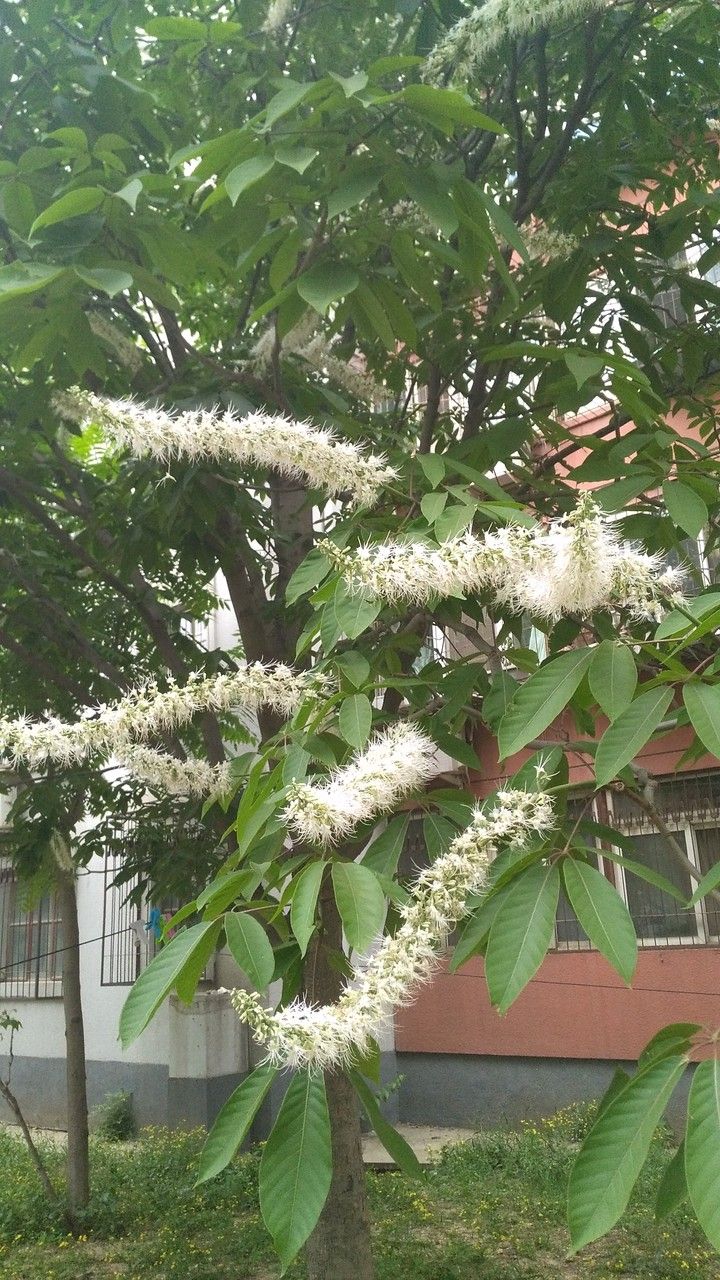
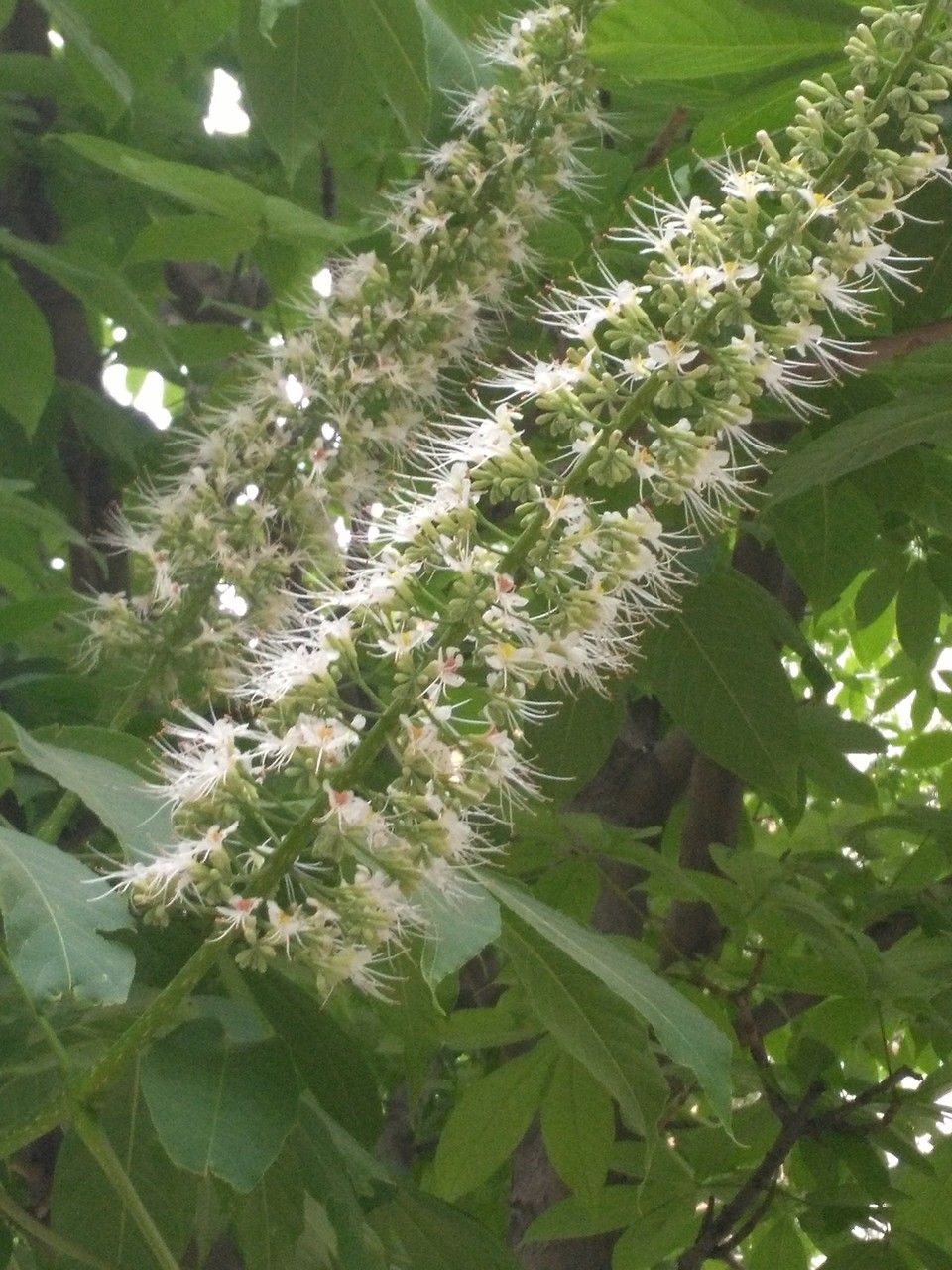
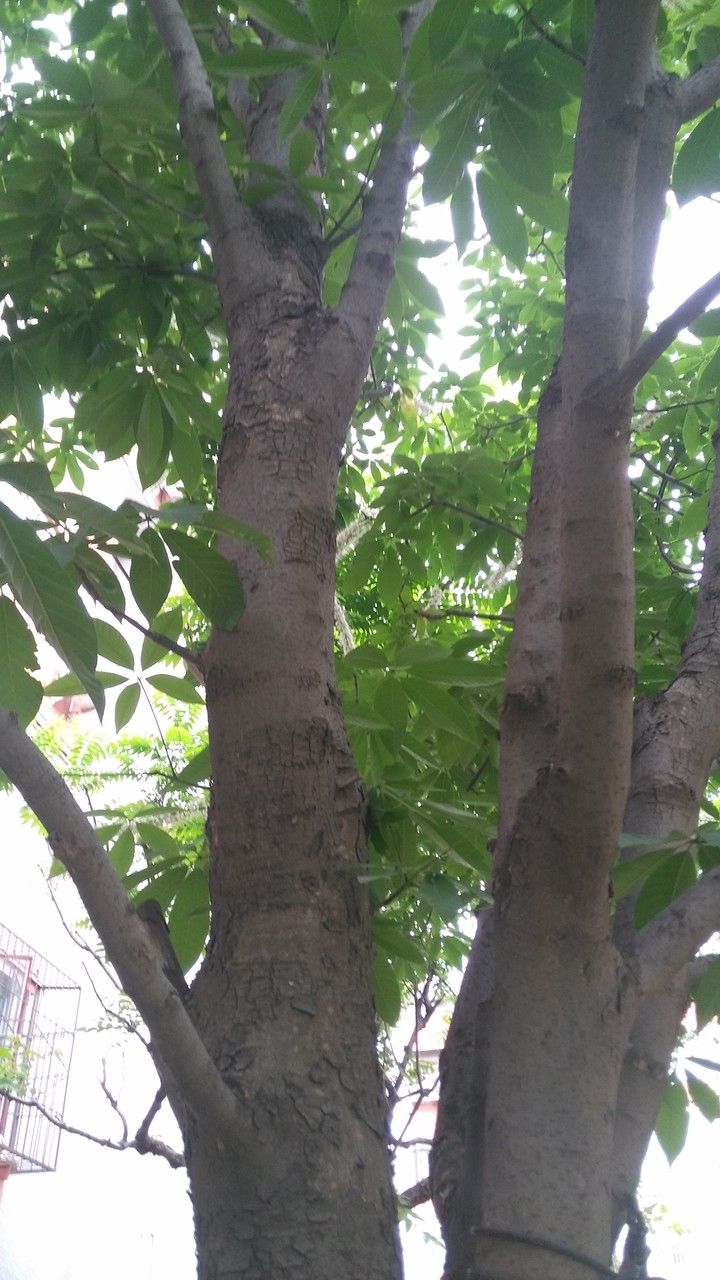
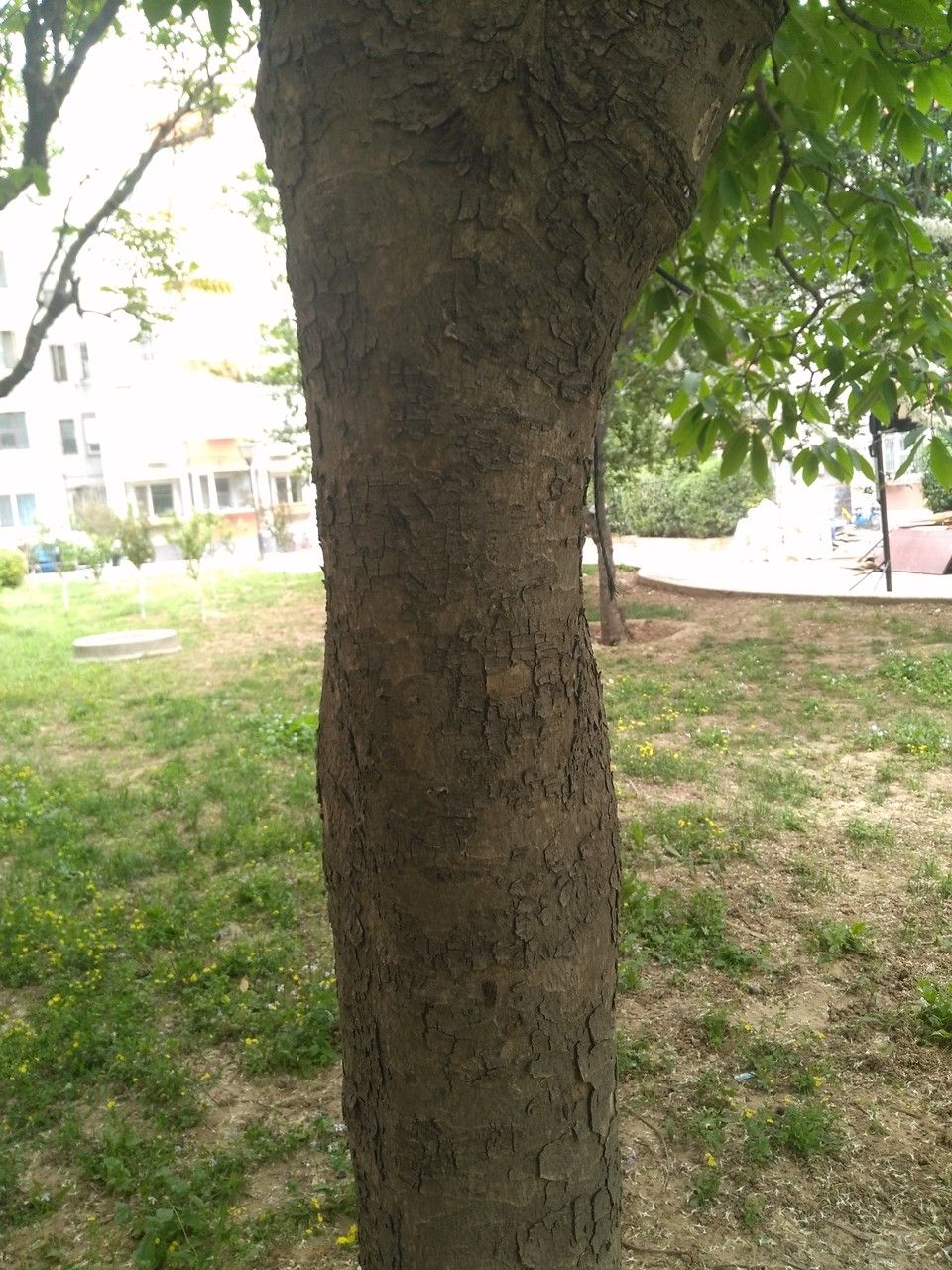
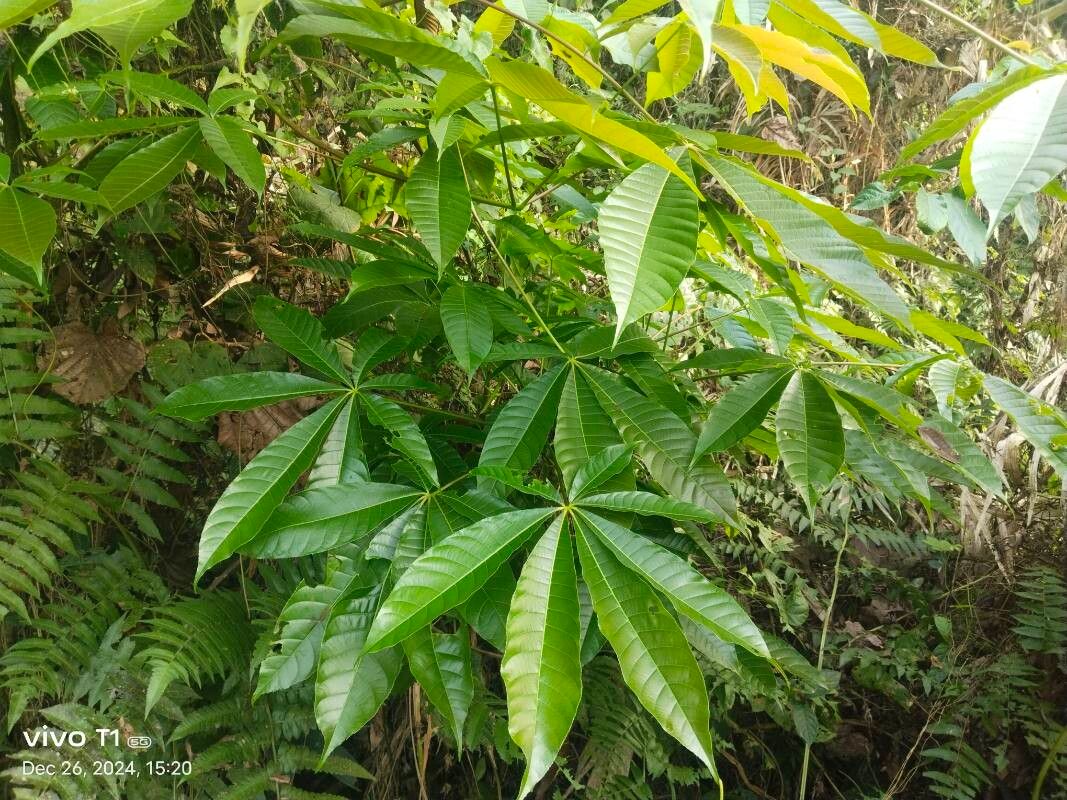
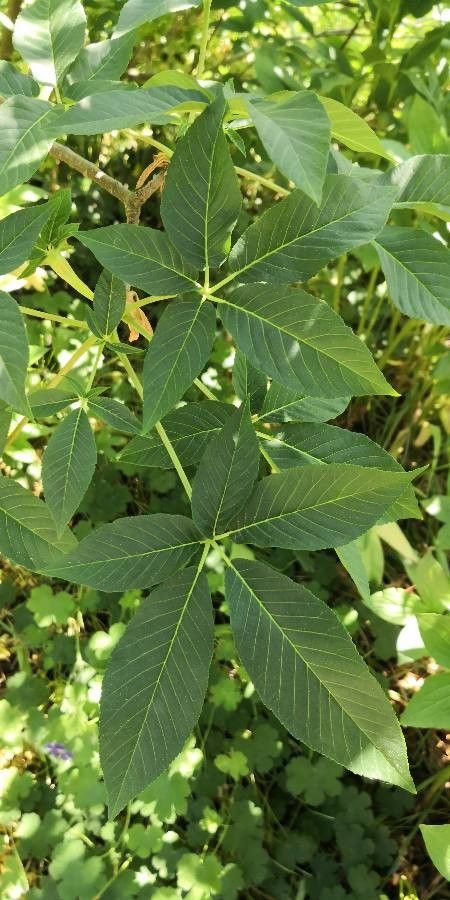
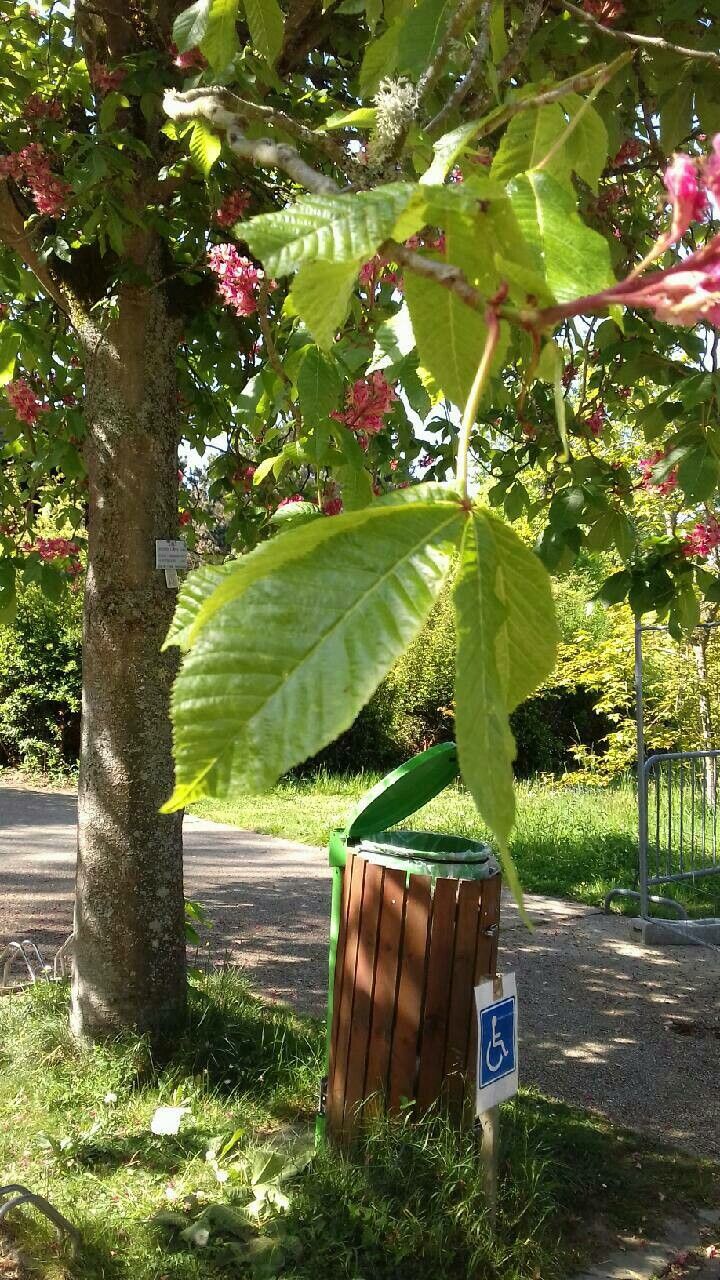
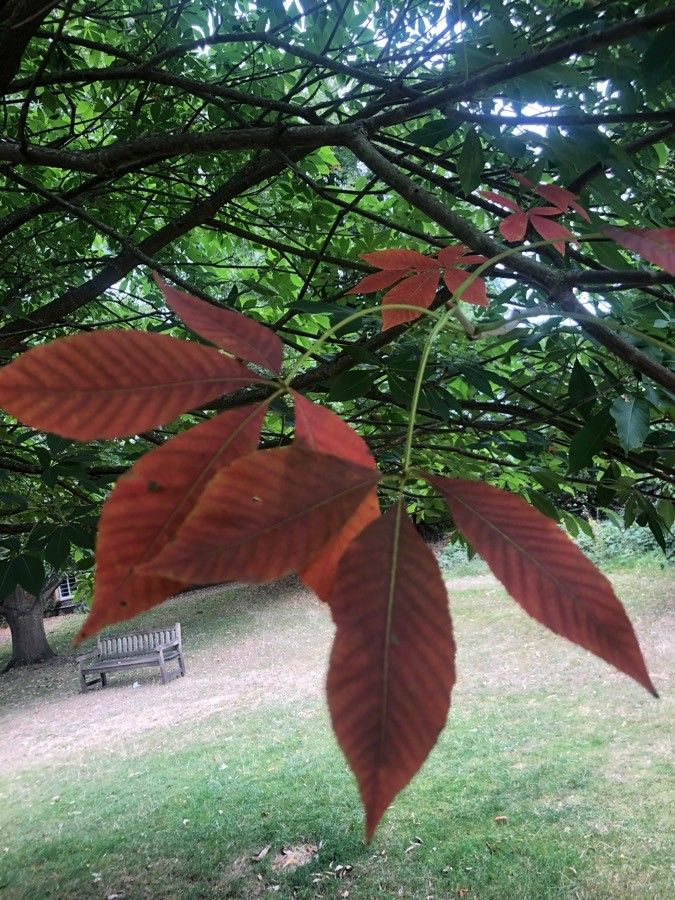
Aesculus chinensis, the Chinese horse chestnut (Chinese:七叶树 qi ye shu), is a tree species in the genus Aesculus found in eastern Asia. The seed contains triterpenoid saponins and flavonoids, such as aescuflavoside and aescuflavoside A, which are glycosides of quercetin.
The Chinese horse chestnut shows good resistance to disease and is generally not susceptible to illnesses. In terms of care, this plant is relatively low-maintenance. When grown outdoors it needs only minimal watering, and larger plants typically do not require pruning. Smaller plants, however, should be pruned after they finish blooming. The Chinese horse chestnut is suitable for anyone with outdoor space, such as a garden or a deck, and does not demand extensive care experience.
How to keep Aesculus Chinensis.
Light
Chinese horse chestnut thrives in plentiful sunlight but can also adjust to weaker light. Adequate sun encourages its growth and overall vigor. Too much exposure can cause scorching, while too little can suppress growth. It originates from areas with abundant sunshine, which has enabled it to tolerate moderate shade.
Water
The Chinese horse chestnut grows well in soil with balanced moisture and can tolerate moderate drought conditions. It is best to water the plant every three weeks, adjusting this schedule according to the growing season. Although the plant benefits from natural rainfall, extra watering might be necessary during dry periods to prevent dehydration.
Temperature
The Chinese horse chestnut comes from temperate regions and requires moderate temperatures of roughly 41 to 95 °F (5 to 35 °C). For healthy growth, it should not be exposed to temperatures outside this range for prolonged periods.
Fertilizer
Proper timing is essential when fertilizing Chinese horse chestnut. Apply fertilizer in early spring and continue once a month until early summer. Fertilizer encourages attractive blooms and supplies energy during both dormant and active growth periods.
Pruning
The Chinese horse chestnut is a deciduous tree known for its large leaves and striking flower spikes. To keep the tree healthy, it's best to prune it in early spring. This will help remove dead branches, improve air circulation, and encourage healthy growth. Regular thinning is also important, as it enhances light penetration and helps control the tree's size and shape, ensuring it remains an attractive feature in the garden.
Botanical profile.
- Plant Type
- Tree
- Life Cycle
- Perennial
- Genus
- Aesculus
- Family
- Sapindaceae
- Hardiness Zone
- 5-9
- Mature Height
- 24.99 m
- Mature Spread
- 10.06 m
- Leaf Color
- Green
- Leaf Type
- Deciduous
- Flower Color
- White, Yellow, Pink
- Flower Size
- 1.02 cm to 2.03 cm
- Bloom Time
- Late spring, Early summer
- Planting Time
- Spring, Summer
- Harvest Time
- Late summer, Early fall, Mid fall
- Native Area
- Laos, China
Other names.
Reader questions.
How should I water my Chinese horse chestnut tree in the best way?
To ensure good root development, place a garden hose at the base of the plant without directly spraying the leaves. If the leaves are exposed to direct sunlight outdoors, they will require more watering. You can use bubblers or soaker hoses to moisten the roots, with soaker hoses being useful for covering the entire garden or bed when adding or removing plants. Afterward, drain any excess water and allow the soil to dry before watering again. Watering at ground level will help prevent diseases. On a sunny day, consider spraying the entire bush with water. Whether the Chinese horse chestnut is in a pot or in the ground, remember to prioritize deep watering instead of light sprinkling.
Why should I put fertilizer on my Chinese horse chestnut tree?
No matter the type of Chinese horse chestnut you own, regular fertilization is crucial for optimum plant health. A proper nutrient supply promotes vigorous growth, enhances resilience to tough conditions, and improves the ability to combat diseases and pests. Keeping the foliage intact is vital as it is one of the Chinese horse chestnut's most attractive features. To achieve this, establish and stick to a regular fertilization schedule tailored to your specific Chinese horse chestnut. This will result in deep-colored leaves and an overall lush appearance.
How many hours of sunlight per day should Chinese horse chestnuts get to grow well?
To promote healthy growth, it is important for Chinese horse chestnut to get a minimum of 3–6 hours of sun daily. This is a minimum requirement, as most plants that can tolerate partial sunlight can also do well in full sun. However, plants that need full sun or partial shade are less adaptable because they require more light for photosynthesis.
What is the best temperature for Chinese horse chestnut?
The ideal temperature range for Chinese horse chestnut to thrive is between 65-80℉ (18-27℃). During the primary growing phase, it can tolerate temperatures as high as 95℉ (35℃), but as low as 15℉ (-10℃). This species is capable of surviving freezing winters and is relatively tolerant of cold temperatures. In summary, the recommended temperature ranges are as follows: ideal range: 65-80℉ (18-27℃), highest range: 85-95℉ (30-35℃), lowest range: -5 to 15℉ (-20 to -10℃) or colder.
What do I need to do if I give too much/little water to the Chinese horse chestnut tree?
When a Chinese horse chestnut is overwatered, its leaves turn yellow, drop off, and wilt. The plant may also appear dull and unhealthy with mushy stems. It's important to adjust your watering schedule when these signs first appear. Wilting can also indicate under watering, which is characterized by crispy, dry leaves. In this case, check the soil for dryness and provide a thorough watering if necessary. However, even with enough water, the Chinese horse chestnut may still exhibit dryness and yellowing leaves a few days later due to root damage. Once the plant returns to normal, the yellowing of leaves will cease. Indoors, always check the soil moisture levels and avoid overwatering. Look for signs of black spots, and if present, allow the soil to dry out by withholding water for a few days. Overwatering can lead to root rot, so if you notice discolored and slimy roots, consider transferring the plant to a different pot. Preventing root rot is crucial, so avoid excessively soggy soil. When planting Chinese horse chestnut outdoors, ensure the soil is adequately moist. If it feels excessively dry, it may indicate under watering, which requires sufficient watering for plant recovery.
When should I fertilize my Chinese horse chestnut tree?
To give your Chinese horse chestnut the necessary nutrients for healthy growth, fertilize it in late winter or early spring. This ensures it gets what it needs to thrive once the weather warms up. If you live in a warm climate, an extra round of fertilization in early fall is beneficial. This not only provides additional nutrients for the next growing season, but also helps the tree withstand the cold winter without foliage damage. Fertilizing early will allow new branches enough time to grow and be more resilient against the winter cold.
What kind of sunlight does the Chinese horse chestnut need?
Chinese horse chestnut thrives in both full sun and partial sun. For optimal growth, it is recommended to provide them with direct morning sunlight. However, during summer, it is important to shield them from the intense afternoon sun to prevent leaf burn, which can harm the plant's overall well-being and aesthetics. This is particularly crucial in temperate environments.
Should I change the temperature for Chinese horse chestnut as it grows?
According to research, Chinese horse chestnut trees show stunted growth when exposed to prolonged high temperatures, particularly during the development of side buds and main shoots. To stimulate healthy growth after germination or transplantation, it is recommended to maintain a consistent and cooler temperature of around 65℉ (18℃).
How often should I give water to my Chinese horse chestnut plant?
The Chinese horse chestnut prefers deep watering with longer intervals in between. This is especially important for potted plants, as the limited water storage in pots causes the soil to dry out quickly. In colder regions, watering is needed every 3 to 5 days. It's best to water early in the morning when the soil is dry, both indoors and outdoors. You can check the soil inside the pot to determine if watering is necessary - if the top 2-3 inches of soil are dry, it's time to water the plant thoroughly. On hot days, checking the soil moisture daily is recommended, as the heat can rapidly dry out the soil in pots. For garden plants, irrigation is also essential. In hot climates, watering once a week is sufficient. Only water when you observe that the top 2 to 3 inches of soil have become too dry, regardless of whether the plant is indoors or outdoors. Take into account the amount of rainfall the plant receives and avoid overwatering to prevent root rot. If there is significant rainfall, additional watering may not be necessary. Chinese horse chestnuts typically grow during spring and fall. Adding a 3 to 4-inch layer of mulch outdoors helps conserve water. Sandy soil tends to drain faster, so plants in this type of soil will require more frequent watering. On the other hand, clay soil retains moisture longer, so watering can be done less frequently - allowing 2-3 days for the plant to dry out without risking root rot. To keep track of watering, you can mark the dates on the calendar and pay attention to any drooping leaves, which might indicate that the plant needs watering slightly earlier.
When is it not a good idea to fertilize my Chinese horse chestnut?
There are a few key periods throughout the year when you should refrain from fertilizing your Chinese horse chestnut plant. The first is during the winter months, specifically early to mid-winter, when the plant is dormant and does not require any nourishment. Additionally, it is not recommended to fertilize the plant during late spring and throughout the summer. This time of year tends to be hotter and drier, which can have a detrimental effect on the plant if fertilized. To prevent any negative outcomes, it is best to adhere to a fertilization schedule that focuses on feeding the plant exclusively during early spring and early fall.
Can the sun harm Chinese horse chestnut trees? How can we shield Chinese horse chestnut trees from sun and heat damage?
When Chinese horse chestnuts are moved outdoors, they can be easily damaged by direct sunlight. To prevent sunburn from overexposure, it is recommended to gradually move the pots from a shaded area to a brighter spot. However, even plants acclimated to the summer sun can be harmed by extreme heat. During a heatwave, it's important to keep the soil consistently moist to help the plants withstand the excessive heat. To protect sensitive Chinese horse chestnuts during extreme weather, it's advisable to move plants in containers to areas with afternoon shade or to use a shade cloth.
How can I make sure the Chinese horse chestnut stays warm during cold seasons?
Chinese horse chestnut is a hardy plant that can survive freezing temperatures when planted in the ground. However, if it is grown in pots or containers, extra care must be taken to protect the roots from the cold. One way to do this is by wrapping the container in a blanket or bringing it indoors where it will be shielded from the harsh winter conditions.