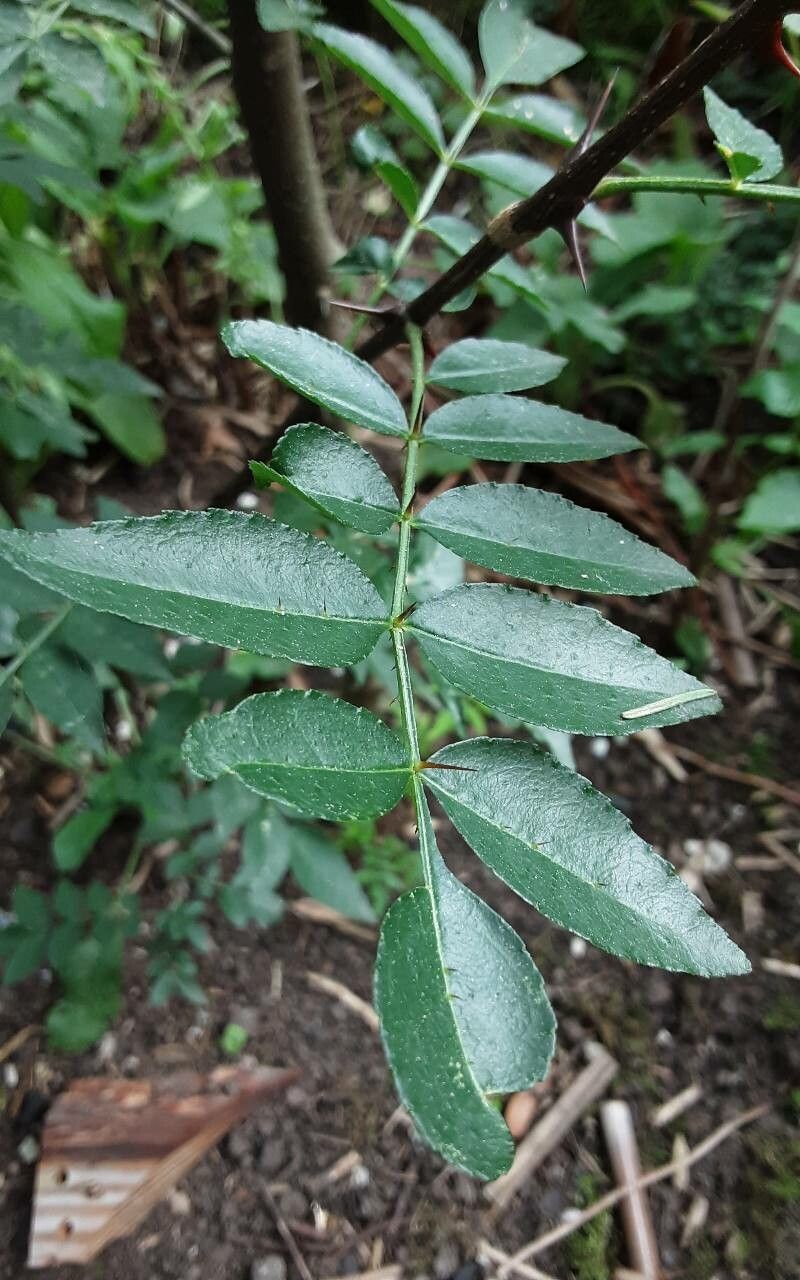
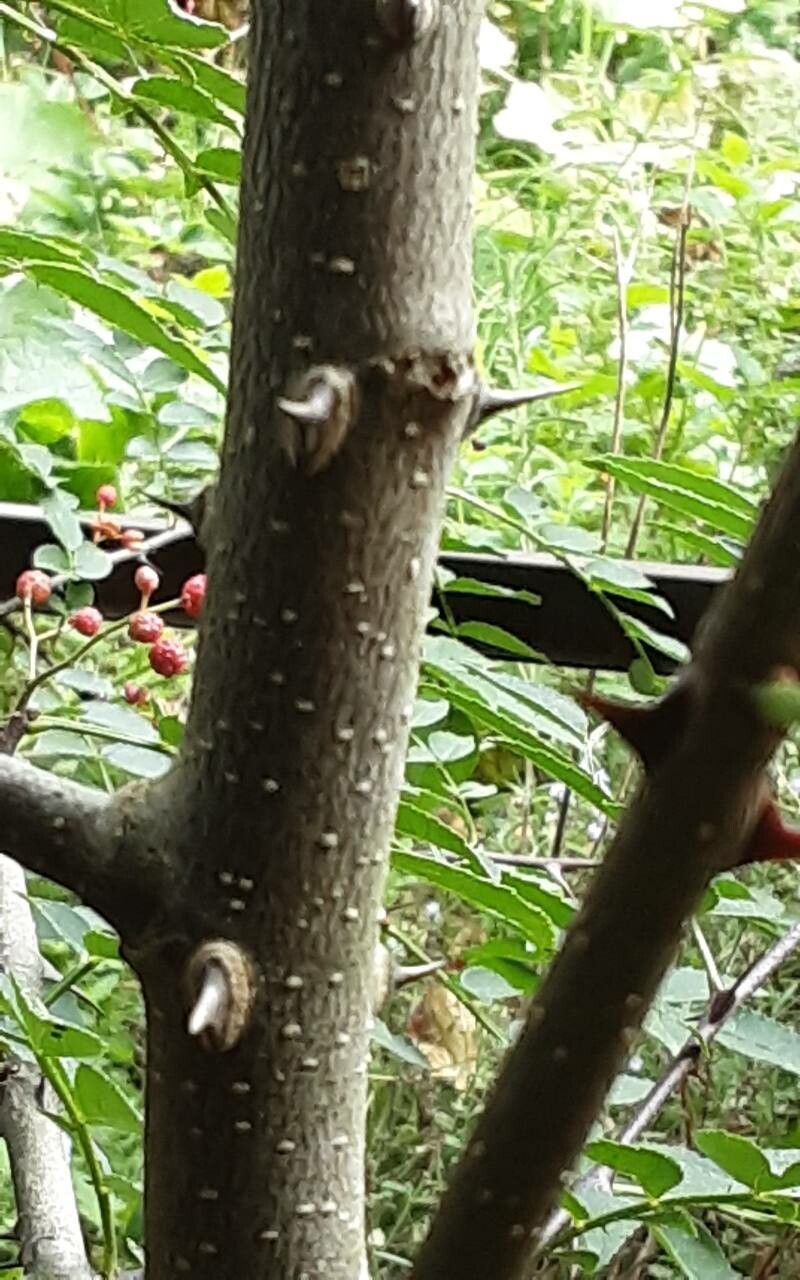
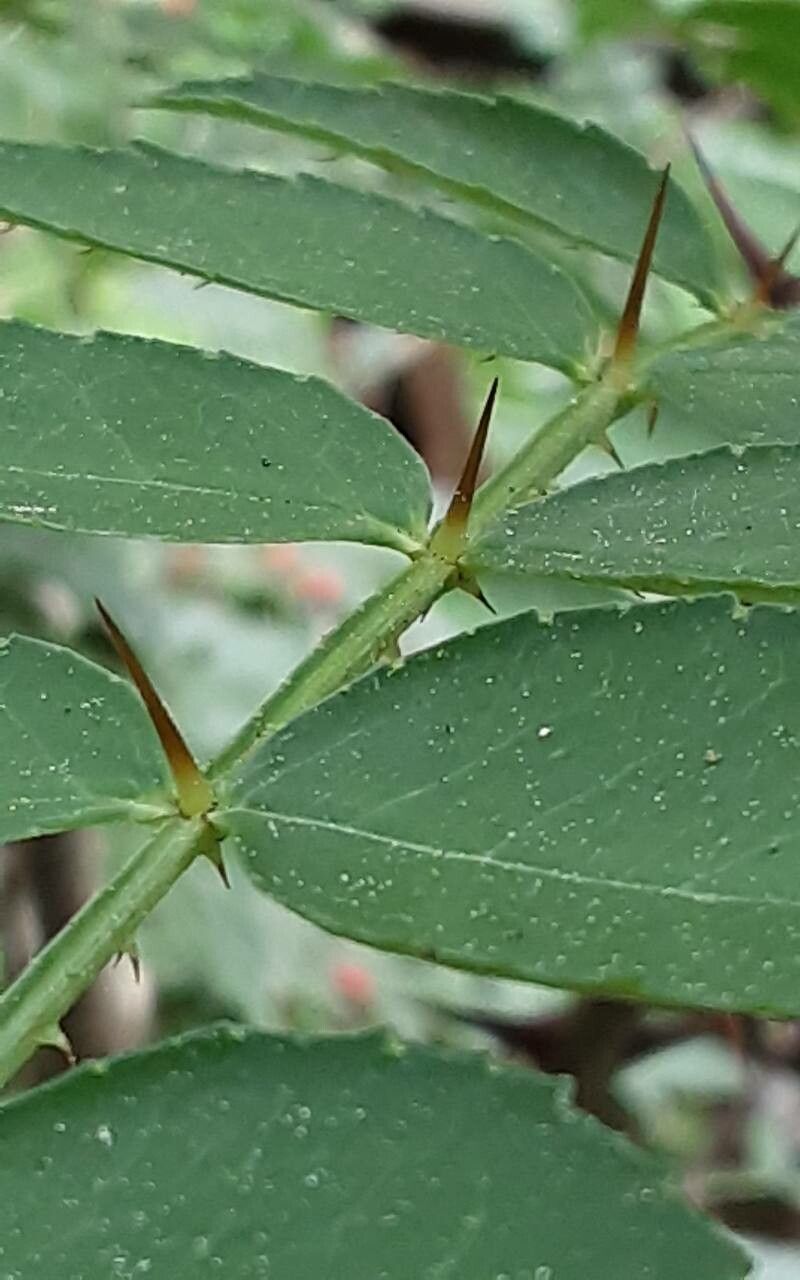
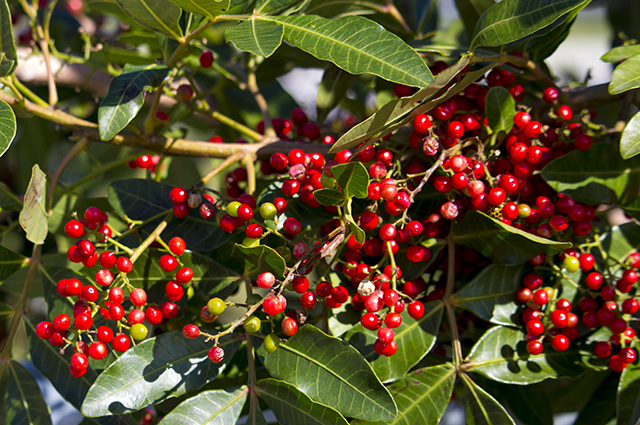
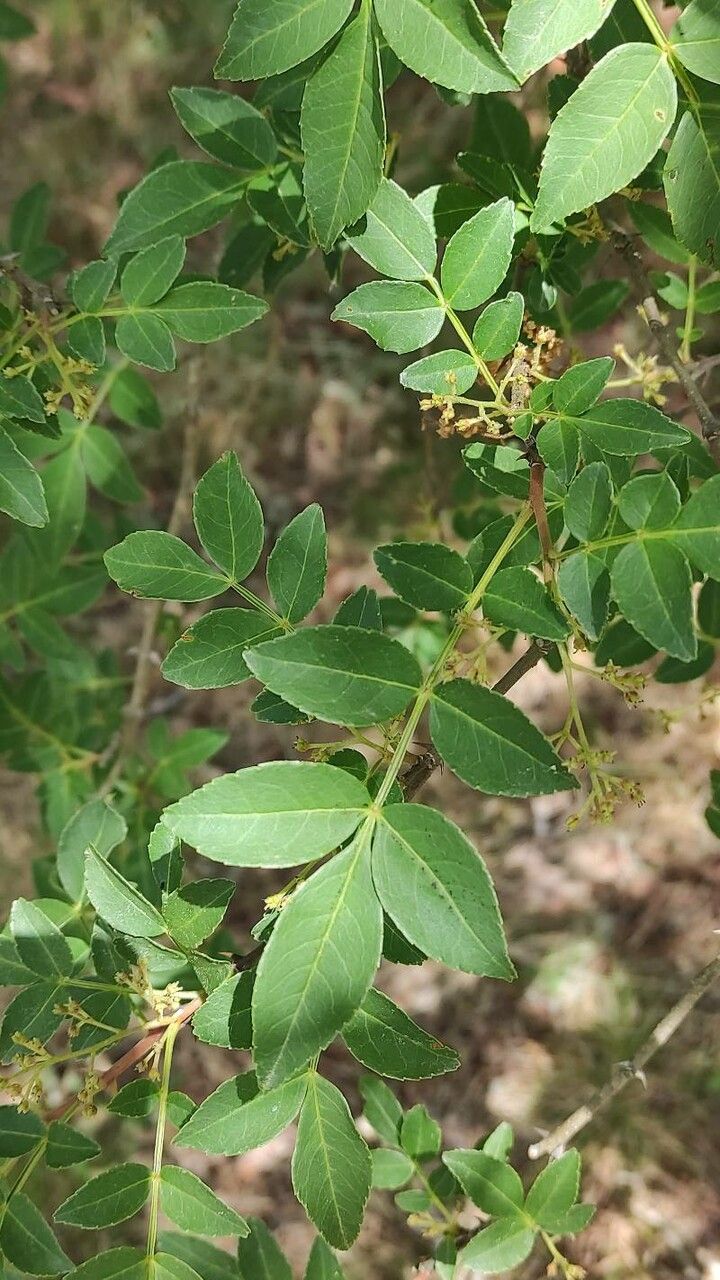
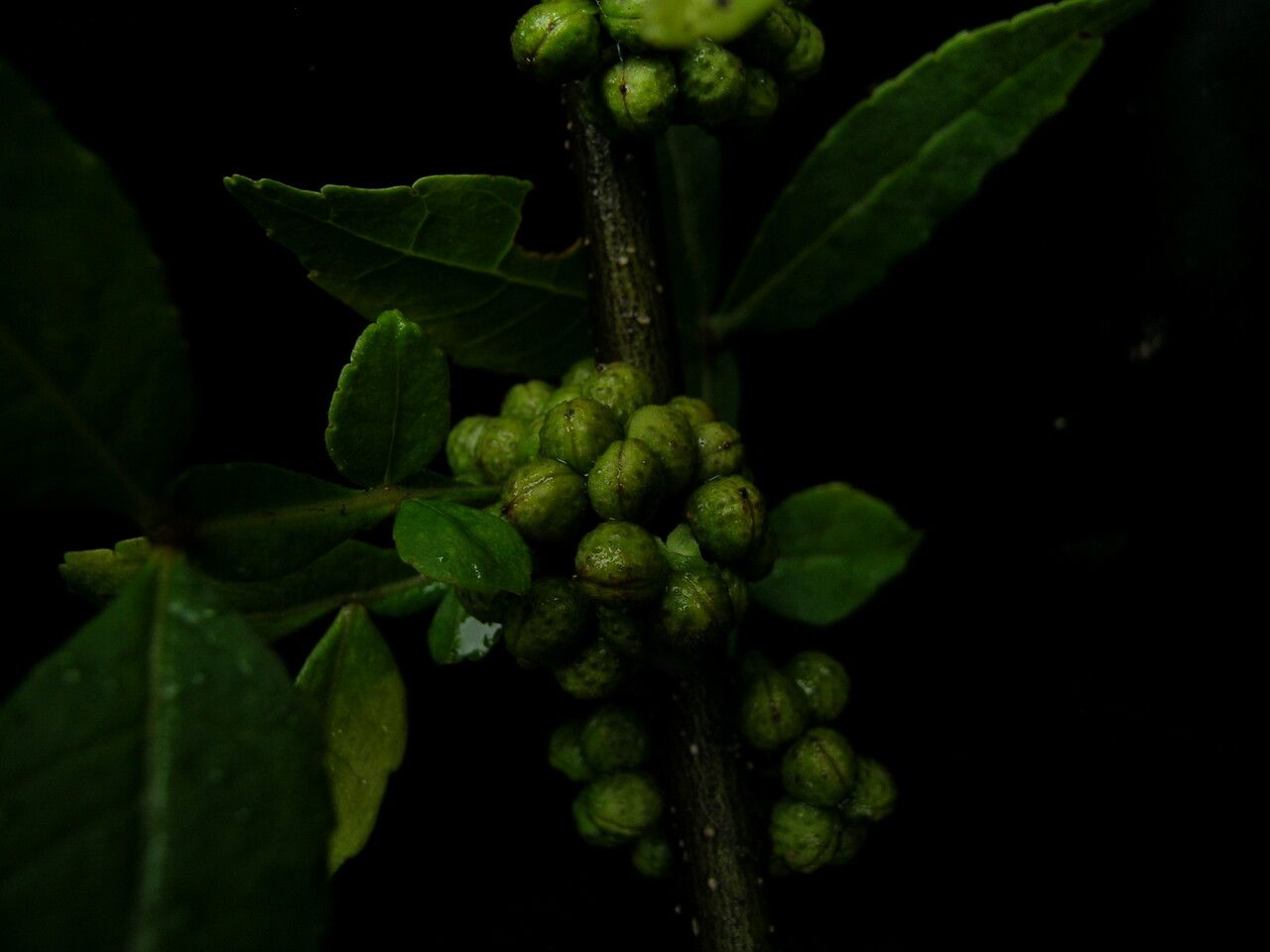
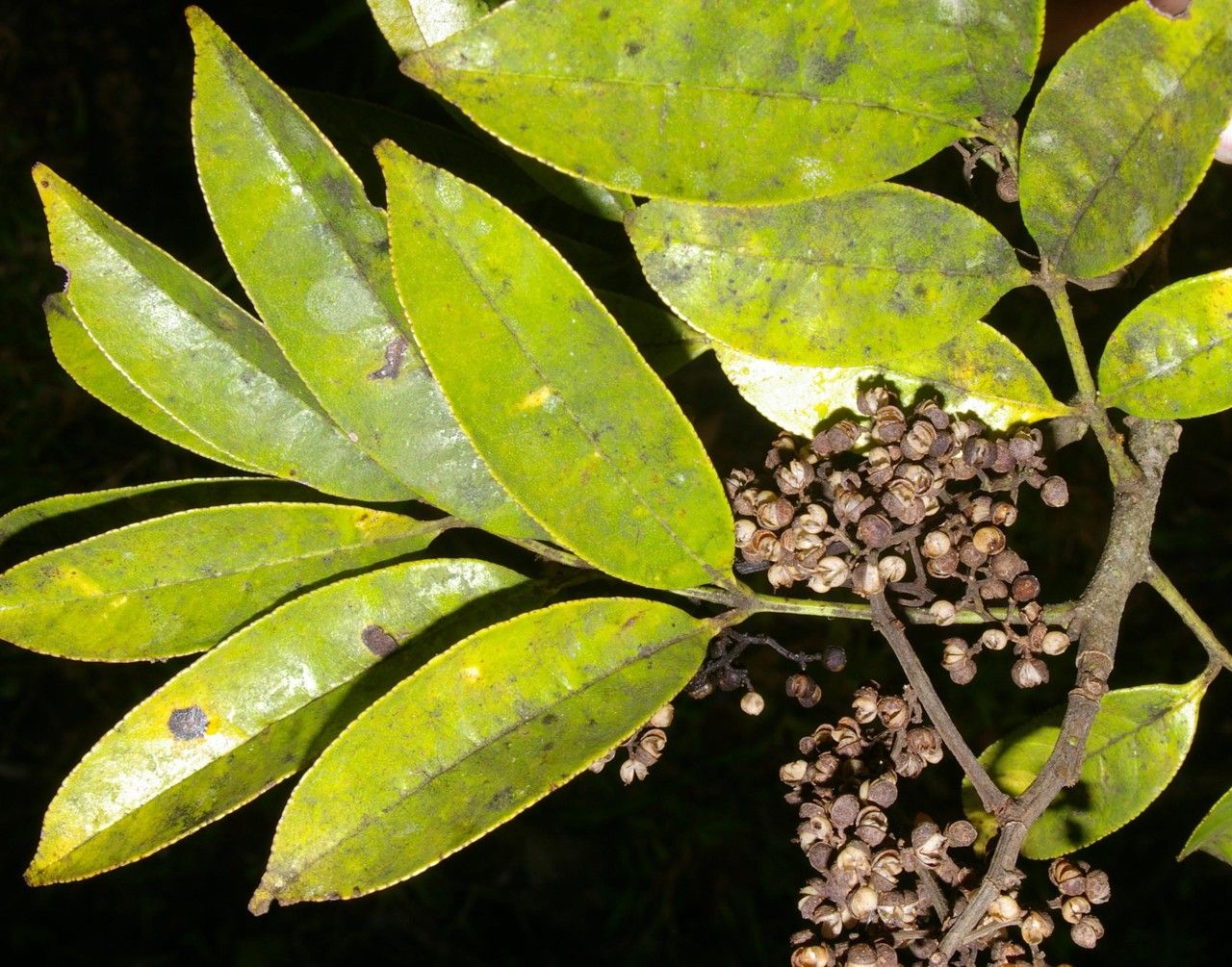
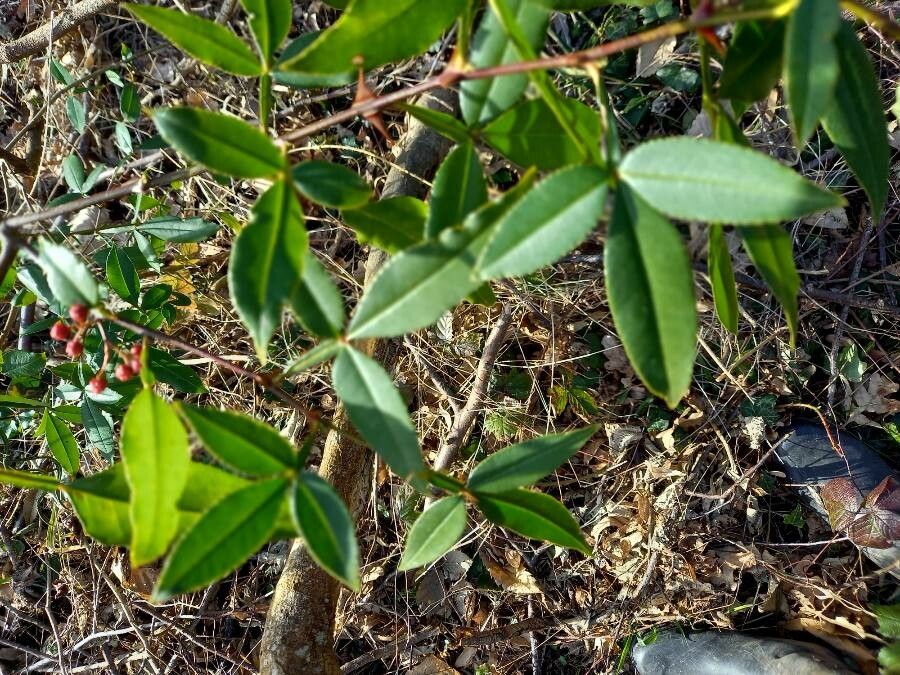
Chinese pepper tree bonsais are good for novices because they require little maintenance. The Chinese pepper tree can be maintained as a Mediterranean or indoor bonsai. The leaves of this bonsai tree are glossy green, and it has a lovely, sweet-peppery aroma. The pepper tree is suggested as a straightforward but unique bonsai. The tree's bark is split and it contains small clusters of tiny white blooms. As a result, this gives the very elegant and intriguing bonsai more personality and age.
Japanese prickly ash has moderate resistance to disease but can be prone to problems such as leaf spot. Its sensitivity to insect pests varies by variety, although most show relatively low pest resistance. Regarding care, Japanese prickly ash requires regular watering and fertilizing, plus frequent removal of yellowing leaves. It is important to manage pests and diseases as they appear and to harvest the plant promptly. Japanese prickly ash is best suited for people who can spare some time and energy for routine upkeep.
How to keep Zanthoxylum Piperitum.
Light
For healthy development of Japanese prickly ash, a plentiful supply of unfiltered, unobstructed sunlight is ideal. The plant can still do well when the intensity of the sun's rays is somewhat reduced. Sunlight directly influences its growth, and both too little and too much can cause problems. Its native environment is noted for being rich in sunlight.
Water
Originating from regions with varying moisture levels, the Japanese prickly ash is well-adapted to periods of inconsistent water availability. It prefers moderate humidity but is also resilient during dry spells. To maintain its health, water the plant every 1-2 weeks, allowing the soil to dry slightly between waterings. The Japanese prickly ash thrives outdoors, efficiently optimizing water uptake during the growing season.
Temperature
Japanese prickly ash is native to temperate regions and does best at temperatures from 68 to 95 °F (20 to 35 ℃). As temperatures shift with the seasons, it is advisable to provide extra warmth to maintain an optimal growth environment.
Fertilizer
Japanese prickly ash species do well with one or two applications of organic natural fertilizers containing potassium and phosphorus. Apply the fertilizer before planting, incorporate it into the soil, and water thoroughly. Usually one application is adequate, but a second application can be made after seedlings have become established. Avoid using too much fertilizer to prevent damage to the plants.
Pruning
To improve the shape and health of Japanese prickly ash, effective pruning is key. The best time to prune is in early spring. Start by removing any dead branches and thinning out dense areas to improve airflow. Additionally, shape the plant for better aesthetics. This practice encourages healthy foliage growth. Be sure to use clean, sharp tools to minimize stress and reduce the risk of disease.
Pot & Repot
Repot Japanese prickly ash every 2-3 years, preferably in late winter, using a slightly larger pot to accommodate root growth. After repotting, place the plant in a well-lit area and water it moderately to support its recovery. Consistent care is crucial after transplanting to ensure the healthy growth of the Japanese prickly ash.
Toxicity
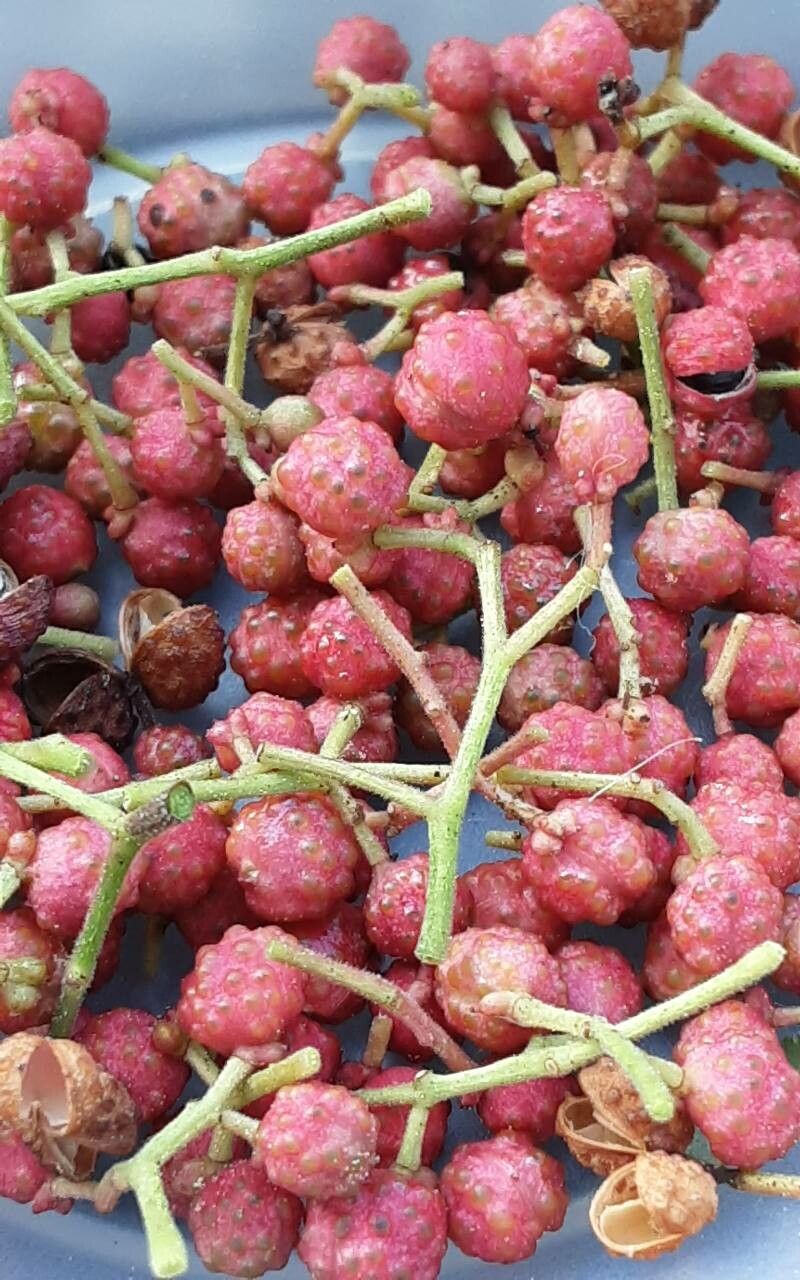
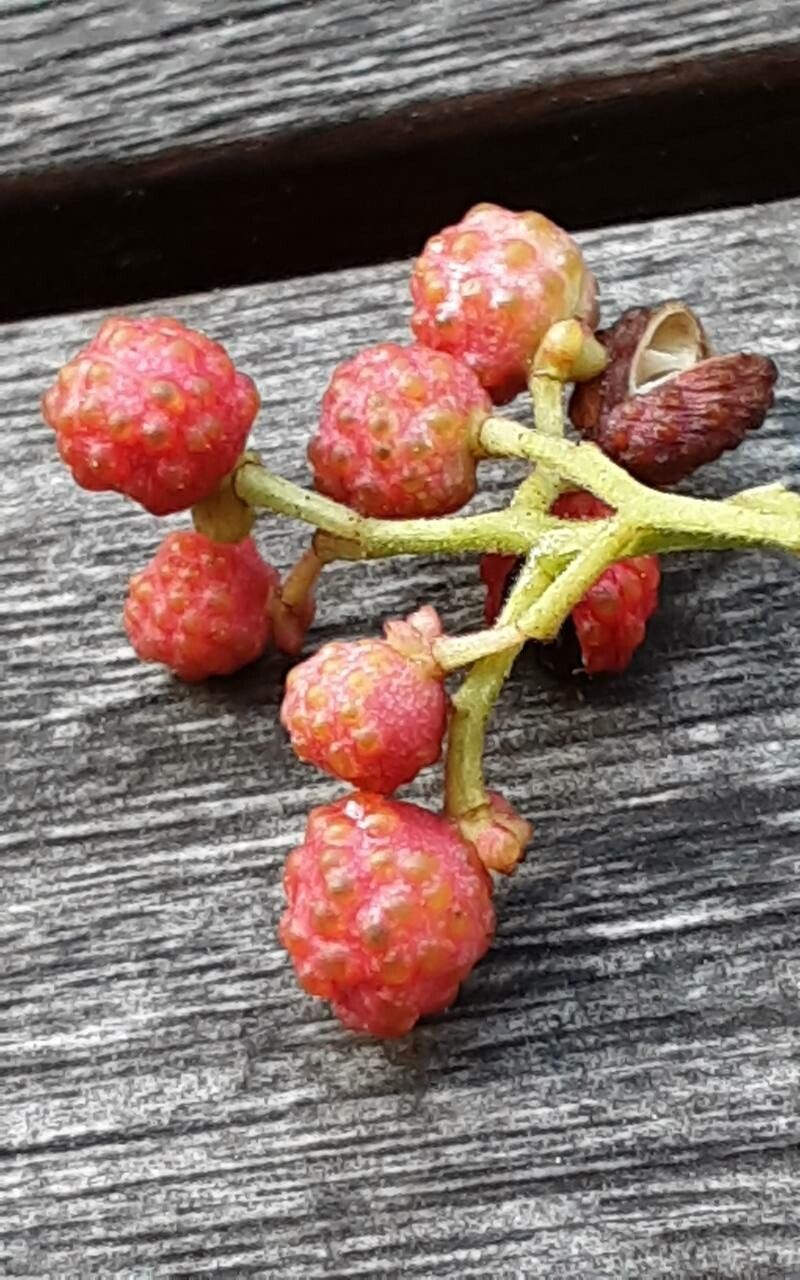
Small pink berries that hang from this attractive ornamental tree are rumored to be quite hazardous, especially the seed. Insects are repelled by leaves. On contact or when inhaled, the pollen can result in dermatitis and asthmatic symptoms. Sometimes, the resin in the fruit, leaves, and bark is poisonous to people, animals, and birds (Ferriter, 1997; Morton 1978).
Further reading →
The toxicity and danger assessments provided are for reference only. We do not assure their accuracy, so it's crucial not to depend on them. Seek professional advice when necessary for accurate guidance.
Botanical profile.
- Plant Type
- Shrub
- Life Cycle
- Perennial
- Genus
- Zanthoxylum
- Family
- Rutaceae
- Hardiness Zone
- 5-9
- Mature Height
- 2.13 m
- Mature Spread
- 2.13 m
- Leaf Color
- Green, Yellow
- Leaf Type
- Deciduous
- Flower Color
- Green, Yellow
- Flower Size
- 0.25 cm to 0.51 cm
- Bloom Time
- Early spring, Mid spring
- Planting Time
- Spring, Autumn, Winter
- Harvest Time
- Late summer, Early fall, Mid fall
- Native Area
- South Korea, Japan, China
Other names.