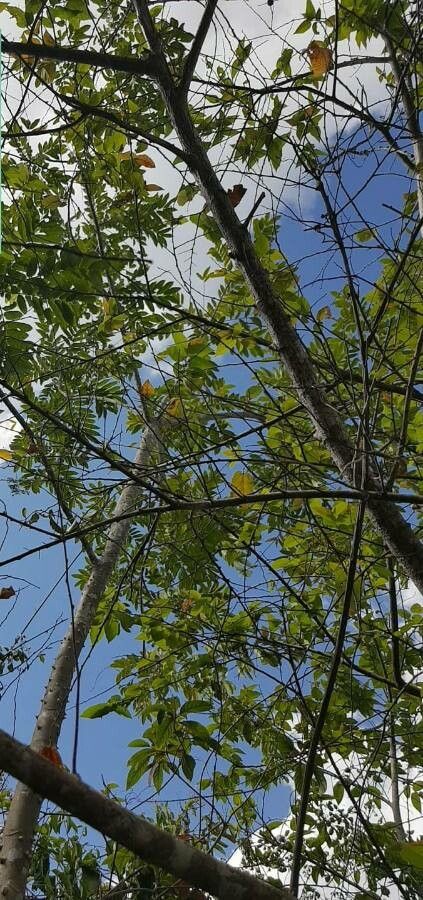
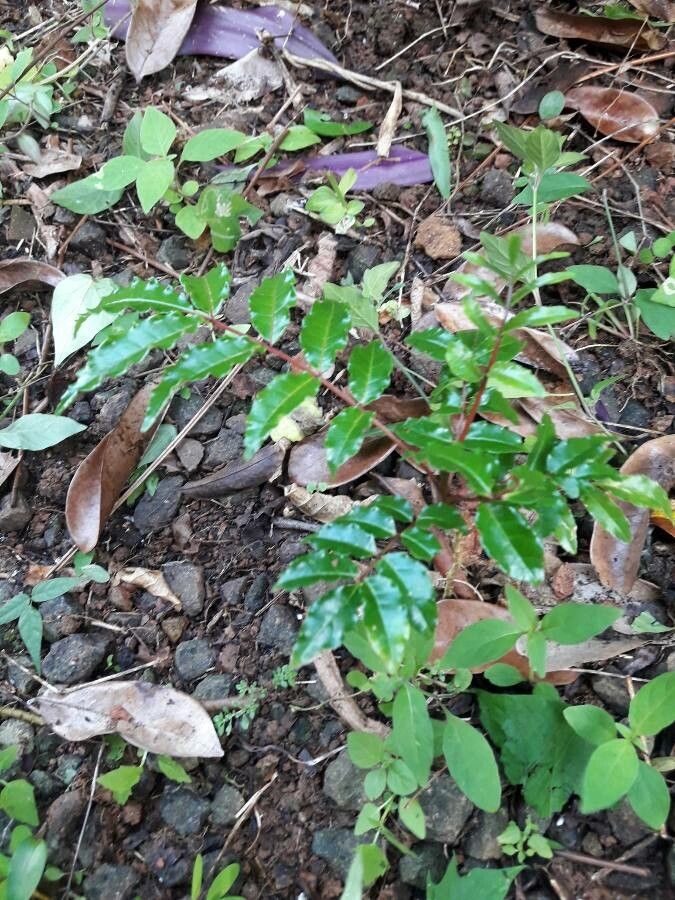
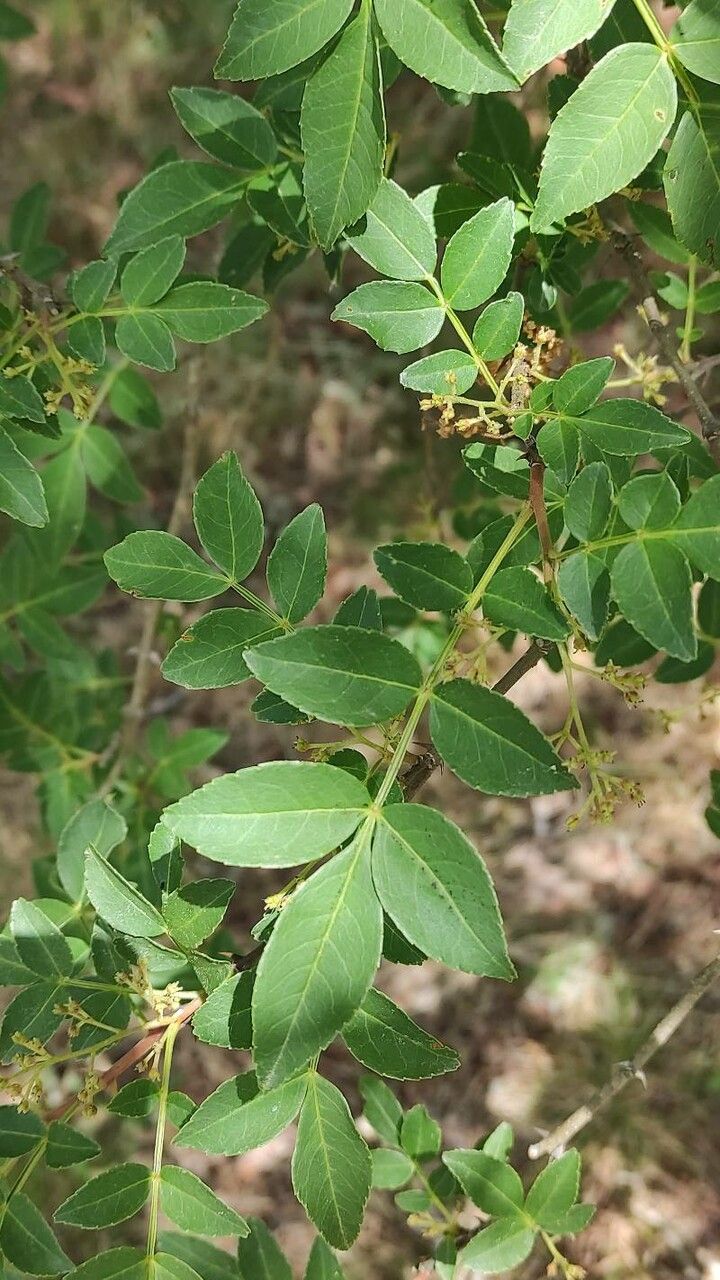
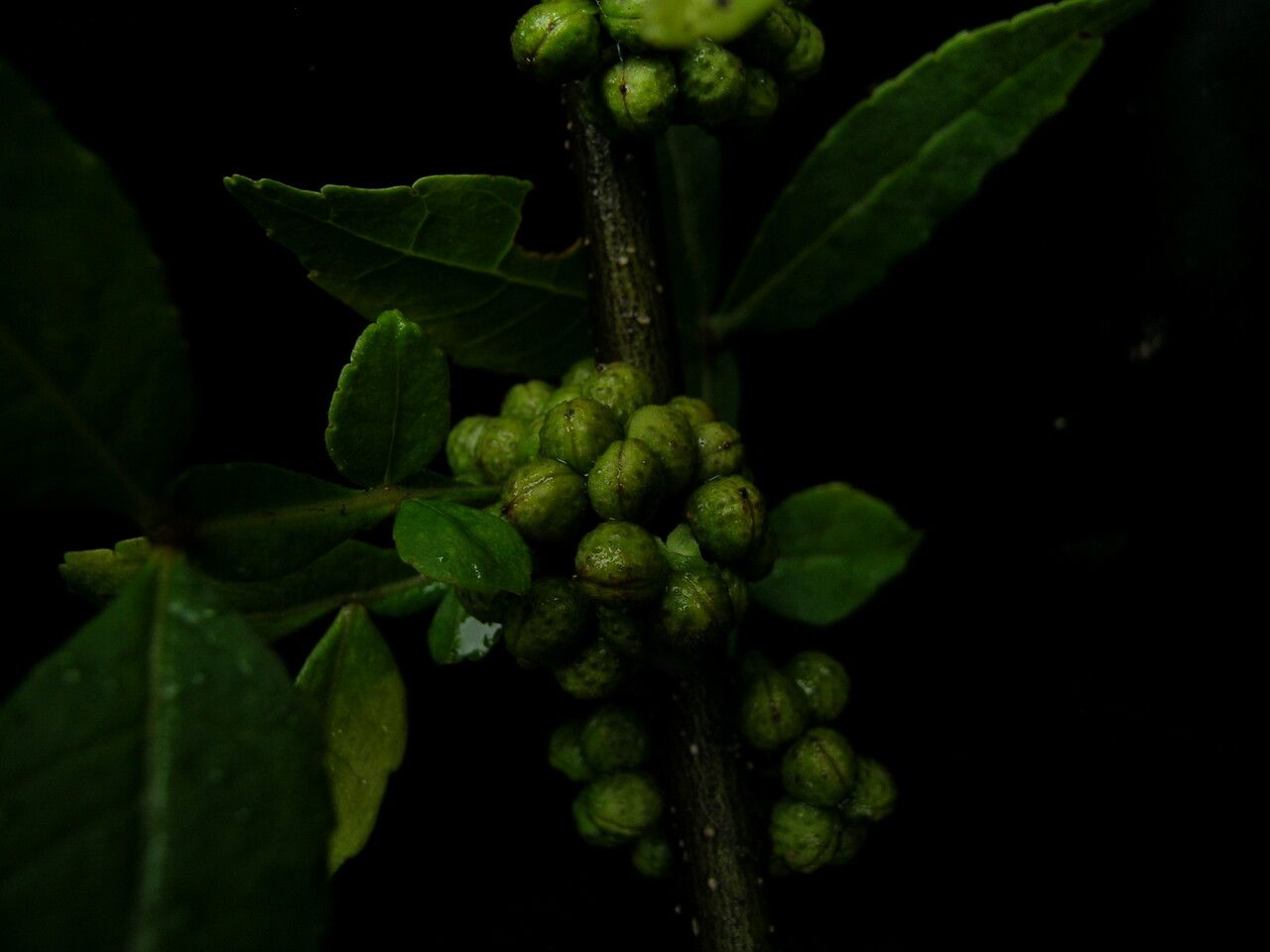
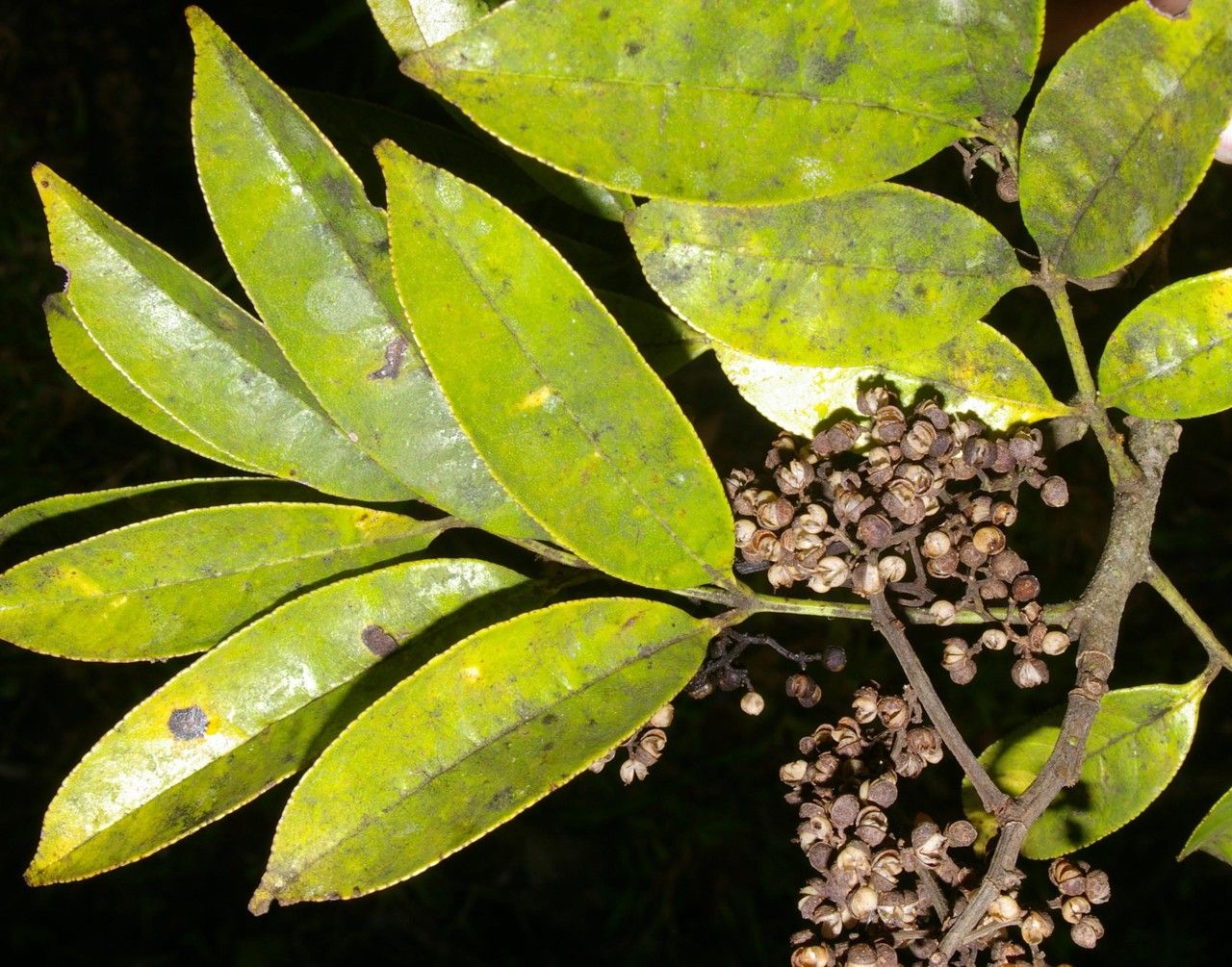
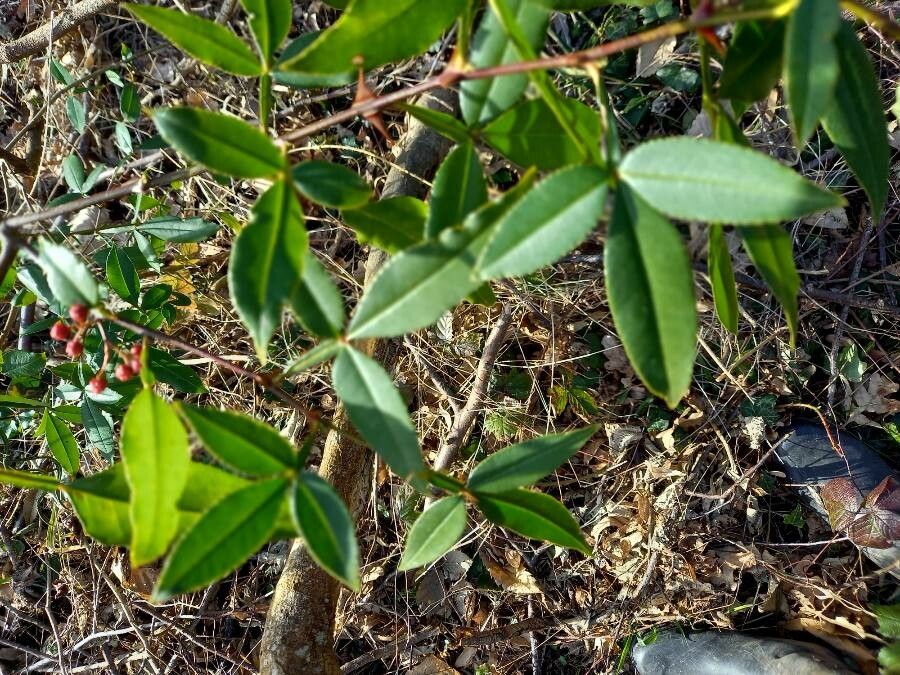
Zanthoxylum caribaeum, commonly known as the Caribbean prickly ash or West Indian satinwood, is a small to medium-sized tree in the Rutaceae family. Native to the Caribbean islands, it thrives in various habitats, including dry forests, coastal areas, and rocky hillsides.
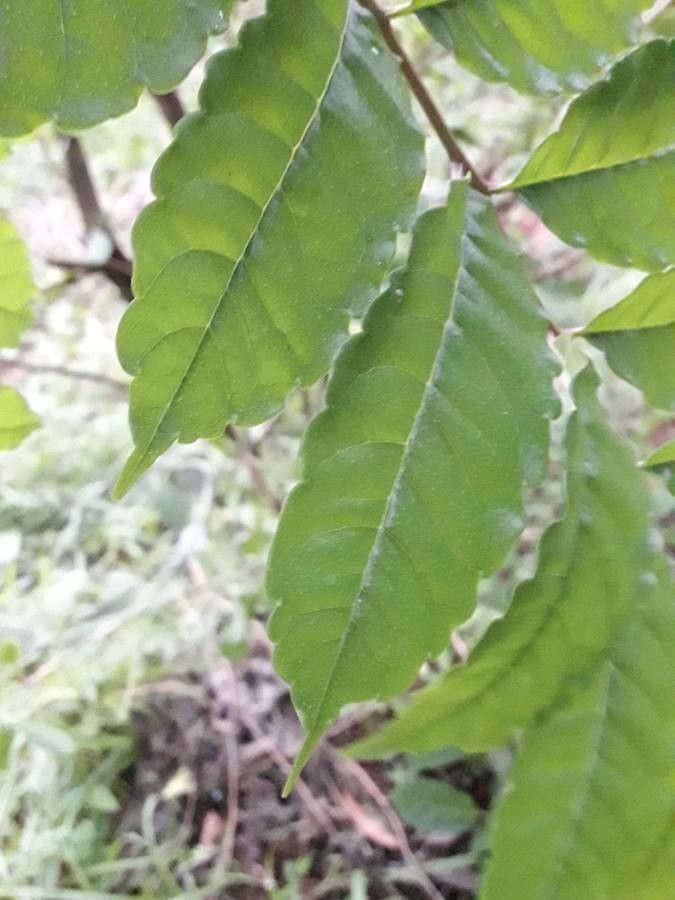
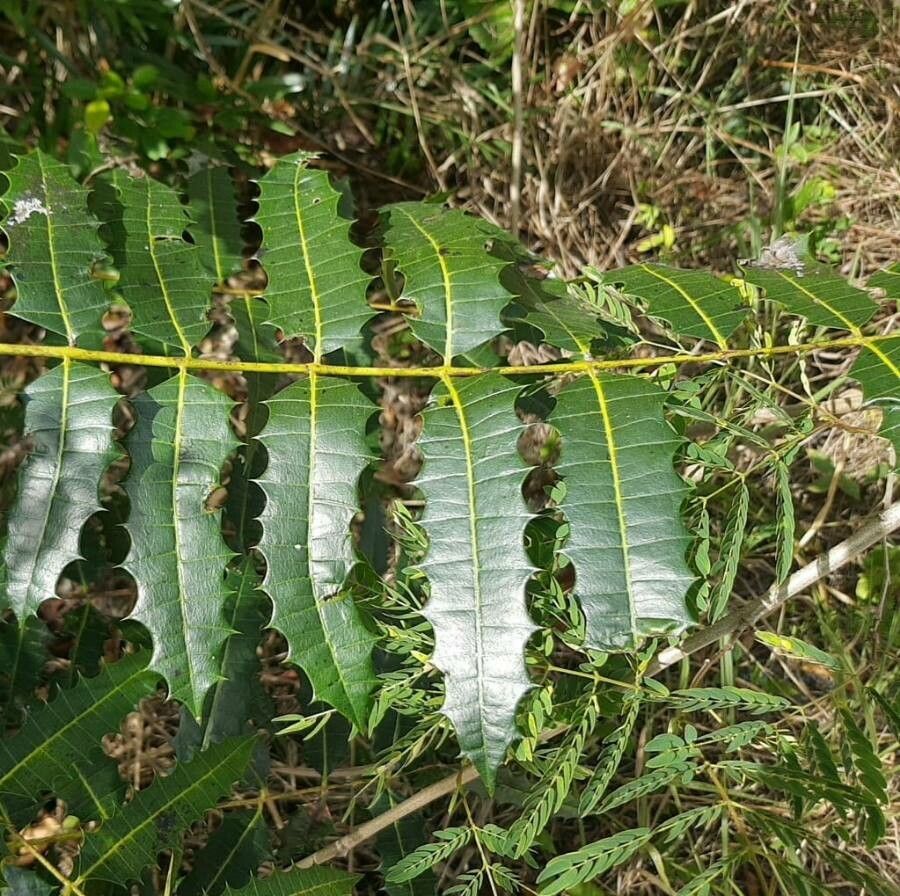
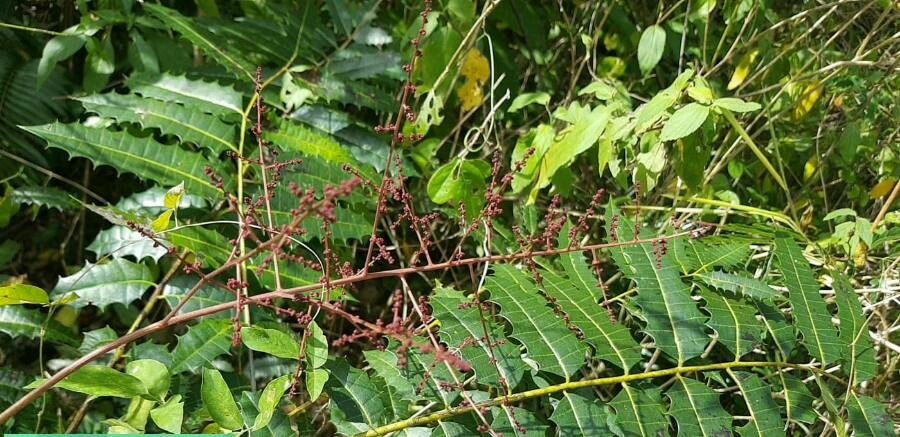
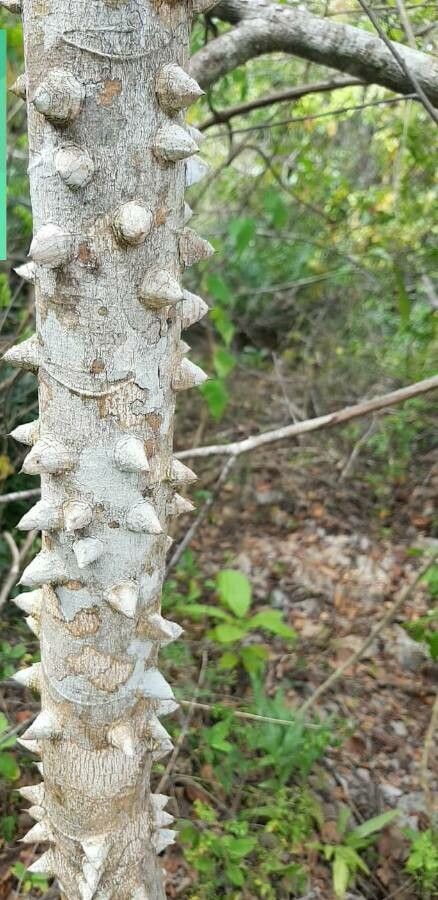
The tree is easily recognizable by its spiny branches and glossy green leaves arranged alternately. It produces small yellow-green flowers that bloom in clusters during spring or summer, followed by round fruit capsules that contain black seeds.
Traditionally, indigenous people have used the bark of Zanthoxylum caribaeum for medicinal purposes, treating ailments such as toothaches, stomach pains, and fevers. The leaves are also utilized to make tea, which is believed to possess anti-inflammatory properties.
Beyond its medicinal uses, Zanthoxylum caribaeum has culinary applications. The dried fruit capsules are commonly used as a spice in Caribbean cuisine, offering a pungent flavor similar to black pepper.
Overall, Zanthoxylum caribaeum is a culturally significant plant species with both medicinal and culinary uses.
Common prickly-ash is resistant to disease and generally not susceptible to illnesses. Regarding care, this plant is fairly low-maintenance. When grown outdoors it needs little watering, and larger specimens usually do not require pruning. Smaller plants, however, should be pruned after they bloom. Common prickly-ash is suitable for anyone with outdoor space, such as a garden or deck, and does not demand much experience in plant care.
How to keep Zanthoxylum Caribaeum.
Light
Common prickly-ash does best in locations with moderate sunlight, though it can tolerate areas with abundant sun. Light affects its growth; too much or too little exposure can impede development. Originating from habitats with varying light conditions, it adapts through its different growth stages.
Temperature
The native habitat of common prickly-ash is cool and moist, with average temperatures ranging from 0 to 32 ℉ (-17.8 to 0 ℃). The plant favors cool conditions and can tolerate temperatures down to -30 ℉ (-34.4 ℃). It is recommended to avoid exposing common prickly-ash to summer temperatures above 90 ℉ (32.2 ℃). In winter, the plant requires a period of dormancy and winter chill to thrive.
Fertilizer
Fertilize your Common prickly-ash in early spring to encourage healthy growth. Regular fertilization supports overall health, producing vigorous growth, greater resilience to harsh conditions, and better resistance to pests and diseases. Stick to a consistent fertilization schedule for your Common prickly-ash to preserve vibrant, deeply colored foliage and a lush appearance.
Botanical profile.
- Plant Type
- Shrub
- Life Cycle
- Perennial
- Genus
- Zanthoxylum
- Family
- Rutaceae
- Hardiness Zone
- 3-7
- Mature Height
- 10.06 m
- Mature Spread
- 3.05 m to 4.57 m
- Leaf Color
- Green
- Leaf Type
- Deciduous
- Flower Color
- Yellow
- Flower Size
- 2.54 cm
- Bloom Time
- Mid spring, Late spring
- Planting Time
- Autumn
- Harvest Time
- Mid summer
- Native Area
- Mexico
Other names.