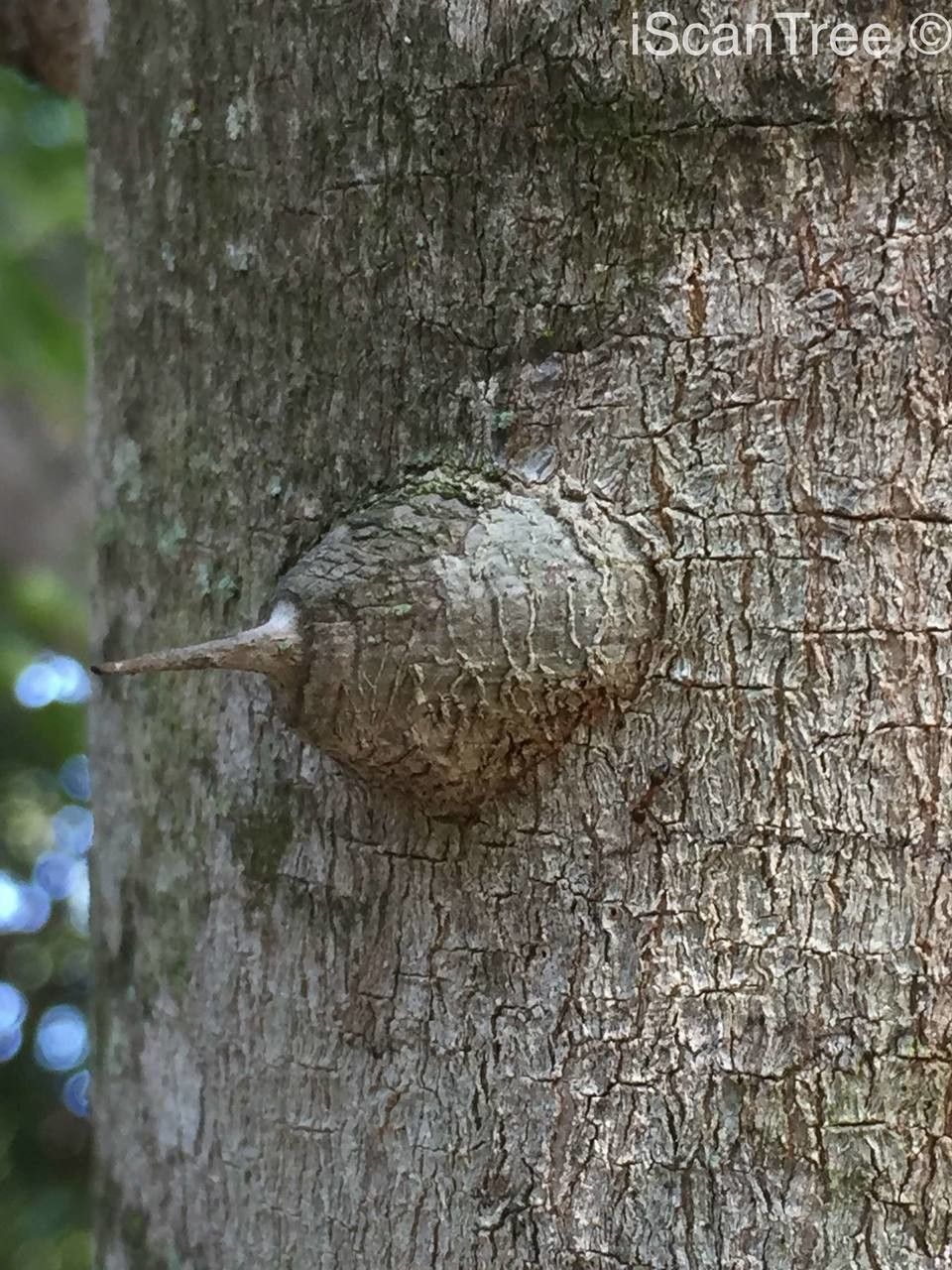
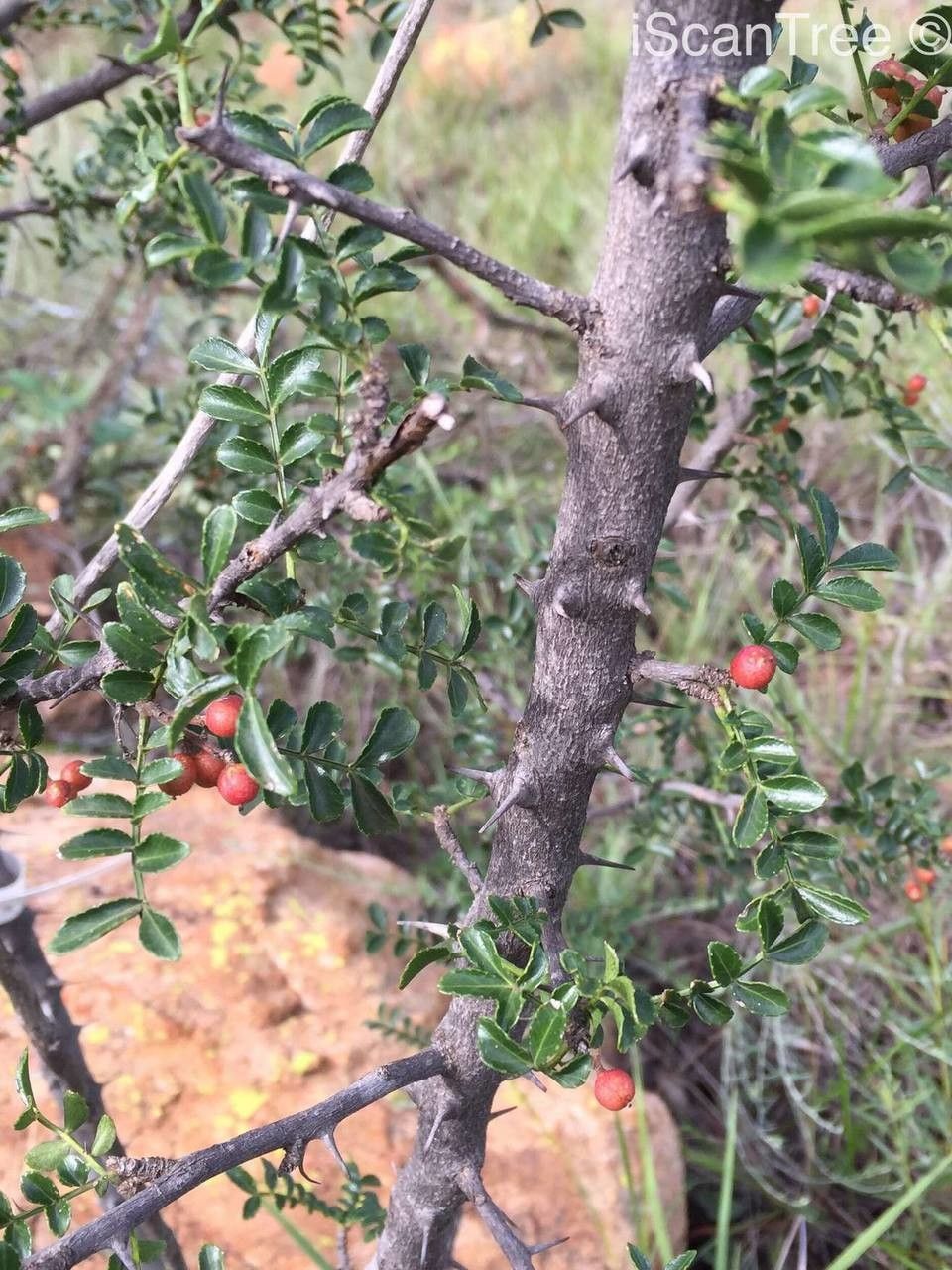
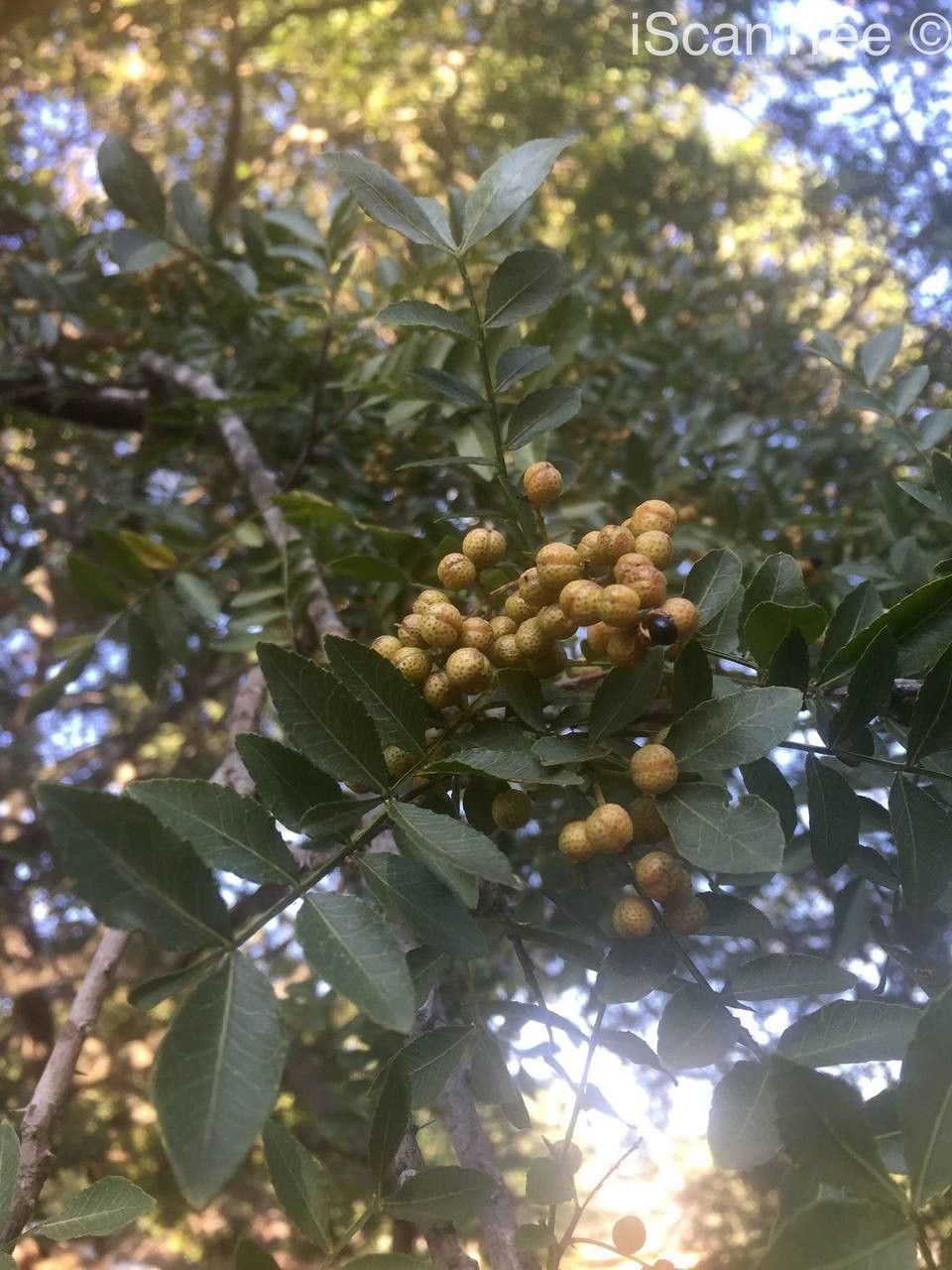
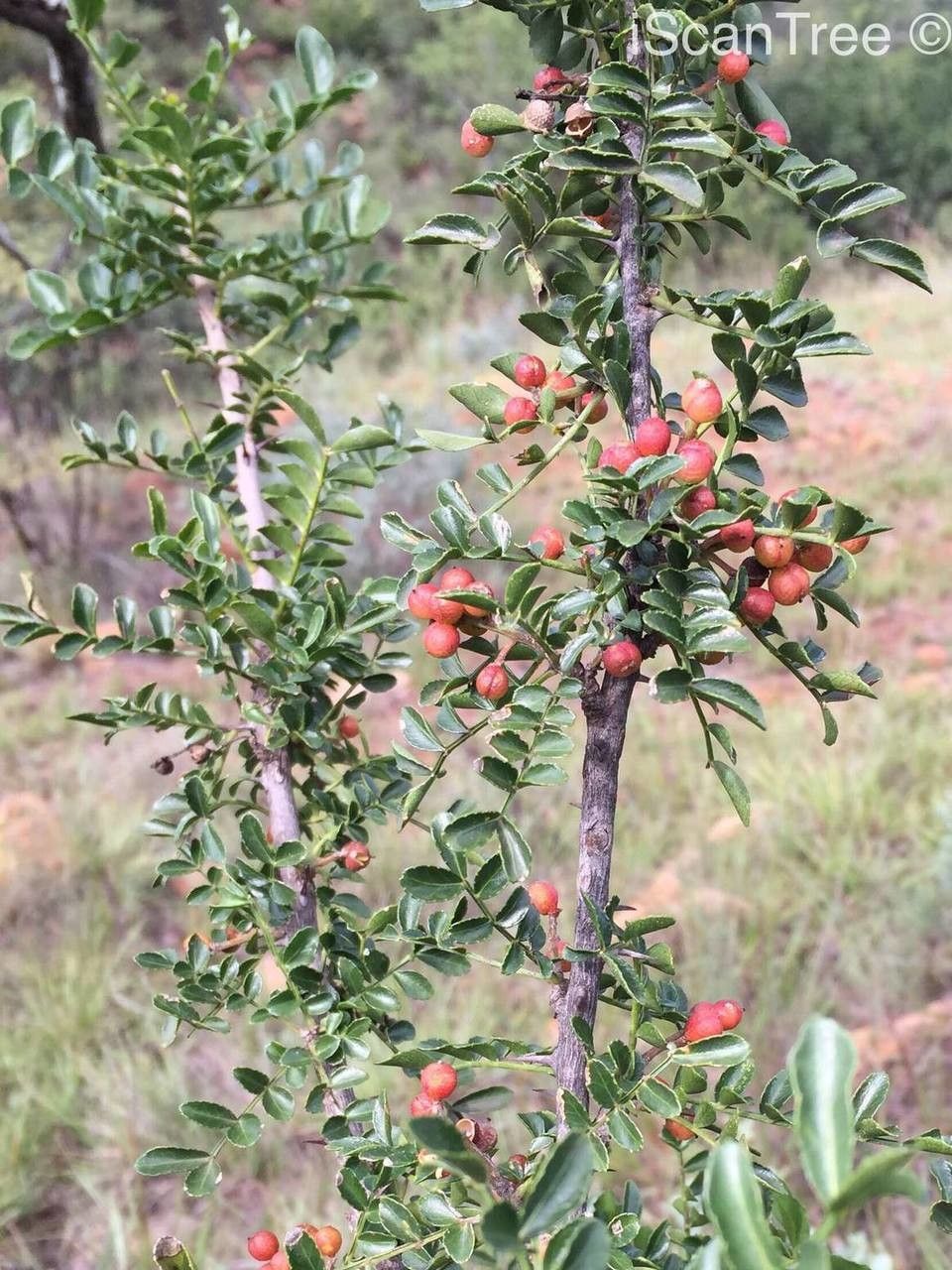
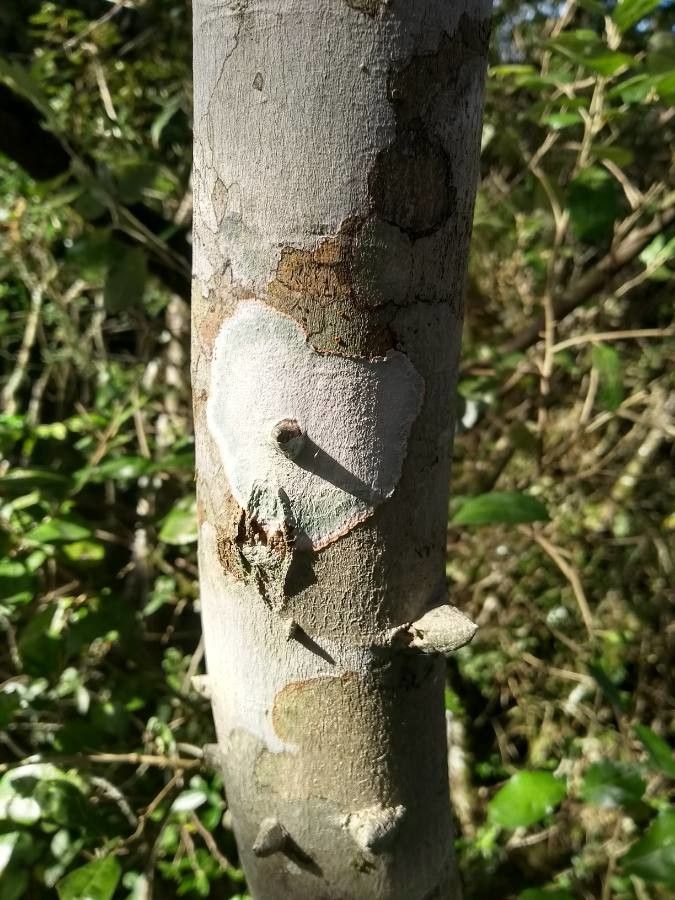
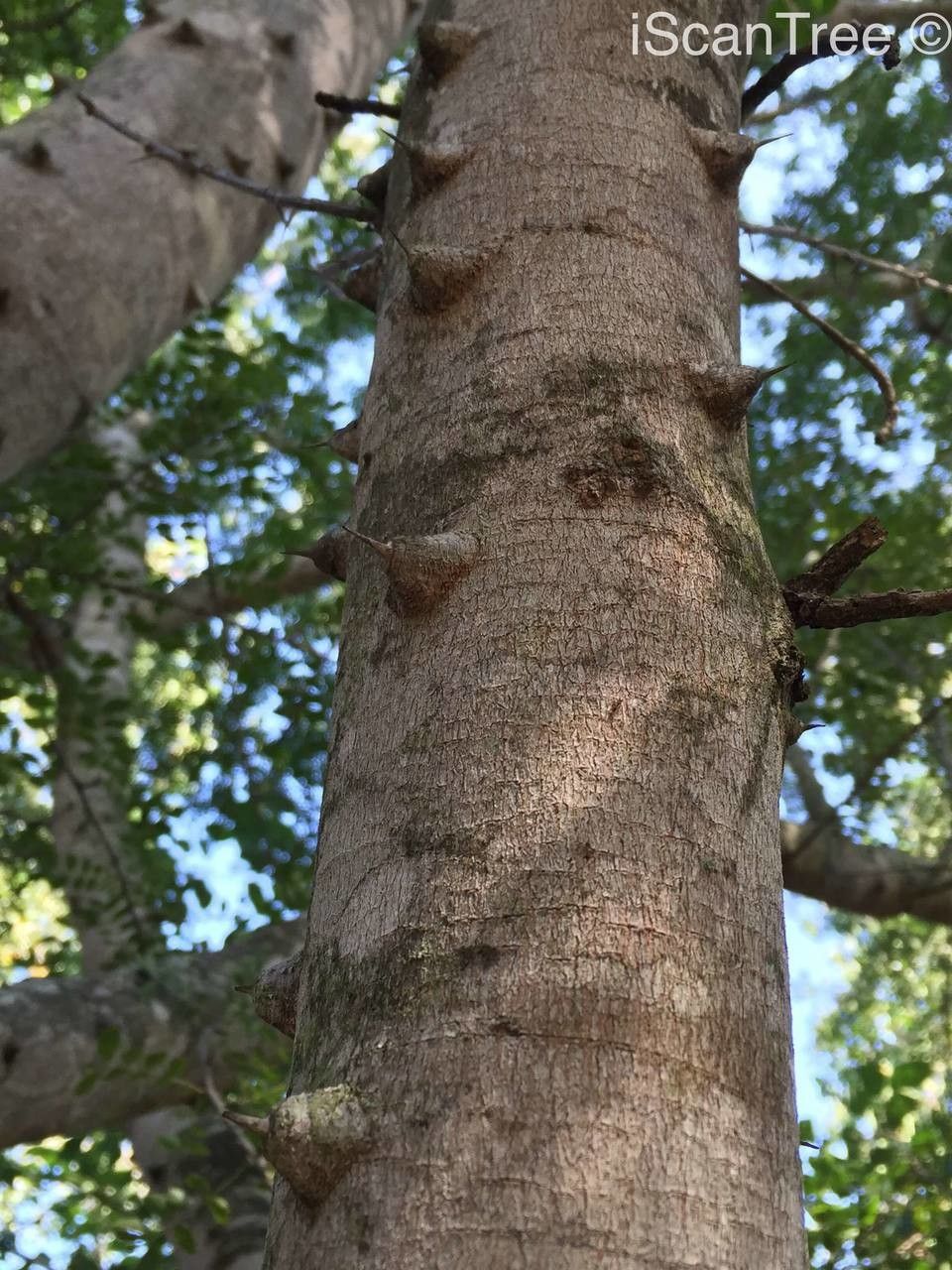
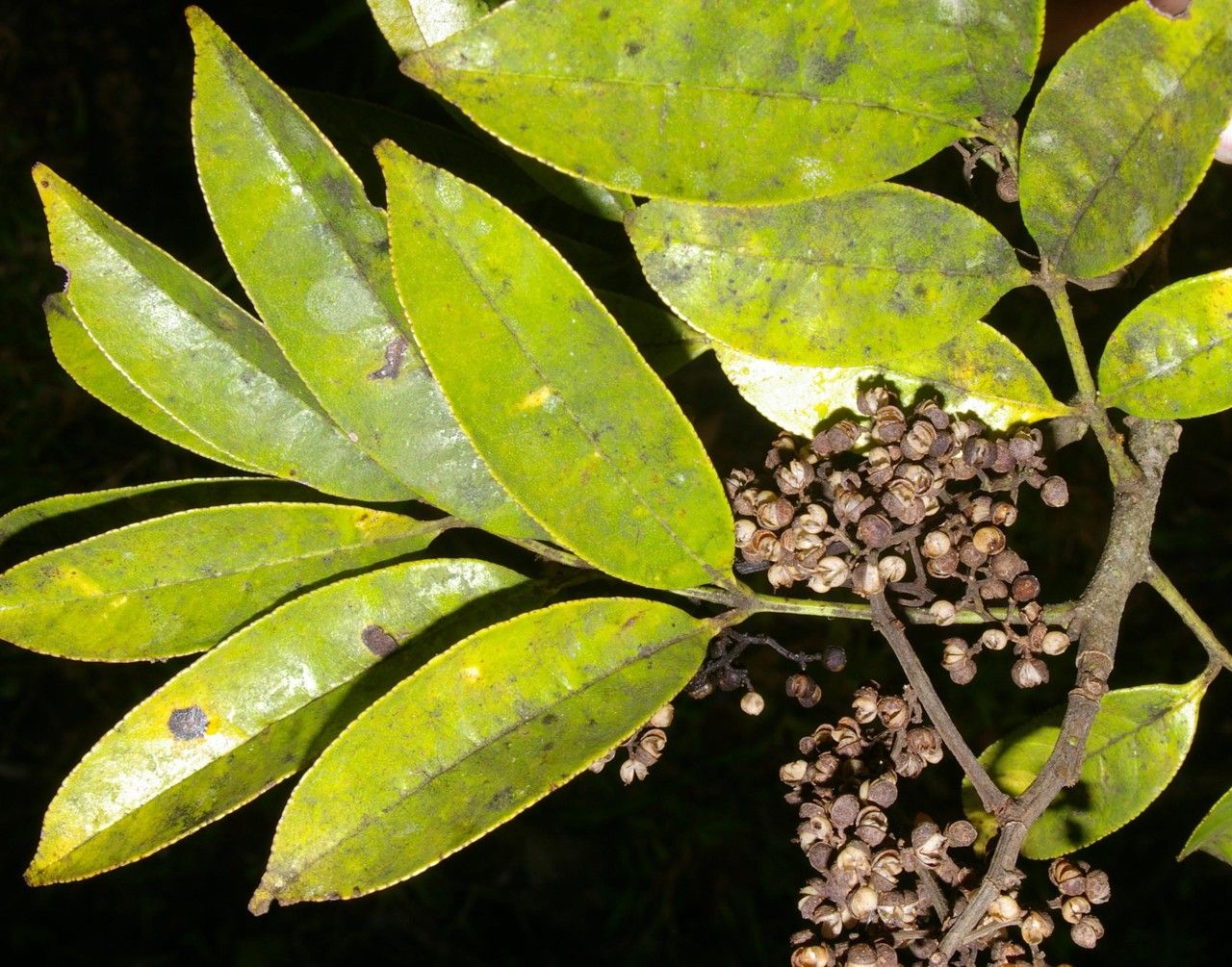
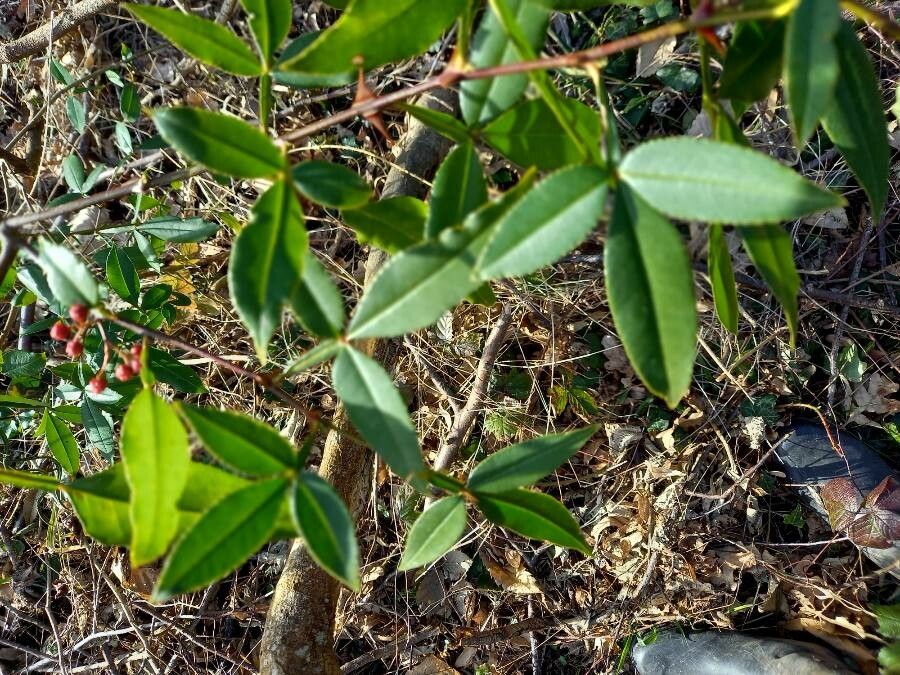
Zanthoxylum capense, commonly known as the Cape Prickly Ash, is a small to medium-sized tree belonging to the Rutaceae family. Native to southern Africa, it thrives in a variety of habitats, including forests, savannas, and rocky areas. The tree can reach up to 10 meters in height and features a dense crown with thorny branches.
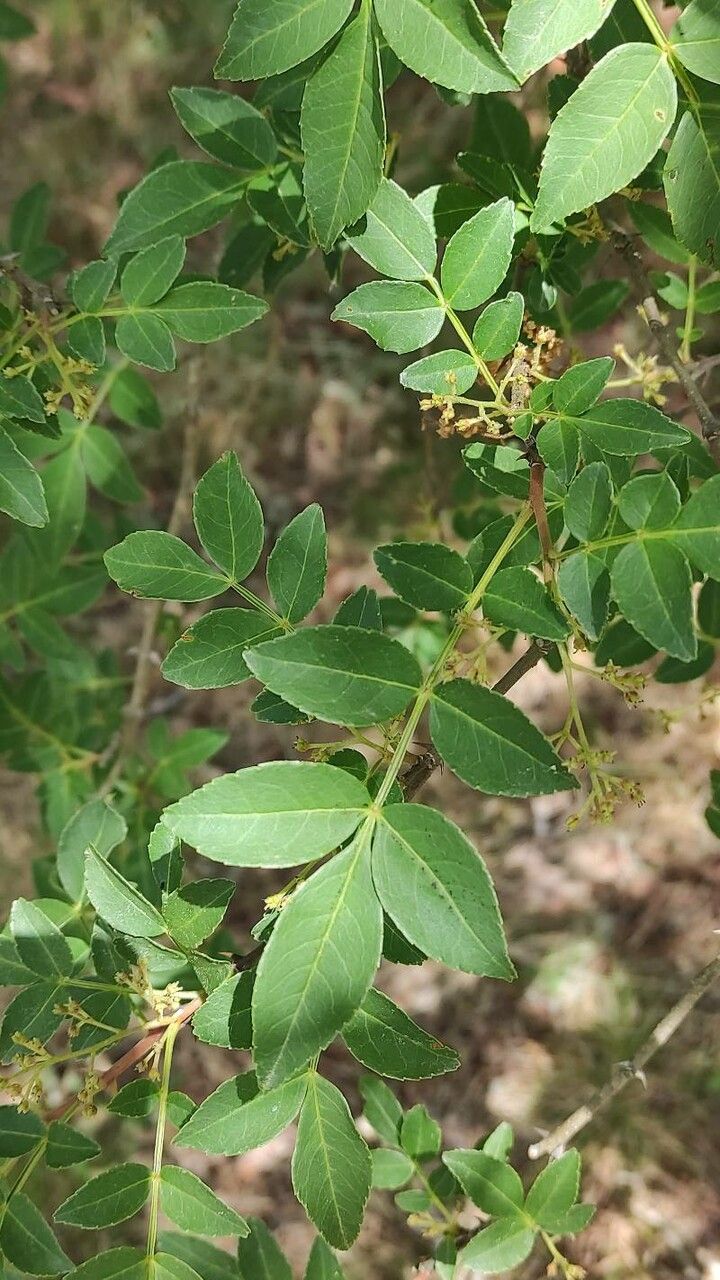
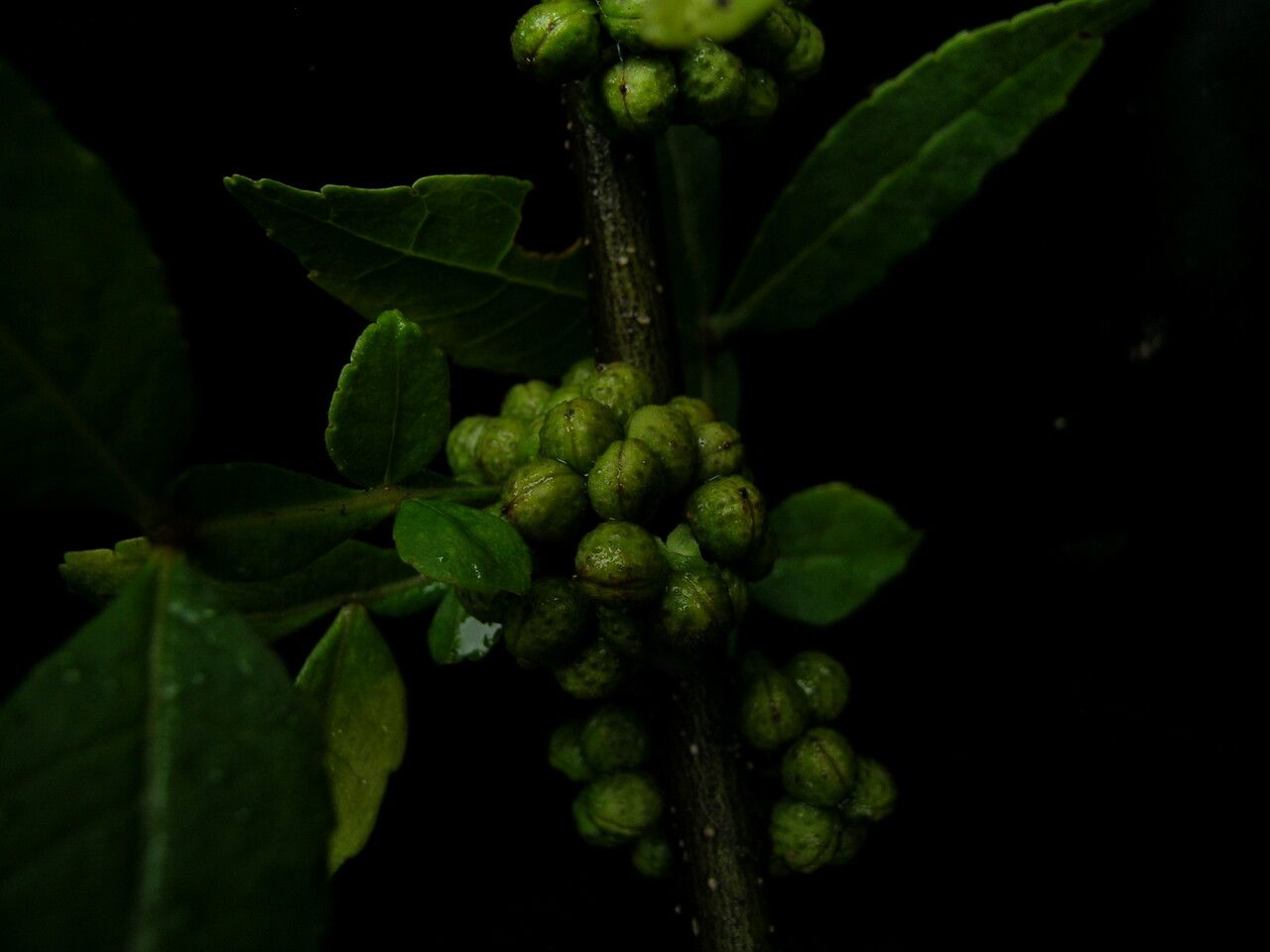
The leaves of Zanthoxylum capense are compound, consisting of 5 to 9 glossy green leaflets. Its flowers are small, yellowish-green, and pleasantly fragrant. The plant produces small capsules containing black seeds.
For centuries, the bark of Zanthoxylum capense has been used by indigenous people for its medicinal properties, treating ailments such as toothaches, stomach problems, and respiratory infections. The bark also exhibits insecticidal properties, making it effective for repelling insects.
Beyond its medicinal uses, Zanthoxylum capense has culinary applications. Its leaves serve as flavoring agents in soups and stews, and its fruits can be used as a substitute for black pepper.
In summary, Zanthoxylum capense is a significant plant species in southern African culture, valued for its diverse uses ranging from medicinal remedies to culinary enhancements.
Small knobwood has strong disease resistance and is generally not susceptible to diseases. As for care, this plant is fairly low maintenance. When grown outdoors it needs little watering, and larger specimens usually do not require pruning. Smaller plants, however, should be pruned after they finish blooming. Small knobwood is appropriate for anyone with an outdoor area, such as a garden or a deck, and does not demand extensive care experience.
How to keep Zanthoxylum Capense.
Light
The small knobwood grows best when fully exposed to light, which supplies it with abundant energy for healthy development. It is able to tolerate a lack of shade. However, very intense light can stress the plant, leading to stunted growth or scorched leaves. Its native habitat was in areas with plentiful light.
Water
Small knobwood, a plant native to dry regions, is highly drought-tolerant and requires watering only every 2-3 weeks. It thrives in well-draining soil common in arid climates and benefits from gravel mulches, which enhance drainage and help prevent root rot. These conditions align with its preference for a drier environment.
Humidity
This plant will thrive in moderate humidity, which is probably the level in your home. However, misting it a few times a week can be very beneficial. Make sure the room has good ventilation.
Temperature
Small knobwood shows good temperature adaptability, able to withstand high heat and wide temperature swings. In hot weather, it is necessary to monitor watering and provide suitable shade to avoid sunburn. However, Small knobwood has relatively low tolerance for cold; although it can endure some chill, very cold conditions can cause frost damage.
Fertilizer
Applying fertilizer at the proper time is important for Small knobwood. Begin fertilizing in early spring and continue on a monthly schedule until early summer. Fertilizer promotes attractive blooms and supplies energy during both dormant periods and active growth phases.
Pruning
To encourage healthy growth in small knobwood, make it a habit to prune regularly in early spring. This not only shapes the plant but also removes damaged branches and reduces sap loss. Concentrate on thinning out overcrowded areas to improve air circulation and sunlight exposure, which enhances both the structure and vitality of small knobwood.
Botanical profile.
- Plant Type
- Tree
- Life Cycle
- Perennial
- Genus
- Zanthoxylum
- Family
- Rutaceae
- Hardiness Zone
- 8-11
- Mature Height
- 4.88 m to 14.94 m
- Mature Spread
- 0.91 m to 3.05 m
- Leaf Color
- Dark Green, Forest Green
- Leaf Type
- Deciduous
- Flower Color
- White
- Flower Size
- 2.03 cm to 6.35 cm
- Bloom Time
- Mid fall, Late fall
- Planting Time
- Spring, Summer, Autumn
- Harvest Time
- Winter
- Native Area
- Mozambique, South Africa, Eswatini, Botswana, Zimbabwe
Other names.
Reader questions.
What are the sunlight requirements for Small knobwood?
Small knobwood requires more than 6 hours of sunlight daily to thrive best. It's important to observe the movement of sunlight through your garden and choose spots that balance light and shade optimally for your plants. Although Small knobwood can grow without any shade, it is vital to ensure it is not stressed by too much light, as this can lead to stunted growth or scorched leaves. Its native habitat was in areas with abundant light, highlighting its need for significant light exposure.
What is Small knobwood?
Small knobwood, known botanically as Zanthoxylum capense, is a plant species with distinctive properties and characteristics. Unfortunately, there is no further information provided about its essentials or symptoms.
Can artificial lighting be used for Small knobwood, and how?
Yes, artificial lighting can be beneficial for Small knobwood, especially indoors or in less sunny locations. During periods of insufficient natural sunlight, such as winter, using artificial lights can promote healthier and faster growth. LED lights are recommended because they can provide specific wavelengths needed for optimal plant growth. For different sunlight needs, full sun plants require 30-50W/sq ft, partial sun plants need 20-30W/sq ft, and full shade plants need 10-20W/sq ft of artificial light. The artificial light source should be placed 12-36 inches above the plant, for 8-12 hours daily to mimic natural daylight hours effectively.
What are the signs of insufficient sunlight in Small knobwood?
When Small knobwood doesn't get enough sunlight, it may exhibit symptoms like producing smaller leaves than those previously matured, experiencing leggy or sparse growth due to longer spaces between leaves or stems, shedding older leaves earlier to conserve resources, halting growth due to survival mode in poor light conditions, developing paler new leaves indicating lack of chlorophyll, suffering from chlorosis where leaves turn yellow, showing signs of sunscald with damaged areas from intense sunlight, curling leaves to minimize exposure and water loss, wilting from overexposure increasing water loss, and experiencing leaf scorching with brown, dry patches due to excessive sunlight.
How can you help Small knobwood plants get adequate sunlight?
To ensure Small knobwood receives adequate sunlight, gradually move the plants to sunnier spots until they get at least 6 hours of direct sunlight, ideally using a south-facing window for indoor plants and keeping curtains open during the day. For large or hard-to-move plants, consider using artificial light for at least 8 hours daily. When adjusting outdoor plants to more light, do so gradually to prevent sunburn. If sunlight is blocked by objects like trees, prune them or, for smaller plants, consider transplanting during their dormant period to a location with ample sunlight and good drainage. Remember, affected parts might not recover, but new growth should be healthy with improved light exposure.