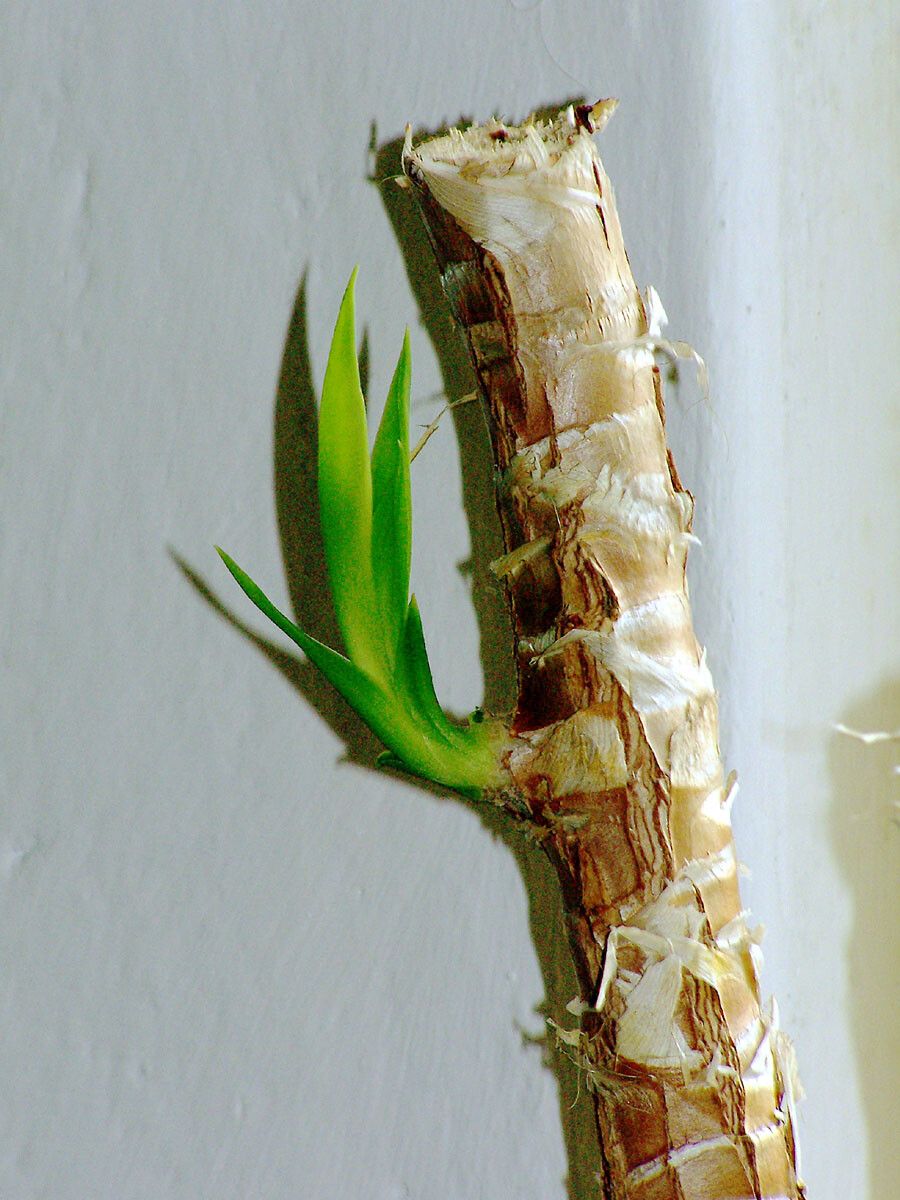
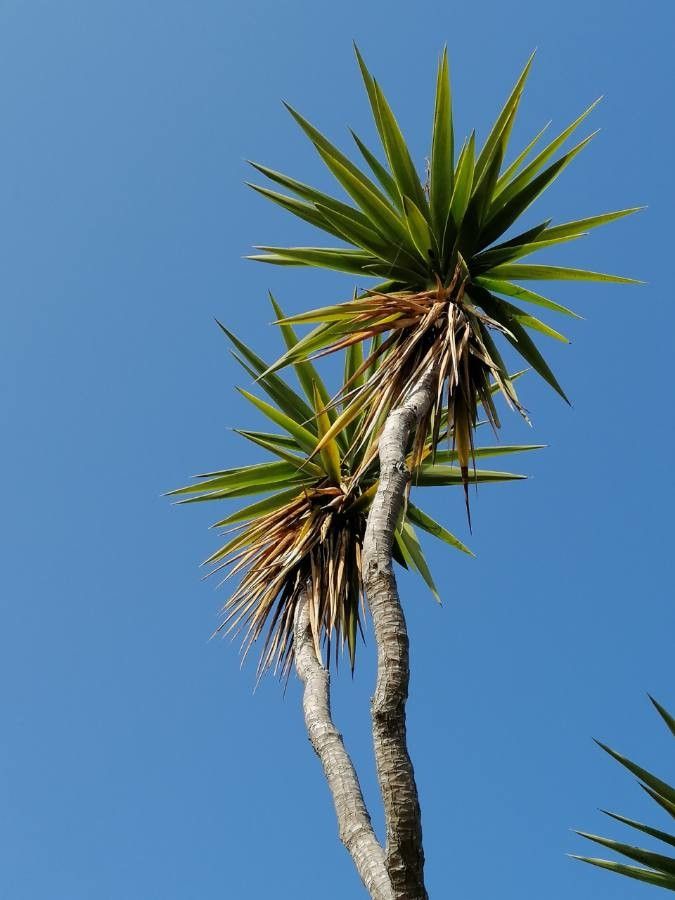
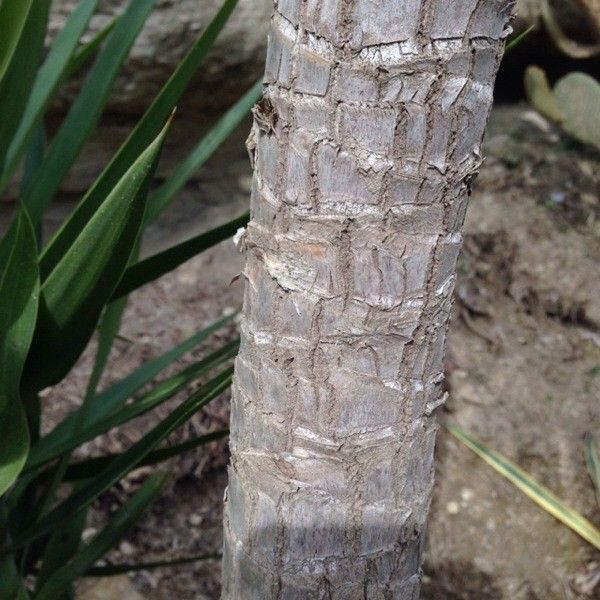
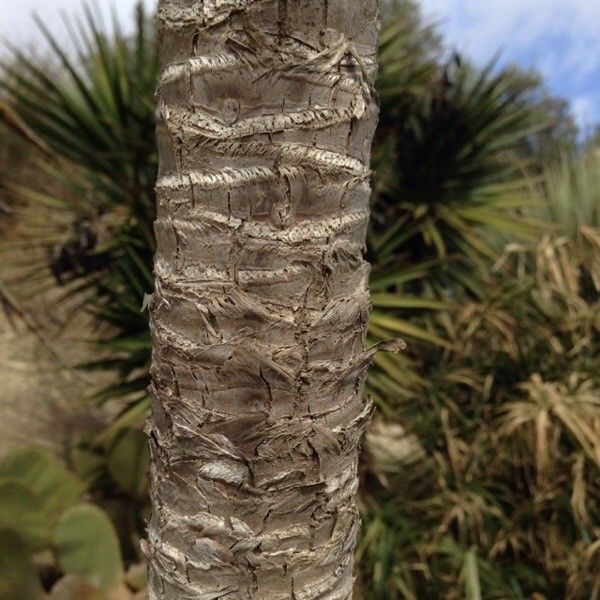
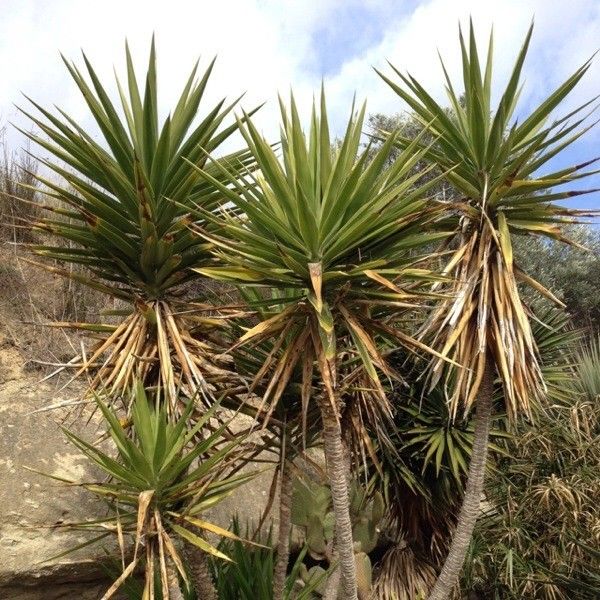
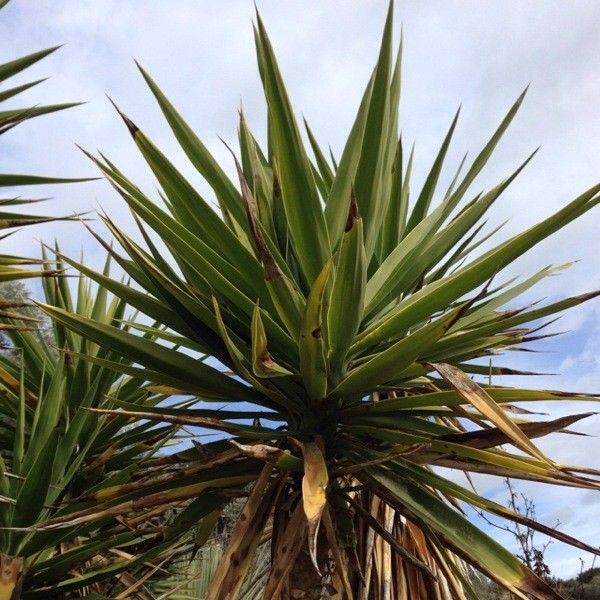
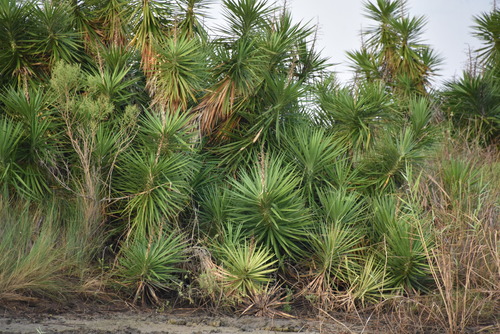
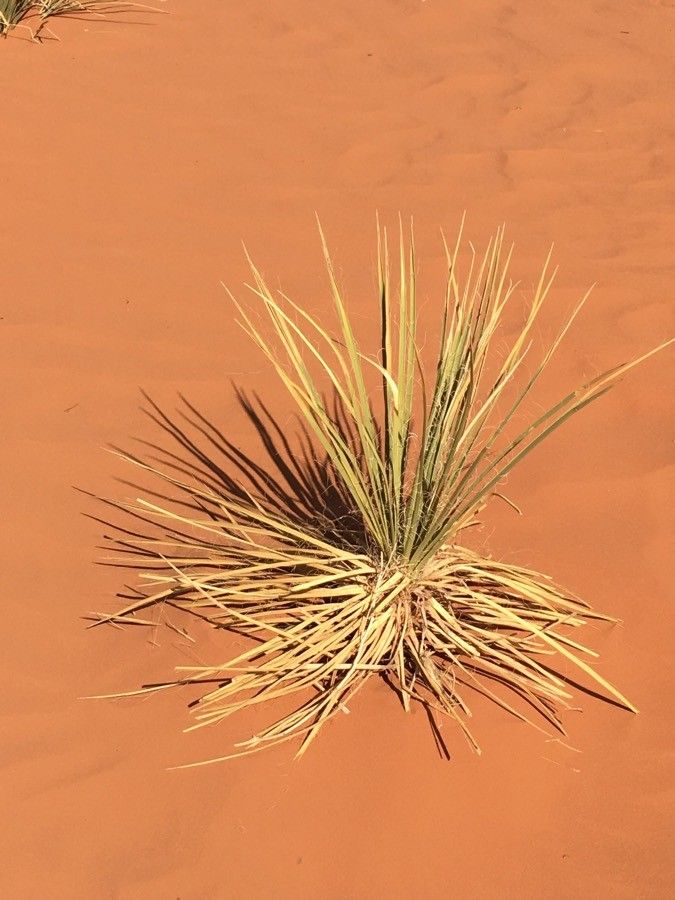
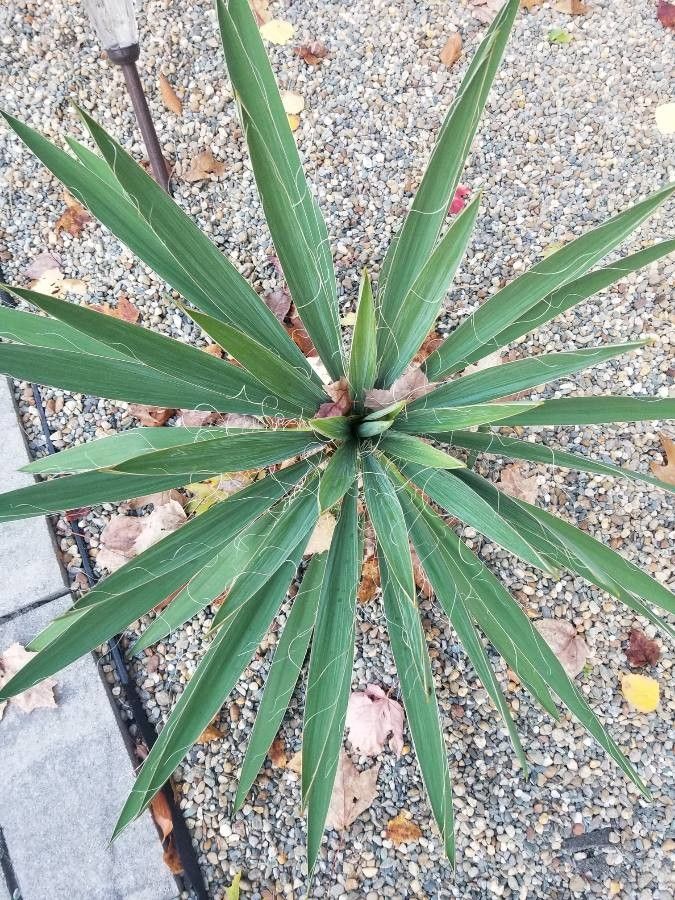
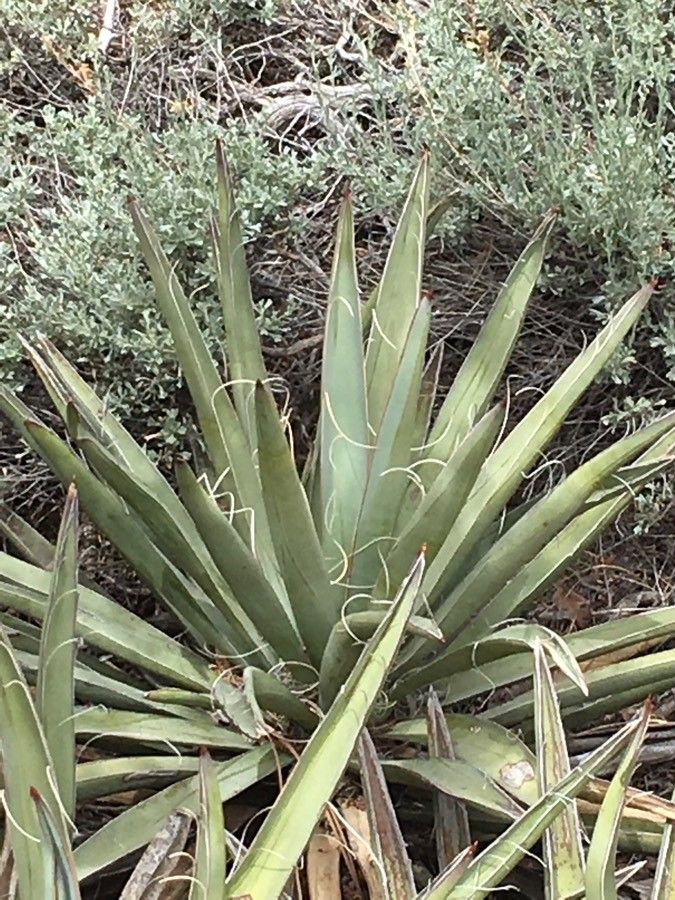
Yucca gigantea (syn. Yucca elephantipes) is a species of flowering plant in the asparagus family, native to Mexico and Central America. Growing up to 8–12 m (26–39 ft) in height, it is an evergreen shrub which is widely cultivated as an ornamental garden or house plant, often referred to simply as yucca cane. The edible flower is the national flower of El Salvador locally called izote, and it is used extensively in Salvadoran cuisine.
Spineless yucca is fairly resistant to disease and typically does not suffer from many illnesses. Still, if it is grown in poor conditions it can become more likely to develop disease. It also faces few insect pest problems. Its care needs are moderate. It should receive ample sunlight, since inadequate light can make it more prone to disease and produce spindly growth. Because it is commonly kept indoors, it may need to be relocated periodically to a brighter spot. It does not need frequent watering. All in all, Spineless yucca is appropriate for most people, though it thrives best with good light.
How to keep Yucca Guatemalensis.
Light
Spineless yucca originates from environments with varying sun exposure and prefers moderate light, though it can tolerate both high and low light levels. Its light requirements change little as it grows. Extended periods of low light can lead to sparse foliage, while excessive light may cause leaf burn.
Humidity
This plant prefers dry conditions, so don't mist it. However, watering it less often can also thrive in higher humidity.
Temperature
Spineless yucca comes from warm regions and can tolerate temperatures of 20 to 38℃ (68 to 100℉). In winter it prefers cooler conditions of 10 to 15℃ (50 to 59℉) and should be kept safe from frost. In summer it may benefit from being put outdoors in partial shade to prevent scorching during very high temperatures.
Fertilizer
Fertilization is essential for Spineless yucca care. Regular feeding during the growing season preserves the energy required for its showy leaves and supports overall growth. Failing to fertilize can lead to unhealthy leaves, reduced ornamental appeal, and stunted or weak growth that is prone to breaking.
Pot & Repot
When repotting Spineless yucca, choose a pot 1–2 inches (2.5–5.1 cm) larger with ample drainage. Use a well-draining potting mix. Repot in spring or fall, ensuring the root ball is slightly lower than the rim of the flower pot. Water thoroughly after repotting and place in a warm spot with indirect sunlight.
Botanical profile.
- Plant Type
- Shrub, Tree
- Life Cycle
- Perennial
- Genus
- Yucca
- Family
- Asparagaceae
- Hardiness Zone
- 9-12
- Mature Height
- 6.1 m
- Mature Spread
- 4.57 m to 7.62 m
- Leaf Color
- Green, Blue
- Leaf Type
- Evergreen
- Flower Color
- White
- Flower Size
- 2.54 cm to 5.08 cm
- Bloom Time
- Mid summer
- Planting Time
- Spring, Summer, Autumn, Winter
- Harvest Time
- Mid summer, Late summer, Fall
- Native Area
- Mexico
Other names.