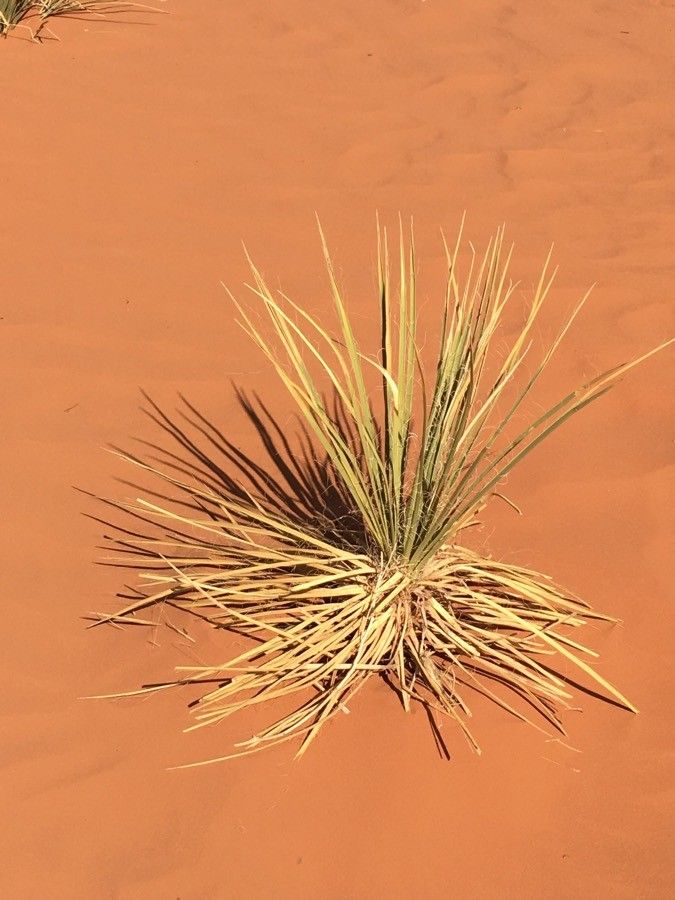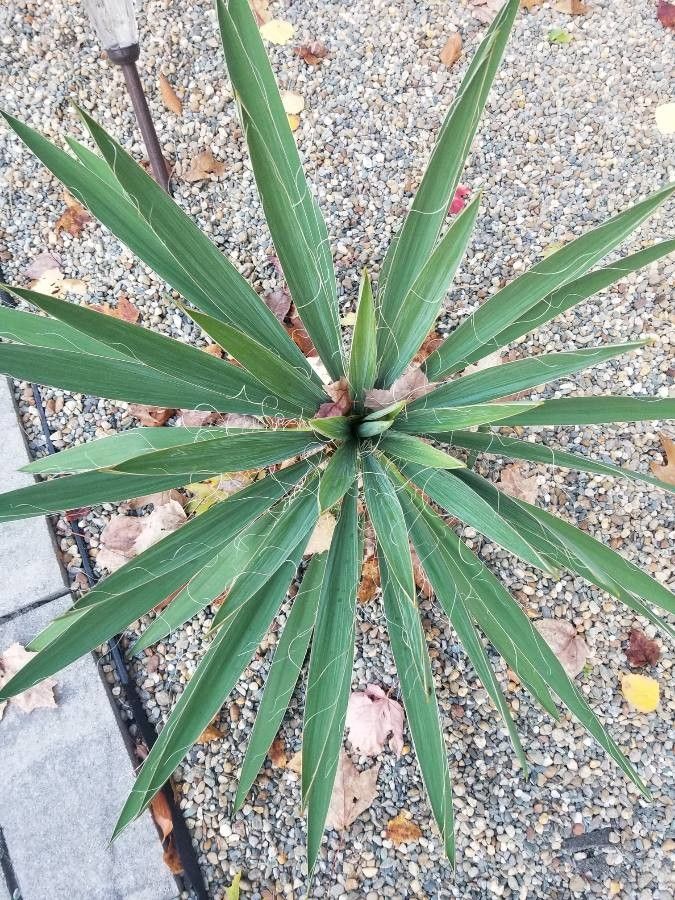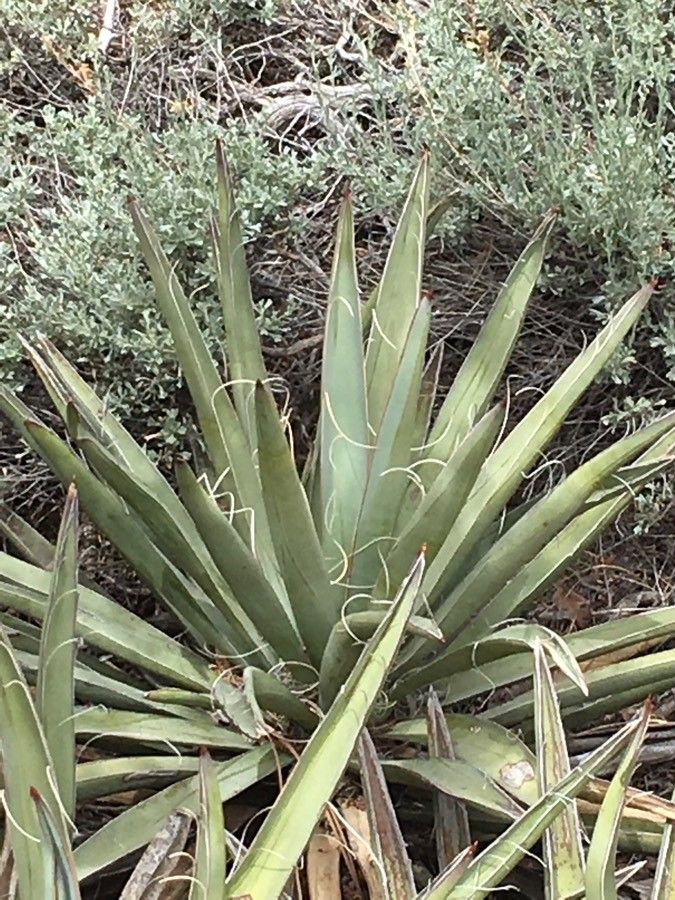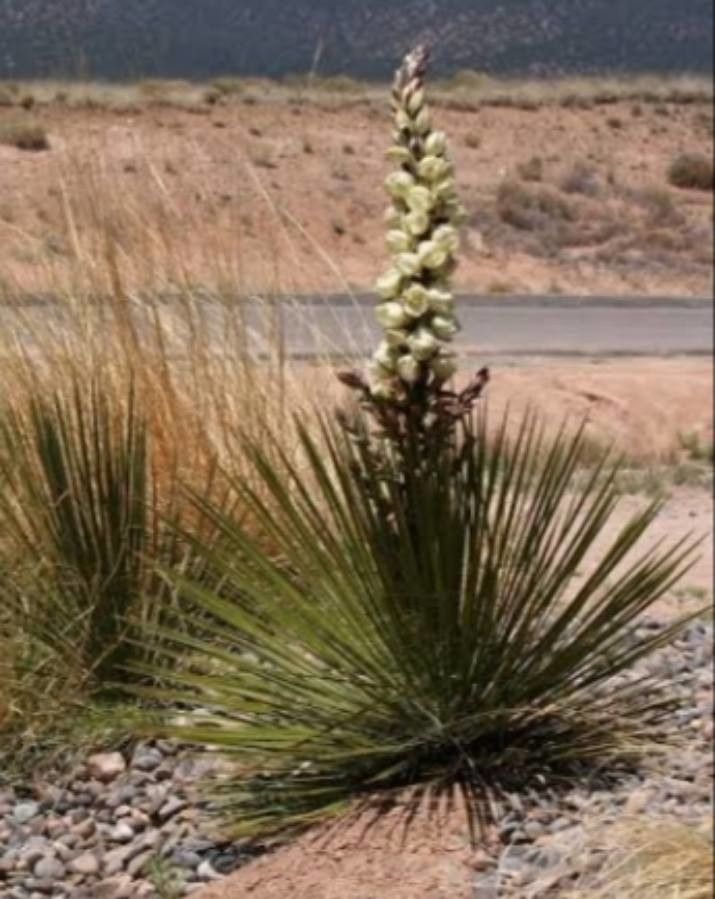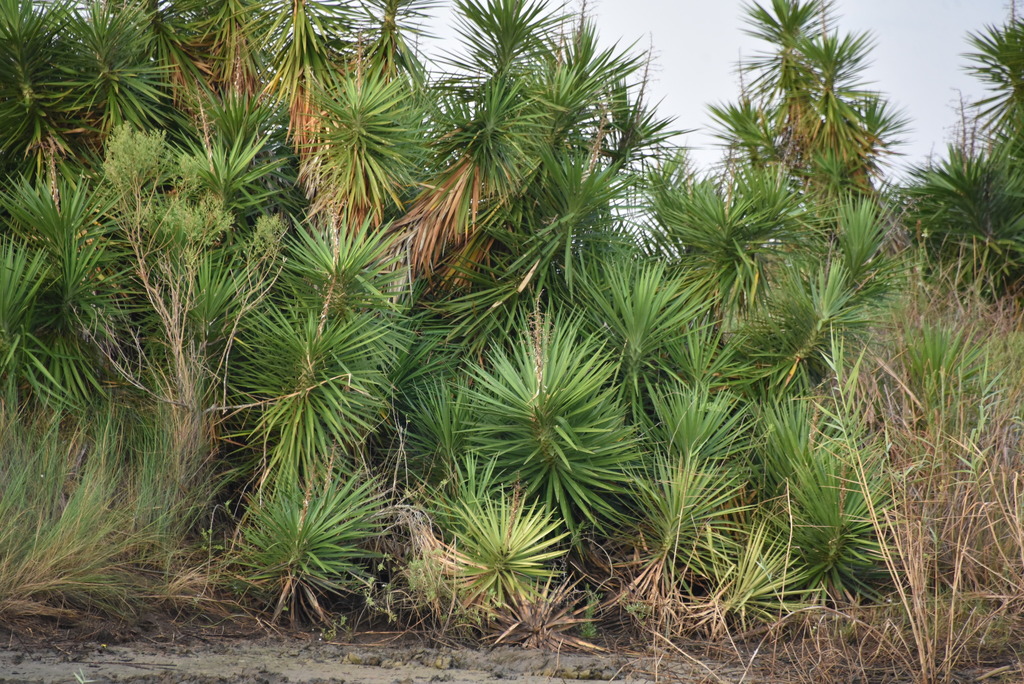
Yucca aloifolia is the type species for the genus Yucca. Common names include aloe yucca, dagger plant, and Spanish bayonet. It grows in sandy soils, especially on sand dunes along the coast.
Aloe yucca: To an untrained eye, the Agave and Yucca plants may seem quite similar. Both thrive in arid environments and have leaves that form a rosette shape. They share a similar color and are both part of the Agavoideae subfamily. Because of these similarities, this plant is sometimes referred to as Aloe Yucca.
Aloe yucca is fairly resistant to disease and generally does not catch illnesses easily. However, if it is kept in a poor environment it can become more vulnerable to disease. It also has relatively few insect pests. For care, the plant has moderate requirements. It needs plenty of sunlight; with insufficient light it can become more disease-prone and grow thin. Since it is often kept indoors, it may need to be moved regularly to a bright spot. It does not need to be watered frequently. Overall, Aloe yucca is appropriate for most people, though it is best suited to those who can provide good light conditions.
How to keep Yucca Aloifolia.
Light
Aloe yucca grows best in bright light and prefers sunny spots. Although it can survive in areas with reduced light, increased sunlight can noticeably improve its growth and overall condition. Both too much and too little sun may cause undernourished growth and negatively impact the plant's health.
Water
Native to arid regions, the aloe yucca is highly drought-tolerant and only needs watering once every three weeks. As an evergreen plant, it stores water in its thick, succulent leaves, allowing it to thrive in areas with limited water supply and minimizing the need for frequent watering.
Humidity
This plant will thrive in moderate humidity, which is probably the level in your home. However, misting it a few times a week can be very beneficial. Make sure the room has good ventilation.
Temperature
Native to the aloe yucca's growth environment, it prefers temperatures of 59 to 100 ℉ (15 to 38 ℃). In winter, the temperature should be maintained above 40 ℉ (4.5 ℃) to prevent damage. In summer, it can tolerate temperatures up to 110 ℉ (43 ℃).
Fertilizer
Fertilize your Aloe yucca in early spring to encourage healthy growth. Regular feeding improves overall health, producing vigorous growth, better tolerance of harsh conditions, and increased resistance to diseases and pests. Keep to a specific fertilization schedule to maintain foliage that is vibrant, deeply colored, and lush in appearance.
Pruning
Aloe yucca is known for its sword-like leaves and striking flower spikes. To keep your plant healthy and well-shaped, it's best to prune it in early spring. This involves removing any dead foliage and trimming the plant near its base. Regular pruning encourages growth, but it's important to use sterilized tools to prevent the spread of disease. By following these proper techniques, you can ensure your aloe yucca thrives in your garden.
Pot & Repot
When repotting Aloe yucca, choose a pot 1-2 inches (2.5–5.1 cm) larger with ample drainage. Use a well-draining potting mix. Repot in spring or fall, making sure the root ball sits slightly lower than the rim of the flower pot. Water thoroughly after repotting and place it in a warm spot with indirect sunlight.
Botanical profile.
- Plant Type
- Shrub
- Life Cycle
- Perennial
- Genus
- Yucca
- Family
- Asparagaceae
- Hardiness Zone
- 8-11
- Mature Height
- 1.52 m to 7.01 m
- Mature Spread
- 0.91 m to 1.52 m
- Leaf Color
- Green
- Leaf Type
- Evergreen
- Flower Color
- White
- Flower Size
- 12.70 cm
- Bloom Time
- Early summer, Mid summer
- Planting Time
- Spring, Autumn
- Harvest Time
- Mid summer, Late summer, Fall
- Native Area
- Mexico
Other names.
Reader questions.
How should I water my Aloe yucca plant for best results?
To keep the leaves hydrated without making them too wet, misting is a good option. To prevent root rot, make sure there is good drainage. This plant can be sensitive to fluoride, which is commonly found in public water supplies, and it does not tolerate hard water, especially during its growing stages. To water the plant, use a watering can or a sprinkler with purified or distilled water. Water the entire surface of the soil evenly to avoid rotting stems. Instead of tap water, occasionally use distilled water to prevent plant death, leaf burn, or stunted growth. When possible, use rainwater. If the Aloe yucca is planted in a pot, keep the soil moist but not soggy. If it is planted outside in a garden, ensure proper drainage and allow the soil to completely dry before using a sprinkler or garden hose to prevent root rot and yellowing leaves. Some people use hydrogen peroxide as a treatment, but this should only be done occasionally to imitate rainwater. A filtration system can also be helpful in removing nitrates, salt, and lead from the water.
Why is it important to put fertilizer on my Aloe yucca plant?
If you own any kind of Aloe yucca, regularly fertilizing it will help it grow healthier. Proper nutrients will result in stronger growth and make it more resilient to tough conditions, as well as better equipped to fight diseases and pests. The foliage of your Aloe yucca is a key feature, so it's important to maintain it. To do this, create and stick to a fertilization schedule specifically designed for your Aloe yucca. Following this schedule will promote the development of deep-colored leaves and an overall lush appearance.
What are the sunlight requirements for aloe yucca?
Aloe yucca requires conditions with abundant illumination and prefers sunny locations, thriving in full sun or partial shade. Full sun implies the plant should receive above 6 hours of sunlight, while partial sun is about 3-6 hours of sunlight daily. It's important to observe how sunlight moves through your garden to find the ideal spot for your aloe yucca, ensuring a balance of light and shade that supports its growth and health.
What are the ideal growing conditions for Aloe Yucca?
Aloe Yucca thrives in a temperature range of 59 to 100°F (15 to 38°C) and prefers environments native to the aloe yucca's growth habit. During winter, it's essential to maintain temperatures above 40°F (4.5°C) to prevent damage. In summer, the plant can withstand temperatures as high as 110°F (43°C). Although it has some cold tolerance and doesn't need special measures when temperatures are above -5°C, precautions should be taken if the temperature drops below this, such as wrapping the plant in protective materials until it warms up again.
What do I need to do if I give Aloe yucca too much or too little water?
There are several signs to look for if your plants aren't getting enough water. One indicator is brown tips on the plant. These particular species are sensitive to boron and fluoride, which can be found in tap water. If they have too much of these minerals, you may notice the leaves drooping. Additionally, underwatered Aloe yuccas will have wrinkled stems and brown, crispy leaves that are drying out. In this case, it's important to water them as soon as possible. On the other hand, overwatering can lead to root rot. If you notice mushy, fragile, and black roots, it's crucial to remove them from the soil. Overwatering can also cause leaves to turn brown and fall off. To help the plant recover, drain any excess water and wait for the soil to dry before watering again. If there are signs of root rot, discard the soil, clean everything thoroughly, and add pebbles for better drainage. Finally, if you see tan rings or reddish-brown spots on the leaves, make sure to get rid of any excess water at the base of the pot.
When should I put fertilizer on my Aloe yucca?
To ensure healthy growth, it is recommended to fertilize your Aloe yucca for the first time in late winter or early spring. This provides the necessary nutrients for the plant to flourish once the weather warms up. Additionally, if you live in a warm climate, it can be beneficial to give your Aloe yucca another round of fertilizer in early fall. This not only supplements the soil with extra nutrients for the upcoming growing season, but also makes the plant more resilient to withstand winter cold without foliage damage. Early fertilization allows new branches to grow and be better prepared for the harsh winter conditions.
Can aloe yucca grow with artificial lighting?
Yes, aloe yucca can grow with artificial lighting, especially when natural sunlight is insufficient, like in winter or less sunny spaces. Artificial lights, such as LED lights, are beneficial as they can be customized to provide specific wavelengths of light needed by the plants. For full sun plants, 30-50W/sq ft of artificial light is recommended; 20-30W/sq ft for partial sun plants; and 10-20W/sq ft for full shade plants. It's crucial to place the light source 12-36 inches above the plant and mimic natural daylight hours, usually 8-12 hours of light per day, for optimal growth.
How does low temperature affect Aloe Yucca, and what solutions can manage these effects?
Aloe Yucca has moderate cold tolerance but fares best in temperatures above 15°C. In winter, temperatures should stay above -5°C. If temperatures fall below -10°C, the leaves may droop and potentially wilt and fall off in severe cases, indicating frost damage. To manage this, damaged parts should be trimmed off. Providing cold protection, such as wrapping the plant in non-woven fabric or setting up a wind barrier, can help shield it from cold winds and prevent future damage.
How many times a week do I need to water my Aloe yucca plant?
The Aloe yucca, a tough species that can withstand drought, requires watering only every 1-2 weeks when the soil is completely dry, especially when planted in a pot. Water generously until drainage holes begin to release water. Remove any excess water from the saucer within an hour to prevent it from sitting in the pot. When planted in the garden, consider the amount of rainfall the plant receives. Proper irrigation is necessary to ensure the roots do not sit in water. In tropical areas with abundant rain and monsoons, watering once every two weeks is recommended.
When is not a good time to fertilize my Aloe yucca plant?
There are specific times of the year when you should avoid fertilizing your Aloe yucca. One of these times is during the winter months, when the plant is dormant and doesn't require any feeding. It is also not recommended to fertilize during late spring and summer, when the weather is hotter and drier. These conditions can negatively affect the plant's response to fertilization. To prevent problems, it is best to stick to a fertilization schedule that only includes feeding in early spring and early fall.
What are the common symptoms of light deficiency or overexposure in aloe yucca?
Aloe yucca may show various symptoms in response to light deficiency or overexposure. Signs of insufficient light include smaller new leaves, leggy or sparse growth, faster leaf drop, slower or no new growth, and lighter-colored or yellowing leaves due to chlorosis. Overexposure symptoms include sunscald, leaf curling as a defense mechanism, wilting due to excessive water loss, and leaf scorching characterized by brown, dry edges. Observing these signs can help in diagnosing and rectifying light-related issues.
What impact does high temperature have on Aloe Yucca and how can you mitigate these effects?
High temperatures, especially above 38°C during summer, can stress Aloe Yucca, leading to lighter leaf color, dry and withered leaf tips, curled leaves, and increased susceptibility to sunburn. To mitigate these effects, trim away sunburned and dried-up parts of the plant. Relocate the plant to a shaded area during the peak sun hours or use a shade cloth. Ensuring the soil remains moist through watering in the morning and evening also helps manage the impact of high temperatures.