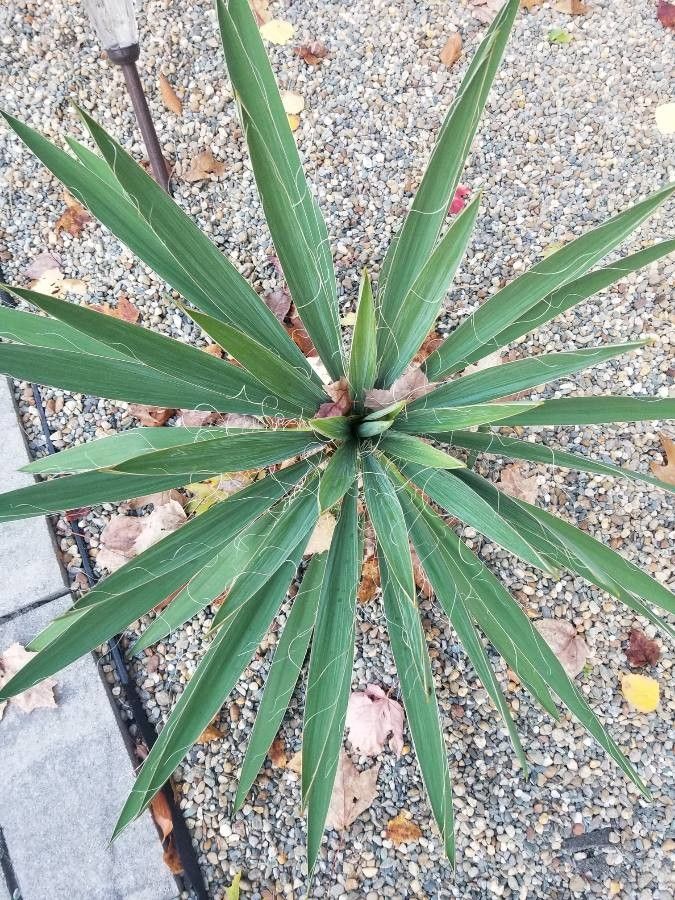
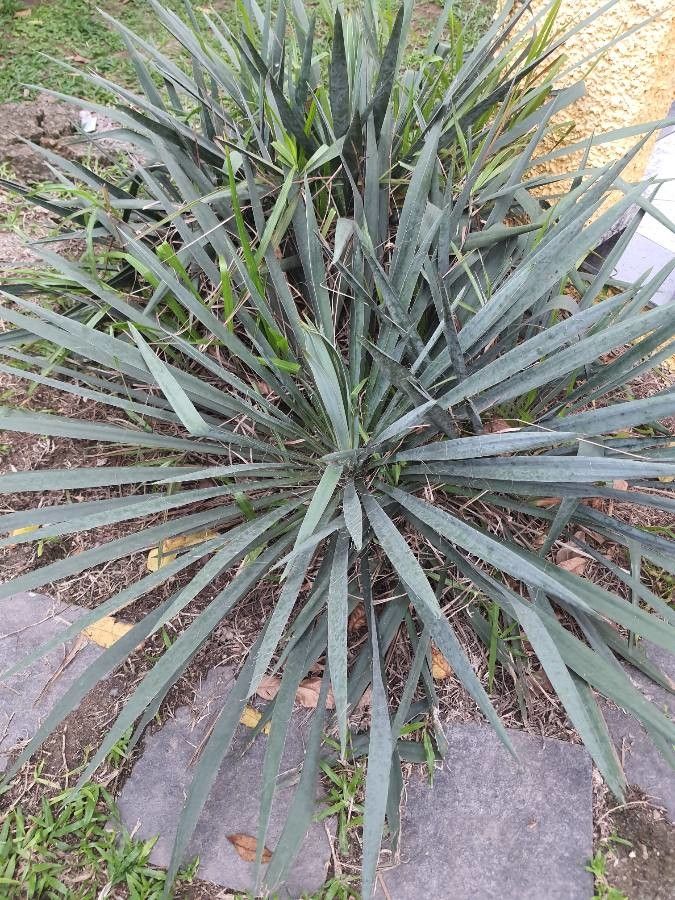
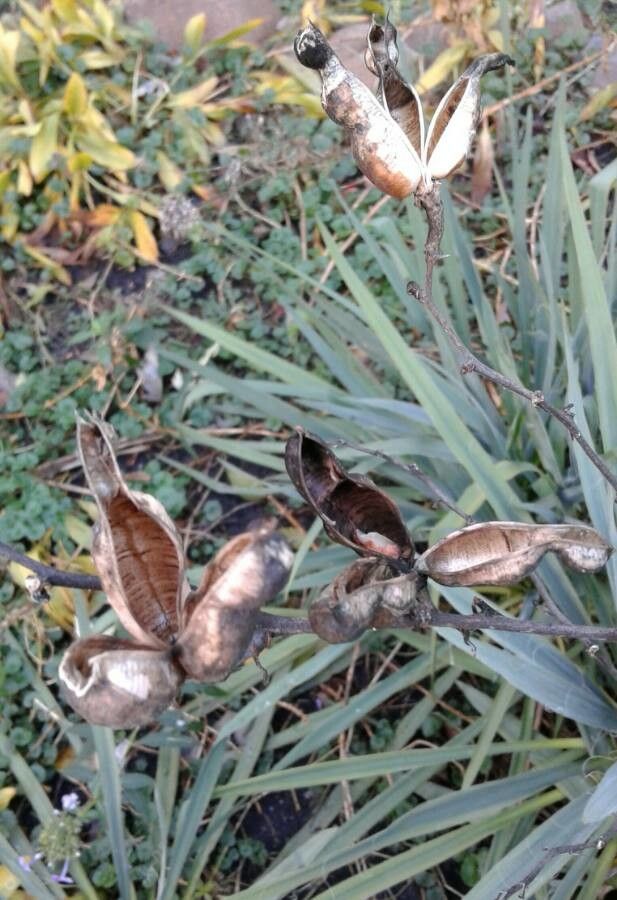
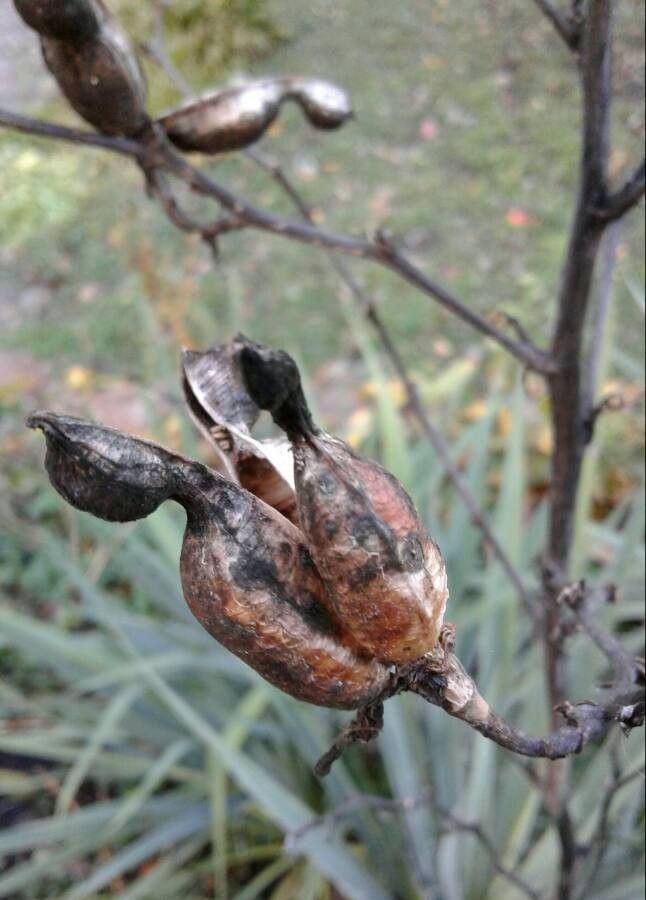
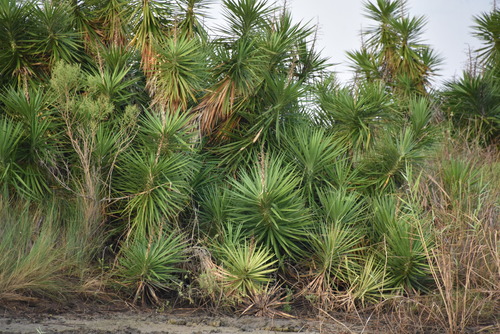
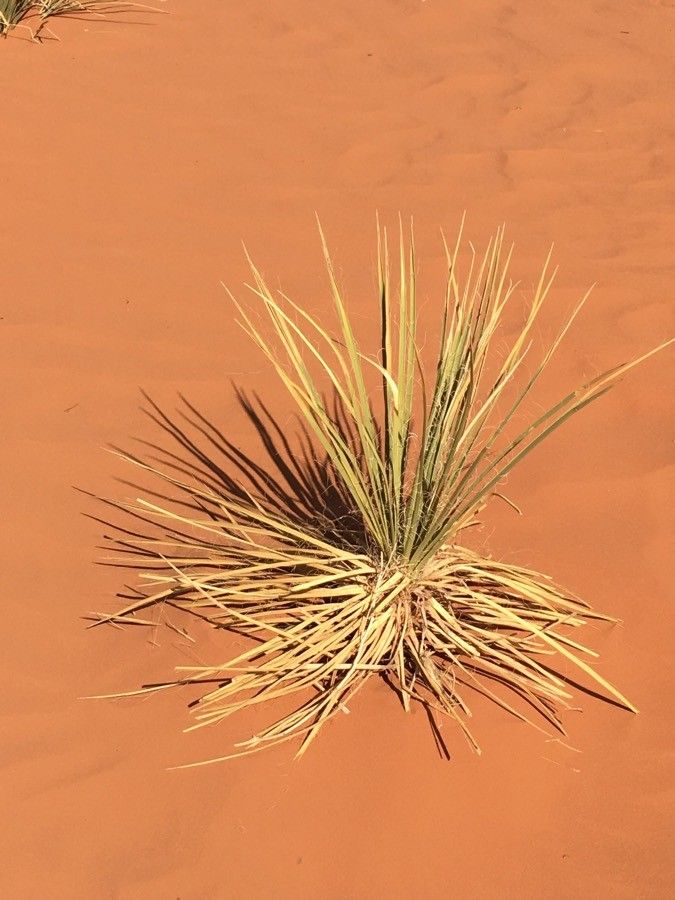
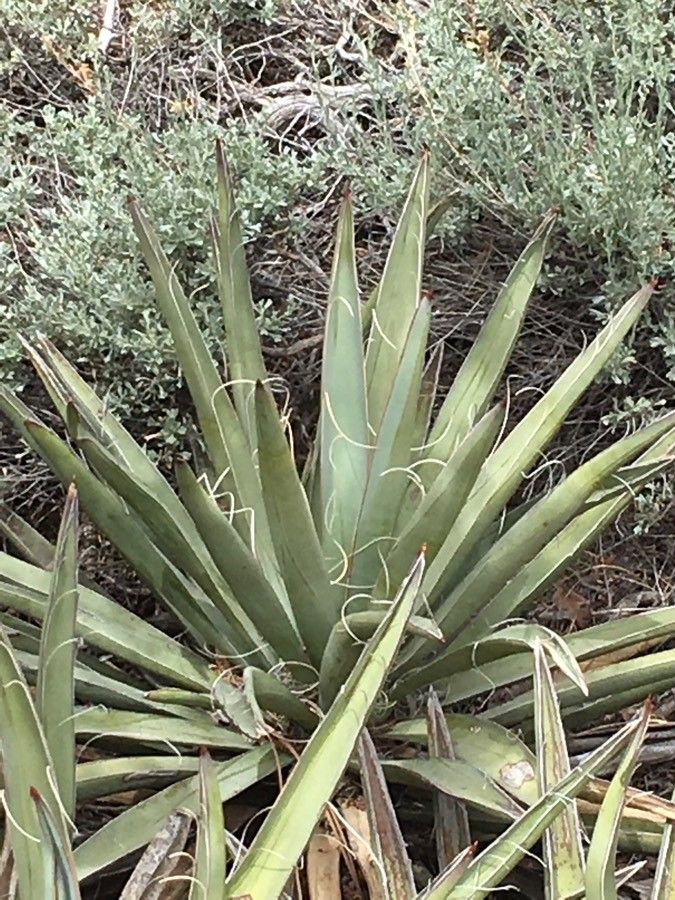
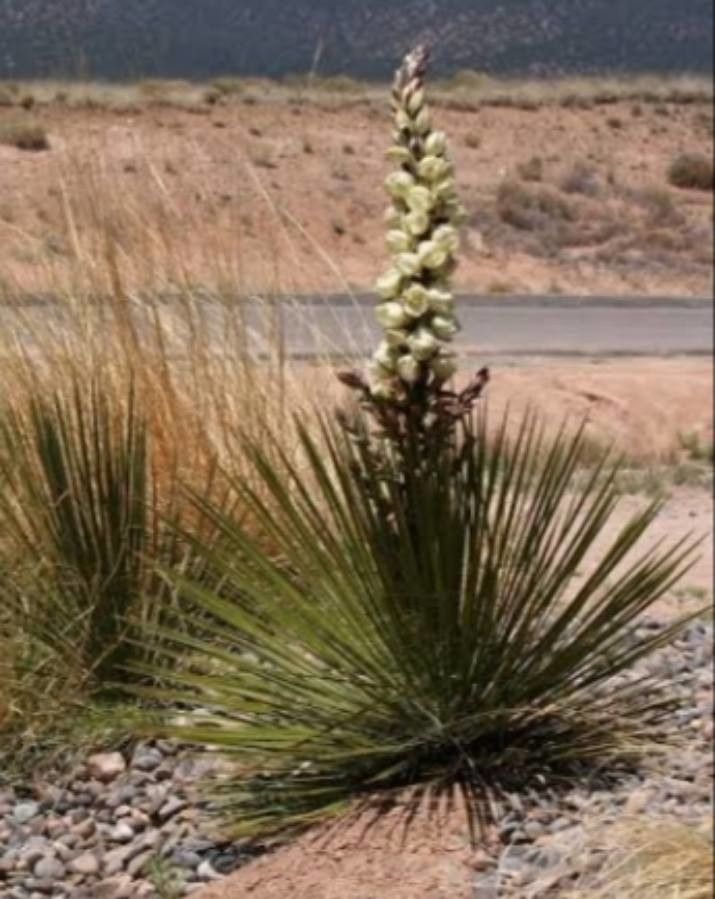
Yucca arkansana, commonly known as the Arkansas yucca, is a perennial plant species from the Asparagaceae family. It is native to the central and southern regions of North America, including Arkansas, Oklahoma, Texas, and Louisiana. The plant typically grows up to 3 feet tall and 2 feet wide, featuring a rosette of stiff, green leaves with sharp tips. These leaves are about 1-2 inches wide and can extend up to 3 feet long.
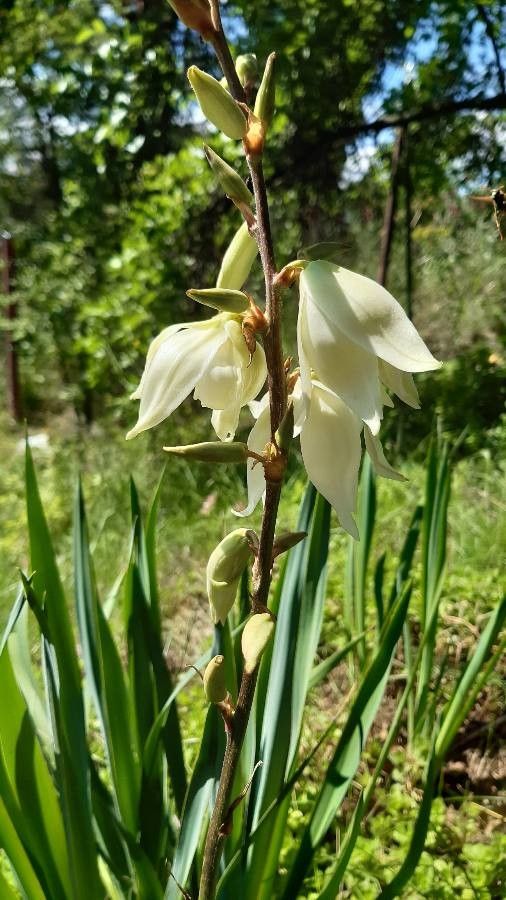
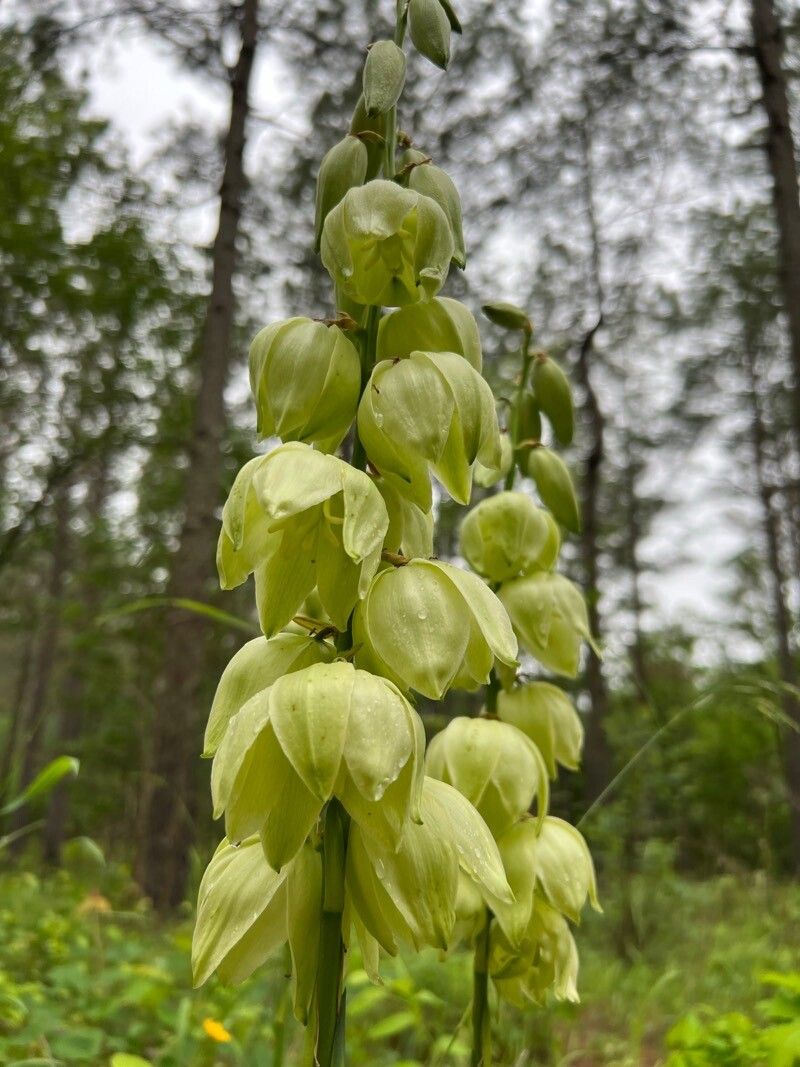
In late spring or early summer, the Arkansas yucca produces tall spikes of white flowers that can reach heights of up to six feet. These fragrant flowers attract pollinators such as moths.
The plant prefers well-drained soil with full sun exposure but can also tolerate partial shade. While it is drought-tolerant once established, it requires regular watering during its initial growth period.
Yucca arkansana serves several purposes, including ornamental use due to its unique appearance and drought-tolerance. It is an ideal choice for xeriscaping gardens or landscapes where water conservation is important.
Additionally, Native Americans have utilized various parts of this plant for medicinal purposes, such as treating skin conditions like eczema or wounds, due to its anti-inflammatory properties.
Overall, Yucca arkansana is an attractive ornamental species that requires minimal maintenance. It is an ideal choice for gardeners seeking low-maintenance plants, while providing ecological benefits like attracting pollinators and conserving water resources.
Arkansas yucca has strong resistance to disease and typically does not suffer from many illnesses. Still, it can be affected by pests and diseases present in its environment. When infections do occur, they are generally mild. Regarding upkeep, this plant needs a moderate amount of care. Regular pruning is necessary to keep it looking good and to support healthy growth. Applying fertilizer can also encourage it to bloom. Arkansas yucca is well suited for anyone with outdoor areas like a garden or patio and does not demand extensive gardening experience. It may need more attention if cultivated indoors.
How to keep Yucca Arkansana.
Light
Arkansas yucca grows best in locations with moderate sunlight, since its native habitat includes a blend of sun and shade. Excessive sunlight can cause leaf burn, while too little can hinder growth. It still tolerates a variety of light conditions.
Water
The Arkansas yucca is well-suited to dry conditions, showing strong drought tolerance and a preference for low humidity. Water it sparingly, approximately every 2 to 3 weeks. When grown outdoors in rocky areas, it needs well-draining soil to avoid root rot during infrequent rainfalls.
Temperature
Arkansas yucca is native to regions with a temperate climate. It grows best when temperatures are between 50 and 95 °F (10 and 35 °C). In winter, it is advisable to provide slightly cooler temperatures to mimic its natural habitat.
Fertilizer
The best time to fertilize an Arkansas yucca is in early spring, when it is coming out of dormancy and beginning active growth. Fertilization supplies essential nutrients for healthy development. Although Arkansas yucca has relatively low fertilizer requirements, feeding it once a year can improve its chances of survival and encourage better, longer-lasting flowers.
Pruning
The Arkansas yucca is a tough, low-maintenance plant known for its sword-like leaves that form dense rosettes. To keep it healthy, prune mainly from late winter to early spring. Remove any dead leaves and spent flower stalks, and thin out crowded areas to improve air circulation and overall plant health.
Botanical profile.
- Plant Type
- Herb
- Life Cycle
- Perennial
- Genus
- Yucca
- Family
- Asparagaceae
- Hardiness Zone
- 6-9
- Mature Height
- 61 cm
- Mature Spread
- 61 cm
- Leaf Color
- Green, Dark Green
- Leaf Type
- Evergreen
- Flower Color
- White
- Flower Size
- 5.08 cm to 6.35 cm
- Bloom Time
- Late spring, Early summer
- Planting Time
- Summer, Autumn
- Harvest Time
- Mid summer, Late summer, Early fall
Other names.
Reader questions.
What's the best way to water my Arkansas yucca plant?
To keep the leaves hydrated without becoming too soggy, misting is a useful method. It is important to ensure there is proper drainage to avoid root rot. This plant is sensitive to fluoride, commonly found in public water supplies, and does not tolerate hard water, especially during its growing stages. For watering, it is recommended to use a watering can or sprinkler with purified or distilled water. It is crucial to evenly water the entire soil surface to prevent stem rot. Tap water should be replaced with distilled water to prevent plant death, leaf burn, or stunted growth. Utilizing rainwater when available is also an option. If the Arkansas yucca is planted in a pot, keep the soil moist but not too soggy. When planted in a garden, ensure proper drainage and allow the soil to dry completely before using sprinklers or hoses, as this can cause root rot and yellowing leaves. While some may use hydrogen peroxide in water, it is not recommended for regular use. Occasionally using hydrogen peroxide can stimulate rainfall. A filtration system may also be beneficial for removing nitrates, salt, and lead from the water.
What are the sunlight requirements for Arkansas yucca?
Arkansas yucca requires about 3-6 hours of sunlight daily, thriving in partial sun conditions. It's important to observe how sunlight moves through your garden, ensuring you choose locations that offer a good balance of light and shade. This balance is crucial for the well-being of your plants. Arkansas yucca can grow in environments with a mix of sun and shade, resembling its natural habitat. However, too much sun can cause leaf burn, and not enough sun can stunt the plant's growth. It can tolerate various light conditions, making it adaptable to different growing environments.
What is the ideal temperature range for an Arkansas yucca to flourish?
Arkansas yucca, originally from temperate climate areas, thrives best in temperatures ranging from 50 to 95 °F (10 to 35 °C). To mimic its natural habitat, lower temperatures are recommended during the winter. Despite its strong cold resistance, extra protection should be given if temperatures are expected to drop below -25°C, using materials such as soil or straw for coverage. It's beneficial to water the plant abundantly before the first freeze in autumn to keep the soil moist and prevent drought and water scarcity during winter and early spring.
What should I do if I give too much or too little water to Arkansas yucca?
Here are some signs that your plants may not be getting enough water. One of these signs is brown tips on the plant, which can indicate sensitivity to boron and fluoride found in tap water. If the leaves start to droop, it may be a sign that there is an excess of these minerals. Another indicator is the Arkansas yucca showing wrinkled stems when underwatered. In this case, the leaves may also turn brown, become crispy, and start to dry out. If this happens, be sure to water as soon as possible. On the other hand, overwatering can lead to root rot. If this occurs, remove any damaged mushy, fragile, and black roots from the soil, cutting off a larger part of the root if necessary. Overwatering can also cause the leaves to turn brown and fall off prematurely, so it is important to drain excess water and allow the soil to dry before watering again to aid in plant recovery. If there are signs of root rot, it is advisable to discard the soil from the pot, clean everything thoroughly, and ensure proper drainage by placing pebbles in the pot. Additionally, if you notice tan rings or reddish-brown spots on the leaves, be sure to discard any excess water at the base of the pot.
How do indoor Arkansas yucca plants benefit from artificial lighting?
Indoor Arkansas yucca plants benefit significantly from artificial lighting, especially when natural sunlight is insufficient, such as during winter or in less sunny spaces. Artificial lights are crucial for promoting healthier, faster growth. LED lights are recommended because they can be customized to provide specific wavelengths of light needed by the plants. The proper amount of artificial light varies by plant type: full sun plants need 30-50W/sq ft, partial sun plants 20-30W/sq ft, and full shade plants 10-20W/sq ft. The light source should be placed 12-36 inches above the plant, mimicking natural sunlight, and should remain on for 8-12 hours per day to mimic the length of natural daylight hours necessary for the plant species.
How does Arkansas yucca handle low temperatures and what precautions should be taken?
Arkansas yucca is noted for its cold tolerance, doing best when temperatures remain above 10°C and should be kept above -15°C during winter. If temperatures fall below -25°C, there might not be noticeable changes during winter, but there can be a decrease in sprouting or no sprouting at all during the spring. The recommended solution is to remove any parts in spring that have failed to sprout, helping to promote healthy growth for the remainder of the plant.
How often do I need to water my Arkansas yucca plant?
The Arkansas yucca is a tough plant that can withstand drought. If it is planted in a pot, you only need to water it every 1-2 weeks when the soil is completely dry. Water generously until you see water flowing out of the drainage holes, but remember to remove any excess water from the saucer after an hour. When planting the yucca in your garden, consider the amount of rainfall it is receiving. The roots do not like to sit in water, so make sure you have proper irrigation in place. In tropical areas with frequent rain and monsoons, water the plant once every 2 weeks.
What are the symptoms of light deficiency in Arkansas yucca?
When grown indoors under insufficient light, Arkansas yucca may exhibit several symptoms indicating light deficiency. These include smaller new leaves, leggy or sparse growth, faster leaf drop, slower or no new growth, lighter-colored new leaves, and various conditions such as chlorosis, sunscald, leaf curling, wilting, and leaf scorching. These symptoms range from growth issues to physiological stress responses to insufficient or excessive sunlight.
What should be done if an Arkansas yucca experiences high temperatures?
During the summer, it's essential to keep the Arkansas yucca's surrounding temperature below 35°C. Exceeding 38°C may lead to the leaves becoming lighter in color, prone to curling, susceptibility to sunburn, and in severe cases, may result in the entire plant wilting and drying out. To mitigate this, trim away sunburned and dried-up parts and move the plant to a location away from the midday and afternoon sun, or create shade with a shade cloth. Additionally, water the plant in the morning and evening to ensure the soil remains moist, helping the plant to stay hydrated and healthy.
How much water does my Arkansas yucca require?
Here are some guidelines for watering Arkansas yucca plants: 1. Outdoor plants: Water when the top 2 inches of soil is dry. Avoid overwatering, considering factors like rainwater, seasonal changes, and moisture in the environment. Water at least once every two weeks in the garden. 2. Indoor plants: If grown indoors or in a nursery, water approximately once a week. Since they may not receive rainwater or extra moisture indoors, it's important to water more frequently. Watch for sagging plant leaves as a sign that they need water. 3. Moisture level: Keep the roots moist but not soggy. Soak the pot and allow the water to drain. Water only when the soil is partially dry, avoiding a set schedule. Arkansas yucca plants are not very thirsty, so wait a couple of days before watering again. Using well-draining soil and placing the plant in a high humidity environment can also promote healthy growth. 4. Summer and growing season: Water every 1 to 2 weeks, especially during hot weather. Provide the same amount of water in spring and during the growing season, as the plants require more water when they are actively growing. 5. Winter and fall: Reduce watering frequency to once every 2 to 4 weeks. Only water when the soil is completely dried out.
What solutions can help manage light conditions for Arkansas yucca?
To manage light conditions for Arkansas yucca effectively, you can adopt several strategies. For indoor plants, gradually shifting them to sunnier spots each week until they reach 3-6 hours of direct sunlight daily helps them adapt to more light. If moving the plant isn't feasible, consider using artificial light, keeping a lamp on for at least 8 hours a day, or investing in professional grow lights. Outdoors, gradually move your plants to sunnier locations each week to prevent sunburn. Reducing obstructions by pruning or transplanting the plant to a sunnier location with good drainage can also improve sunlight exposure. It's essential to make light adjustments gradually to avoid stressing the plant.
How do I make sure I am watering my Arkansas yucca enough?
For the Arkansas yucca, it is recommended to water on a bi-weekly or weekly schedule. Wait until the soil is 2 to 4 inches dry before watering, especially for adult plants, to avoid overwatering. When watering, pour generously until water comes out of the drainage holes, but make sure no standing water remains in the saucers. To prevent root rot, it is better to give too little water than too much for this species. Whether the plants are indoors or outdoors, the soak and dry method is sufficient. Soak the soil around the plant and keep a record of each watering session on an app or in your calendar. Allow the soil to dry out to prevent root rot and promote healthy root development. When watering, use a sprinkle or a watering can that reaches the roots to prevent wilting.