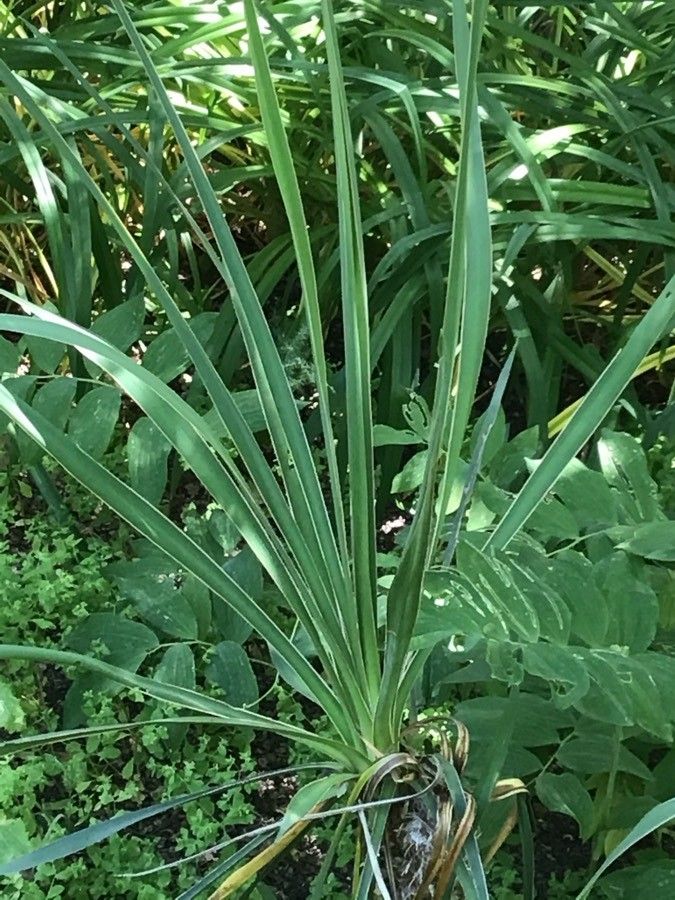
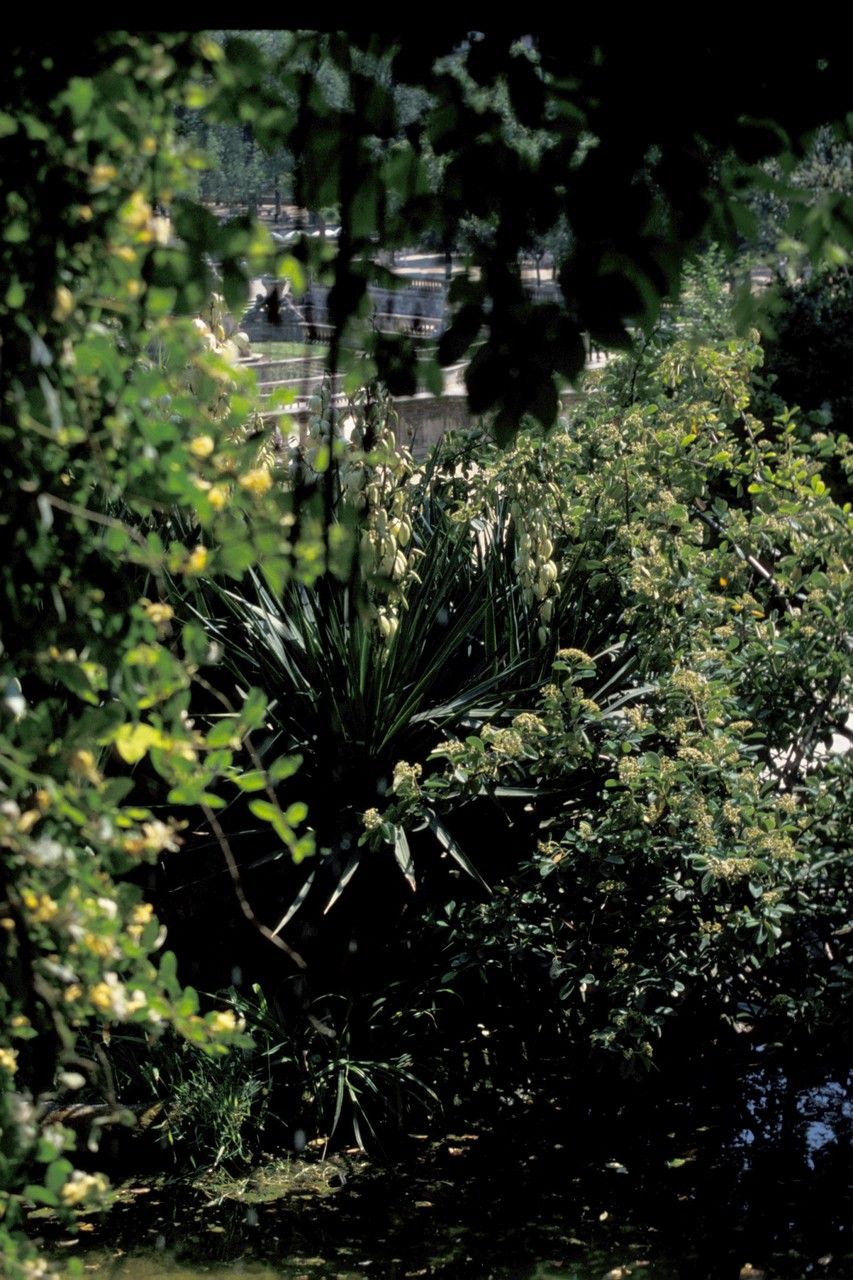
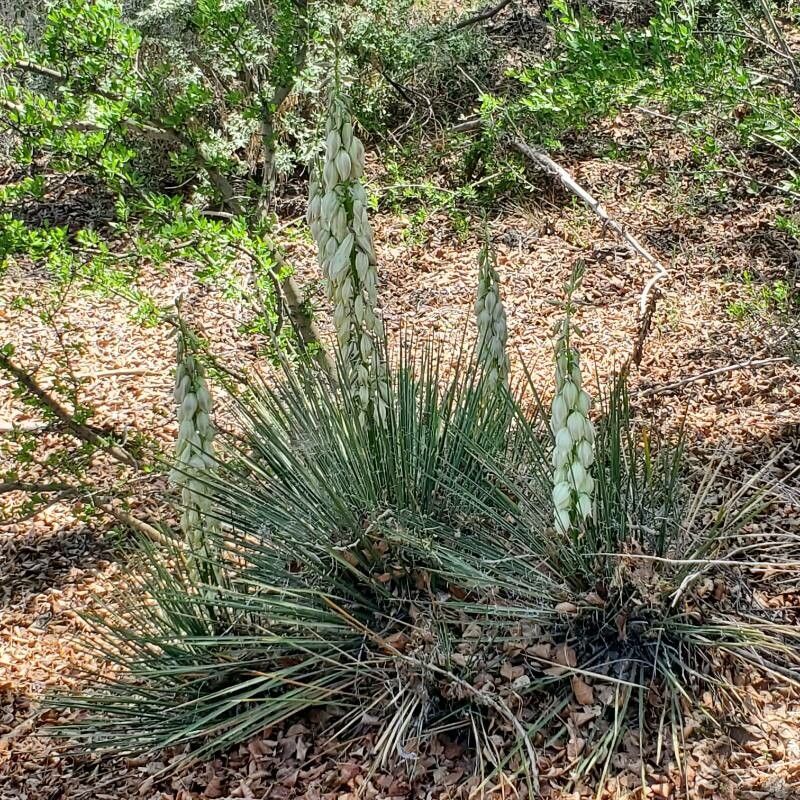
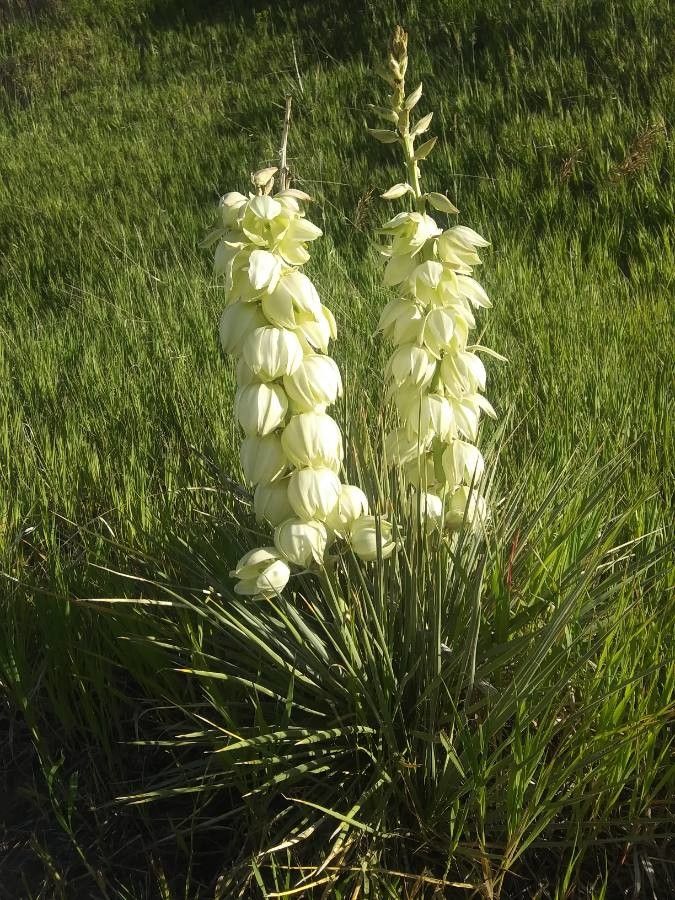
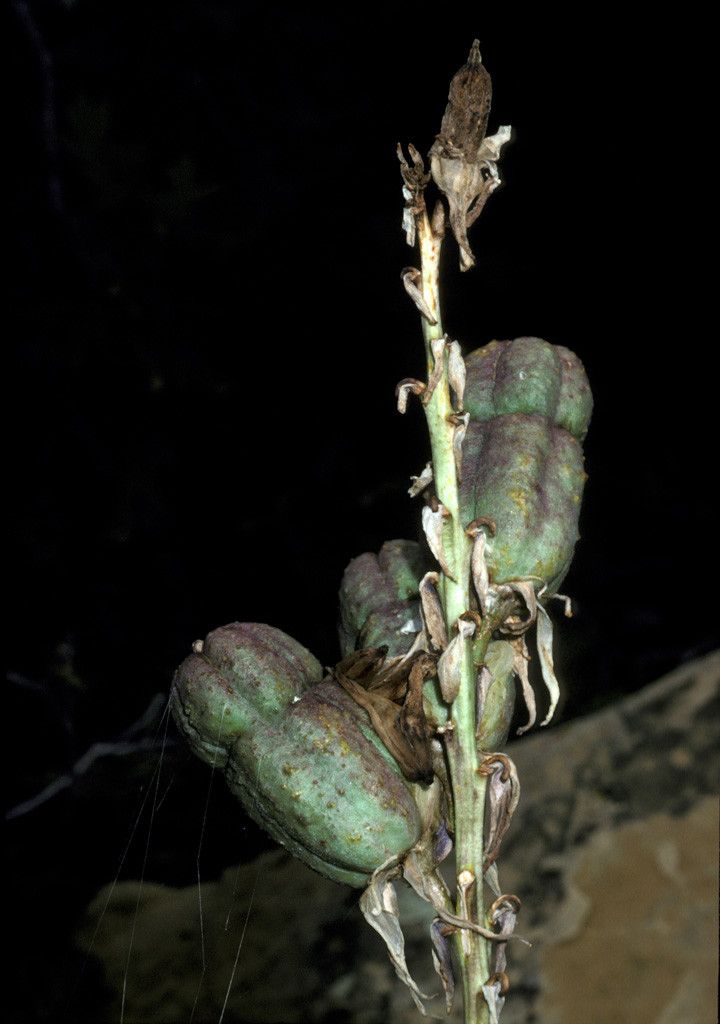
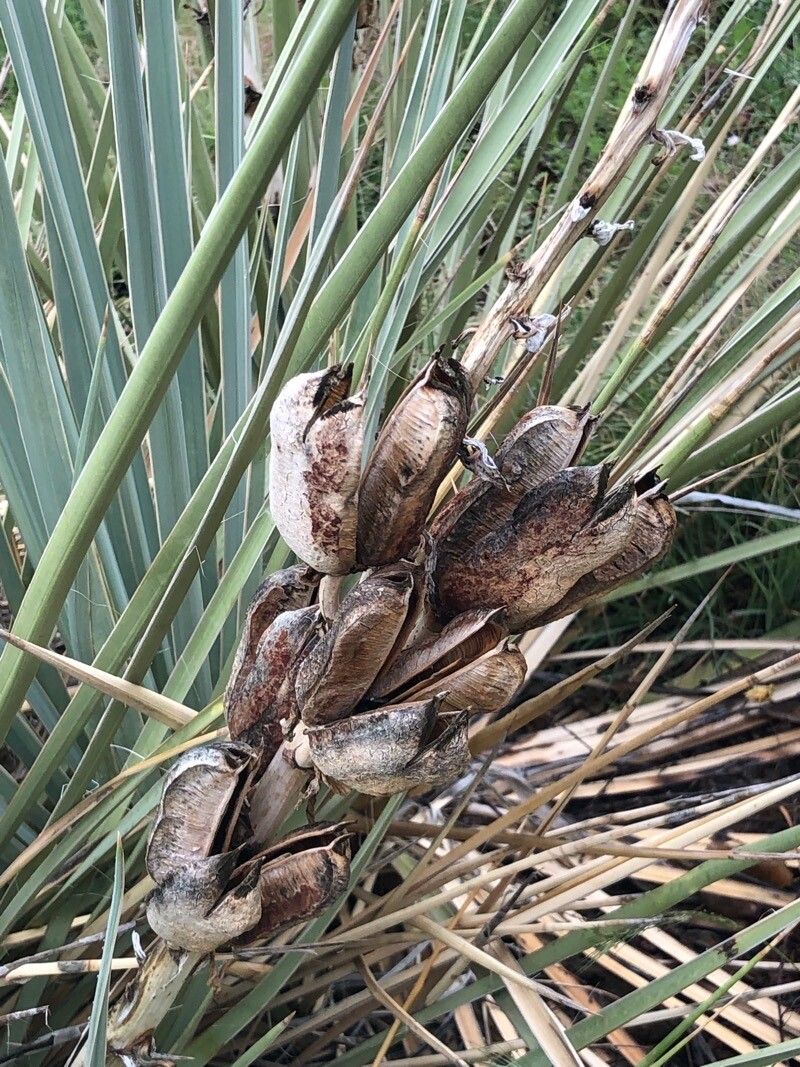
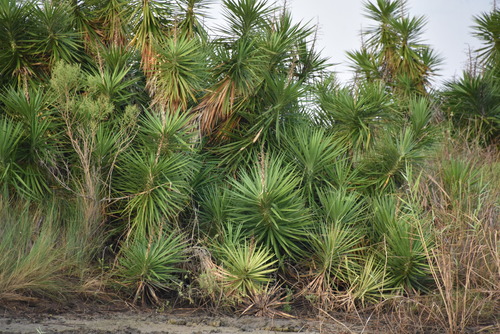
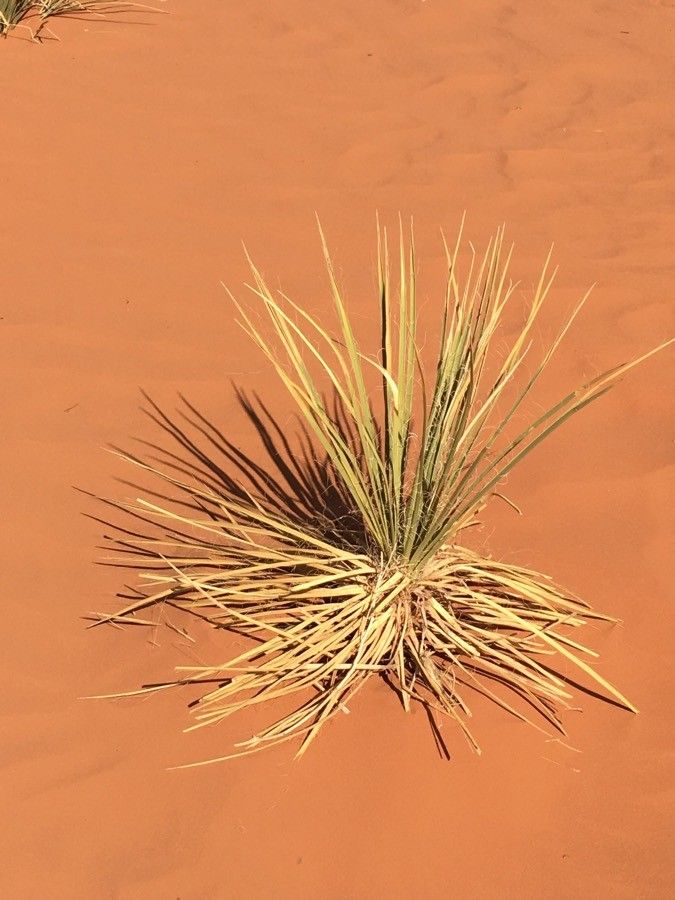
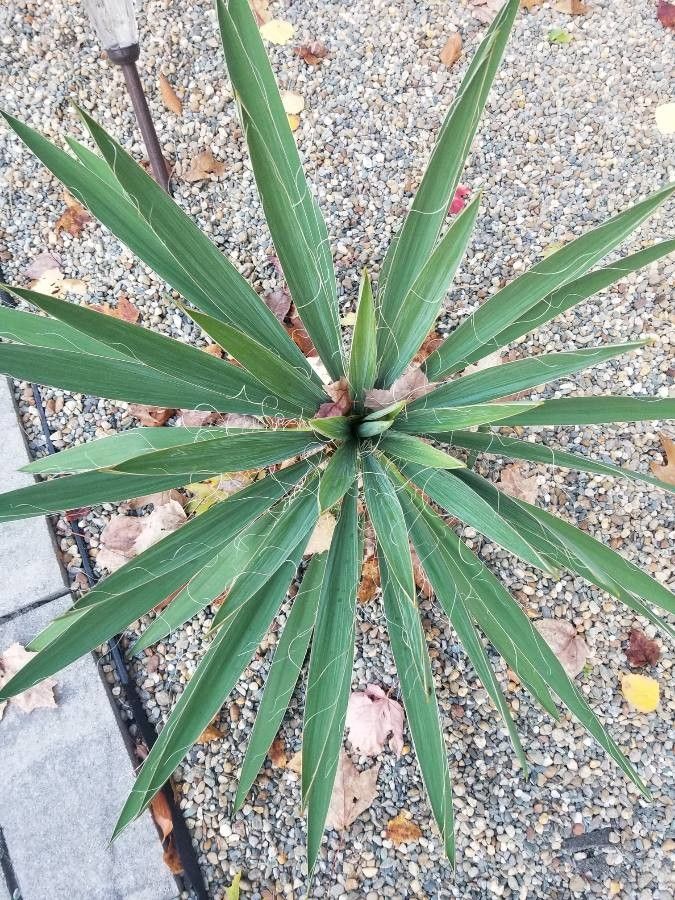
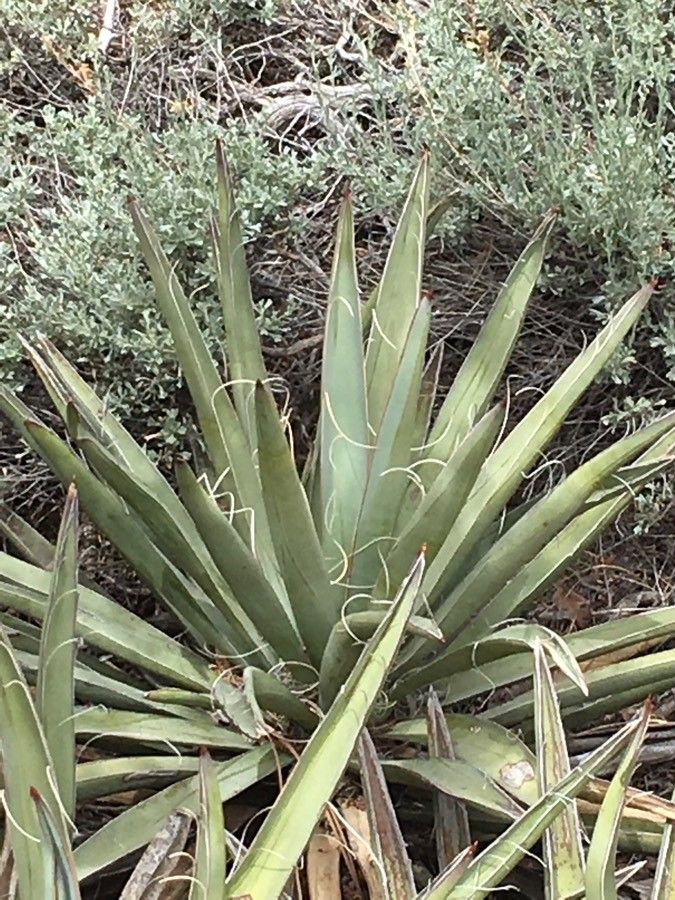
Yucca glauca (syn. Yucca angustifolia) is a species of perennial evergreen plant, adapted to xeric (dry)growth conditions. It is also known as small soapweed, soapweed yucca, Spanish bayonet, and Great Plains yucca. Yucca glauca forms colonies of rosettes. Leaves are long and narrow, up to 60 cm long but rarely more than 12 mm across. Inflorescence is up to 100 cm tall, sometimes branched sometimes not. Flowers are pendent (drooping, hanging downward), white to very pale green. Fruit is a dry capsule with shiny black seeds.
Small Soapweed has moderate disease resistance and can be prone to illnesses like leaf spot. Its vulnerability to insect pests differs by variety, but the majority are relatively weak against pests. Regarding care, Small Soapweed requires regular watering and fertilization, along with frequent removal of yellow leaves. It is essential to manage pests and diseases as they occur and to harvest the plant promptly. Small Soapweed is appropriate for people who can invest some time and effort in routine care.
How to keep Yucca Glauca.
Light
Small Soapweed grows best when it receives long periods of sunlight each day, but it can tolerate shorter amounts of light. Native to habitats with plentiful light, its growth is hindered in insufficiently lit conditions, causing reduced vigor and fewer flowers.
Water
Small Soapweed is well-suited for arid regions due to its high drought tolerance and ability to thrive with minimal moisture. Water it every 2-3 weeks, allowing the soil to dry out between waterings. This evergreen plant prefers full sun and has waxy leaves that help conserve water, enabling healthy growth in a range of temperatures.
Temperature
Small Soapweed is native to areas where temperatures range from 32 to 95 °F (0 to 35 ℃). It favors temperate conditions and, if temperatures rise above or fall below that range, it may need temperature adjustments to achieve optimal growth.
Fertilizer
Small Soapweed produces nitrogen naturally through its root system, lessening the need for supplemental fertilizers. Well-draining soils are appropriate, and depending on soil composition, fertilization may not be required. However, low potassium or phosphorus levels can impede successful growth, while nitrogen deficiency does not cause problems.
Pruning
Small Soapweed, characterized by its sharp leaves and tall flower spikes, thrives with attention to pruning, especially in early summer. To encourage new growth, remove any damaged leaves and trim the flower stalks after they have bloomed. However, prune only when necessary to prevent stressing the plant. This approach will also improve air circulation and sunlight exposure, promoting healthier growth.
Botanical profile.
- Plant Type
- Herb
- Life Cycle
- Perennial
- Genus
- Yucca
- Family
- Asparagaceae
- Hardiness Zone
- 3-10
- Mature Height
- 61 cm to 91 cm
- Mature Spread
- 61 cm to 91 cm
- Leaf Color
- Green, Blue, Gray
- Leaf Type
- Evergreen
- Flower Color
- White
- Flower Size
- 15.24 cm
- Bloom Time
- Late spring, Early summer, Mid summer
- Planting Time
- Spring, Summer
- Harvest Time
- Mid summer
Other names.
Reader questions.
What's the best way to water my Small Soapweed plant?
Misting is a good way to keep the leaves hydrated without making them too soggy. To prevent root rot, it's important to ensure there is good drainage. This plant is sensitive to fluoride, which is often found in public water supplies, and it doesn't tolerate hard water well, especially during its growing stages. It's best to use a watering can or a sprinkler with purified or distilled water. When watering, make sure to evenly cover the entire soil surface to prevent rotting stems. Instead of tap water, occasionally use distilled water to avoid plant death, leaf burn, or stunted growth. Rainwater can also be used when available. If the Small Soapweed is in a pot, keep the soil moist but not overly soggy. If it's planted in a garden, proper drainage is necessary, and allow the soil to completely dry before using a sprinkler or garden hose to prevent root rot and yellowing leaves. Some people use hydrogen peroxide as a treatment in the water, but this should only be done occasionally as a way to simulate rainwater. Installing a filtration system can also be beneficial for removing nitrates, salt, and lead from the water.
Why should I put fertilizer on my Small Soapweed?
Small Soapweed can be grown in various types of soil, as long as they have good drainage. The need for fertilization will depend on the soil content. In cases where the soil lacks adequate levels of potassium or phosphorus, it may not be able to support successful growth of Small Soapweed. However, if the soil is low only in nitrogen, this crop should thrive without the need for fertilizer.
What are the sunlight requirements for Small Soapweed?
Small Soapweed requires full sun, defined as more than 6 hours of sunlight daily, to thrive but can also grow in partial sun, which is about 3-6 hours of sunlight. It's essential to observe the sunlight patterns in your garden to find the best spots that provide the right balance of light and shade. This balance ensures the happiness and health of your Small Soapweed, allowing it to flourish.
What is the indigenous temperature range for Small Soapweed?
Small Soapweed is indigenous to regions with temperature ranges of 32 to 95 °F (0 to 35 °C). This plant thrives in temperate conditions and may require adjustments in temperature to achieve optimal growth if the surrounding temperatures exceed or drop below its preferred range. It is particularly important to maintain the temperature above 0°C during winter to prevent the plant from freezing damage. When outdoor temperatures approach -5°C (25°F) in winter, it is advisable to bring Small Soapweed indoors or to protect it by using a temporary greenhouse or wrapping the plant with materials like plastic film or fabric.
What should I do if I give Small Soapweed too much or too little water?
If you notice brown tips on your plants, it may be a sign that they are not getting enough water. Some plant species are particularly sensitive to boron and fluoride, which are often present in tap water. Overexposure to these minerals can cause the leaves to droop. Underwatering can also cause the stems to become wrinkled and the leaves to turn brown, crispy, and dry. In these cases, it is important to water the plants as soon as possible. On the other hand, overwatering can lead to root rot. If you observe mushy, fragile, or black roots, you should remove them from the soil. Trimming a larger portion of the root can be beneficial. Overwatering can also cause the leaves to turn brown and fall off prematurely. To assist the plant's recovery, drain excess water and allow the soil to dry before watering again. If root rot is evident, it is advisable to replace the soil, clean the pot thoroughly, and add pebbles for improved drainage. Additionally, discard any excess water from the base of the pot if you notice tan rings or reddish-brown spots on the leaves.
When should I fertilize my Small Soapweed for the best results?
To ensure optimal growth of Small Soapweed, it is recommended to use compost or manure during planting. Alternatively, a small amount of liquid fertilizer can be applied when seedlings start to emerge. However, it is generally advised to fertilize Small Soapweed only once throughout its growing cycle. For soil improvement, fertilizers rich in phosphorus and potassium can be added as an amendment one year before planting Small Soapweed.
How does Small Soapweed adapt to indoor and outdoor environments?
Originally from environments with ample light exposure, Small Soapweed thrives under extensive periods of sunlight each day but can adapt to shorter periods of light. Indoor plants, in particular, require adequate lighting to maintain optimal growth. When natural sunlight is insufficient, especially in less sunny spaces or winter, artificial lighting becomes necessary. LED lights are a popular choice for providing the specific wavelengths needed, with full sun plants requiring 30-50W/sq ft, partial sun plants 20-30W/sq ft, and full shade plants 10-20W/sq ft of artificial light.
How does Small Soapweed react to temperatures below its comfortable range, and what are the solutions?
Small Soapweed has a moderate tolerance to low temperatures and thrives best within a range of 0°C to 35°C. During winter, keeping it above -30°C is essential. When the temperature falls below -35°C, the leaves may darken and exhibit signs like water-soaked necrosis, wilting, and drooping, eventually turning brown in severe cases. To address this, frost-damaged parts should be trimmed away, and the plant should be moved indoors to a warmer environment or placed in a makeshift greenhouse for protection. It's beneficial to position the plant near a south-facing window for ample sunlight when indoors, and if there's insufficient light, supplemental lighting can be used.
How often should I water my Small Soapweed?
The Small Soapweed is a tough plant that can withstand drought. To care for it, water it only when the soil is completely dry, which is typically every 1-2 weeks, especially if it's planted in a pot. When watering, be sure to water generously until the water begins to drain from the pot's holes. After an hour, remove any excess water from the saucer and avoid letting it sit in water. If you have the Small Soapweed planted in your garden, consider the amount of rainfall it's receiving. It's important to provide proper irrigation to avoid saturating the roots. In areas with frequent rain or monsoons, water the plant once every 2 weeks.
When should I not add fertilizer to my Small Soapweed?
To prevent harm to the environment, it is advisable not to use excessive chemical or natural fertilizers on Small Soapweed, especially those containing nitrogen. It is generally recommended to use a gentle approach when fertilizing this plant. In fact, if possible, it is best to avoid fertilizing Small Soapweed altogether. This way, you can still have a fruitful harvest while saving time and effort by skipping an extra step in the growing process.
What are the symptoms of light deficiency in Small Soapweed?
When grown indoors or under inadequate light conditions, Small Soapweed may exhibit several subtle symptoms. These include smaller new leaves, leggy or sparse growth, faster leaf drop, slower or no new growth, lighter-colored new leaves, chlorosis, sunscald, leaf curling, wilting, and leaf scorching. These symptoms can weaken the plant, making it more susceptible to damage and disease. Properly diagnosing these signs early can help in taking corrective action to improve the plant's health.
How does Small Soapweed respond to high temperatures, and what solutions are recommended?
During the summer, it's important to keep Small Soapweed's temperature below 35°C. Exceeding 41°C can slow down the plant's growth, lighten the color of its leaves, and increase susceptibility to sunburn. In such cases, sunburned and dried-up parts should be trimmed away. The plant should then be moved to a shaded location, especially away from the afternoon sun, and watered in the morning and evening to maintain soil moisture. These steps help in mitigating the effects of high temperatures on Small Soapweed.