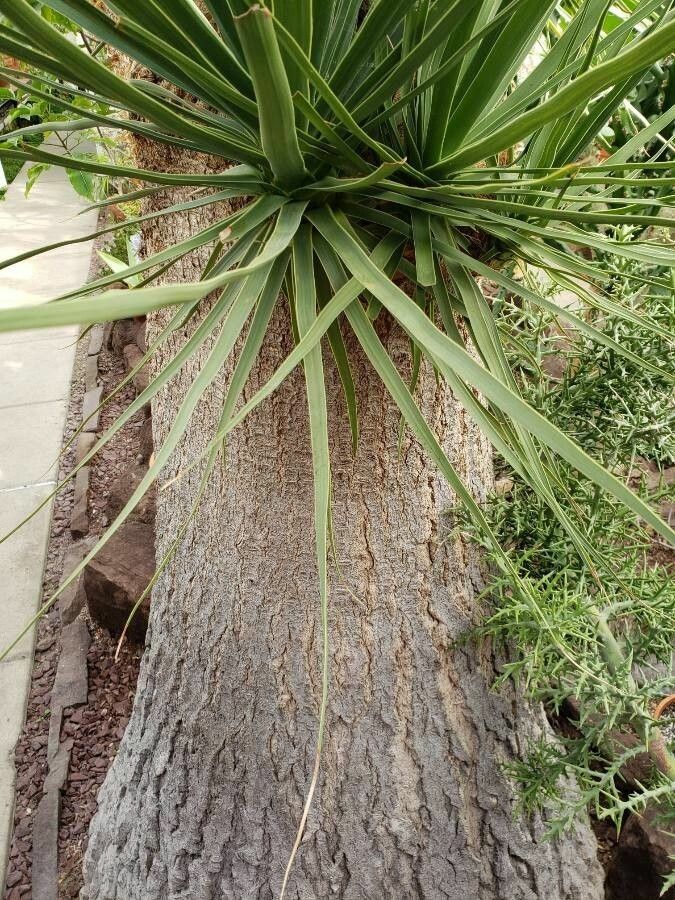
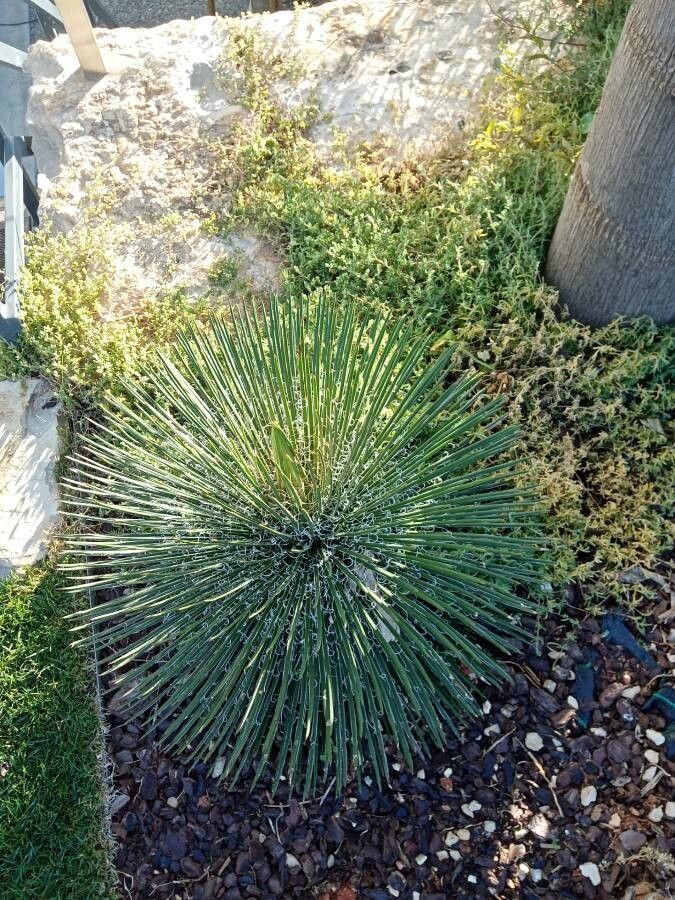
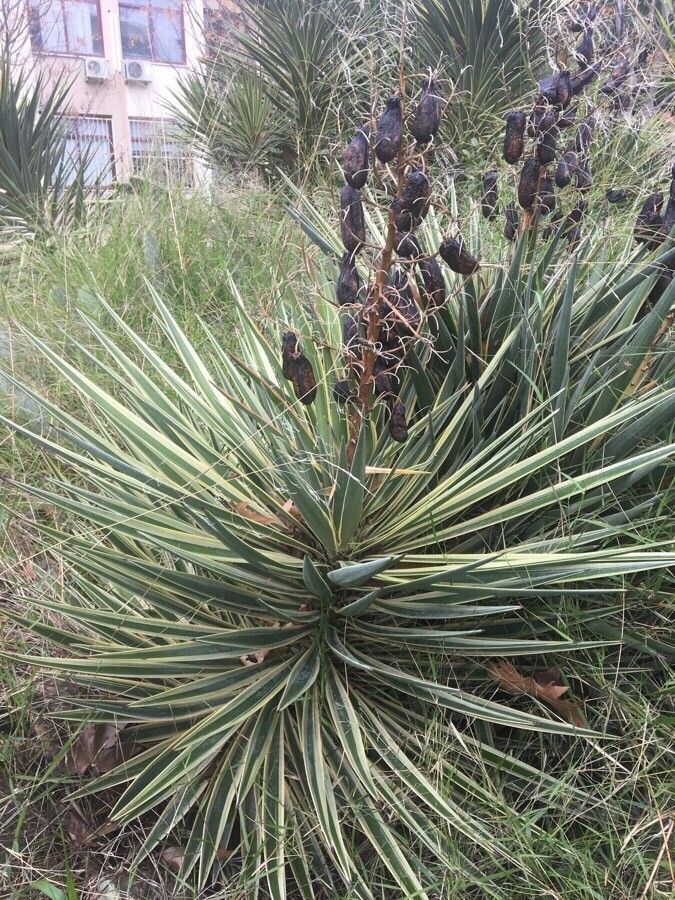
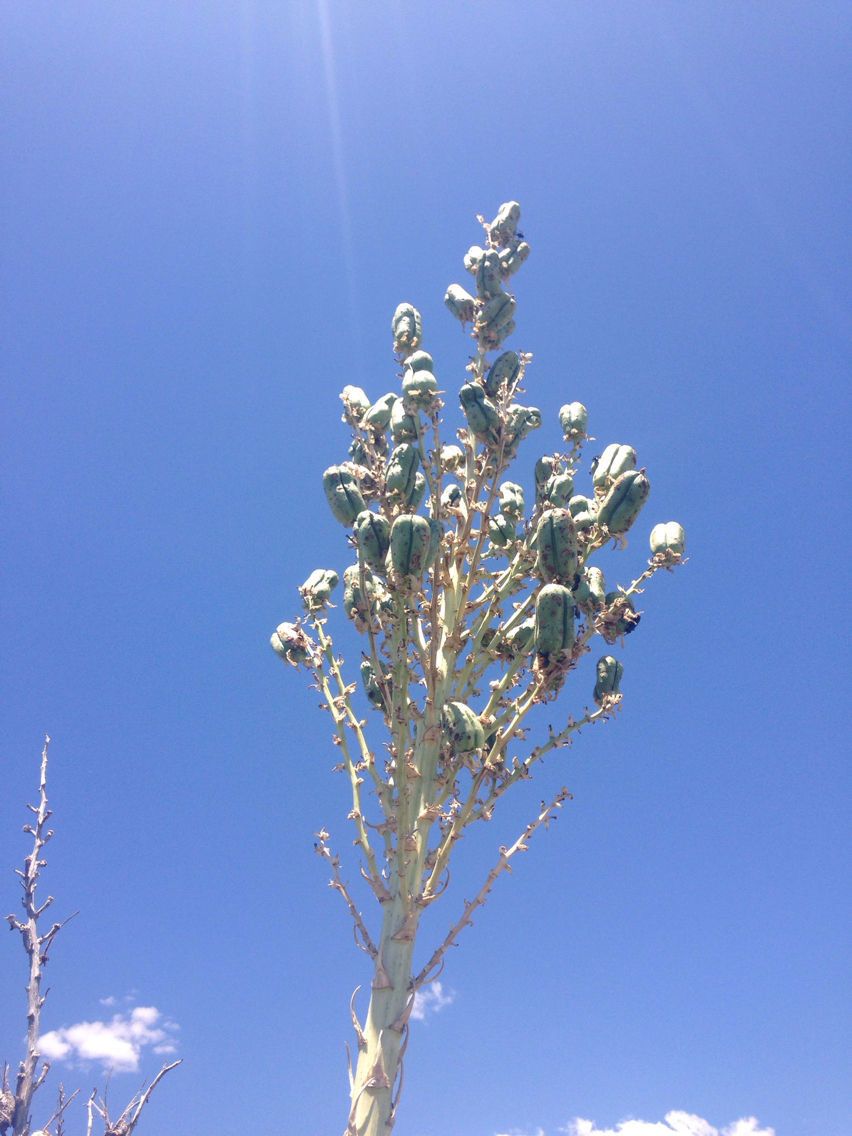
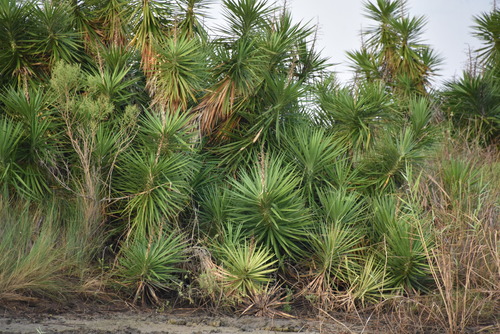
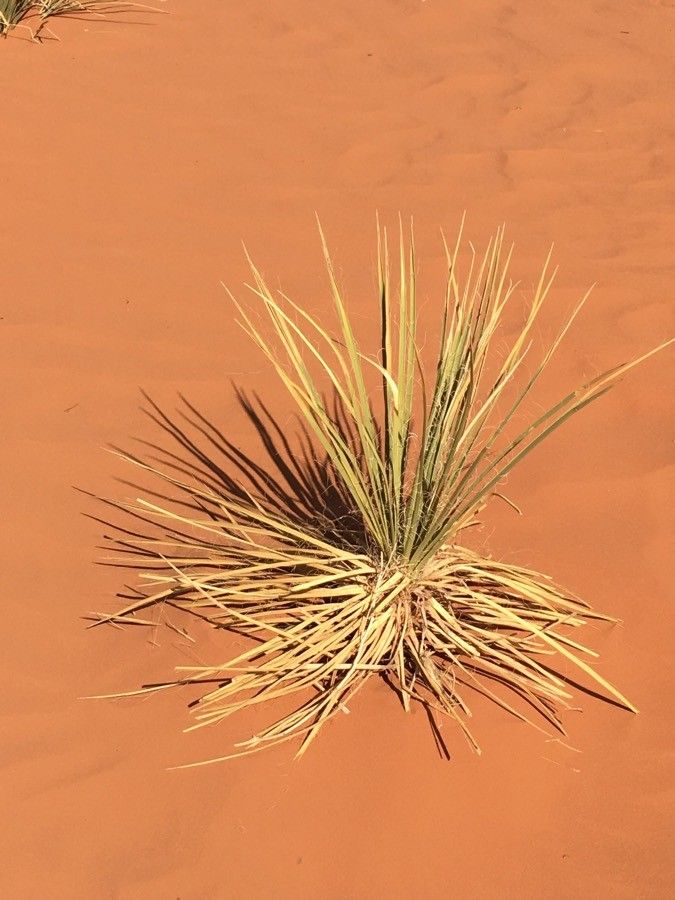
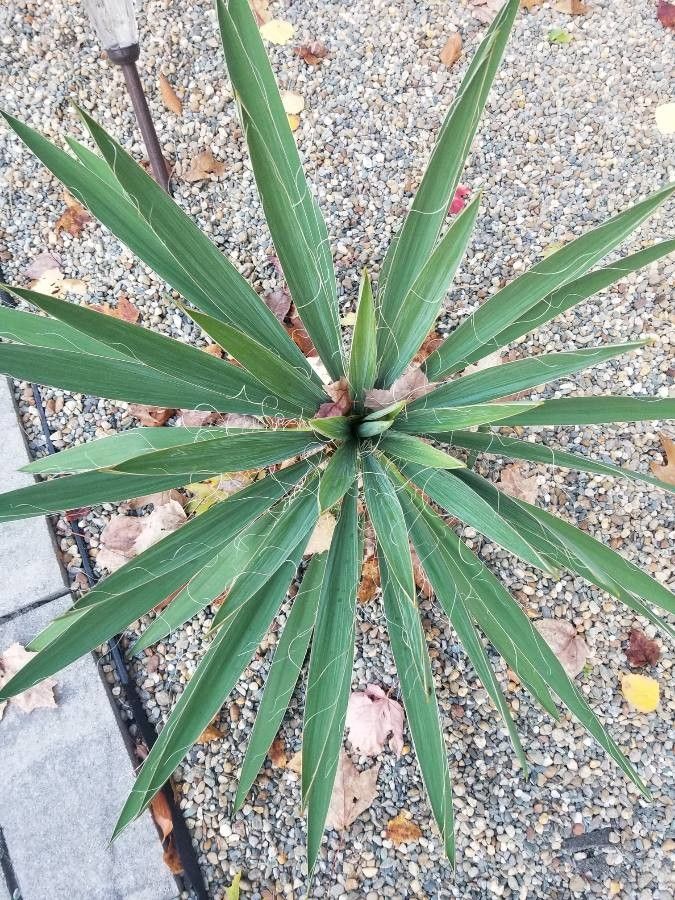
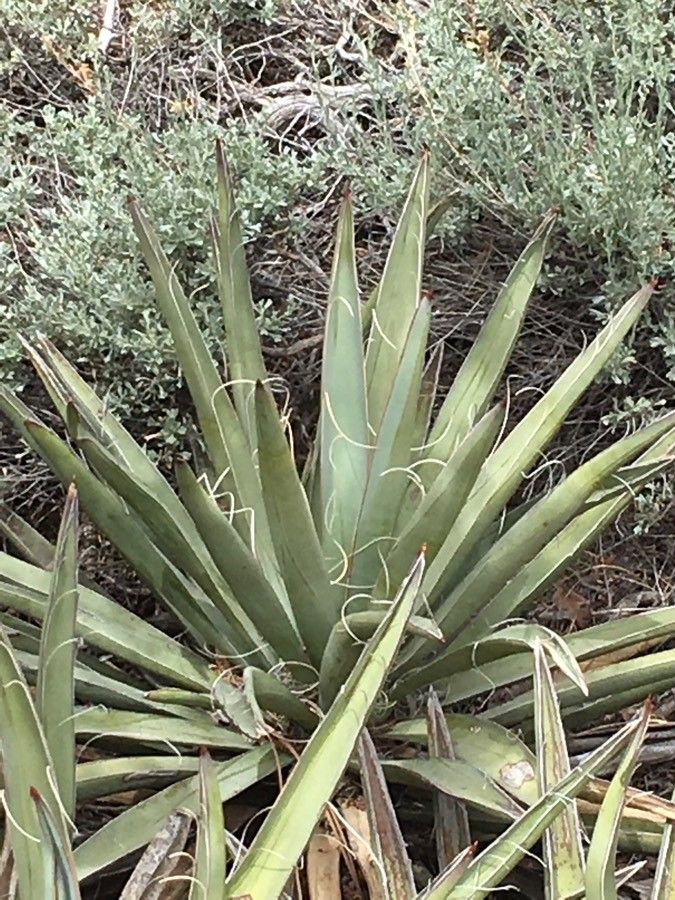
Yucca elata, commonly known as the soaptree yucca, is a perennial plant belonging to the Asparagaceae family. Native to the southwestern United States and northern Mexico, this plant thrives in arid and semi-arid regions. It typically grows up to 5 meters tall, with a trunk that can reach up to 30 centimeters in diameter. The leaves are long, narrow, and end in sharp tips, growing up to 90 centimeters in length and 2-3 centimeters in width.
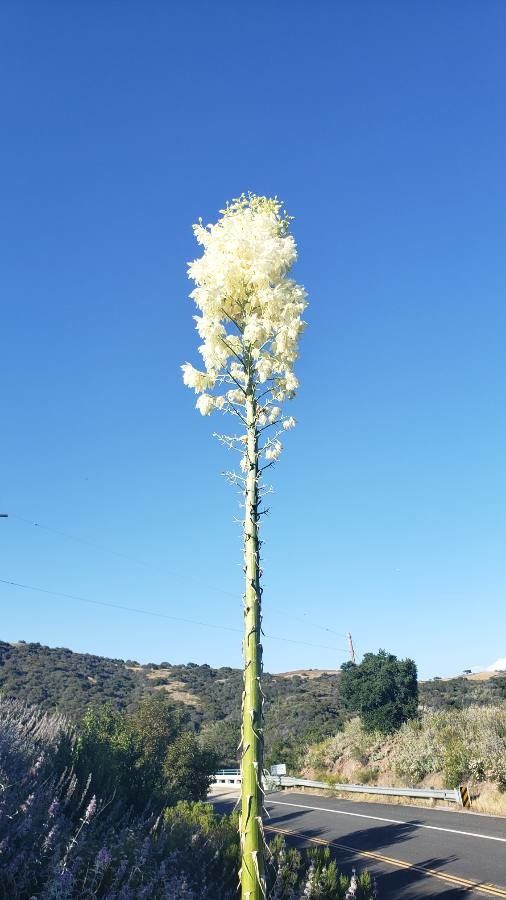
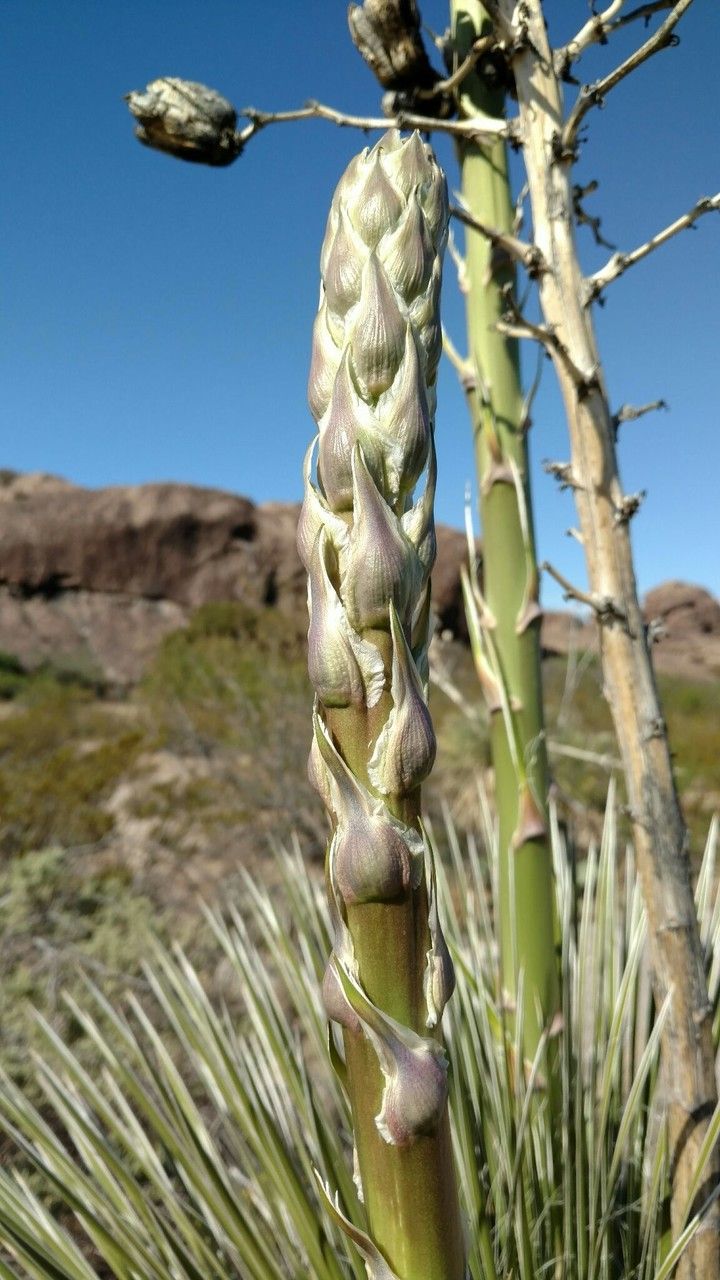
In late spring or early summer, the soaptree yucca produces large clusters of white flowers on tall stalks. These flowers are pollinated at night by moths that feed on their nectar.
Native Americans have used the soaptree yucca for various purposes, including as a food source, medicinal remedy, and fiber for weaving baskets, clothing items like sandals, and belts.
Yucca elata is a hardy plant capable of withstanding extreme temperatures, from -20°C (-4°F) in winter to +50°C (122°F) in summer. It prefers well-drained soils but can also grow in sandy soils with low fertility.
Overall, Yucca elata is a fascinating species of desert flora known for its unique appearance and cultural significance among Native American tribes. Its numerous practical uses, such as food and medicinal properties, make it an important part of their culture even today.
Soaptree yucca displays strong resistance to disease and is generally not prone to ailments. In terms of care, this plant is fairly low-maintenance. When grown outdoors it needs minimal watering, and larger specimens typically do not require pruning. Smaller plants, however, should be pruned after they bloom. Soaptree yucca is suitable for anyone with an outdoor area, such as a garden or deck, and does not demand extensive plant-care experience.
How to keep Yucca Elata.
Light
The soaptree yucca tends to favor regularly receiving strong daytime sunlight, which promotes its best growth. Its native habitat, largely defined by plentiful sunshine, requires ample sun during its growth stages. Ignoring these light needs can cause harmful effects ranging from stunted growth to dull flowering. At the extreme end, too much sun can also result in faded or burned leaves.
Water
Soaptree yucca is well-suited to arid environments, thriving with very little moisture and showing a high tolerance for drought. Native to desert regions, it only needs watering every 2-3 weeks. Its efficient root system makes the soaptree yucca an excellent choice for xeriscaping or dry gardens.
Temperature
Soaptree yucca occurs naturally in habitats with temperatures between 68 and 100 °F (20 to 38 ℃). It prefers warm conditions and may require temperature adjustments during extreme seasonal shifts. Care should be taken to prevent it from being exposed to excessively cold winters.
Fertilizer
The best time to fertilize a Soaptree yucca is in early spring as it comes out of dormancy. This supports overall growth and flower development. Fertilizing improves the foliage, stems, and branches, and encourages flowers that are large, vibrant, and long-lasting. It helps move nutrients from the roots to the flowers and enhances the plant's health and disease resistance.
Pruning
The soaptree yucca is characterized by its tall, narrow leaves and a prominent central spike. To encourage healthy growth, prune it from early to late spring. Use clean tools to remove any dead or diseased parts. Pruning helps maintain the plant's shape, reduces pests, enhances blooming, and adds longevity and visual appeal to your garden.
Botanical profile.
- Plant Type
- Tree
- Life Cycle
- Perennial
- Genus
- Yucca
- Family
- Asparagaceae
- Hardiness Zone
- 9-11
- Mature Height
- 1.22 m to 4.57 m
- Mature Spread
- 2.44 m to 3.05 m
- Leaf Color
- Green, Blue, Gray, Variegated
- Leaf Type
- Evergreen
- Flower Color
- White
- Flower Size
- 5.08 cm to 10.16 cm
- Bloom Time
- Early summer, Mid summer
- Planting Time
- Spring
- Harvest Time
- Late summer, Early fall, Mid fall
- Native Area
- Mexico
Other names.
Reader questions.
How should I water my Soaptree yucca plant in the best way?
Misting can help keep the leaves hydrated without making them too saturated. To prevent root rot, it's important to ensure that there is good drainage. This particular plant can be sensitive to fluoride, which is often found in public water supplies, and it also doesn't tolerate hard water well, especially during its growth stages. It's best to use a watering can or sprinkler with purified or distilled water. When watering, be sure to evenly distribute the water across the entire surface of the soil to prevent stem rot. Using distilled water occasionally is recommended to avoid plant death, leaf burn, or stunted growth instead of tap water. If possible, utilizing rainwater is also a good option. If the Soaptree yucca is potted, keep the soil moist but not too saturated. For outdoor garden planting, proper drainage is crucial. Allow the soil to completely dry before using a sprinkler or garden hose, as this can cause root rot and yellowing leaves. Some people use hydrogen peroxide occasionally in their water as a treatment to mimic rainwater, but this is not recommended for regular use. Additionally, installing a filtration system can be beneficial for removing nitrates, salt, and lead from the water.
Why should I add fertilizer to my Soaptree yucca?
Soaptree yucca plants require regular fertilization because their showy leaves need a lot of energy to develop and maintain. The challenge lies in allocating enough energy not only for the leaves but also for the growth of stems, branches, roots, and other important structures. Neglecting fertilization can lead to two likely outcomes. Firstly, the leaves may lose their natural color and texture, looking unhealthy and detracting from the plant's ornamental appeal. Secondly, the plant's overall growth may slow down or produce weak growth that is susceptible to breakage.
What are the sunlight requirements for a Soaptree Yucca?
The Soaptree Yucca requires full sun, meaning it should receive above 6 hours of sunlight daily, but it can also tolerate partial sun, about 3-6 hours of sunlight. It's crucial to observe how sunlight moves through your garden to identify spots that offer the perfect balance of light and shade for your plants, ensuring they thrive. The native habitat of Soaptree Yucca consists largely of environments with abundant sunlight, making it essential for the plant to get plenty of sun during its growth stages. Lack of sufficient sunlight can lead to issues such as stunted growth or lackluster blooms, while too much sun exposure might result in leaf damage.
What is the native environment of Soaptree yucca?
Soaptree yucca thrives in warm climates, native to environments where temperatures range between 68 to 100 °F (20 to 38 °C). It is extremely heat-loving and does not tolerate cold temperatures well. During the colder months, specifically in the autumn, it is advised to bring outdoor-grown Soaptree yucca indoors. Placing it near a bright window while ensuring it's not too close to heaters helps maintain the necessary warmth, ideally keeping temperatures above 20°C. It's critical to protect the plant from temperatures that approach 0°C to avoid cold damage.
What should I do if I give too much/too little water to the Soaptree yucca plant?
Here are some signs to look for if your plants are not getting enough water: brown tips on the plant and drooping leaves, which may indicate an excess of boron and fluoride from tap water. When the Soaptree yucca is underwatered, its stems may also appear wrinkled, and the leaves can turn brown, crispy, and start to dry out. If this happens, it's important to water the plant promptly. On the other hand, overwatering can lead to root rot, characterized by mushy, fragile, and black roots. In such cases, it's necessary to remove the damaged roots by cutting off a larger portion. Overwatering can also cause the leaves to turn brown and fall off prematurely. To help the plant recover, drain the excess water and allow the soil to dry before watering again. If there are signs of root rot, dispose of the soil and clean everything thoroughly. Additionally, placing pebbles in the pot can aid in proper drainage. Finally, if you notice tan rings or reddish-brown spots on the leaves, be sure to discard any excess water accumulated at the base of the pot.
When should I fertilize my Soaptree yucca plant?
To ensure the health of your Soaptree yucca, it is best to provide occasional feedings rather than sticking to a fixed schedule. One convenient way to fertilize this plant is to apply fertilizer whenever you water it. Additionally, it is important to water your Soaptree yucca regularly during the growing season. A feeding every two to three weeks is recommended throughout the time that the plant is actively growing.
How can artificial lighting support Soaptree Yucca's growth indoors?
Indoor Soaptree Yuccas require adequate lighting for optimal growth, especially in conditions where natural sunlight is insufficient, like during winter. Artificial lighting plays a critical role in promoting faster, healthier growth under these circumstances. LED lights are preferred due to their ability to be customized, providing specific wavelengths of light needed by plants. Full sun plants require 30-50W/sq ft, partial sun plants need 20-30W/sq ft, and full shade plants require 10-20W/sq ft of artificial light. The light source should be positioned 12-36 inches above the plant to mimic natural sunlight, ensuring the plant receives 8-12 hours of light per day.
How does low temperature affect Soaptree yucca and what are the solutions?
Low temperatures are detrimental to Soaptree yucca, with the plant preferring temperatures above 20°C and requiring it to be kept above 0°C during winter. Exposure to temperatures below -5°C can cause the leaves to lighten in color, with frost damage leading to browning or blackening, wilting, and drooping. The solution to frost damage includes trimming off the affected parts and moving the plant to a warm environment indoors immediately. It's beneficial to place the Soaptree yucca near a south-facing window for ample sunlight while avoiding proximity to heaters or air conditioning vents to prevent air dryness.
How often do I need to water my Soaptree yucca plant?
The Soaptree yucca is a tough species that can tolerate drought. If you have it in a pot, water it every 1-2 weeks when the soil is completely dry. Water generously until you see water coming out of the drainage holes. Remember to remove any water in the saucer after an hour. When planted in your garden, consider the amount of rainfall the plant is receiving. The roots don't like to sit in water, so make sure you have proper irrigation. In tropical areas with lots of rain and monsoons, water it once every 2 weeks.
When is it best to not add fertilizer to my Soaptree yucca plant?
For most of the year, you can follow a regular fertilization schedule for your Soaptree yucca. This includes the active growing season of spring, summer, and early fall. However, during winter, it is important to avoid fertilizing the plant. During this time, the Soaptree yucca enters a dormant growth phase, where little to no new growth occurs. As a result, the plant requires less energy, and fertilization is not necessary.
What symptoms indicate insufficient light for Soaptree Yucca?
Symptoms of insufficient light in Soaptree Yucca include smaller new leaves compared to mature ones, leggy or sparse growth, faster leaf drop, slower or no new growth, and lighter-colored new leaves. These symptoms are noticeable when the plant is cultivated indoors in rooms with inadequate lighting, especially during winter. Additionally, overexposure to sunlight can lead to chlorosis—where leaves lose their green color and turn yellow—sunscald, leaf curling, wilting, and leaf scorching.
What impact does high temperature have on Soaptree yucca and how can it be mitigated?
High temperatures above 38°C, and especially exceeding 43°C, can negatively affect Soaptree yucca by causing the leaves to lighten in color and making the plant more susceptible to sunburn. To mitigate damage from excessive heat, it's advisable to trim any sunburned or dried-up parts of the plant. Relocating the plant to an area that provides shade during the midday and afternoon sun will help protect it. Additionally, watering the plant in the morning and evening helps keep the soil moist and supports the plant's well-being in high temperatures.