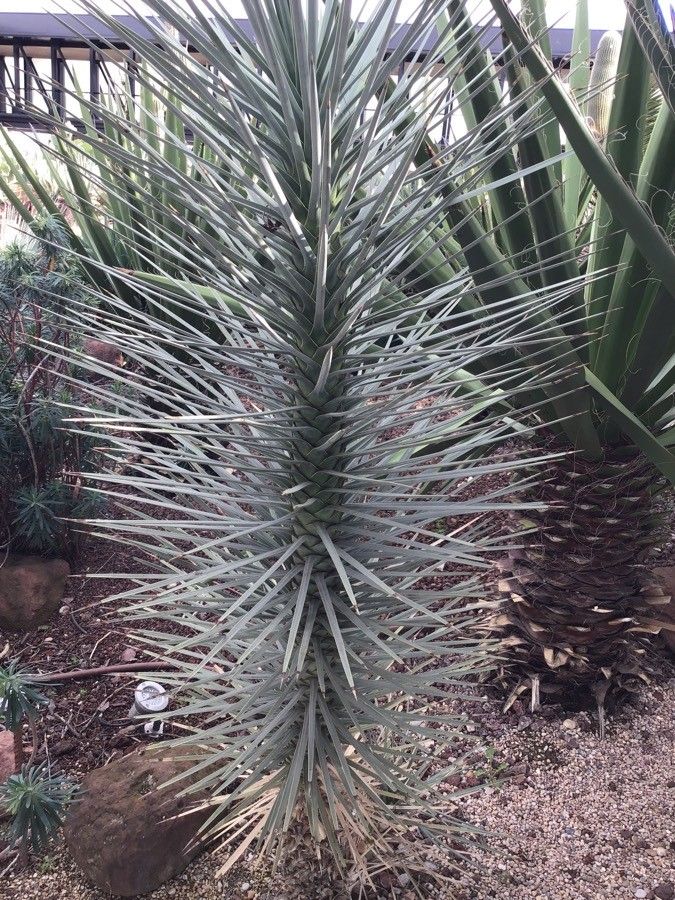
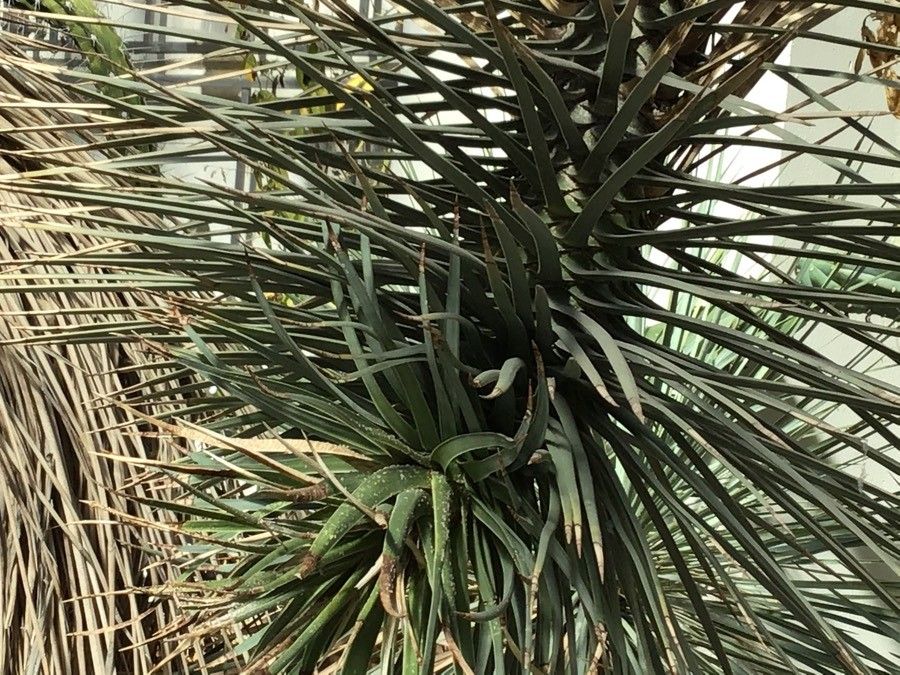
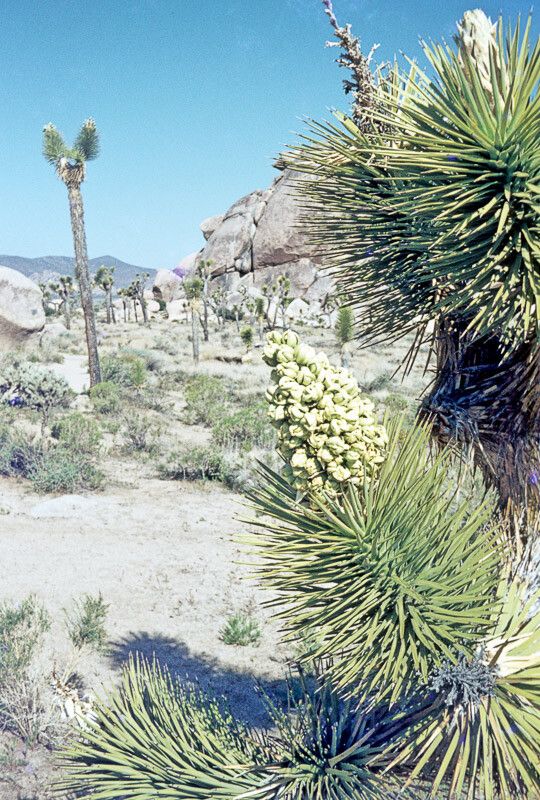
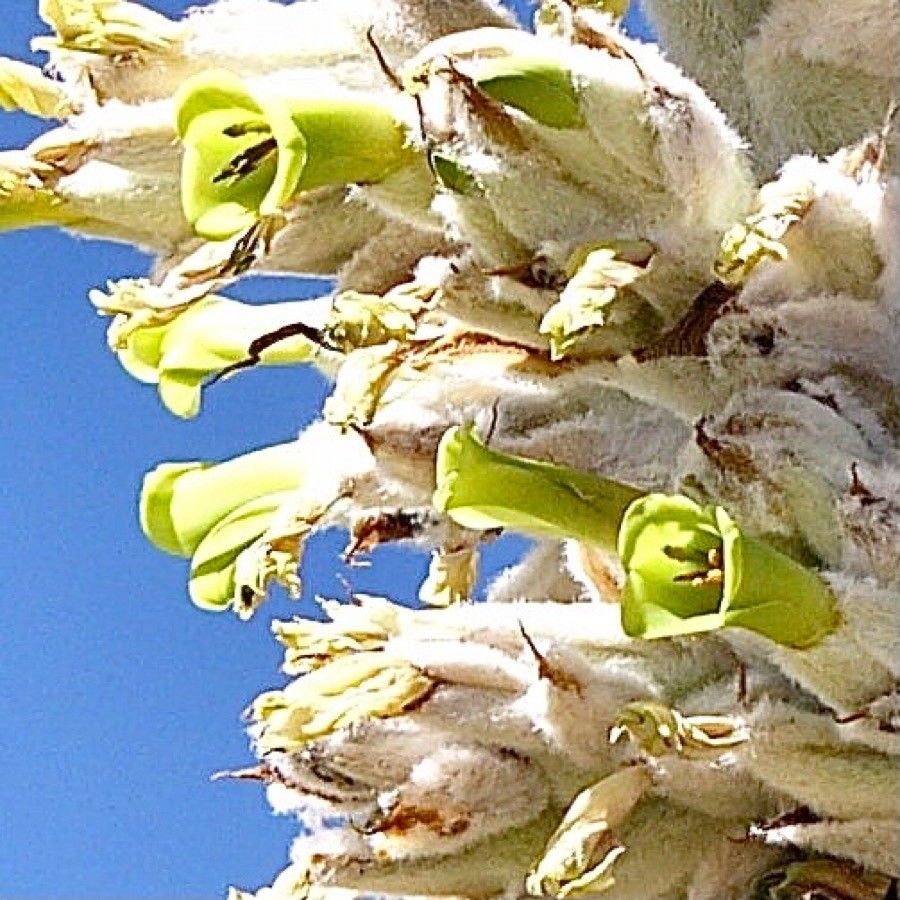
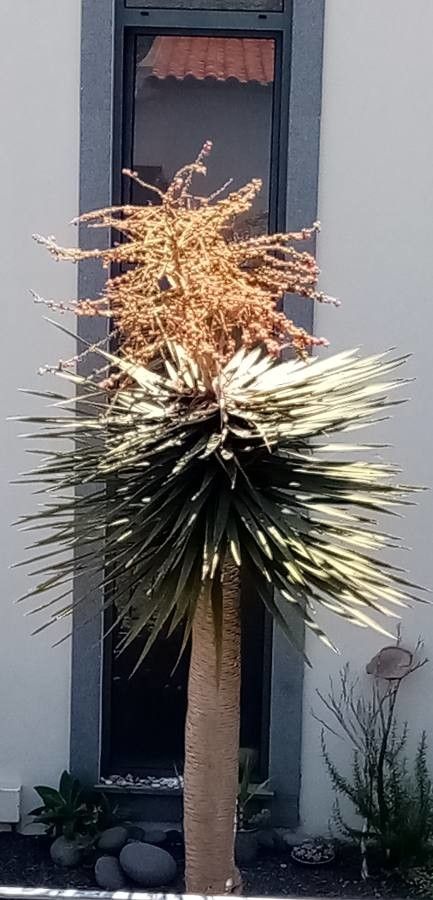
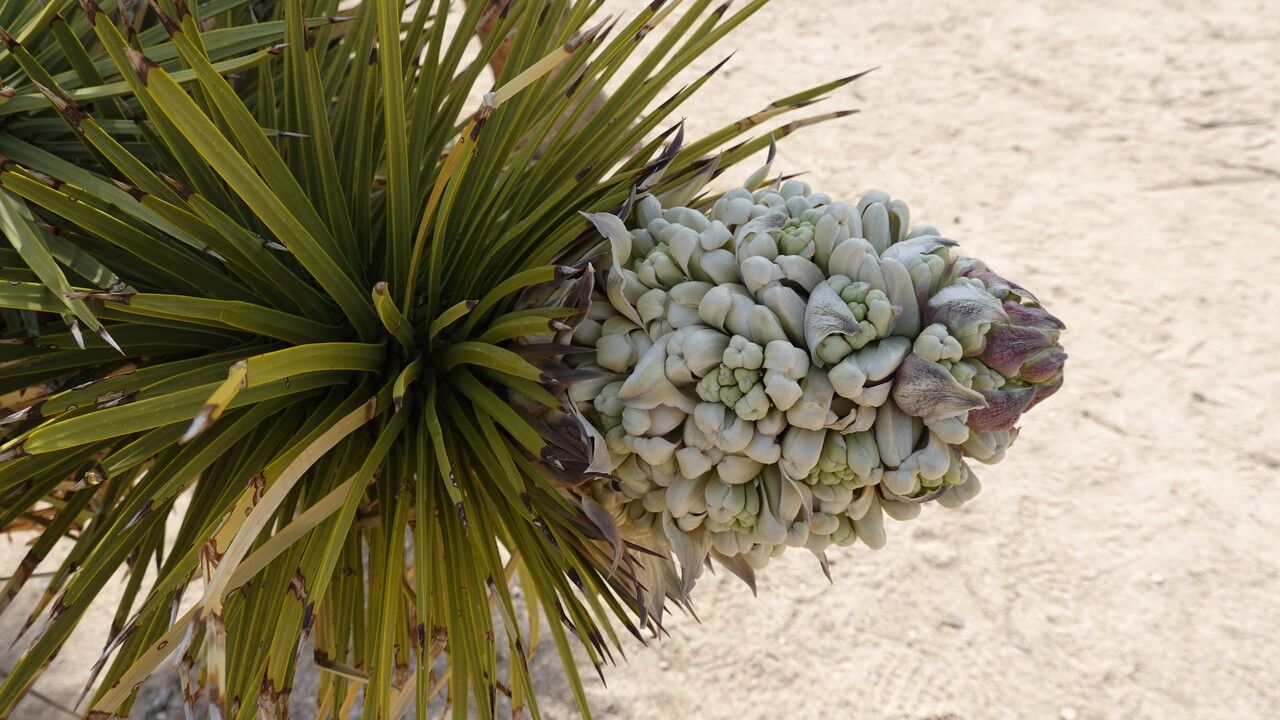
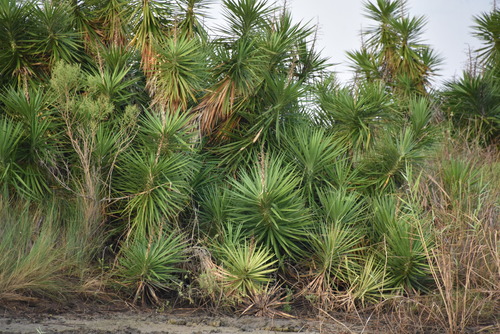
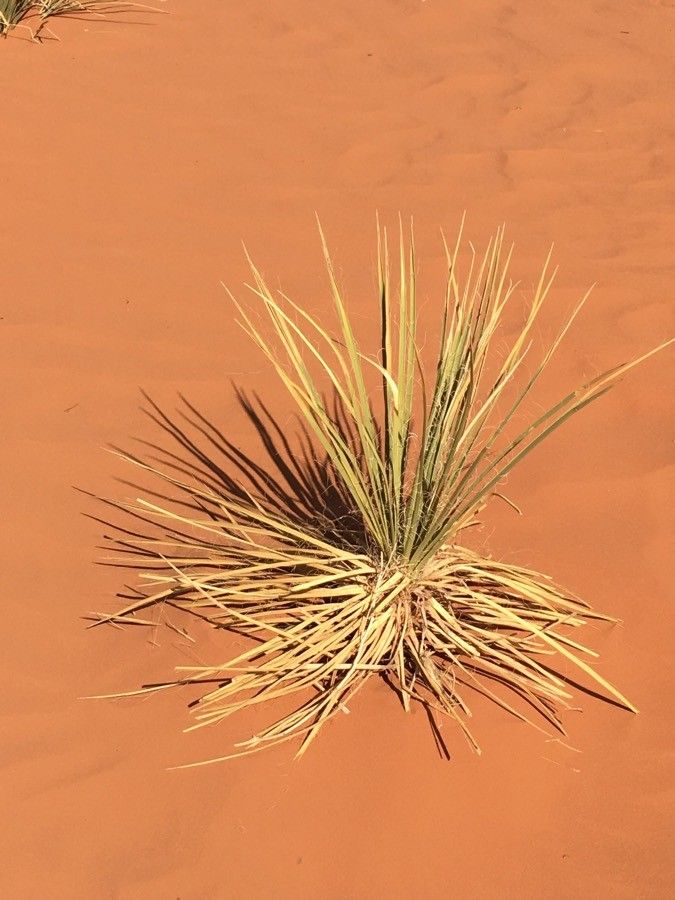
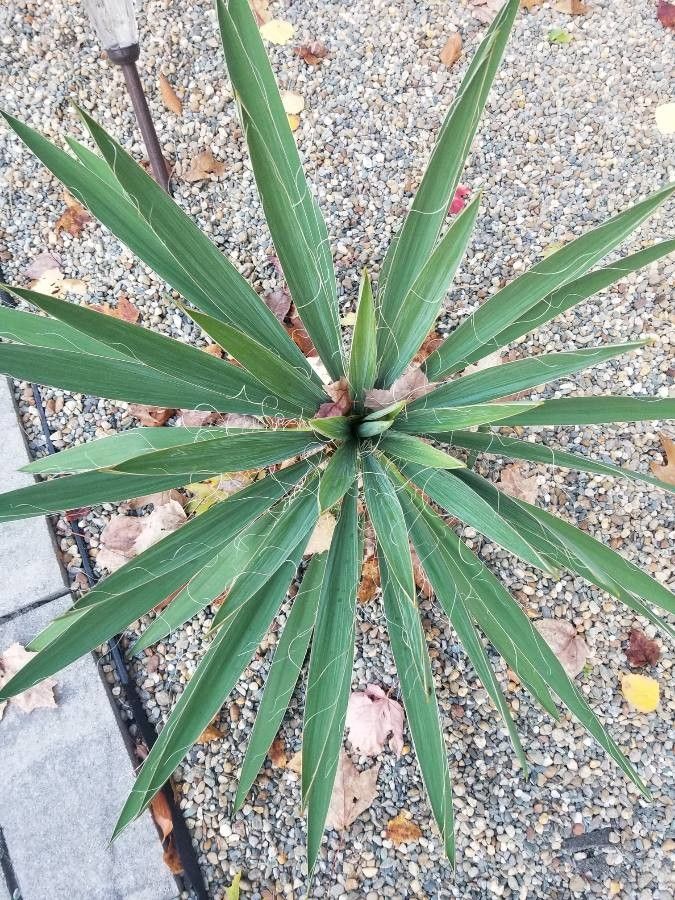
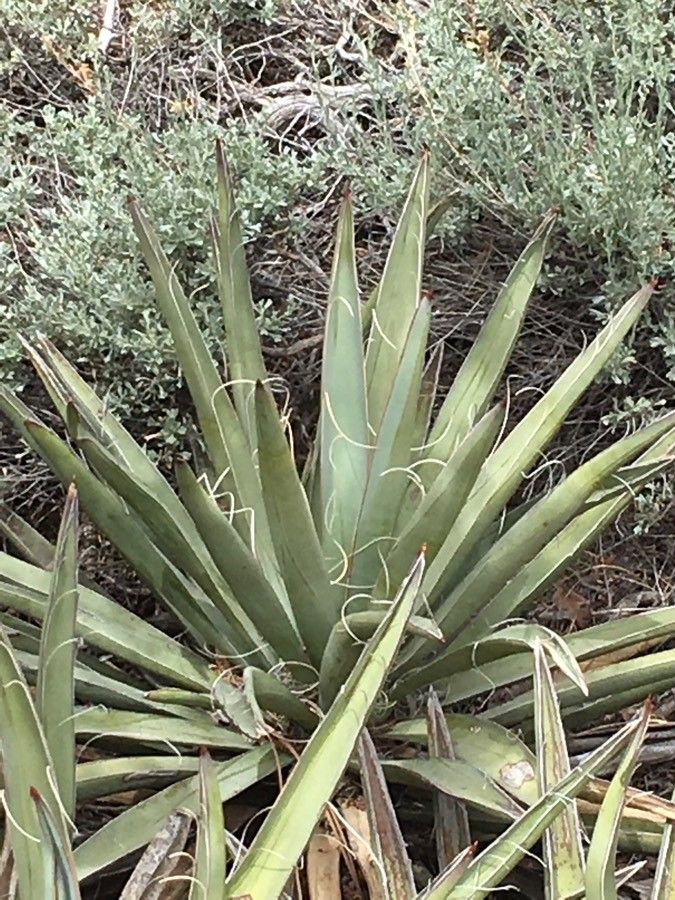
Yucca brevifolia is a plant species belonging to the genus Yucca. It is tree-like in habit, which is reflected in its common names: Joshua tree, yucca palm, tree yucca, and palm tree yucca. This monocotyledonous tree is native to the arid Southwestern United States, specifically California, Arizona, Utah, and Nevada, and to northwestern Mexico It is confined mostly to the Mojave Desert between 400 and 1,800 m (1,300 and 5,900 ft) elevation. It thrives in the open grasslands of Queen Valley and Lost Horse Valley in Joshua Tree National Park. Other regions with large populations of the tree can be found northeast of Kingman, Arizona in Mohave County; and along U.S. 93 between the towns of Wickenburg and Wikieup, a route which has been designated the Joshua Tree Parkway of Arizona. The common name Joshua tree apparently comes from Christian iconography.
Joshua Tree exhibits strong disease resistance and is generally not susceptible to illnesses. In terms of care, this plant is fairly low-maintenance. When grown outdoors it needs only minimal watering, and larger plants typically do not require pruning. Smaller plants, however, should be pruned after they have finished blooming. Joshua Treet is suitable for anyone with an outdoor area, such as a garden or deck, and does not demand much gardening experience.
How to keep Yucca Brevifolia.
Light
The Joshua tree thrives in abundant sunlight commonly found in open areas. It does well with substantial light for most of the day, yet can tolerate periods of somewhat reduced sunlight. Insufficient light may lead to stunted growth, while excessive light could potentially cause leaf scorching.
Water
The Joshua Tree, native to arid regions, thrives with minimal watering needed every 2-3 weeks due to its remarkable ability to store water, which enhances its drought tolerance. It prefers well-draining soil that resembles its natural sandy habitat, allowing it to effectively regulate moisture and making it well-suited for desert climates.
Humidity
This plant prefers dry conditions, so don't mist it. However, watering it less often can also thrive in higher humidity.
Temperature
Joshua Tree originates from climates with temperatures between 50 and 95 °F (10 and 35 ℃). The plant prefers temperate conditions and adapts to seasonal changes. Aim to keep it within this temperature range when caring for it, and provide protection during colder periods.
Fertilizer
Timing is essential when fertilizing a Joshua tree. Fertilize in early spring and continue monthly through early summer. Fertilizer promotes attractive blooms and supplies energy during both dormant and active growth phases.
Pruning
The Joshua Tree, recognized for its tall and spiky structure, thrives in dry climates. For optimal results, prune during the winter, paying special attention to removing dead limbs and reducing overcrowding to improve airflow and light exposure. This practice not only promotes the tree's health and enhances its appearance but also helps prevent pest infestations. Remember to use clean, sharp tools for pruning.
Botanical profile.
- Plant Type
- Tree
- Life Cycle
- Perennial
- Genus
- Yucca
- Family
- Asparagaceae
- Hardiness Zone
- 6-10
- Mature Height
- 4.57 m to 9.14 m
- Mature Spread
- 7.92 m
- Leaf Color
- Green, Blue
- Leaf Type
- Evergreen
- Flower Color
- White, Green
- Flower Size
- 30.48 cm to 36.58 cm
- Bloom Time
- Early spring, Mid spring
- Planting Time
- Spring, Summer
- Harvest Time
- Summer
- Native Area
- Mexico
Other names.
Reader questions.
How should I water my Joshua Tree in the best way?
To ensure the health of your plant, here are some tips to follow. Misting can help keep the leaves hydrated, but be careful not to make them too soggy. It's important to have good drainage in order to prevent root rot. Additionally, this plant is sensitive to fluoride, which is often found in tap water. To give your plant the best chance of success, use purified or distilled water when using a watering can or sprinkler. Be sure to water the entire surface of the soil evenly, as this will help prevent rotting stems. Using distilled water periodically can help avoid problems such as plant death, leaf burn, or stunted growth that can occur with the use of tap water. If rainwater is available, that can also be a good option. If your Joshua Tree is in a pot, make sure to keep the soil moist but not overly soggy. If it's planted outside in a garden, allow the soil to dry completely before using a sprinkler or hose to water it, as this can lead to root rot and yellowing leaves. Some people use hydrogen peroxide in the water as a treatment, but it's not recommended for regular use. It's best to use hydrogen peroxide occasionally, as it can simulate rainwater. Consider using a filtration system to remove nitrates, salt, and lead from the water, as this can be beneficial for the health of your plant.
Why should I use plant food on my Joshua Tree?
No matter which type of Joshua Tree you have, regular fertilization can greatly benefit its overall health. Providing the proper nutrients promotes stronger growth and enhances the tree's ability to withstand difficult growing conditions, as well as combat diseases and pests. As the foliage of your Joshua Tree is a highlight feature, it's important to maintain its integrity. This can be achieved by creating and following a consistent fertilization schedule tailored to your specific Joshua Tree. By doing so, you can encourage the development of vibrant, richly-colored leaves for a lush and visually appealing appearance.
What are the sun requirements for a Joshua Tree?
The Joshua Tree, known botanically as Yucca brevifolia, thrives in environments that provide full sunlight for the majority of the day, which entails above 6 hours of sunlight daily. It can, however, endure partial sun conditions, which involve about 3-6 hours of sunlight. It's crucial to observe how sunlight moves through your garden and select spots that deliver an optimal balance of light and shade to ensure the well-being of your plants.
What is the native climate for a Joshua Tree?
The Joshua Tree is native to climates with temperatures ranging between 50 to 95 °F (10 to 35 °C). This plant prefers temperate environments, adjusting well to seasonal fluctuations. For optimal care, maintaining this temperature range is advised, providing shelter during the colder periods to ensure the tree's health.
What should I do if I give Joshua Tree too much water or not enough?
When plants lack water, there are some signs to look out for. One indication is the presence of brown tips on the leaves. Certain plant species are particularly sensitive to minerals like boron and fluoride that are commonly found in tap water. If these minerals are in excess, the leaves may start to droop. Additionally, when a Joshua Tree is not receiving enough water, its stems will become wrinkled. In this case, the leaves can also turn brown, become crispy, and begin to dry out. To remedy this, water the plant as soon as possible. On the other hand, overwatering can lead to root rot, which is problematic for the plant. If this occurs, it is important to remove any damaged roots from the soil, especially if they appear mushy, fragile, and black. To address these issues, a larger portion of the root may need to be trimmed. Overwatering can also cause the leaves to turn brown and become prone to falling off. In such cases, it is advisable to drain any excess water and allow the soil to dry before watering the plant again. If you notice signs of root rot, it is recommended to discard the soil from the pot and thoroughly clean everything. Additionally, incorporating pebbles can aid in proper drainage. Lastly, if tan rings or reddish-brown spots appear on the leaves, be sure to discard any excess water at the base of the pot.
When should I fertilize my Joshua Tree?
To ensure healthy growth, it is recommended to fertilize your Joshua Tree for the first time in late winter or early spring. This will give the tree the necessary nutrients to thrive as the weather warms up. If you live in a warm climate region, it is also beneficial to provide an additional fertilizer feeding in early fall. This not only adds nutrients for the following growing season but also helps the tree become more resilient to winter cold and prevent foliage damage. Early fertilization is important to allow new branches enough time to grow and withstand the cold winter.
What are the essentials for growing a healthy Joshua Tree?
For a Joshua Tree to flourish, it requires extensive exposure to sunlight, typically found in open spaces. While it can withstand some periods of reduced sunlight, insufficient light may hinder its growth, and too much direct light could cause leaf scorching. In situations where natural sunlight is lacking, especially indoors or during winter, artificial lighting can be a valuable alternative. It's recommended to utilize LED lights that match the specific light wavelengths needed by plants. For indoor plants, the amount of artificial light required varies by the type of plant, ranging from 30-50W/sq ft for full sun plants, 20-30W/sq ft for partial sun plants, and 10-20W/sq ft for full shade plants. The proper placement should be about 12-36 inches above the plant, and the duration should mimic natural daylight hours, generally 8-12 hours per day.
How does a Joshua Tree handle cold weather?
Joshua Trees possess strong cold resistance, typically not requiring special frost protection measures during winter. However, if winter temperatures are expected to drop below -25°C, it's crucial to provide cold protection by wrapping the trunk and branches with non-woven fabric or cloth. Additionally, watering the plant abundantly before the first autumn freeze to keep the soil moist is recommended. This practice helps prevent drought and water scarcity for the plant during the cold seasons.
How many times do I need to water my Joshua Tree?
The Joshua Tree is a tough species that can tolerate drought well. To water this plant, check the soil and only water when it is completely dry, which is usually every 1-2 weeks. This is especially important if the plant is in a pot. When watering, be generous until you see water trickling out of the drainage holes in the pot. After an hour, remove any excess water from the saucer and avoid letting it sit on the pot. If you have the tree planted in your garden, consider the natural rainfall it receives. Remember that the roots don't like to sit in water for too long, so make sure to have proper irrigation in your landscape. In areas with frequent rain and monsoons, it may be enough to water the Joshua Tree once every 2 weeks.
When is the wrong time to fertilize my Joshua Tree?
There are a few times throughout the year when you should avoid fertilizing your Joshua Tree. The first occurs in the early and mid-winter months when the tree is dormant and doesn't require nourishment. It is also not recommended to fertilize during late spring and all of summer due to the hot and potentially dry weather. These conditions can adversely affect the tree's response to fertilization. To prevent any issues, follow a fertilization schedule that focuses on feeding only in the early spring and early fall.
What are the symptoms of light deficiency in a Joshua Tree?
A Joshua Tree exhibits specific symptoms when it suffers from light deficiency. These include the display of smaller than usual new leaves, leggy or sparse growth due to increased spacing between leaves or stems, faster drop of older leaves as a conservation measure, delayed growth or a complete halt in new leaf production, paler or irregularly colored new leaves indicating a lack of chlorophyll, and symptoms caused by overexposure such as chlorosis (yellowing leaves), sunscald, leaf curling as a defense mechanism against excess sunlight, wilting due to loss of water, and leaf scorching characterized by dry, brown patches on leaves.
What should I do if the Joshua Tree experiences temperatures below -15°C?
While the Joshua Tree is cold-tolerant, surviving best when temperatures stay above 10°C, it's recommended to keep it above -15°C during winter. Exposure to temperatures below -25°C may not show immediate damage in winter, but by spring, branches may become brittle and dry, and no new shoots will grow. In such cases, pruning any dead branches that fail to produce new leaves in spring is the suggested solution.