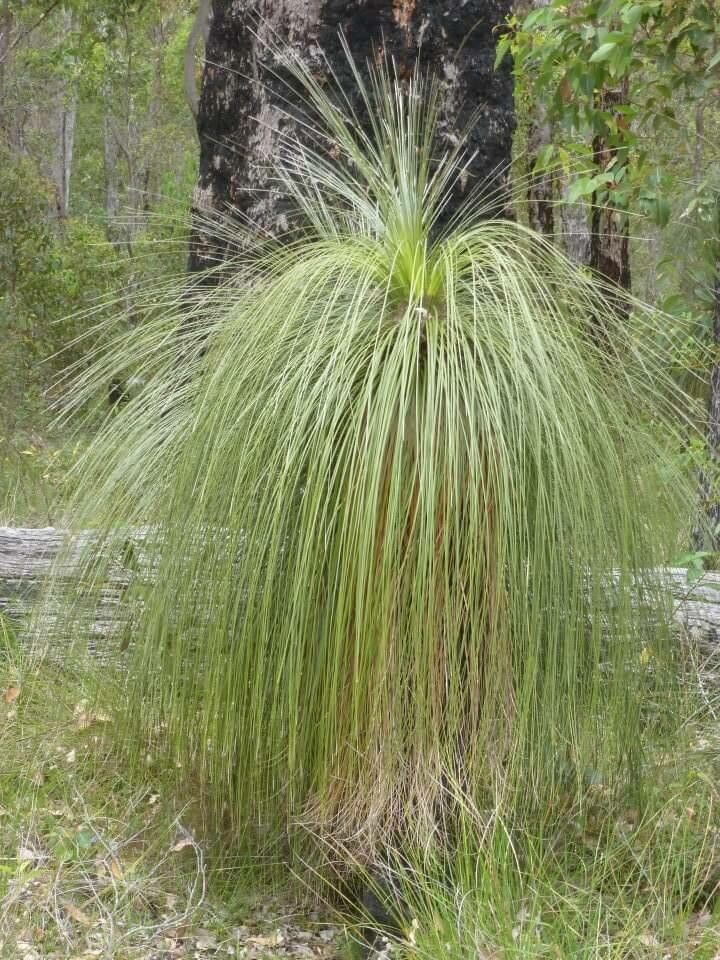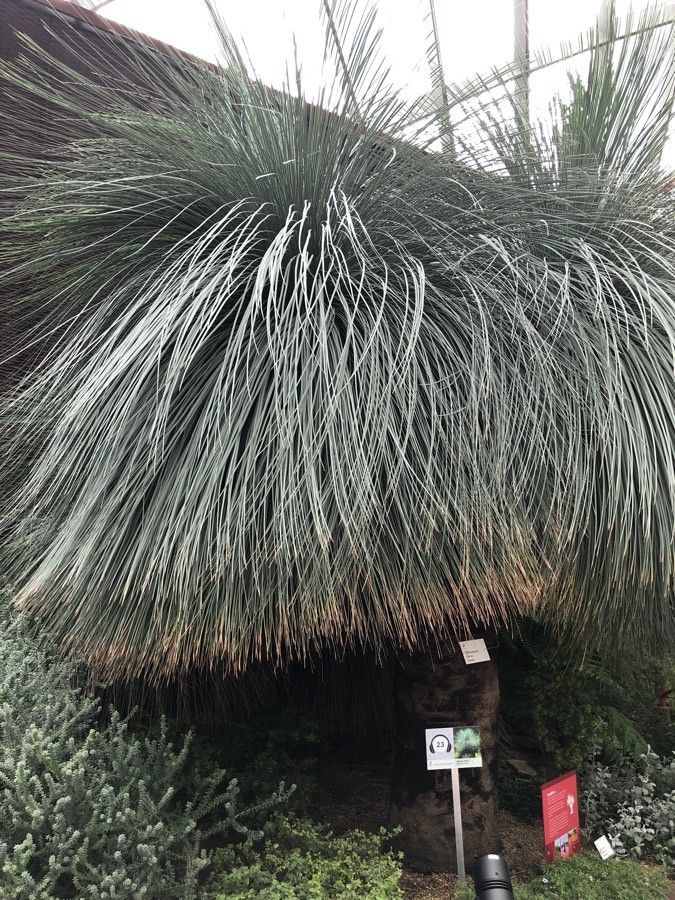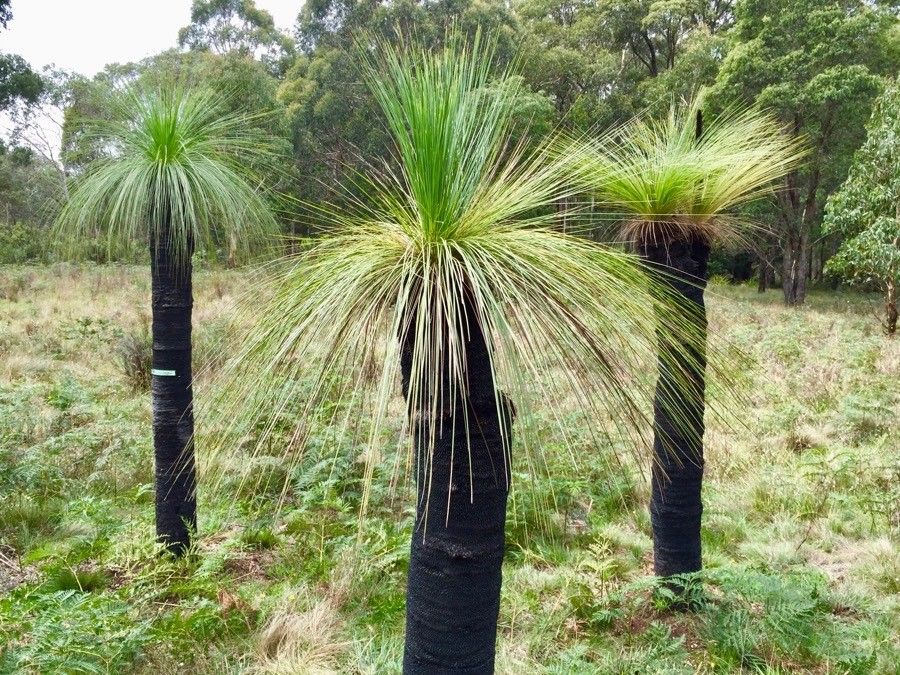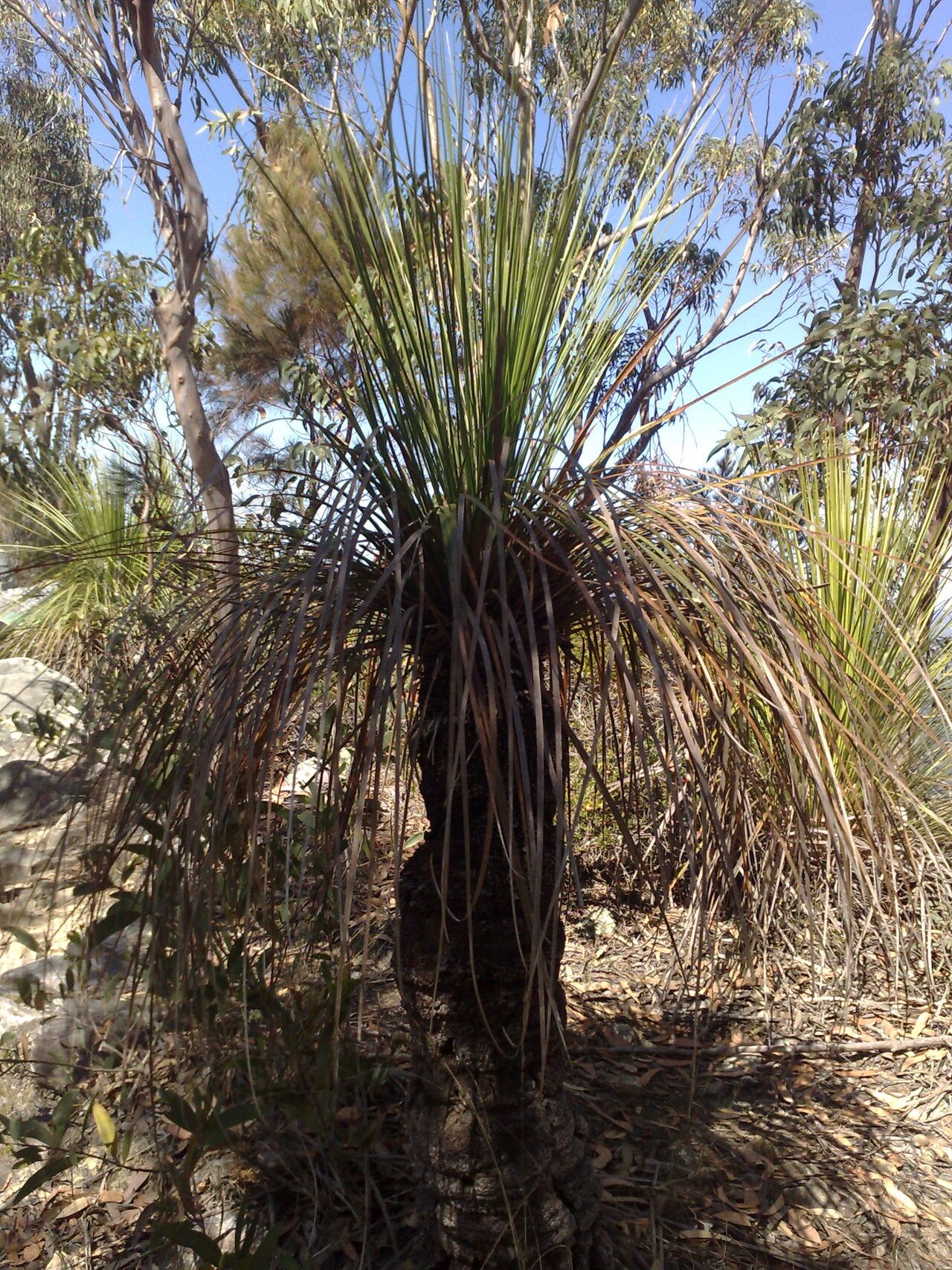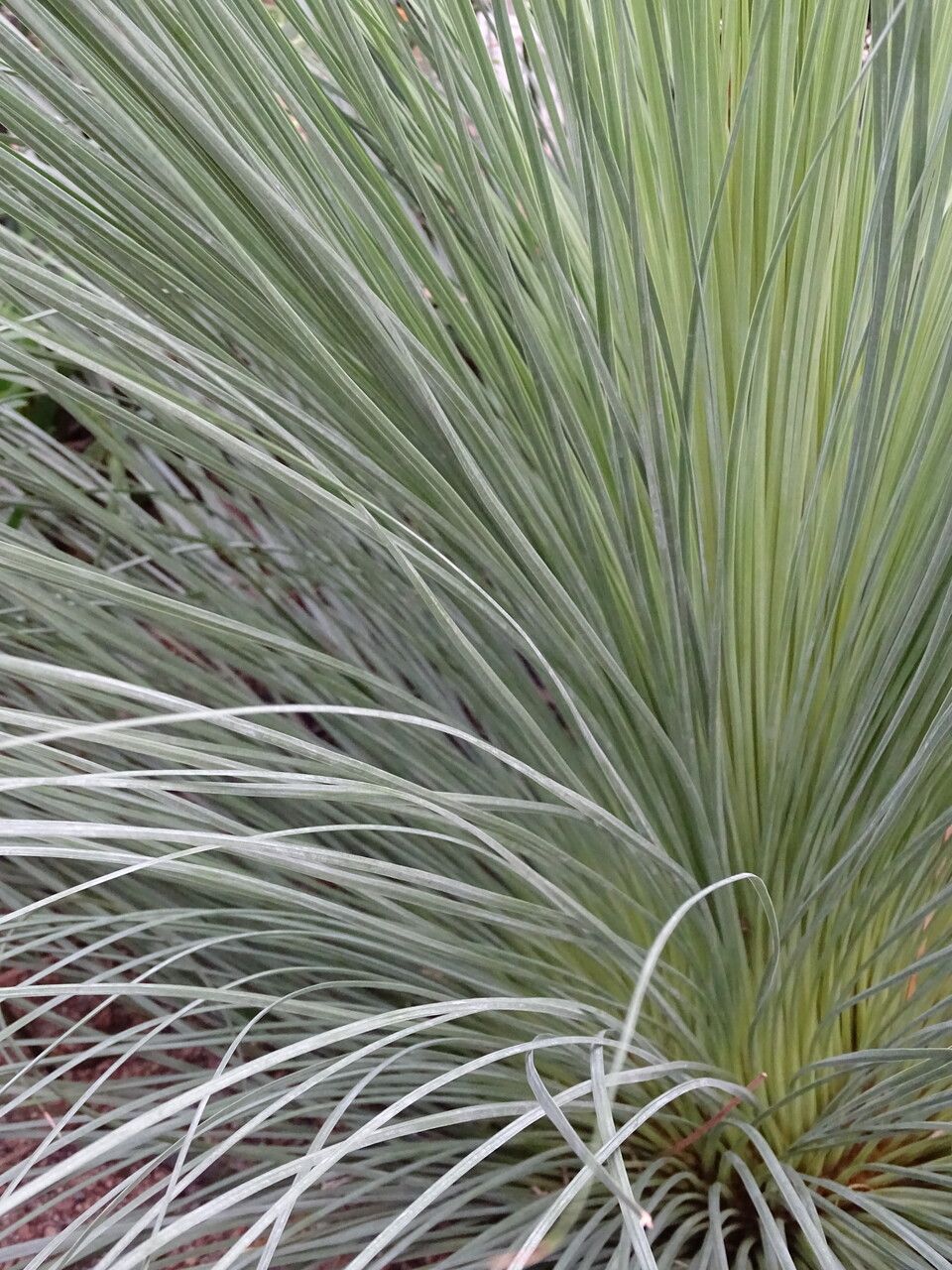
Xanthorrhoea preissii, known as balga, is a widespread species of perennial monocot in Southwest Australia.
The Australian grass tree has strong resistance to disease and is typically not susceptible to illnesses. Regarding care, this plant is fairly low-maintenance. When grown outdoors it needs little watering, and larger specimens usually do not require pruning. Smaller plants, however, should be pruned after they finish blooming. The Australian grass tree is well suited to anyone with an outdoor area—such as a garden or a deck—and does not call for significant care experience.
How to keep Xanthorrhoea Preissii.
Light
The Australian grass tree requires abundant sunlight to grow well and stay healthy; it will not perform well in low-light conditions. It originates from environments with plentiful sun exposure. Throughout all stages of its development, strong sun exposure is advantageous. Both too much and too little sun can damage its health, resulting in stunted growth or reduced vigor.
Water
The Australian grass tree, native to Australia, is a drought-tolerant evergreen that thrives with minimal moisture. It thrives in dry conditions and only needs to be watered every three weeks. Typically grown outdoors, this plant efficiently retains water in its foliage, allowing it to adapt to different climate zones.
Temperature
The Australian grass tree naturally occurs in areas with temperatures from 68 to 100.4 °F (20 to 38 °C). It prefers moderate to warm conditions and adapts well to seasonal fluctuations. Increasing temperatures during colder seasons may enhance its growth.
Fertilizer
Fertilization is vital for the Australian grass tree's care. Regular feeding during the growing season preserves the energy required for its showy leaves and supports overall growth. Neglecting fertilization can cause unhealthy leaves, reduced ornamental appeal, and stunted or weak growth that is more likely to break.
Pruning
The Australian grass tree, a distinctive feature in Australian landscapes with its grass-like leaves and tall flower spikes, benefits greatly from winter pruning. Removing dead material during this time encourages new growth and helps prevent disease. Using clean, sharp tools is essential for maintaining the health and appearance of the Australian grass tree, ensuring it remains vibrant and healthy all year round.
Botanical profile.
- Plant Type
- Tree, Shrub
- Life Cycle
- Perennial
- Genus
- Xanthorrhoea
- Family
- Asphodelaceae
- Hardiness Zone
- 9-11
- Mature Height
- 2.44 m to 3.66 m
- Mature Spread
- 2.44 m to 3.66 m
- Leaf Color
- Dark Green
- Leaf Type
- Evergreen
- Flower Size
- 0.51 cm to 1.02 cm
- Bloom Time
- Early fall, Mid fall
- Planting Time
- Spring, Summer, Autumn
- Harvest Time
- Late fall, Early winter, Mid winter
Other names.
Reader questions.
What are the sunlight requirements for an Australian grass tree?
The Australian grass tree requires full sun, meaning it needs more than 6 hours of sunlight daily for optimal growth and health. Originating from environments with abundant sun exposure, these plants thrive best under maximal sun exposure throughout all stages of their growth. Both too much and too little sunlight can impair the health of these plants, potentially causing stunted growth or reduced vitality. It's crucial to watch how sunlight moves through your garden, choosing spots that offer the right balance of light and shade to ensure the plants' happiness.
What is the native environment of the Australian grass tree?
The Australian grass tree is native to environments with temperatures ranging from 68 to 100.4 °F (20 to 38 °C). It thrives in moderate to hot temperatures, adjusting well to seasonal variations. This plant is extremely heat-loving and any exposure to cold temperatures can be harmful. During colder seasons, it's helpful to raise indoor temperatures to encourage growth. In autumn, it's recommended to bring outdoor-grown Australian grass trees indoors, placing them near a bright window but at a distance from heaters to avoid damage. Maintaining temperatures above 20°C during winter assists in the plant's growth, as temperatures approaching 0°C are detrimental.
How can artificial lighting be used for indoor Australian grass trees?
Indoor Australian grass trees require adequate lighting for optimal growth, especially when natural sunlight is insufficient. During winter or in less sunny spaces, artificial lights provide a vital solution. For ideal growth, use the right type of artificial light, such as LED lights, which can be customized to deliver specific wavelengths needed by the plants. Full sun plants need 30-50W/sq ft, partial sun plants require 20-30W/sq ft, and full shade plants should get 10-20W/sq ft of artificial light. Position the light source 12-36 inches above the plant to mimic natural sunlight and ensure the plant receives 8-12 hours of light per day.
What are the important symptoms and solutions for an Australian grass tree exposed to low temperatures?
Australian grass trees prefer warm temperatures and do not tolerate low temperatures well. They thrive best when temperatures are above 20°C and should be kept above 0°C during winter. Exposure to temperatures below -5°C may cause the leaves to lighten in color. Post-frost, leaves might turn brown or black, and the plant can show signs of wilting and drooping. To address frost damage, trim off the frost-damaged parts and move the plant to a warm, indoor environment for protection from the cold. Placing the plant near a south-facing window ensures it receives ample sunlight, but it should not be placed near heaters or air conditioning vents to avoid excessive dryness.
What are the symptoms of light deficiency in an Australian grass tree?
Light deficiency in an Australian grass tree can manifest as smaller new leaves, leggy or sparse growth, faster leaf drop, slower or no new growth, and lighter-colored new leaves. These symptoms indicate the plant is struggling with insufficient light. Additionally, chlorosis (leaves turning yellow), sunscald (damaged areas from intense sunlight), leaf curling (as a defense mechanism against overexposure), wilting (due to water loss), and leaf scorching (brown, dry patches from excessive sunlight) show the plant may be experiencing either too much or too little sun.
How should you care for an Australian grass tree during high temperatures?
During the summer, it's important to ensure that the Australian grass tree is kept below 38°C. Temperatures exceeding 43°C can cause the leaves to lighten and increase the risk of sunburn to the plant. If sunburn occurs, trim away the sunburned and dried-up parts. Relocate the plant to a spot where it can be shaded from the intense midday and afternoon sun. Additionally, watering the plant in the morning and evening helps keep the soil moist and supports the plant's well-being in high temperatures.
What solutions can address light deficiencies in Australian grass trees?
To tackle light deficiencies in Australian grass trees, gradually acclimate plants to receive at least 6 hours of direct sunlight daily. For indoor plants, use a south-facing window for natural light or consider artificial lighting, like desk lamps or professional grow lights, to provide sufficient light for at least 8 hours a day. Outdoor plants should be moved to sunnier spots gradually to prevent sunburn. If trees block sunlight, pruning may be necessary. For smaller plants, consider transplanting during their dormant period to a location with ample sunlight and good drainage. Remember, while parts of the plant affected by insufficient light may not recover, new growth should be healthy with adjusted light exposure.