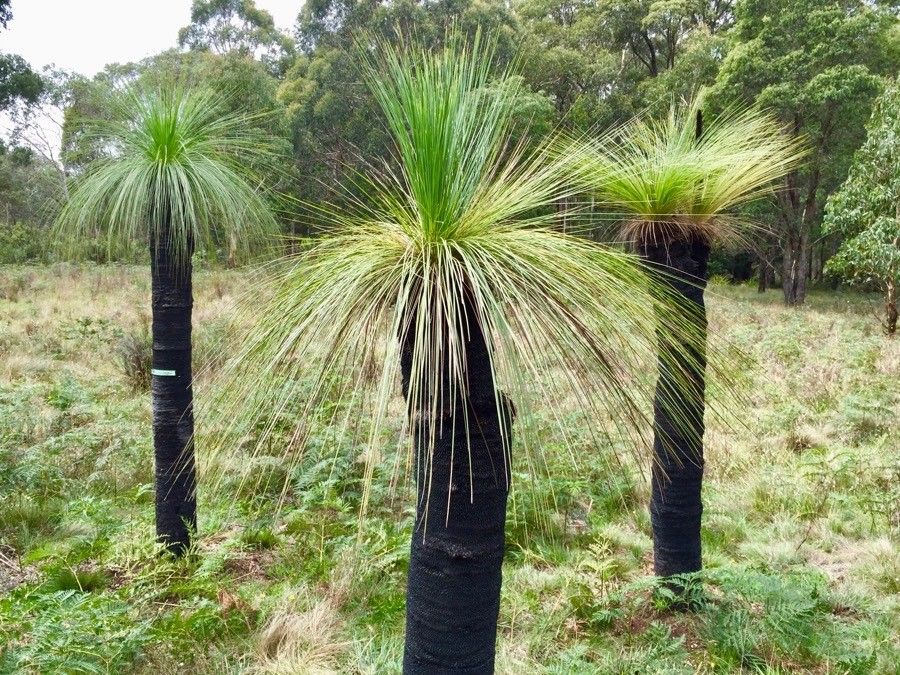
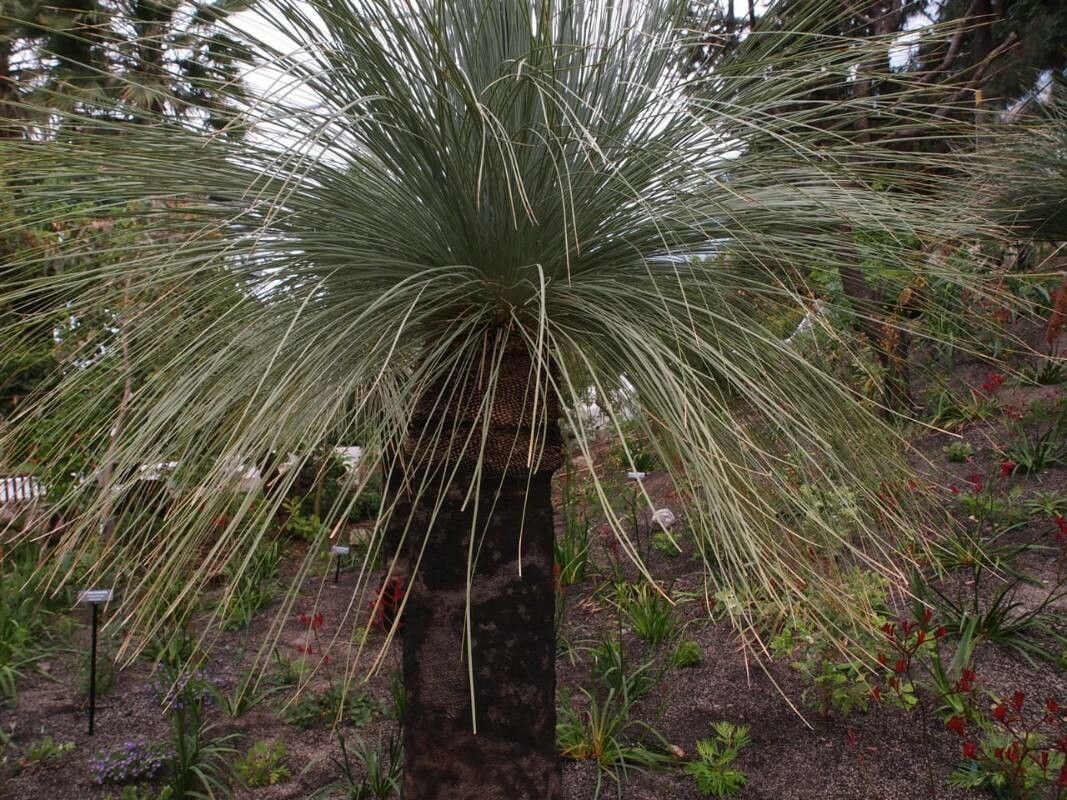
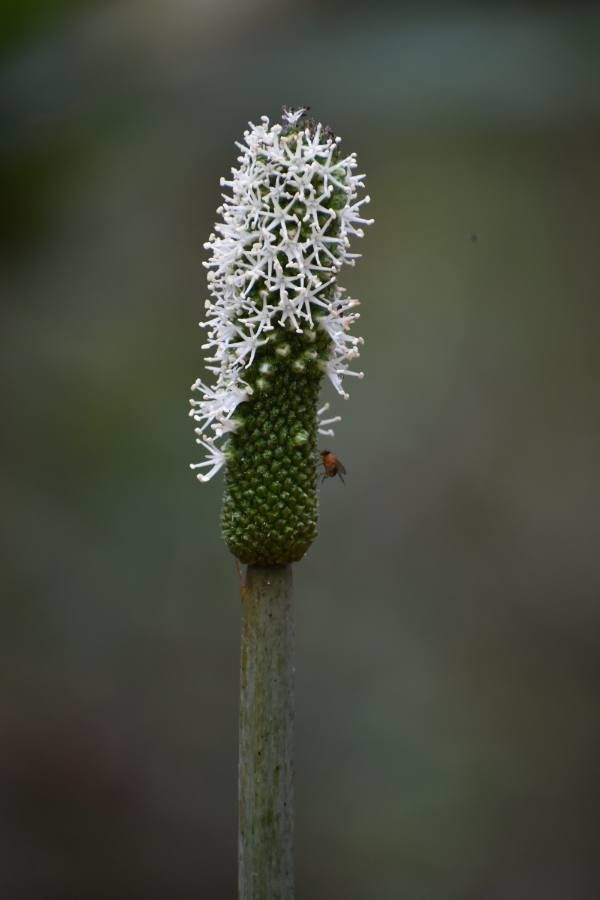
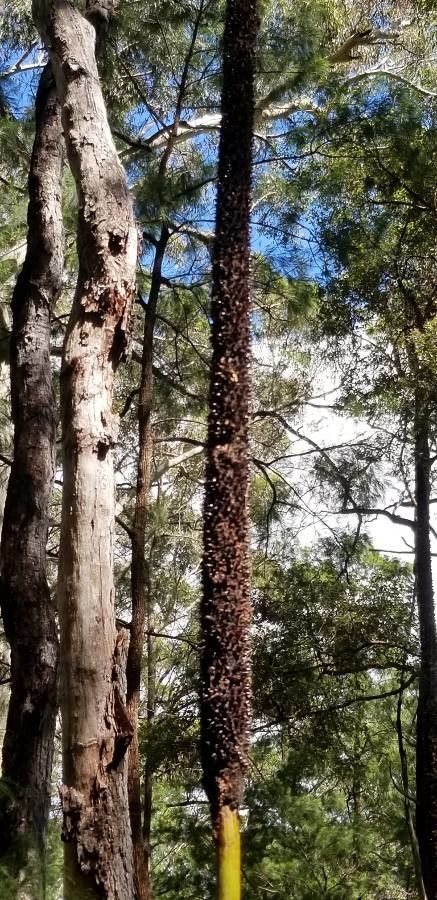
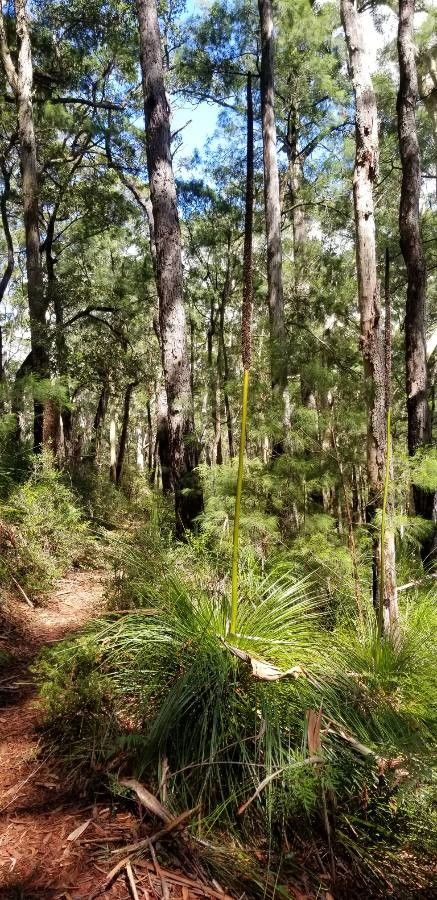
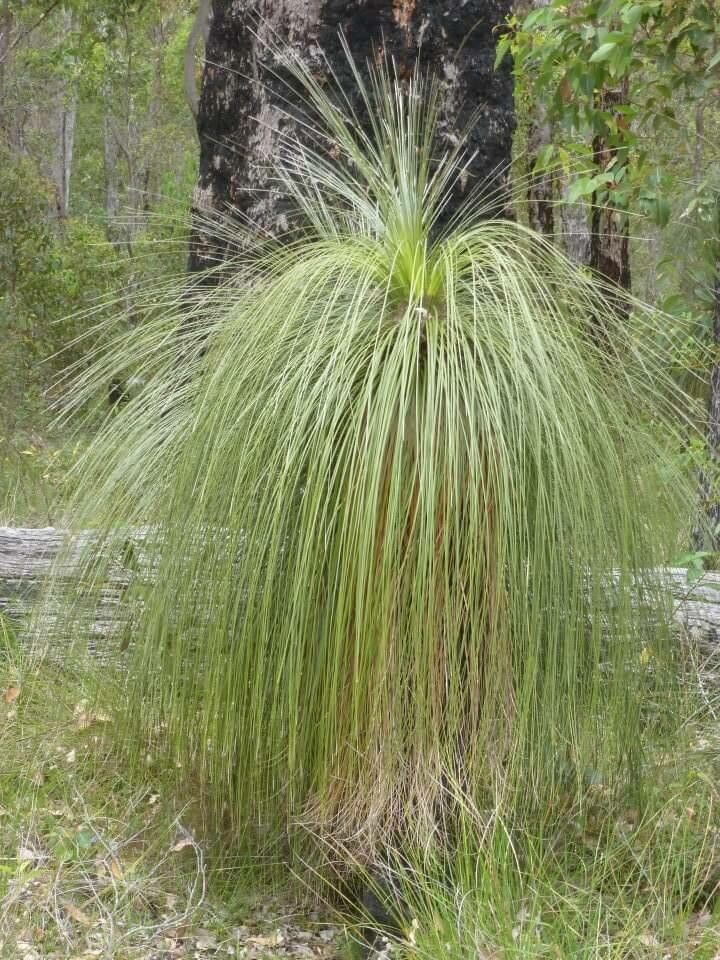
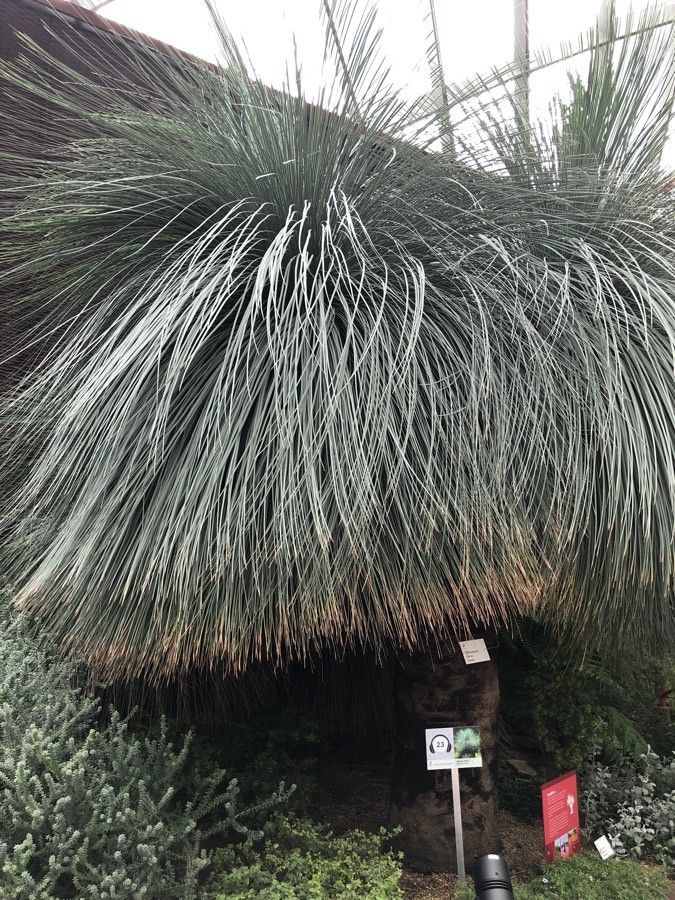
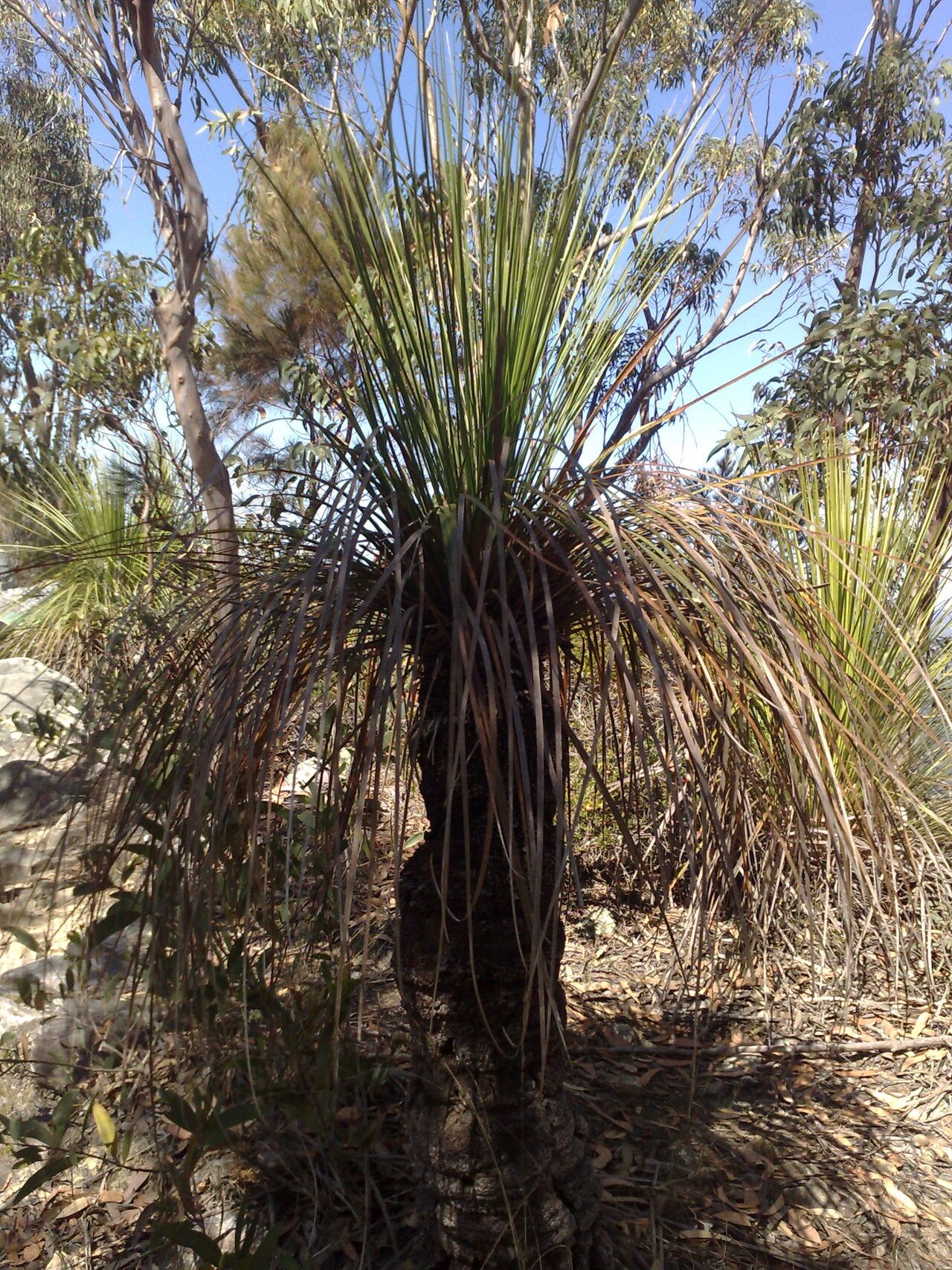
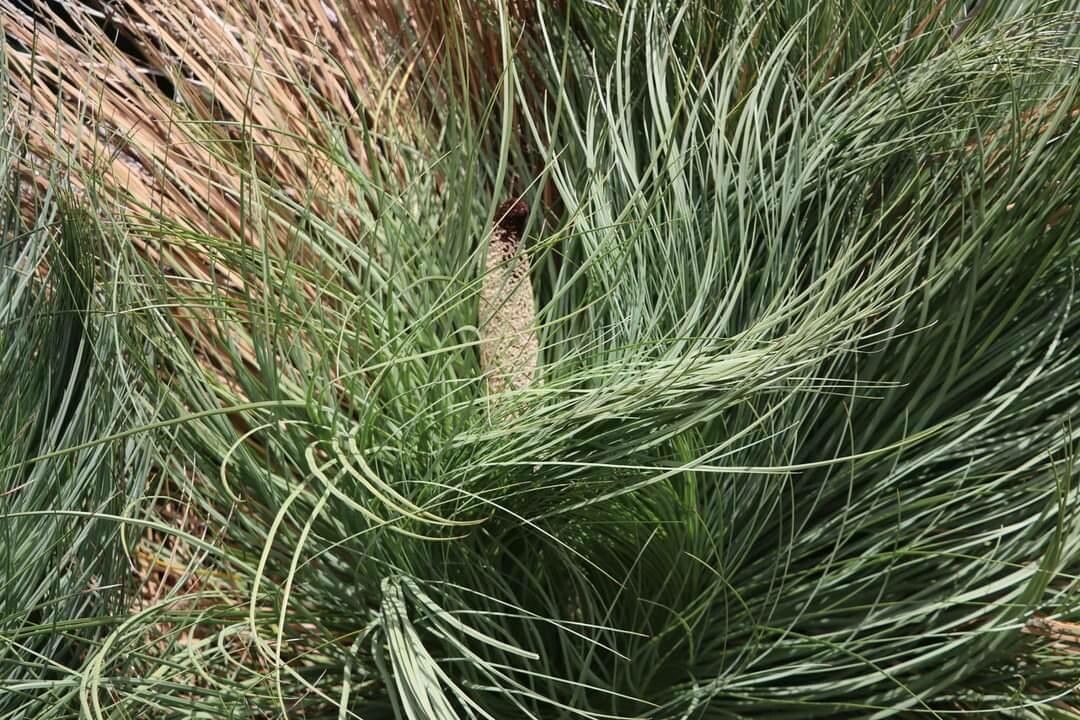
Xanthorrhoea johnsonii (also known as Johnson's Grass Tree) is a large plant in the genus Xanthorrhoea found in eastern Australia. The trunk can grow to 5 metres tall. Older foliage is very strong, hence one of the common names being "steel grass", and is commonly used in floral design where it can be bent and looped without breaking.It was named after the Australian botanist L.A.S. Johnson.
Forest grasstree shows strong resistance to disease and is generally unlikely to develop illnesses. Regarding care, this plant is fairly low-maintenance. When grown outdoors it requires minimal watering, and larger specimens typically do not need pruning; smaller plants, however, should be pruned after they have finished blooming. Forest grasstree is suitable for anyone with an outdoor area, such as a garden or deck, and does not demand much experience in plant care.
How to keep Xanthorrhoea Johnsonii.
Light
Forest grasstree is native to open habitats, such as sunlit meadows and forest edges, which supply abundant light. It does best in Full Sun but can tolerate Partial Sun, adapting well to different sunlight conditions.
Temperature
Forest grasstree adapts well to temperature, tolerating higher heat and broader temperature swings. In hot conditions, you should monitor watering and provide adequate shade to avoid sunburn. However, Forest grasstree is comparatively less tolerant of low temperatures; while it can endure a certain amount of cold, excessively low temperatures can cause frost damage.
Fertilizer
Proper timing is essential when fertilizing a Forest grasstree. Apply fertilizer in early spring and then monthly until early summer. Fertilizer encourages attractive blooms and supplies energy during both dormant and active growth phases.
Pruning
The forest grasstree boasts striking, grass-like foliage and tall flowers. To maintain its health and beauty, prune it in early spring using sterilized tools, but remove only the dead or damaged parts to minimize stress. This approach encourages healthier growth, improves air circulation, and enhances the plant's aesthetic appeal. Proper timing and technique are crucial for achieving the best results.
Pot & Repot
When repotting a Forest grasstree, pick a pot 1–2 inches (2.5–5.1 cm) larger with ample drainage. Use a well-draining potting mix. Repot in spring or fall, making sure the root ball sits slightly lower than the rim of the flower pot. Water thoroughly after repotting and place the plant in a warm spot with indirect sunlight.
Botanical profile.
- Plant Type
- Shrub
- Life Cycle
- Perennial
- Genus
- Xanthorrhoea
- Family
- Asphodelaceae
- Hardiness Zone
- 9-11
- Mature Height
- 4.88 m
- Mature Spread
- 2.44 m
- Leaf Color
- Dark Green
- Leaf Type
- Evergreen
- Flower Color
- White
- Flower Size
- 0.25 cm to 0.51 cm
- Bloom Time
- Early fall, Mid fall
- Planting Time
- Spring, Summer
- Harvest Time
- Late fall, Early winter, Mid winter
Other names.
Reader questions.
What is the name of the plant?
The name of the plant is Forest grasstree.
What is the botanical name of the Forest grasstree?
The botanical name of the Forest grasstree is Xanthorrhoea johnsonii.