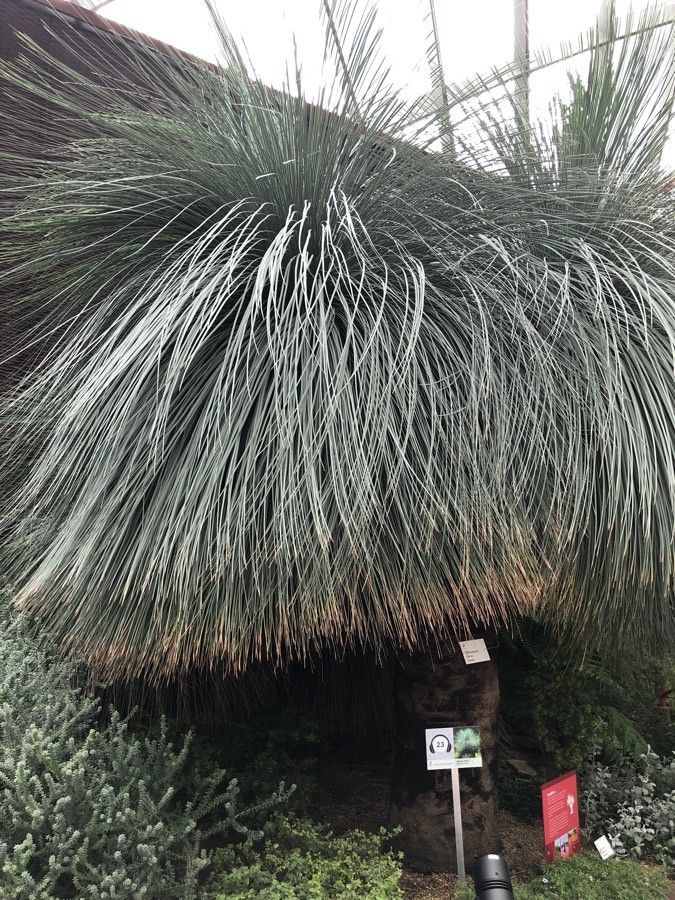
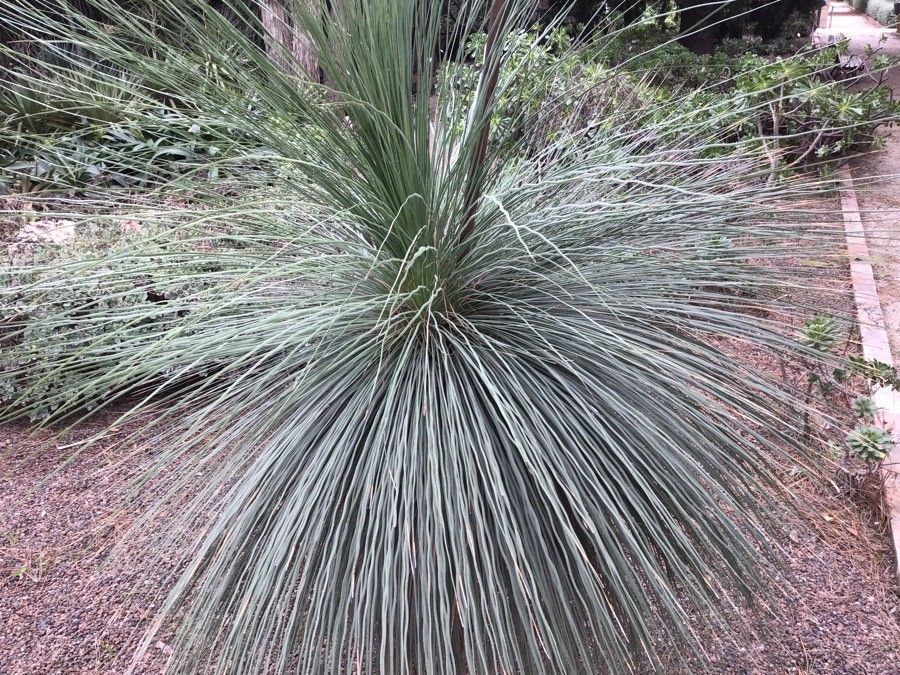
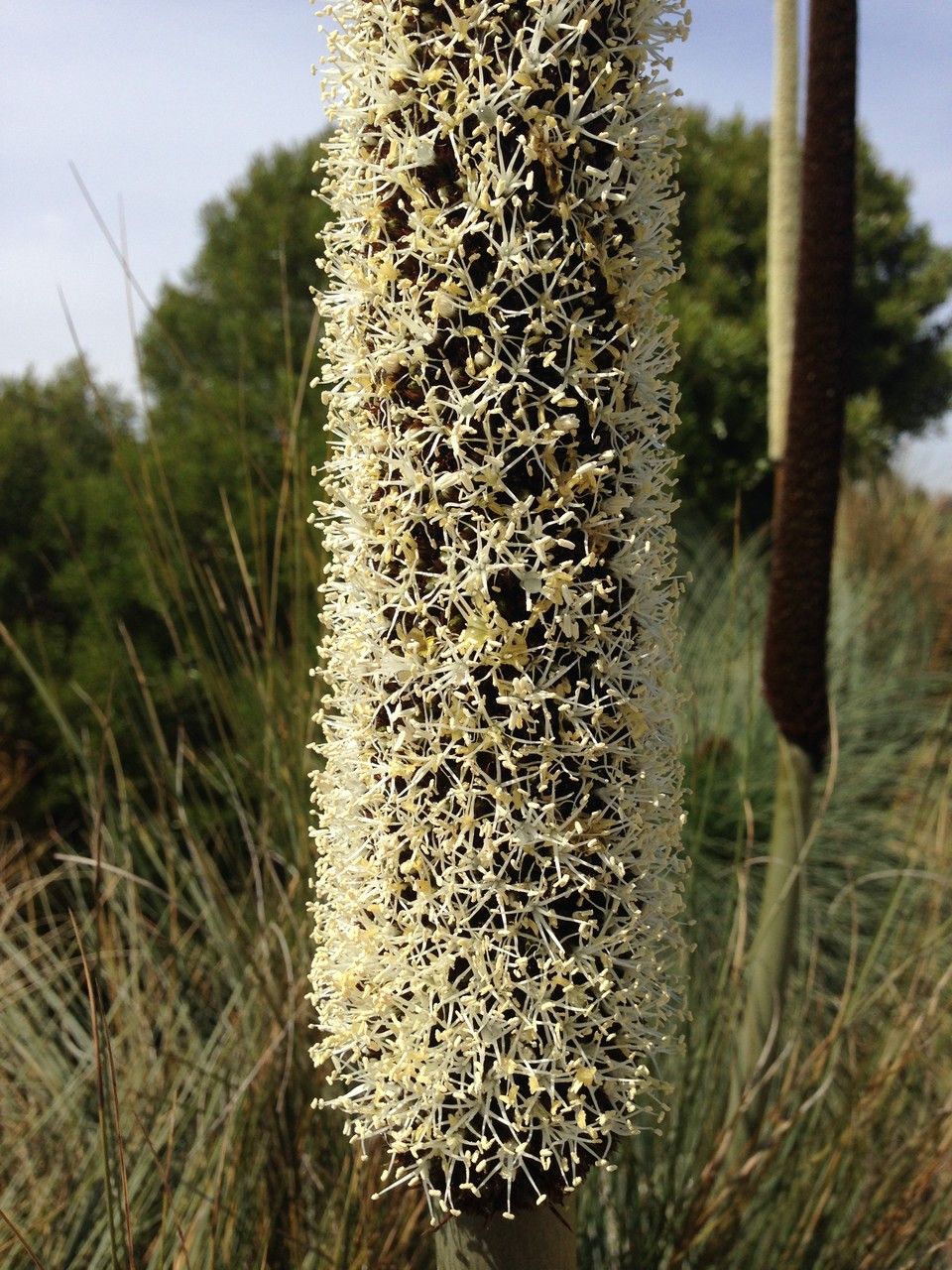
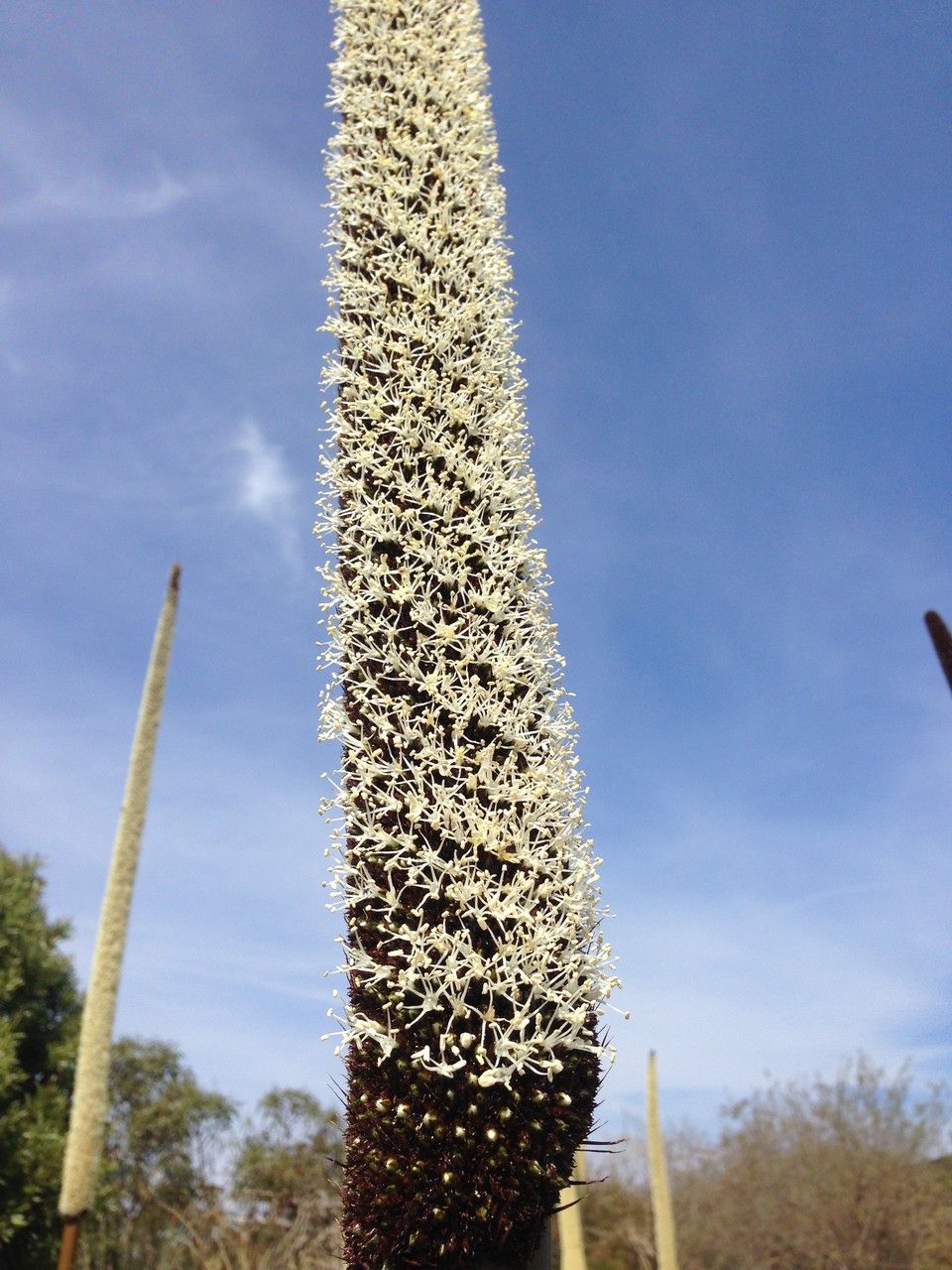
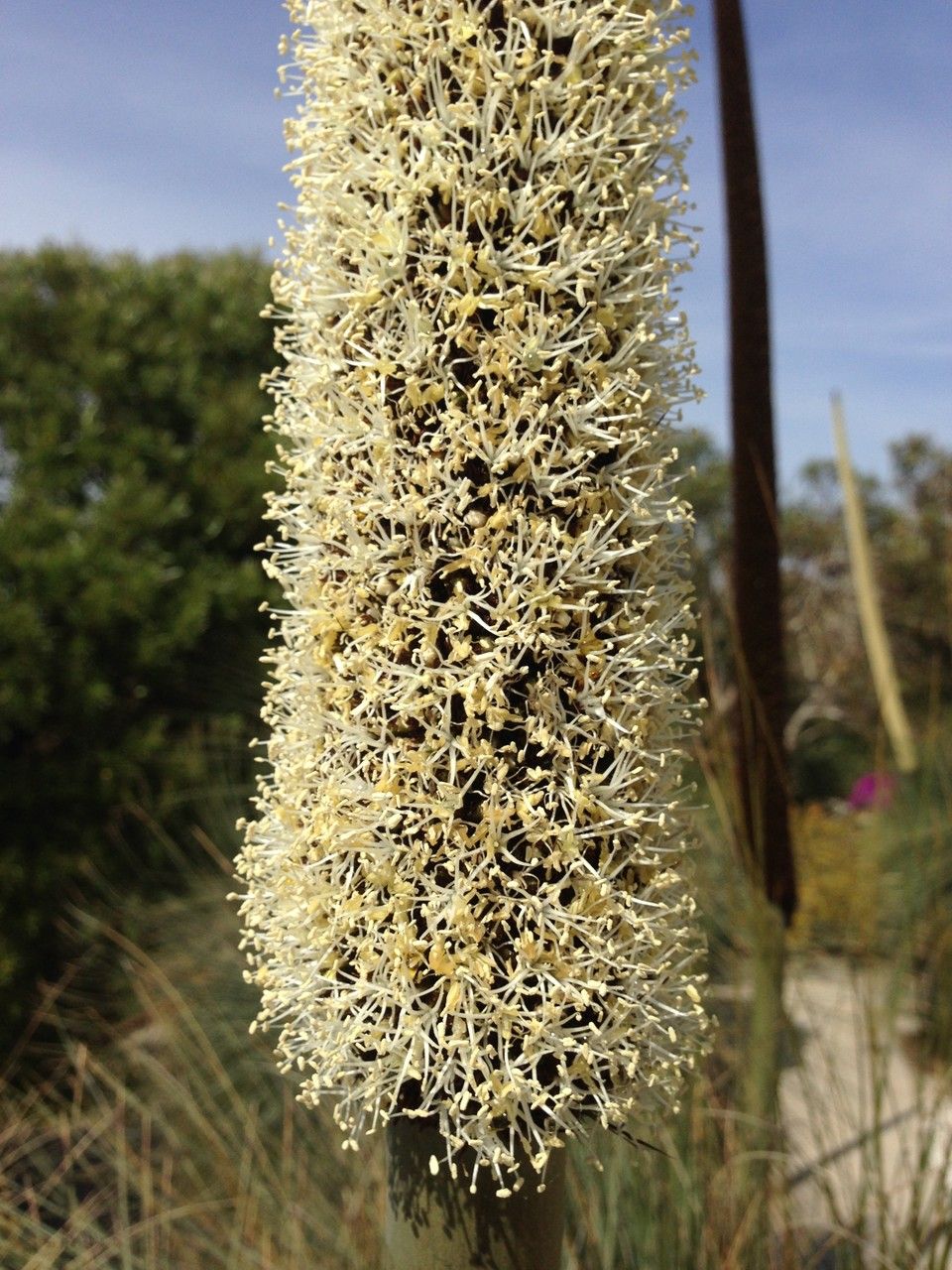
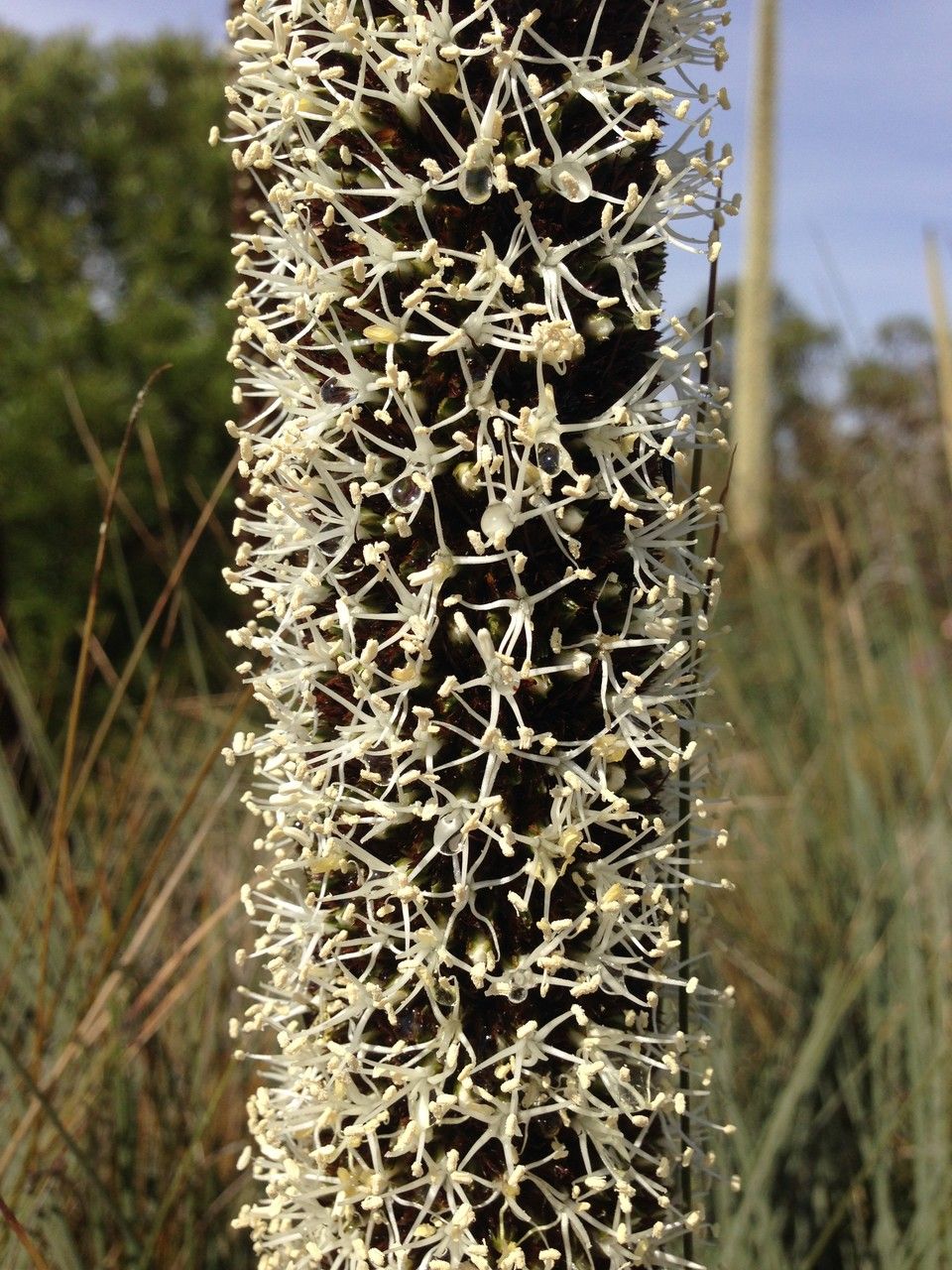
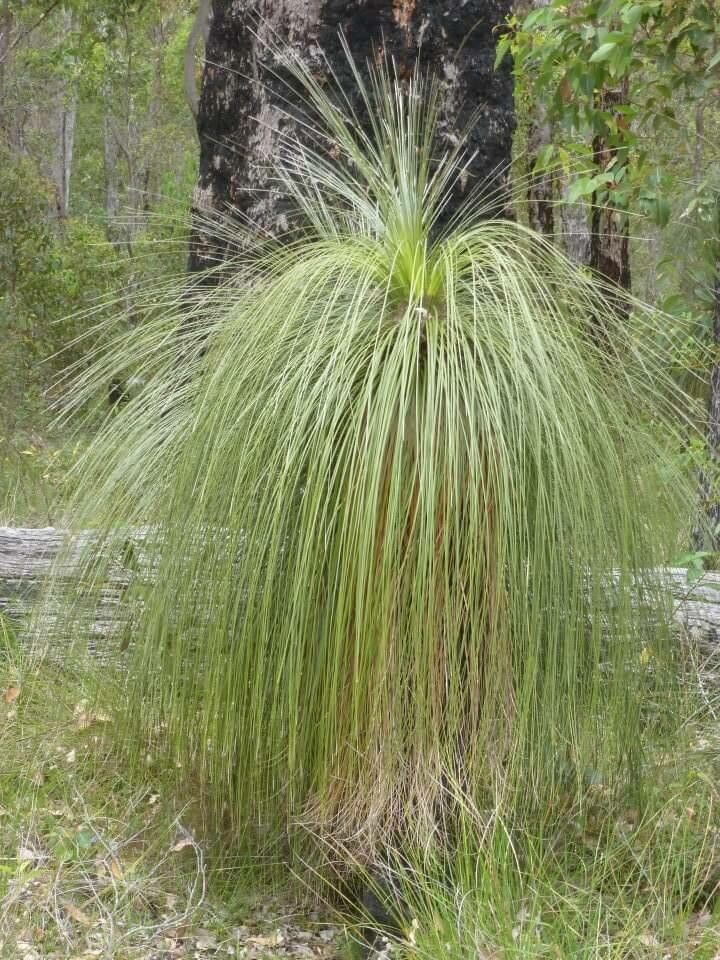
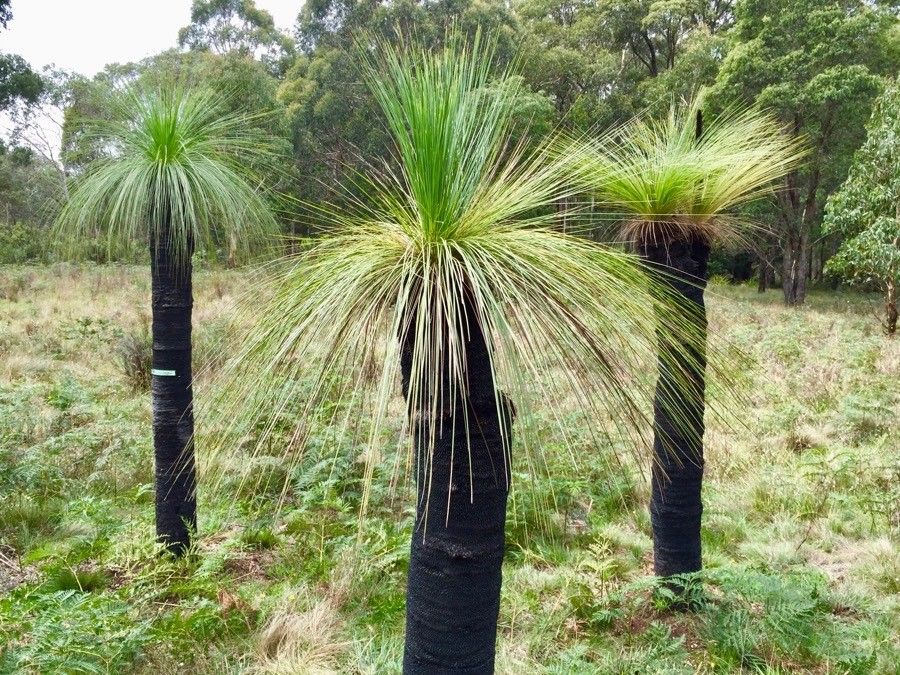
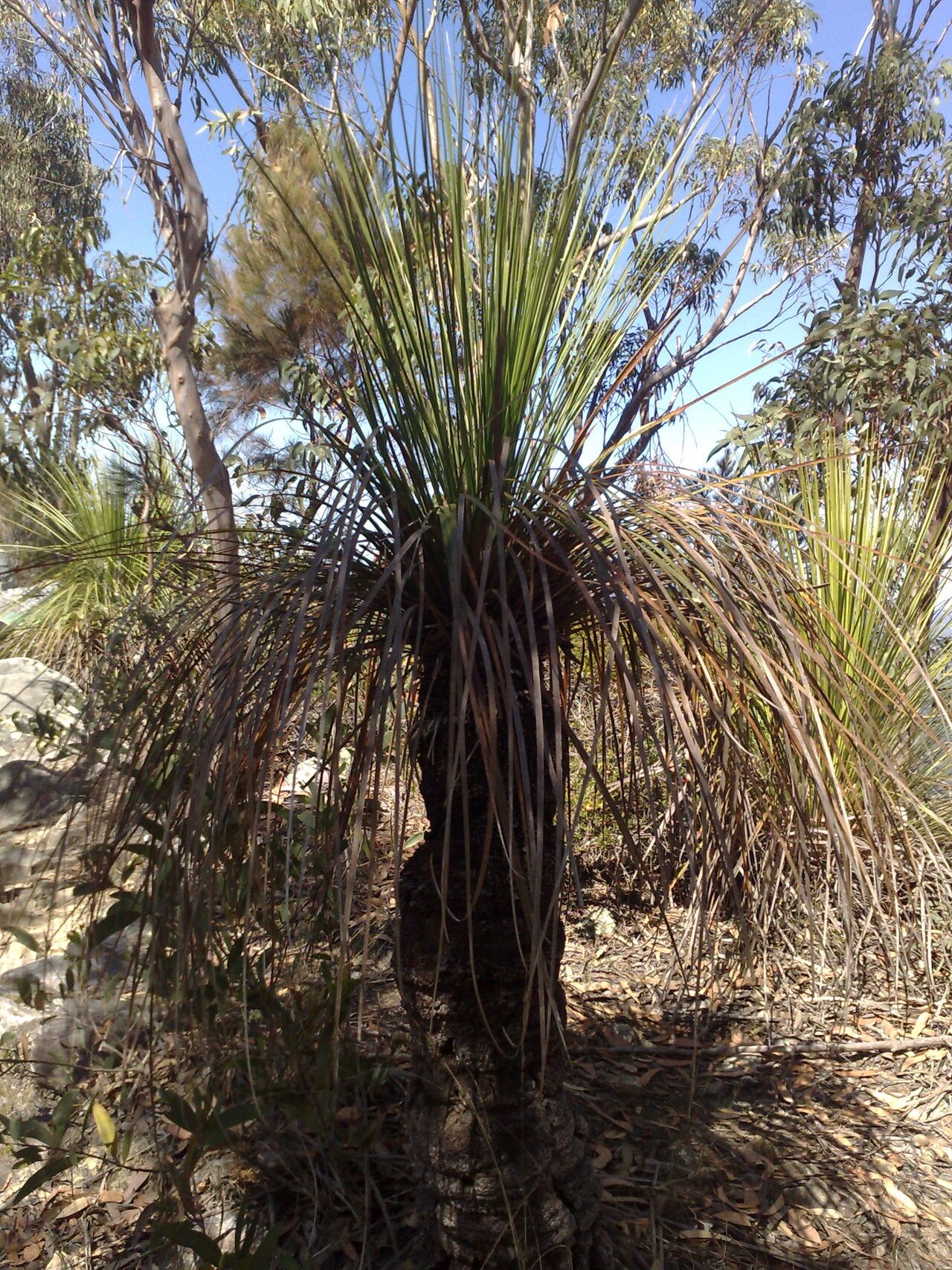
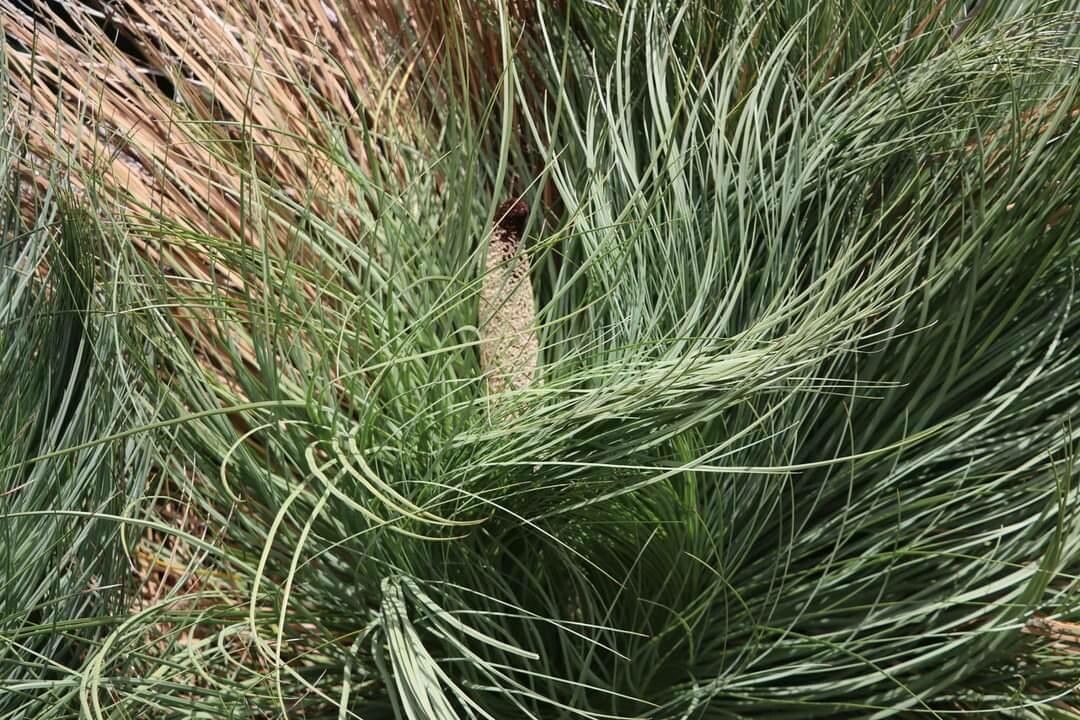
Xanthorrhoea glauca, known as the grass tree, is a large plant in the genus Xanthorrhoea, widespread in eastern Australia. The trunk can grow in excess of 5 metres tall, and may be many branched. It is occasionally seen in large communities in nutrient rich soils. The leaves are a grey or bluish glaucous green. Two sub-species are recognised; subspecies angustifolia and glauca.
Grass tree has strong disease resistance and is unlikely to fall ill under normal care conditions. It is also generally resistant to most pests and diseases. Regarding care needs, Grass tree tolerates drought and can withstand long intervals without watering. It requires little fertilizer and typically does not need pruning. Because of this, it is a suitable plant for people at any experience level, particularly for those who prefer to spend less time tending their plants. It is also a good option for people who are away for extended periods and might forget to water regularly.
How to keep Xanthorrhoea Glauca.
Light
Originating from arid regions, the Grass tree does best in full sun, since its natural habitat features intense sunlight and very little shade. It will also tolerate partial sun, giving it some flexibility in how it grows.
Temperature
Grass tree performs best in warm conditions and needs relatively high temperatures during the growing season to support growth and metabolism. It prefers plenty of sunlight, suitable moisture, and good airflow. However, it can be damaged by very low temperatures and by excessive watering. It's also important to maintain a balance and avoid conditions that are too hot or too dry.
Fertilizer
For the grass tree, small amounts of fertilizer applied once or twice a year during the growing season are adequate. Do not fertilize in winter or summer when it is dormant. Reduce feeding for repotted plants and wait a couple of months after repotting before you fertilize. Fertilizing promotes healthy growth and encourages blooms.
Pruning
The grass tree is known for its striking grass-like foliage and slow growth. To maintain its health and appearance, it is important to prune it in early spring. Carefully remove the dead leaves and spent flower spikes, making sure not to harm the growing points. This will encourage new growth, prevent diseases, and ensure the plant remains robust and attractive.
Botanical profile.
- Plant Type
- Succulent
- Life Cycle
- Perennial
- Genus
- Xanthorrhoea
- Family
- Asphodelaceae
- Hardiness Zone
- 9-11
- Mature Height
- 4.57 m
- Mature Spread
- 3.05 m
- Leaf Color
- Gray, Light Gray
- Leaf Type
- Evergreen
- Flower Color
- White
- Flower Size
- 1.02 cm to 2.03 cm
- Bloom Time
- Mid fall, Late fall, Early winter
- Planting Time
- Spring, Autumn
- Harvest Time
- Mid winter, Late winter, Early spring
Other names.